
-
Sunlight, Translucence and the Mayfly
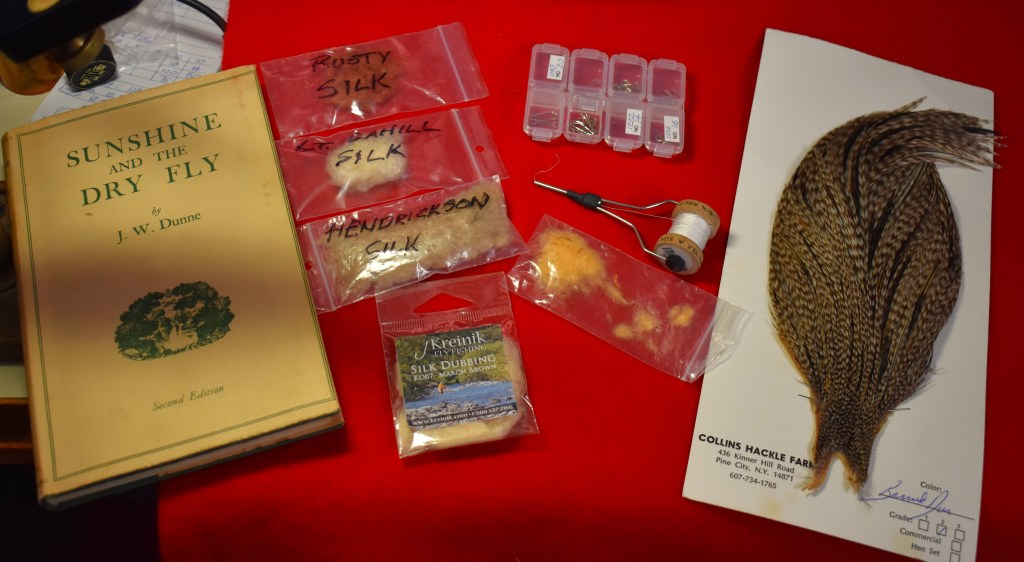
Throughout my own journey as a fly tier, I have sought to present an image of life to the trout. Natural mayflies have several qualities of note, their translucence and blends of coloration ranking at the top of the ladder in my opinion. Very early on it was impressed upon me to work toward mimicking these visible traits, and I quickly became enamored with blending dubbing materials to achieve that goal. The furs of foxes and beavers and muskrats, both natural and dyed, were combined with Gary LaFontaine’s miracle Antron carpet fiber to create flies with the blends of colors I found in the mayflies I captured at stream side. Sweetened with the reflectivity and affinity for holding minute air bubbles provided by a small amount of the synthetic yarn, I was overjoyed to find my flies combined the appearance of not only the natural coloration but gave a hint of the translucency of the natural flies as well. To this day, my tying bench houses four dispenser boxes and dozens of small zip lock bags filled with dubbing blends to match the hatches I have encountered in more than three decades of trout fishing.
Fishing the clear, still pools of our Catskill rivers, I have experimented more with capturing the elusive translucency of the naturals, as I find our wild brown trout growing ever more challenging. One avenue that showed promise involved wrapping an underbody of pearl tinsel before applying my blended dubbing to my 100-Year Drake imitations. I am convinced that larger dry flies are more likely to arouse suspicion in a taking fish and hoped this method might increase the translucency enough to enhance that image of life that I seek. A pair of these special duns were placed in my fly box to be used only under appropriate circumstances.
I encountered a large brownie a few seasons ago that took selectivity to the extreme. Green Drakes were on the water sparsely, and this fellow had chosen the perfect lie in the most populated line of drift, where he passed on most of the natural duns coming down to him. I expected that movement was the trigger for this trout, but close observation showed no discernable movement in the naturals he selected. I fished him carefully with several flies, including two that had seduced three other browns that day which exceeded twenty inches. He remained unimpressed. There was mixed sunlight and overcast that afternoon, and I decided to try my experimental drake with the pearl tinsel underbody. I believe I showed it to him twice. He drifted up to that second presentation and sucked in my fly as he had his special naturals, gave me a hell of a good battle, and stretched the tape to twenty-two inches. Although the dubbing blends I had used for a dozen years had taken many fine trout during the Green Drake hatch, that fish convinced me there is always room for improvement!

Turkey biots got the pearl tinsel underlay along the way! This fly is wet and bedraggled because it was taken from the jaw of a trophy brown trout moments before I snapped this photo. My quest for heightened translucency began to focus on pure silk dubbing during my first full season here in the Catskills. The formula for my experiments involved blending various silks for color, using pure white tying silk to construct my flies, and tying them on Daiichi’s Crystal Finish hooks which I had used sparingly since the Falling Spring Outfitters days. The patterns spawned from those experiments, my Translucence Series flies have brought substantial success, and I have tied and fished them more each season.
At one point, my friend JA suggested I check out a blog by British author Robert Smith called “The Sliding Stream”, after reading a post on fishing bamboo rods in England. I liked Mr. Smith’s blog and later found his post on an early twentieth century British author named J. W. Dunne. Dunne had undertaken substantial work in regard to imitating English chalk stream mayflies a century ago, producing a thought-provoking volume entitled “Sunshine and the Dry Fly” in 1924. I was interested in what Smith had to say about him and added the title to my want list.
This week I received a copy of the 1950 second edition of “Sunshine and the Dry Fly” from England, finally enjoying the chance to learn of Dunne’s inquiries and methods in detail. As a chalk stream angler, he was influenced to great extent by Frederick Halford, the same authority on English dry fly fishing who corresponded with our Theodore Gordon. Based upon his own observations, Dunne took Halford to task regarding many of his prescribed chalk stream fly patterns which he found poorly imitated the coloration and translucency of the natural mayflies. Dunne did not embark upon this quest to one-up Halford, expressing that disagreeing with the great man was not his purpose since Halford had been “his guide” as he learned of the mysteries of trout and fly.
Dunne found it necessary to paint the shanks of his dry fly hooks with white enamel to prevent his carefully chosen and blended colors from darkening when the flies were oiled or wetted. He preferred synthetic “silks” for their handling and consistency of color, blending various strands of different color to achieve his blended copy of the hues of the natural flies. His bodies were wrapped with these blended strands rather than dubbed, and he studied the naturals and imitations when lighted from above by natural sunlight of varying intensity. I found his work terribly interesting, marveling that we two anglers followed such similar paths a century apart.
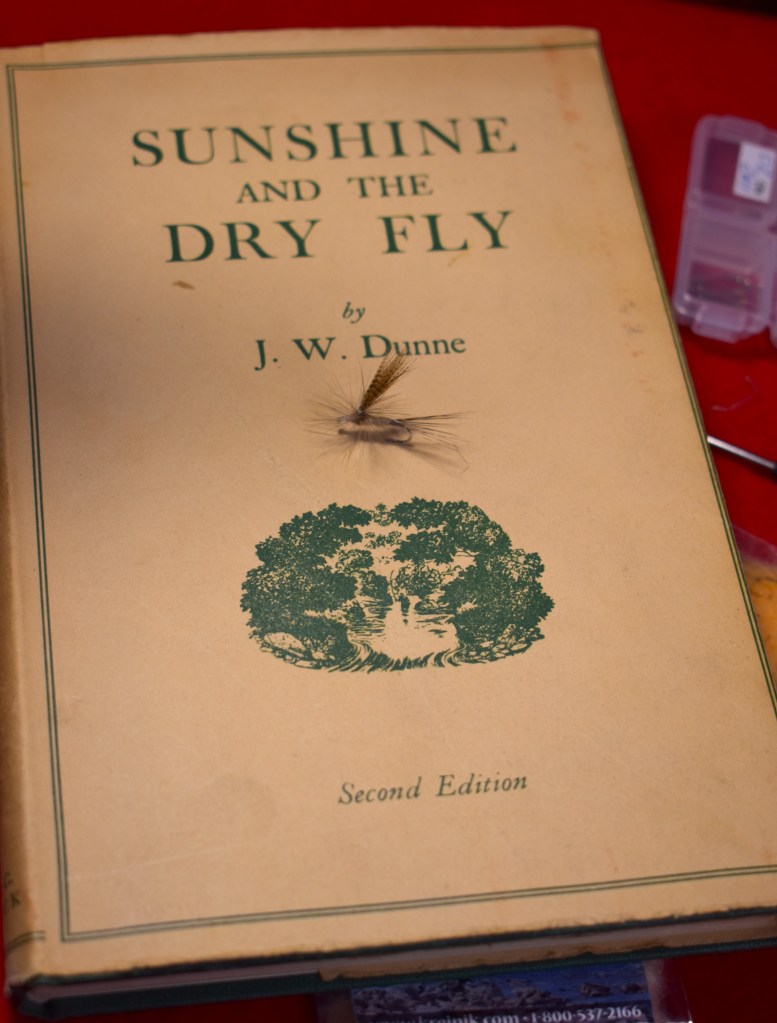
Dunne’s “Sunshine and the Dry Fly” meets my own Translucence 100-Year Dun Hendrickson. I feel fortunate to be able to acquire this little book and learn of Mr. Dunne’s work as I do to read and observe the work of Theodore Gordon and other Catskill dry fly pioneers. The history and literature of fly fishing are tremendous resources for the fullest enjoyment of our fly tying and fishing!
1 comment on Sunlight, Translucence and the Mayfly
-
Wind Currents
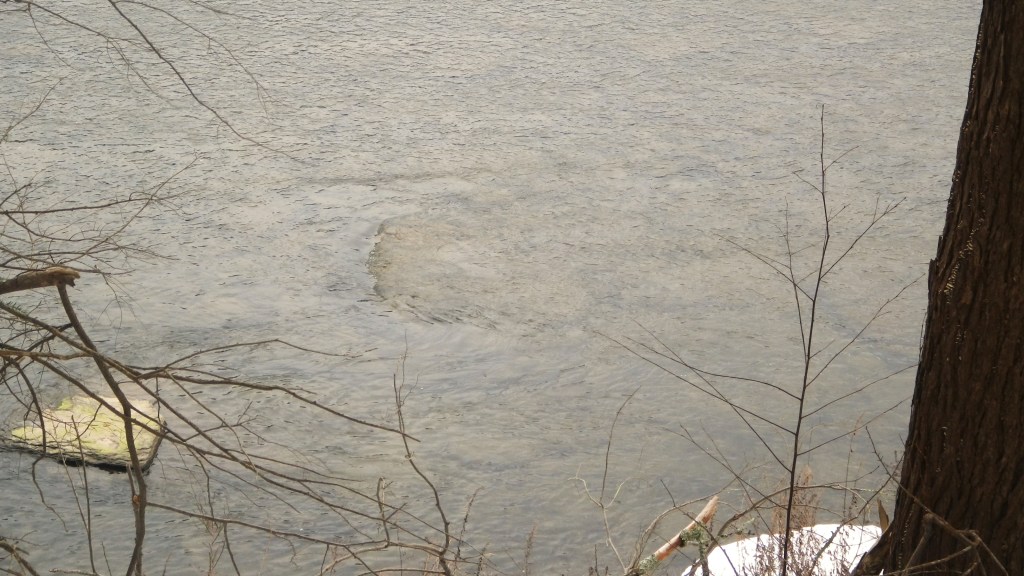
A Northwest wind creates the only “signs of life” on a reach of winter river. The news wasn’t good this morning: a new winter storm barreling across the country with rain and snow for the northeast before the trailing effects of the big chill. In short, we could be looking at another Christmas flood for the Catskills. It seems that storm is expected to sweep up a patch of warm air on it’s way bringing rain and 52 degrees to us Friday before temperatures plummet. That 52-degree high is to be followed by a 9 degree overnight low. Of course, there is nothing any of us can do about the weather, other than hope the cold comes early enough to limit the snowmelt the rain will bring to these mountains.
Cold is well seated here for the moment, with a cloudy 29 degrees around Noon as I took my river walk. The East Branch Delaware runs free, with a balmy 35-degree water temperature at Fish’s Eddy. Last week’s storm system had it down very near the freezing mark overnight. Should we escape another flood, and temperatures moderate, I would love to get out for a walk in the river, a last goodbye to the year with fly rod in hand.
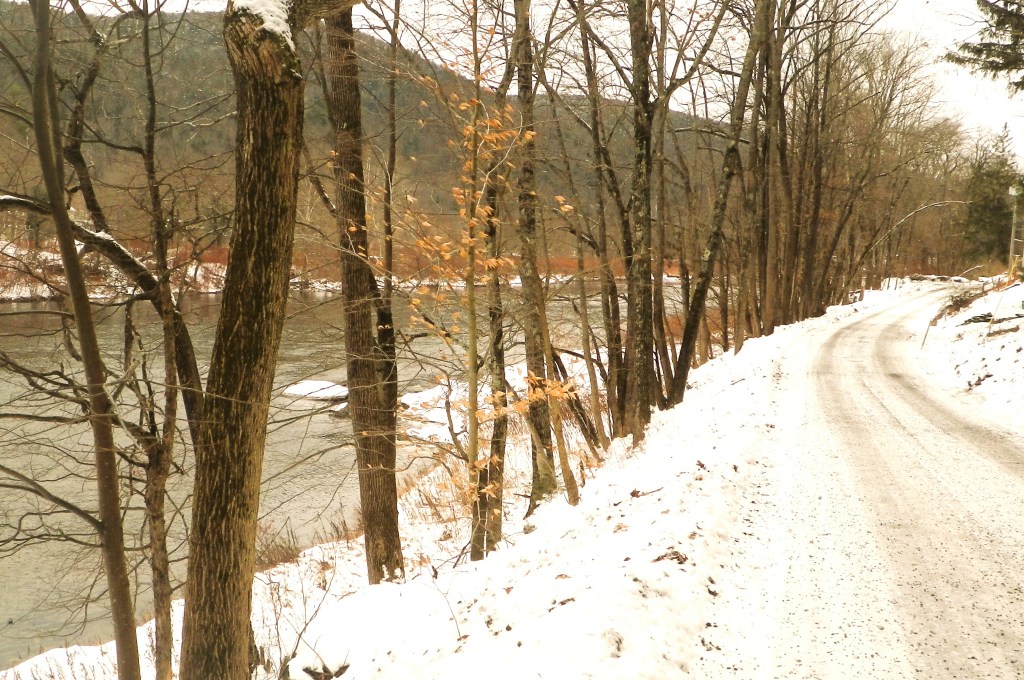
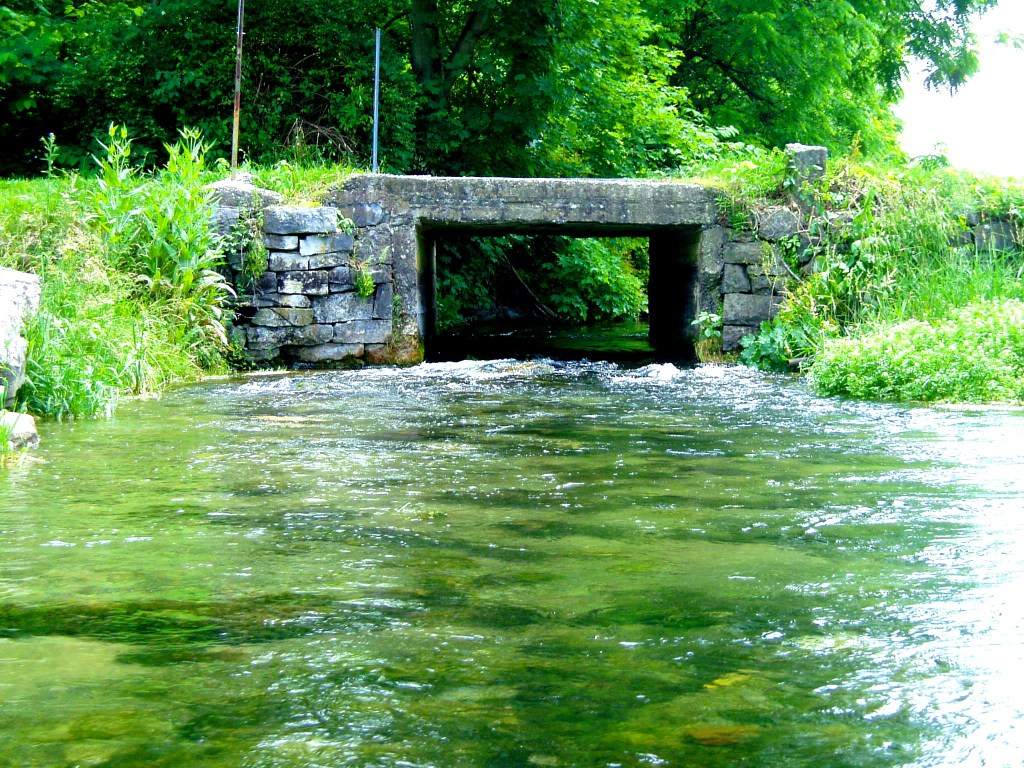
The ice was underfoot during today’s riverwalk, with the East Branch remaining ice-free a day before the Winter Solstice arrives. The Solstice brings to mind the winter fishing that was once a regular occurrence. The last foray of substance proved unforgettable, both for the trout landed and the belief that the day could easily have qualified as the beginning of the end. It was a cold day in March nearly eight years past, and early in the decline of the wild rainbow fishery there at Big Spring. My friend Andy and I rigged our Granger bamboo fly rods with long, fine leaders and 6X tippets, hoping for a handful of little blue-winged olives, and the chance at a rising trout.
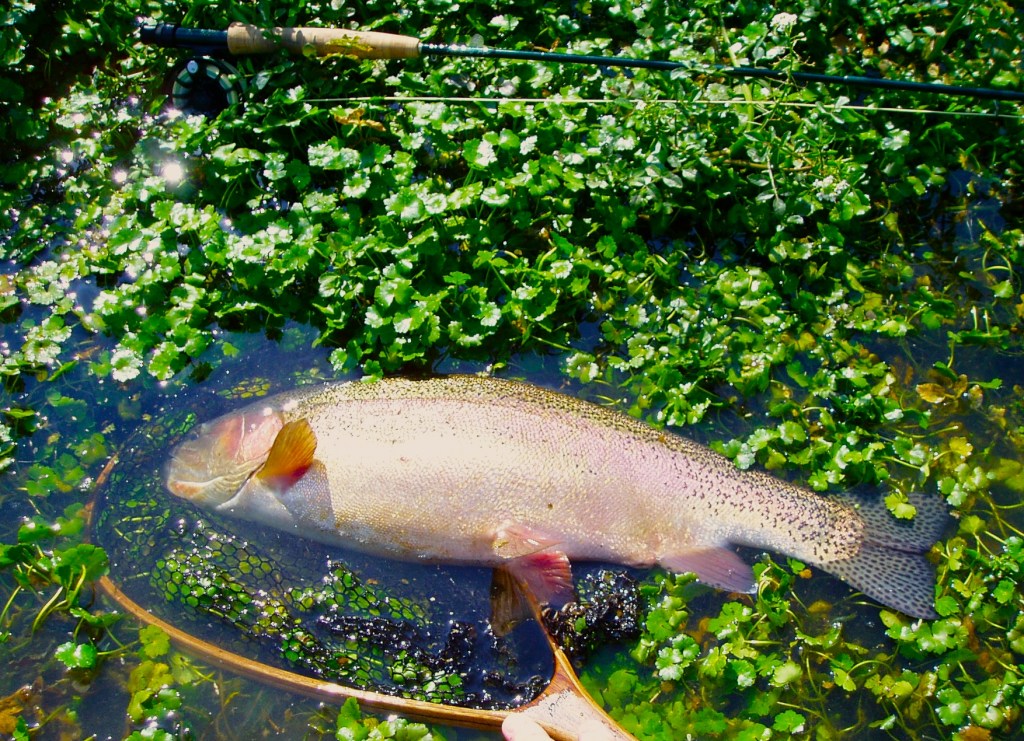
I led Andy to a reach above the Willow lot where we began our reconnaissance from the streambank. The wild rainbows would lie in the open pockets of bright gravel, close to the edges of the larger weed beds. We were fortunate, and a few olives began to hatch on the surface, bringing a few good trout up with them. We took turns working the risers we found, and I connected on a long cast with a dainty size 20 CDC dun. Andy brought his phone into play and collected video footage of the fight and landing of a fat twenty-inch bow! The excitement of battling that heavy fish raised my heart rate, for keeping a raging fireball of a trout out of all of those weeds and deadfalls on 6X tippet is heady work. The recently experienced burning sensation centered near my Adam’s Apple came upon me with a vengeance – angina, though I was yet to know it’s name and grim portent.
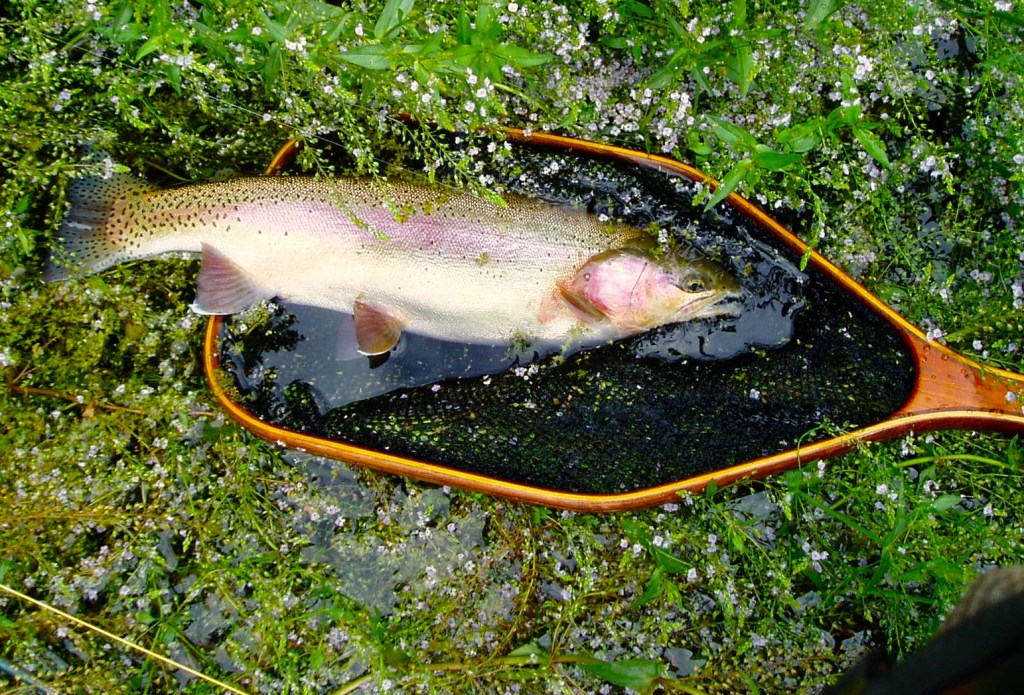
A summertime Big Spring rainbow of similar proportions to the winter foe that might have been my last! A short time after that eventful day astream, I found myself confined to a hospital cardiac ward. When spring arrived, I was rehabbing and, once my surgeon cleared me to lift the massive weight of twenty pounds, very gently wading the Catskill rivers closest to my rescued heart.
That day, and the events which followed began a new course for my life. I positioned myself for retirement, determined to take the best that life offered for whatever time remained to me. To me, there is nothing better than a fine wand of split bamboo, bright waters, wild trout and the dry fly!
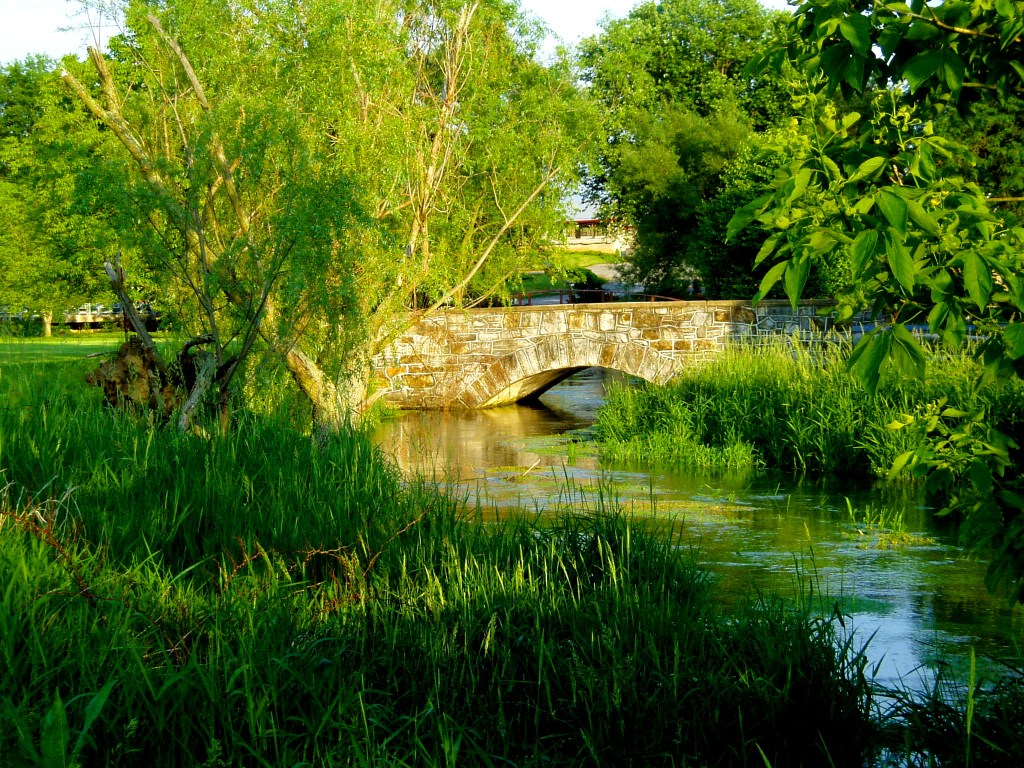
I think often of that chilly, overcast March afternoon, giving thanks that it was not my last day beside bright water. Verily it was the last truly special day of winter dry fly fishing that I was to enjoy, my last chapter of life along the legendary Pennsylvania limestone springs!
-
Watching Snowflakes
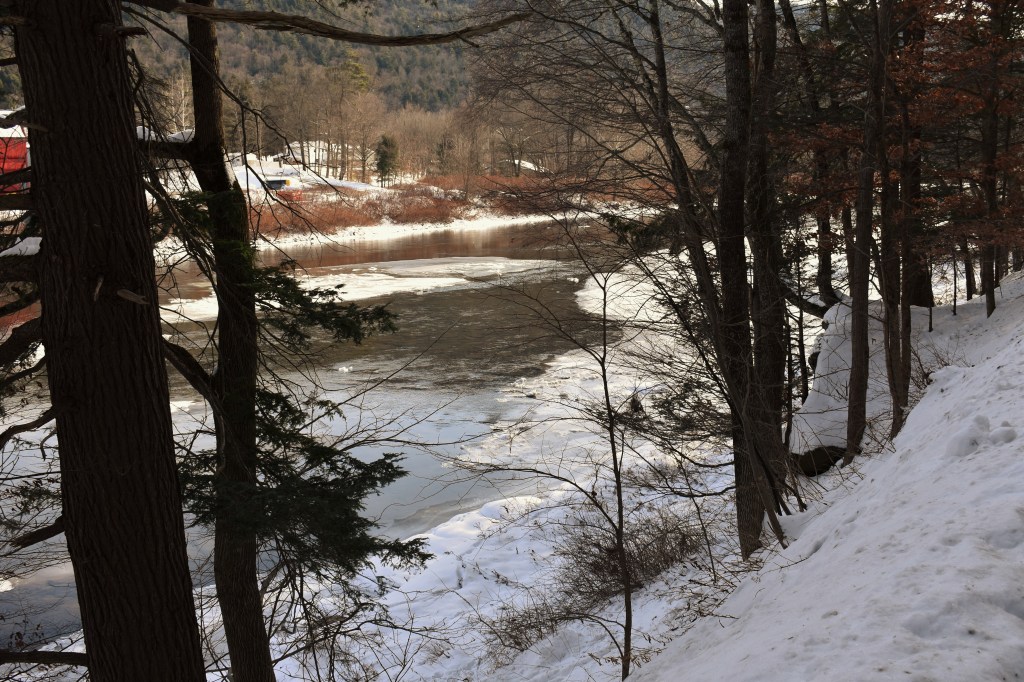
Winter at Crooked Eddy They are coming down with clear intent just now, quickly building from a light beginning around one o’clock. Sitting back, Dana Lamb’s first book in my lap, watching them swirling and careening to earth through the big bay window, I think about the good they will do come springtime.
At the moment, the Catskill reservoirs seem to have finally reached par after this year’s drought, and December’s rainfall virtually mimics the historic average here in the middle of the month. Whether reservoir fed tailwaters, or freestone rivers born of mountain springs and their spiderwebs of tiny brooks, Catskill trout waters will benefit from a good snowpack that lingers. Watching Nature’s vital gift of snowflakes fall, I find it easy to dream again of spring…
Such thoughts led my fingers to the vice this morning, where a few wisps of hackle, silk and wood duck feathers became beacons of hope. In truth, I live each winter for the promise of the Hendricksons!
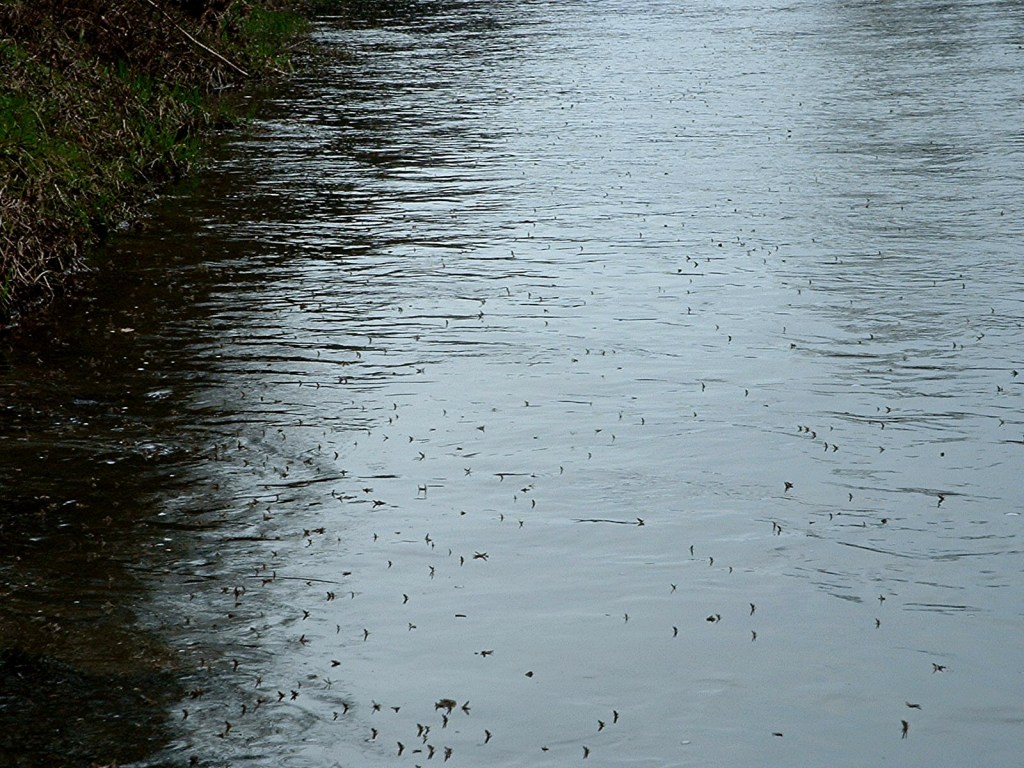
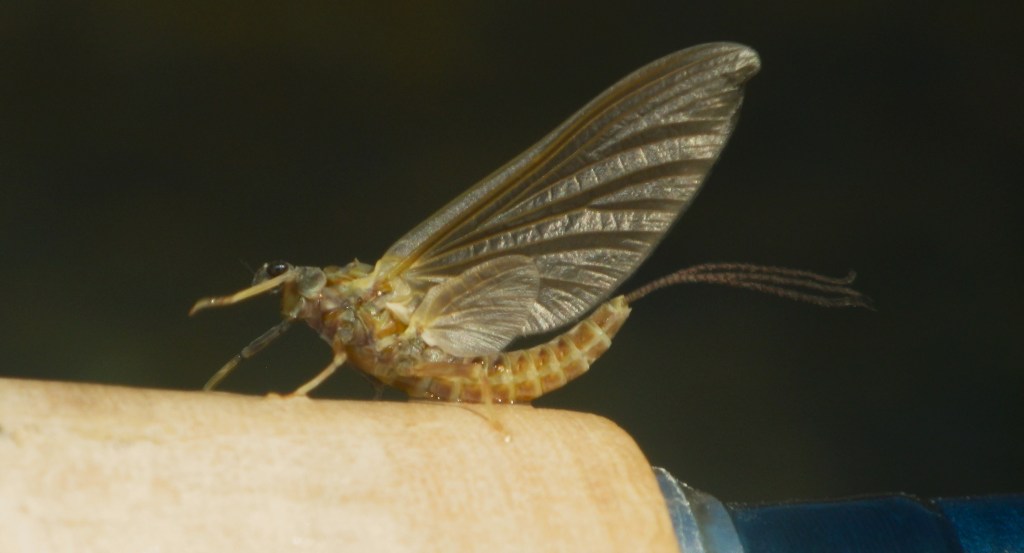
Always I find myself searching as April unfolds, walking rivers, checking my watch, turning should I hear some sound from the water. I wish to be abroad on that first afternoon, to experience the very beginnings of the hatch! Doubtless, I will be more than prepared: too many flies, a fine fly rod, hopefully a vintage wand crafted of split cane.
The flies are invariably the first discovery. Typically, the day will be cloud darkened and chilly, as I stand in the high, cold flow of early spring, eyes straining to turn each bubble upon the surface into fluttering wings. Most often I will find just a few. If I am very lucky, one will drift close enough that I might pluck it from the water to welcome it, cherish it, and to be certain the magic has begun. Within moments there will be line on the water and a dry fly resting upon the leg of the stripping guide while I pray to the Red Gods for that first glorious sighting of a trout’s rise form.
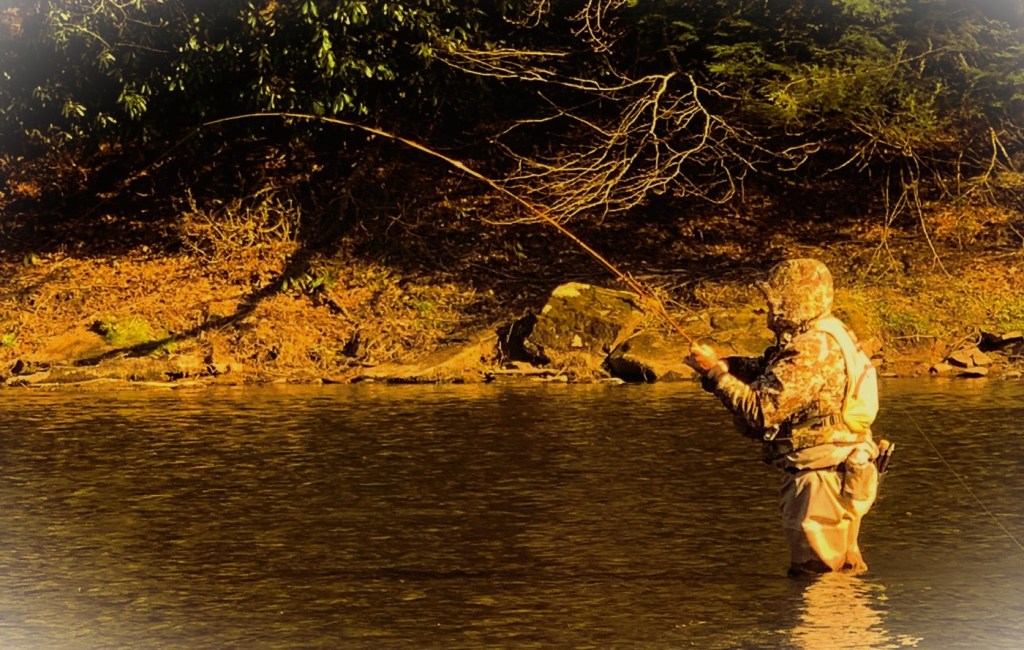
The odds say there will be no rising trout on the day the first flies appear. Nature and her rivers are wont to tease we anglers just a bit longer. Barring some tragedy of weather, they will come in another day or two. If I am deemed worthy on that day, my rod will arch and my reel will sing the song my heart hears even now, as I sit and watch the snow fall.
-
Months Away
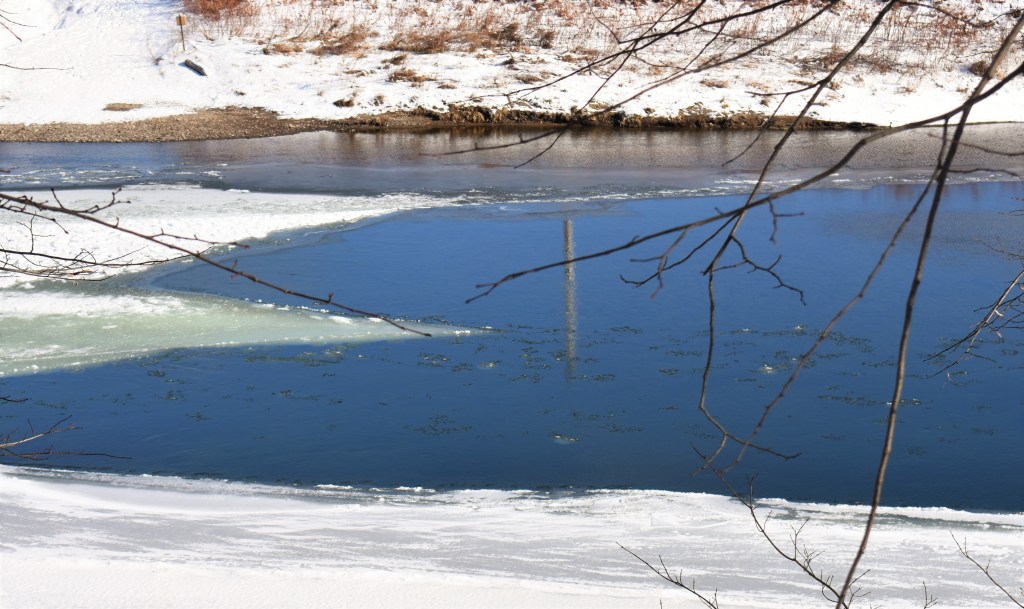
As the sun’s first rays caught the treetops on Point Mountain, I found my porch thermometer flirting with the ten degree mark. The last triumph of my thirtieth Catskill dry fly season is 45 days behind me, and the next one lies some four months away!
I opened the silver Wheatley fly box that rides closest to my heart amid the pockets of my vest. I began the changeover, removing the terrestrial flies and spying on the various mayflies that will follow them on their path to the summer boxes to be stored away. In those lidded compartments the Hendricksons and Quill Gordons will return to their homes, doubtless to be joined by new variations as I wander through these next four months. In it’s lid, the box holds a few Rusty Spinners and soft hackles whose ranks will be fortified, where they will wait for a warm, glorious April afternoon as it blends into evening.
The flood endured during the first third of April 2022 stole the majority of this fishing from me, but I remember a few bright moments. I had added a row of Rusty Spinners to my Translucence Series in the lid of that box, and they proved invaluable once low, clear summerlike flows predominated late in the month. I was surprised by spinners on the water near four in the afternoon, divulged only by a trio of soft risers along the shallow riverbank. One sipping trout beyond mid-river betrayed his position in filtered sunlight, the scenario that inspired my Translucence spinner.
I offered that fly on a long, downstream reach cast, the delicacy and control of the bamboo rod allowing perfect presentation. Ah, the glory of that straining arc of cane and a screaming reel!
The top left compartments of that Wheatley hold my favorite Quill Gordons: the Translucence 100-Year Dun that started off my Beaver Kill season with a pair of heavy brownies, my Dyed Wild variations, and the classic Catskill ties.
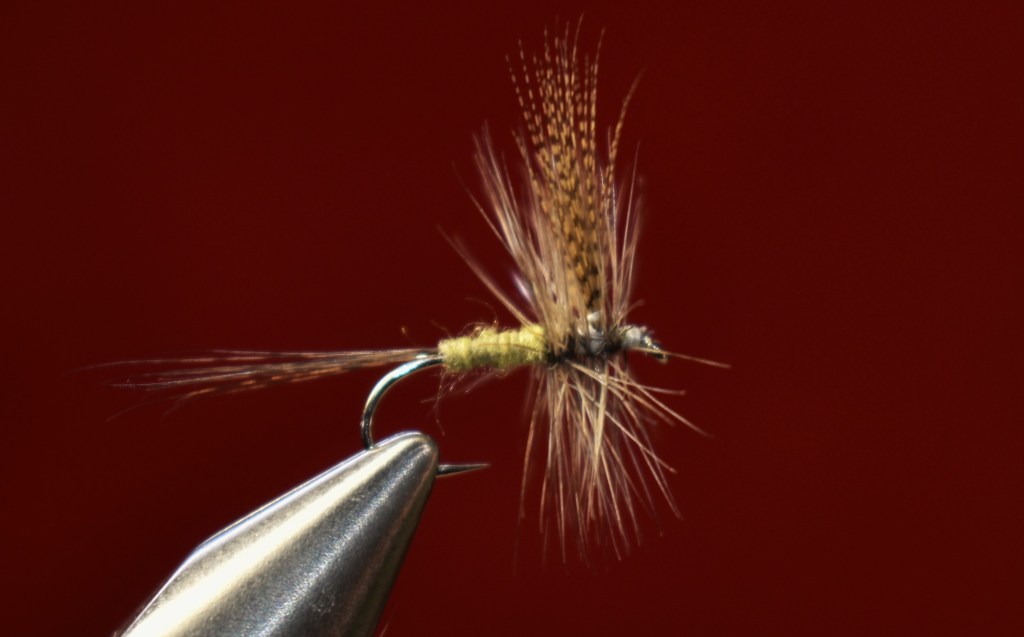
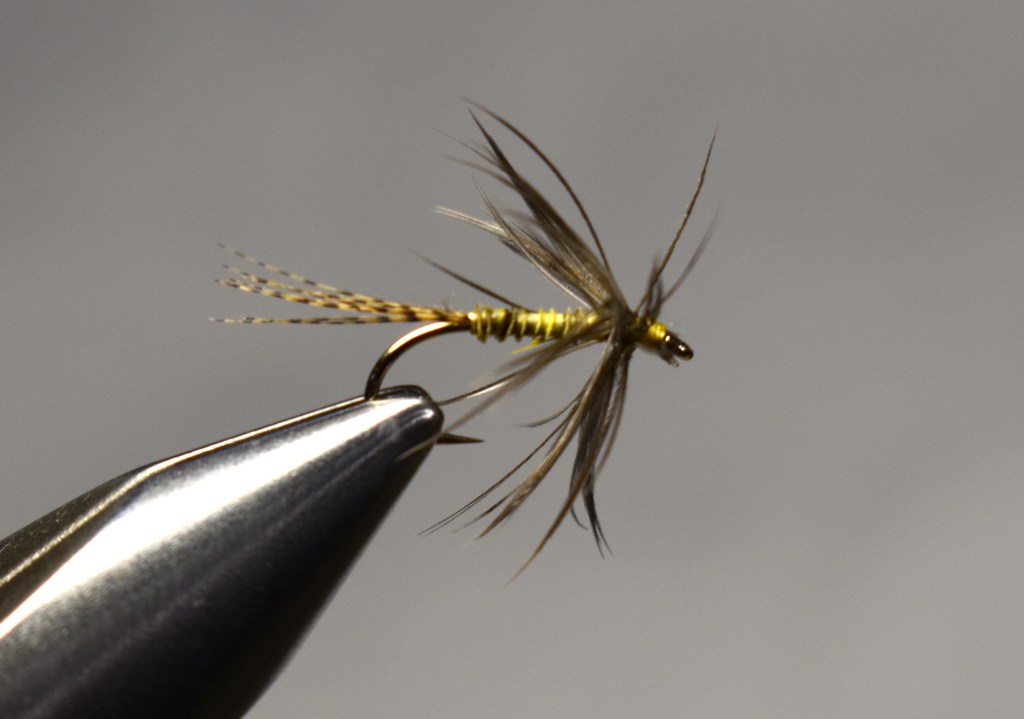
Quill Gordons: Translucence Catskill tie, Dyed Wild Soft Hackle and Parachute 
The Gordon Quill most often heralds the beginning of my dry fly season, but the Hendricksons follow close behind. With them, the season springs forth in full bloom! When the Hendricksons are heavy on the water, the trout can become terribly selective, and much of the Wheatley’s remaining capacity will hold my armada of patterns. Author Al Caucci considered that there are a number of related Hendrickson species of mayflies floating along our Catskill rivers, and it pays to be prepared to match each of them with various patterns! A good deal of my favorite winter days are spent tying Hendricksons.
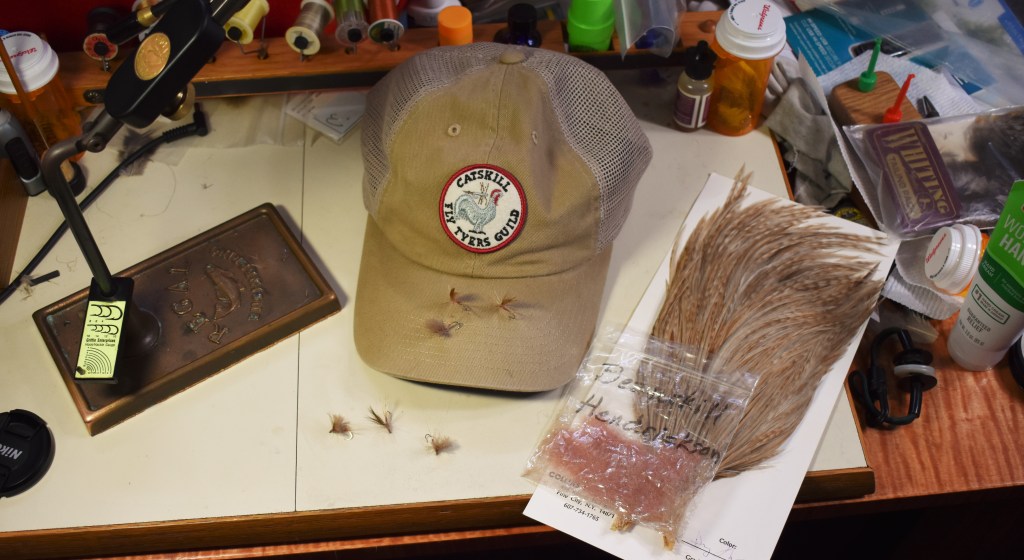
Tying Hendricksons – a favorite rite of winter. In my own fishing, I have matched five decidedly different mayflies I consider to be Hendricksons. There is the classic tan bodied fly, the most numerous, that begat Roy Steenrod’s iconic Hendrickson dry fly. This size 12 or 14 mayfly is the one most anglers agree is Ephemerella subvaria, and Art Flick’s classic Red Quill is most often the match for the smaller male of that mayfly. There is a big, brick-reddish dun I encounter on the Beaver Kill alone. I tie several patterns in a size 12 with a special blend of dubbing for that early spring emergence, though I swear some of the naturals look to be closer to a size 10! I have had great fishing to some very selective wild brown trout taking a size 16 brown bodied dun that I would equate to Harry Darbee’s version of the Dark Hendrickson dry fly. Last in the procession is the sour, sulfur yellow bodied 16 dun I have taken to calling the Lady H, a contraction of little dirty yellow Hendrickson. If you conceive and tie high and low-floating duns, emergers and cripples you will begin to understand why I have so many hundreds of Hendricksons!
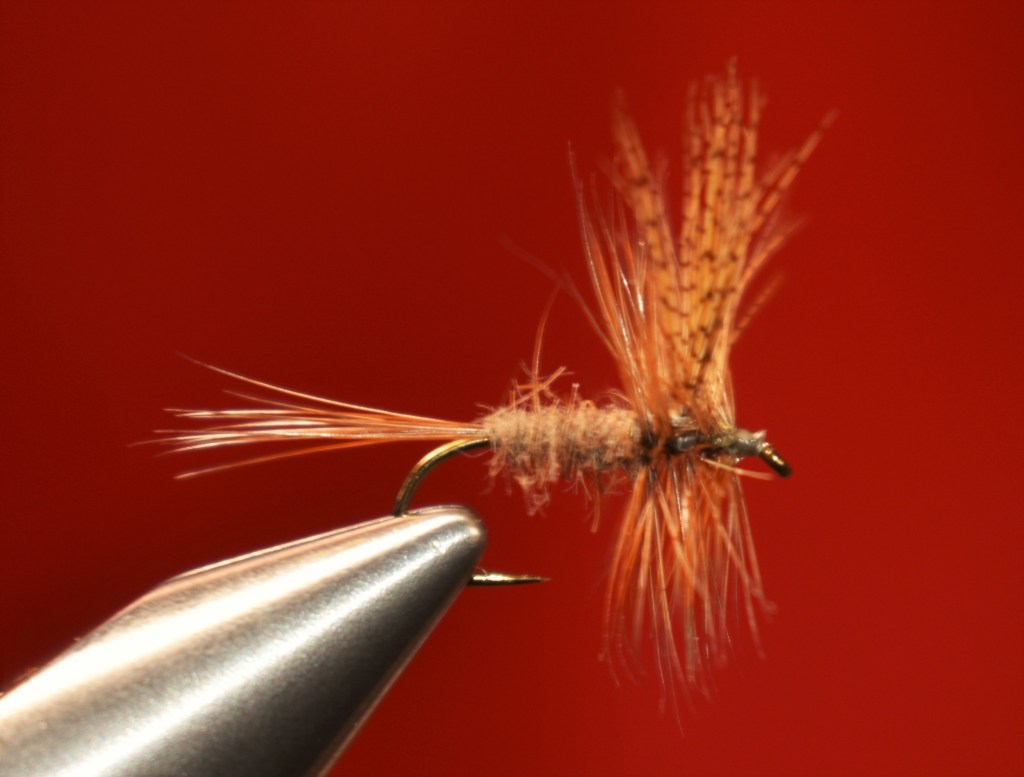
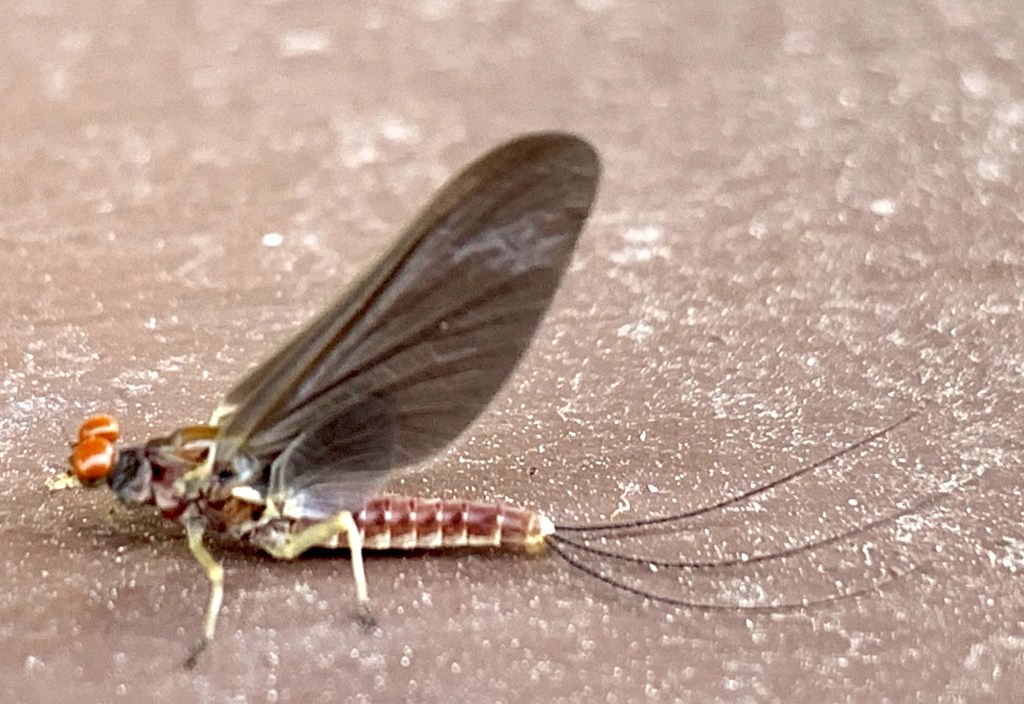
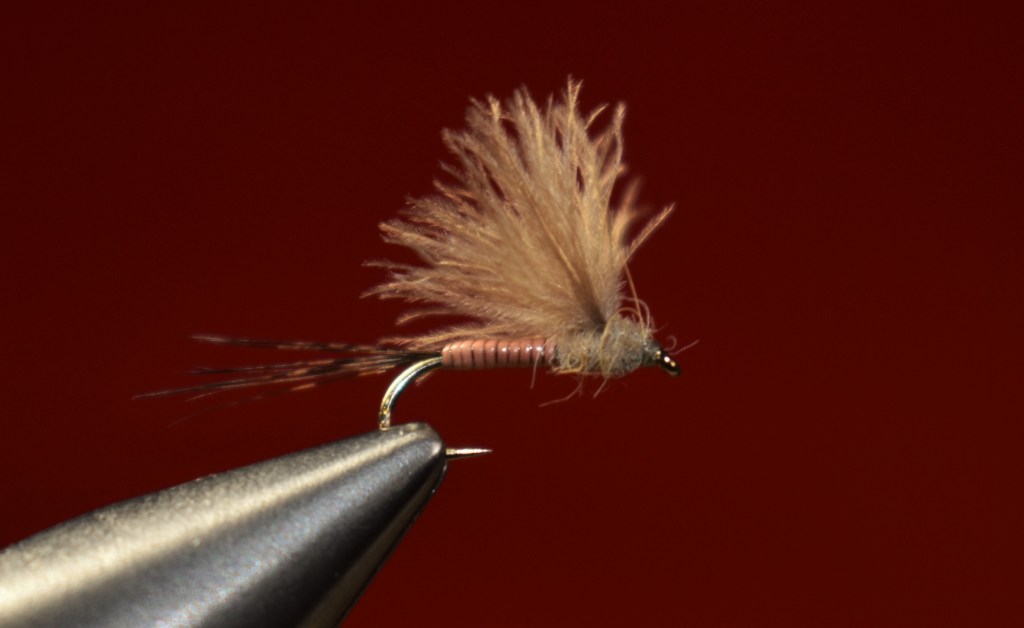
Darbee’s Dark Hendrickson, the mayfly itself, and my own Dark Hendrickson CDC Quill.
-
Settling In
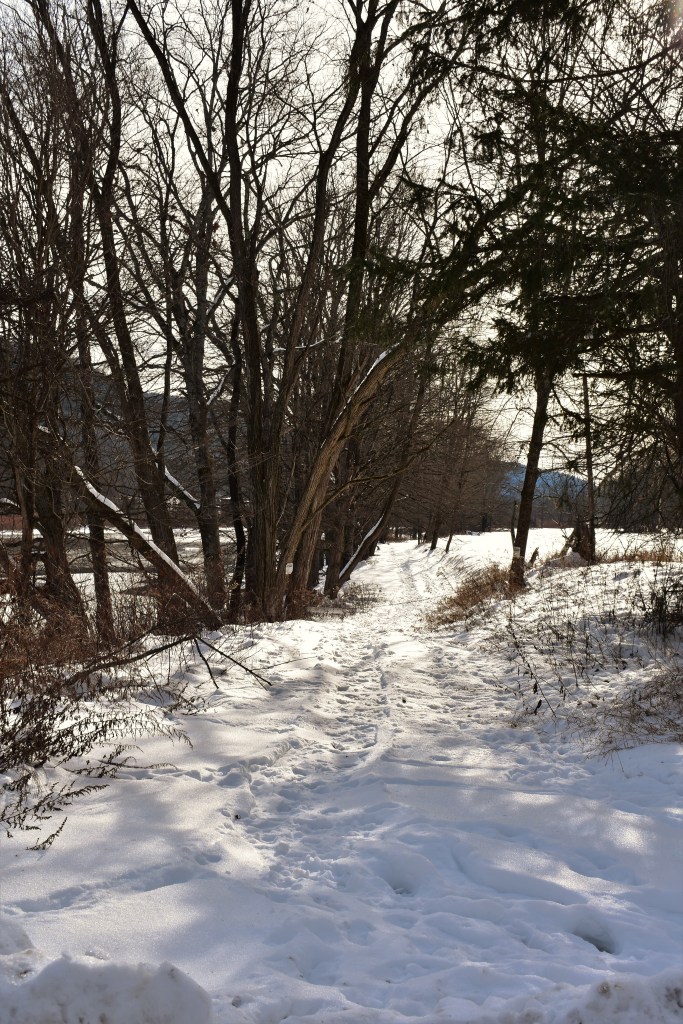
Seven inches of new snow lies softly here in Crooked Eddy. The temperature remains squarely at the freezing mark, unwavering over the past twenty-four hours. Winter has settled in and become comfortable here in the Catskill Mountains.
I have begun my winter work, inventorying and ordering silk, counting hooks and planning those orders. I cleaned, oiled and polished the old .30-.30 deer rifle, putting it away to sleep until next November. I even managed to craft a few more flies, that new dace pattern that sparked my imagination, for swinging winter currents as I did on Friday.
It dawned a sunny day Friday, and blessedly stayed that way. I knew that weather was coming, so I grabbed the Kiley rod and an intermediate line, then pulled my feet into the heaviest socks I own.
The fluffy alpaca wool and all of that sunlight kept me eager to make the most of the day, wading the river for nearly four hours, finally settled in myself to endure hours of cold water in something not too far from comfort. The trout seemed to have been unimpressed by the day that charged my batteries, for I found nothing to interrupt the slow, deep swing of my flies save a pair of rocks quite firmly planted in the river’s bottom. No matter. I have learned that winter’s trophy trout are rare blessings, best saved for when the spirit sorely needs them. It was a good winter’s day!
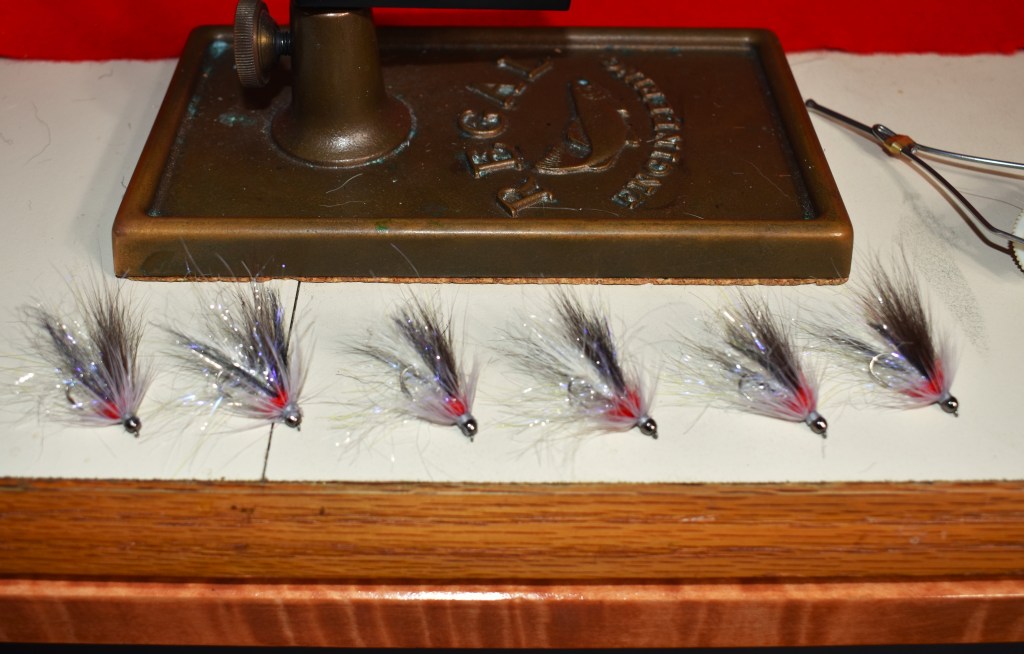
Dace All In A Row I am thinking of bacon and pancakes this morning, a little substance to warm the inner me, before I get back to those chores. Dry flies still wait to be sorted, and there are a few rods that might appreciate a polishing. My tying desk sorely needs to be excavated from the wealth of books, gear, papers and practical fly containers hiding the warm glow of that curly maple. I need to make it ready for the season’s more serious tying, and I owe the Catskill Fly Tyer’s Guild an article for their Gazette. Our editor is planning a celebratory issue, as January 2023 marks twenty-five years of publication. While I was not a Guild member a quarter century ago, I was a Catskill fly tyer and angler, so I plan to consult the archives of my memory for an idea.
I was thinking about uncasing my flintlock and visiting JA’s favorite corner of the Catskills. He reported sighting two bucks that survived the rifle season and showed up just where I had been hunting. This morning’s weather outlook was sobering though. Calling for ten degrees here by dawn tomorrow, I would expect single digits higher up in the mountains, and a noisy, crusty and slippery world completely unsuited for sneaking within handshake distance of such a whitetail buck. Perhaps some warmer air will allow a careful walk along those ridges before the season closes, though there is more snow expected for later this week.
Should have been up there as this snow was falling on the last day of rifle season, though those bucks would have moved on elsewhere with me within a mile of those haunts!
-
Sunlight
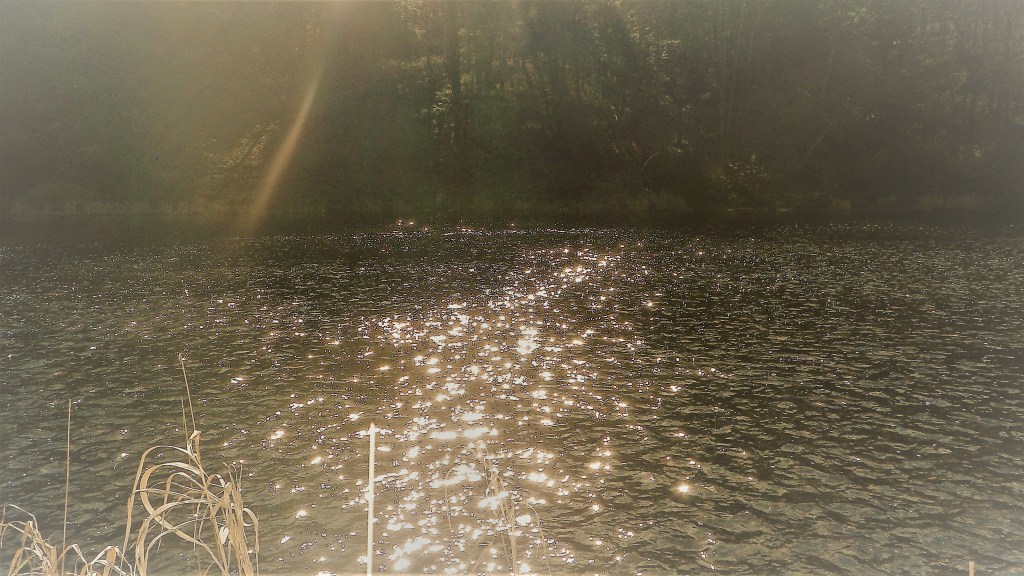
The days have remained dreary of late, though there is a promise of sunlight today. With snow arriving for a weekend visit, I will make the most of the brief hours of warmth and cheer that December chooses to share.
I am still wandering in that lengthy period of seasonal adjustment. A few books have been read, a few flies tied, but there have been too many hours spent in limbo. I am yet to begin the necessary tasks of winter, sorting flies, polishing rods, taking stock of the hooks and materials required for winter’s creations.
The Translucence Series is planned for expansion, so a careful inventory of silk is necessary. Ordering must happen sooner rather than later, as delivery takes time. As I sort my supplies, I must consider my needs for new blends to mimic additional hatches. I have tended to blend very small amounts of dubbing, as I have always done for experimental flies. Once proven however, as several have been, it makes sense to blend a reasonable supply.
There may be room for another winter fly as well. After a few months of ideas dashing through my brain, the baitfish imitation that has teased my consciousness now lies in the fly box. The Dazed Dace has seen water for the first time and will continue it’s early trials today. Though I found no quality trout out and about at the beginning of the week, I was pleased with the new fly’s appearance in the water.
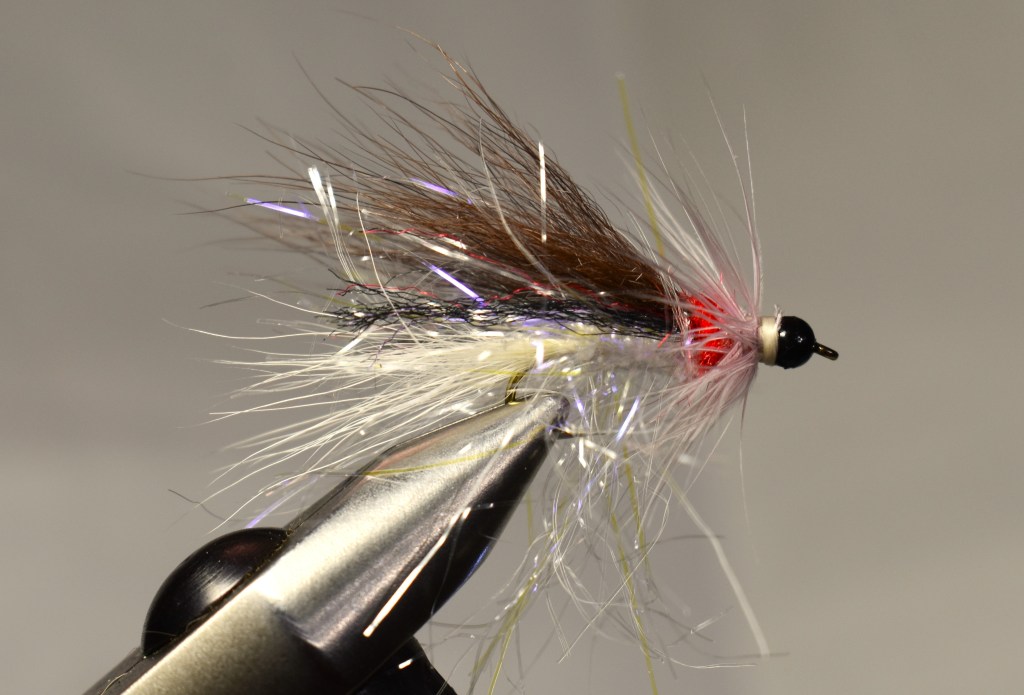
Dubbed “The Dazed Dace” this little fly takes the movement theme into the realm of species imitation. The dace minnows that long ago inspired the classic Black-Nosed Dace streamer is touted as the most prolific minnow in our Catskill streams. It will be tested this winter as the Red Gods allow whatever reasonable fishing days they deign. It is hard to avoid drifting back in memory at this time of year, a dalliance I allow and enjoy, for it permits me to recall moments of understanding, impressions, and the spur of the moment ideas that brightened many days and never found their way to fur, feathers and steel.
Fly fishers will leap at the chance to debate the merits of trout flies, some firmly convinced that they need no more than a handful of classic patterns to face every situation the stream provides. One will denounce the importance of color, convinced that form and visibility are paramount, others will swear all of it is rubbish, and presentation alone brings trout to their nets. Though I love the classics and their histories, I am long convinced that our trout are changing, and that one of the keys to successful fishing is to continue upon the paths of those historic anglers to improve our flies and our skills upon the water! Our angling history was peopled by seekers! It is my own appreciation of angling history that brought me here. I attempt to honor that history by my own humble efforts, and the quest keeps life fresh and invigorating!
Ah, there is warm light in the sky. Time for breakfast and assembling gear. Soon cane will flex and the Dace will be released to explore a December river…
-
Whiskey, Trout Flies and the Second Season
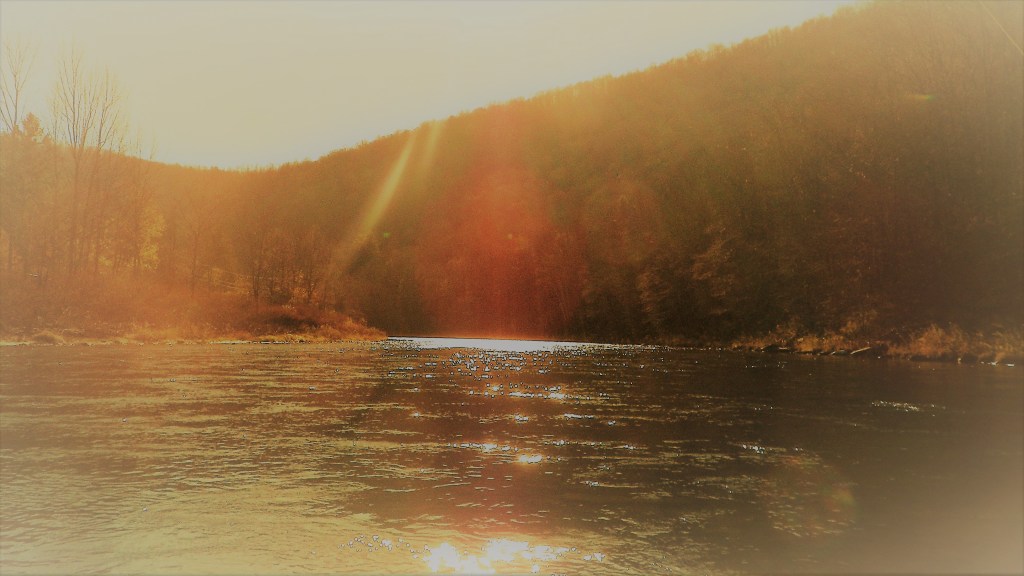
Memories of November Sunlight: The Big Beaver Kill Shivering in my boots, I cast the line far, out near the limits of the classically tapered bamboo rod’s range, watched the fly touch down gently despite it’s size and weight, and began the long, slow swing into the second season…
For the first time in a month, I sat down at my bench this morning, fixed a hook in the vise, and started the thread. These were not dry flies, the jewels of my passion. No, they were destined to sink and swing slowly through the cold winter rivers that I will call home for the next six months. The idea is to offer a fly that quivers with life, one that does not need twitches or a retrieve to speak to the trout of life, and vulnerability. One, the fly I named the Copper Fox, brought my largest Catskill brown trout to the net in the bowels of winter, and much is expected of it this year.
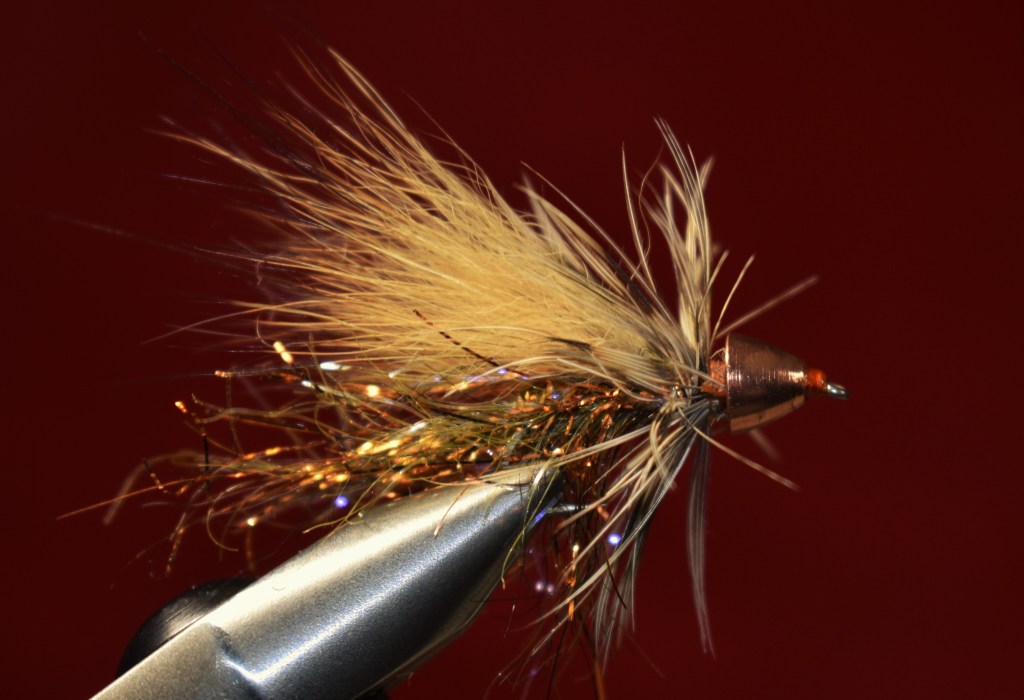
As the rain beat harder on my metal roof this afternoon, I poured myself a bit of bourbon to welcome winter and it’s helter-skelter, fish when the ice releases ways. It is a smooth Kentucky whiskey, a gift from one of my best friends two years ago, and a change from the single malt I reserve to toast high points of the season of the dry fly. I tied three more Copper Fox to finish my day’s production, and set my tools and materials aside.
My surrender to the inevitability of winter is complete. I ventured out yesterday, cheered by the bright sunshine and blue skies, taking just a reel with an intermediate line, and without a box of dry flies.
I thought I had donned enough insulation, but when the sun vanished after a few minutes of wading I quickly became cold. Most rivers remain high and colored from last week’s rain, and with today’s short burst and more to follow, I cannot say when I might wade and cast once more. Such is the nature of winter in these mountains. Opportunities come when they will, with days perhaps, or many weeks between. Eventually the ice will arrive and even this slow, swinging substitute for fishing will cease.
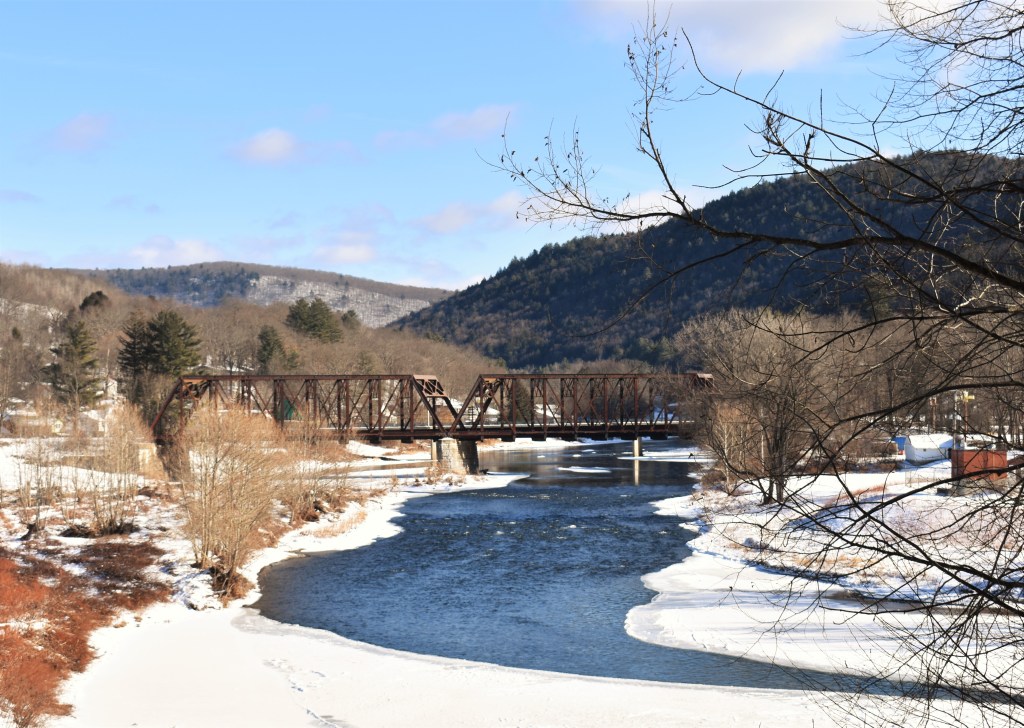
A typical winter morning at Crooked Eddy, this one from mid-January 2022. The riff runs ice free, but at the bend the currents succumb to ice. There is a new pattern flitting through my brain, though it has yet to take form. Snaps of concepts and ideas have been flirting since September, a dace with that wonderful movement, but such things cannot find life while the dry fly season reigns. I should sit down and work it out, now that winter is upon us. Soon…
-
December
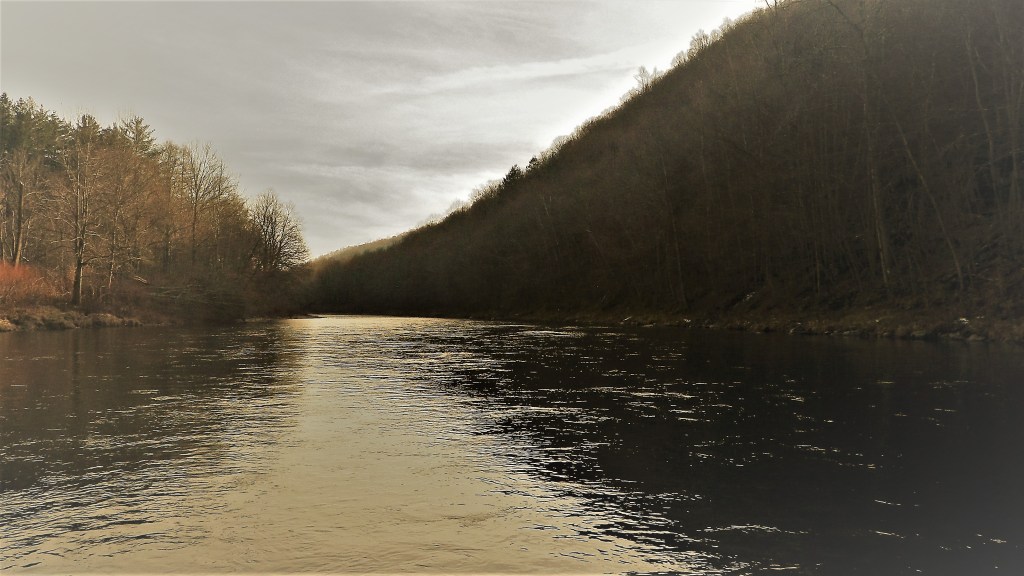
December, and even the light seems cold… The calendar has turned once again, and I have meandered about the house, taken a few river walks, read a few books acquired over the course of the season. The rivers call me now, as the morning begins to betray the day’s gift of sunshine, and I ponder the chance to wade strong current again for a few hours.
The warmer days have been wet, tired and gloomy, so the sunshine is not a gift to take lightly.
Other than within the world of my reading, I have thought little of fishing, still tearing myself away from the throes of season’s passing. This was always a gentler time during the Cumberland Valley years, for I knew that my fishing would continue through winter. There might be hiatuses, yes, when a series of cold fronts poured over the mountains there might be a week or two when the bare trees rattled with ice and wind, but the normal weather days still invited visits to the limestone springs.
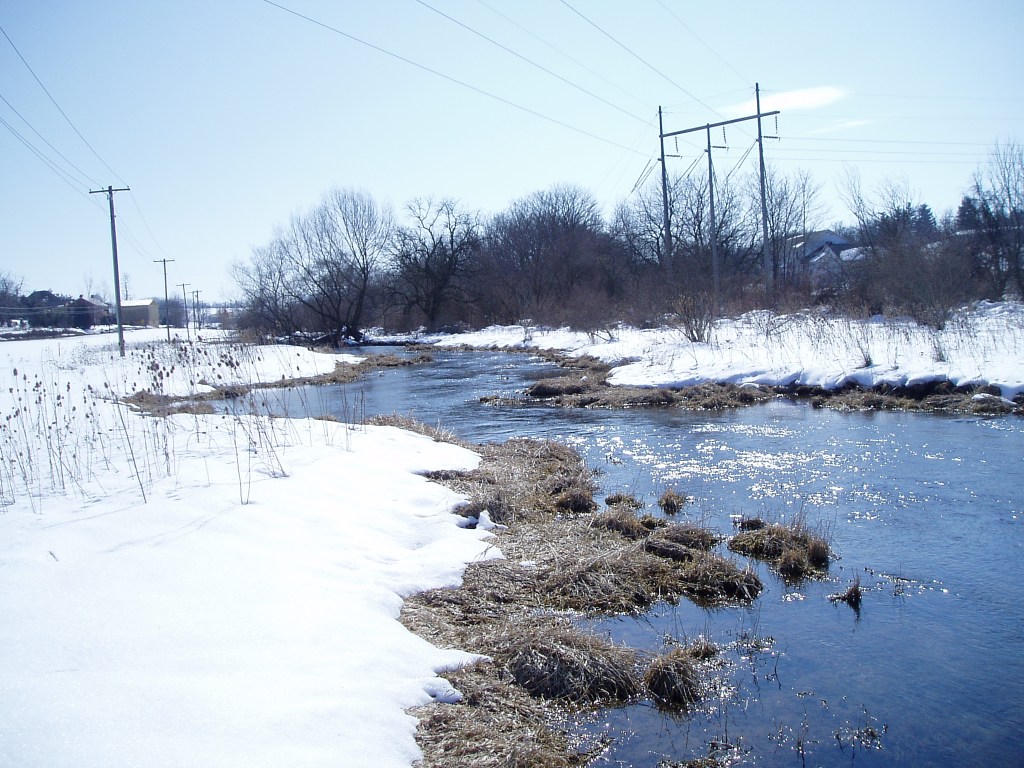
A good day to find olives in the snow! Sunlight was always the key to winter thrills there, for it activated the water weeds and their oxygen spurred activity among the food chain. On any winter day a visit to the stream might reveal the soft ring of a rise. A quick adjustment to leader and tippet to offer a midge or tiny olive before opportunity evaporated in the sparkling winter air, this was the task of the winter angler in the limestone country. The reward might be a hefty brown or rainbow as eager to take advantage of the surface opportunities as I!

A winter rainbow from Big Spring, near Newville, PA. (Photo courtesy A.J. Boryan) I brought the dream of winter dry flies north with me when I retired. I have learned that it may live only in memory amid the grand beauty of our Catskill rivers. I still cling to a vestige of hope, shunning logic and experience. All it takes is one rise! The closest I have come was an afternoon in the beginning of spring, the 27th of March, as I watched a handful of little olive duns bouncing down a Delaware pool. The rise came, I quickly knotted a fly, and my devotion was rewarded. That foot long brown trout ignited my season, though weeks would pass before I would find a second riseform on the surface of any Catskill river.
The sun has spread over the ridges to the southeast now, and there is a pleasant glow in the small windows in my tying den. My thoughts drift to the rivers, still high from this week’s rain. It is twenty degrees in Crooked Eddy.
-
Fly Season
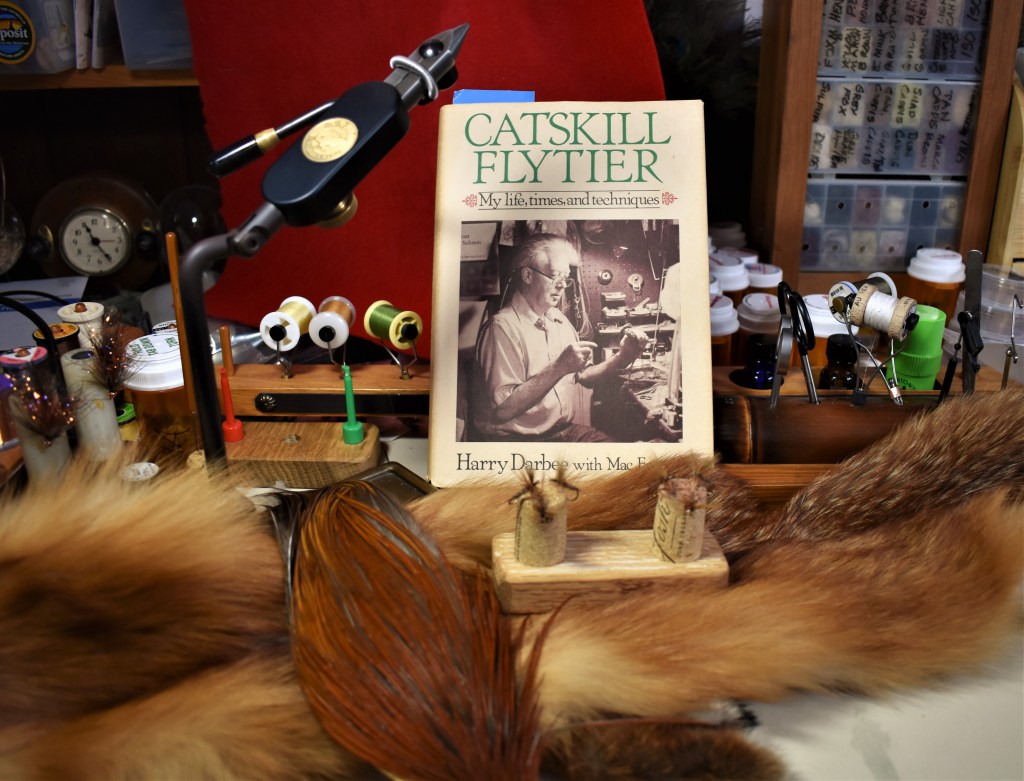
Among last winter’s historical wanderings was a re-read of Harry Darbee’s “Catskill Flytier” which led me to blending some of the darker fur on my Red Fox pelt to tie Harry’s version of the Dark Hendrickson. As I adjust to the end of my dry fly season and my daily love affair with the Catskill rivers, I have yet to wipe the dust off my fly tying vise and give serious thought to the next long stage of angling, though that time is nearing. There have been a few passing thoughts bouncing around in my head, though they have clearly fallen short of inspiration. Fly tying, and more specifically pattern design, require inspiration; that moment when thoughts and ideas suddenly crystallize, and a new design is born!
Mood can be very important, and it can be difficult to find just the right frame of mind to take out the fly boxes that accompanied me during the past season and sort through their contents. That is certainly one of the best ways to begin, for certain flies are tied to memories, memories that drive inspiration.
My angling library is varied, though many of the volumes that merit annual revisiting lie in the realm of older classics. I pour through the thoughts and revelations of Gordon and Hewitt, Shenk, Marinaro and LaFontaine, for there are always fresh clues that kindle new thoughts. Though I read a bit throughout the year, winter reading is a concept that finds itself at home in a Catskill winter.
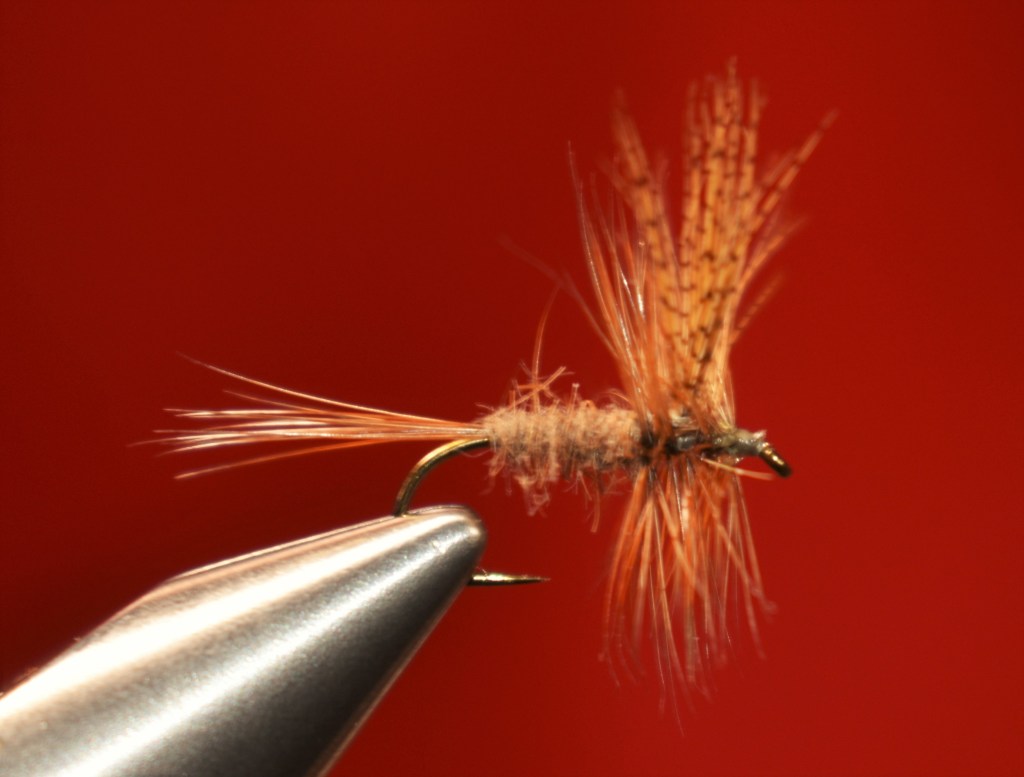
Darbee’s Dark Hendrickson 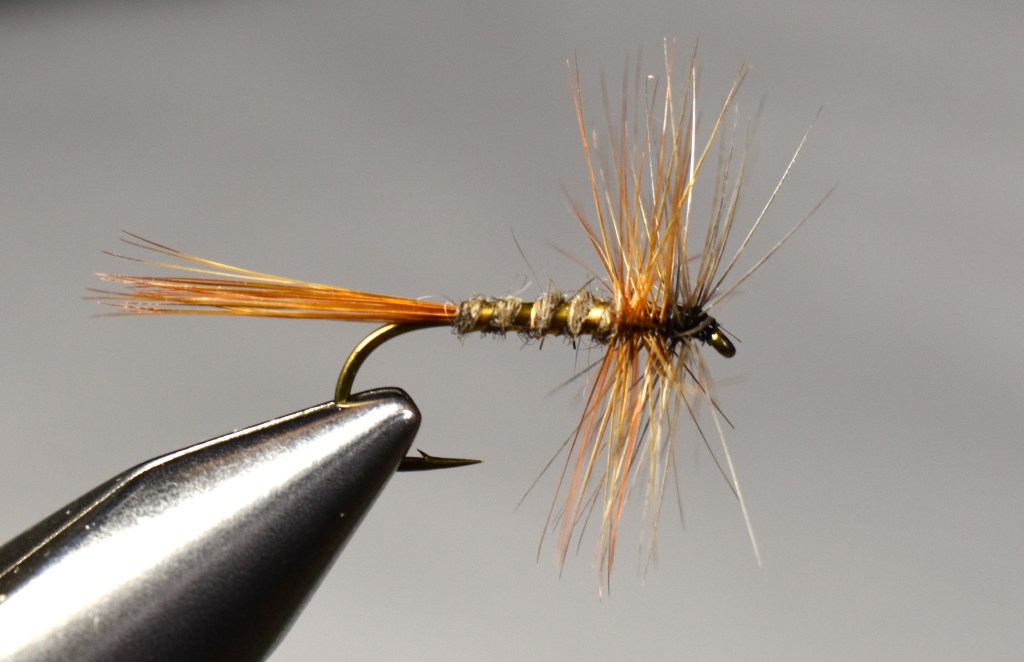
Hewitt’s Beaverkill Red Fox 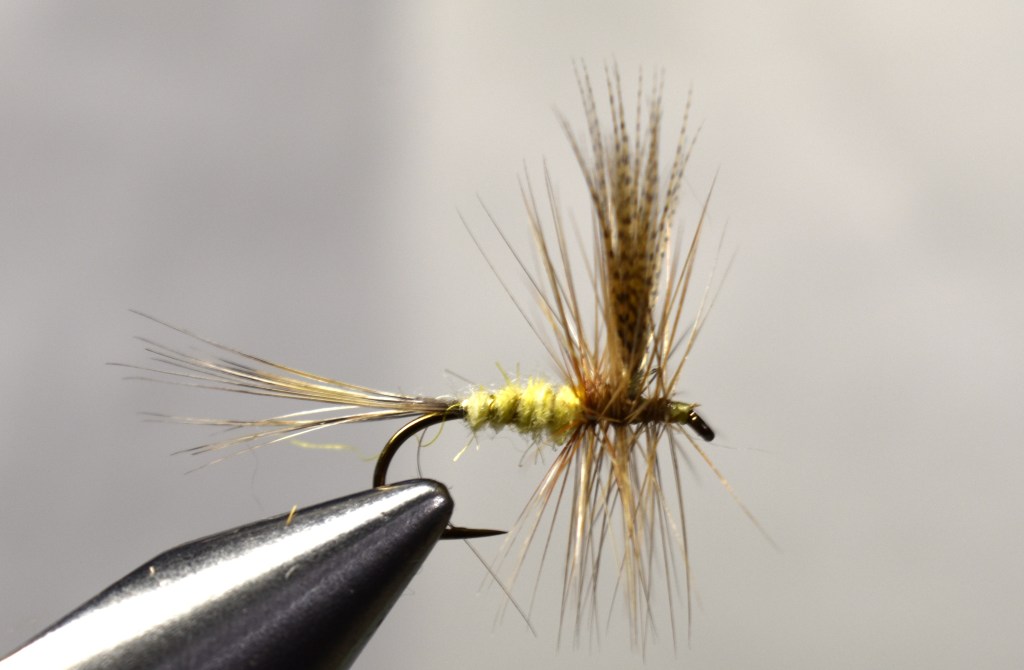
John Atherton’s Atherton No. 3 Inspiration for the designs I call the Translucence Series came simply, as often the best ideas do. I was fishing my old, reliable silk dubbed sulfur dun one bright summer day and, as I paused to fluff the CDC wing, I noted the glowing translucence of the blended yellow silk body. That moment evolved into a system of blended silk dubbed flies tied on Daiichi Crystal Finish hooks with pure white tying silk, and the results of those experiments have caused the bag of my landing net to sag deeply. Reserved for difficult trout on generally bright days, these patterns have solved problems I have often encountered.
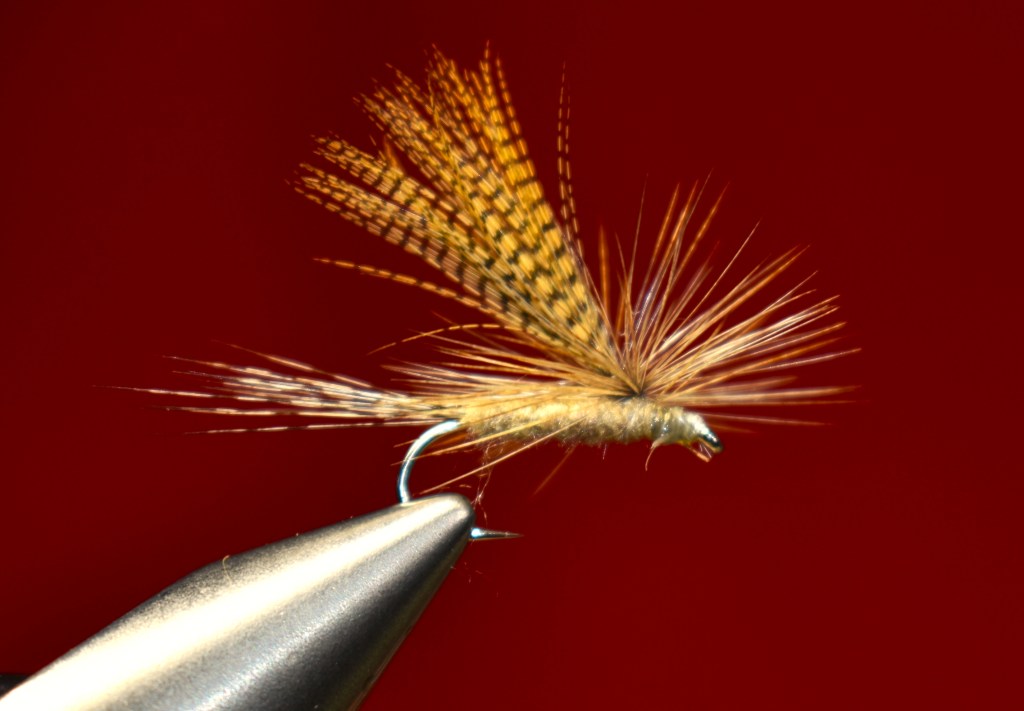
A Translucence 100-Year Dun Hendrickson I have a few goals this winter, expanding the Translucence Series among them. I need a new terrestrial, something special to turn to on the toughest summer days, and that one will take some thought, as well as a thorough consultation with my Cumberland Valley history. In truth, there are a few one-off patterns nestled in my fly boxes that might fill that need, for they were tried quite briefly. Those deserve a significant trial on the water, as does any sound design. For now though, I am still working up to beginning that beneficial task of sorting.
One of the benefits of winter reading comes when the tales of other anglers from the past ignite my own memories. There are thoughts that occur only on the water, often in a moment of consternation during a duel with one particular trout: the character of the light upon the water, the subtle impression of a crippled fly as it drifts into and out of my sight, a closer glimpse of some subtle clue that suddenly becomes a telling riseform!
Winter has just begun, and there is ample time before us to delve into the quiet, indoor world of the angling art.
-
Woodswork
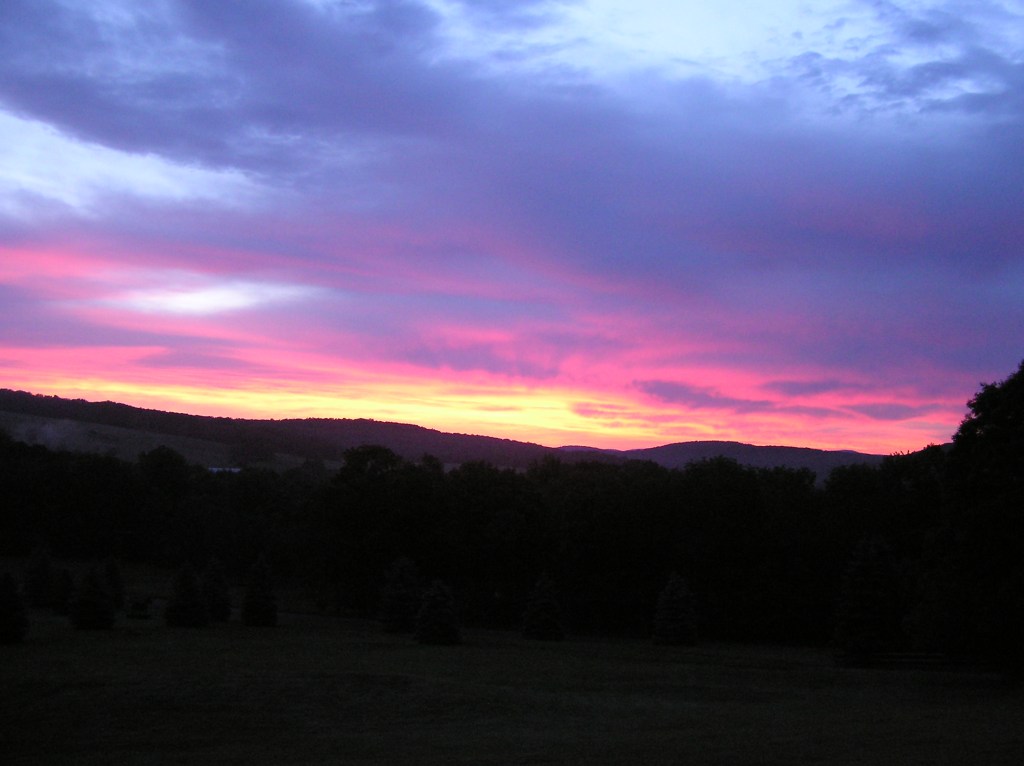
Sitting on the mountainside half an hour before sunrise I can hear the music of the brook below. It’s tone seems even more crystalline than usual in the frozen air, and it brings a smile to my face in the darkness. Many months will pass before I return to watching bright water while listening to it.
As I sat, I thought about the winter before us, saying a little prayer that it is milder than the last two, and wetter, with a penchant for lighter snowfalls and rainfall perfect for recharging the aquifers that feed the mountain springs and filling reservoirs. In short, I asked for a floodless year, a year with ideal flows for wading trout rivers great and small.
It would seem only fair that spring arrives early and with those ideal flows, for the later months of the season remain in question. New York City revised their schedule for repairs to the Delaware Aqueduct, cancelling this past season’s planned drawdown and planning it for 2023. They still have not provided the public with a clear description of just how this will affect our Catskill rivers, and angler’s fear this could turn out to be the summer of our discontent.
Much will depend of course on Nature’s plans for the season. Though we cannot tell how much stored water will be surplus from NYC’s rather vague official press statements, certainly an excessively wet season will mean higher discharges for longer durations. Our best bet for a long and enjoyable dry fly season would seem to require a normal water year, whatever that is. With blissful long weeks of summer trout stalking in jeopardy, a particularly sweet, perfect spring season would be coveted desperately.
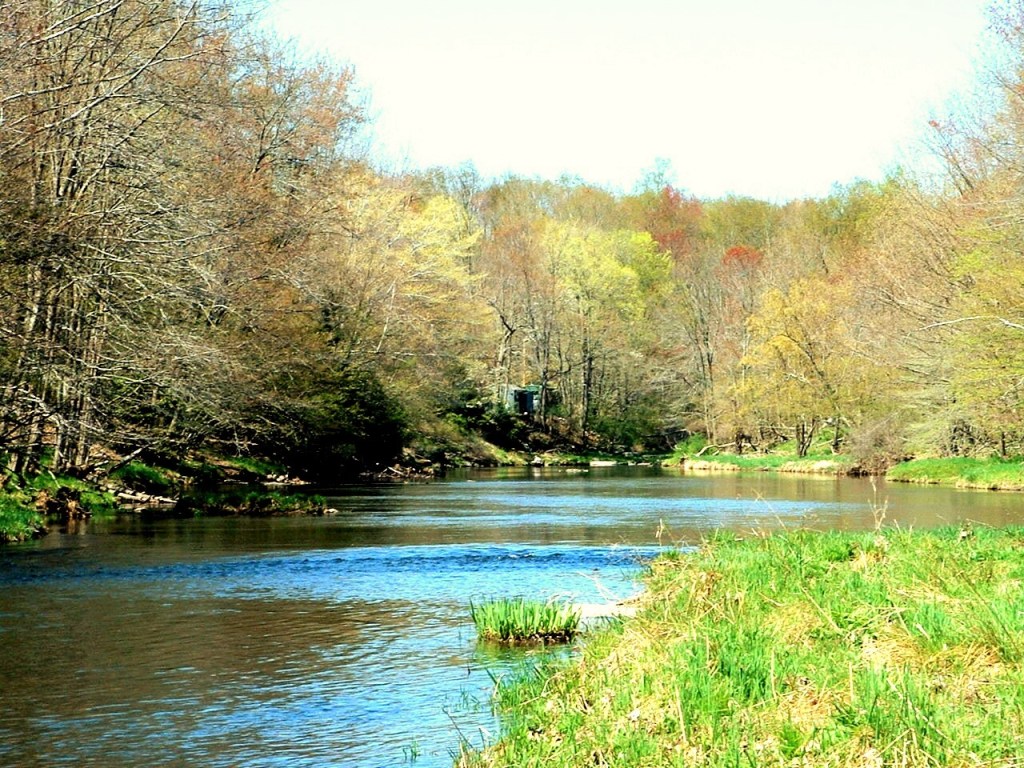
Spring Though I walked the mountain this morning with snow crunching beneath my boots, it was a glorious day that warmed gently. Back home in midafternoon, I decided to take my first river walk of the season to enjoy the best of the fifty-three degree sunshine, though the chill returned as I reached the shadows of Point Mountain. Tomorrow is Thanksgiving, and we are promised another gorgeous day, with a bit of rainfall overnight and Friday. The rain is right on schedule to refresh the rivers, and Sunday offers more. Maybe my little prayer did some good!
-
Just November
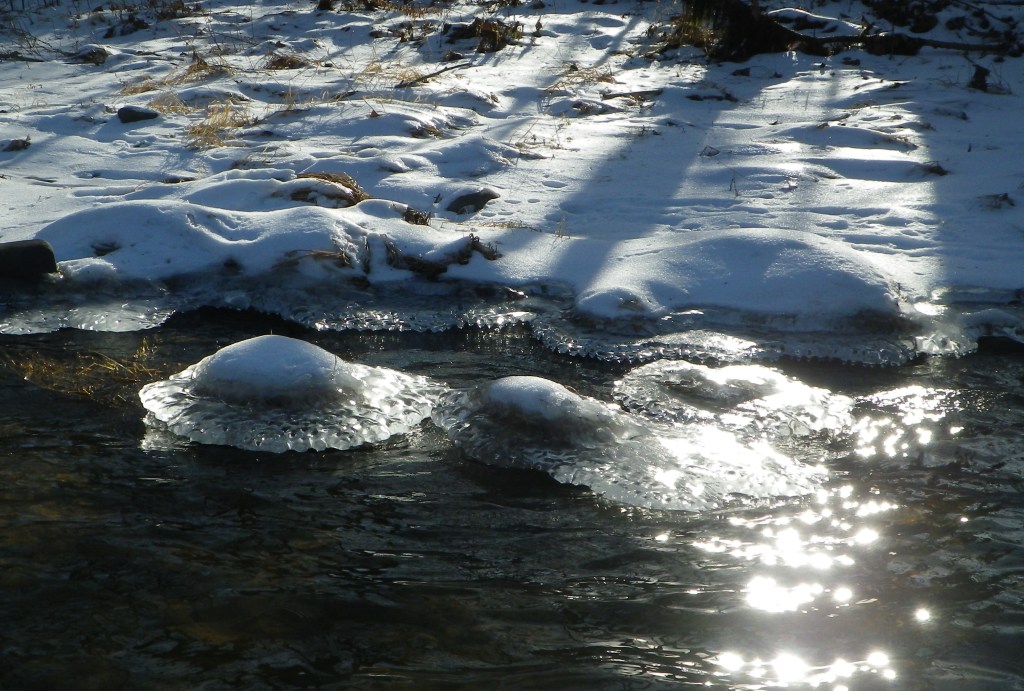
Winter’s Bright Water Barely mid-November, and snow lies on the slopes of the Catskills. Days ago, seventy degrees and sunny, and now the majority of the days this week will huddle in the thirties; ah, changes! There is no plan for fishing right now. Perhaps a little warming trend will pass through come December, before the ice grips the rivers and makes the change complete.
I tented the drift boat just in time, feeling certain that the region’s first forecast snowfall would come to pass. That has become an annual ritual of surrender. I have tied no flies for the past ten days, there being no urge to wet them. Well, that’s not wholly correct. The urge remains, though the time has come when judgement of the conditions and the inevitability of season’s end conquers all.
I have an old friend who long ago moved to Florida, planning to fish year-round. The Saltwater game is exciting when in play, but my dabbling found it to be very much a feast or famine affair. In all the wild and endless arena of the ocean, it can be rare to find the fish you seek in the fishing location you choose. In trout rivers, there is some comfort in knowing they are there. The hunt remains electric, for the experienced angler knows his quarry is always close. The game requires adapting to the moods of the fish, the temperature, clarity and flow of the river, for we know there will be trout just a cast away. That makes it very much a mental game, until winter.
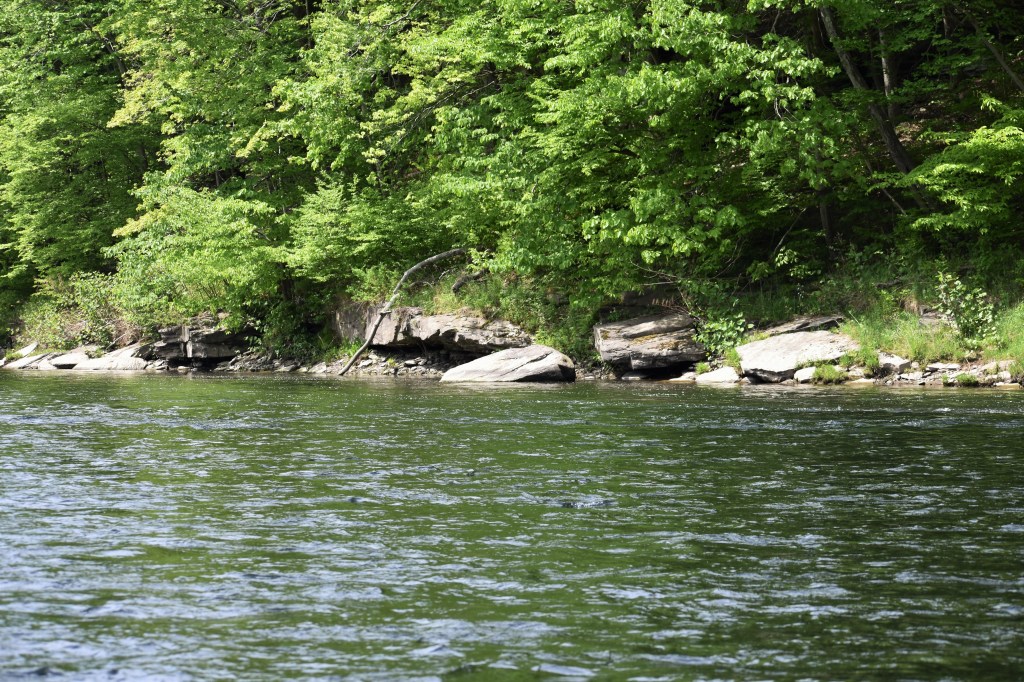
We know they are there! A perfect blend of flow and cover harbors trout, but assessing their mood leads to targeting their position. I miss the urgency of that mental game in winter, though it continues without rod nor reel nor bright water at hand. Thoughts turn back to specific moments, those where the correct decisions were made, and those where they were not. Pondering the merits of the choices not made, assessing the flies offered, casting positions, time of day; all of this keeps the mind connected through the months of ice and snow.
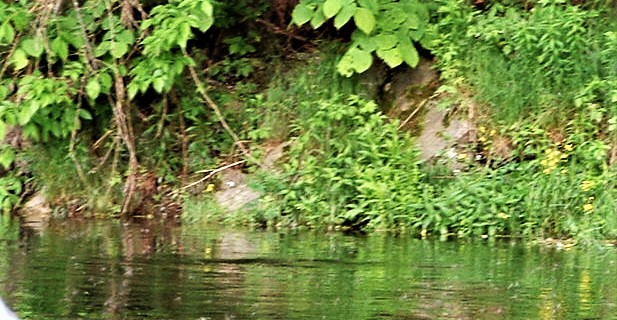
Tiny wings, but few appear upright… Blue Quills, olives cripples? What about that current? Should I cast from this angle? Across? Perhaps a sharper angle from further upstream… One of the joys I find in reading classic works from angling history involves recognizing and comparing the mental processes. More than a century ago, Theodore Gordon was considering the words of Englishmen like Halford and assessing their approaches to the same problems, as I might assess Gordon’s approach to a situation encountered last week, last season, or a decade ago. We have much more in the way of science today, yet the same puzzles are revealed on the water, challenges to be met by a solitary angler with his tackle and his wits. Observation of the moment still means more than all of the data collected!
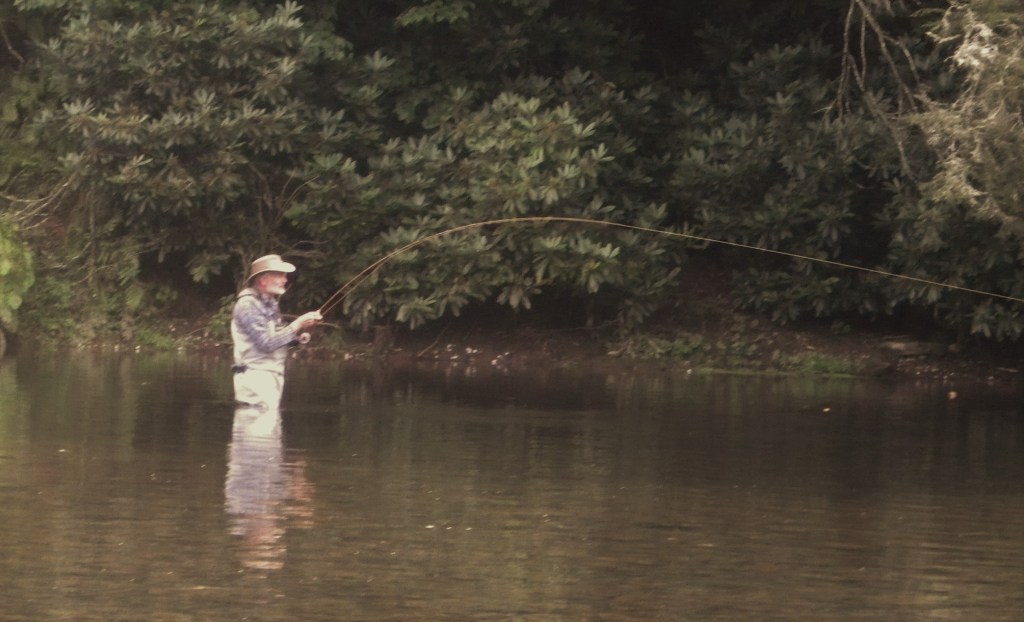
The right choices meet flawless execution.
-
Sliding
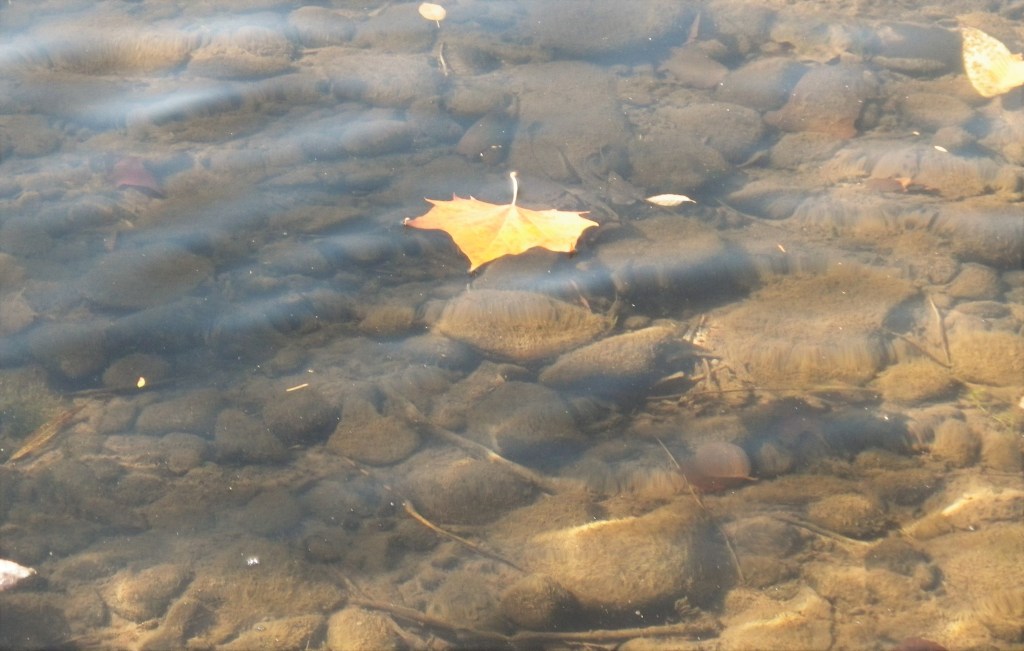
The odyssey of our warm November is departing on the tails of the tropical storm they called Nicole. The rain is welcome, though it seems there will be less of it than once surmised. Days ago, the call was for two to three inches, down to an inch and a half yesterday and now halved again. Frosty mornings have returned, though we may see sixty degrees yet today; and once more tomorrow to start the weekend. Fair warning though, for there are snow showers in Wednesday’s forecast; and yes, the angling season has finally come to it’s conclusion.
I wandered the rivers last week, enjoying the seventy-degree weather and sunshine, knowing there would not be a third last hurrah, and now it is time to bid the magic times a fond and grateful goodbye and accept that winter is coming. It is time to store my tackle and organize my tying desk, for there are days to spend with Hewitt and Gill and Connett, hours to retreat once more into the soft glow of the Golden Age, and wait…
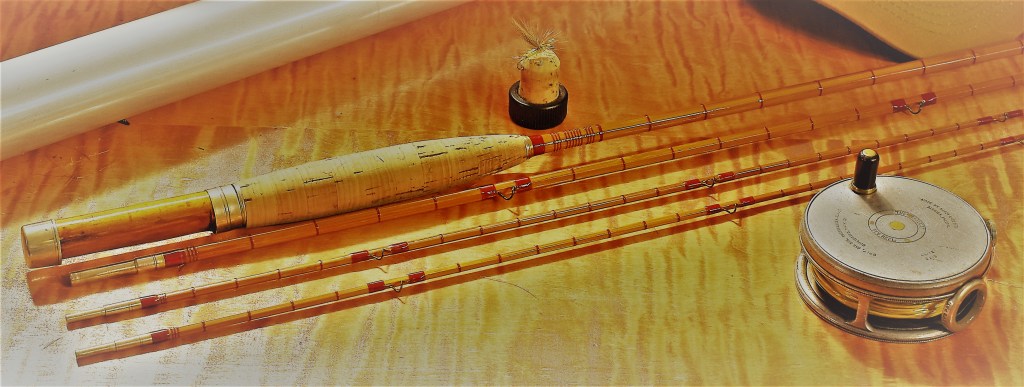
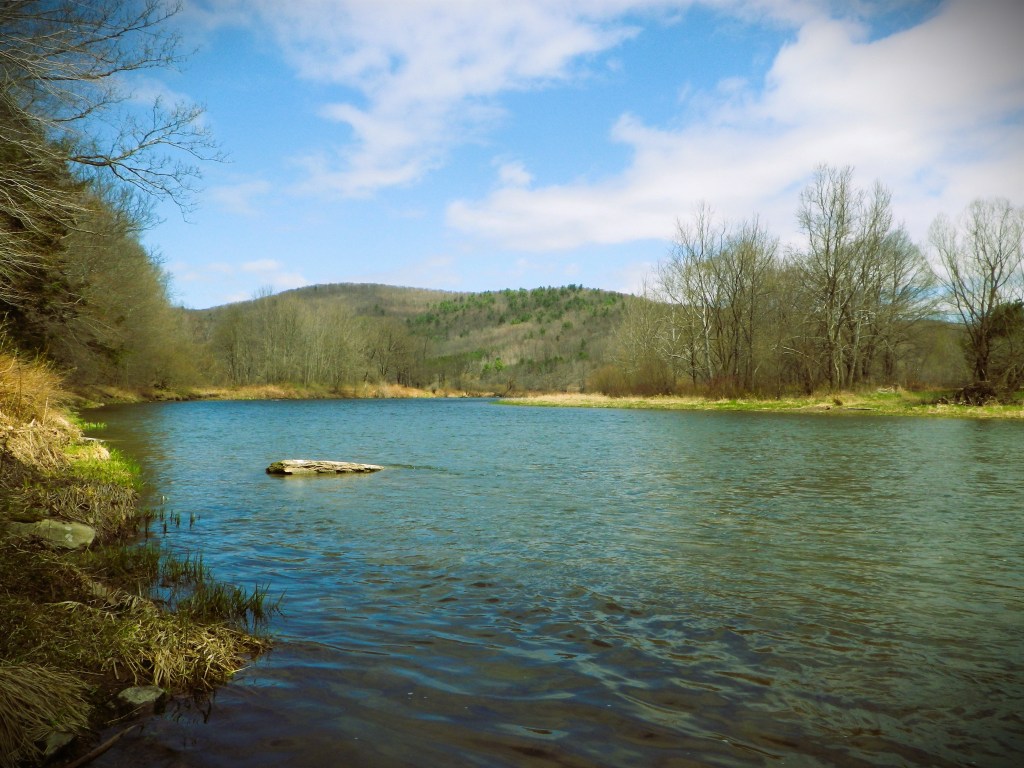
The dry fly season of 2022: April 15th through November 7th – may it rest now fondly in memory! I credited even that last day to the ledger, for there was a single splashy refusal to a cricket tossed out on a whim amidst the gale, and thus an opportunity. Nearly seven months of magic this year, and that after the sizeable flood that all but erased it’s beginning and the drought that devastated our beautiful Catskill summer. It was a season that proved difficult in various ways, for those natural events are not kind to the insects that provide the spark for the magic we seek. The rewards were fewer and farther between, but Nature revealed her largesse in other ways!
The rain comes hard on my metal roof just now, giving me hope for something more than the diluted forecast has offered. I know the trout will fare better with good flows as we enter the long, cold halls of winter. Here’s to more rain, less ice, and a few brief but functional warming trends to relieve the monotony of the off season!
-
November Rain
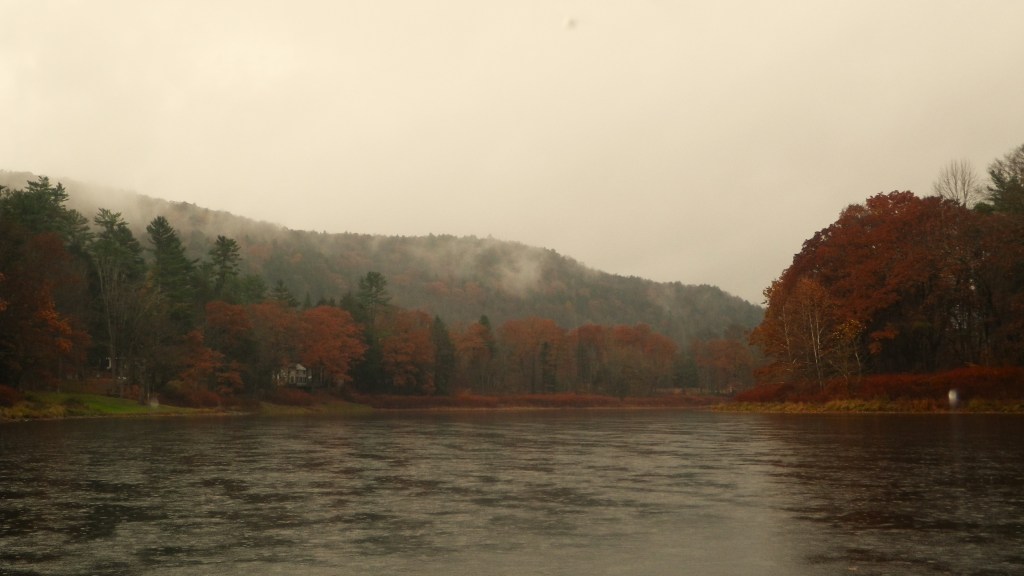
Mist Wraiths on the Mainstem As the rain fell in earnest, the last soft rings vanished with the parade of miniature wings that preceded them. Imagine, a touch of dry fly fishing in November!
The opportunity was brief, and perhaps as preordained, I had left the one fly box containing the sub sized olives in the car. There were my trusty autumn twenties and twenty-twos handy right there in my vest, but they proved as useless as an anvil for tempting those sipping rainbows. Still, it was a wholly unexpected chance to play the game once more.
Brilliant sunshine and otherworldly temperatures have prevailed since then, laughing in the face of a typical November in the Catskills. Yesterday I had to succumb to the lure, standing in the middle of the mighty Delaware in my shirtsleeves. Just your typical November day…
Another like it is on tap today, the sun already blinding me through the curtain covering the window above my tying desk, and though I know I shan’t find any of those tiny olives nor soft dimples in the film, I cannot resist.
I carried the dry fly rod yesterday, my Dennis Menscer Hollowbuilt, strung up for one last chance to loft the dry fly over bright water. I ended up disgracing that sword, swinging weighted soft hackled things beneath the ripples where the run deepened, for such a weapon is destined for grander things. I simply had to enjoy the pleasure of casting in the sunshine under those brilliant skies!
Hope tells me there ought to be some remnant band of mayflies, some rouge group still clinging to the stones and ready to hatch now as Nature has raised the water temperatures once more, though my mind tells me otherwise. The winter rod would be the better foil, for it has proved its capabilities when called to deliver tiny dry flies to take advantage of miracles.
Search
Archives
- April 2026 (10)
- March 2026 (10)
- February 2026 (9)
- January 2026 (14)
- December 2025 (14)
- November 2025 (10)
- October 2025 (10)
- September 2025 (9)
- August 2025 (10)
- July 2025 (10)
- June 2025 (8)
- May 2025 (12)
- April 2025 (12)
- March 2025 (9)
- February 2025 (10)
- January 2025 (15)
- December 2024 (12)
- November 2024 (13)
- October 2024 (12)
- September 2024 (10)
- August 2024 (12)
- July 2024 (10)
- June 2024 (12)
- May 2024 (11)
- April 2024 (14)
- March 2024 (11)
- February 2024 (13)
- January 2024 (14)
- December 2023 (16)
- November 2023 (11)
- October 2023 (11)
- September 2023 (8)
- August 2023 (10)
- July 2023 (9)
- June 2023 (12)
- May 2023 (13)
- April 2023 (13)
- March 2023 (14)
- February 2023 (15)
- January 2023 (15)
- December 2022 (13)
- November 2022 (5)
- October 2022 (10)
- September 2022 (10)
- August 2022 (8)
- July 2022 (9)
- June 2022 (10)
- May 2022 (10)
- April 2022 (13)
- March 2022 (14)
- February 2022 (13)
- January 2022 (13)
- December 2021 (10)
- November 2021 (9)
- October 2021 (7)
- September 2021 (9)
- August 2021 (12)
- July 2021 (11)
- June 2021 (12)
- May 2021 (15)
- April 2021 (16)
- March 2021 (14)
- February 2021 (14)
- January 2021 (12)
- December 2020 (11)
- November 2020 (13)
- October 2020 (14)
- September 2020 (13)
- August 2020 (14)
- July 2020 (13)
- June 2020 (16)
- May 2020 (16)
- April 2020 (18)
- March 2020 (13)
- February 2020 (11)
- January 2020 (8)
- December 2019 (6)
 Bright Waters Catskill