Confessions

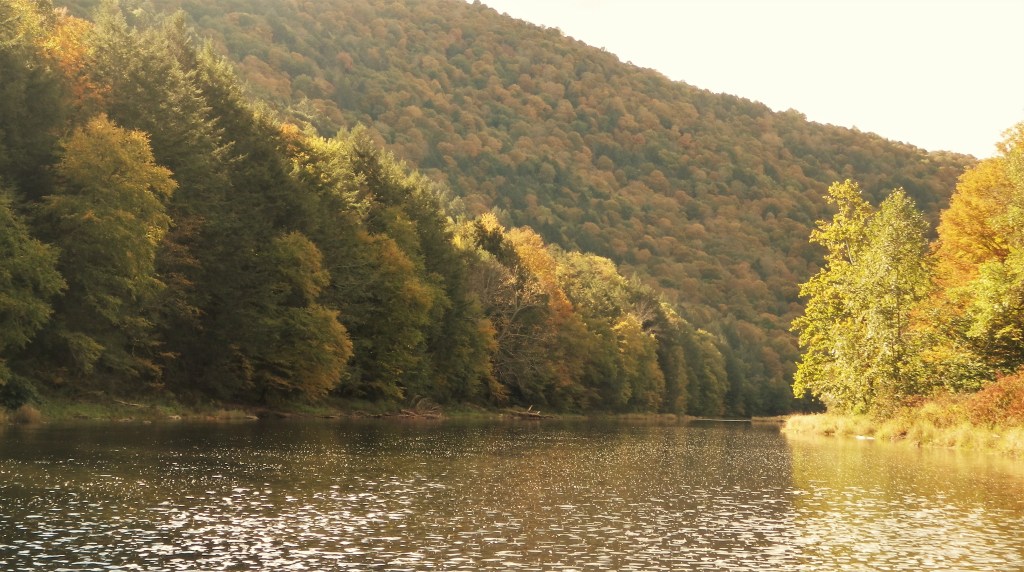
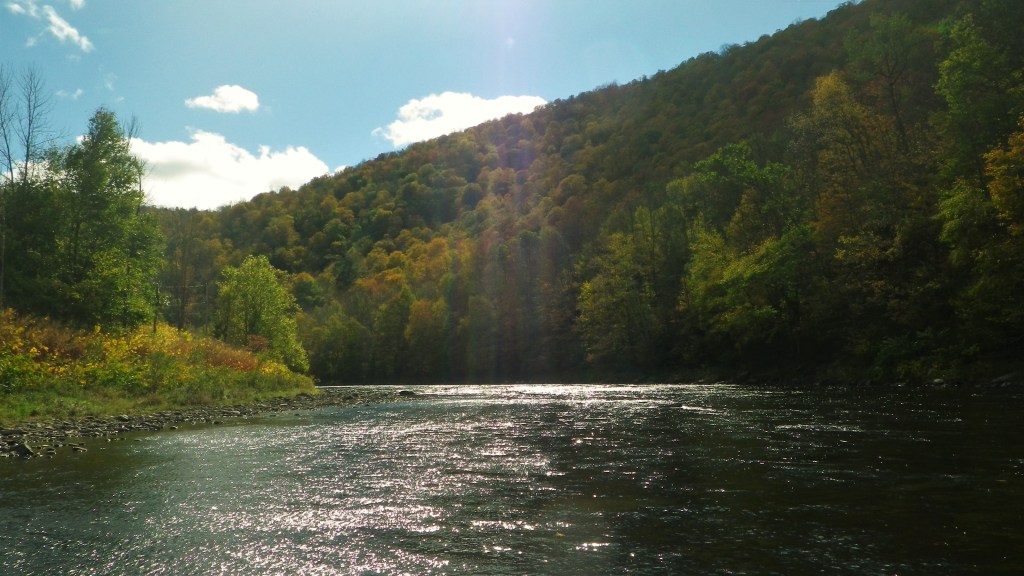
Confession in a cathedral of golden light…

It was wrong of me I know, and though I may offer my reasons, there are no excuses for my failing. I had tried in good faith to fish a dry fly, relocating to a somewhat more protected pool. For a while the wind stayed down and I did fish the dry, an isonychia that I led carefully down multiple chutes over an uneven, rocky bottom that simply screamed holding water. Nothing rose, and before long the wind found me again and redoubled its efforts to drive me from the water. It was then that I failed, cut off my dry and knotted a soft hackle wet fly to my tippet, committing the sin of fishing the sunk fly.

It is not yet winter, though the wind driving through me on a fifty degree afternoon felt something like it. The wind was relentless, and it simply would not allow me to make a presentation with a dry fly. A few mayflies fluttered upon the surface, but no fish rose to sample one. I had missed two days of fishing already this week, and I wasn’t going to succumb to the evil wind and give up. So I sinned, I fished the wet fly down through all of that beautiful water I had covered with the dry.

My misdeed was not rewarded, and as I neared the tail of the pool I changed flies again, this time a soft hackle – streamer hybrid I had concocted in one weak moment at the vise. Something to sink a little deeper, something with flash and movement to tempt the fish I knew had to be there, too sluggish in the chilled water to rise for the mayflies that danced above them; a winter fly.

The swing was a viable presentation, and the only one the wind would allow, but that is no excuse for a sinner.

I cast and mended and the fly swung slowly as the current relaxed in the tailout and the line suddenly felt heavy. I struck and raised the rod and felt the pull of a fish, the drag of the CFO chirped and I began to reel and fight this unseen fish. When I brought it close in the clear water I began to laugh out loud at the size of the chub that was fastened to my evil sunken fly.

The wind continued to buffet me, and I cast between the gusts and continued: cast, mend, and swing; then two steps down and do it again. There was a jolt at last, a bent rod aloft, and a chorus from the old CFO. This was no chub! The thrashing fight, short, hard runs amid the screaming of the reel; it was joyous! The dark river bottom hid my foe from me until I finally drew him to the net. Imagine my surprise when a broad flanked Delaware rainbow more than eighteen inches long lay there quivering in the mesh!

We were miles from the Delaware, there in that lonely windswept pool on the Beaverkill, but that trout’s origin was never in doubt. A grand reward indeed for my sinful departure from the dry fly.

The chill lingers, and though I see mayflies on the water, no trout will rise. It is the same here as it was on the Delaware the last few times I angled her. Has the dry fly season slipped away without the ultimate pleasure of Indian Summer afternoons and trout sipping in the quiet pools? So it would seem, but I will not put away my dry flies just yet. Most of October is still before us, and winds may calm and the sun warm both air and water once again. Forgive me my failing, a divergent for just a moment. I still have faith that trout will rise again before the white blanket of winter falls.

Flirting With Disaster

Stagnant water and exposed bottom at Stilesville’s productive riffs on Tuesday morning October 6th

New York City’s Department of Environmental Protection chose the prelude to brown trout spawning and a period with miniscule flows coming in from tributaries to cut the release from Cannonsville Reservoir and endanger much of the river’s aquatic life. Issuing a last minute statement to FUDR and other river stakeholders, they planned a day long zero flow duration to fix a leaky pipe and allow USGS to remove debris and recalibrate their gaging station. As the word spread Monday, striking fear into the hearts of anglers, local conservation groups went to work to do what they could to avert disaster.

None of the typical standing waves at the chute above Balls Eddy, the pool itself looking stagnant

Various stories surged through the community, and it is hard to determine still exactly what occurred, though if the gages can be believed, the river never got to zero flow. NYCDEP did listen to FUDR and other stakeholders and mitigated their plans. The recalibrated Stilesville gage shows low flows in the realm of 45 to 50 cfs. This morning the flow is 261 cfs and rising gently.

Per USGS, the red starts indicate measured flows taken before and after recalibration.

I spent Tuesday morning running along the river from Hancock to Stilesville, taking photos to document the impending disaster, before learning that an agreement had been reached. I was relieved that there were no signs of dead fish, though the exposed riffles caused me to expect the worst for the invertebrates. According to the measured readings from the Stilesville gage, release flow was approximately 60 cfs during the time these photos were taken.

I’m no news reporter and again, there are various bits of information floating around about this near tragedy, but my thanks go out to all of those who went to the table at the last hour to grind out an agreement that allowed the necessary maintenance to be done without dewatering the river and possibly destroying the best wild trout fishery in the eastern United States. I would love to hear what a qualified aquatic biologist might conclude after examining the details of the drawdown and assessing the amount of exposed bottom. All of us in the community would like to know just how much the insect life of the West Branch may have declined as a result of the events of this week.

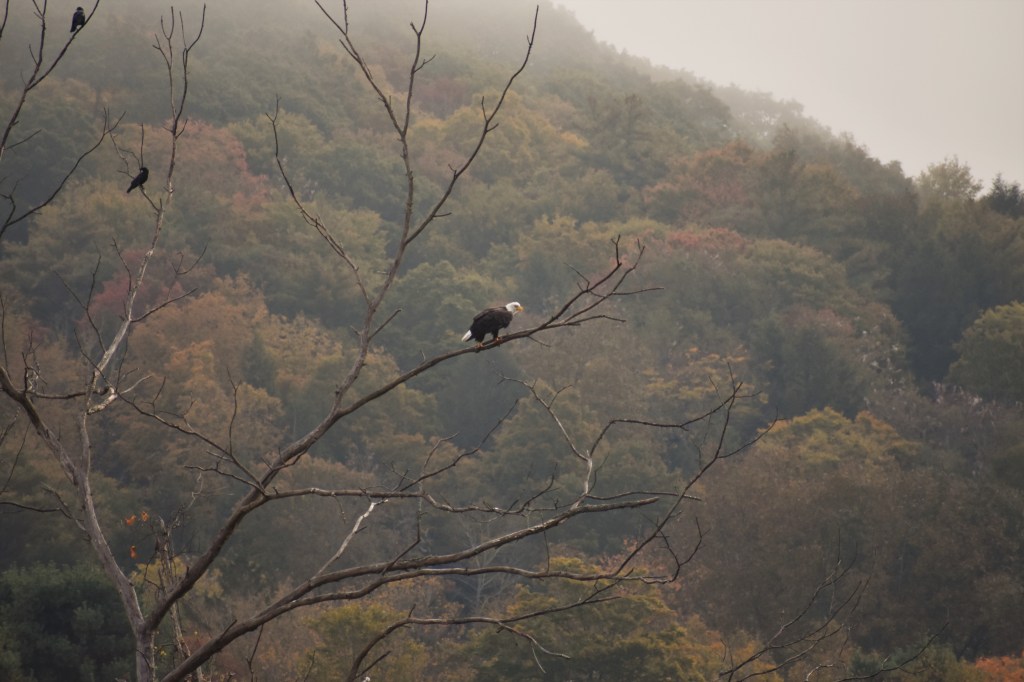
This angler was waiting on an exposed river rock when I arrived, taking flight to his higher perch upon my intrusion. He was obviously expecting breakfast with the dropping water levels. I hope he captured himself a nice , fat chub!

Natural disasters come and go with little hope of mitigation by man at the time of occurrence. Long term thinking, scientific study and action is another matter. Immediate manmade disasters can be sidestepped with common sense and a little environmental responsibility. Here in the Catskills we are breathing a sigh of relief that a mixture of concerned and reasonable people and those two vital ingredients averted one on a trout river we love.

Quiet Waters

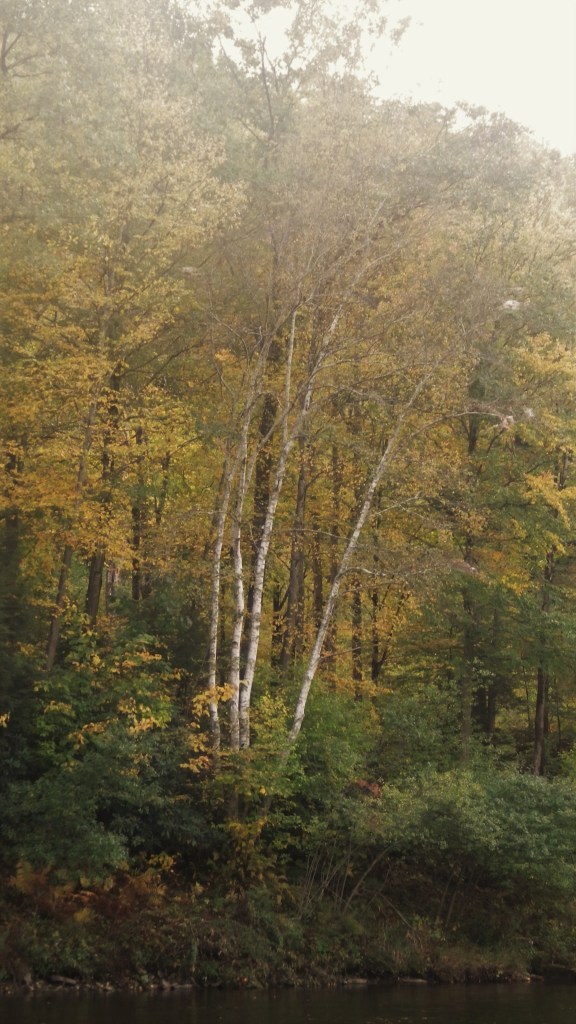
White Birches Along The Beaverkill, The Signposts of Autumn

I always thrill to the sight of White Birches, they were my Dad’s favorite trees. He was born and raised in New England back when they were plentiful, and I remember his efforts to plant a few in our yard in Maryland when I was a boy. They never seemed to do too well in the warmer climate, though I don’t know if it was the temperature or some missing element in the soil that kept them from growing tall and hardy. The white trees were always special to him, and will forever be special to me.

We have returned to autumn temperatures after last week’s handful of warmer days. No frost, as it is hovering around forty degrees in the first few minutes after dawn this morning. The rivers have seemed oddly quiet. Where I am used to finding sizeable trout I have taken little fish this week, little browns and rainbows eager enough to rise to a well drifted fly in hopes of growing big.

There were flies on the water yesterday afternoon; isonychia, the September peaches, and tiny olives hatching, and a few tan caddis fluttering about in the dappled sunlight, but no trout were rising to take advantage of the free meal. I moved, walked to the water sans flyrod and saw a single trout rise. I waited and he rose a second time: that is a trout to be fished to I told myself.

Of course when I retrieved my rod and waded into the fast water that fish refused to show himself for a time. When he did I was ready with a peach may that proved his undoing. Perhaps nine inches long, this little Delaware rainbow had made quite a journey from his home in the big river. He was all energy and protested still as I twisted the hook gently to free him; a fine fellow, cold, hard and plump for his diminutive size.

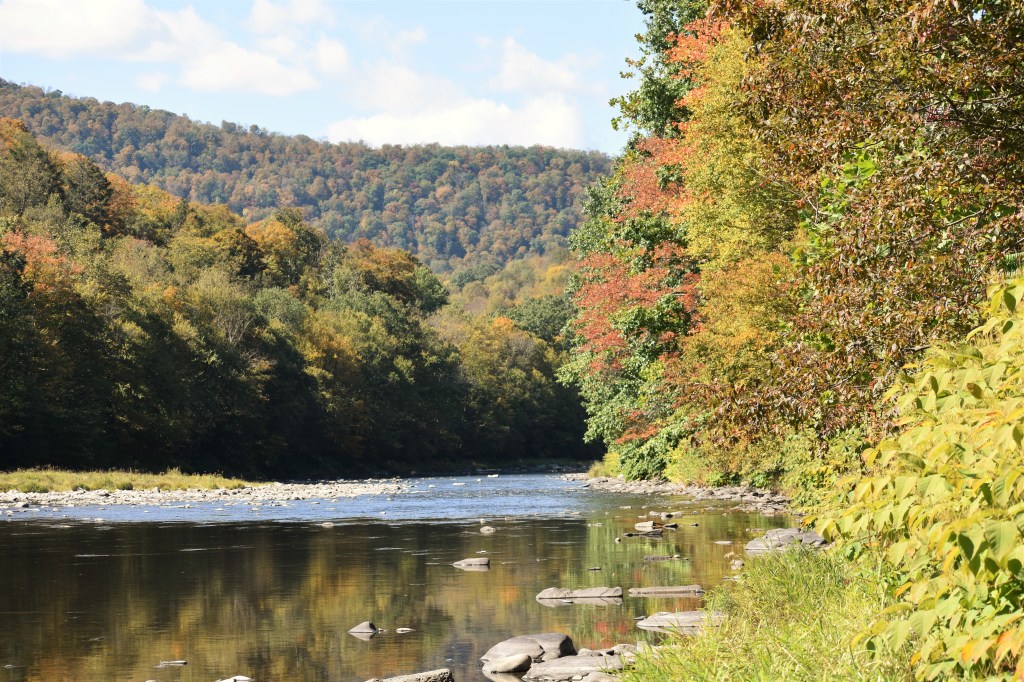
The golden light was dimming, as heavy banks of clouds swirled aloft threatening rain, so I turned for home. It was an empty threat, for the sun shone brilliantly an hour later as I grilled steaks on the porch. The rivers are cooling rapidly this year, well ahead of last autumn’s calendar, and I wonder if the larger trout have read this sign and begun moving toward their spawning tributaries early? The great forecasters have predicted a warm trend later in October, a promise of Indian Summer, but perhaps the trout don’t believe them. I want to, and hope that I can.

This time last year I was daintily casting terrestrials to twenty inch browns sipping in glassy, tree shrouded pools. Memory failed to record the water temperatures, though I feel certain they were significantly higher than the low fifties common to this first week of October. Each year along the rivers is different. One may draw parallels to seasons past, but it seems nearly impossible to go back to a certain pool on an identical date and repeat the past performance. The great mystery of Nature is her caprice, her volatility.

October Afternoon

Standing in the cold river two nights ago I watched the sun crest the ridge and depart, plunging the river into shadow. I felt the chill instantly as the shadows fell about me, the warning of season’s end approaching. Little fish once again. Coincidence, or do they know, are they travelling?

The Dual Season

The late afternoon sunlight cuts across the mountains…October Is Here!

Shotguns and flyrods, frosty mornings and crisp air, afternoons still bearing a hint of summer’s warmth, all bathed in that lovely amber light that says October. It is quite simply the most beautiful month of all the year, and I cannot imagine a place more beautiful, more perfect to enjoy it than the Catskills.

I celebrated the day beneath the eaves of Catskill Park, getting my legs used to elevation and the challenges of terrain once again. They have waded currents for the last six months, felt the push of the rivers at every step, but the lift of mountains is different than the steady pull of water. Good work for good health both endeavors, but the climb forces the fresh mountain air deep into my lungs! I feel it and rejoice.

The first grouse of the new season came up very close to me and yet unseen amid the jumble of leaves and branches. I heard the soft clucking, knew that he was near, yet only my ears could enjoy his swift departure. After lunch I spied his compatriot bobbing along the ground. I readied myself, walked straight toward him, watched him first duck behind a tree before flushing low and straight away into thicker brush; and I collected the first miss of the year.

I pursued, guessed at his landing zone and flushed him a second time, unseen. Time to analyze the terrain and cover, predict his flight, and hunt the bird from a new perspective. I won the battle of wits, secured a brief but clear crossing shot on the third and final flush: miss number two!

A fine shotgun would seem more than a match for a somewhat chubby bird to the uninitiated. All those pellets, why the boom itself ought to shock him into a tumbling dive. The Ruffed Grouse is the king of North American gamebirds for a reason, he is the great survivor, aerialist, trickster. My friend John says that grouse hunters aren’t people who shoot grouse, they are people who like to hunt them and talk about them; amen brother.

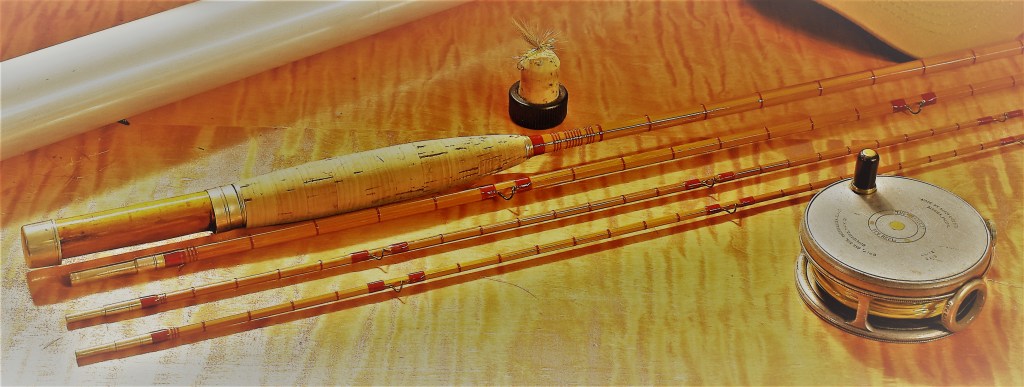
Trading mountain boots for waders, and shotgun for a one hundred year old Thomas fly rod, I walked the bright water to celebrate this first sunlit afternoon of the dual season. September’s parting rains had freshened the flow, but they dropped quickly. I hoped they had stimulated the insect life into resuming their cycle of reproduction: an afternoon hatch and evening spinner fall would make this day complete.

The activity proved sporadic until early evening, and though I brought two small browns to hand, it was not for me to solve the puzzle this time. Caddis flew as the shadows lengthened, but it was not caddis that the trout were taking. One of those trout took a size 20 olive, but the others I offered it to would have none of it. Soft rises and heavy ones, and me nervously changing flies in the receding light to find the right lure for those heavier rises, the ones dreams are made of.

There are times when as much enjoyment may be had outdoors without the “success” of heavy game bags or big catches. Playing the game should be about the pursuit and not solely of reaping the spoils. The wily bird evading my best efforts, and two small wild trout bending that hundred year old rod might seem like slim pickings to those devoted to counting things. In truth, they were highlights of a glorious day, the kind of day I am very happy to be around to enjoy.