Cult Of The Green Drake

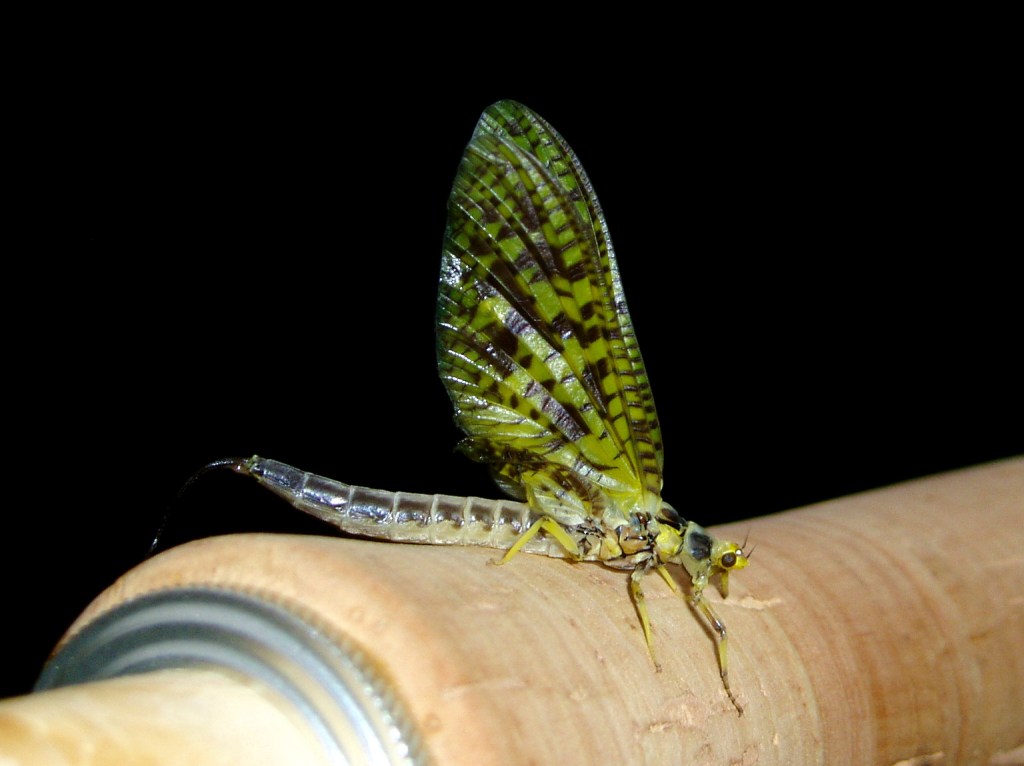
Ephemera Guttulata: The Eastern Green Drake has been known to inspire fanaticism among flyfishers.

It is an old society, one I joined thirty years ago on Penn’s Creek, the grand Central Pennsylvania limestoner. They came in complete darkness there, on a quiet night when the fluttering of their wings was audible amid the gushing explosions of wild brown trout feeding heavily. Fly fishing by sound is a guessing game, lacking in the precision and technique that enthralls us in our practice of the art. Still, that experience was chilling.

On the edge of dawn, I prowled the great pool at Poe Paddy while my fellow campers slept. I discovered a pair of trout, hidden along the banks and gently sipping the wounded duns which remained from the debacle in the darkness; and I connected!

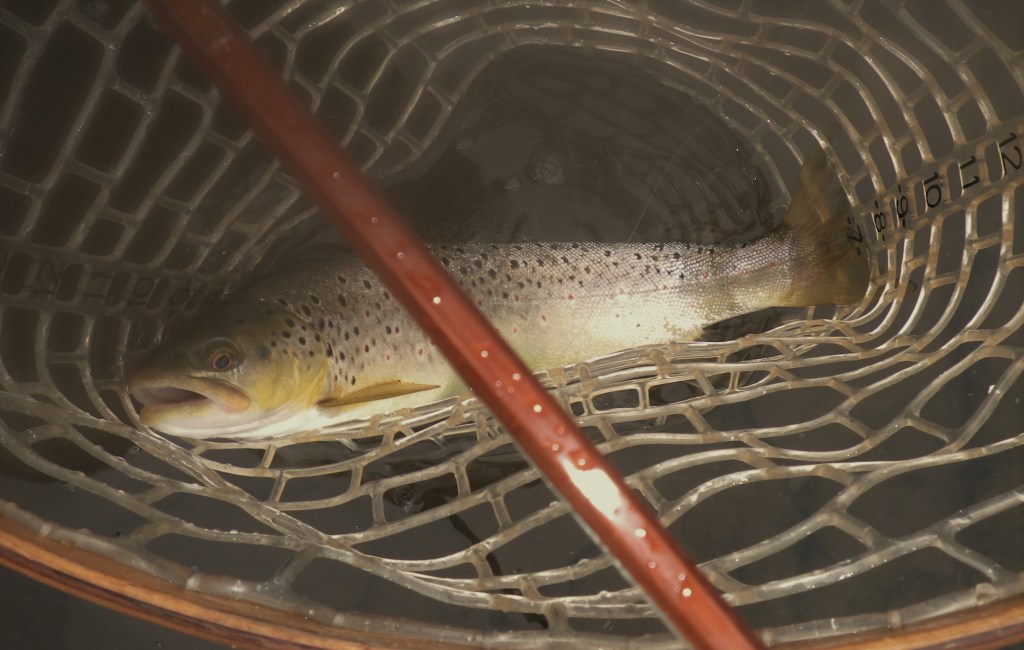
I followed the hatch north to the hallowed Beaverkill and fished the Coffin Flies on Cairns Pool amid a host of celebrants. Seeking solitude an evening later, I watched the water boil as the great white spinners touched down to the surface to deposit their fertilized eggs. My Dette style Coffin Fly engaged one of the big Beaverkill browns, and I gasped as he shot from the riffled run like a missile. Somehow, I recovered from my shock and awe and played him successfully. He will forever live in my memory.

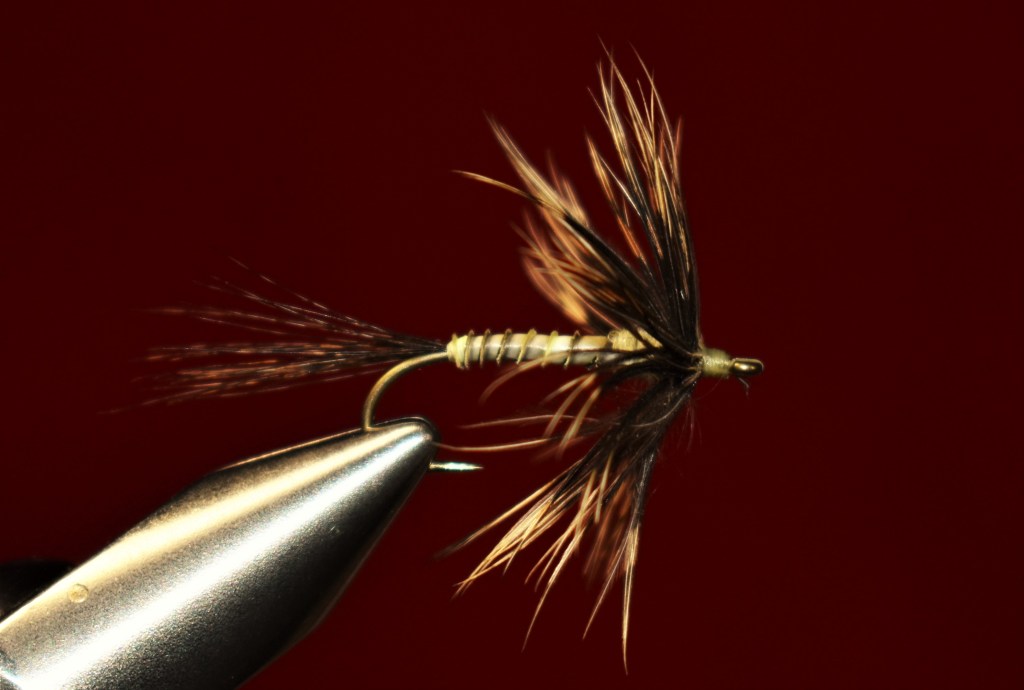
Inducted thusly into the Cult of the Green Drake, I have followed the hatch throughout the Catskills. I have studied the flies, pondered long hours designing patterns, tested them each season that the hatch appeared. This greatest hatch of mayflies can be enigmatic to say the least, and its strength can vary widely. After the great flood of 2006 I searched in vain for two seasons, but the Green Drakes eventually returned.

I have fished the hatch a week before the vaunted Memorial Day festival of the waters, shivering in forty-five degree weather while huge trout crashed the quivering duns, as well as those of feathers and fur. One recent season I believed the hatch was lost until the Drakes appeared three weeks after their Memorial Day appointment. Each season brings the unexpected.
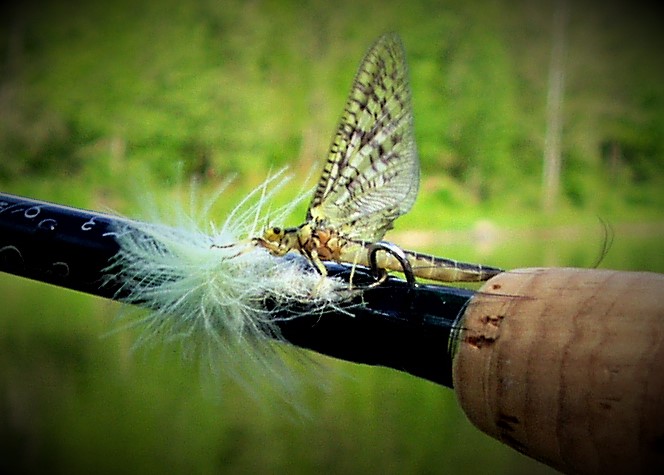
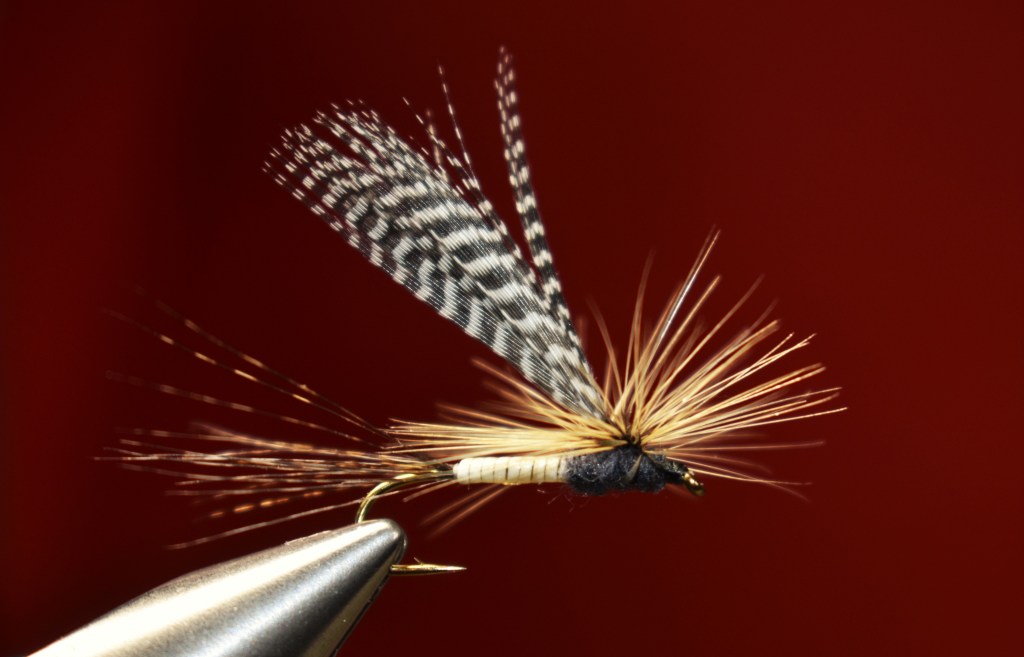
The scruffy CDC looks little like the mayfly to the angler, but the wild trout of the rivers say Yes!

I have designed various dry flies and emergers that have brought me wonderful fishing, but there is always another puzzle to solve. There are times, often early in the hatch, when trout will cruise and explode upon stray nymphs struggling toward the surface. I have seen many times when duns flutter madly on top, right above these subsurface explosions, and I have never seen those surface flies taken. An answer for these interludes is my current obsession.

Thinking about this scenario led me to an exchange with Tom Mason, who so kindly provided the Ray Bergman pattern that he has tied and fished for many years. I had tied a swimming nymph to be fished on the swing when I encounter this subsurface activity, and then turned my thoughts to traditional soft hackled flies.

I had hoped to study an old English pattern derived for their counterpart hatch, Ephemera Danica which they call The Mayfly. I will continue upon this path and see what I can turn up. I cannot help myself.

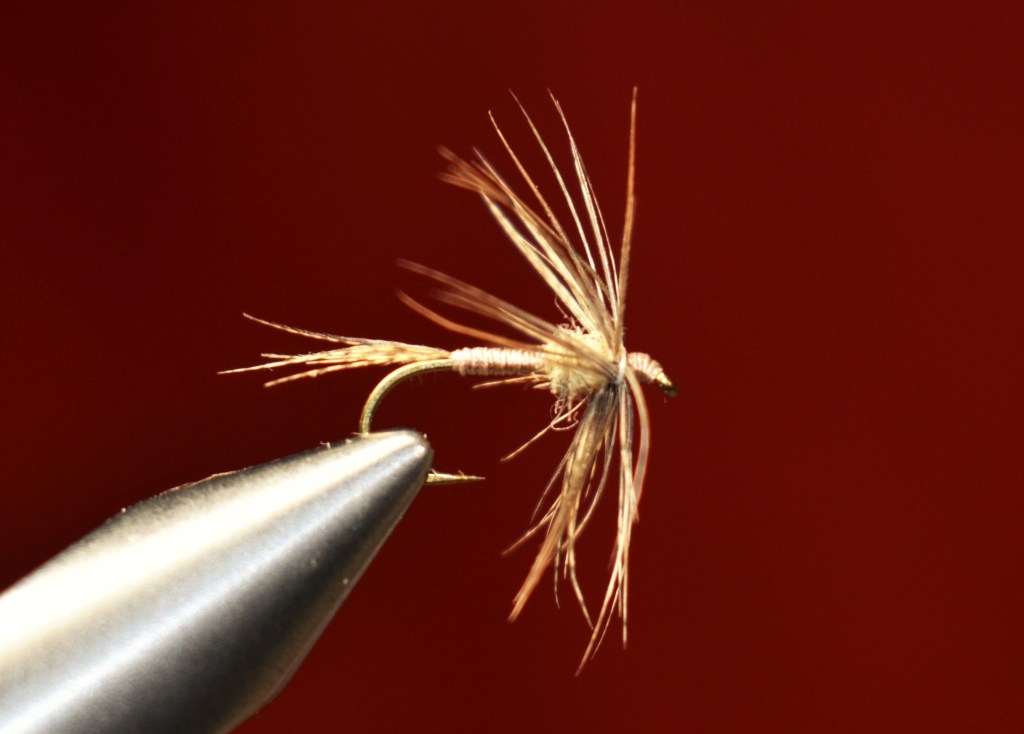
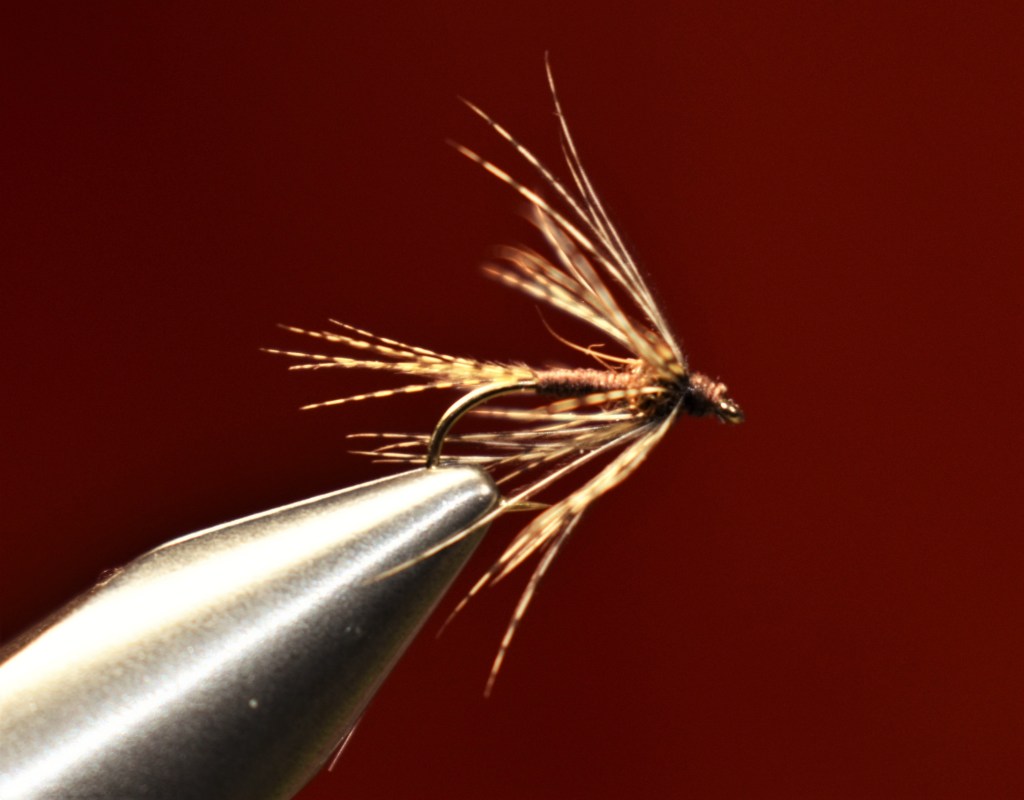
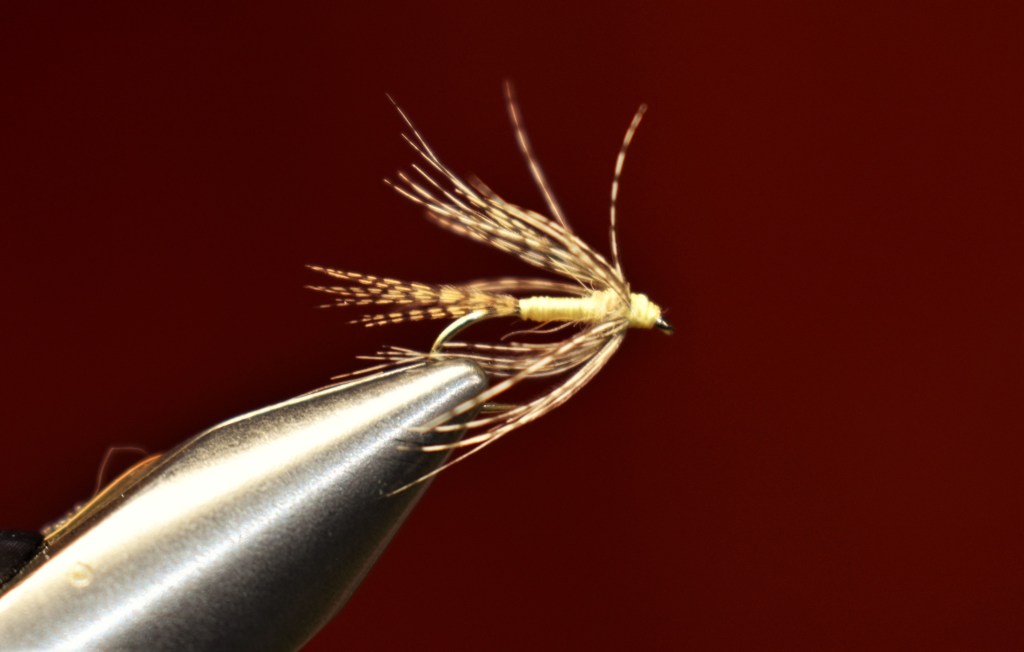
I have tied three variations of my own soft hackle Green Drake. Dare I hope for the chance to try them on the water? My best instincts revolt at the premise, for I remain a staunch adherent to the gospel of the dry fly. To hope for trout that refuse to surface feed seems blasphemy. These flies will find their place in my fly box, for I need not wish for difficult fishing, it will find me.
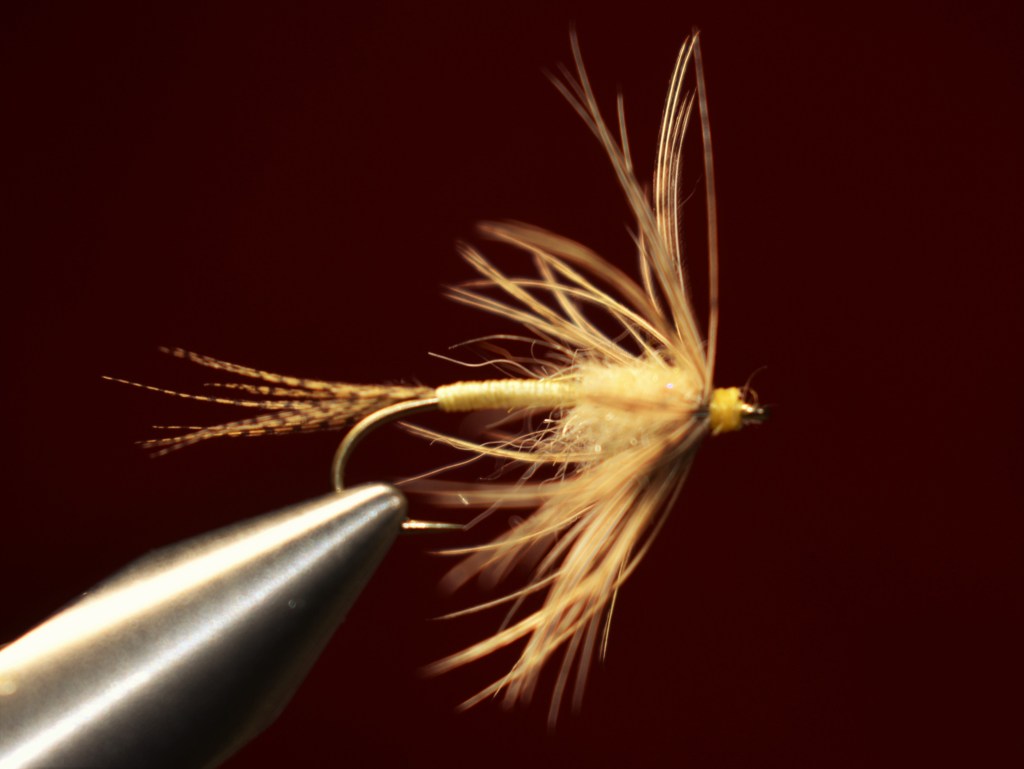
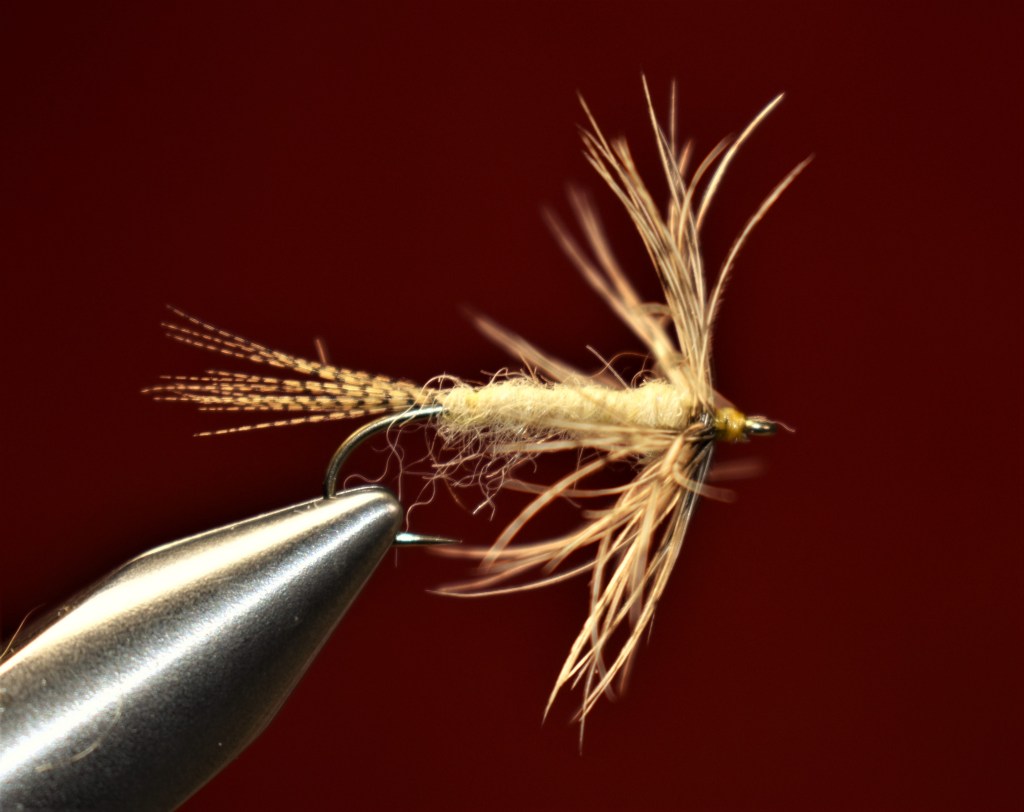
The mystery to be solved is one of movement, light reflections and color, as true with most of our trout flies. I think back to the late, great Gary LaFontaine, who donned scuba gear and submerged beneath the hatching caddisflies to see those triggers with his own eyes. Would that I could follow his lead. I cannot, but I have the benefit of his writings and his counsel, along with several centuries’ worth of angling science and theory in literature.
Only A Dream

Still Bright

This always happens at this time of year. The weather forecast finally shows a bump in temperature a few days down the road, and I begin checking river levels and water temperatures, making plans to steal a couple of hours along bright water. The closer to the hoped-for warming trend we get, the more I start to believe I will earn a respite from the bleak, frigid hand of winter. Alas, the day finally arrives, and that hand strikes down my hope. So it is today.

This venture of the heart began with a promise of forty-five degrees. There was beautiful, bright sunshine the past few days, a presage to lift my spirits despite the cold. I knew better than to get any sort of tackle ready. The reality today is a cloudy winter’s day, with perhaps a brief high near forty degrees, that the ten to fifteen mile per hour winds will make feel like just another day at the freezing mark. There will be no time upon the river today.

Though I acknowledge I am blessed to live here in these Catskill Mountains, I had to give something away to receive the many blessings of the rivers of my heart. In the milder climate of Maryland or Southcentral Pennsylvania, the little warmups actually occurred, complete with midwinter outings to various ribbons of trout water. Here in the Catskills, they are the stuff of dreams.

Though there were sometimes days available in January, I always looked forward to the February Warmup, a fairly reliable annual event featuring three to five days in the fifties, sixties, and in exceptional years, nearly seventy. Several seasons back, I stole away to the Little Juniata River for a February day in the sixties.

There was just a hint of the sun when I arrived in the village of Spruce Creek, and I harbored high hopes for the dry fly. I made straight for my favorite pool, geared up and hiked into the river. With no sign of an insect, I passed an hour or two swinging a small streamer along the deepest channel, even rousing a respectable brown trout from his winter slumber when I bounced it through unseen fallen tree trunks. I fished with improved concentration then, feeling the waft of warmer air as the afternoon advanced, but there was no further activity beyond the rhythm of my casting.

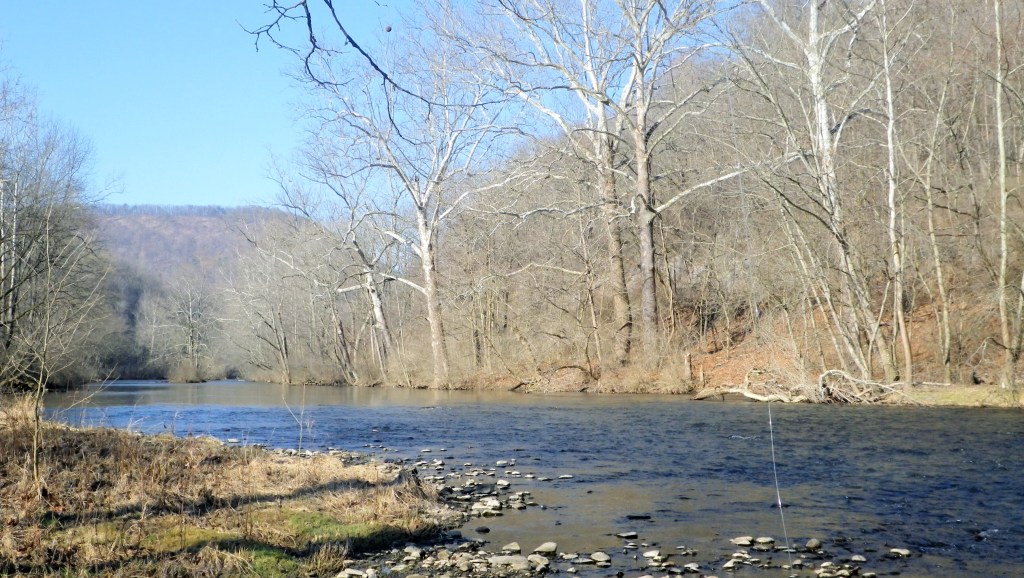
My favorite pool on the Little J in March low water.

As the warmth of the afternoon peaked and waned, I accepted the inevitability that my dry fly dreams must wait until spring. I walked upstream, planning my exit at a well-worn path at the tail of the upstream riffle. Nearing my destination, my gaze wandered across the tailout of the next pool, and my heart jumped at the sight of the soft rings that appeared there.

Half a dozen trout were sipping midges in the clear, gentle water above the break, and I set about my preparations. Leader lengthened, and a size 22 biot midge knotted securely to three feet of 6X tippet, I advanced carefully into casting range, creeping to the very lip of the riff. The bow in my light rod was an electric ecstasy as I reacted to the soft take of that first brownie. I played all six in turn, though the last shook the tiny hook still short of the net. Such were those dreamscape winter days.

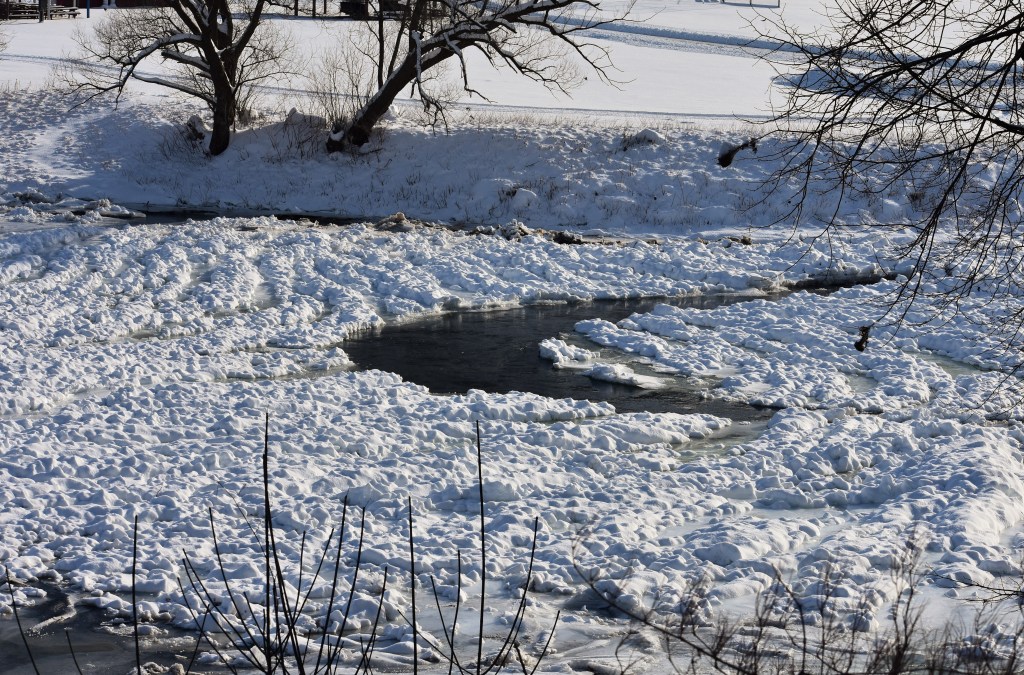
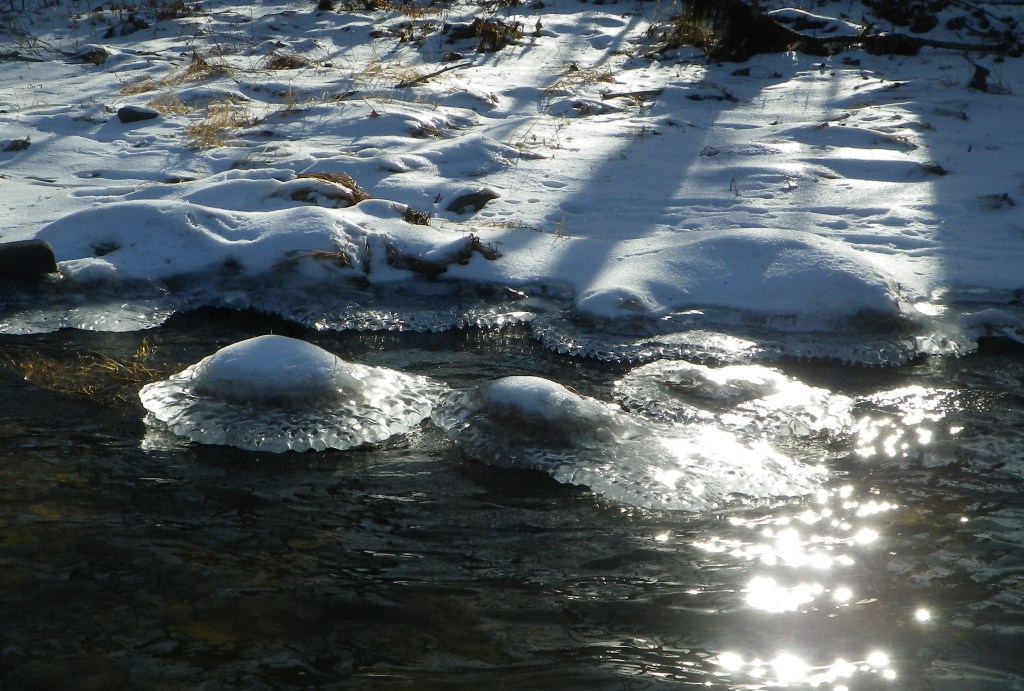
A crescent of open water formed amid the ice and snow clogging Crooked Eddy.

Come March there was often an opportunity on Big Spring, largest of the limestone spring creeks in the Cumberland Valley. Afternoons might bring a light flurry of olives for a time, and the patient angler could find rewards. Early black and brown stoneflies would hatch on sunny days, not in great numbers, but enough that a handful of trout might rise and be tempted by a sparse tie of hackle and CDC. On one bright afternoon the early brown stones came to play and I managed five gorgeous wild rainbows on the dry fly, the best pair easily eighteen inches! Alas the heyday of the invigorated Big Spring was brief.

My last memory came on a cold day late in February, fishing with my friend Andy. I spotted one good fish sipping olives, and my old Granger tamed that twenty-inch beast. My heart was pounding as I brought that fish to the net, while Andy filmed the battle on his cell phone. The burning sensation I felt in my throat was a sign, angina, I would learn the hard way. Those days on Big Spring are no more, but I am still here as witness to what it once was.

In earlier years I stalked the Falling Spring throughout the winter. When those lovely warm spells came early, magic happened. Once, guiding in December, I made a cast after my client had fished hard through a little run of broken water. I wanted to demonstrate the perfect line control those wild fish required, and a leaping eighteen-inch rainbow made my point brilliantly! The gentleman fished with renewed concentration throughout the rest of that unseasonable seventy-degree day.

That fishery waned too, though I have fond memories of a run of seventy-degree days in early March, more than a decade ago. Stalking the water meadows with a Shenk Sculpin, I landed one of the last great browns in the twilight of that deeply loved fishery.

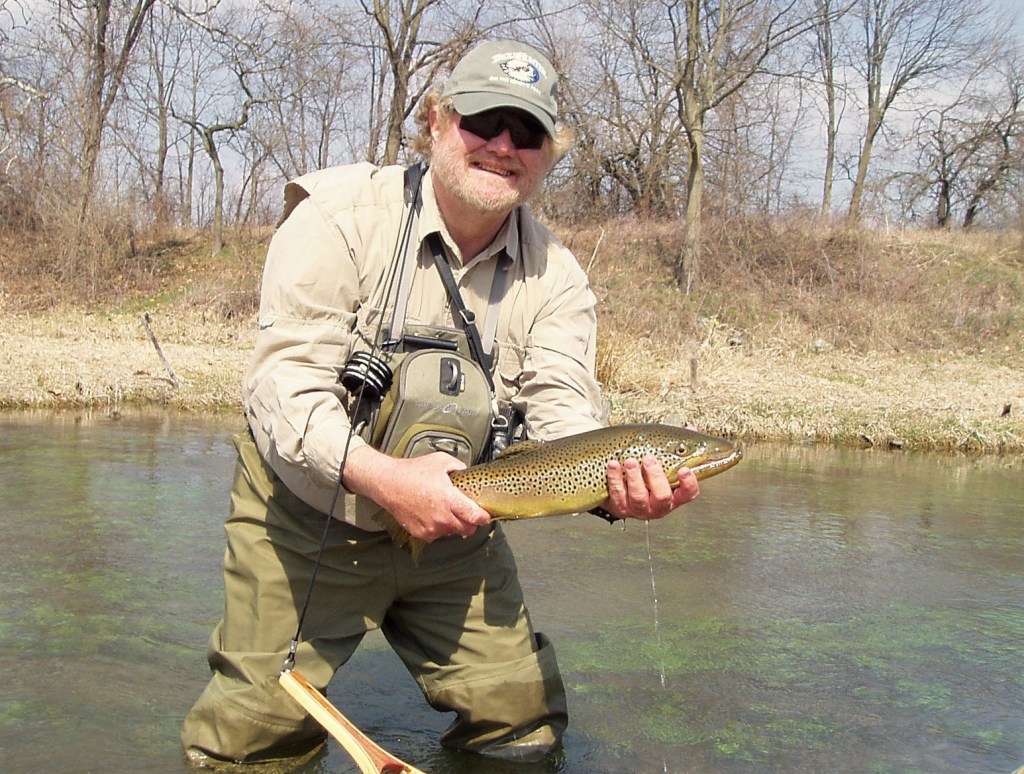
A 23-inch bronze flanked warrior from a very springlike late winter day.

The glory of a Catskill spring is worth waiting for, and truly, the trials of winter make it even more wonderful when at last those first dimples replace the drifting mayflies!

Tiny olive mayflies gather where the current softens along the river bank…and disappear!

Sixty-eight days and counting…

My first dry fly brownie of 2021 accepted a size 16 Blue Winged Olive on the Mainstem Delaware River on April 12th.

At last January is behind us, and I sincerely hope it takes these subzero days with it as it retreats in my memory. This is easily the coldest winter I have spent in the Catskills. The more years behind me, the more I seem to feel the cold. Take heart, for that looked for second week of April lies just sixty-eight days away!

I tied thirty flies yesterday, a little burst in my otherwise modest production to finish out the month. That last day flurry brought me to 136 flies, eleven dozen and four for the new year. I found a little inspiration and tied a few of the flies I have had in my head for a while, ideas that had not yet issued from my vise.

A 100-Year Dun style Coffin Fly came to mind some months ago, and an inquiry on the Classic Flyrod Forum got me interested in finally tying them. My special quill body proved an ideal choice, accented by the classic combination of Teal flank and golden badger hackle. I pray I get a chance to fish the spinner fall come June.

Writing about my early awakening to the Partridge & Orange the other day reminded me that I had promised myself to tie some soft hackles for the Hendrickson hatch, and I fulfilled that promise at last. As these flies are to be presented as mayflies, each has a bit of woodduck tailing as an addition to tying silks, partridge feathers and that pinch of dubbing.

The choices should cover the various eventualities of either stillborn duns or unsuccessful nymphs drifting helplessly in the film, though with still a hint of life. I recall a day on the Delaware during the spring of 2020 when two or three trout fed greedily, immune to my usual array of duns and emergers. They worked merrily along the edge of a riffle, perhaps choosing unseen morsels these flies would imitate.

I was sure to replenish my supply of Shad Caddis, heavy on the size 20’s. I made a solo float on the West Branch last May, finding a few reaches carpeted with tiny, just hatched caddis flies apparently stunned by the thirty-four degree air temperature. I never saw a one of them in their normal size of 18, believing that the City’s October dewatering and winter anchor ice must have impacted the population. I found success only by a bit of on the water surgery on my most sparsely tied 18’s, to approximate the proportions of the unusually stunted caddisflies.

Loose ends at the bench, and mid-season ideas not acted upon; winter is a good time to catch up and bring them to fruition.

Tackle gets attention periodically, and soon it will be time to spool some lines and backing with an outlook to spring. There’s an extra spool for a Hardy Perfect that requires such treatment. I’ve been thinking of a four weight double tapered line for that one, for the 3 1/8″ diameter reel will balance nicely with one of my eight footers. There’s a little Abel too, one of the sweet, classic TR models they used to offer. That and its extra spool seem destined for a four and a five, but there’s time left to consider further. I don’t often take rods out in the snow to cast.

The sun is just topping the ridge line to the southeast and my weather forecast says it is two below. Despite yesterday’s sun, and a balmy afternoon in the thirties, I don’t believe our snow is going anywhere. More is expected via another weekend storm. Yes, January may be gone but February will last all month long!