Windy Rivers, Porch Sitting and Life Between Seasons

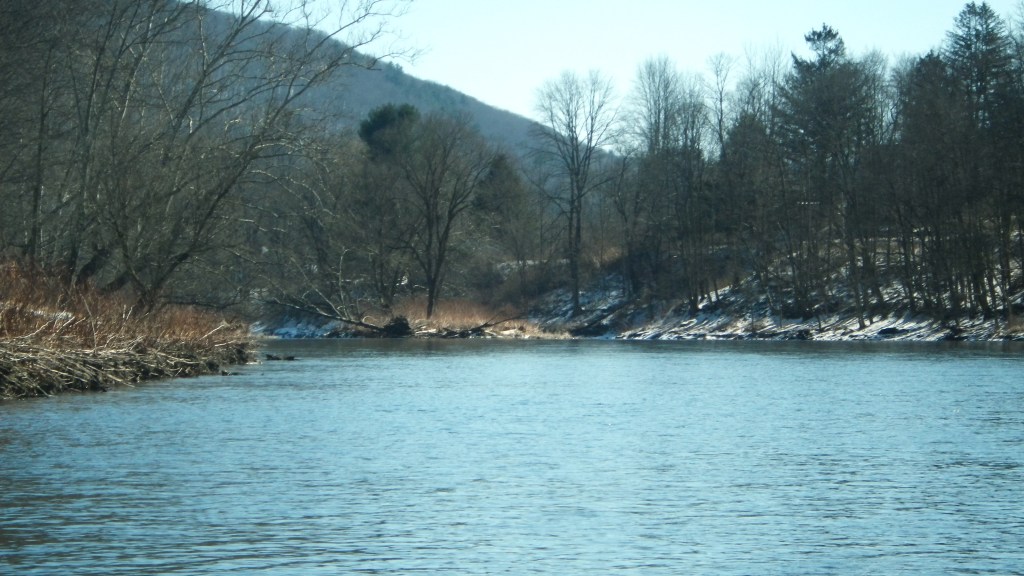
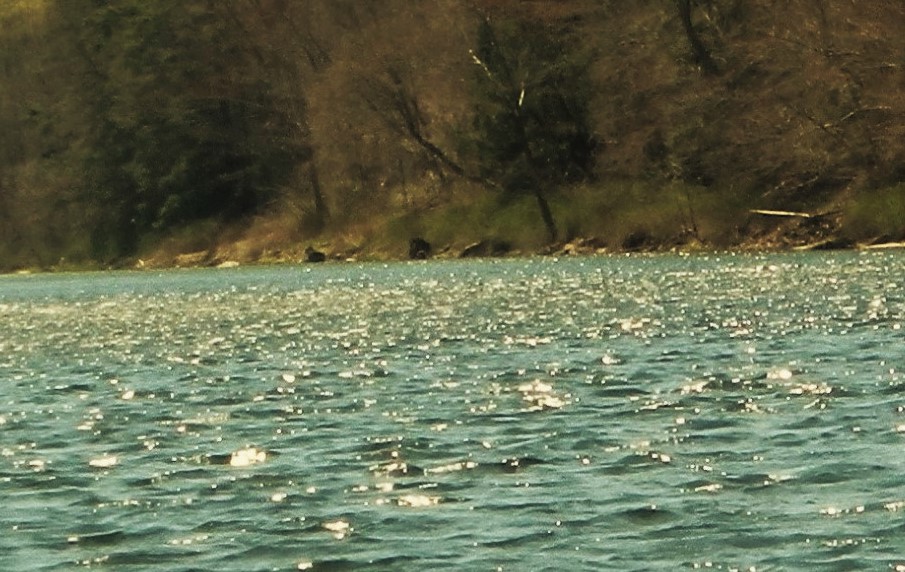
Catskill trout water on a breezy afternoon – this is not a riffle…

Sixty-five degrees yesterday afternoon and, though the wind kept me from feeling the warmth, it was good to be fishing again. I gave it three hours, until the runoff from the morning’s showers colored up the river. Alas the trout chose neither to take advantage of the day nor the flies I offered on a tantalizing swing. All good, for I was out fishing, and there is no better way to spend a March afternoon.

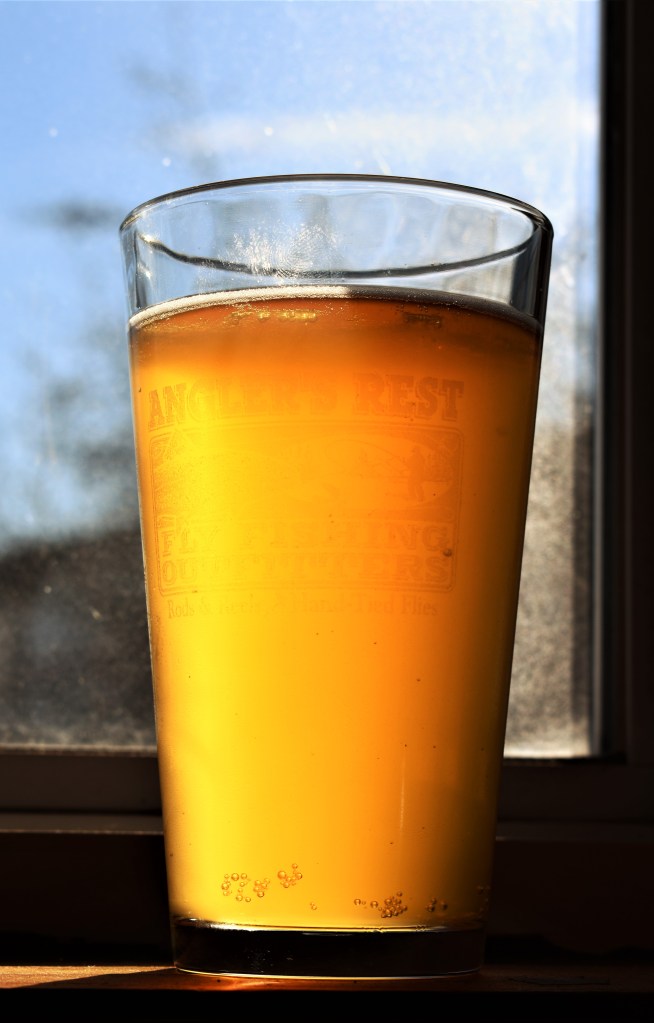
Of course, by the time I pulled into my driveway and put away my tackle, the wind had dropped so that I was a little overwhelmed with how comfortable it felt on my porch. The afternoon sun visits regularly you see, and without the winds I enjoyed out on the river, the porch was positively balmy. Sitting back with a frosty Cold Snap and a snack, I nearly dozed off. The thermometer told the tale: seventy-five glorious degrees!

I noted a comment from a follower today, asking if I might post the specifics for my Full Dress Copper Fox. I am most happy to oblige.

Thread: Uni 6/0 in Rust Brown

Hook: Size 10 3XL nymph hook, Daichi 1720 or equivalent

Bead: Brass or tungsten in copper color 5/32″ dia.

Tail and Wing: Red Fox tail

Body: UV Polar Chenille in copper

Hackle: Hen Pheasant covert feather

Collar: SLF Prism dubbing in rust brown

For the tying: Place bead on hook and slide to eye, wrap thread on behind it and wrap down the shank to the beginning of the hook bend, then back three turns toward the eye. Cut a small clump of fox tail fur and tie it in at that thread location, wrapping the thread over the butts, stopping at a point about 1/8th inch behind the bead. Trim the remaining butts and spiral your thread back to the initial tie-in point for the tail. Cut about a 3″ piece of the Polar Flash Chenille, pull a few fibers back over the fur tail and tie in the chenille binder, then move your thread up to the tie down point for the tail butts. Wrap the chenille forward, brushing the long flash fibers back toward the tail with each wrap, and tie it down when you reach the tie down point for the fur tail butts. Cut another small clump of fox tail for the wing and tie it in thoroughly on top of the hook, then clip the butts. I like to put a couple of drops of tying cement on those tie-down wraps at this point. Select a hen pheasant covert feather or smaller barred body feather, remove the fluff and gently stroke the barbs away from the tip. Tie it in by the tip and clip the excess feather tip, and then wrap the hackle collar. Tie off the hackle, clip the feather stem and dub a small collar in front of the hackle up to the back of the bead. Whip finish tight behind the bead. I prefer double whip finishes, that is two five or six turn whip finish knots, before clipping the thread.
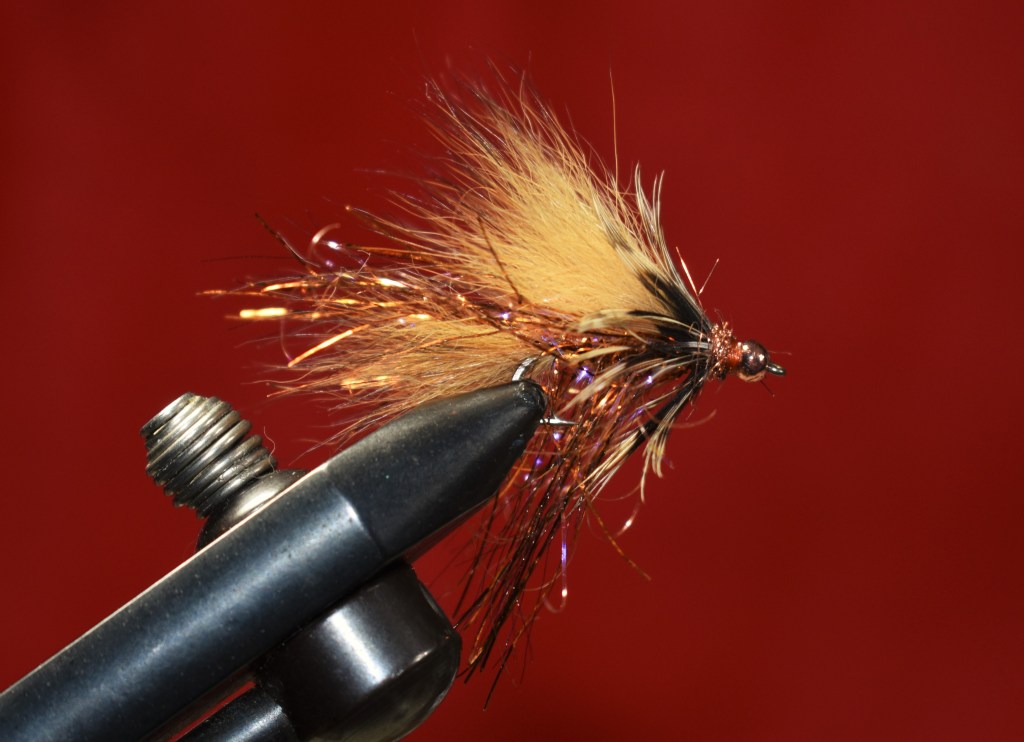
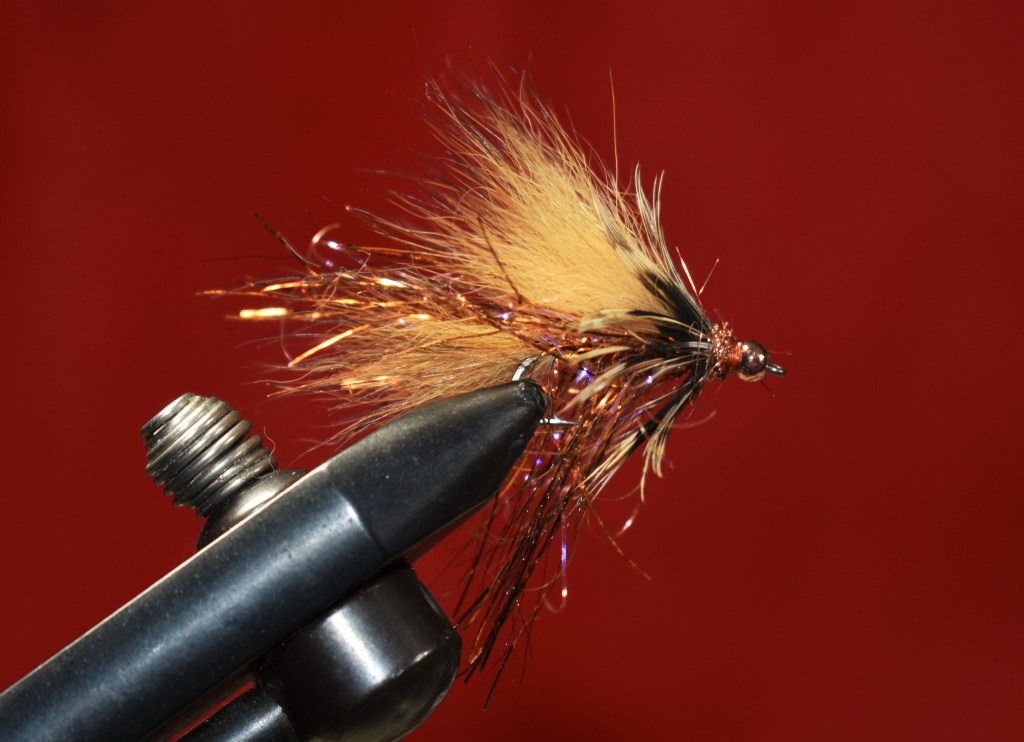
The Full Dress Copper Fox

Enjoy tying a few of these flies if you are so inclined, and have some fun fishing them, slow and steady on the swing in these wintry water temperatures!
A Fox of a Different Color

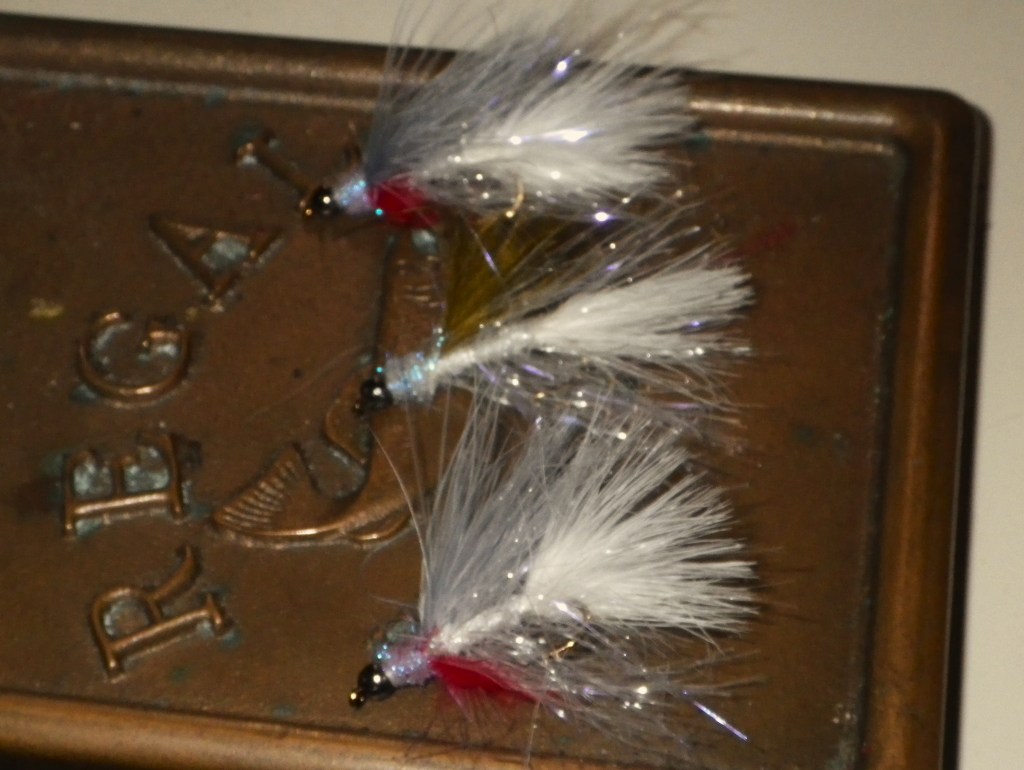
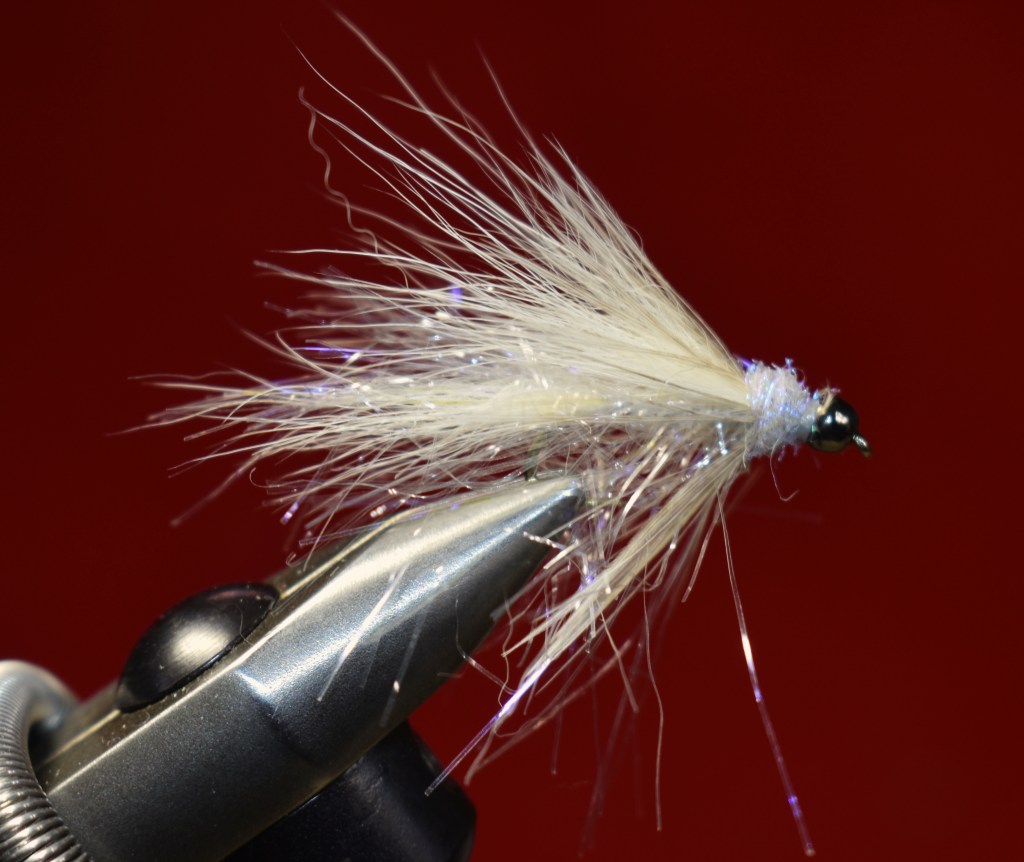
The Ghost Fox, born March 4th, 2022.

I have a thing for movement flies, patterns that win some points in the imitation category, but do most of their scoring due to a strong image of life. The little streamer fly I dubbed the Full Dress Copper Fox is a perfect example. It has a general sort of blurred baitfish shape that is suggestive of a sculpin perhaps, though it was not designed to mimic the sculpin profile. The flashy, copper UV enhanced body could give the impression of any brownish, coppery fish, but movement is its primary attraction.

The Full Dress Copper Fox doesn’t look like a sculpin, but it certainly looks alive as it drifts along near the bottom of the river, swinging in search of a hungry winter brownie!

I tied a couple of little minnows the other day and have since decided that a minnowy version of the Copper Fox was in order. Enter the Ghost Fox: UV pearl and white combined with the same formula as its predecessor. I love Arctic Fox tail. The late Ed Shenk told me decades ago that it was his preferred material for his famous Shenk’s White Minnow, a fly that has a legendary reputation. There has always been something about the natural fox fur that makes flies more productive, and I have used it for my Shenk Minnows and a lot of other streamers during the past thirty years.

Fox tail moves well in the water, yet keeps its shape better than marabou, which can roll back and get caught on the hook when swimming and twitching through the water. The bulk of the soft fur gives the fly a touch of buoyancy too I think, even when well wetted.

I tend to fit a small tungsten bead to the head of these small streamer flies, giving it enough current penetration to sink quickly early in the swing, and being generally safe to fish on one of my off-season bamboo rods. I still watch the winds when I make my choice between cane and graphite for a couple of hours of winter fishing. Strong, unexpected gusts can still damage a rod when they drive your fly into the blank in mid-cast, weighted or not.

Perhaps the roller coaster of our February/March weather will give me the chance to wander out there somewhere and give the Ghost a swing. It has a lot to live up to considering the recent accomplishments of the Copper Fox!

Stolen Hours

March 2nd: Not a fishing day, but then suddenly, it was.

I went fishing today. No, it wasn’t planned, not really, but then the sun did make an appearance and I decided to scratch the itch. The river brought a chill to my legs rather quickly, but the sun was high and bright above that ridgeline to the west making it almost comfortable.

I had harbored hopes of getting out this week. Monday was to be the warmest day according to the forecast, but the sun remained hidden, the winds blew hard from the Northwest, and the day simply underperformed. Today was a gift then, wanted though not expected, particularly with snow coming tonight and tomorrow’s return to the deep freeze.

Minnows: A brief turn at the vise this morning produced these three little movement flies, even though I didn’t have much hope of using them for a while.

The drive, in waders and winter layers, got me warmed up nicely, so too the hike down river to the pool I had decided to prospect. A nice warm torso, bathed in sunshine, put me in a good frame of mind, and that first cast rocketed out three quarters of the way across that wide run of water. I was hopeful that my little morning minnow would swing down and shimmy up one old brownie equally enthused by the warner than expected afternoon, but it was not to be. No matter, I was out hip deep in the river and stealing a few hours of salvation from the icy grip of winter.

Once I was back at home, I noticed the sun beaming down on my porch and got to thinking I might steal another moment or two. There was a package of fresh ground beef waiting in the refrigerator, so I put my boots back on, uncovered the grill, and took the empty propane tank up to the drugstore for a swap. I still try to pay heed to the heart surgeon that saved my life nearly seven years ago, so I don’t get to enjoy very much red meat. An early March hamburger deserved to be grilled, and that sun was just warm enough for me to pull it off.

Porch sitting is one of my favorite evening pastimes: the grill flaming, a cold beer in my hand, and that lovely view of the mountain with the sun easing down behind it. That beer tasted phenomenal, and the burger, ahh… well it made me forget it was winter for a little while.

Meteorological Spring

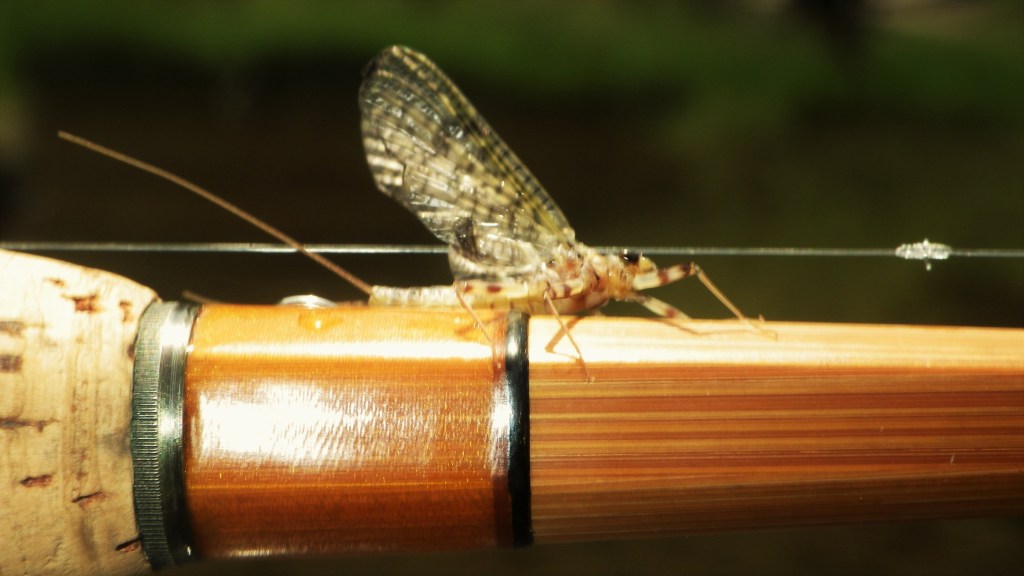
March 1st: I flipped my calendar this morning to reveal this photo for the month of March, a March Brown mayfly perched upon the butt of my Thomas & Thomas Paradigm.

The Weather Channel heralded the first of March as the beginning of meteorological spring, though our temperature in the twenties still says winter here in Crooked Eddy. I welcome the upgrade, something every angler’s spirit can use after nearly four months of frigid, mostly fishless weather. Forty days to go until I might actually be able to wander a riverbank with the expectation of a Quill Gordon, Blue Quill, olive, even a Hendrickson drifting past on its way to meet the rise of a trout.

Fly Fest lies behind us now, and it was an enjoyable day of tying and talking flies and fishing with a like-minded group of anglers. This was the first such event since the last Leap Year, when the world changed suddenly around us, and gatherings became taboo.

I tied about a dozen flies, sharing patterns and styles with interested seekers of Salmo trutta and its brethren, even walking one brand new fly tyer through the steps and techniques for tying a comparadun. The young angler advised he had started learning to tie flies this winter, and comparaduns became his first project. They are not the easiest fly to tie well, so I hope the tips I shared make it go a bit easier for him. He should find a lifetime of enjoyment in the craft.

I looked up at one point to see a couple of acquaintances uncasing and admiring a bamboo fly rod. I wanted to join them and view the treasure they had brought, but there was a gentleman at my side inquiring about the 100-Year Dun in my vise that deserved my attention. I wonder still which maker’s rod that might have been.

The Catskills of course have a long and cherished history in regard to the art of the split bamboo fly rod. The lineage traces back to Hiram Leonard when he moved his Maine rod shop to Central Valley, New York, establishing the rod shop that would be the wellspring of greatness. Thomas, Payne, Edwards and the Hawes brothers all issued from that gathering of talent in later years, and the talent has continued to grow to include some of the best rod makers of present days. Catskill Legend Bobby Taylor worked at Leonard since high school, and Dennis Menscer, inspired by Fred Thomas’ legacy decades ago, continues the Catskill tradition today, crafting his remarkable rods beside the West Branch Delaware. Is it any wonder enthusiasts gather here?

There’s a cane rod in the corner here that longs to cast a line on the river. A more temperate day is promised, though with twenty mile per hour winds fit to drive the chill through one’s bones. I weigh the advantages to my spirit against the physical discomfort…

I have yet to organize my fly boxes for the coming season, a task that, while necessary, fails to bring the same joy as tying the new patterns that must find a place there; and there are always new ones.

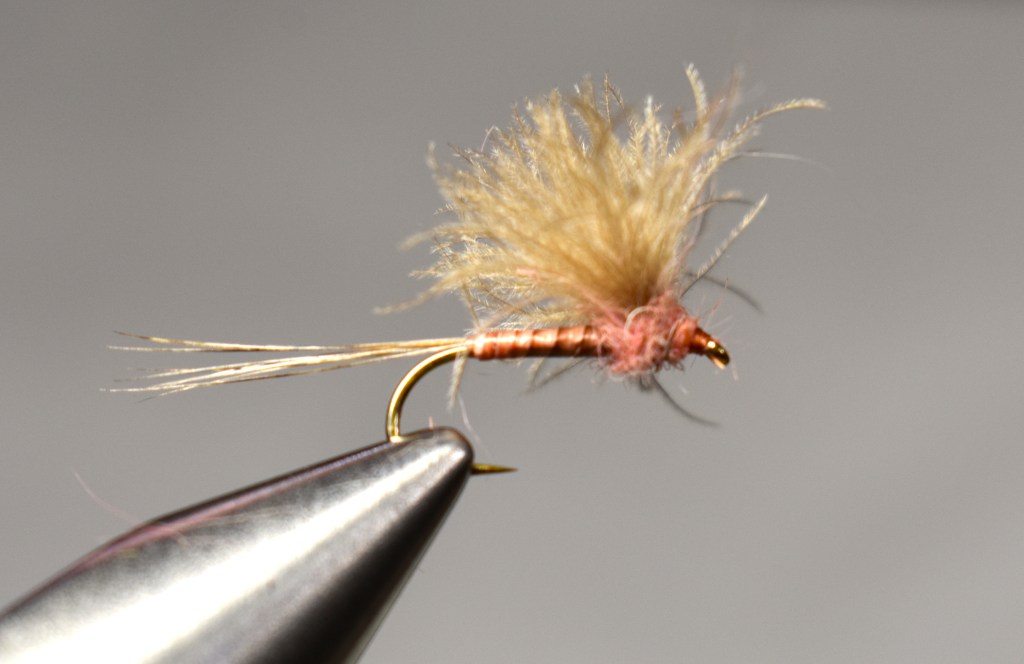
A Pink Hendrickson is a new entry to my Dyed Wild series of turkey biot mayflies. The color and segmentation achieved with dyed wild turkey primaries have produced an array of very effective patterns, with all due credit to my friend the dye master, a wonderful professional fly tyer with a superb flair for custom crafting the best in materials.
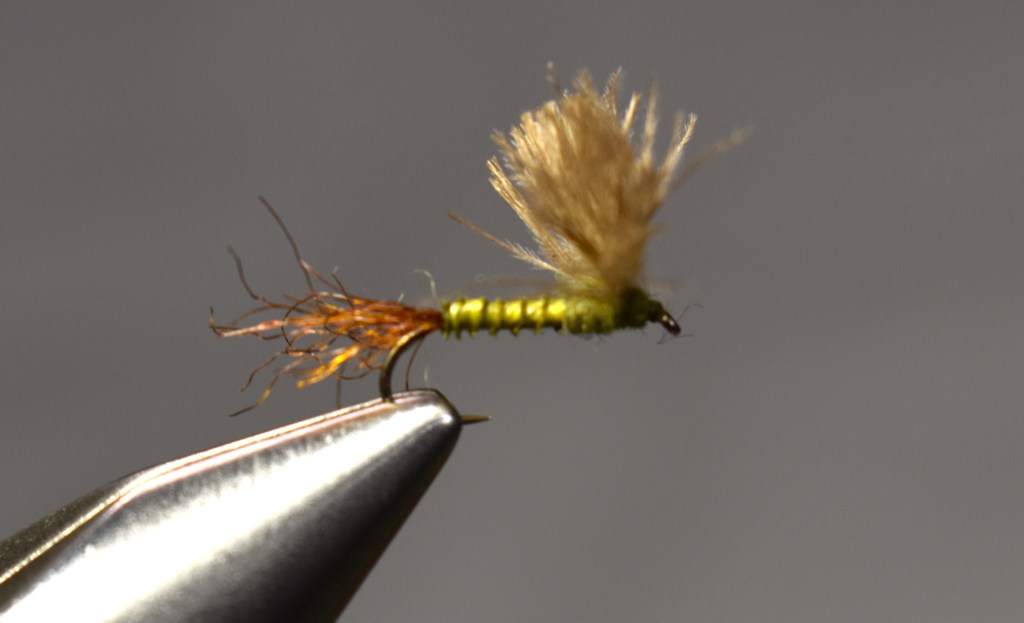
A Dyed Wild Cornuta CDC Sparkle Dun awaits another remarkable June morning!

March first, and I should tie a few March Browns in observance! I have always smiled at the name, for they are flies of May. It seems the British cousin appears in February and March on their chalk streams, and the name was carried forward in the early history of dry flies here. Would that this burly fellow would grace our Catskill rivers this month, though it would then steal some thunder from Gordon’s Quill and my favorite Hendrickson.

There are still a couple of empty reel spools which require fly lines, and it is past time for me to decide which to wind on. These will need leaders of course, and notations in my book, lest I later struggle to recall which line they carry. There are a few things ready to be moved along that another might enjoy fishing them, and I should give some attention to that. Busy work, duties to pass the last days of waiting.

Forty days, a brief span considering the cold quiet months that lie behind, yet forever for a heart that longs to be with rivers!