Revenge of the Chill

Hendricksons on the windblown surface of the river. There should be trout rising when the river is covered bank to bank. Things don’t always happen as they should.

For the third morning our temperature is below freezing as the day begins. Rivers are falling, and flies are hatching, but the chill can wreak havoc with the angler’s plans.

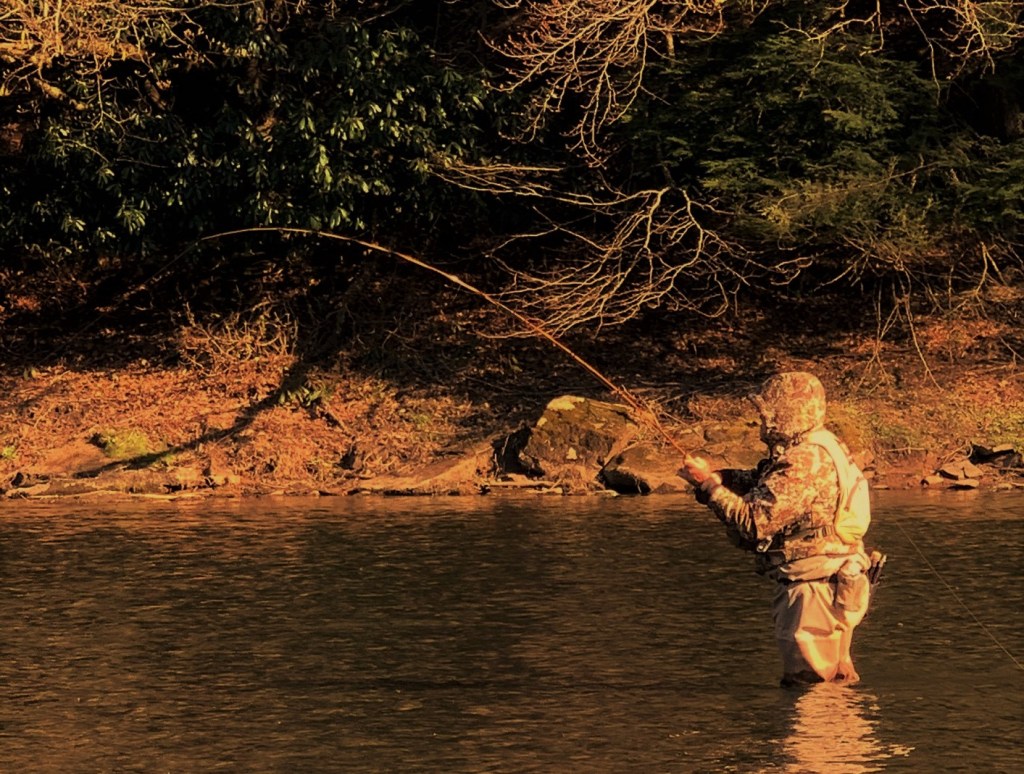
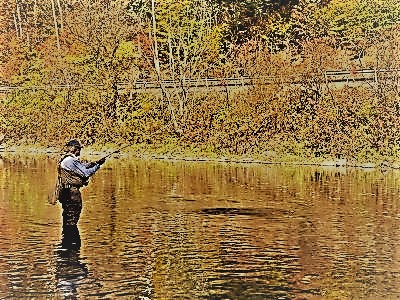
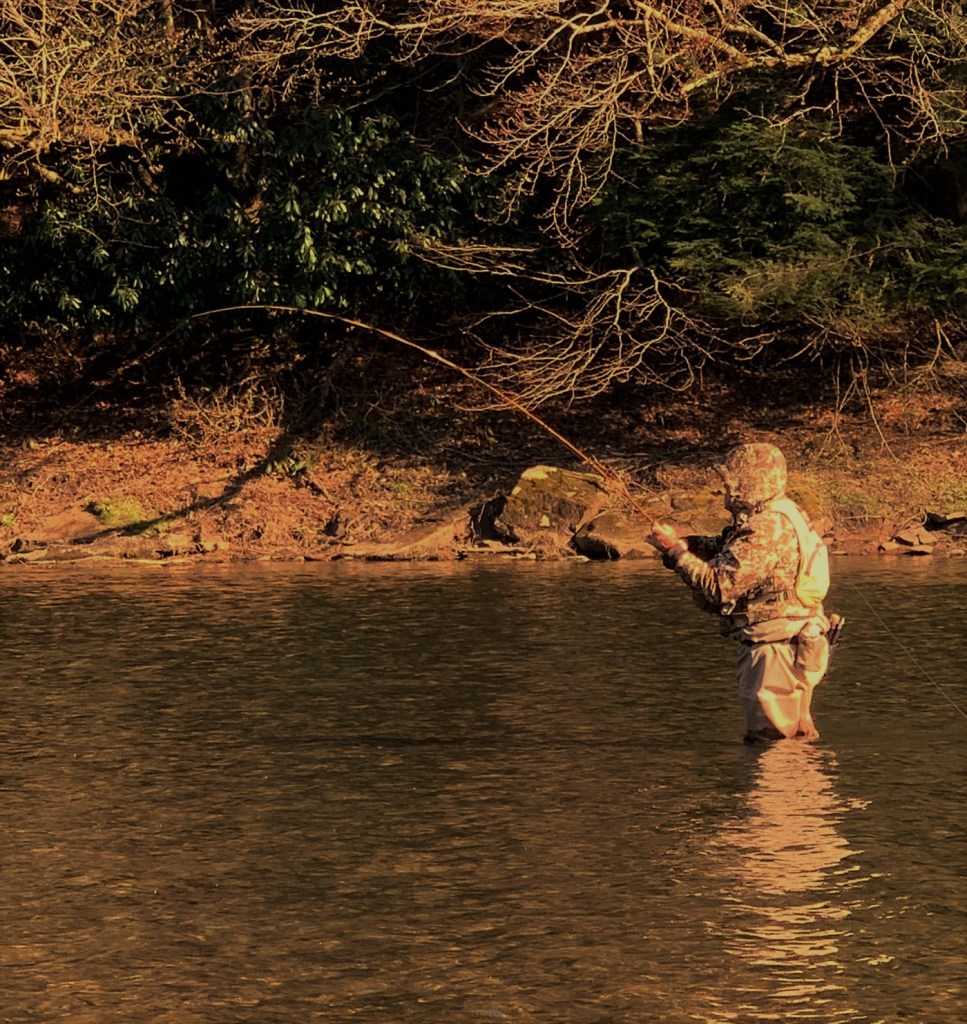
I visited two pools yesterday afternoon. I waded out slowly and set my feet hard into the cobble, yet the wind nearly knocked me over more than once. There was brilliant sunshine and flies upon the water: Blue Quills and Gordons, and later Hendricksons, seemingly a perfect spring day if I could stay upright. There was even perhaps a fifteen-minute lull in the gale when the usual lies could be clearly studied, but there was no hint of a rise to be seen. I felt the chill gripping my legs as I waited. My stream thermometer read 46 degrees.

I have chased the Hendrickson hatch for decades on these Catskill rivers, and this is not the first time I have felt water temperatures plummet once the hatch had begun. I recall one spring, witnessing blizzard hatches on the West Branch and then the Willowemoc, with neither reach of water betraying anything even remotely mistakable for a trout’s rise. I sought the counsel of the First Lady of the Willowemoc, Mary Dette Clark, in her front room of the Dette shop on Cottage Street. Mary related that there had been cold rains in the highlands that feed those classic miles of Catskill rivers and that she was not surprised to hear that trout disdained to rise for the hatch, so I base my low expectations on both Mary’s decades of experience as well as my own.
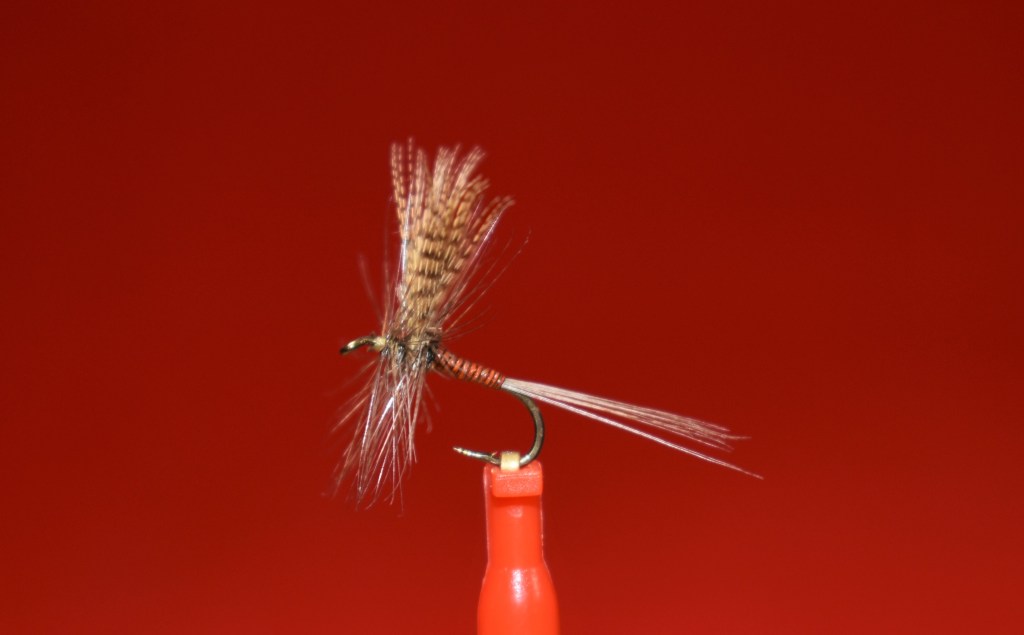
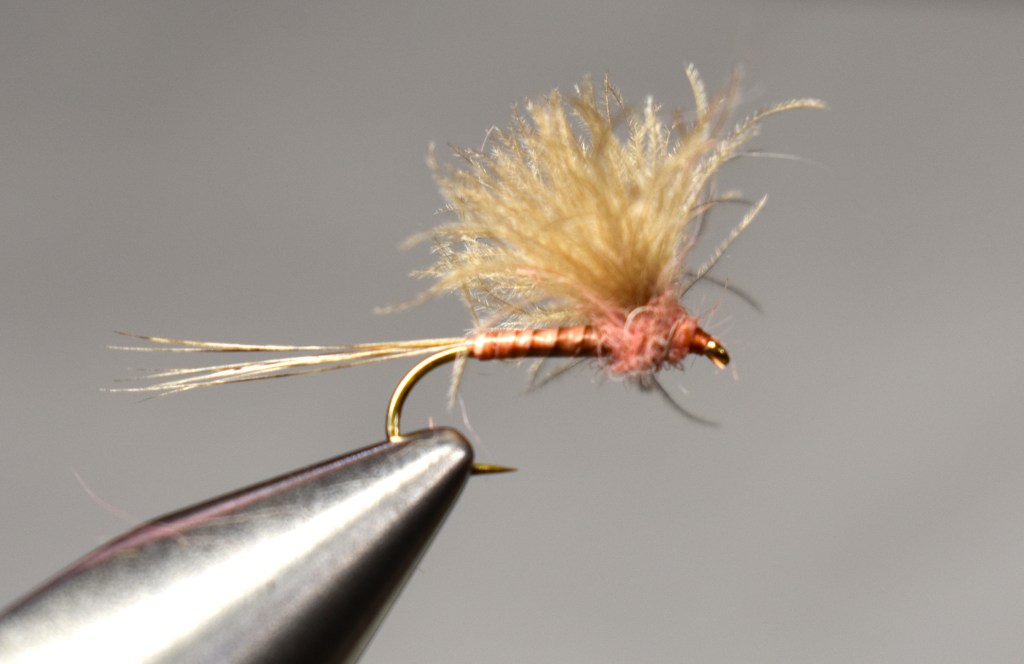
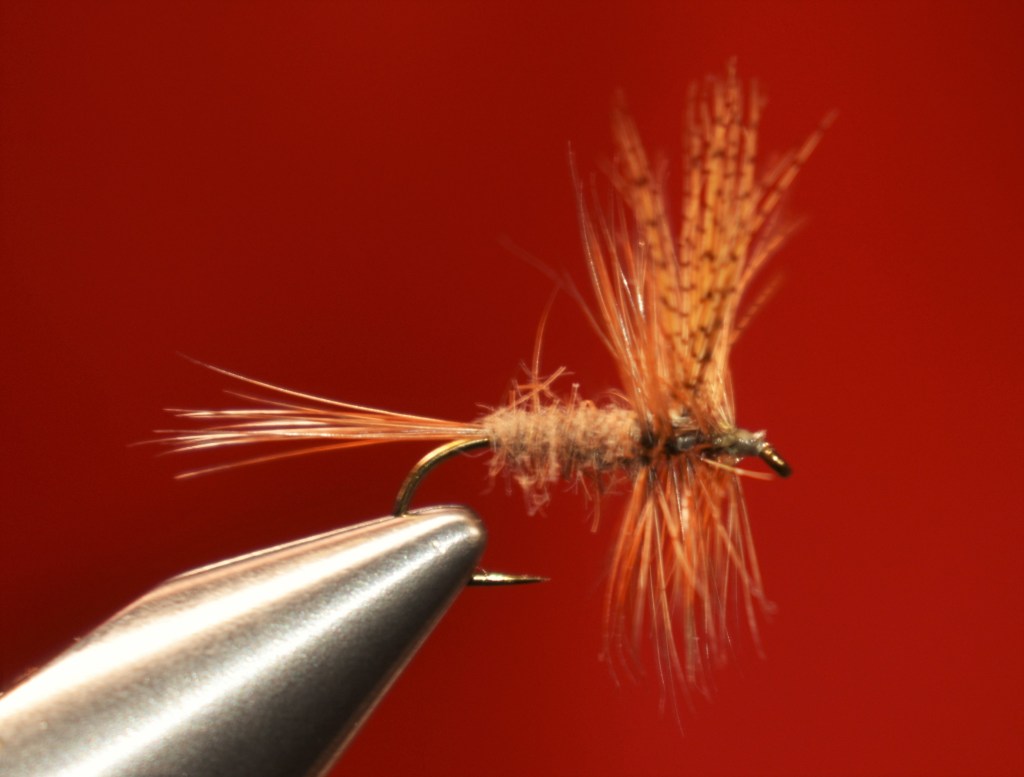
A classic Catskill dry fly – the Red Quill, tied by Mary Dette Clark while I watched, and we chatted about the massive, fishless hatches I had seen on my spring trip.

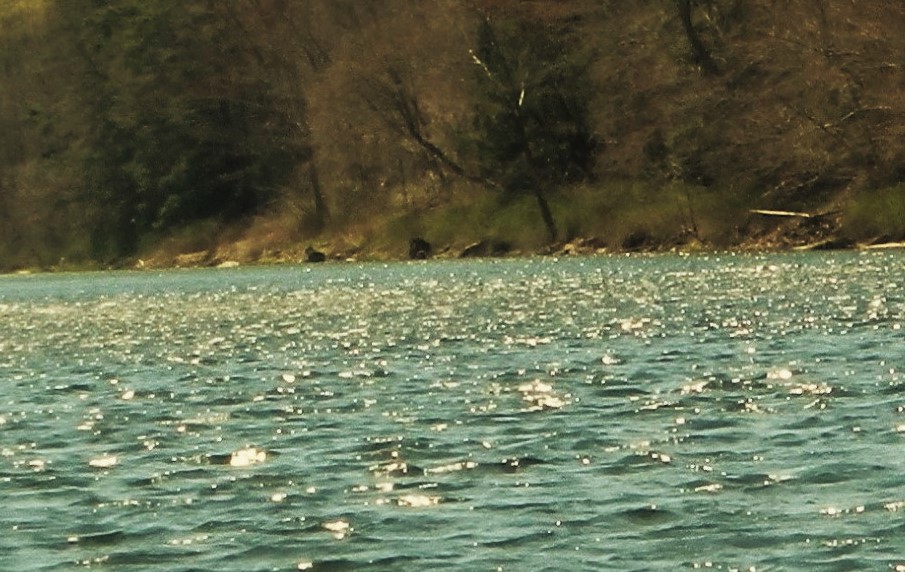
On the final pool of the afternoon, I found the river covered with hatching mayflies from bank to bank, the wind had calmed, that is to say that the gusts were no longer constant at 25 to 30 miles per hour, and I could scan a very long reach of water. Not a single rise was revealed to my searching eyes.

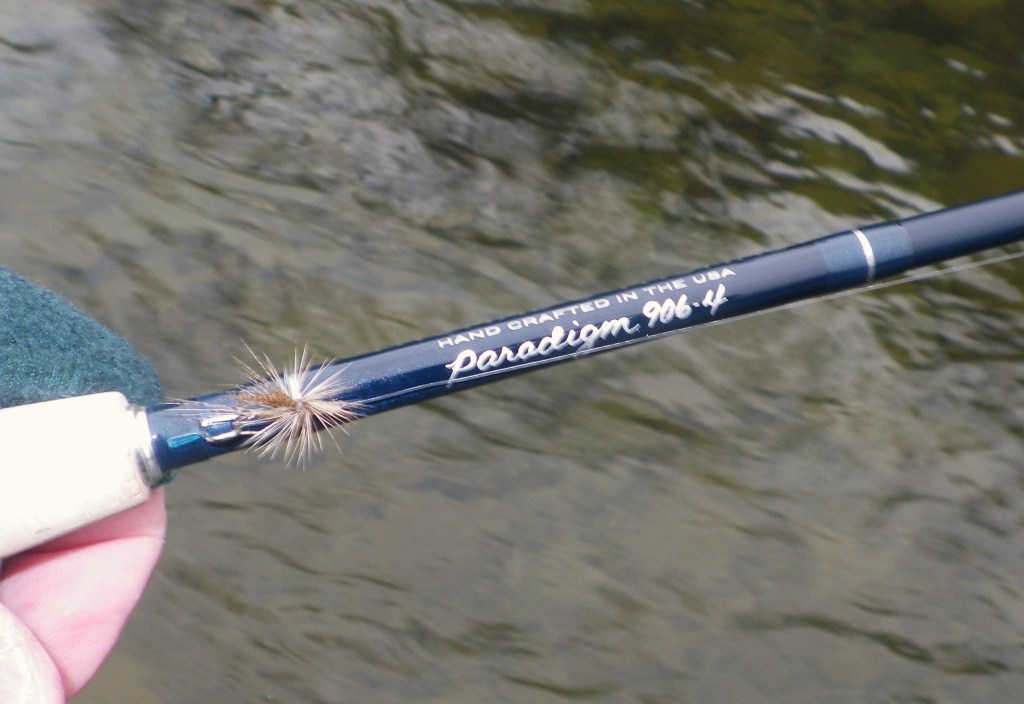
A freshly hatched Hendrickson dun suns himself on the grip of my Paradigm.

I walked half a mile of river in my search, from the churning foot of the long riffles, through the deep, boulder strewn run, and down through the fullness of the pool to the lip of the next major riff. Flies emerged, drifted and flew into the wind in search of the bankside trees along every foot of that flowage. It was a sight to behold. Fittingly I bowed my head for a moment, paying homage to the grandeur of Nature before I took my leave.

There is a sense of sadness in witnessing a troutless hatch, for anglers know that another year must pass before they have another chance to knot a Hendrickson dry fly to their tippet and stalk their favorite reach of trout water. Though the sheer abundance of fly life provides comfort in the health of the river, we never truly know if we are witnessing that spectacle for the last time. Many faithful anglers, like myself, have far fewer days ahead than lie behind, and that knowledge becomes somehow more acute at times like these.

May the winds lie down, and the trout rise to the wonderful mysteries of the hatches forever!

Leaden Skies, Mist Wraiths and Cold Water

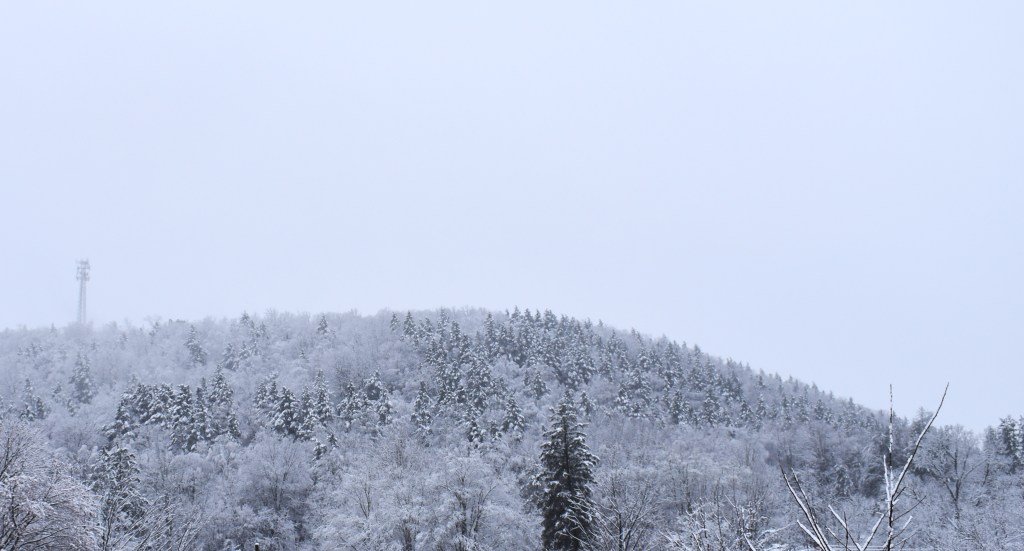
Mist Wraiths shadow the Catskills: Is it nearly May?

The sun is shining through my back window, but it is 38 degrees here in Crooked Eddy. The thermometer won’t have far to climb, with today’s high forecast at 43. I think back, to an April afternoon a year ago, and dream…

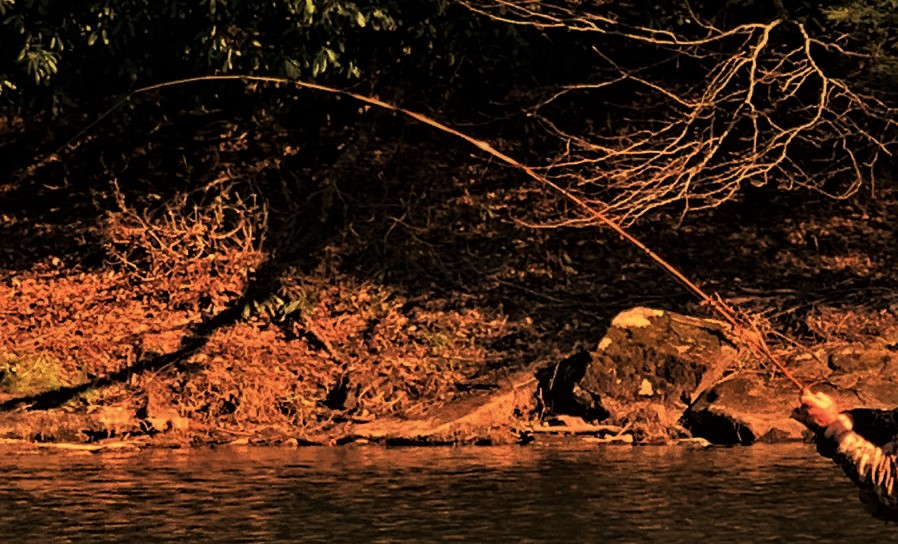
April 26, 2021: the afternoon soared to eighty degrees and the Hendricksons brought a few big boys out to play. The brownie putting that beautiful arch in my Thomas & Thomas bamboo topped five pounds! Oh, for the power to turn back the calendar!

To be sure, there is no going back except in memory. On the twenty-sixth of April, 2022 I waded beneath those leaden skies with the mist wraiths watching. There was no hatch, just a small handful of assorted mayflies. The river failed to warm past the forties, and began to rise from the morning’s rain. As a final tease, the afternoon was beautifully calm, perfect for casting, had there been anything to cast to.

The day before I witnessed the first hatch of Hendricksons, the big mayflies fluttering on the rapid currents and blown about by the gusty winds for three quarters of an hour. One trout rose twice, and then the surface was silent. Monday was the second and last seventy-degree day of the week. The river warmed to 52 degrees, enough for the flies to awaken, insufficient for the trout to partake.

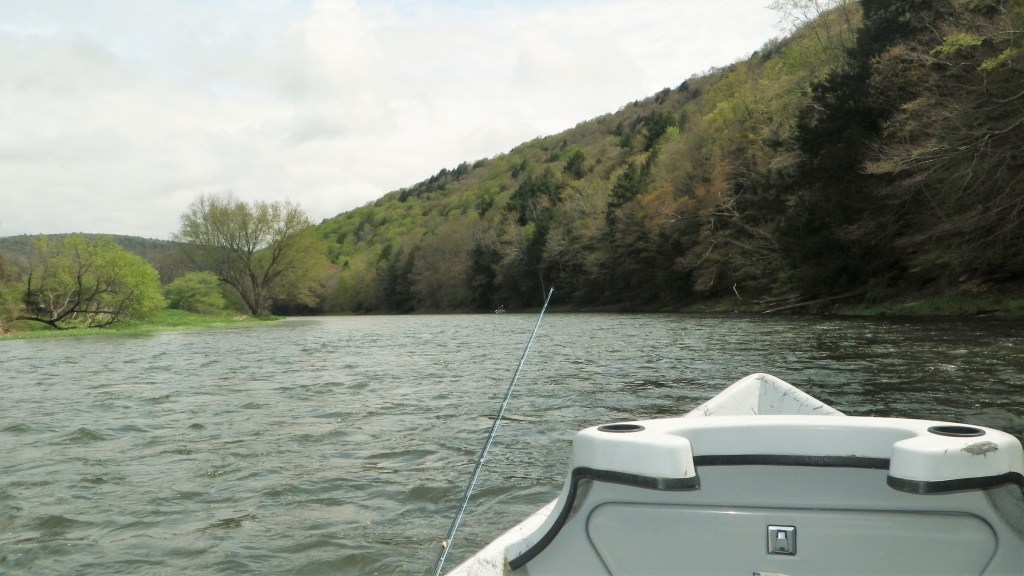
The warmer days came on the heels of strong south winds, so my boat is yet to drift along the Delaware. I did have to devote Monday morning to an unexpected repair, replacing the forward member that holds the trailer’s rollers. I recall the anticipation when I uncovered the boat in March, ready and willing to sally forth on the first sunny day. Floods, wind, rain and snow have kept me grounded for half of this fitful spring.

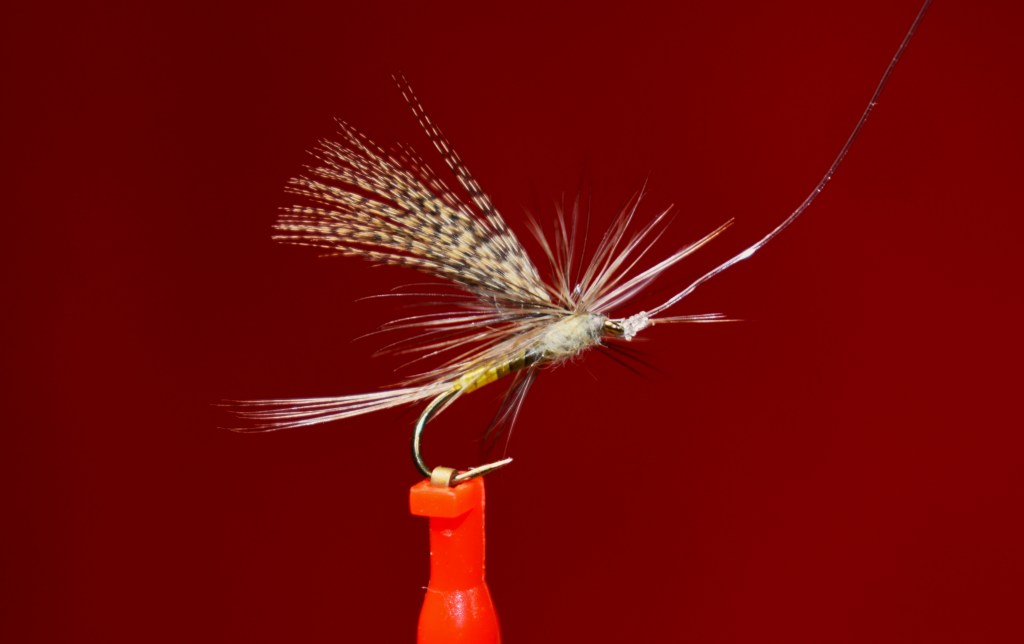
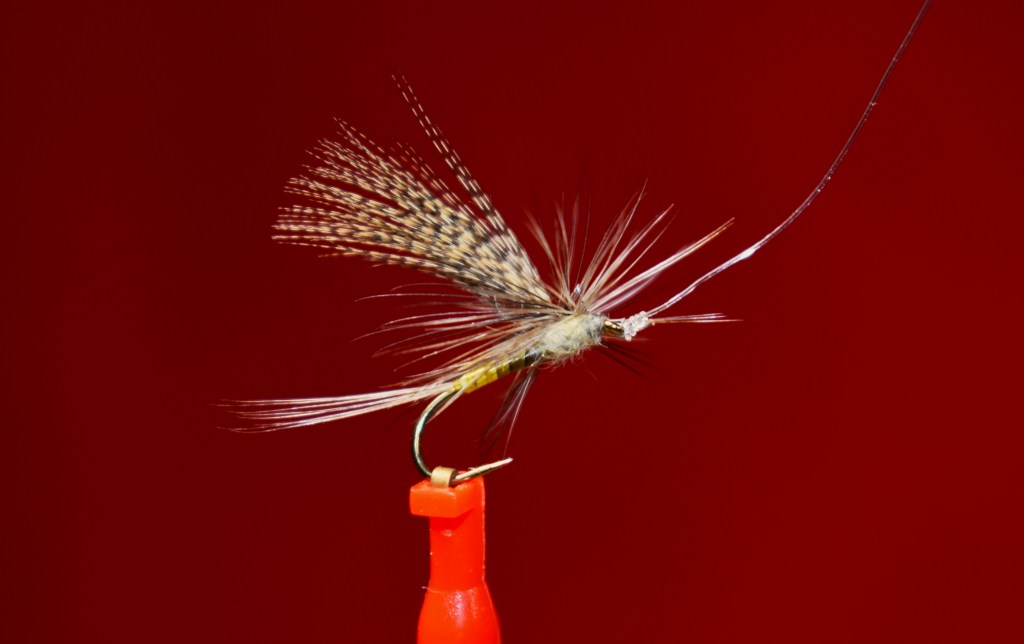
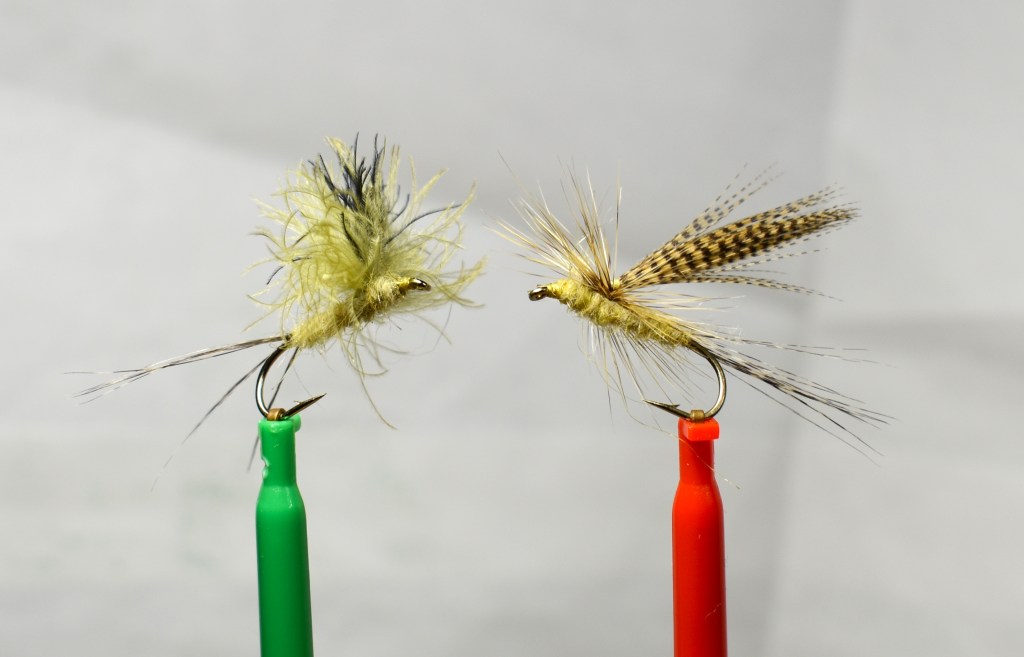
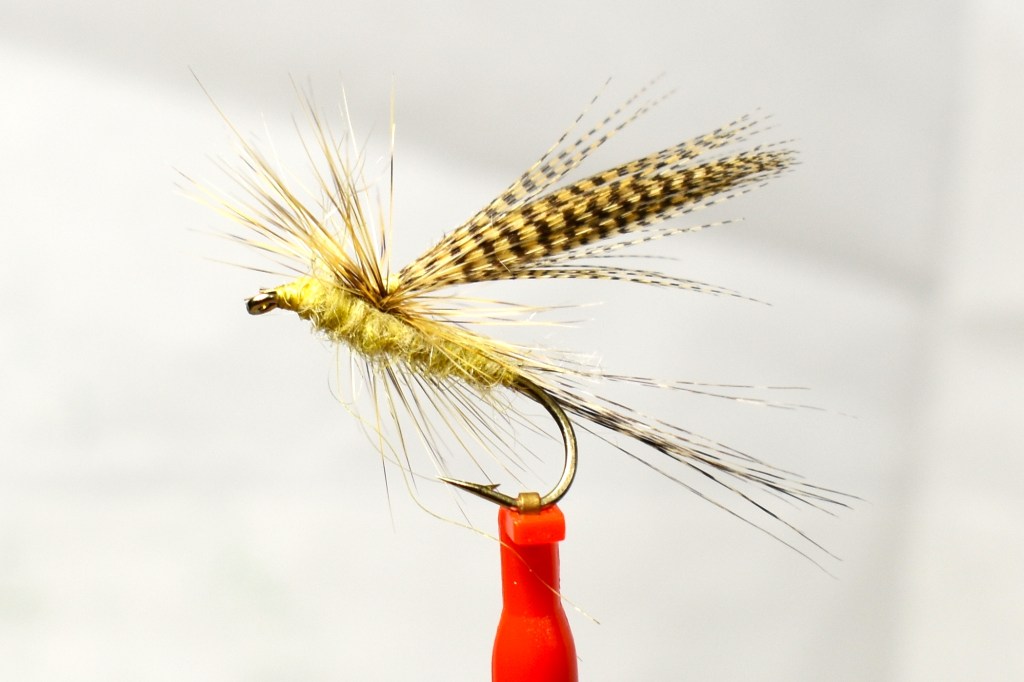
A few flies have sprung to life on the bench, though my boxes have long been filled past their capacities. Too many months of winter, with far too many frigid periods leaving very few days for fishing. I penned an article for the Fly Tyer’s Guild yesterday and tied a few of my Translucence Duns for photos. Their brethren are waiting for an opportunity to prove their mettle on some disdainful old brownie. My advanced case of winter brain caused me to miss my deadline. It may be time to consult Dr. Macallan and sit back with his counsel and watch Chasing The Taper one more time.

The Cusp

The last week of April is upon us and the early spring I had anticipated has vanished. It was barely in my grasp for a moment a week ago: Quill Gordons, rising trout, and the solitude of a quiet reach of river. Trout were played, landed and released, and the outlook was promising until winter swept back through these mountains.

The snow vanished as quickly as it came, and I fully expected to venture out, until snowmelt raised the flows, chilled the water and banished me from the rivers. There have been rumors of a few Hendricksons, but I hear no tales of fine brown trout brought to boat side. Streamers the reports are saying, endless hours of lobbing heavy flies to the banks in cold, muddy water. It is not the springtime of my dreams; and so, I wait.

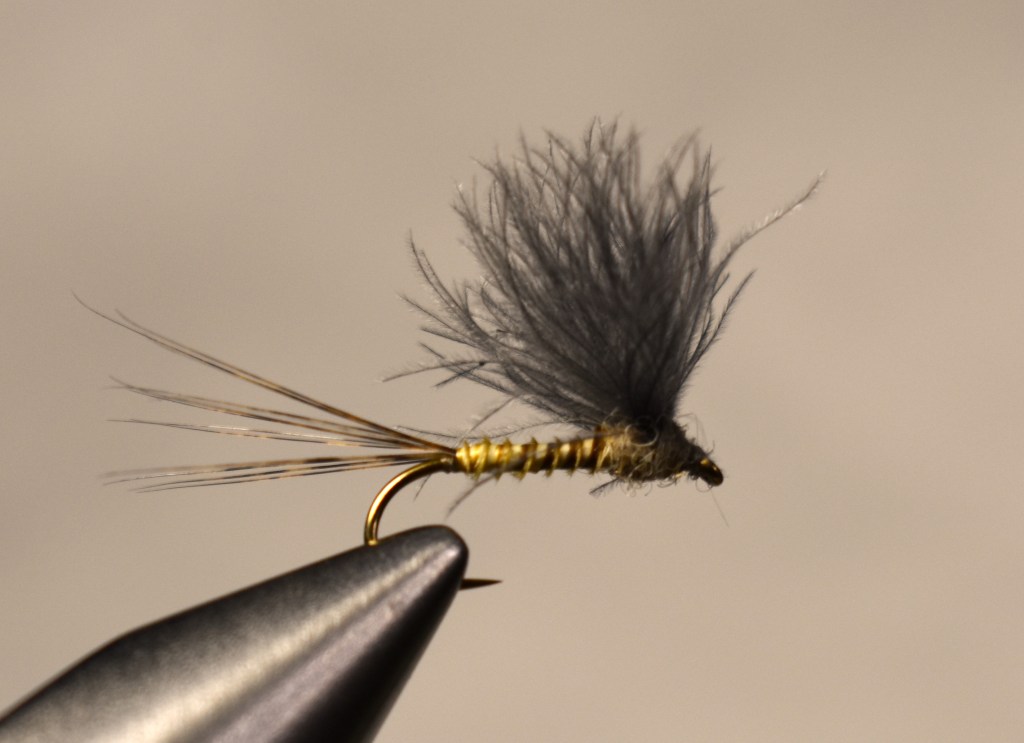
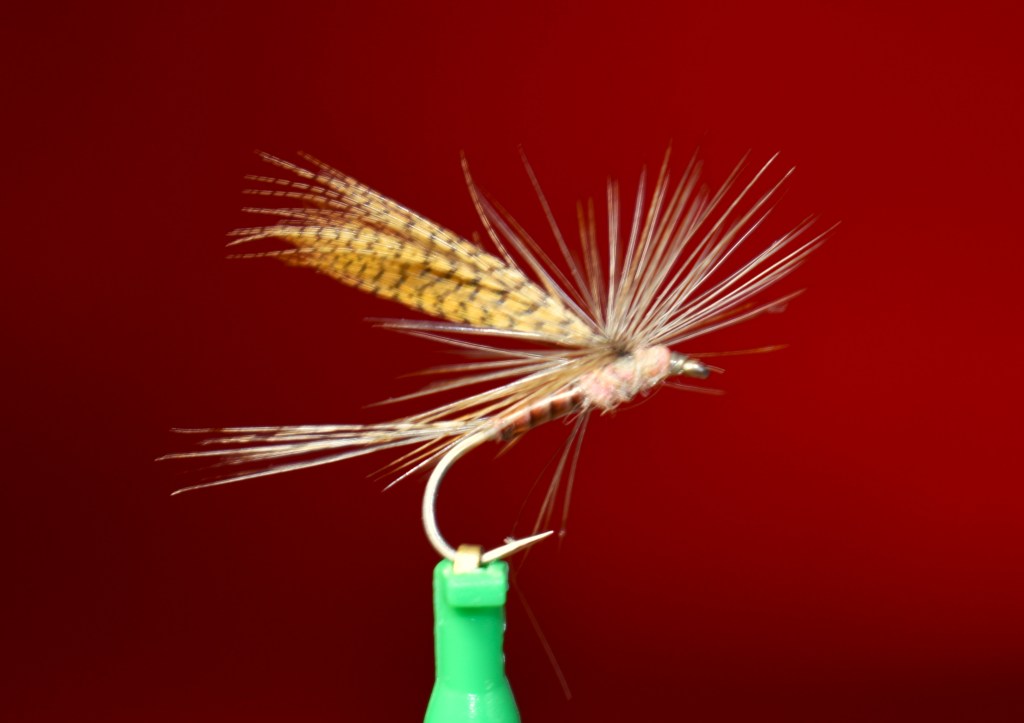
A Dyed Wild 100-Year Dun, waiting still for a trophy brown to quietly sip Hendricksons.

I tried to fight the current and the chill yesterday, wading in as far as I dared. One stubborn trout was splashing the odd mayfly, coming from deep water amidst a boulder field. With the side wind, he remained just beyond the limit of my ability to make an adequate presentation. Ninety-foot casts require concentration, and a magical mix of power and delicacy, for the fly must alight softly. With the wind whipping, the cast must be low to the water, where the gusts may drive it into the surface. I was not surprised that I failed to garner the interest of this lone riser. I expect the few flies he vaulted to the surface for were moving excitedly, the strong attractant necessary to bring him up in such cold, heavy water.

Just now I thought about these difficulties. I have no reason to expect an end to windy days for they are common in a mountain spring, and the preponderance of high, cold water seems to be unending. With little hope for better conditions, I turned again to the bench.

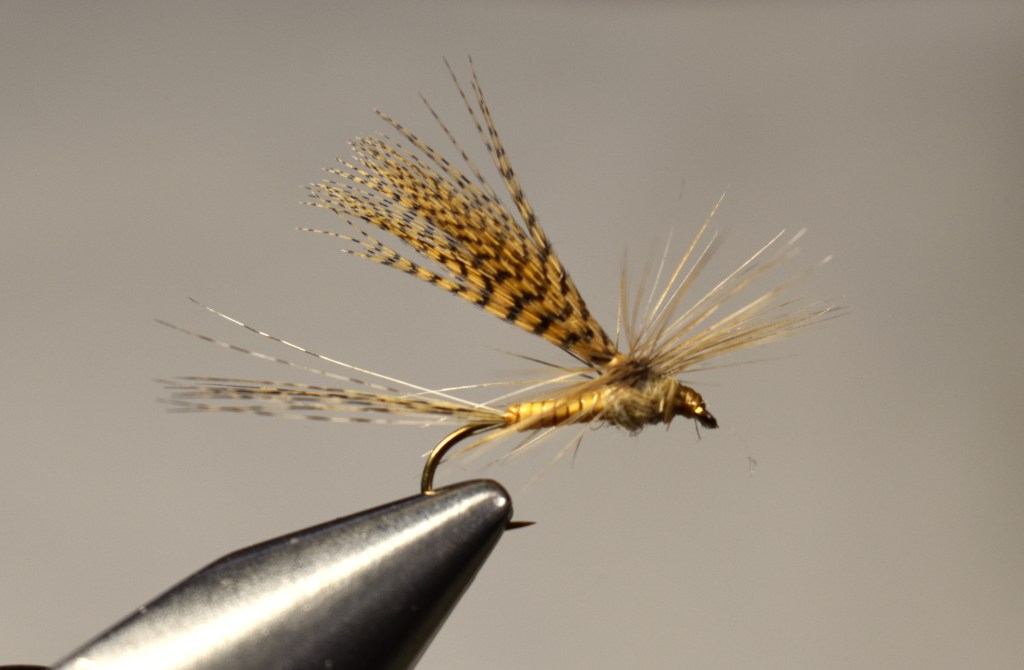
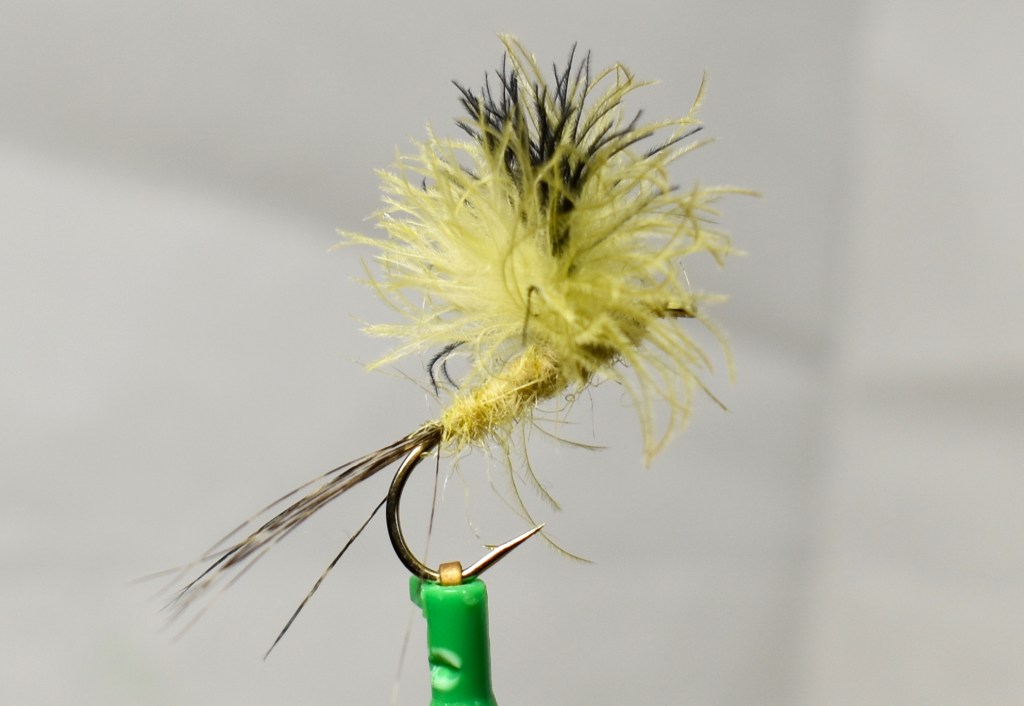
Motion is oft the key, so I used my best efforts to maximize the attraction of a Hendrickson emerger.

This emerger uses a number of effective tricks to present itself as a vulnerable, struggling mayfly trapped both in and out of the surface film. The Antron shuck is ragged and long to add some motion to its brightness. Tied long, it can be trimmed on the water should I feel it necessary. The dyed wild turkey biot gives natural color and segmentation, and the ribbed fibers will collect air bubbles. The legs are partridge hackle, wrapped soft hackle style in the middle of the dubbed thorax, then swept back, again for maximum movement. Long casts require long retrieves, so my emerging wings are heavier than normal, using a pair of CDC puffs. The puff feathers will move with the wind above and move with the current where their fibers touch the surface. I wish I had had this fly yesterday, tied for those stray Gordon Quills. Just maybe…

At least working on a fly with a little boost helps me get through the long afternoons, for the rivers have been rising all day. I took my river walk this afternoon to find the East Branch high and muddy once more. It was clear just the other day. There is little snow visible on the slopes surrounding Hancock, yet there is still plenty in the high valleys it seems.

In The Eye of the Storm

April 19th, 2022

An act of defiance? Perhaps, though I consider it to be more of a practical approach to the ways of the seasons here in the Catskill Mountains. The storm was coming, the chance was there to grab a few moments of fishing, of light, before my world changed radically once again.

In the aftermath of the April 7th floods, I had searched for signs of the early spring once promised. On Friday afternoon, a lone brownie had granted me the grace of his rise to a brief handful of Gordon Quills, arching my rod and spinning my reel – the simple ritual that inaugurated my dry fly season, by far the most precious season of the year. Now, ten days after I surveyed the brown floodwaters, a serious April snowstorm loomed, offering to delay the hatches and the spring beauty along the rivers once again.

The afternoon was as gray as expected when I walked along the riverbank and found a seat to watch the flow for signs of life. Depending upon the forecast of choice, the storm might arrive as early as five, with wind and rain to cool the air temperature enough to welcome the heavy snowfall. It had been nearly half past four on Friday, when a few fluttering Gordons had awakened that riser from his winter slumber, so I sat and pondered whether a hatch might prelude the storm or be lost in it.

I saw the first duns around three, too far out to positively identify, though there appeared to be an occasional Gordon as well as some smaller fellows. A dun would pass by, followed by a long gap in my precious time. I rose and worked slowly out into the tail of the run. I took the smaller flies to be Blue Quills, though they could have been olives, but I banked upon the Gordon Quills being the choice du jour thanks to Friday’s appearance. Anglers have learned that trout often ignore the season’s first appearance of a species of mayfly.

The wind had begun to increase when the first rise winked white before me, and I sent a parachute Gordon on its way. The trout had risen once, and then another rose several feet upstream. Precious minutes ticked by as the wind interrupted my casts, and then one more rise, fifteen feet upstream and tight to the bank. Finally, there came one heavier boil on up into the run, then all would be quiet except the wind.

I began to think this was the work of a moving fish, restless to find a meal amid the urgency of the moment. At last, I saw a rise in the original location. A gust blew my CDC fly off target just as a dun bounced down the same line of drift, and the trout took – which one? I hesitated, succeeding only in putting him down.

More flies began to show, though by no means would this become a significant hatch. As a rise appeared I covered it first with a parachute Gordon that replaced the CDC and, when that was ignored, a parachute Blue Quill. I had changed back to the Gordon when I eased downstream a few steps to change the angle that I might better present my fly against the increasing side wind. The tactic resulted in a take, and a good brown hooked and landed.

A second, moving target materialized further below in that same line of drift, and I worked him with the impatience borne of the deteriorating conditions. Having no success, I was changing my fly, choosing one of my experimental Translucense 100-Year Duns, when I saw the ring of a rise well downstream. With the foe in front of me idle, I backed out and picked my way down.

The lie down river along the bank had welcomed a number of larger browns, raising my anticipation even more than the advancing storm front and ticking clock. I gained control, waited for the gusts to subside, and sent a long reach cast diagonally down to drift my fly close to that sheltering lie. The drift looked good, and with another six feet of line freed from the reel, I cast again, this time dropping the little dun at the top of that trout’s line of drift. It wasn’t that cast that took him, nor the next, but I adjusted my drift to fight the winds and had him at last!

Releasing that hefty brown from the net, my eyes searched upriver and down. There were few flies visible now, the hatch waning after an hour. I was about to accept that my window of opportunity had closed when my old nemesis rose again, still in the same line of slick current. I was below him now, and casting into the wind. That last opponent, the trout who had ignored every fly and every cast; found the Translucense Dun to his liking at the first presentation and took it solidly.

As this trout had occupied the same line of drift as the sixteen-inch brown that first came to hand, I suspected this fellow to be a recalcitrant twin, but he took all the pressure I could apply and held his ground against the strain. When I finally coaxed him to the net, I admired a golden hued brown of nineteen inches, already heavy through the shoulders so early in the season.

That trout signaled the end of my defiance to the coming storm, the little hatch now exhausted. No more rises would issue from either run or pool and, the adrenaline draining, I began to honestly feel the cold in my bones.

Standing there at the car to take down my rod, I savored the satisfaction of the moment with gratitude for that hour in the eye of the storm.

I beat the rain and the harshest of the winds home by enough time to hand my waders and take my boots inside where they wouldn’t freeze. Sitting back with a hot cup of coffee while the windows rattled, I watched as the rain gradually changed to wet snow.

Seasonal Variations

Thirty years of angling Catskill rivers has given me a fair understanding of the seasons. Like most fly fishers, my definition of spring necessarily includes the year’s first mayfly hatches sufficient to produce a good rise of trout. Contrary to angling texts, the order may vary, though either Quill Gordons, the little Blue Quills or the Hendricksons, even a combination of any two or three at a time, will be featured. For the sake of discussion, a thing we anglers enjoy when we cannot fish, I have categorized spring in accordance with its appearance according to the calendar.

An early spring, that precious gem we all covet, brings one of the three named hatches of fly and a rise of trout during the second week of April. A normal spring sees that rise of trout during the third week of the month, and the late spring finds us searching and waiting for fulfillment until the last week of April, if not the beginnings of May.

If you have read this blog of late, you know that I felt we were firmly settled into the early category this year, until a flood got in the way. Nevertheless, braving high water in my search as soon as I was able, I finally encountered a ten-minute hatch of Quill Gordons late on Friday’s blustery afternoon and took the single rising trout that appeared. Success! An early spring indeed, and just under the wire; or not. The weekend was cold, damp and yes, windy, and it was twenty-six degrees at sunrise this morning in Crooked Eddy.

While enjoying the afterglow of yesterday’s ballgame, my phone interrupted my reverie with a chorus of beeps. I immediately thought of my dear friend JA, suffering the abomination of angling in Patagonia and no doubt catching dozens of large trout on whatever magnificent fly he chooses to throw at them, but it was not an international text alert. No, that devilish little annoying device reported nothing less than a Winter Storm Watch for Hancock and vicinity. The Weather Channel agreed this morning, upgrading that watch to a warning and promising us a foot of heavy, wet snow through the night and into midday tomorrow.

What type of spring might this become now?

The fly that started my season… or was it just a tease? A foot of snow will mean more high, cold, off-colored water; not the tableau expected for dry fly fishing. My melodic vision of a warm April evening casting spent wings to dimpling browns is very much in jeopardy! One moment the rivers were rounding into shape, and the next

I will happily fish in April snow squalls, and shiver in the penetrating dampness of April Showers, casting low to battle the winds. All I ask, all any of us ask is a modest hatch of flies and a handful of rising trout as salve to our winter weary souls. Alas there is nothing we can do. Take the snow shovels back out of storage my friends, and lay the fly rods aside.

I think back to the many late seasons when April’s promise was washed away. Tying flies half-a day’s drive to the south asking why. We had waited through all six months of winter, was it not our time, our due? The last years before retirement were the hardest, for though I prospected the streams of Southcentral Pennsylvania, those late rushes of winter weather in the Catskills had a way of bleeding through to those environs. We might not have gotten snow, but we got rain and cold, and high, cold, muddy streams down south are no more conducive to salving the dry fly madness we endured after six months of deprivation, to say nothing of the declining hatches in that region.

Pardon my lament, though I am certain that you feel it too! I will not retreat, and I will not surrender! Many of the fine old books I treasure have tales of fishing bounteous hatches of Gordons and Hendricksons during snowstorms and gales. Never one to doubt those sages, I wonder if memory contributed to a bit of artistic license, if all those miserable conditions endured spawned a false recall of a day when they stepped into angling Valhalla amid the storm? I have fished many such miserable days, wanting, expecting the hatch to come amidst the worst Mother Nature might throw at me. Never can I recall even one such day when the gates of Valhalla opened. Memory indeed contains countless impressions of wet, cold, tired and fishless days when not a single cast was made.

If you drive past a swollen river, gaze past the snowbanks and see a huddled figure lurched forward, braced against the roily current, it will be me; Dry Fly Madness adorning my shoulders like a badge.

Memories of the Dry Fly (Courtesy Chuck Coronato)

Ten Minutes

A little sun, a little cloud, a lot of wind; a day like so many of our spring days on Catskill rivers.

It was a long day for me, geared up and headed out around ten in the morning, and by the end of that day, I felt it. The years remind you of their tally, even when you try to forget.

I was tired because I covered a lot of water, wading against strong current in the kind of fast water where you’ve got to be certain of every footstep, lest the river take you away. I felt those currents in my legs last night, sitting back and trying to watch the ballgame. I dozed through more innings than I watched, the pain waking me when I tried to rise and climb the stairs.

The winds were typical for April, strong and gusty and unrelenting. Throughout the day I saw only the little black caddis that have hovered around the water for a couple of weeks. With the sun out bright before Noon, I saw a fish move away from me when I inadvertently waded close to his lie. A good fish, but he surprised me there, out in the middle of the river in that strong flow. I cannot tell you that fish was a trout, though I hoped it was. The rushing water and its depth obscured the details.

The hours passed as I searched, my flies finding no takers, my eyes no fluttering wings upon the surface. At last, the winds became too horrendous to battle in that wide, open reach of river and I sought relief. The protected reach I sought was still festooned with anglers, so instead I parked near a smaller pool, just to take a look at the water. The winds were not quite so steady there, though I saw nothing but an occasional caddisfly. I considered my options and stayed, sitting down on the riverbank to watch and wait. No more searching, no more water to cover for these old bones. Time for patience and reflection… and hope.

It was nearing three o’clock when I decided that any activity I might see would be brief, and that I would have to be out there and ready to take advantage of it. I confess this little pool is a comfort zone early in the season, a place I have found that unexpected opportunity when I wanted it badly. After three days of hunting non-existent rising trout, this was my last hope. This week, my target week, was nearly done, and the warming trend that promised what was not delivered was ending too. There is snow in Tuesday’s forecast.

I waded out slowly refamiliarizing my feet with the contours of the bottom, and when I reached an appropriate position, I dug them in firmly and waited.

Clouds were gathering, battling the afternoon sun with its welcome warmth. The winds calmed for short moments, then gusted back to life as I waited, scanning the surface that my eyes might turn one of those windblown seeds into an actual mayfly.

Ten minutes is not a lot of time in the course of a day, though it can be enough time to heighten the spirit. I saw the first one out at distance, a little essence of gray color and motion that I recognized as a mayfly struggling to dry its wings as the wind tumbled it along the choppy surface. I spotted two or three fluttering that way before I saw one actually sitting in its normal posture, the vision my brain could use to confirm my initial suspicion: Quill Gordons.

Now you will read many authoritative treatises on Epeorus pleuralis, and each will tell you to expect the hatch by one o’clock. Decades spent upon these rivers tell me that mayflies have a very different sense of timing than anglers. I smiled to myself as I selected a fly from my fly box and knotted the 100-Year Dun to my tippet.

I did not try to count the flies that emerged during those ten minutes of activity, though it was not a significant hatch. If I were to guess, I would say a couple of dozen flies fluttered and tumbled past me out there in the thread of the current, with only two or three actually sitting on top and riding the glide, and then it was finished. My eyes strained looking for more, all the while searching for the rise of a trout.

I was ready when that rise finally happened. I lofted the line and sent the fly out there, just short to judge the drift, then pulled another few feet of line from the reel and made the cast that would begin my year. The canted wing of my dun drew my gaze, my fly riding the glide, until that splash of white told me it was time for fishing now.

The rod bowed and bucked as the trout fought the pull of the line, using the strength of the current to his advantage. I did not rush him, could not in that fresh, strong spring flow. I gave line when he demanded it, took it back when he allowed, until the moment ended in the meshes of my net. He was a quality fish, a good brown trout of perhaps sixteen inches, and he had proved he was as ready for the dry fly as I was.

Standing In A River, Waving A Stick…but not very far out in that river

A boat ride just might make more sense…

Seventy-five degrees, though the trees are still bare, there is evidence of a few early buds here and there. I got my legs wet yesterday, though river levels are still high, they are trying to round into shape. Today’s forecast calls for thunderstorms, with a chance for some to be severe, so everything in the angler’s world rests in the clouds.

I just finished up a baker’s dozen of flies headed for the river today, at least if the weather allows. I’ll try to wade once again. I have been caught in thunderstorms during a river float a couple of times, and I would as soon not repeat the experience.

The troubles with wading high water, and to be honest there are a number of them, have got to be reckoned with. The Red Gods tend to dictate much of this, particularly their rule that any trout which might happen to rise will be at least near the limit of one’s casting range, if not just beyond it. My best casting requires calm concentration and comfort with my surroundings, and wading in high, fast, cold early season rivers isn’t a comfortable situation, thus it tends to require most of my concentration.

Flies tied on a wish and a prayer: flies for fishing in or on the surface. Oh, that I might have an opportunity to use them!

The Red Gods are smiling, for there’s a good trout coming up out beyond that sunken boulder ninety feet away. If I relax and don’t succumb to the gremlin on my shoulder screaming “More Power, I can place a nice cast out there at ninety feet, but the fast current washing the pebbles out from under my boot are distracting and make it harder to ignore the gremlin. Umph! The fly line rockets out there and kicks awkwardly, dropping the fly at 88 1/2 feet. I repeat that cast three times before I try to force myself to calm down, slow down, and cast the right way. The grins on the faces of the Red Gods widen with each cast, until I regain my calm and lay that fly out there delicately at ninety feet for a perfect drift. The Red Gods counter by sending a twenty mile per hour wind gust into my casting shoulder just as I release my next cast…

Sound like a familiar early season scenario? I’m sure it does. On the good days we persevere, relax, take a couple of steps up out of the hole we have waded into, set our feet firmly and wait for the calm spells between wind gusts to cast. Here’s to the good days, though the frustrations of battling Mother Nature help make fly fishing rewarding, for they make it ever more challenging.

Classic Ways

I have certainly spent a great deal of time throughout the winter months thinking about the classics, both in tackle and in fly tying. The beautiful simplicity and elegance of British North Country flies made an impression upon me, and I gathered a better supply of tying silks and game bird feathers to allow some tying and experimentation in that genre.

John Atherton’s ideas and fly patterns intrigued me somewhat last winter as I experimented with blended silk and ever more of my favorite barred cock’s hackles. This winter I fully took the plunge, finally securing a small portion of seal’s fur and working to replicate his primary dubbing blends that I might tie his patterns accurately. Seal was once to fly tiers as synthetic yarns and dubbings are to us today.

In thinking about the properties of materials, I am always on the lookout for those that help me construct a fly with a strong image of life, thus reflective materials such as Antron have figured prominently in my tying. I thought it only appropriate to blend a little dubbing for some of my favorite patterns using seal as opposed to synthetics, to pay homage to the classics.

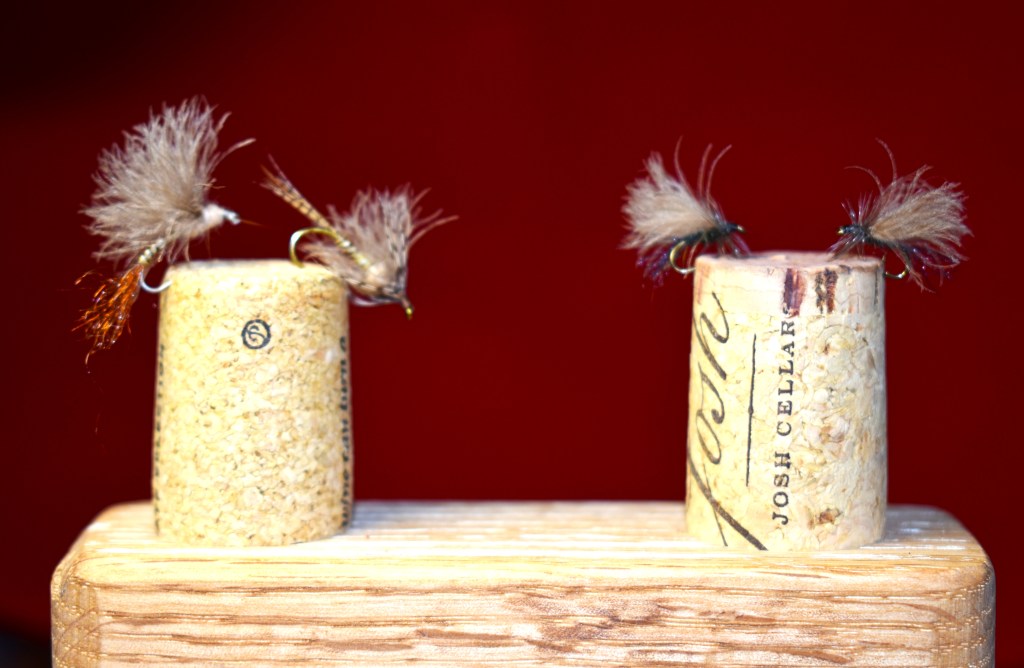
The flies I call Heritage Drakes, a mixed wing CDC dun and a 100-Year Dun, tied with a blend of custom dyed seal fur, two shades of dyed beaver, and natural red fox belly fur. CDC feathers have of course existed as long as there have been waterfowl, but they did not find their way to the fly tier’s bench until the 1920’s when a pair of Swiss tyers first used them.

I began this project as I begin many of my fly design projects, with the Eastern Green Drake. I have always found that the larger the insect, the more difficult the task for both the angler and fly designer. I strongly believe that larger flies are the easiest imitations for trout to detect to be frauds, for it easier to see much more detail. The Green Drake is the largest mayfly hatch I expect to encounter in any given season, and thus I place paramount importance on crafting flies to solve the most difficult trout.

I have tied many CDC patterns with a single-color wing, and they have been very effective. I do however recognize that certain trout in certain types of water and light conditions will pass on an opportunity to take these flies that have seduced many of their brethren. Matching color and the natural venation of the green drake dun’s wings is best accomplished by a multi-colored wing. In the Heritage Drake I used dyed green, a small amount of black and pale yellow CDC to imitate the fluttering wings of the natural, an approach that has succeeded in the past.

I often wonder if old Gordon and his contemporaries might have paid a little attention to those wavy little feathers on the butts of the ducks they plucked for flank feathers. Since they were first used for flies in Switzerland and France a century ago, its seems that some of our legendary anglers, men like Hewitt and LaBranche, might have been exposed to CDC feathered flies. I have never seen mention of them in any writings from the Golden Age, though it seems it should be a traditional Catskill fly tying material.

I first found CDC feathers readily available in a Gunpowder Falls fly shop in the early 1990’s, little packages labelled by Umpqua Feather Merchants, and simply had to have some. CDC was a main ingredient in my very first original fly pattern back in those days, and I found success with them immediately in my formative years. Thirty years later, there is more likely to be a CDC dry fly on my tippet than any other type of fly.

The 100-Year Drake has been a stalwart design for me, beginning with the Green Drake and progressing through most of our primary mayfly hatches. The addition of an all natural blend which very closely matches the duns’ coloration fits perfectly with this classically inspired pattern, and provides another alternative for encounters with those special wild trout that remain unconvinced.

A touch of orange dyed seal has inspired a blend for sulfurs, one used for the thorax alone on a 100-Year Dun pattern, and I have been thinking seriously about a Hendrickson, a pattern I would hope to be fishing in the month of April barring a recurrence of flooding. I do have a lot of experimental Hendricksons already filling my fly boxes, likely too many to fish in one season, but I hate to ignore inspiration!

Perhaps I will blend a little dubbing right now…

Riffles and Runs

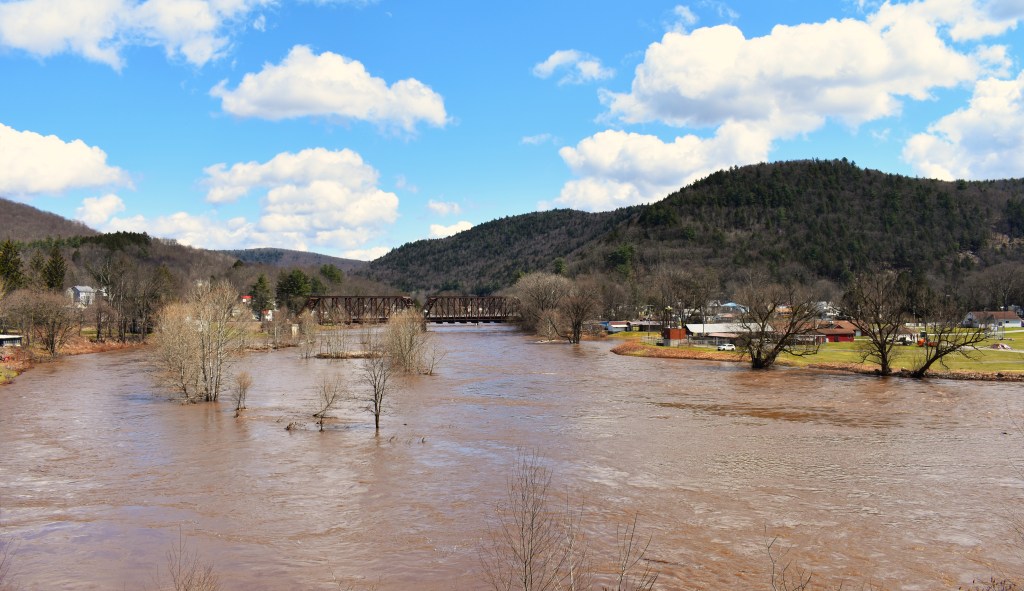
Yesterday’s sunshine reflects the big, brown water rushing to the Delaware in Hancock

It is eight o’clock in Crooked Eddy, and it is raining. It is thankfully not the heavy rain that brought our rivers to flood stage yesterday, though any rain is much more than residents and anglers particularly want to see. Watching the TV weather this morning, I listened dully to the tale of another cascade of storms headed our way for next week. Such is springtime.

We are fortunate, for this moderate flooding rarely damages property or threatens personal safety, though those of us eager to embark on the finest season of fly fishing will have to wring our hands and wait a little longer. We have not faced the ravages of tornados, wildfires or war, thank God, so an extra helping of rainfall ought to be greeted with a nod of quiet appreciation.

The forecasters say we can expect another inch and a quarter of rain over the next ten days. Barring concentrated localized downpours, that means that rivers will remain far too high for fishing throughout. The Delaware reservoirs are three to five percent over their capacities, those in the eastern Catskills a bit less, though all are spilling. The rivers below them will remain higher longer than the freestone rivers.

Unbuffered by a reservoir, the Beaver Kill rises with a dramatic spike in her flow. An hour or so before Noon on Thursday she flowed near 1,000 cfs, just after midnight reaching her crest in the range of 20,000 cfs! At 6:30 EST this morning the flow had receded to 3,280 cfs – dramatic indeed. The upper East Branch below Pepacton Reservoir remains above flood stage this morning, the reservoir dampening both the river’s rise and its fall. Where these rivers meet in East Branch, New York, the smaller upper arm of the East Branch Delaware is contributing perhaps twice as much water as the larger Beaver Kill, with her high flows sustained over a much longer period.

Today’s rain will likely cause all of our rivers to rise, for the soil is well saturated. Our forecast for Hancock predicts thirteen hundredths of an inch of rainfall, though the effect upon our rivers will have as much to do with the duration of the rain as with the amount. Stretching the inch and a quarter of the next system’s rainfall out over ten days will most likely cost us all of the fishing I had hoped to be doing over the second week of April. The tailwaters will remain too high for safe boating, and the freestoners too high to wade. That is Nature’s will.

There is warm weather coming too, just what I wished for next week. Another little tease the lady chooses to throw the way of the angler.

The vintage bamboo arches heavily against the run of a strong fish: concentration and bliss united! Our time is coming.

Age makes the waiting cut a little deeper, for we never really know how many bright moments lie ahead. I do acutely feel the loss of each potential day upon the rivers of my heart, though I am ever thankful for those I have possessed.

I spend a lot of time watching rivers, studying the peaks and valleys of the flow gage graphs, my anticipation building as the curves drawn to depict receding flows flatten. I interpolate the shapes of those curves over time, searching for windows of opportunity. Once in a while, one such window may open, and I will have rod and reel and waders close at hand. A couple of hours between stormfronts can be magic…

The river is closed today

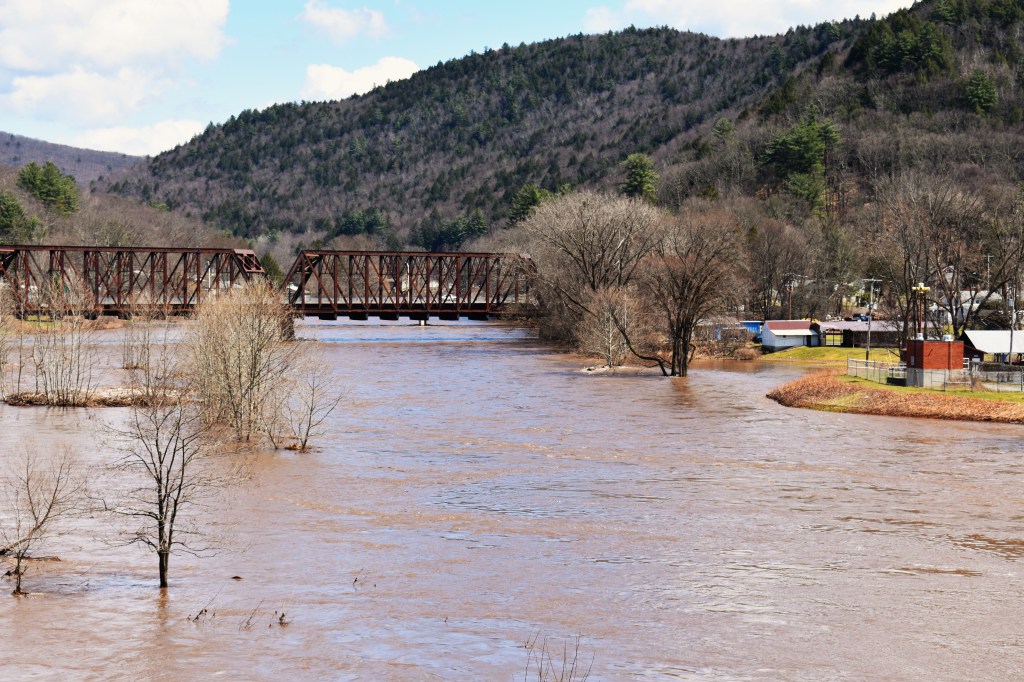
East Branch Delaware River at Crookled Eddy around 1:15 PM April 8th. The Fishs Eddy gage, several miles upstream, showed a flow of 23,800 cfs at 12:15. Flow at that station peaked earlier this morning in excess of 30,000 cfs.

Catskill rivers are near if not above flood stage today, with some roads closed due to flood waters. It will be some time before there will be anglers wading our rivers.