Spring Musings

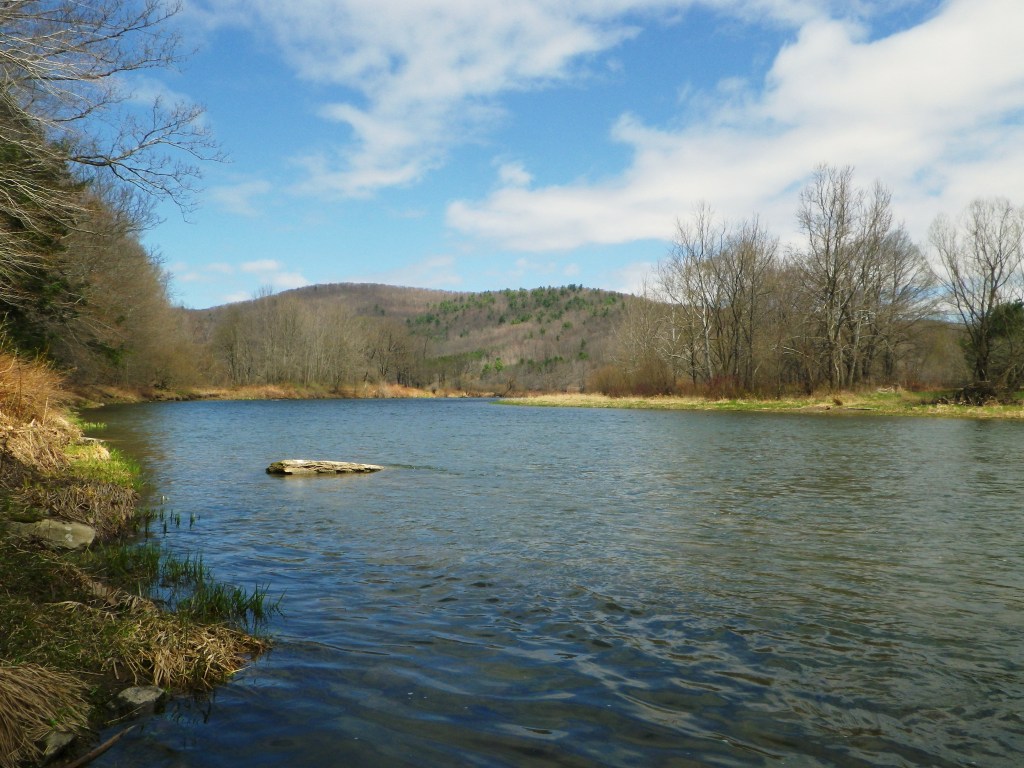
April, and the river is sublime!

Indeed, I am watching the river gages this morning, for the rain continues steadily. I am musing and wondering how many days might pass before I can don waders again and slip into the gentle current. There are many memories of spring…

How many times have I felt my pulse rise as I crossed the bridge at Hale Eddy, the excitement of the new season palpable? Friendly greetings and handshakes at West Branch Angler, settling in for another stay along the river, arising in the morning with wading boots frozen on the porch of the cabin.

Home again!

The West Branch always had a special intrigue, particularly in April. Hendricksons on one pool, Blue Quills on another, bright days, gray days, there was always a new challenge to explore!

I recall one glorious afternoon as it drifted into evening, Hendrickson spinners alighting early, before the lowering sunlight dropped behind the Pennsylvania mountains. The flies drifted along the edges of bankside current seams on the far side of the river, and the wide, soft bulges in the film told of wonderful browns. Wading as deeply as I dared those rises lied beyond the limits of my reach, but just barely. I fought to calm my pounding heart, and when I succeeded my casts unrolled out there along that seam.

The water was clear, and that far bank brightly lit, so those fish refused my offerings on 5X tippets. Six X at maximum range was a gamble – it takes a good sweep of the rod to move so much slack line to set a hook, sometimes too much for the fragile point. There was one I wanted badly, for once he showed his nose above the surface and I knew how special he was. Calming, casting, reaching to extend the drift precious seconds before the mid-river current spoiled the game, and at last I had him. He boiled and started his run, then the fly came free; lost yet relished, I return there often in my mind.

I recall special mornings, walking the river while many anglers lounged over breakfast, secure in their convictions that there was no hurry, that Hendricksons arrived at three. I would stalk certain lies with a biot bodied spinner knotted and ready, to find evidence of a gentle sipping rise in moving water, or a spreading ring amid a shallow tailout flat. Battles won and lost.
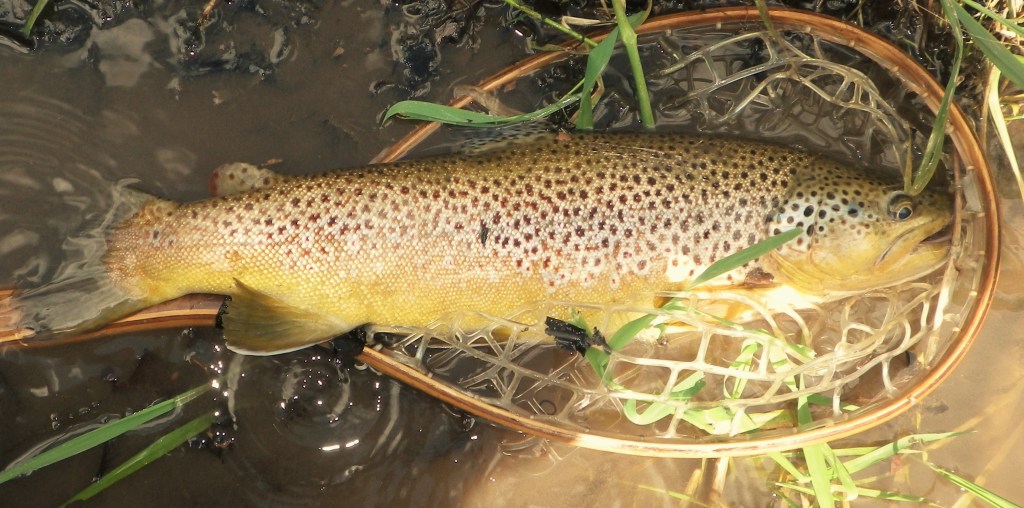
There was an afternoon I took an unusually long walk, studying the quiet river. Finally, I chose a grassy bank for a seat, unwrapped my sandwich, and enjoyed my lunch in solitude. Glancing casually along the bank I saw the first ring, and then another. I finished hurriedly, crawled low back downstream where I could slip in gently. I landed a number of fine wild browns that day, quietly sipping Blue Quills along an unremarkable stretch of bank, always grateful when the river shared her secrets.

There was the morning I waited for my best friend to arrive, waited that is along a favorite run. He was due at noon, and the hour was nigh when a barrel-chested brownie drifted down with the current and rolled nearly upside down to take a struggling caddisfly, so close he splashed my waders. An eight-foot cast with an eight-foot rod and my reel was spinning! He torched the drag and powered down river. A twenty-two inch brown rested in my net when it was finished, his flanks heaving as I slipped him back into the run; easily the largest trout taken with the shortest cast in my angling career.
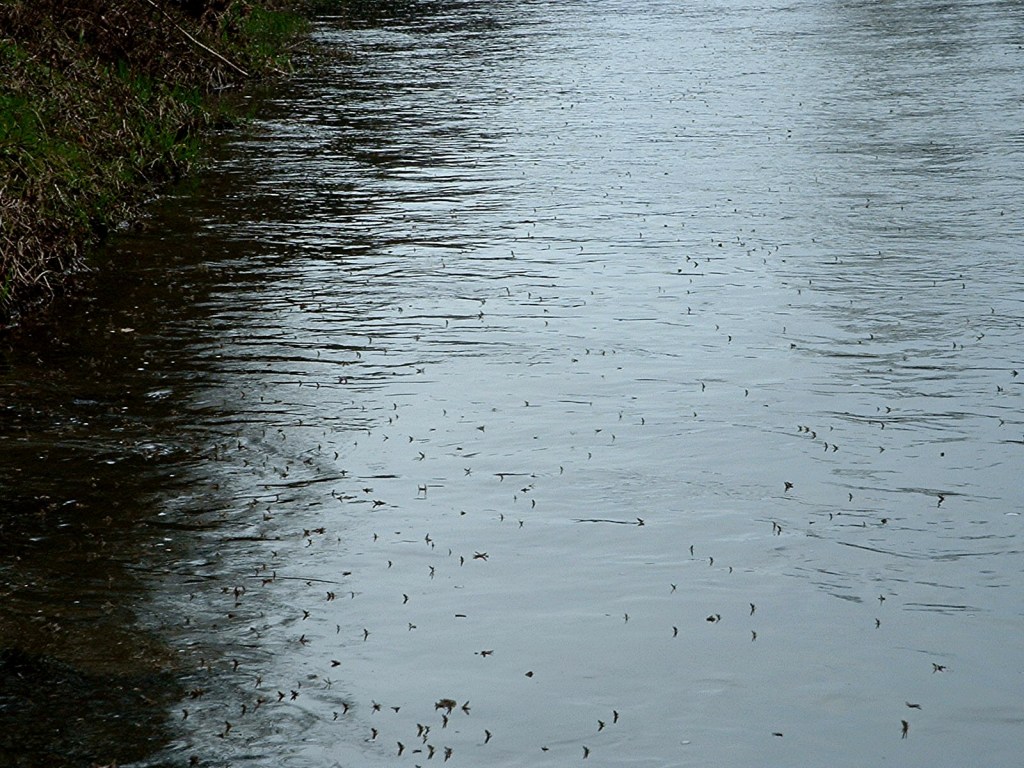
Hendricksons on the water, the magic we search for as spring blossoms!

I have a beautiful bamboo fly rod that was fishless until I brought her to the West Branch in April. Anglers were everywhere, my time short, and the river high. I hiked to an out of the way spot where wading would not risk my life, trusted to the magic of the river. Blue Quills again, and one trout feeding regularly in a horrendous lie. My little biot parachute bounced down the bubbly current but not quite clean enough. I sidestepped upstream, adjusted my angle, and that lovely, darkly flamed cane delivered the perfect drift. The rod was tested with a heavy arc and a pair of long, wild runs into the backing. Tested as only a trophy trout in high, fast water can test them. I admired the rich palette of gold and bronze, peppered with blood red spots, smiling there as the water rushed around my knees. No better way to christen bamboo!

April Showers

Water all around and even in the air!

The rain is steady on my metal roof this morning, rivers and reservoirs already amply supplied. It is that time, a time for watching river gages and fretting over each additional drop of rainfall. Four days to go – will they be wadable?

It is true that I have a drift boat parked out front, though anyone who knows me will tell you I am a wading angler. I prefer to approach my rising trout on their own terms.

It seems certain that the boat will be my platform for the beginning of this dry fly season, and I will be glad to have it. I have missed too much fishing over my decades of spring fishing in the Catskills. High water tends to be a given come April, and that is why I scoured the area after retirement, at last finding a well-used craft. There are times I enjoy the serenity of floating.

I usually make a solo trip before the first hatches arrive. Drifting and looking over the river as I pass, noting where new trees have fallen, and deeper pockets where ice has gouged a gravelly flat. Once the mayflies appear these spots could harbor a good fish, sipping subtly where most anglers don’t expect him to lie.

I nearly made that float this week, though yesterday’s forecast convinced me to walk a bit instead, to try to find wadable water before the rains came and whisked it away. A fifty-degree day is less than comfortable in a boat on the breezy river, particularly when the damp breeze and rowing with muscles not used over winter work their dark magic on my arthritis. Tuesday outperformed though, with bright sunshine driving the temperature into the sixties. Too late I realized it would have been a perfect day for that first solo float.

I did wade a bit, watched the chimarra caddis and early stoneflies flitting about in that breeze, I even cast a dry fly; simply to enjoy the feel of a fly rod actually casting its long, graceful loop. The river is still too high to reach the places that the trout will rise once more insects are stirring and the flows are more accommodating to efficient feeding.

As the rain pushes the rivers ever higher, I am back to tying flies and making sure the boat bags are filled with the right flies and leaders for the long-distance bank picking game of early spring’s dry fly debut.

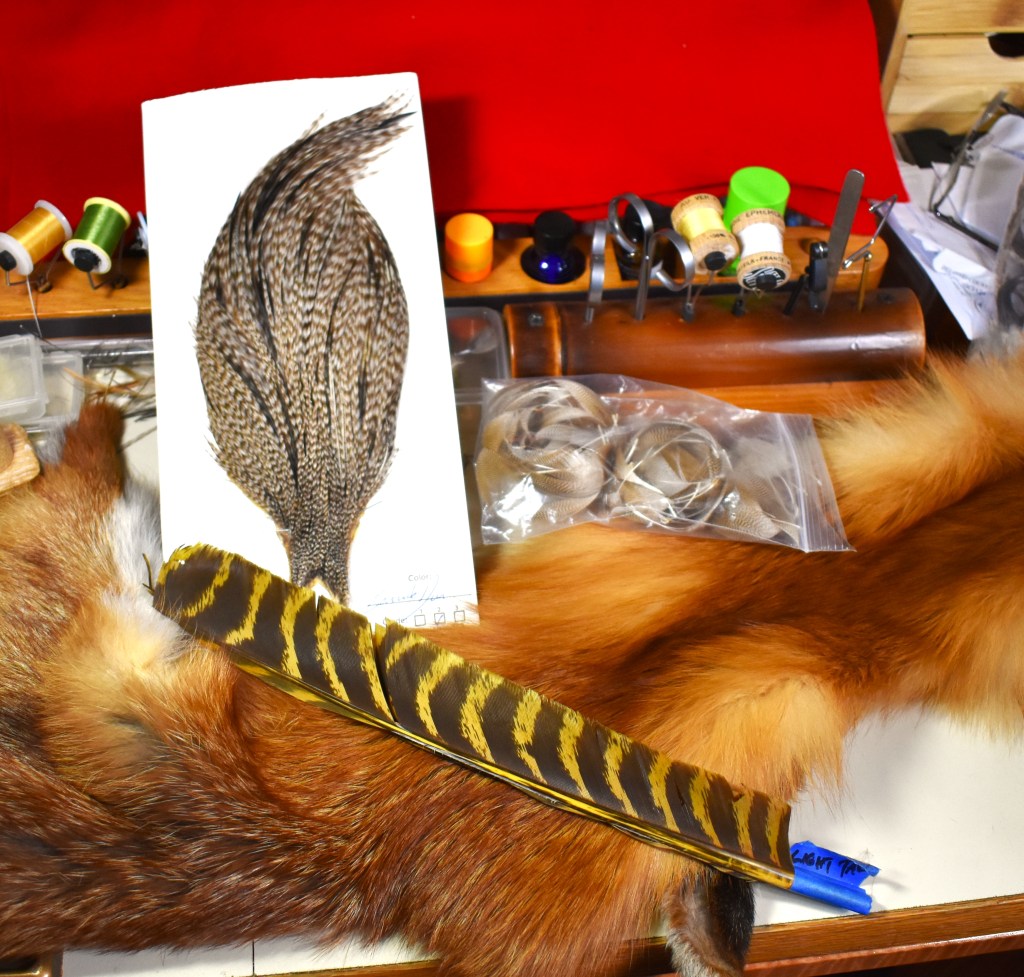
Red Fox, dun roosters, woodduck and turkey await the touch of magic that will seduce the shy wild trout.

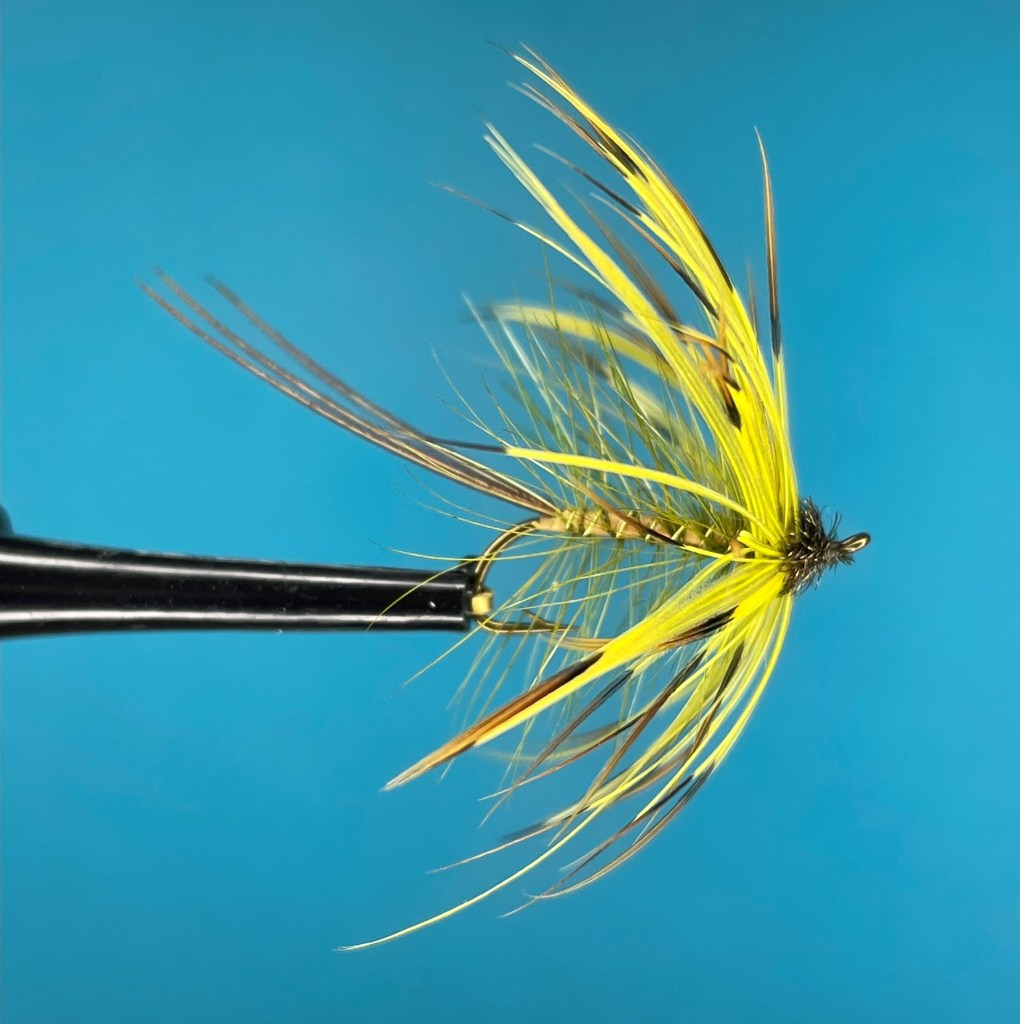
My log shows forty-four dozen flies have issued from my bench since January First, so I am ahead of last year’s production, nearly double in fact. There has been an increase in experimentation as I whiled away the frigid months of winter. A new interest, the sparse creations of England’s North Country, has blossomed, and I have increased my store of tying silks and soft hackle feathers and learned some new techniques.

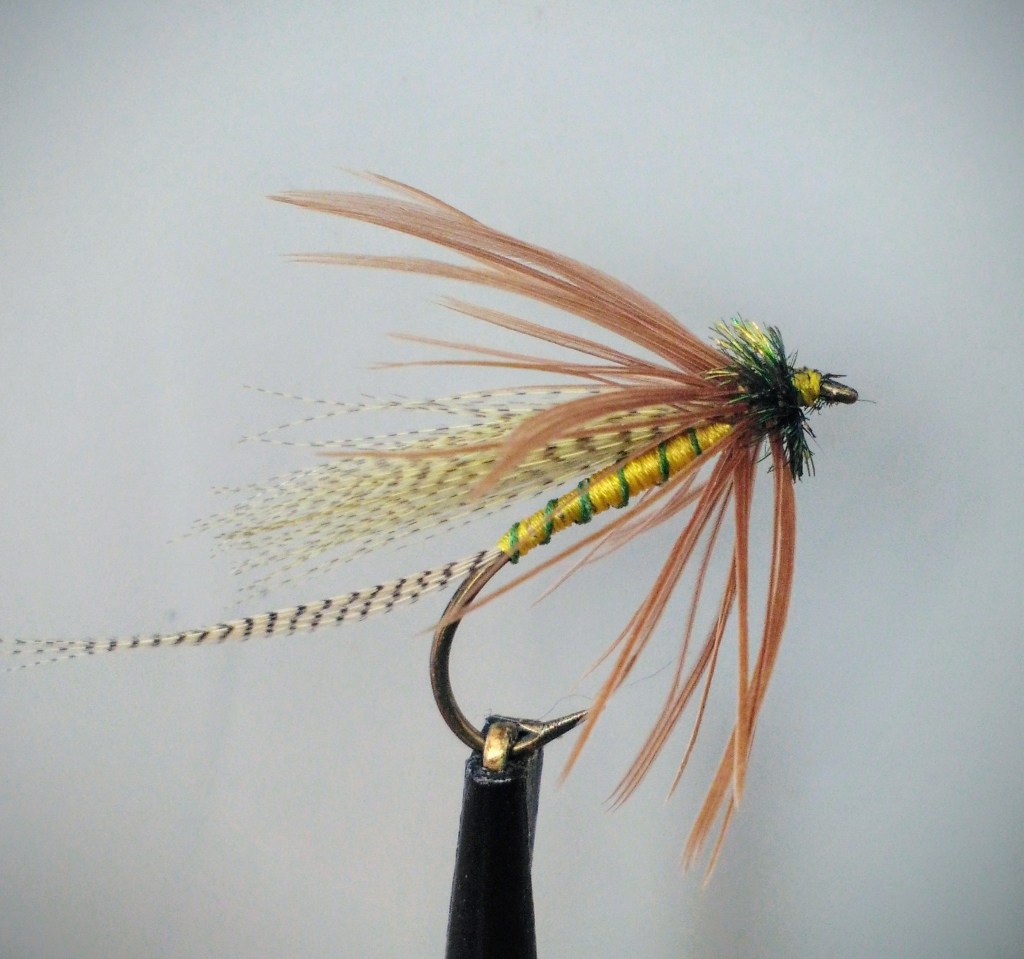
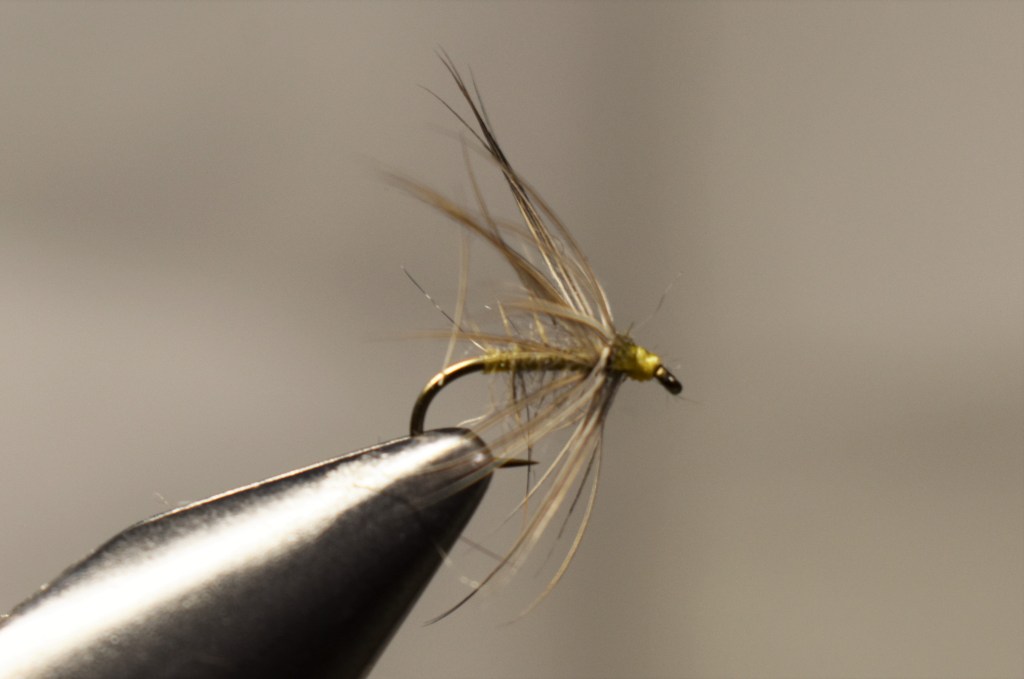
It seems a good day to delve into that new realm once again. JA has seen to it I have a fresh pair of coot wings for my soft hackling pleasure. Coot you see is the preferred substitute for waterhen which I believe is quite scarce even on the Continent. The Waterhen Bloa is a simple yet killing fly for imitating the olives, delicate spiders with a lovely image of life when deftly tied.

Some of the Catskills highly evolved wild brown trout will show far too much caution beneath a dry fly, even one delicately tied with silk and quivering fibers of CDC. Might a spider first tied a couple of centuries ago prove to be the convincer? I plan to find out!

The morning passes, and the rain continues its drumming upon my roof. Methinks the higher vantage point from a drift boat should give a better view to track a dainty olive spider in the film…

The Waterhen Bloa.

April At Last… and the snow falls

Catskill Spring: An April Morning 2020

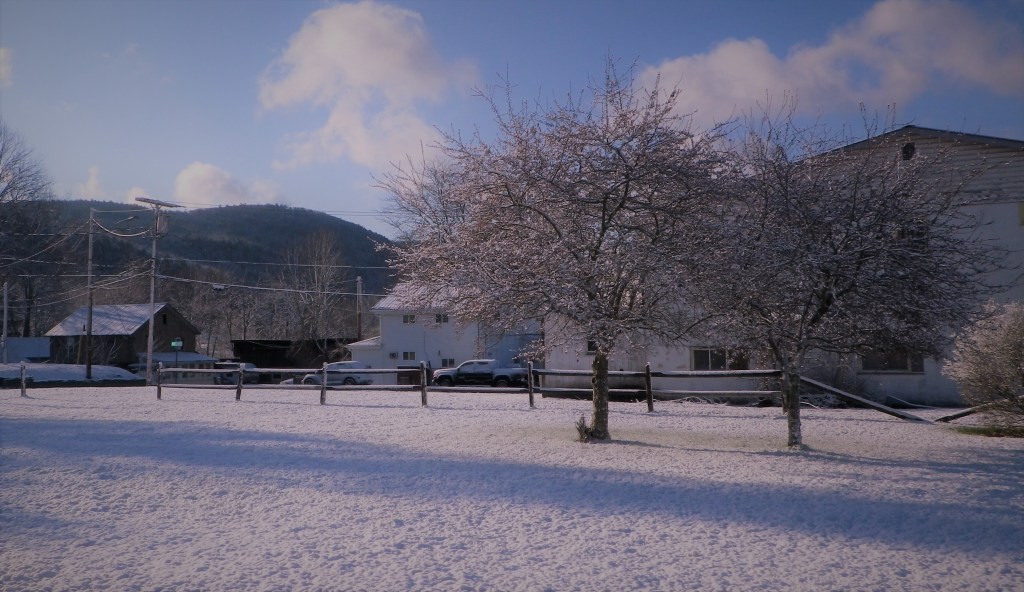
A restful Sunday morning has brought time to reflect upon a busy spring preview. Snow is falling steadily as I write, another chapter in the whimsically unsettled weather we enjoy as spring arrives in these mountains.

Activities began Thursday evening, as I attended my first Angler’s Reunion Dinner at the Rockland House in Trout Town itself: Roscoe, New York. I made an afternoon of the event, visiting with JA at his cabin and talking fishing and flies, fly tying, and our hopes for the season. It had been a while since we had the chance to kick back and share the glories of the sporting life. It was good to see the smiles of friends old and new at the Rockland, and the sumptuous dinner they so graciously served was wonderful! Soup, salad, salmon and their famous prime rib left us smiling even more broadly, topped off with a creamy, delicious chocolate cake and superb coffee.

On Friday I returned to the eastern Catskills, visiting the Dette shop for a special Wheatley fly box, then on to the Catskill Fly Fishing Center and Museum. I dropped off a few books, finding Tom and Martha Mason, Dave Catizone and others talking informally, a conversation I was happy to join while my small donation was logged in. There is always something interesting to learn from these Catskill scholars! Afterwards I enjoyed a slow, quiet walk through the museum, taking the time to enjoy many details of new and freshened exhibits, including the new Edward Ringwood Hewitt display of personal fishing tackle. The sight of his vintage Garrison 206 fly rod brought joy and surprise, as I expected the old master to have carried one of the longer models of his day. My own Jim Downes made tribute 206 is a light, fluid and surprisingly versatile wand at seven and one-half feet, and I nodded to myself approvingly, imagining old Hewitt deftly playing some brute below one of his check dams on “his” Neversink!

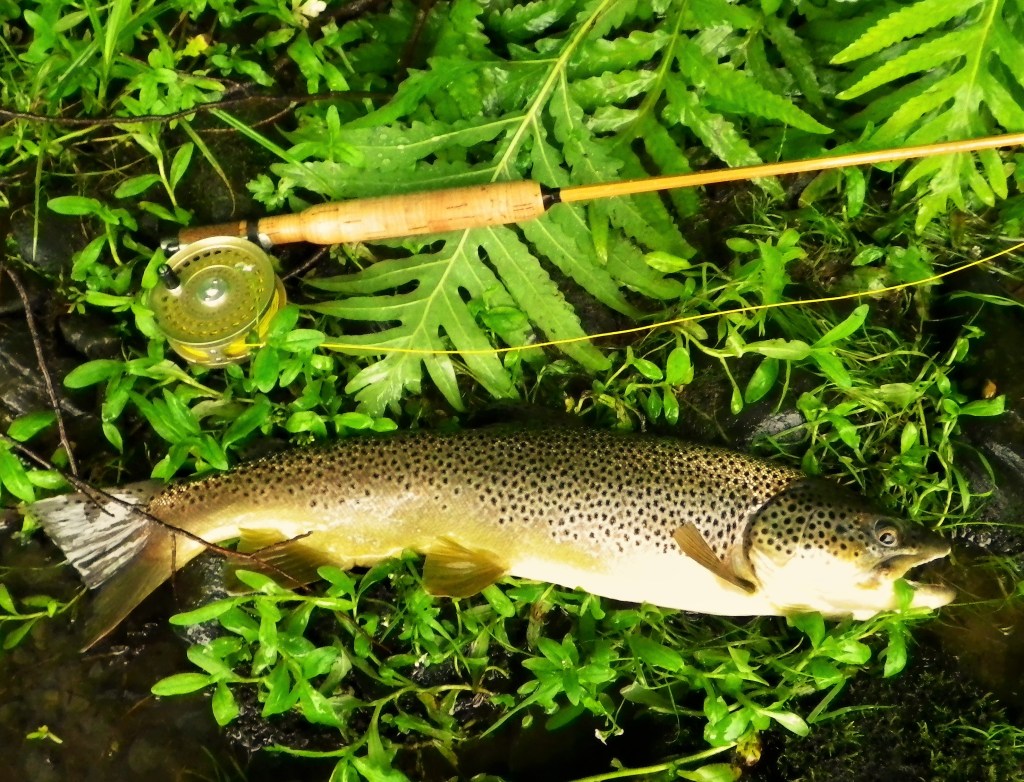
Thanks to the skills of Central Pennsylvania rod maker Jim Downes, I enjoy the fluidity of Everett Garrison’s classic model 206, equally adept with a number three or four fly line. The little rod flexes deeply, yet surprises with its accuracy and smooth, subtly powerful delivery. The lovely wild brownie above required that my CDC Isonychia Dun all but touch the bankside vegetation, with the river at twelve hundred CFS and rising from a summer morning downpour!

Saturday dawned with a bit of sunlight, though it would be hours before the temperature edged above the freezing mark. Nine AM found me helping Mike Canazon, Mike Canonico and his grandson Noah assemble rod racks in the Roscoe gymnasium for the 2022 Catskill Cane Revival. I had attended in 2019, my first Catskill spring after retirement, and enjoyed the opportunity to cast dozens of rods crafted by professional and amateur rod makers.

This year’s event was worth the wait, with some special surprises. My friend Dennis Menscer has been hard at the bench these past months, crafting his wonderful hollow built flyrods. He brought forth a truly remarkable little Payne he extensively restored. Inquiries have convinced Dennis this rod had to have been custom made by the legendary Jim Payne. Lithe and delicate, it casts a three-weight line as if unrolled by a gentle breeze. Several of us who enjoyed casting it believe a number two double tapered line would be an even more impressive complement. As always, Menscer’s restoration work was magnificent!

My friend Tom Mason kindly allowed a group of reverential enthusiasts to cast his stunning Payne 200, giving us another chance to favor Dennis’ refinishing work. The eight-foot classic performed gloriously with a Wullf Bamboo Special in line weight WF4F. In my hands the rod seemed a perfect model of a true progressive taper. It rolled out beautiful loops across the floor to the limits of the gymnasium wall, and I envisioned how perfectly it would fish fine and far off to a bankside riser on a picturesque Catskill summer day!

I was particularly surprised when Per Brandin walked in with a bundle of rod and reel bags! Per and his lovely wife Jean-Marie Gobillot have been giving considerable time to the Catskill Museum this winter, and it was a treat to cast some of his remarkable rods and to talk with them. I was truly moved by a stealthy olive toned rod Per strung up for our casting pleasure. The rod was eight feet, and designed for a light number three fly line, and I fell hard for its astounding combination of smoothness and accuracy from a few feet on out to the wall. Clearly the walls were the only limitation to its ability to present a dry fly delicately at distance!

Per was kind enough to relate the story behind this remarkable little rod, inked “The Green Hornet”. He told me of a shop rod his late friend and mentor Sam Carlson kept, wrapped with green silks, a rod Carlson dubbed The Green Hornet. Per had learned of green toned rods made by Leonard and others generations ago, with an eye toward stealth on our Catskill mountain streams, and that history along with the Carlson connection had inspired him to build his Green Hornet, the bamboo and reel seat spacer dyed green prior to finishing. The story was as charming as it was interesting, and I will fondly recall my enthusiastic casting impressions of the Brandin Green Hornet, as I stalk late summer browns upon the rivers of my heart.

My afternoon was spent at the Museum where, after a cup of Agnes Van Put’s justly famous soup, I sat while a revolving group of friends chatted and watched Tom Mason tying sparse and beautiful North Country spiders. Per and Jean-Marie joined us, as well as Catskill Guild President Joe Ceballos, as happy tales and reminiscences of fishing and flies filled the atmosphere. The hours passed too quickly, even given the extra hour we lingered past the scheduled conclusion of the day’s programs.

I caught up with a handful of friends I had not seen since last season, learning that one, Kevan Best was continuing his successful pursuit of Grangers, a path I have some familiarity with. Kevan had been a vanishing angler once last summer’s parade of high water began to limit wading opportunities, last seen at the Summerfest gathering. I learned he has busied himself tying salmon flies and planning a trip north to the Maritimes to angle for the King of Fish. I think wistfully of such environs, slipping back to the memories of the Golden Age so beautifully gifted in the writings of Dana Lamb. One day perhaps…

Much of the morning has passed in reverie, and the snow continues, a soft blanket upon the lawn. Might the rivers bear me and my boat this week, or will they continue to rise and discolor? No doubt I’ll be watching water temperatures, for though I don’t expect to encounter a rise on my season opening float, it is good to at least have a bit of hope tucked into my tackle bag!

First Float – April 8th, 2020: alone on the river.