
Dr. H. B McCaskie, in his The Guileless Trout (London 1950), pondered the breadth of time required for anglers to finally rise to the dry fly given the records of authors who confirmed the relatively widespread understanding and recognition of the habits of trout with respect to the ephemerids: “Knowing all this our forefathers were content to watch the trout picking the natural insects from the surface of the water, to study these insects and copy them with anxious care, and to let two hundred summers go by before they were inspired to put their imitations where they were most likely to be taken.” Given we anglers’ penchant for taking credit for our own little discoveries, it does seem rather amazing that such a large one got away for two centuries!
Then again, fishermen are well known to be secretive.
Perhaps the resistance of human beings to change is to be blamed as well. Even though well established in England in the nineteenth century, the dry fly was little used or respected here for a long count of years. Interest grew in the Catskills due very much to the inquiries and correspondences of Theodore Gordon and his contemporaries. Gordon was a fly tier, and very much interested in the tools and tactics for the dry fly to apply to his home waters of the Neversink and other Catskill rivers. His observations of American ephemerids inspired his own creativity to tie flies well suited to our rivers.
Gordon wrote in British and American sporting publications of the day and shared his flies and thoughts with those he fished and corresponded with. From his simple life in the Catskill mountains, Gordon greatly influenced American dry fly fishing, becoming the seed for what we know today as the Catskill school of fly tying. The stories are interesting, and I shall not recount the details here, there being too much charm in our angling history to brush it aside with broad strokes. The anglers of today are fortunate to have wonderful avenues to learn and appreciate our own angling history. We are fortunate to have the active efforts of the Catskill Fly Tyers Guild, the Catskill Fly Fishing Center and Museum and the Jerry Bartlett Angling Collection as repositories to keep our region’s history alive!
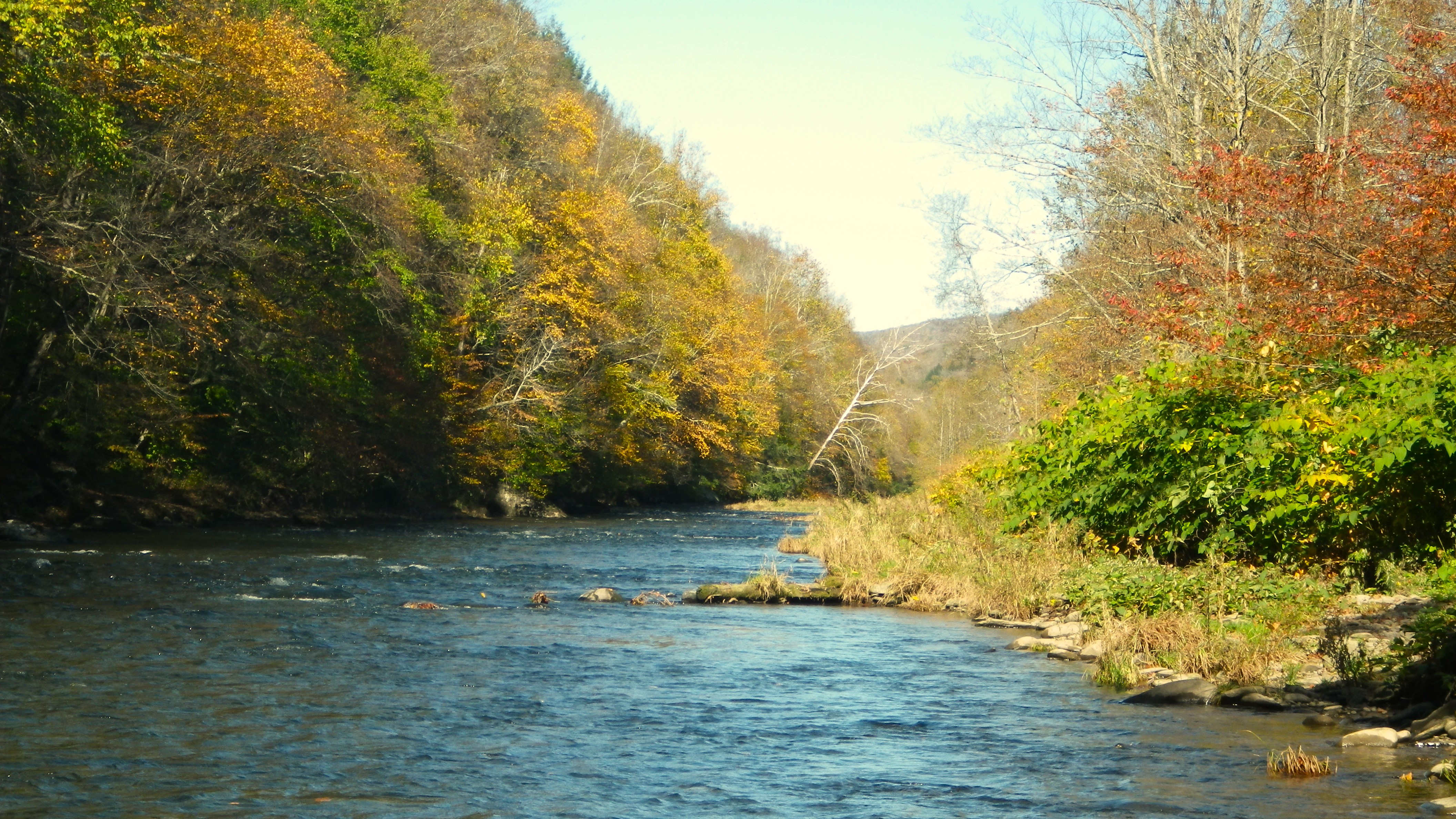
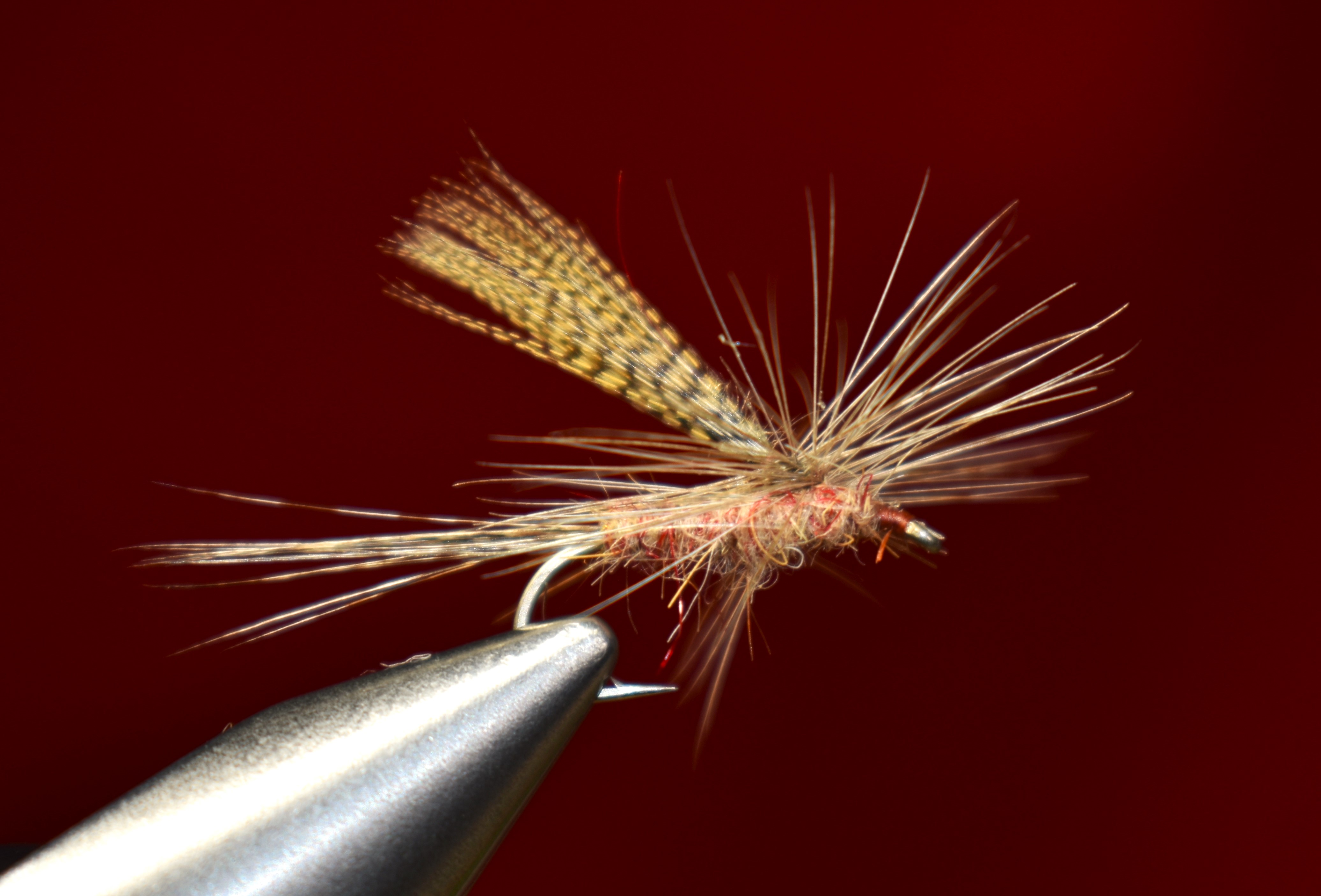
The dry fly and the Catskills are synonymous due to this history and the beautiful brooks, streams and rivers that still wind through these mountain valleys, and the hearts of fly anglers. Wild trout rise throughout the season to the wondrous mayflies, stoneflies and caddisflies that inspired Gordon, Christian, Cross, Steenrod, Dette and Darbee, and continue to inspire us today.

My own passion for the dry fly has drawn me here for thirty years, first as a visitor and finally as a resident. I revel in the new mysteries revealed as each season passes!
 Bright Waters Catskill