
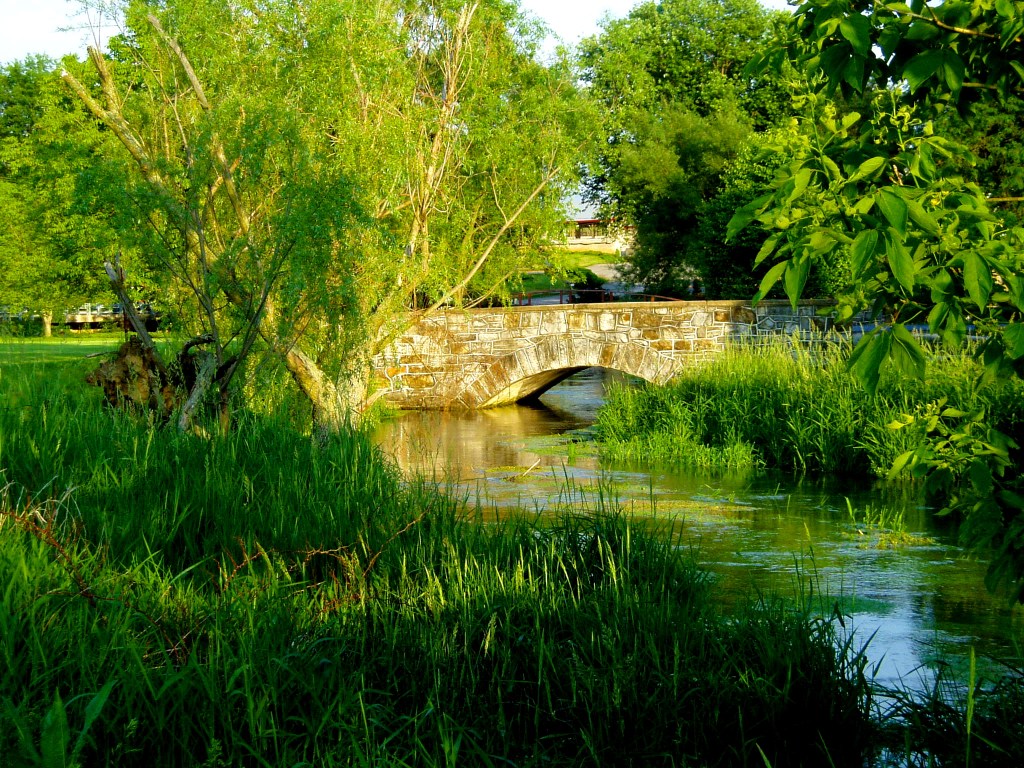
There was a period in my life when I haunted the classic little spring creeks of Pennsylvania’s Cumberland Valley almost daily. I was drawn to them by the promise of difficult wild trout, and they captured my heart and mind with their loveliness and the breadth of the challenges they presented!
I had been initially called to the Letort, where legends had laid down great works of angling literature, and I became a frequent visitor to the town of Carlisle. More than thirty years ago I spent a weekend at Allenberry on the Yellow Breeches, where Joe Humphreys and Ed Shenk taught a wonderful fly fishing school for decades. It was the ideal place to sharpen my skills and feed my growing passion. I recognized Shenk as one of those legendary masters of the Letort, and I devoured my signed copy of his “Fly Rod Trouting” between Friday and Saturday nights. He would become a great influence upon me, a friend and revered mentor in my quest for wild trout.
I shall never forget my first sight of the Letort at Bonny Brook late that Sunday afternoon. The tiny stream threaded deep and quiet through an old meadow, overgrown with willows and tall grasses. The clear waters twisted around and beneath deadfalls and heavy beds of water weeds, their currents winding and turning back upon themselves. I stared in awe asking “how in God’s name can you fish this?” Over the years I would learn the answer to that question.
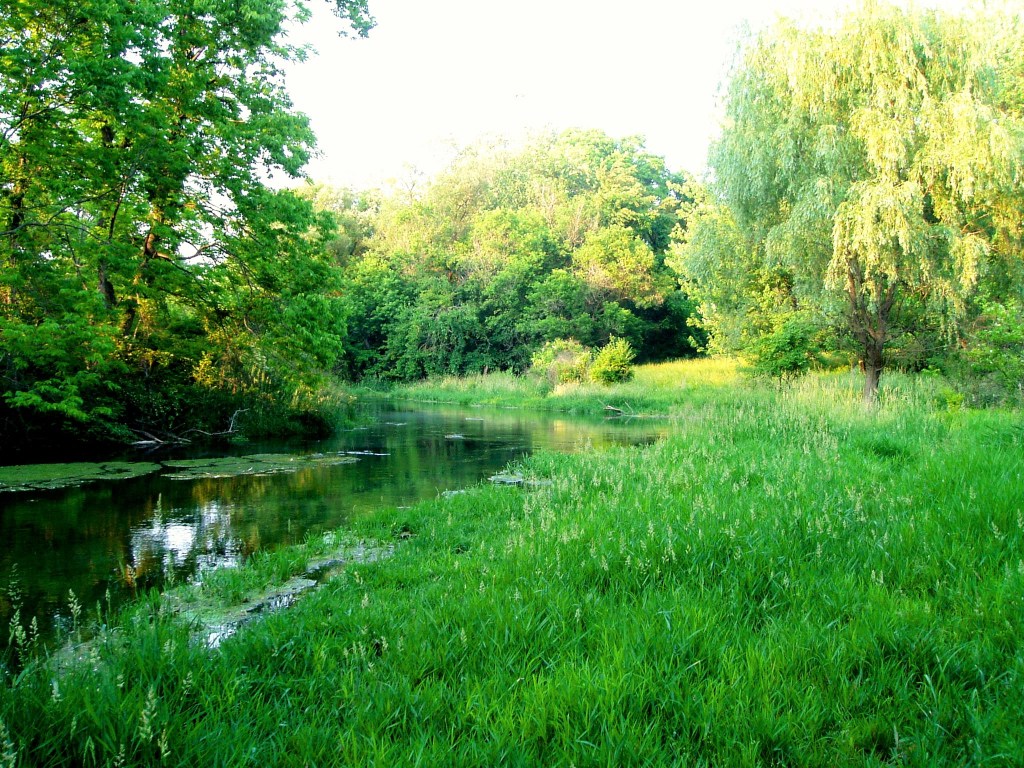
My love affair with the Falling Spring began after my introduction to the Letort. Shallower than the Letort, Falling Spring also revealed a few riffled areas, and it was wadable with care. Both featured a great deal of angling in tight quarters. Eventually I would move to Chambersburg and open a fly shop to cater to anglers eager to meet the challenge of wild, spring creek browns and rainbows. Those days began my daily rendezvous with bright water. I would fish mornings before opening the shop, then whisk away to some quiet reach as evening came on to search for risers. These were wonderful years!
I cherish memories of sitting back at my fly tying desk sharing stories with Ed Shenk, summer mornings fishing tricos and meeting Ed Koch and John Newcomer working their way downstream as I fished up. I remember the joy of teaching new anglers how to wrap a hackle for a dry fly or helping them cast a fly accurately for the first time.
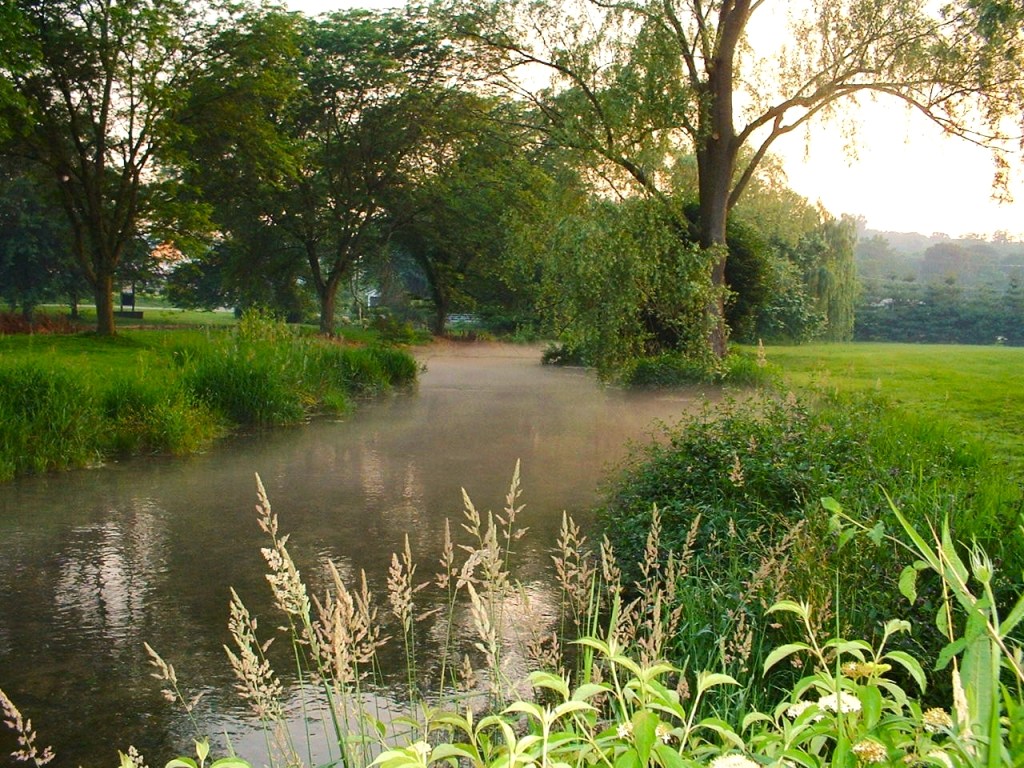
I recall one of many frigid mornings when I bundled up and took a new fly rod to the Quarry Meadow. It was January, twenty-five degrees at eight o’clock, with the rising sun chasing mist wraiths from the sparkling little pools. I knew the sunlight would begin the magic of photosynthesis with oxygen bubbling from the watercress, and that trout would be active despite the icy air. I fished a new streamer pattern tied the day before and battled my largest Falling Spring rainbow, a miraculous, crimson blazed monster of five pounds! I was shaking as I eased that fish back into the current, and not from the cold.
In later years I found signs of life in Newville, haunting Big Spring once a union of anglers, conservationists and scientists finally freed it from the debacle of the Commonwealth and their hatchery. I remember an innocent visit after a few seasons of cleansing, standing on the bank knotting a Baby Cricket to my 6X tippet. Leviathan idled past and came for my fly once it turned away and allowed a gentle cast. Trout and stream exploded, and I stood shaking, my reel hopelessly backlashed with fly line and my tippet broken by the stunning speed and power of such a trout!
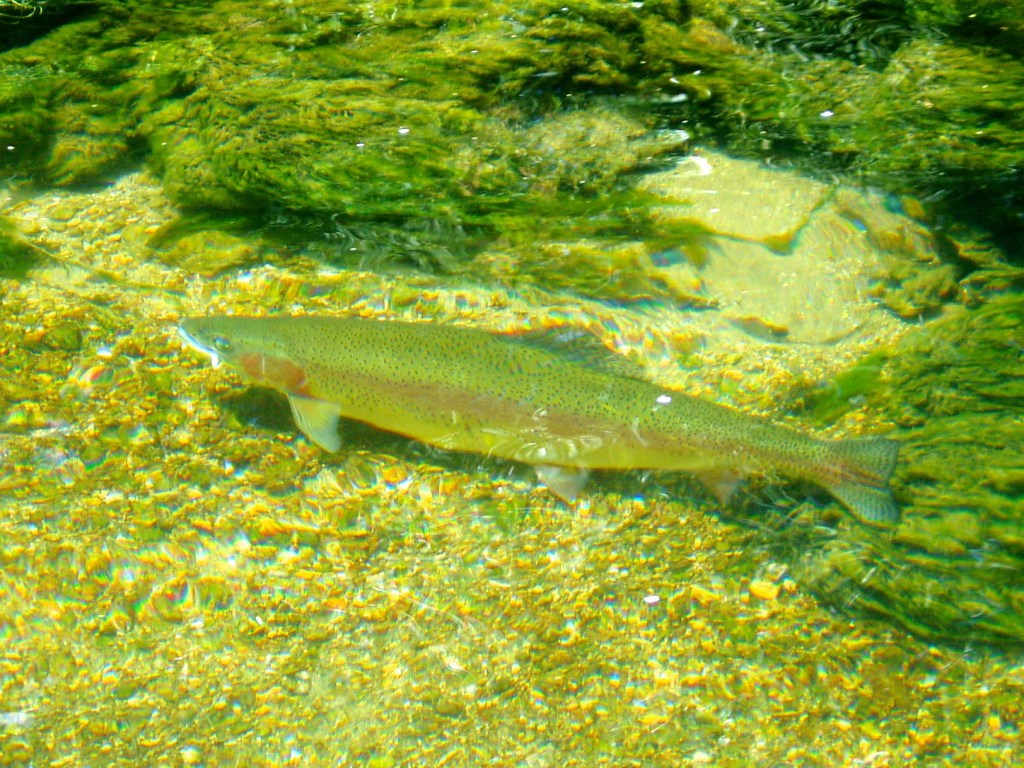
During all my years in the Valley, the greatest gifts were the most sparing, the brief opportunities for angling the dry fly. Even during the early years, the hatches were not the carnival events depicted in fishing tales. The sulfurs brought trout to the surface on the Letort and Falling Spring, and as daylight ticked away on May and June evenings, sometimes one of the larger fish would show with a bulge and dimple near twilight. Summer was the season for the dry fly man, bright days when a man could wander the meadows and fish a cricket or hopper to every hide! I can still recall the chill of anticipation as my fly alighted above the corner of a patch of watercress along the bank, and the electric jolt of magic as a wide, bronze head wafted out from beneath the weeds to meet it.

Though the summers brought the magic of the dry fly to the Cumberland Valley, it is often winter when I think back and savor those years along the limestone springs. There was always hope, even on the coldest days, for a brief window to open and bring a trout to the surface. Little olives and midges might appear in any month of the year, and some of my most exciting moments came when least expected, gifts of the limestone waters.
 Bright Waters Catskill