

Anglers at all levels of learning and ability travel to the Catskills to fish the famous fly hatches, here where so much of our dry fly fishing began. Their success usually has a lot to do with their ability and knowledge, for our historic rivers display the miracles of Nature and adaptation. Our wild trout most particularly have become educated by the common activities of large numbers of anglers and thus avoid places, times, conditions, and even insects that many trout would enjoy fully.
Trout will not generally hold in high traffic areas, though some will visit those areas during quiet periods if there is an abundance of food available or more efficient conditions for feeding. I learned that lesson long ago, on my first trip to the storied Beaver Kill. I had fished a heavy caddis hatch on Saturday. Arriving early, it appeared I might have a famous reach all to myself. By late morning when the flies were at their heaviest, a dozen other anglers spread out along the same long run. Walking down the bank between a couple of guys, I noticed a drop in the rocky bottom quite close to the shore. Everybody that showed up to fish waded right on out past this area, to fish close to the middle of the run. Sunday morning I was headed back to the road, but I stopped early to fish that run in peace for a couple of hours. I walked down and began casting along that drop while standing on the dry stones of the riverbank, catching a pair of hard fighting sixteen-inch brown trout, my largest of the trip. They were both hugging that little drop half a dozen feet from the bank!
When a hatch is in progress, small trout are likely to hold in the main current and rise with vigor to the mayfly duns floating downstream. Likewise, many anglers inexperienced in the ways of our Catskill trout will wade out into the main flow and have at them with their favorite dry fly, just like all those fellows on the Beaver Kill thirty years ago. A lot of them never know what they might be missing.
The better trout have learned to avoid those high traffic areas, and they are less likely to be rising to duns in that main current. Observation is a very important skill. Watch the water before wading in and casting to the first rise you see. Take a little time at it. If there are bugs on the water, chances are you will see some very subtle rises here and there along the margins of that main flow. Look for eddies and pockets, slower currents and tricky places where the surface quivers from subsurface obstructions. These are the areas where the older, wiser trout tend to feed.
Another thing experience teaches about those larger trout is the fact that they often key on particular stages of a hatch which allow them to feed subtly in these areas of secondary currents. Most of the duns may be bouncing down the riffle and into the pool, but there are usually some crippled flies around, those that don’t emerge cleanly from the nymphal case, or get caught for a time in between nymph and dun. Crippled flies are not standing up on the surface ready to fly away, they are usually plastered to the film where they are harder for us to see. The trout see them just fine.
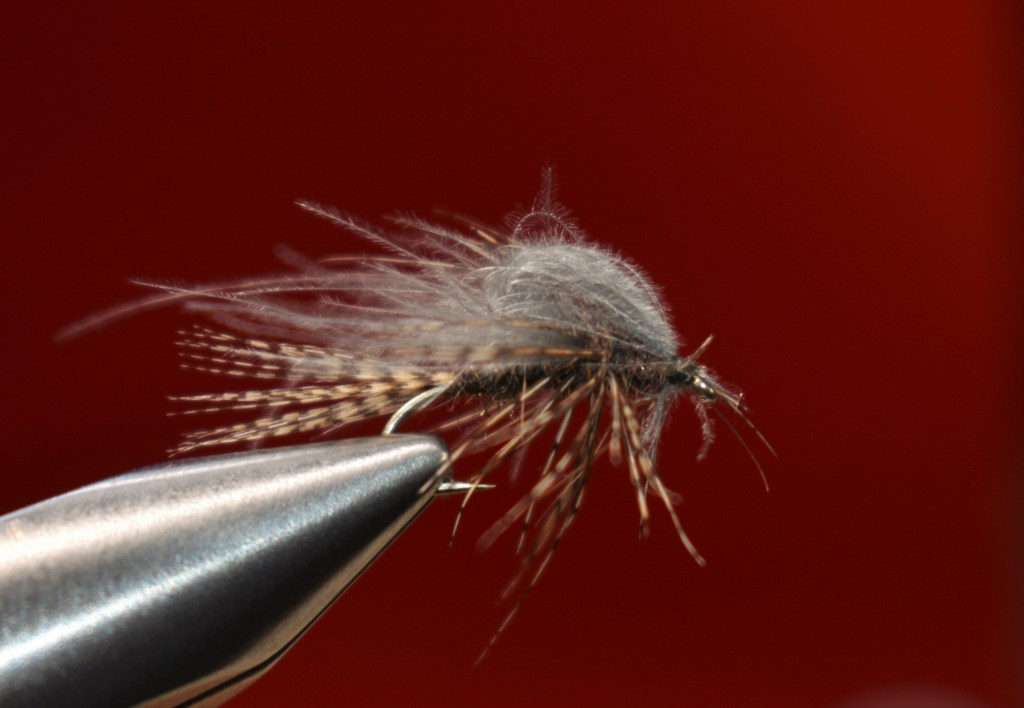
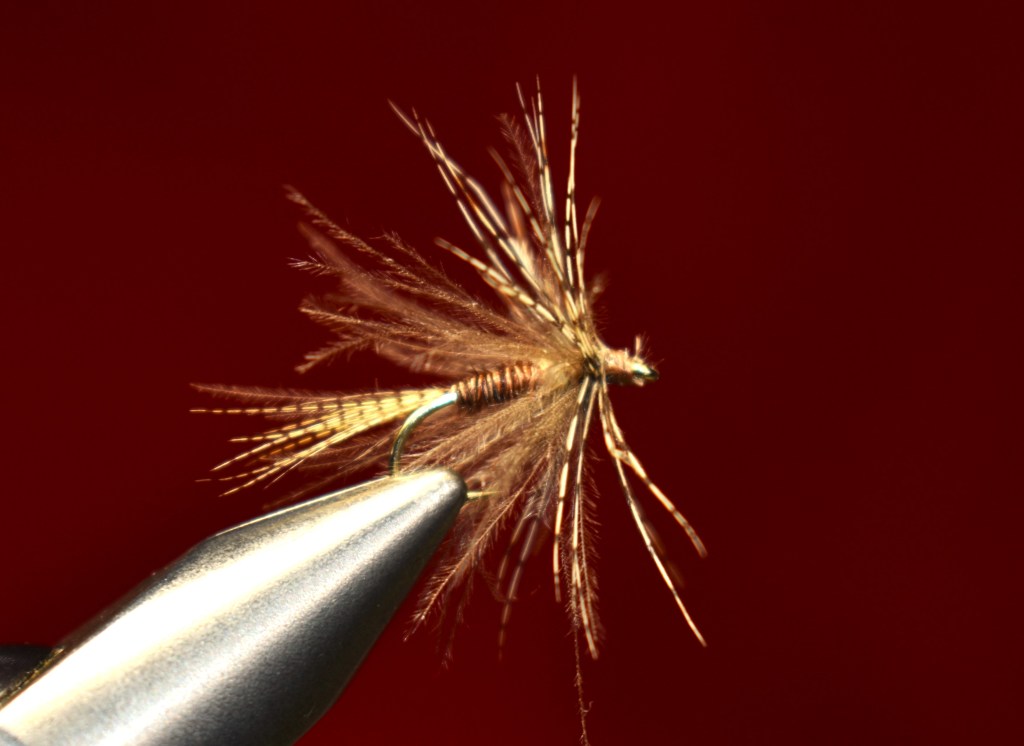
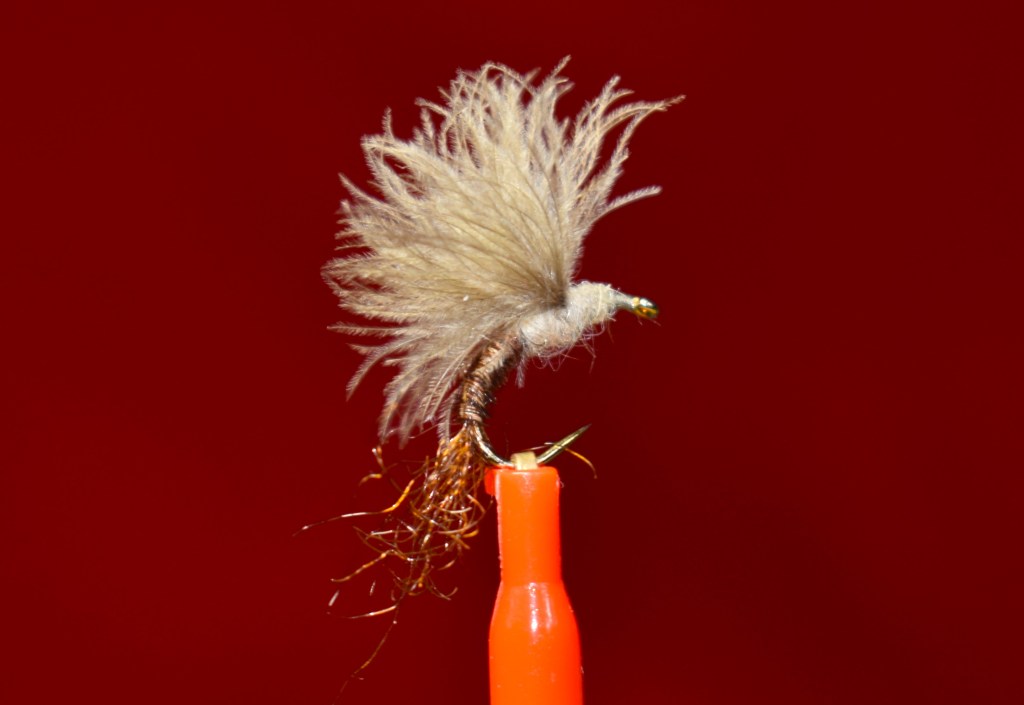

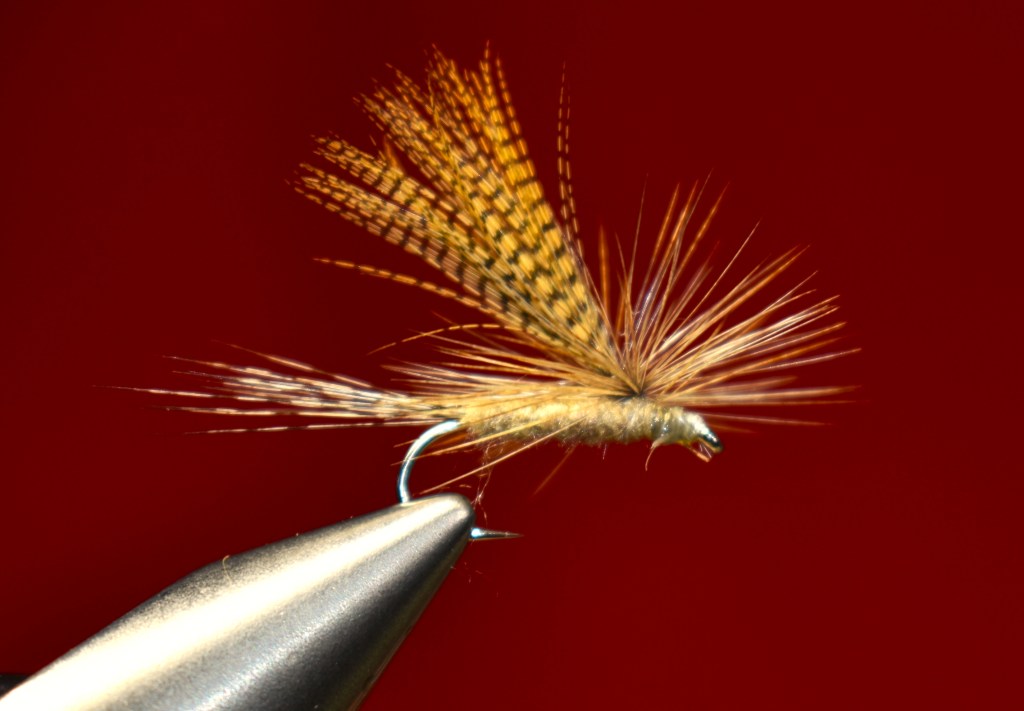
I do not usually fish all of these patterns during a typical hatch. Once I find evidence of a good fish subtly feeding, I watch closely and try to determine which stage of fly he is taking. If I can see a dun on the surface, I will choose one of the bottom two flies pictured. If not, I make my best judgement call after studying the riseform and chose one of the top three. I certainly prefer to have the full selection in my Hendrickson boxes. We anglers don’t get to choose which stage of a hatch appeals to individual trout.
 Bright Waters Catskill