
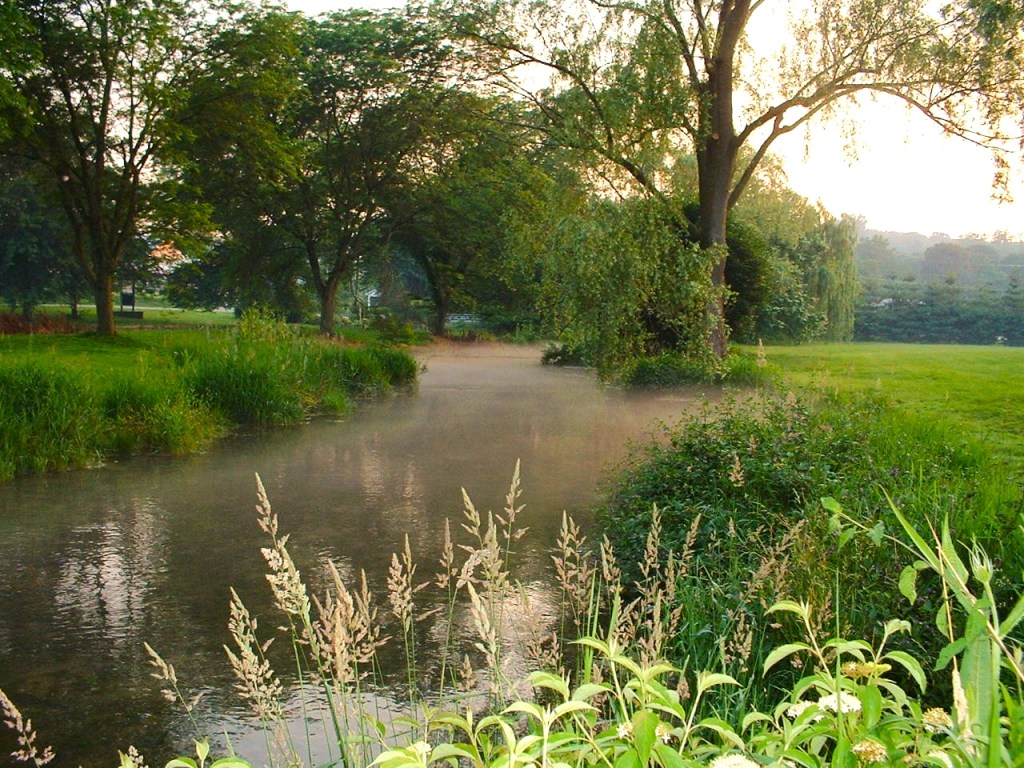
I have decided that this snowy day is perfect for tying sulfurs and daydreaming of warm air and bright water.
It was the late Charlie Fox who began referring to the little yellow orange mayflies that frequented the water meadows of the fair Letort and her neighboring streams as sulphurs, so far back in our concept of angling time. These lovely little mayflies were the featured performers on the Cumberland Valley limestone springs and Maryland’s Big Gunpowder Falls, my own first and favorite hatch as I entered the secret world of wild trout with the fly rod.
I still remember the magic of those calm, warm evenings along the Falling Spring, friends gathering early to speak in hushed, excited tones of the best patterns and the trout landed recently. The sulfurs have remained special to me throughout three decades of chasing wild trout in bright waters.
Here in the Catskills we get an extra dose of this magic, enjoying the classic evening hatches in May and June, with another two months of summertime technical fishing as the sulfur hatch continues on the tailwaters! Throughout the spring and summer, we are blessed with emergences of several species, fishing to trout rising to flies from size fourteen to twenty. Coloration varies, with some flies being best imitated with a true pale yellow dun, and others demanding that subtle mix of orange. I have seen these variations often in the same water during the same afternoon.
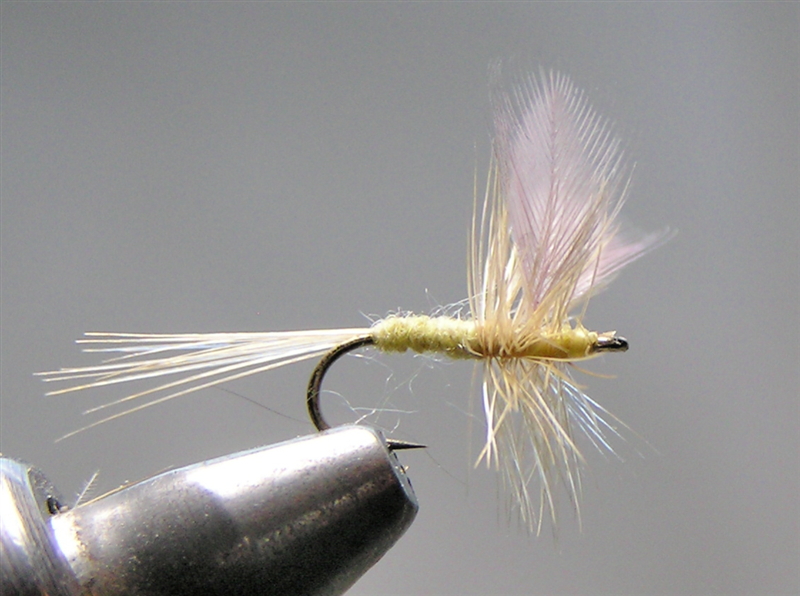
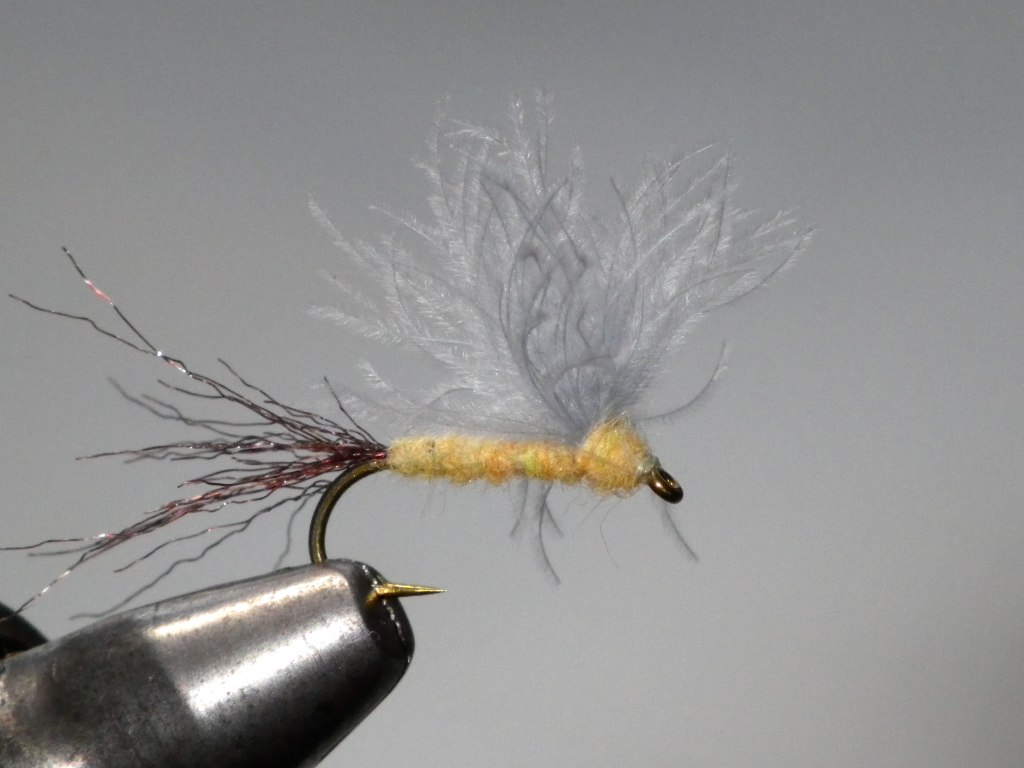
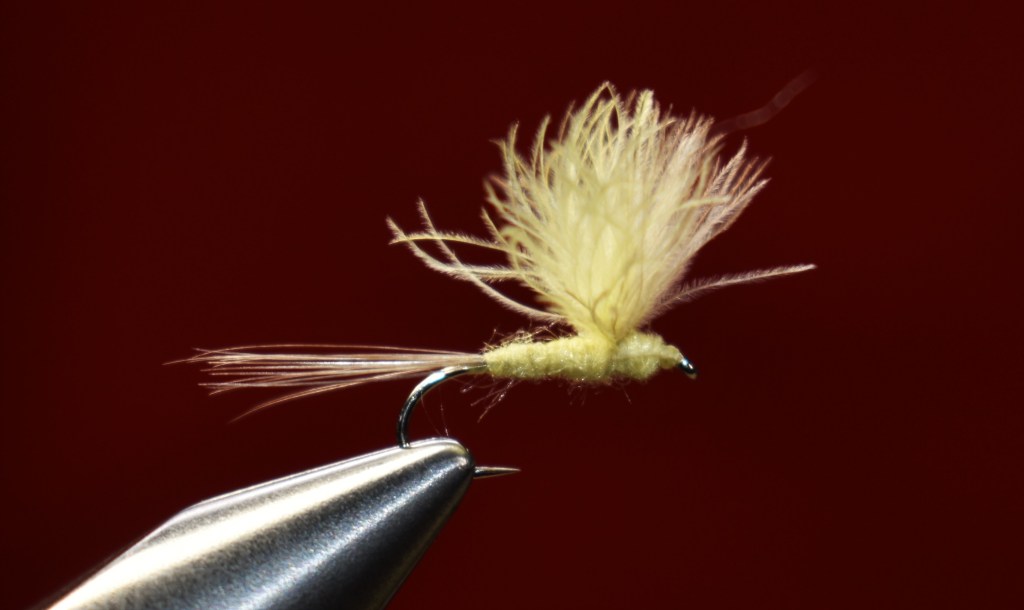
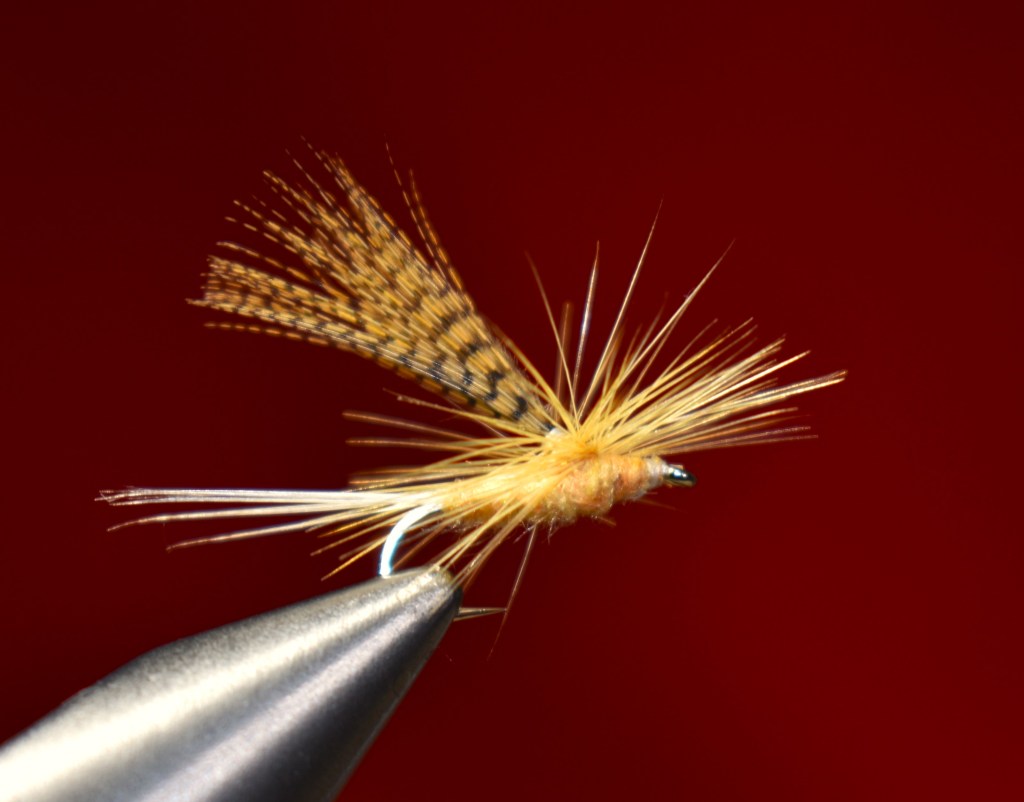
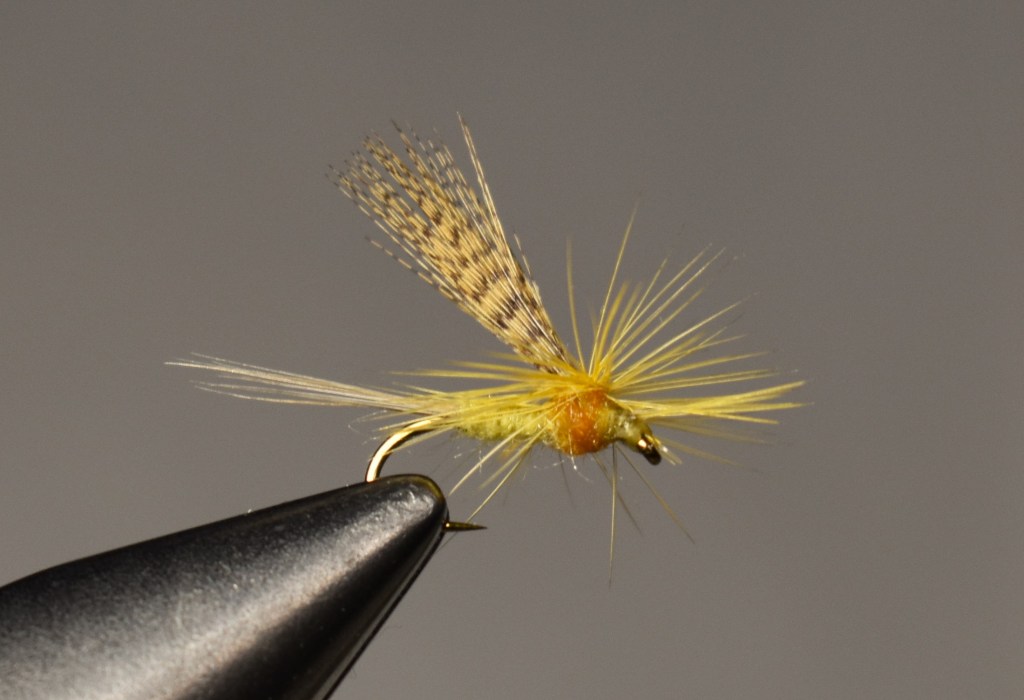
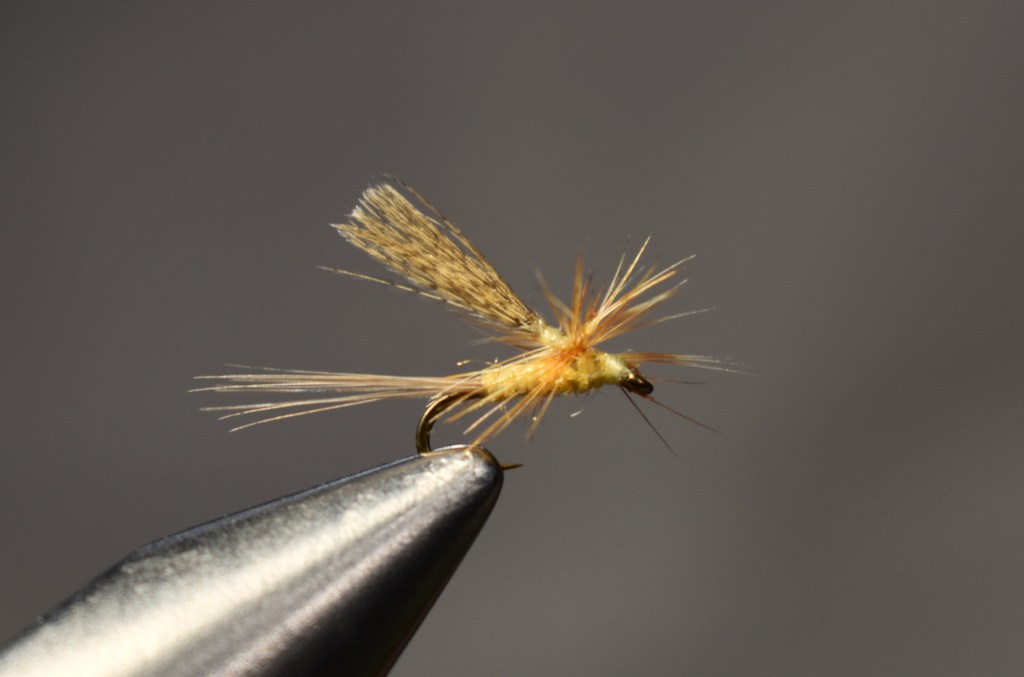
I have always marveled at the variety and the subtleties of this hatch, and how much has changed in three decades of fishing it. That very first afternoon the Gunpowder browns were keyed upon yellow, ignoring the best imitation in my meager selection, a size 16 Light Cahill, and taking the Elk Hair Caddis that was the sole yellow bodied fly I owned.
Last summer I noted little flurries of orangish, size 16 duns coming down one edge of the riffle, while the full width of the river was covered with pale yellow eighteens! I took some fine brown trout by fishing my light orange sixteen 100-Year Dun along the tail of that particular thread of current, downstream in some difficult water.
The trout have become warier and more selective as the throng of anglers has increased season after season, so perfecting new patterns has become an ongoing challenge. Today’s sulfur hatch often requires a wide variety of flies, imitating variations of the phases and colors of the naturals. Presentation remains paramount, and that includes the ability to recognize and match those subtle variations an individual feeding trout keys upon.
I have heard and uttered the same lament: “this fly was killing them yesterday, but today they won’t touch it!” We must beware of settling into a comfortable routine. Experienced anglers know this, yet we still do it, for it is part of our human nature.
Trout learn to avoid the disturbances of heavy fishing pressure in different ways. Some will ignore even natural duns, selecting drowned emergers and cripples out of the main currents, while others may vacate the prime spots in the best runs and pools altogether. I have found good fish that may not have moved far, but have been blissfully left alone on a busy river because they settled for small pieces of very marginal looking water.
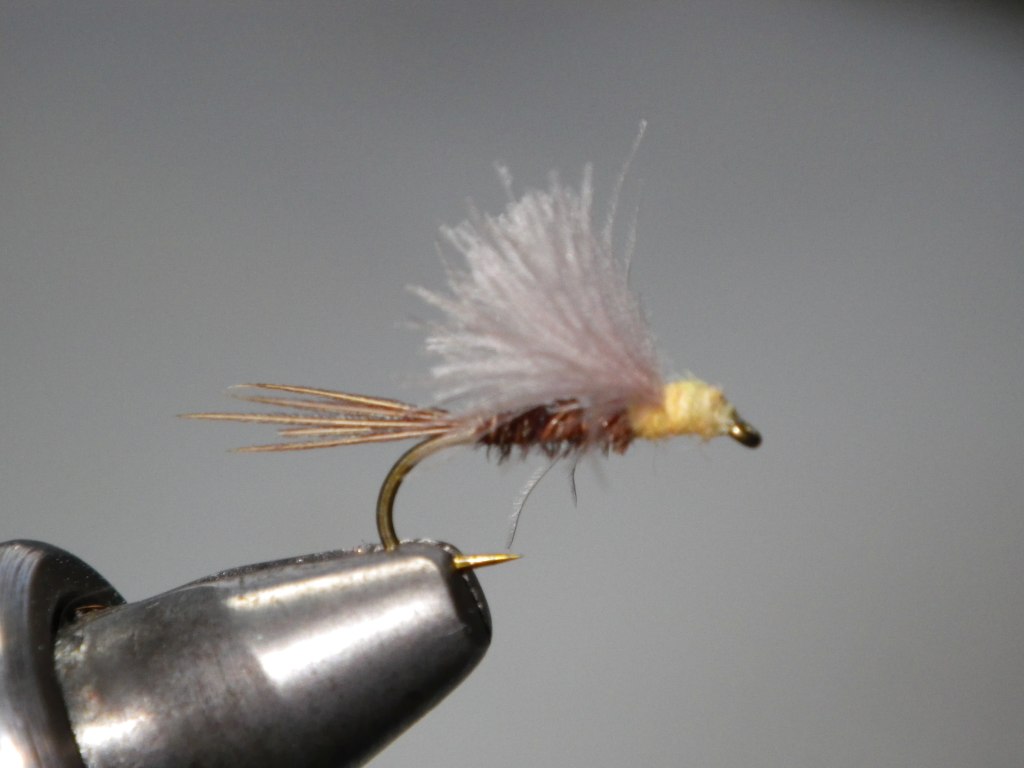
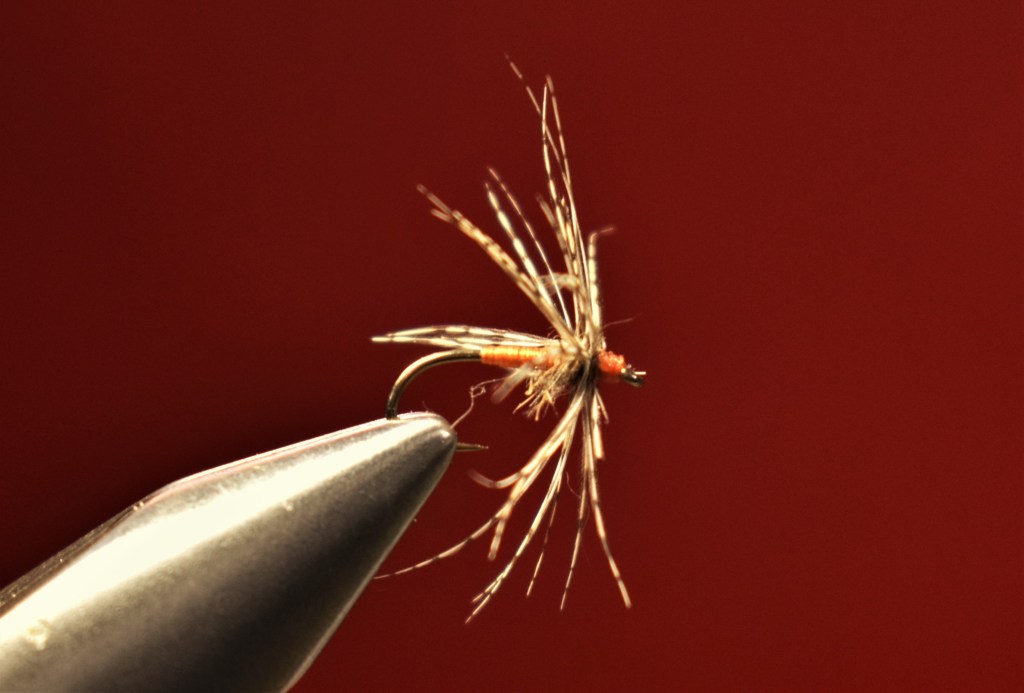
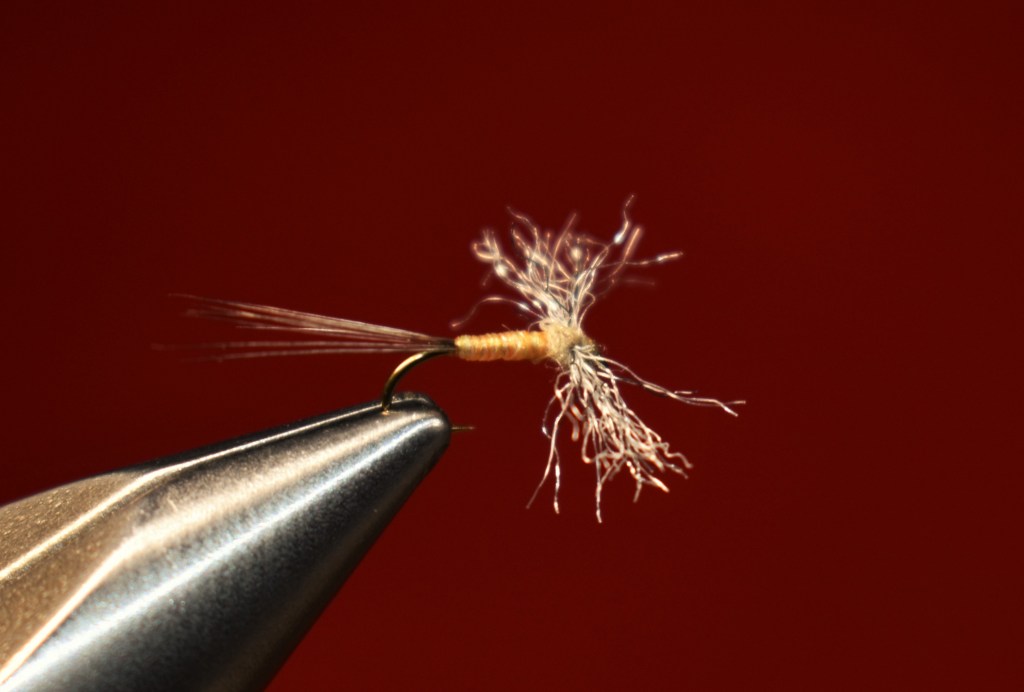
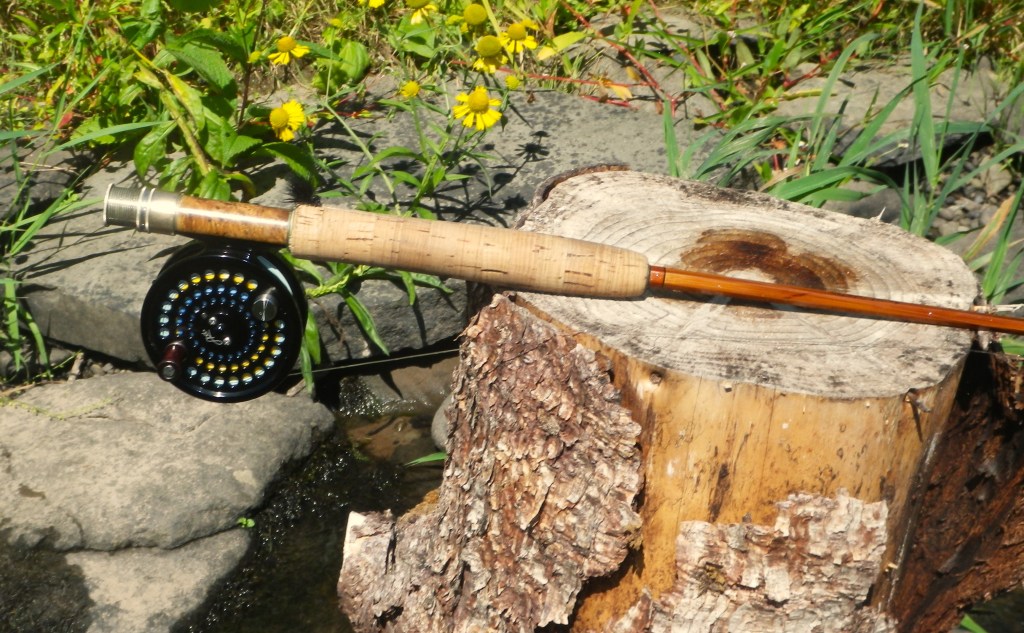
Summer finds me carrying at least two sulfur boxes and a crisp eight-foot bamboo rod that fishes a four weight line. Such a rod can be the perfect foil for the variety of angling situations I can expect to encounter.
Trout can be found sipping sulfurs from bright riffles and runs to clear, slow pools, depending upon time and conditions and their individual preferences. From mid-May through August, I often encounter brief little appearances, perhaps no more than a dozen flies drifting downstream over a span of five or ten minutes. I might see one or two rises during these occasions. If I do, I pin down the trout’s location and get my fly to him as quickly and perfectly as possible!
Some of these moments garner more favor among my memories than some of the heaviest, sustained hatches.
One evening years ago, I sat on a riverbank sipping a chilled lager while hoping for a Green Drake hatch. As the evening progressed, I noted a few sulfurs drifting down through the run and, eventually, a soft dimpling rise near the far bank. I finished my beer, rinsed the bottle and placed it in the back of my vest, then slipped gently into the river.
A size 16 sulfur comparadun had replaced the drake on my leader when the first flies appeared, allowing me to take advantage of one of those ephemeral moments encountered along the rivers. I waded quickly but carefully into position and offered my sulfur to that bulging and dimpling trout with a long reach cast. He took it as softly as he had taken the naturals, then exploded when I lifted the rod. He turned out to be the first of a pair of beautiful wild browns the sulfur delivered that evening, each passing the twenty-inch mark on my net handle. There were no other risers, and no drakes encountered that night, though I stayed until darkness blanketed that little grove among the trees. Honestly though, I didn’t miss them.
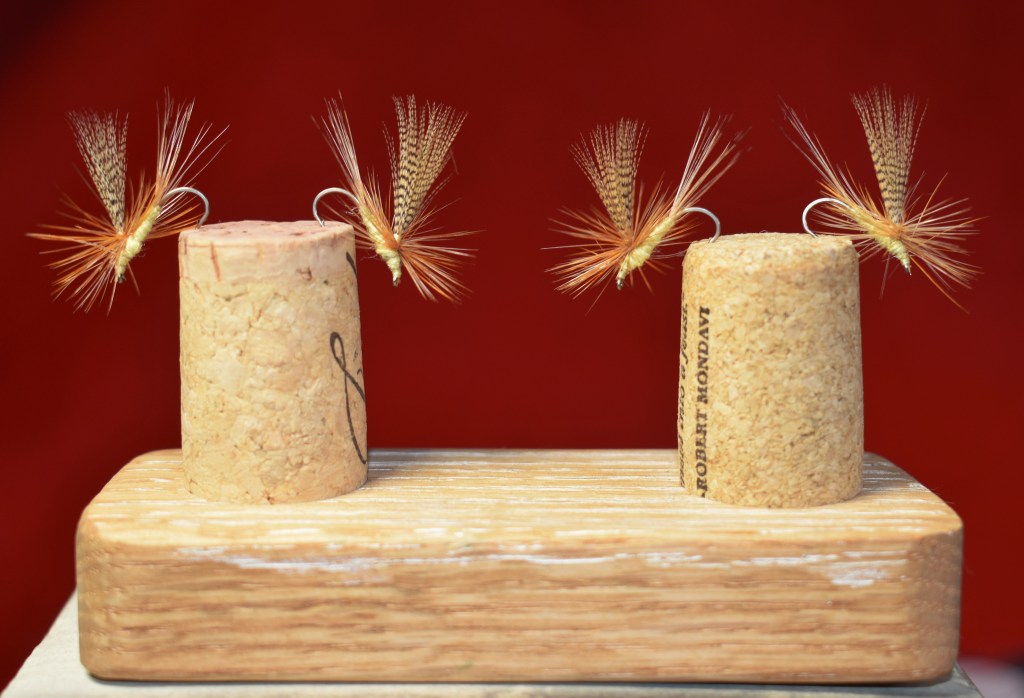
 Bright Waters Catskill