
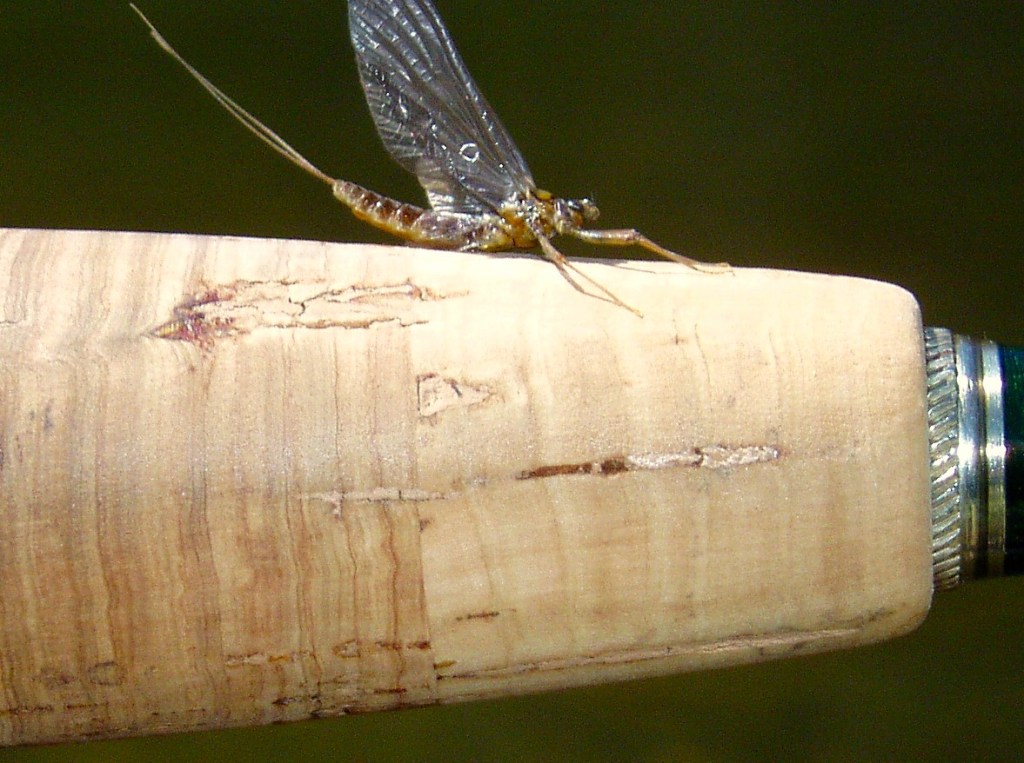
One of the last fly boxes I need to fill has come up for it’s turn beside my bench. Blue-winged Olives are some of the earliest mayflies, as well as the latest, and they will appear throughout the season to interest both fish and fishermen. Certainly, the olives provide a good deal for fly fishers, as there are many species that can be imitated with just a few dry flies. Like many anglers, I find success with a medium dark olive body in the early and late seasons, and a pale bodied form during the summer months. Tying a few favorite patterns in a range of sizes and those two general colorations can cover a great deal of fishing.
Yes, I have seen situations where a trout was particularly selective during an olive hatch though, more than during any other similar event, perfecting the presentation of an old reliable general olive pattern has solved the puzzle.

For many years, I reached for small olive parachute flies tied with Antron Yarn wing posts, and CDC winged olives are always in my vest. As far as classic Catskill flies go, I rely upon Art Flick’s time tested, beautifully simple wingless hackled fly, particularly during summer fishing to trout sipping the tiny olive duns from size 22 down to 26.
When I find trout that refuse my standard little BWOs, the culprit is most often size. While I have coerced any number of big, difficult wild browns to take my size 20 T.P. Dun when selectively feeding upon sparse hatches of smaller mayflies, no fly is infallible. When the tiniest flies emerge in good numbers, the fish can lock in as they did one summer evening on the West Branch Delaware.
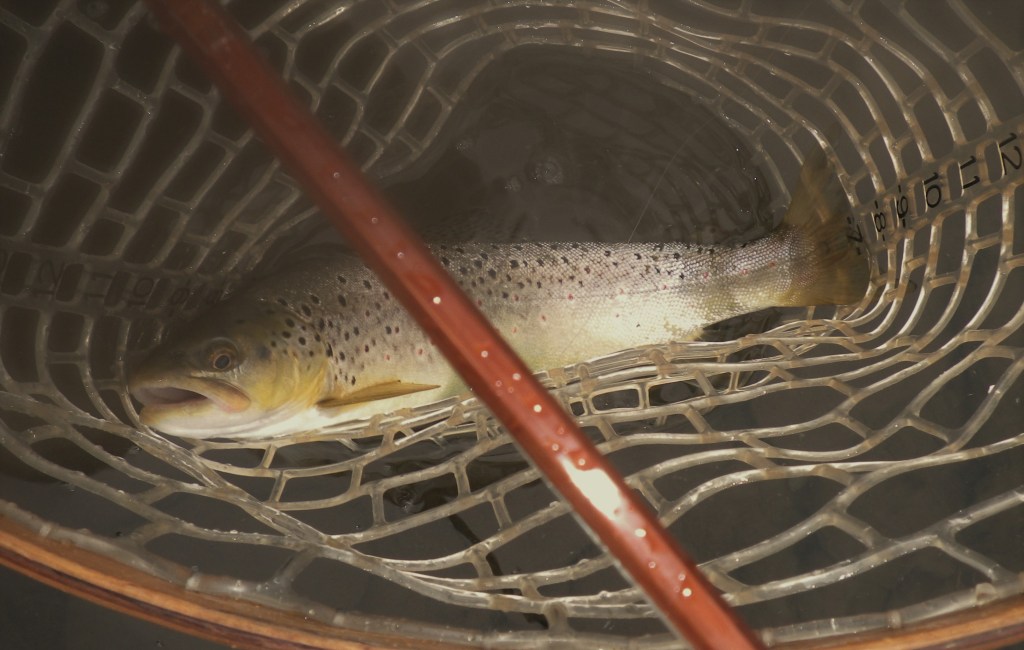
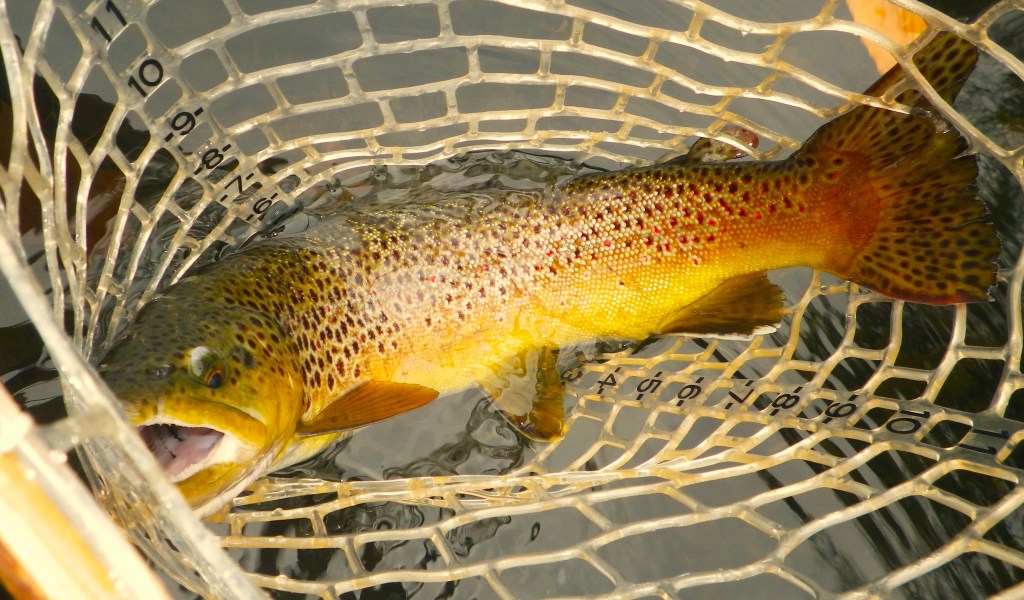
It had been an enjoyably challenging afternoon: stalking risers in big water, patiently waiting on the obligatory wind gusts, and reaping the rewards of stealth and determination with a few nice brownies. Around five o’clock, my earlier success ended abruptly, and I began searching for the cause. There were more rises than there had been throughout the afternoon, and I had to get my old eyes close to the surface to deduce the problem. Finally managing to clutch a tiny mayfly in my stubby fingers, I found that this heavier emergence consisted of miniscule size 26 olives. The size 22 olive I had been fishing was twice as long as the naturals! My search through my chest pack yielded a single size 24 cdc pattern, which may as well have been size 10. One angler in our party of three had size 26 imitations in his box, and he was the only one to take a trout after the hatch changed.
While the old reliables achieve that reputation for a reason, it pays to be prepared for the extremes, even on bright, breezy summer days!
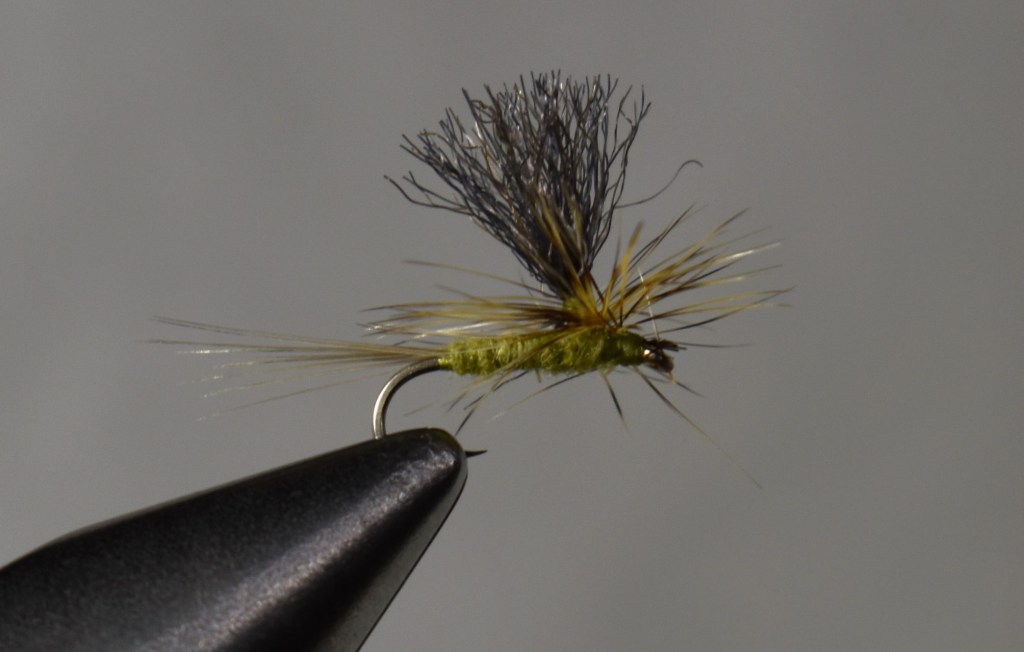
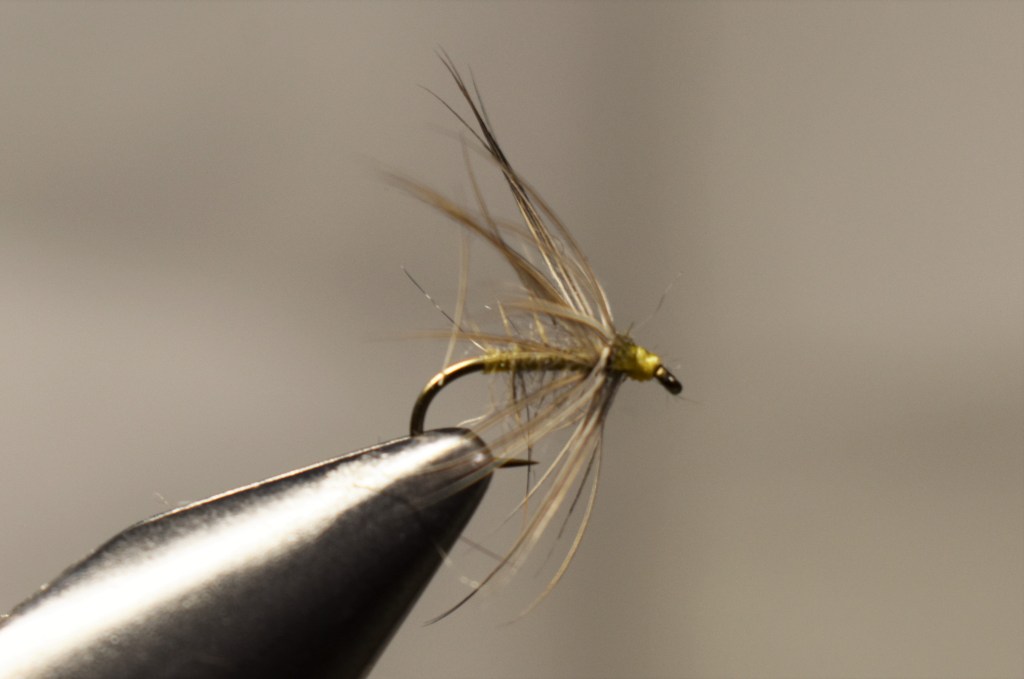
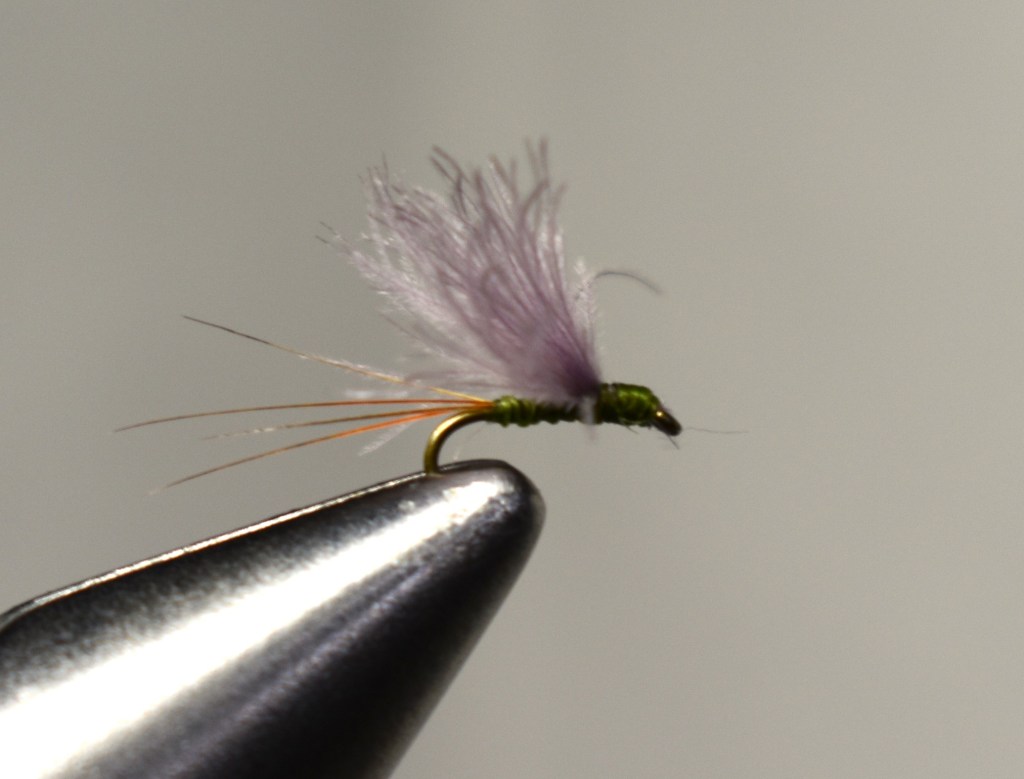
This Thursday night, our Catskill Fly Tyers Guild gathering will feature a group share and discussion of favorite olive patterns, so while I work on outfitting my olive box, I will be deciding which pattern I will share with the group. Though I rely upon the general purpose patterns a lot each season, I am always looking for a new ace in the hole, and that makes my choice more difficult.
 Bright Waters Catskill