
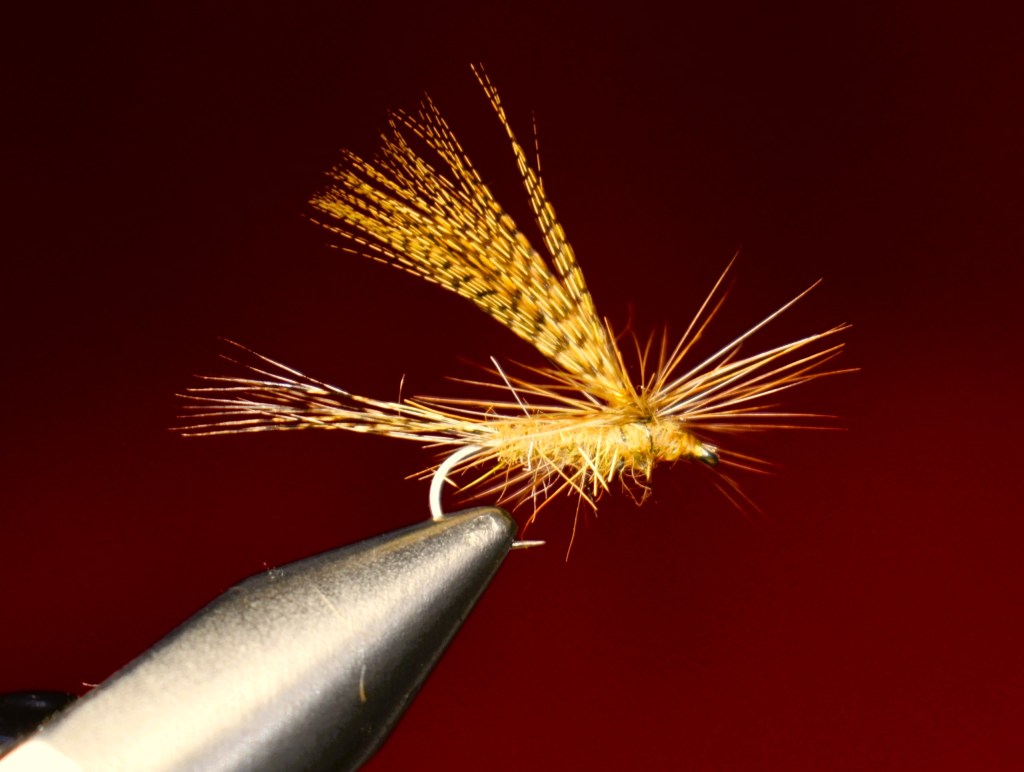
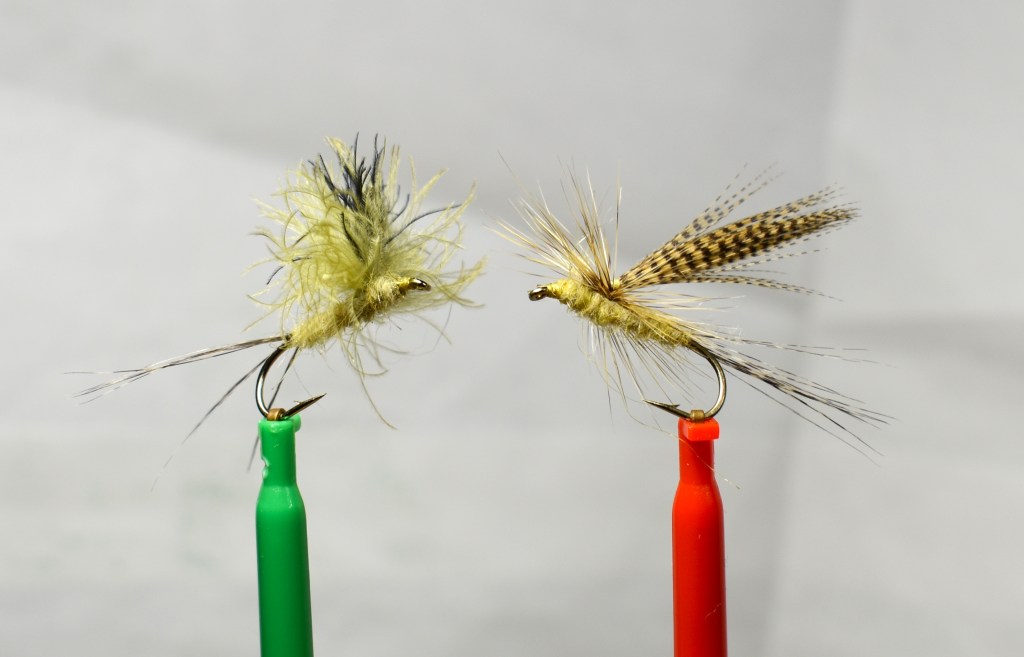
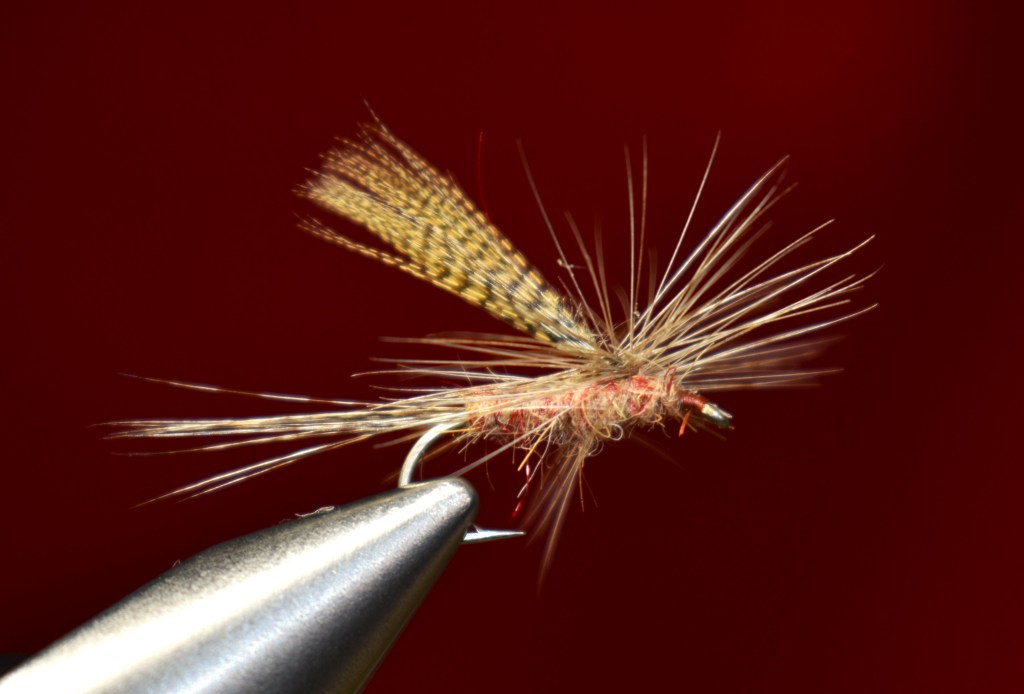
A glimpse of a speckled cream CDL tailing feather in the corner of my tying desk brought to mind the final pattern required for my A.I. (Atherton Inspired) series of hatch matching flies early this morning, and I wasted no time in blending the appropriate dubbing and tying half a dozen A.I. Light Cahills.
The series will now span the season, covering the major mayfly hatches: Quill Gordon, Blue Quill, Hendrickson, March Brown, Light Cahill and Isonychia. But wait, haven’t I left out the ubiquitous sulfurs and the majestic Green Drakes? Actually no, and yes. Drakes and sulfurs were the first two mayflies to be dealt with when my interest in John Atherton’s flies and theories put me on the road to combining his theories with my own.
When I acquired a supply of seals fur last winter, I prepared a dubbing blend for Green Drakes and sulfurs, using seal, beaver and fox furs of varied colors in accordance with Mr. Atherton’s theories. Later I also blended a similarly concocted Heritage Red dubbing that was applicable to the flies I call the Beaver Kill Hendrickson, as well as Red Quills and even Isonychia mayflies. When added to the selection of A. I. blends, these allow a very complete coverage of mayfly hatches.
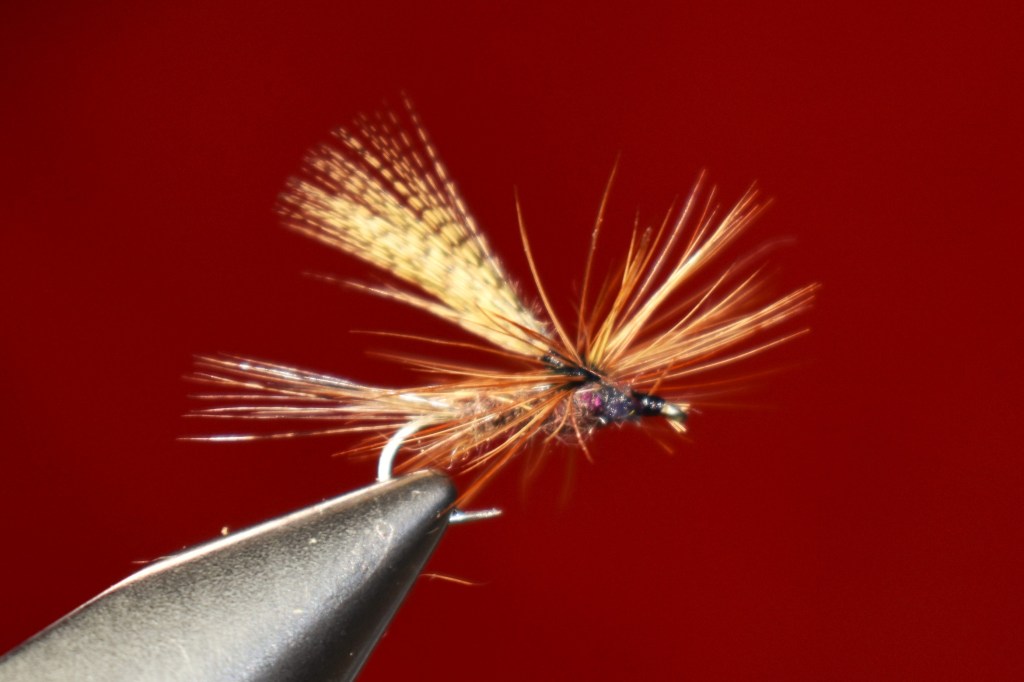
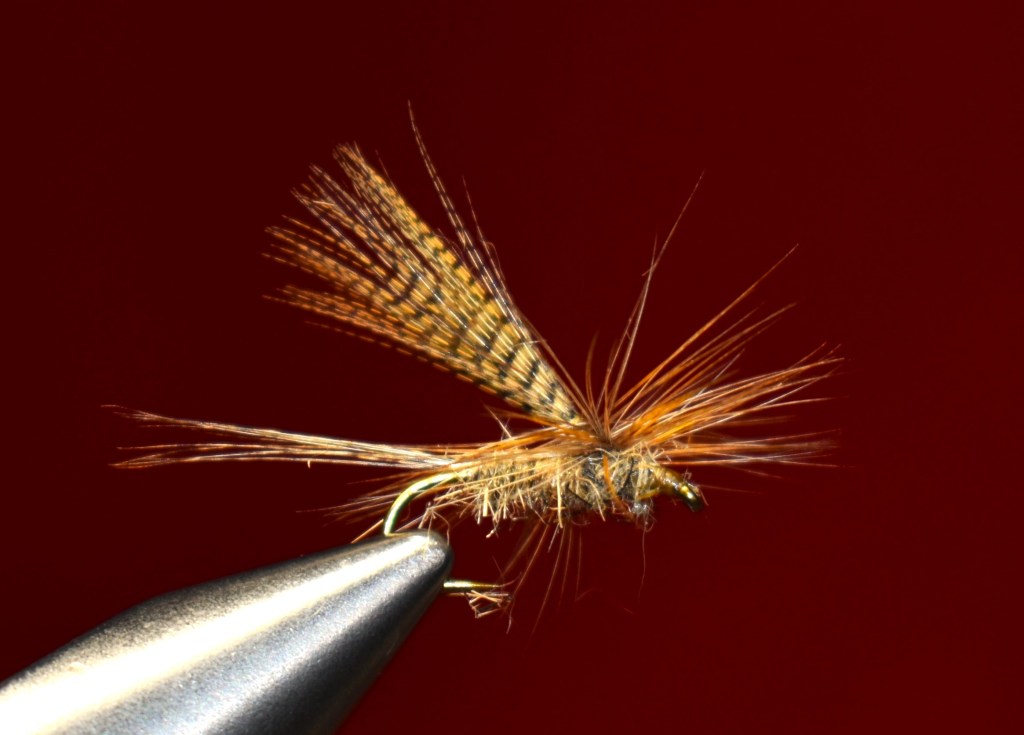
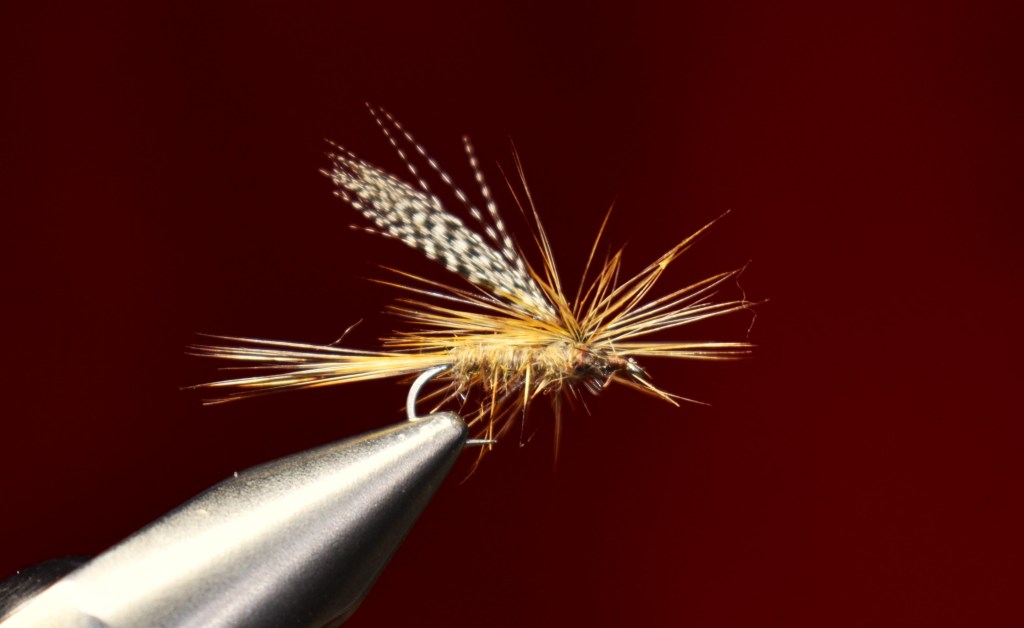
My biggest challenge is thoroughly testing all of the experimental patterns I tie each season. Some hatches appear only sparingly and, even though I fish one hundred or more days per year, I don’t always get a chance to fish them. My tactics for proving new designs complicate things further, as I only go to an experimental pattern when a proven, commonly used fly fails to take a good trout. The purpose of my experimentation is to develop flies that take the most difficult trout, thus they should be reserved for instances where my usual patterns fail. I hope I will be granted the grace to live long enough to prove or disprove all of my fly tying designs.
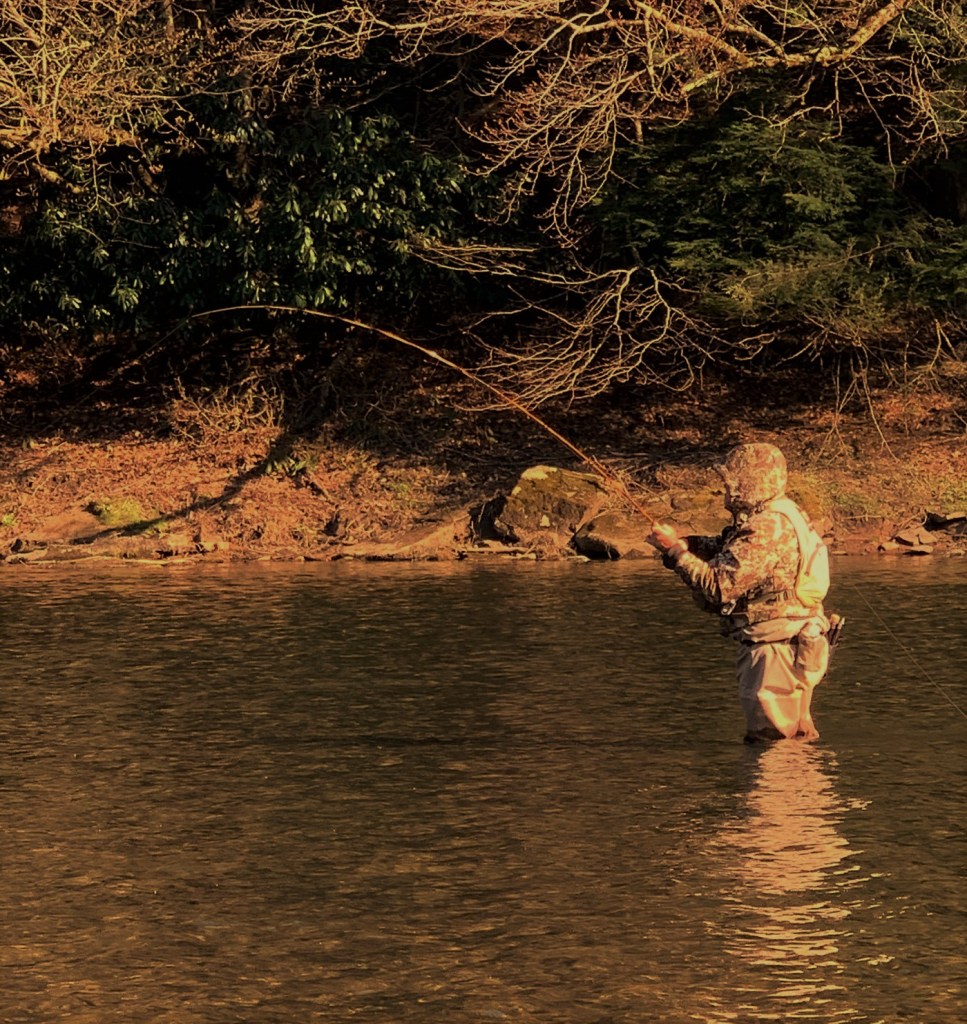
 Bright Waters Catskill