

The sun shines brightly in the winter sky, threatening to warm our mountain air enough to flirt with fifty degrees. Oh, how I wish I could slip away and swing a fly for a couple of hours! Alas, an old enemy – bronchitis – has me coughing and retching horribly with even a short walk in the winter air. I am a prisoner of memories…
There has been a great deal of observation and fly tying experimentation these past few seasons, committed as I have become to hunting the great wild trout of the rivers of my heart. If I let my mind wander a bit, the patterns that worked exceptional magic bring a smile, brightened by the memory of the moments that crystallized my resolve to continue my quest.
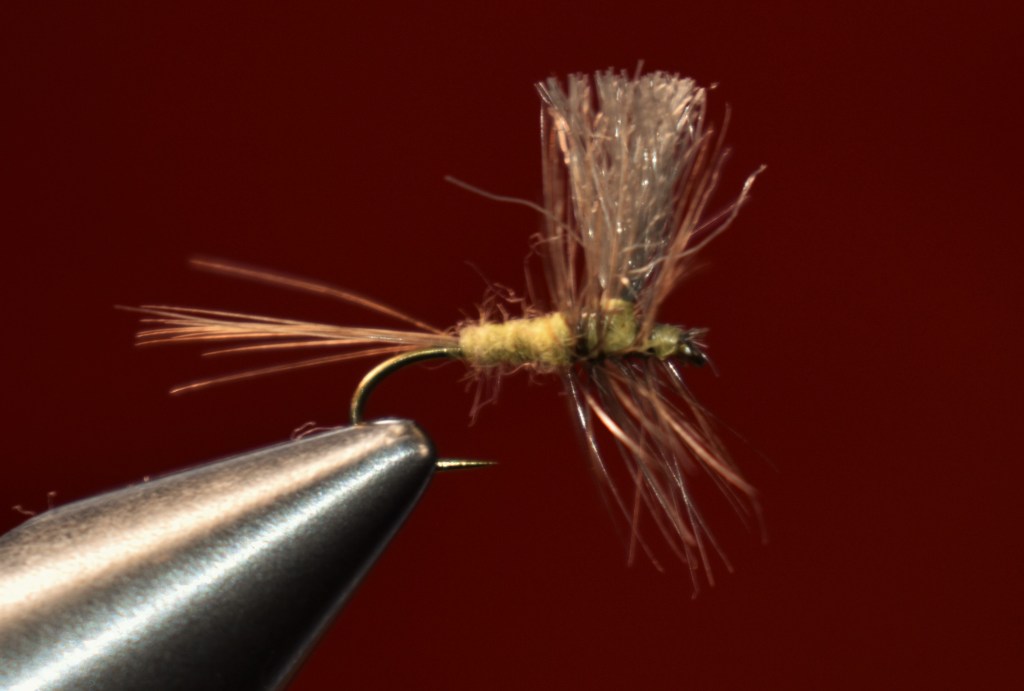
Tied first as a Poster, she produced some mesmerizing moments during a lull in the seasonal hatches. I was angling on a favorite reach of bright water on such a day. There were barely enough flies to bring a few soft rises intermittently, and the timing and location made me feel certain they were sulfurs. None of my tried-and-true sulfurs drew any interest from a trout, and then I remembered that Delaware morning. I set to work on one devilishly inviting riseform and the ensuing battle left me breathless when I brought a heavily muscled two-foot brownie to the net!
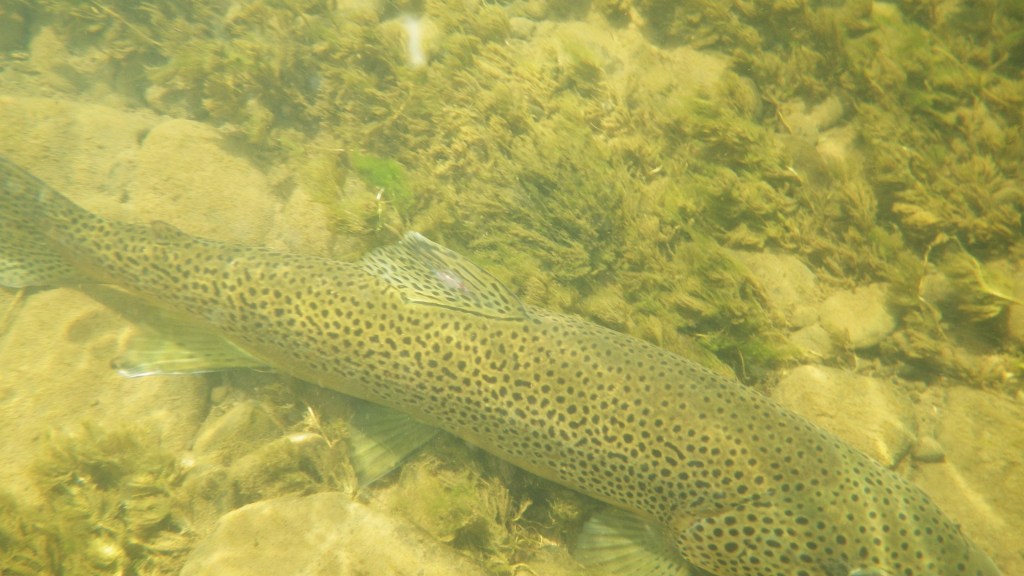
That was not to be the end of my day, for the fly I have come to call the Lady H fooled another leviathan of like proportions come early afternoon. The lady has since earned her own fly box, which harbors an assortment of Posters, parachutes, CDC Duns and 100-Year Duns! She makes magic between the earlier Hendricksons and the March Browns, when long days on the river sometimes reveal few risers, thus the little Lady H has stolen this angler’s heart!
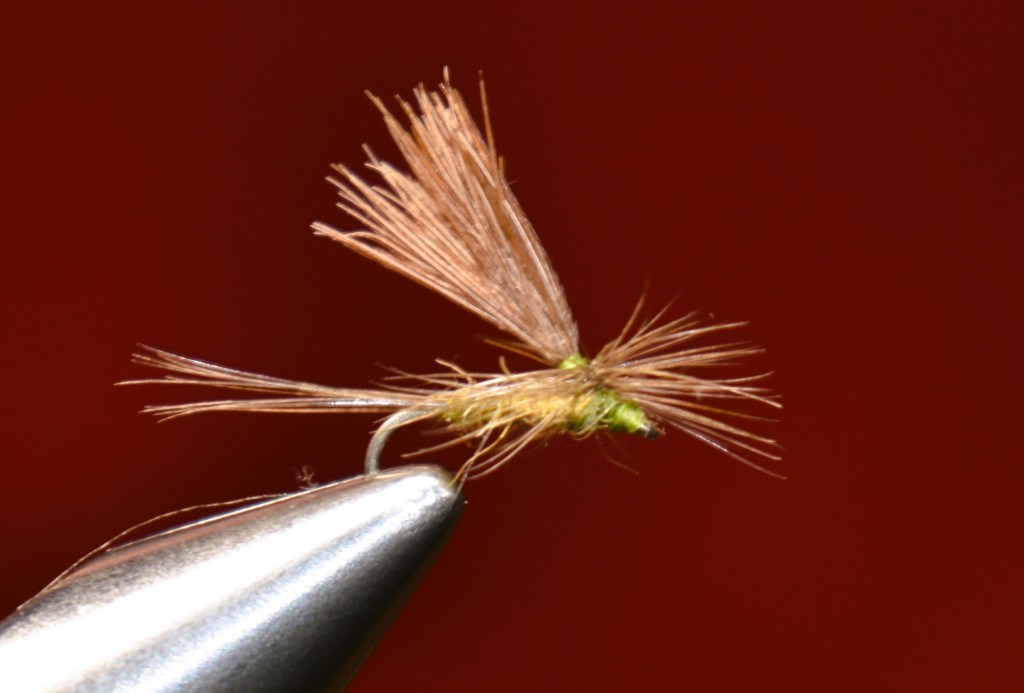
I recall showing some early 100-Year Duns to a friend who asked me why the wing was “pushed down like that”. I continually pay homage to the father, Theodore Gordon, for the inspiration to begin my journey tying the single canted wood duck wing. Though my signature fly began with the Green Drakes all those years ago, the expansion into all of the other primary Catskill hatches has revealed just how effective this style of fly can be. In particular, the small flies have been revolutionary.
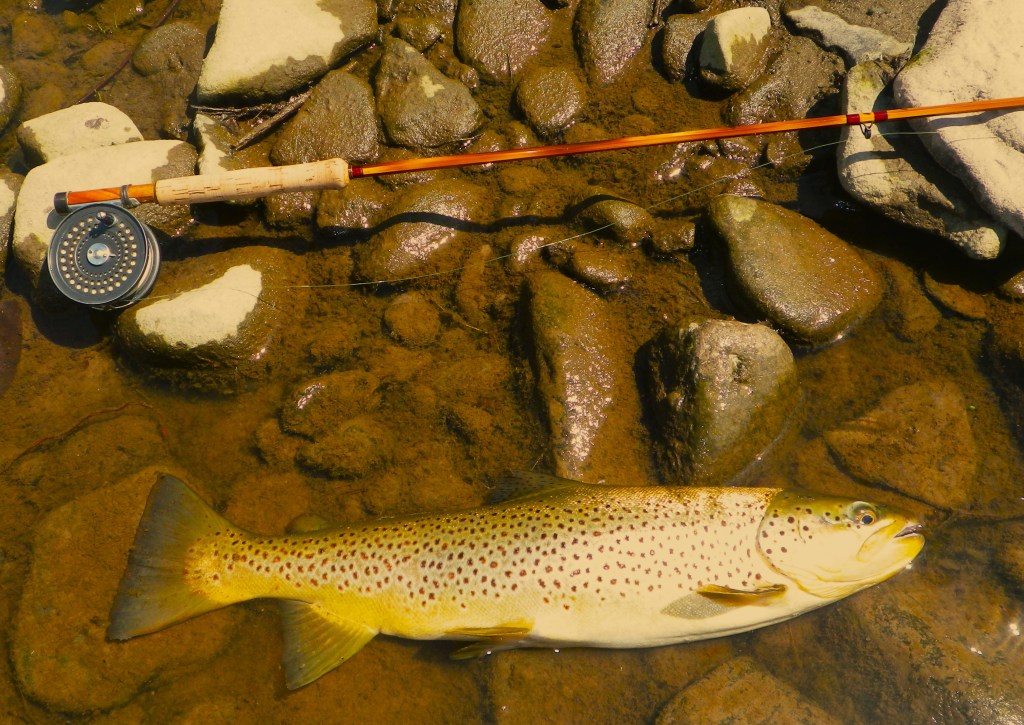
Last year, late October, and my season finale proved to be perfection. I had tied three little 100-Year Duns on size 18 hooks, dubbed with my old favorite olive muskrat fur, and winged with widgeon. Late in the afternoon I stalked a low, clear flat and discovered a gentle dimple near a fallen branch in the edge of the shade. The fly was cast short, one time to assess the float, then offered to the full soft ring before me. Oh, she spun the Hardy LRH madly as she streaked to mid-river, my coveted T&T Hendrickson bowed mercilessly! Captured, she was a gorgeous apparition of gold and bronze, my final trophy for the dry fly season.
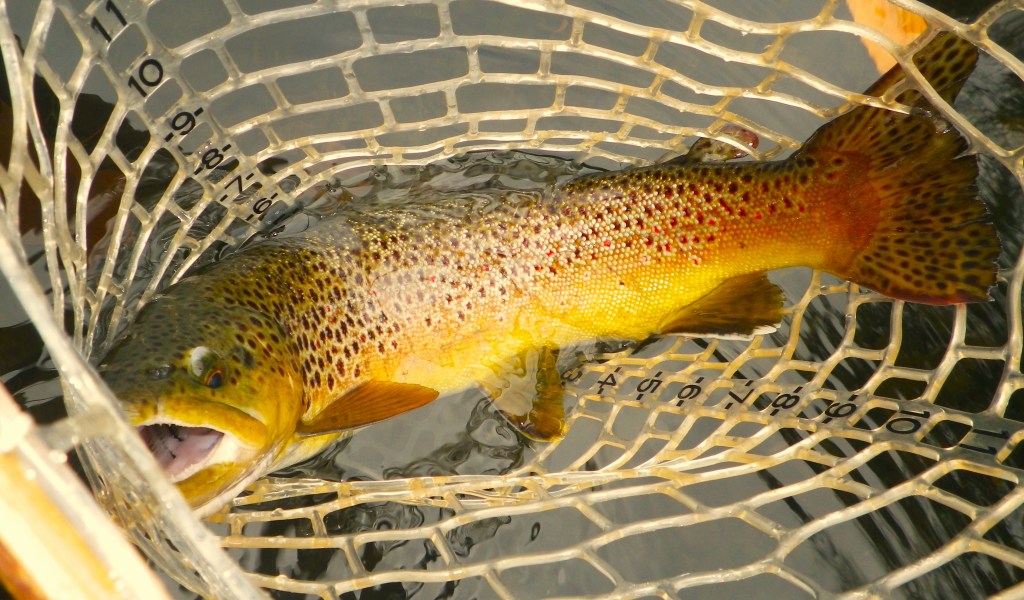
In April, I live and breathe for the Hendricksons, but even with a good hatch on the water, Nature can weave a mystery of deceit. It was not one of those days to find multiple risers, and when I finally found one good fish in a difficult lie, I gave my full attention. It took me some time to realize that, though there were plenty of plump Hendrickson duns dancing on the broken currents above that trout, I had failed to see even one vanish in the soft rings that betrayed my fish’s lie. There had been little flurries of smaller flies earlier in the day, but I was seeing only Hendricksons out there on that run.
My eyes fell upon the last of those little widgeon-winged olives tied last fall, and I smiled as I plucked it from my fly box. All hail the little 100-Year Duns!
 Bright Waters Catskill