
One of the nice things about winter fly tying involves the memories that drift back into consciousness as I craft each pattern.
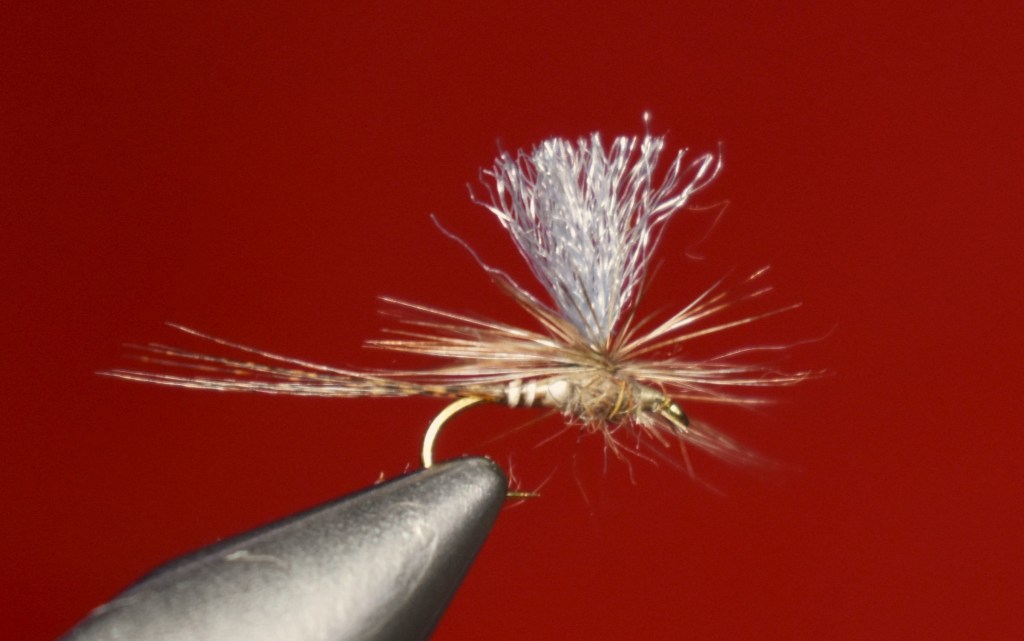
I’ve been tying spring patterns for one of my best friends, hoping to urge him to make room on his globetrotting calendar for a drive to these Catskills when the fishing is at its best for a change. Winding the goose biot body of a small Blue Quill Parachute this morning, I found myself along a sparkling little side channel of the West Branch…
It was April, and I was carrying a rod my friend Wyatt Dietrich had made for me a few years prior. The rod was a three-piece bamboo made to the specifications of his mentor, the late George Maurer; a taper George called the Trout Bum. I had fished the rod in a few different places, but I had never carried it on one of those special days.
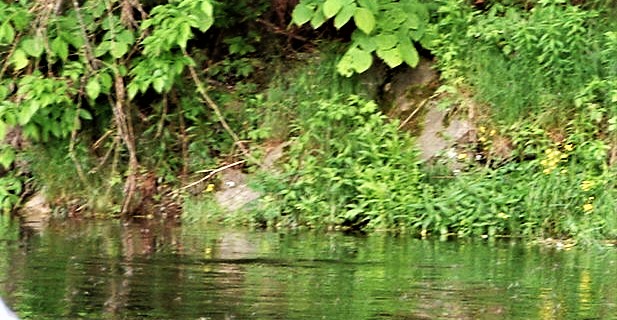
The river was high, high enough in fact that wading that back channel made a hell of a lot more sense than trying to wade the main river. I was working my way upstream, noting some little Blue Quills bobbing on the surface, and had knotted one of those biot bodied parachutes to my leader. There would be a rise here and there, but no sign of a trout actually feeding regularly, until I worked my way well upstream. There I found a chunk of tree branch lying along the bank, shrouded by an overhanging bush. Right under that old fly catcher, there was a very nice fish working hard to reduce the population of those quills.
Within a few casts, I had the feel of the Trout Bum and began placing my flies in the bubbly little line of current that carried it beneath the bush. Of course, that current wasn’t clean, as the branch deflected some of the flow out and away from the bank and made it tough to manage a drag-free float. The trout was sort of sliding around in a small area, picking out certain mayflies, passing up most of them, and my fly.
I studied the currents closely, finally finding the right spot to land my fly. The more casts I made, the more comfortable I became with the rod. I cut down my leader a little and replaced the 5X tippet with 6X, thinking that was the only way I was going to get enough gentle slack to master Nature’s little percolator with the water flowing three different directions. That did the trick.
My fly bobbed and dodged just like the naturals were doing, and the trout came up and sucked it in, leaving one of those subtle little rings that anglers often mistake for the rises of little fish.
That old boy shot out of there and into the main current, spinning the reel and making the rod buck like I was beating a rug with it! I was near the whitewater in the head of the channel, and the flow was strong all the way down. For a moment I had a flashback to another bruiser I had hooked there many seasons earlier. He never stopped. Luckily, this fellow did!
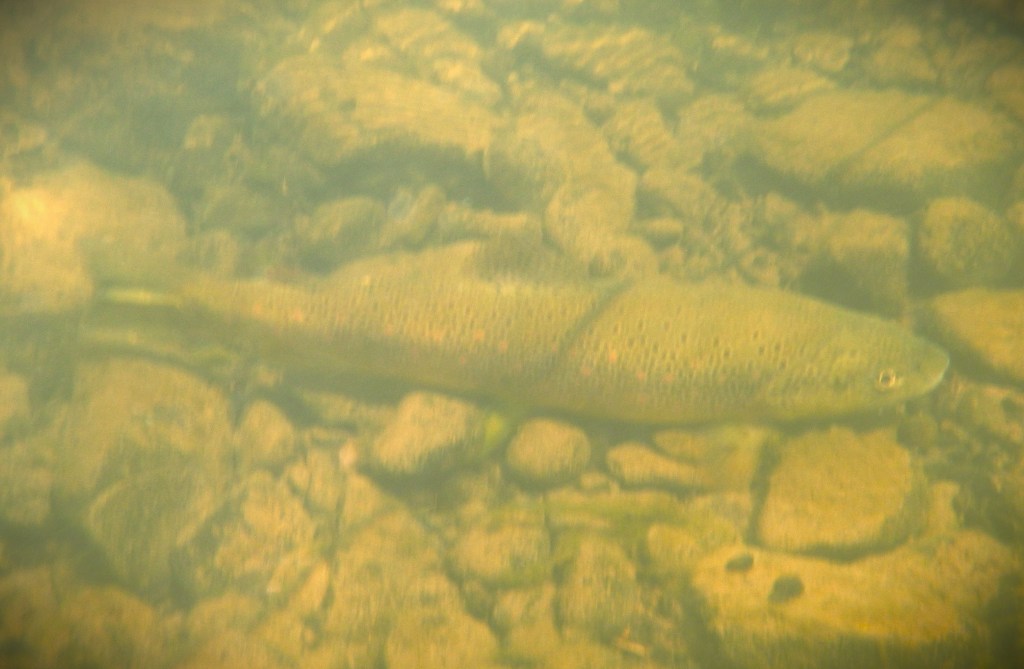
The fight was long, active and tense. I couldn’t help but think about that flimsy 6X tippet every time he turned his flank against the current and the rod bowed deeper and deeper. When he came to the net at last, I took special care not to touch that tippet with the rim. It’s not very hard for a five-pound brown to break that stuff.
 Bright Waters Catskill