A Sundrenched Interlude

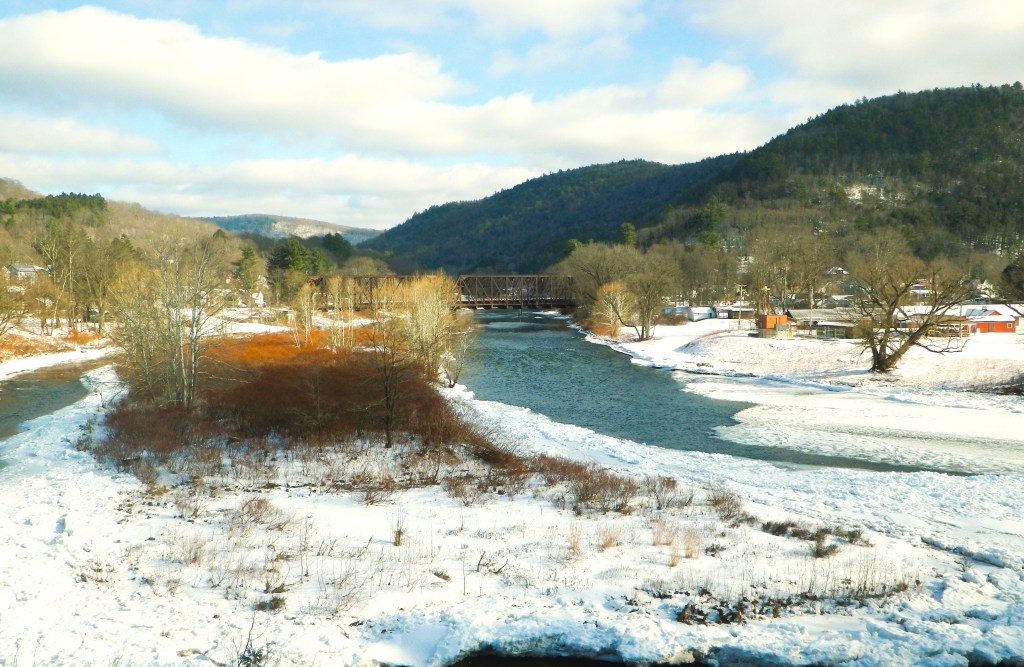
The sun illuminates Crooked Eddy: January 8, 2026

Sometimes a day brings a little surprise, even in January! I stepped out of the shower to brilliant sunshine streaming through the bedroom window, despite a forecast promising nothing but more cloudy weather. I dressed for the outdoors and set about a riverwalk, eager to take advantage of the moment before it slipped away.

I enjoyed the walk, despite the ice still clinging to the gravel road along the river, stopping to take a few photos and marveling at a flock of more than fifty Canada Geese spread out along a run of open water. My old bones need the exercise, and my soul a bit of deliverance, so any break from the recurrent ice and snow is more than welcome.

Going back out to retrieve a delivery a moment ago, I
found not only that the sun still glided high, but had warmed the microhabitat of my little porch to a balmy 59 degrees! I stopped to ponder just how perfect that is for the cheer of a cold beverage and a porch sit! My little Angler’s Rest’s western exposure collects the direct rays of the afternoon sun, usually warming that small, covered porch eight to ten degrees higher than the ambient air temperature.
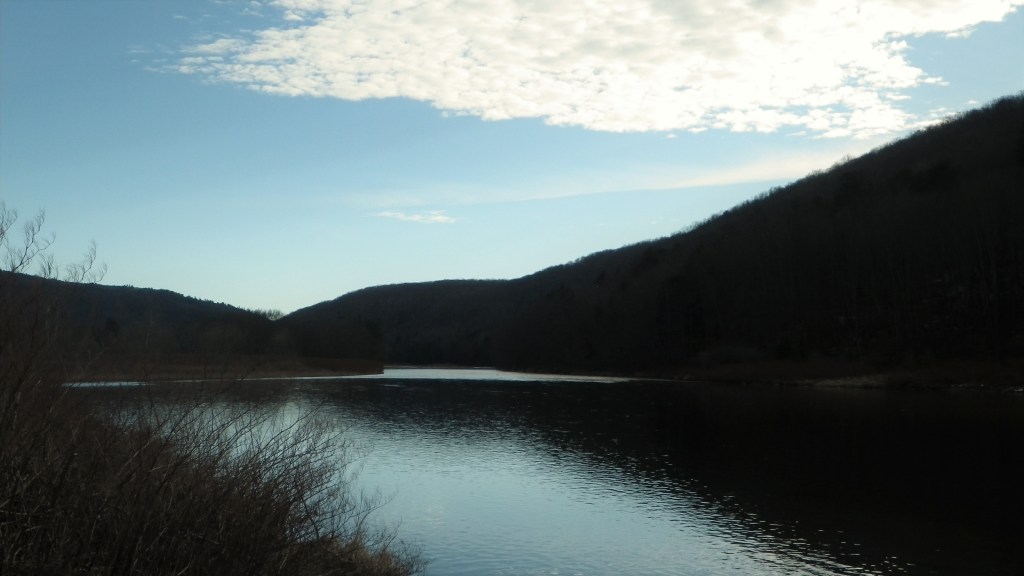
Winter sun on the Delaware

Ahh, I simply had to step away to enjoy those fifteen minutes in the warmth of that amplified sunshine. The ale which accompanied me was a favorite known as “Breakfast Juice”, brewed by the fine people at Hidden Springs Brewhouse in Norwich, New York. They describe this as “an American style wheat ale brewed with blood orange puree” and I find it most satisfying whether enjoyed in summer, winter, or any other season. My interlude was brief, for the sun was just above the top of the tree line along the summit of Point Mountain when I sat down, and over the top within fifteen minutes. Still, such moments are something special to enjoy on a January day.

Point Mountain with mist rising as an April snowfall greets spring sunlight

If you find yourself a snow and icebound angler, desperate for deliverance, raise an ale to celebrate any moment of sunshine and hope you encounter!
Tying History: The Soft Hackled Dry Fly

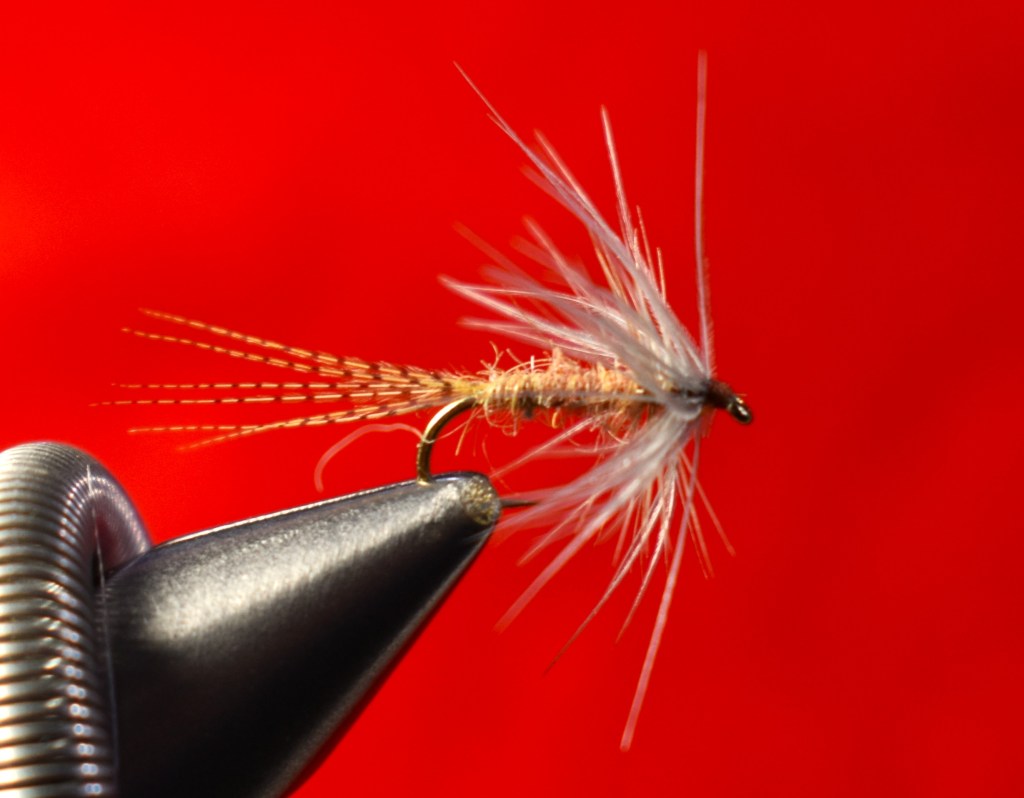
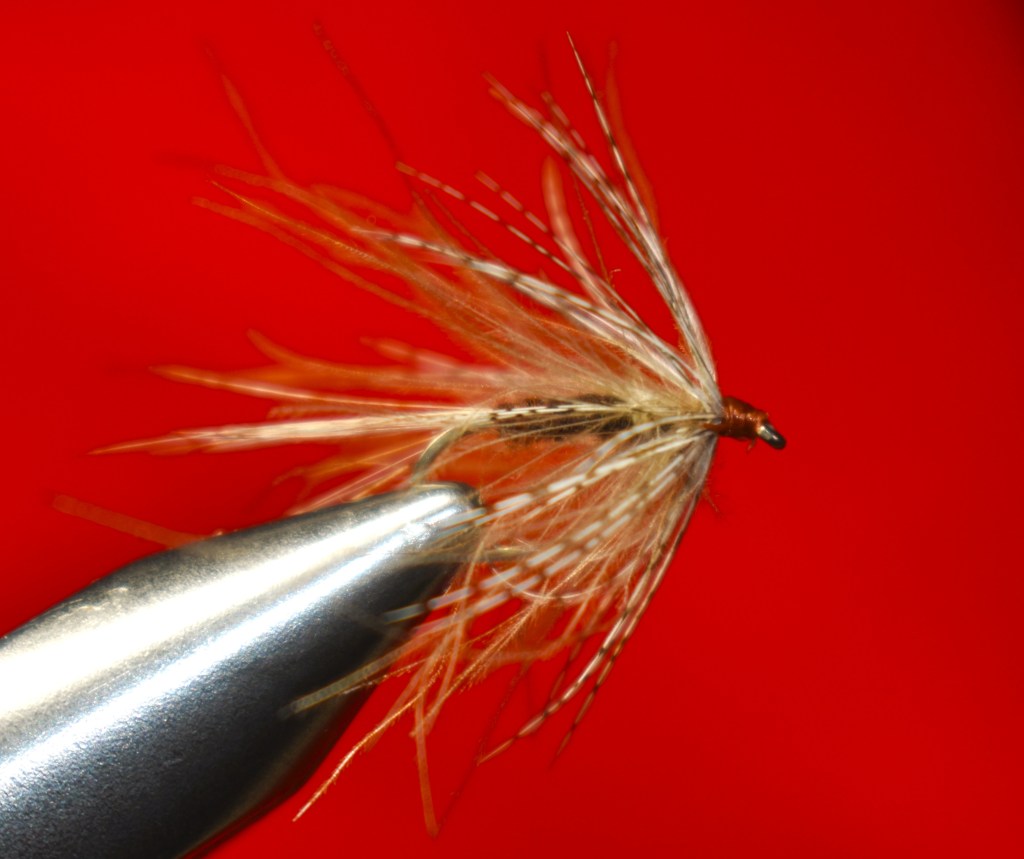
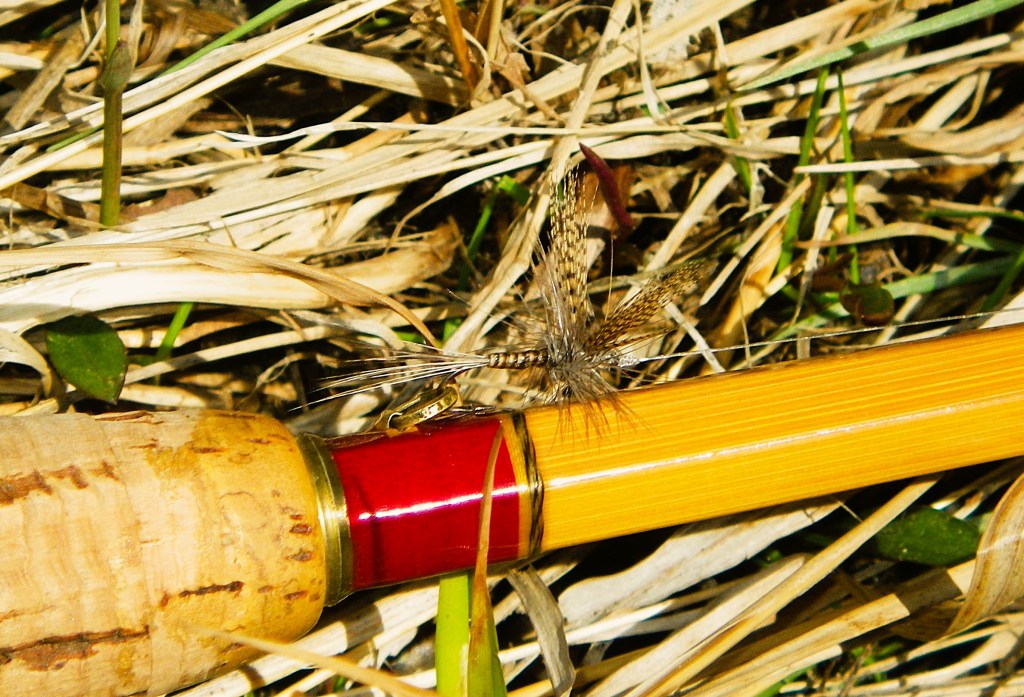
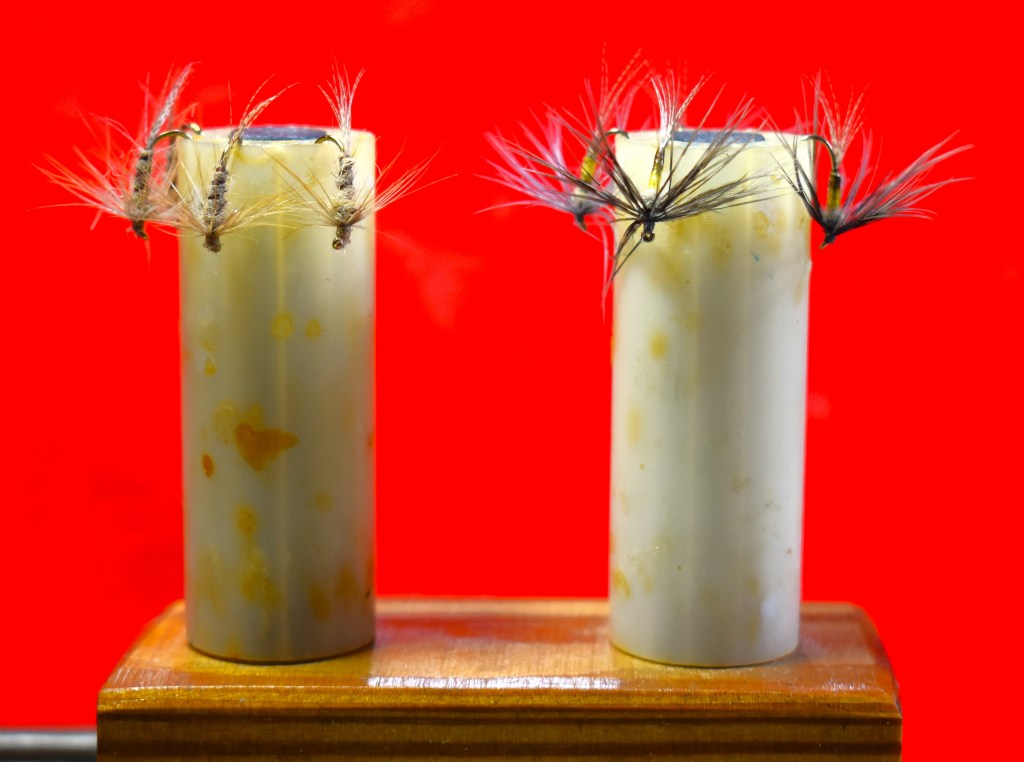
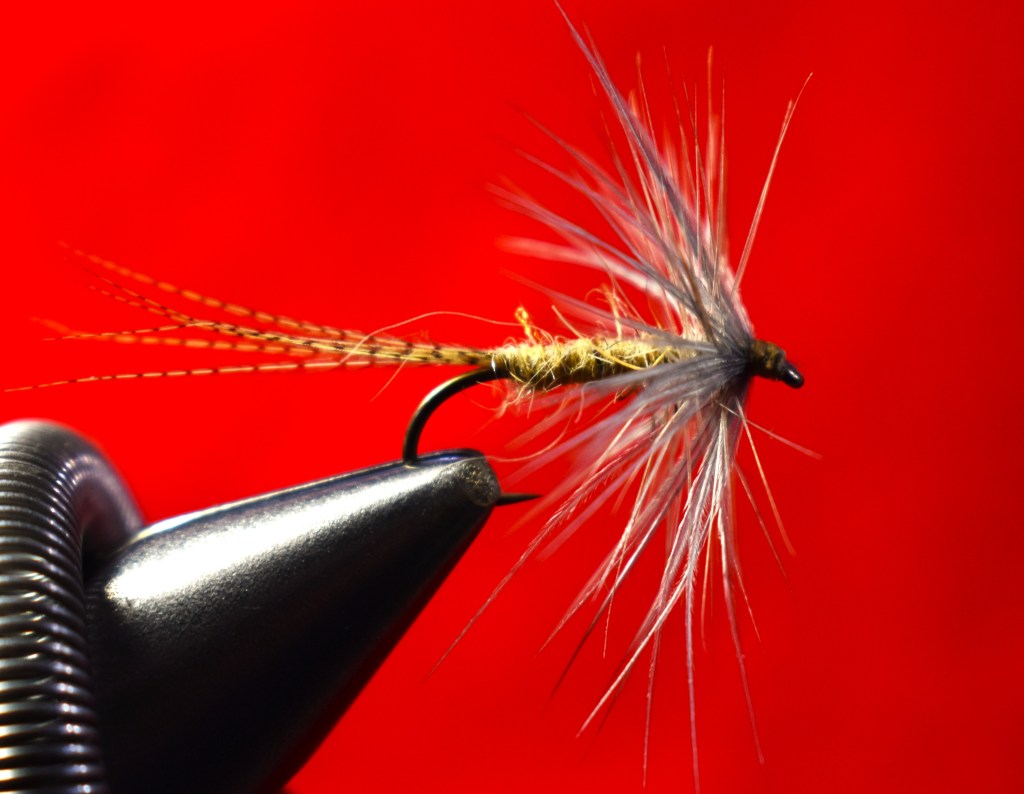
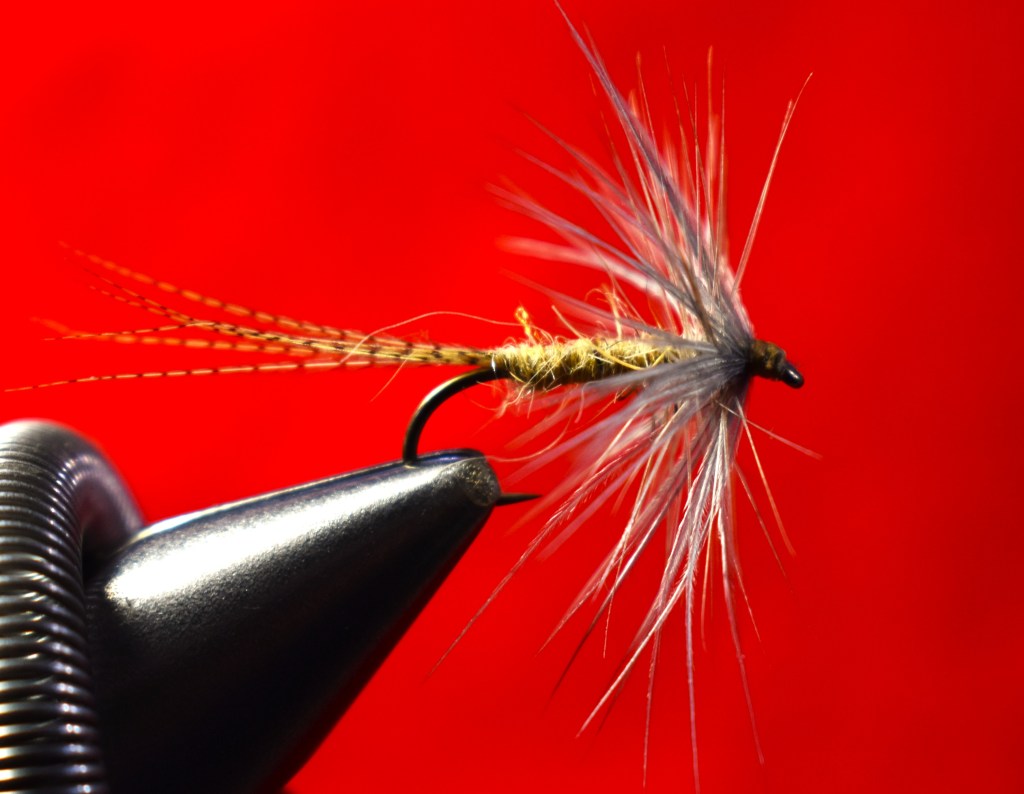
I stepped away from the classic dry fly the other day by tying a few hatch-matching soft hackles. Versatile flies to say the least, I most often fish these in the surface film to imitate drowned duns or spinners. In “Pheasant Tail Simplicity”, the recent collaboration between Yvon Chouinard, Craig Mathews and Mauro Mazzo, I noted the Pheasant Tail Dry Fly the authors presented with interest. Tied in a style that dated to the mid-1800’s according to the trio, a few turns of cock’s hackle behind a few turns of Hungarian Partridge, the fly recalled some of my own thinking, using wrapped CDC behind wrapped partridge for my “Drowned Hendrickson” pattern more than two decades ago.

In corresponding with Fellow Catskill Fly Tyers Guild Member Lou Duncan of late, he mentioned his fondness for and success in fishing various styles of soft hackles. Lou feels that movement in the fly itself is especially important to successful imitation, a belief that remains one of my own guiding principles in fly design. He shared an excellent article with me: “The Soft Hackled Dry Fly – The Phantom Among Us” from the Winter 2024 issue of “The American Fly Fisher”. Ably penned, and brilliantly researched by Stephen E. Wright.

Among Mr. Wright’s many discoveries related to the bi-hackled, dry behind wet tying style he dubs SHDF, perhaps the most surprising is the inclusion of 17 such patterns of fly in Frederick Halford’s 100 Best Dry Flies published in his “Dry Fly Entomology” in 1897. This gives so-called dry fly purists nothing short of holy guidance to tie and use this functional tying style in our dry fly fishing!

Reading the author’s bio and considering the familiarity of his photo, led me to believe he may well have been the gentleman I met at West Branch Angler a number of years ago. I recall a pleasant conversation or two in the Lodge, and at riverside, one of us going the other coming I believe, though I cannot recall the angler’s name. That has long been one of my little quirks of memory I am afraid, forgetting names though remembering most other details of a conversation. In any case, my compliments to Mr. Stephen Wright for a wonderful and valuable article!

It is good to know that I am on sound historical footing with both patterns, tied with my Atherton Inspired Hendrickson dubbing blend and reddish Beaver Kill Hendrickson blend to enhance their image of life.

The thought behind the Drowned Hendrickson all those years ago was to perfect the image of a dying Hendrickson dun awash in the film. Sparse winds of natural dun CDC added movement and clusters of air bubbles to simulate the mayflies crumpled wings while the sparse Hungarian Partridge hackle imitated the legs, with both materials moving gently in the currents.

The more recent Soft Hackled Spinner followed the same design theory as the Drowned Hendrickson.

A Sense of Place and Time

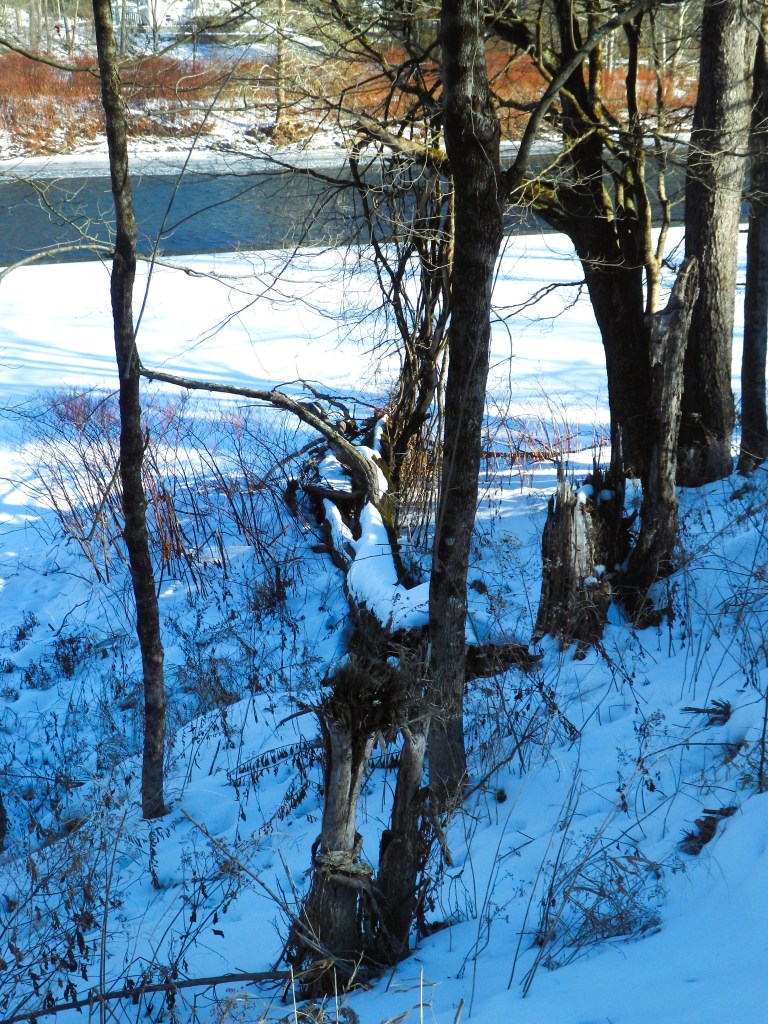
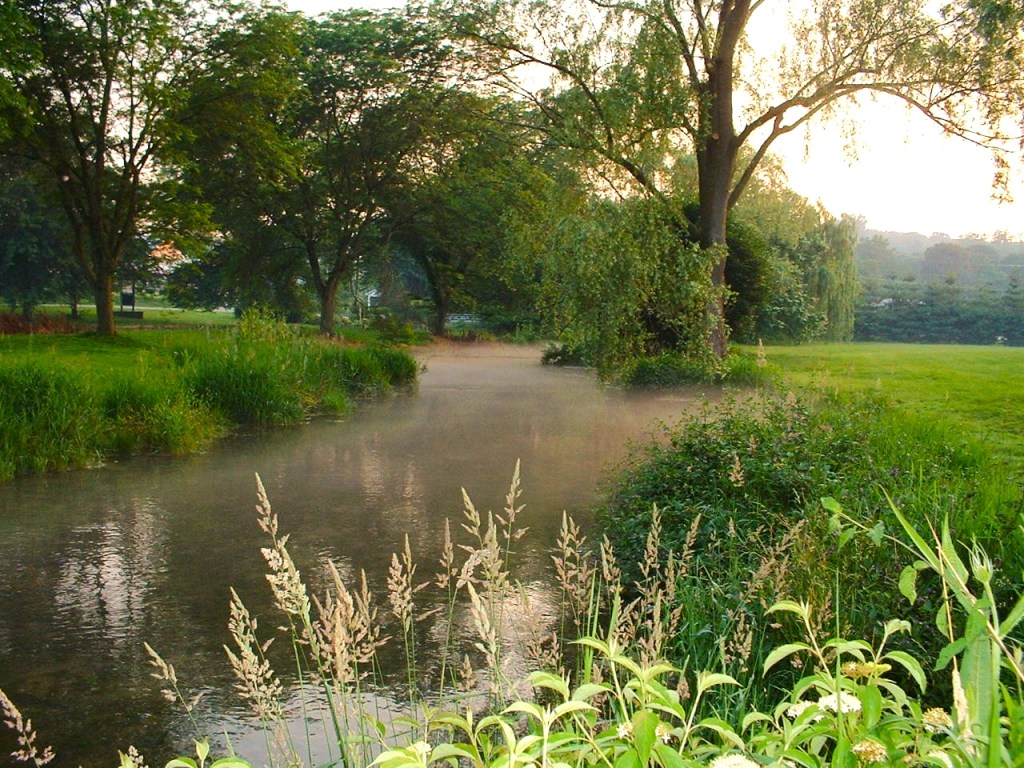
The early morning sunlight casts distinct shadows along land and riverscapes. Showcased by the extreme brilliance of winter sunlight upon snow, these stark pictures of the angler’s world inspire hope and trigger memory.

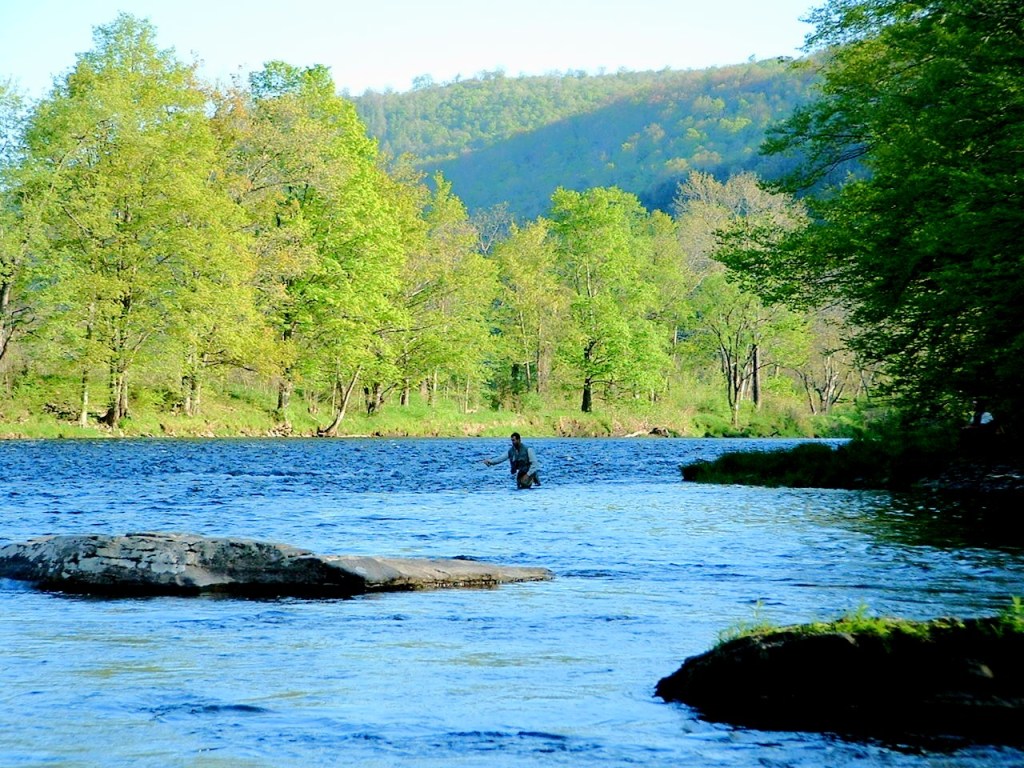
I recall those first moments when the thoughts of trout I could not catch inspired me: my first walk through Trego’s Meadow on the hallowed Letort, that first trip along the Falling Spring Branch, creeping low and slow while watching the bright flashes of her wild rainbows flee before me! These places were different from the waters I had fished in those early days as a bon-fide fly fisher, magical, impossibly difficult, the paths walked by the saints and giants of the sport.

Evening lights kisses the sky along the Falling Spring Branch

The legends of the Catskills called to me, even as I began to study those limestone streams, and here I found a new kind of difficulty. The rivers were wide and expansive, one moment lifeless, and the next alive with thousands of insects in the air above their currents. Those first hours upon the Beaver Kill, the most famous trout river in America, were impressive as well as mystifying. I found the answer on my last day of my inaugural trip, at least an answer to that moment on that particular run, and felt charged with discovery.

Hendrickson’s Pool, decades ago, amid the first blush of Spring

I would live near, fish and study Pennsylvania’s limestone springs for twenty-six years, learning solutions to many of their mysteries, yet still discovering new challenges each season. My visits to these Catskill Mountains were occasional at first, my list of rivers growing over time as my days here expanded. Three decades have passed in a whirlwind, yet there are impressions of all of these bright waters which remain etched into my soul.

There are common threads between these two regions which shaped my journey as an angler, for both are historical monuments in the history of fly fishing, particularly dry fly fishing, here in America. I have angled here throughout a modern resurgence and expansion of fly fishing. The young would say that there have been great advancements in knowledge, tackle and techniques during this age, though those of us with a greater store of years on the water know these to be the revelations of younger, inexperienced eyes, new pilgrims rediscovering the same truths.

Technology will not dispel the magic and the mysteries of trout and fly, though it convinces many that the answer to Nature’s puzzles as they confront them lie in some gadget in the palm of their hand. Those answers are there to discover, but they are as fleeting as the myriad questions which blossom in a day astream.

May it always be so!

Bright Hendricksons & Sleek Gordon Quills

And so, a new year begins as the old one departs. There is bright sunshine this morning to belie the air temperatures in the teens. Wind driven air strafes the Catskills, such that a walker determined to enjoy it’s freshness must brave single digit wind chill. I can hear that wind howling past the window above my fly-tying bench.

My inspiration this day was tied to the hoped for early spring hatches, Epeorus and Ephemerella, the Quill Gordons and Hendricksons. I wound soft hen hackles around the dubbed thoraxes bunched just behind the eyes of heavy wet fly hooks, flies to probe the riffles on those cold, windy days of searching to find the forerunners of the hatch.

Blasphemy you say, for a brother of the dry fly, but not if they are fished in the film! There it is hoped the motion of those soft, sparse hackles might tempt a trout still too aware of winter’s lethargy to sample a bit of life riding high on the surface.

I have friends who chose soft hackles and spiders first and foremost, and I always mean to give these flies their chance. They do find their way to my cast, though not nearly as often as their history might deserve. The dry fly is a stern master, particularly in a season where hatches are terribly sparse, thus I think once more of expanding my repertoire and easing my self-discipline. Should I find myself giving as many hours to sitting and waiting as last season forced upon me, these flies deserve a few casts to ease the mental anguish of my endless waiting!

These months are the bowels of winter. January and February rarely bring respite in these mountains. I have enjoyed it once in seven seasons, two or three days when a wisp of warmer southerly air teamed with distant rays of sunlight to urge river temperatures to flirt with spring levels! I chose the perfect hour of the perfect day and brought leviathan to hand. I still wonder if such a February afternoon will be a once in a lifetime Catskill experience.

I ponder the making of a few more flies, whether to complete the first dozen of the New Year on the first day, or wait for another burst of inspiration. Perhaps I will decide, after lunch…