
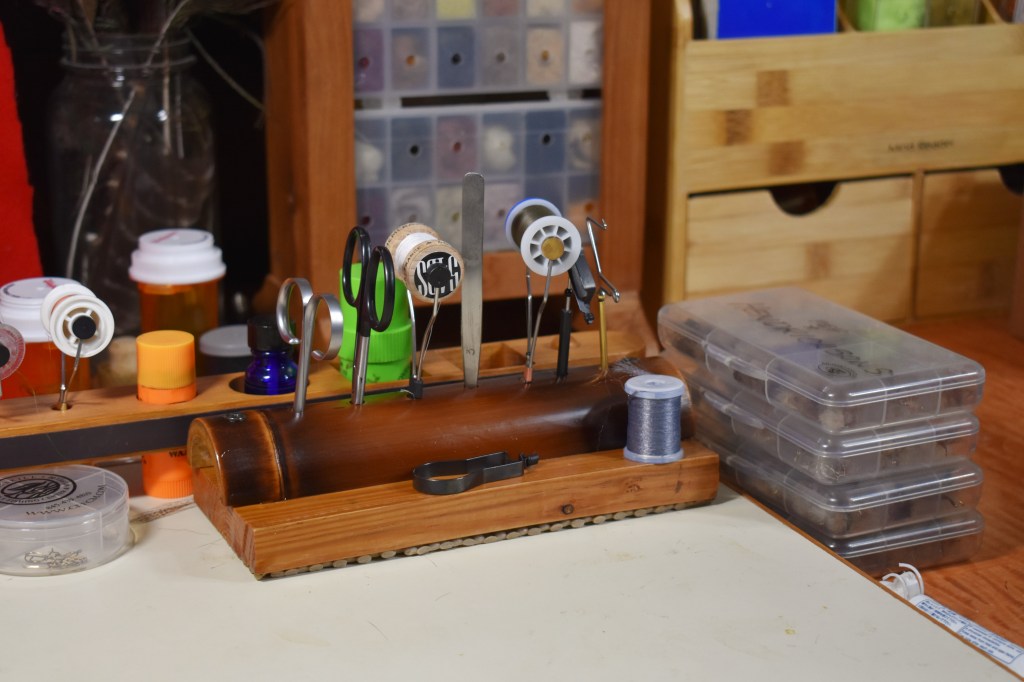
I have been working on prototypes this week, rounding out a selection of some new and old styles of flies to cover the major hatches I hope to see when the dry fly season begins some forty-seven days hence, or thereabouts. And, though this week’s warmup has not featured the sunshine I had hoped to draw me out to watch the snow melt, I have welcomed the end of shivering indoors.
I have also written and edited my column to be published in March’s issue of the Catskill Fly Tyers Guild Gazette. Instead of writing about proven patterns, I shared my thoughts and motivations for my new Transitional flies, and the writing helped spur me on to produce additional prototypes. It is too early in my process to tie these flies in quantity, for they will have to be cast upon the rivers and examined closely to fine tune their design.
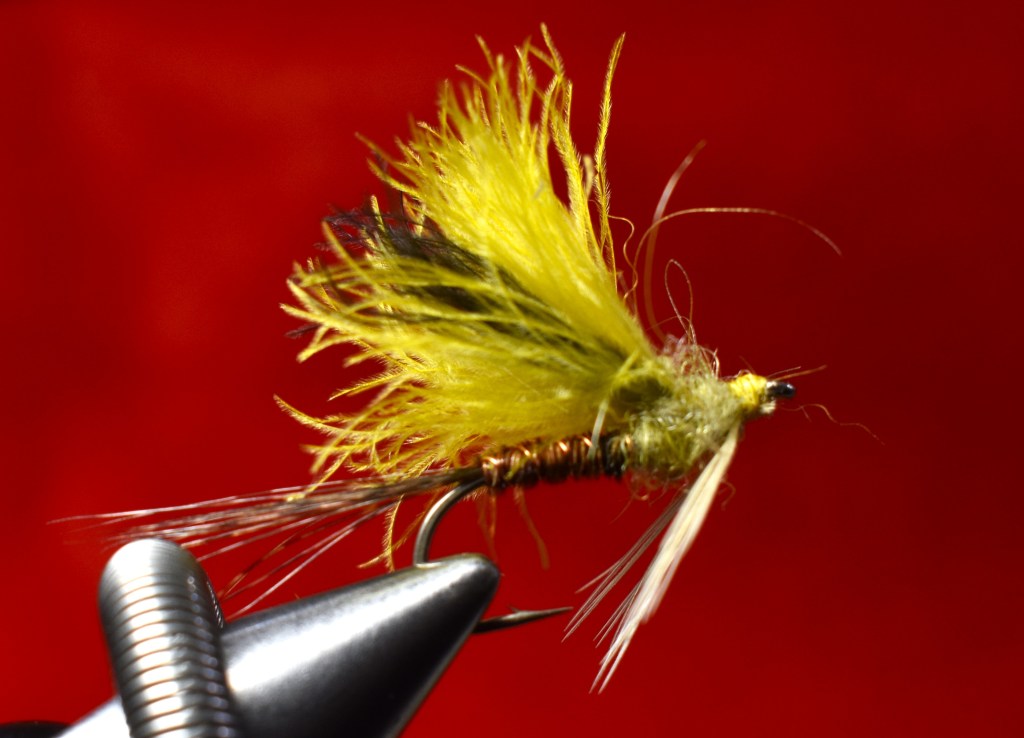
The idea behind these new Transitional Duns involves pushing the abdomen deeper into the film and slightly below that threshold. I am counting on the absorbency of the wrapped pheasant tail fibers and the copper wire rib to accomplish that, allowing the CDC puff wing or the sparse hackling of the Century Dun variations to provide just enough floatability to keep the thorax of the fly hanging in the film. The design allows adjustment, by adding heavier wire ribbing, or even wrapping additional wire underneath the pheasant tail fibers, but I cannot judge the “hang” until the river ice vanishes and I can cast these patterns on flowing water.
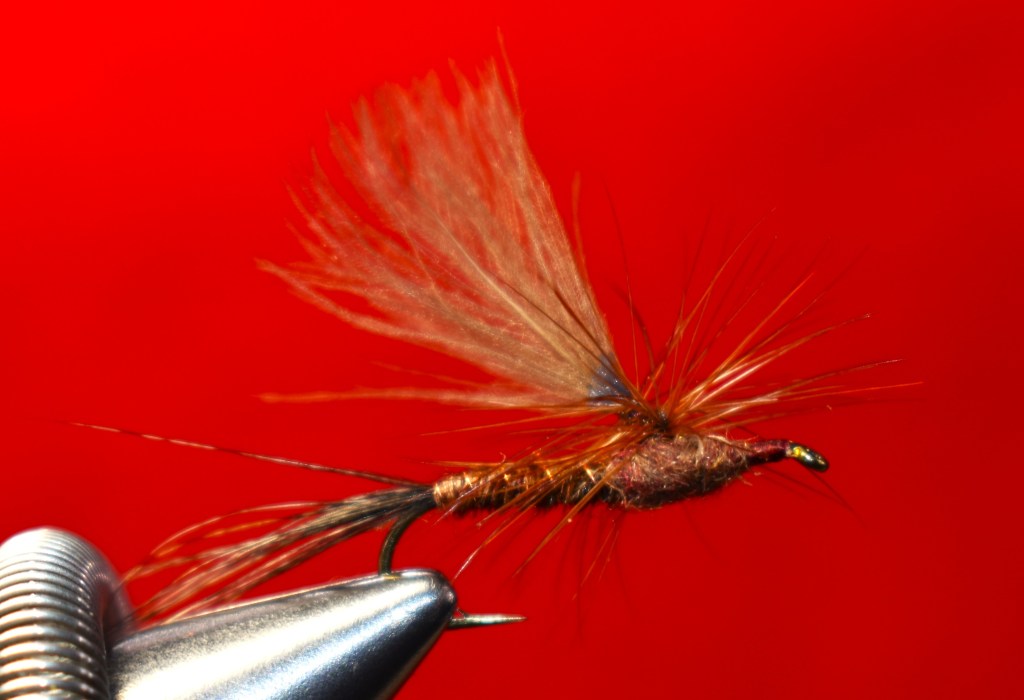
The Catskills are expecting rain today and, coupled with a high temperature near forty, that should cause some significant snowmelt and raise river flows. Whether the past few days’ warmer temperatures and that flow increase will be enough to soften and loosen the river ice will be the question of the day. The advance forecast reveals a full week with low temperatures below freezing and highs in the thirties once our warmup subsides tomorrow, so I don’t really expect to get nearer any of our rivers than a drive by until March winds into view. No one here would mind an early spring, regardless of that famous Pennsylvania groundhog’s prognostication.
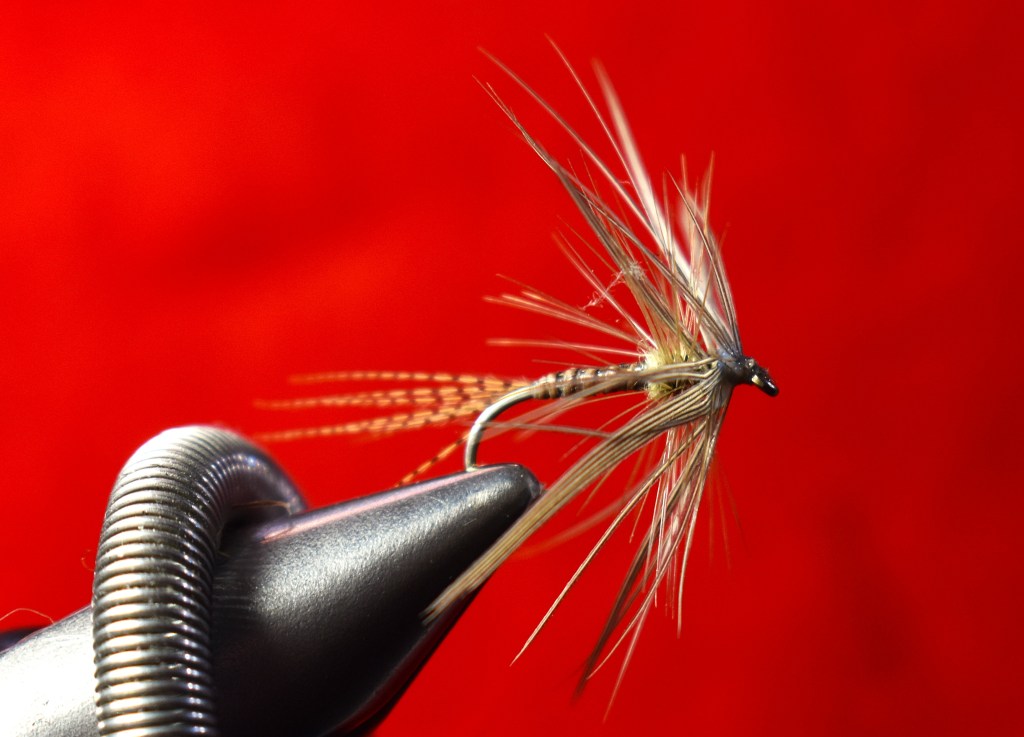
I have also continued working up additional styles of soft hackled dry flies. With 175 or more years of history behind them, I am sure there are already too many patterns, but I do insist upon choosing my own dubbings and feathers to agree with my own observations of Catskill bugs in our twenty-first century.
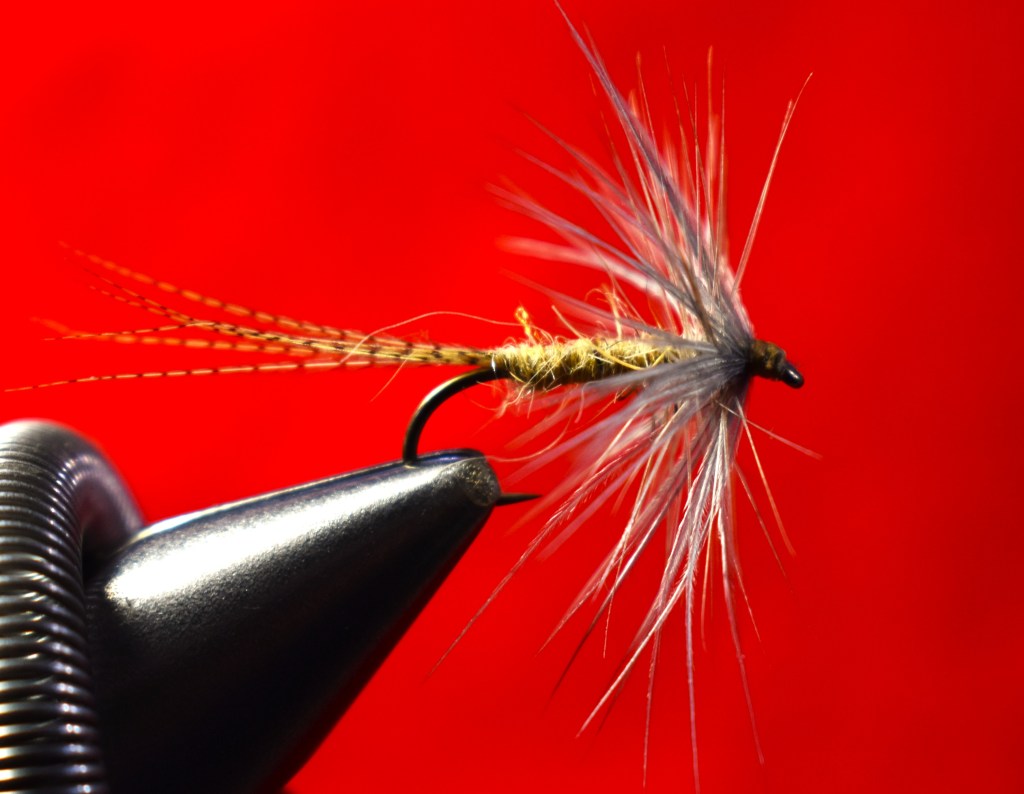
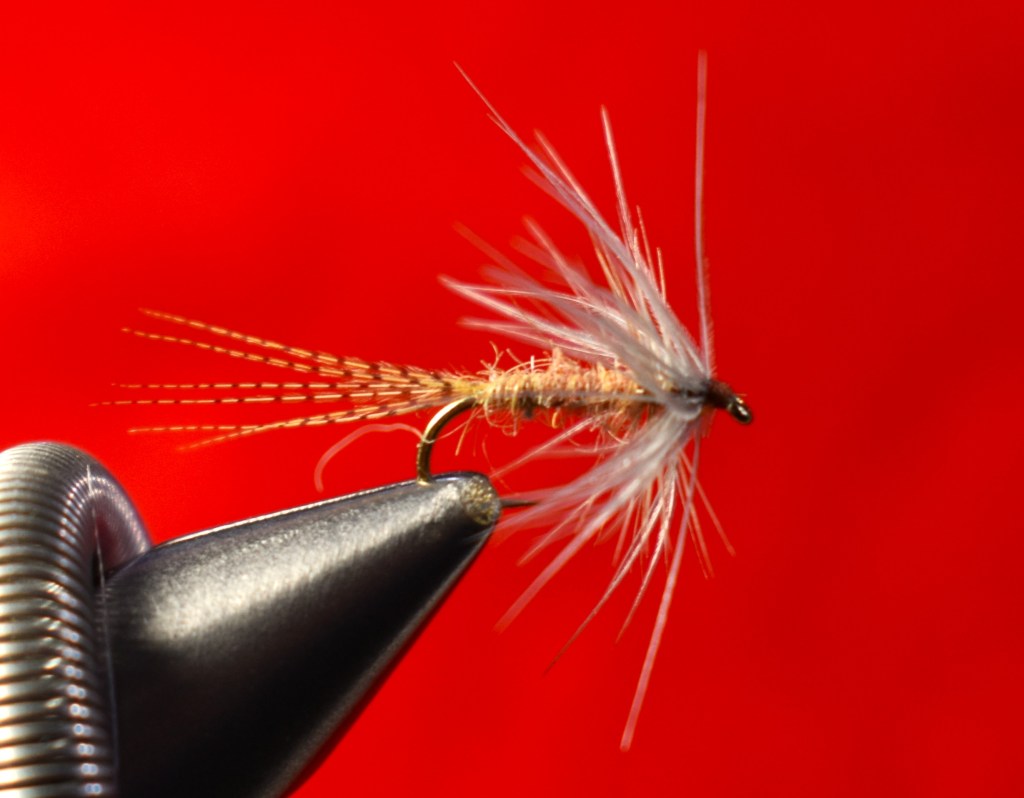
I expect another month of winter, despite my preferences for an early spring, though I will undoubtedly push the timeline if Mother Nature offers any kind of a window, some flash of unexpected warmth!
 Bright Waters Catskill
You’ve really got my interest with these patterns and ideas. For many years i’ve been a true believer in the cripple/emerger and an easy meal for the trout. Many times i’ve lubed up a wet fly in order to get it to sit in the film. Can’t wait for the next Gazette issue.
LikeLike