Shall Winter Wane At Last?

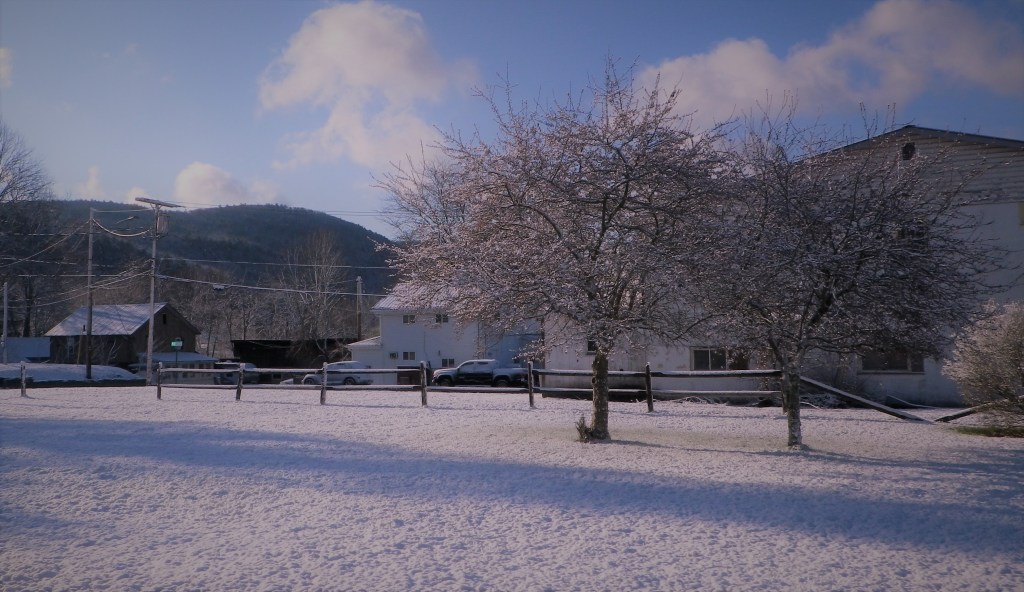
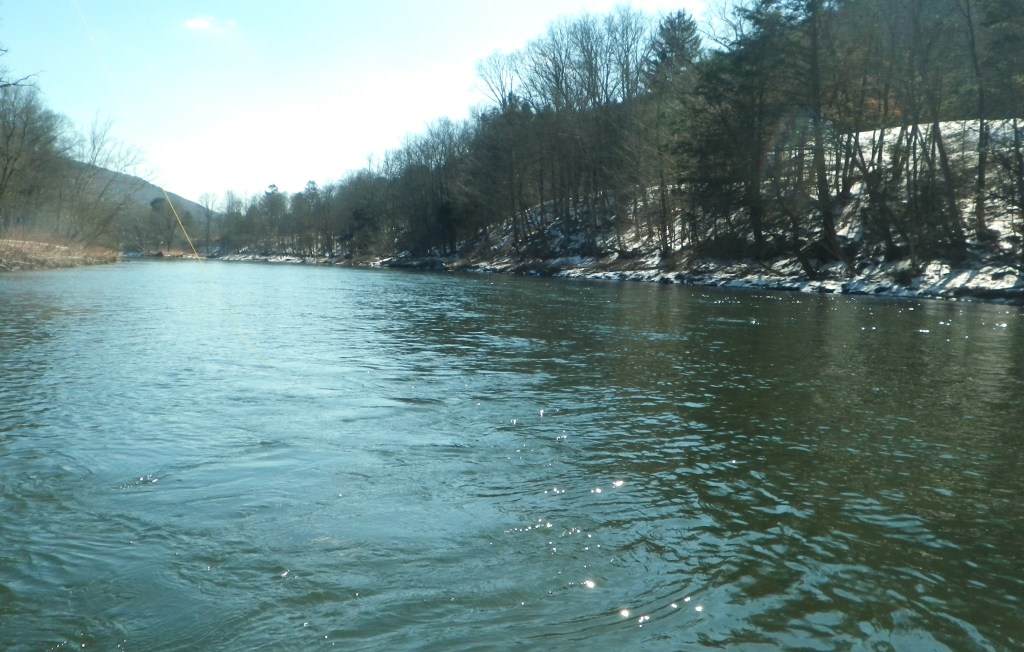
An April Snowfall

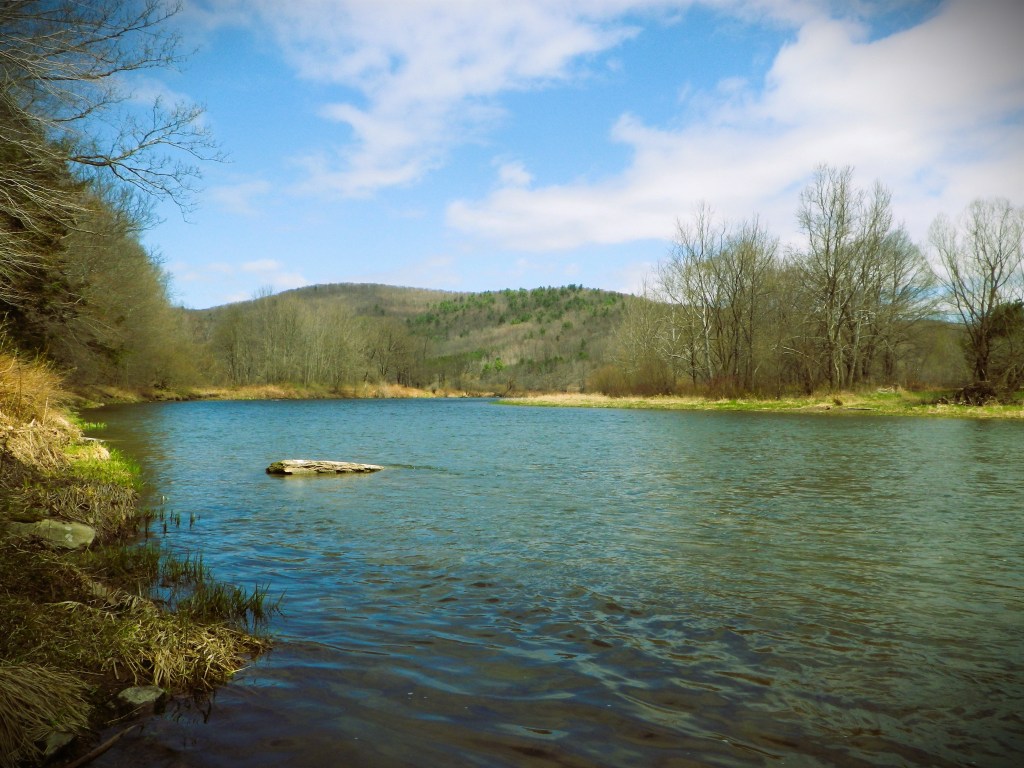
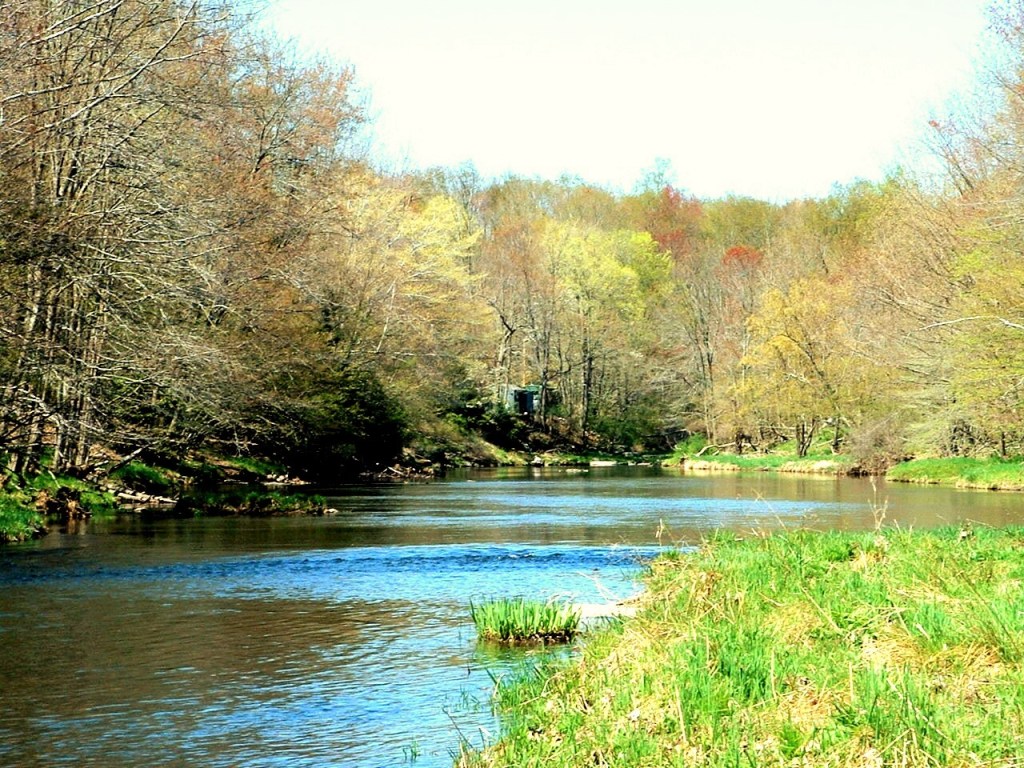
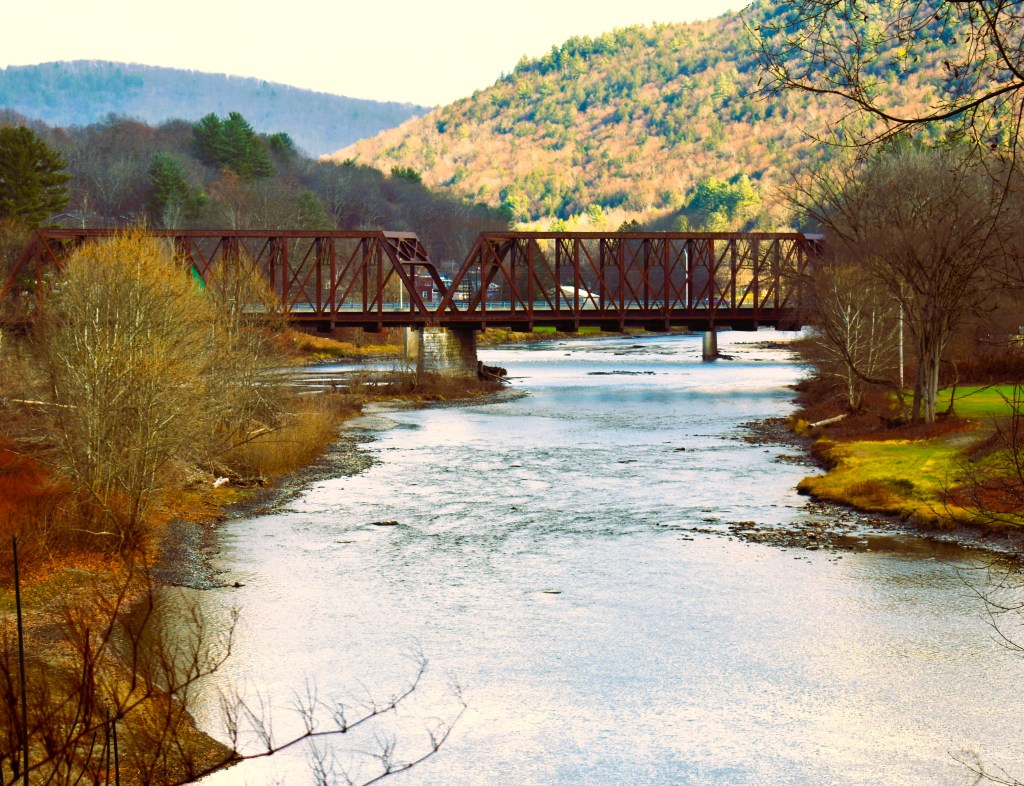
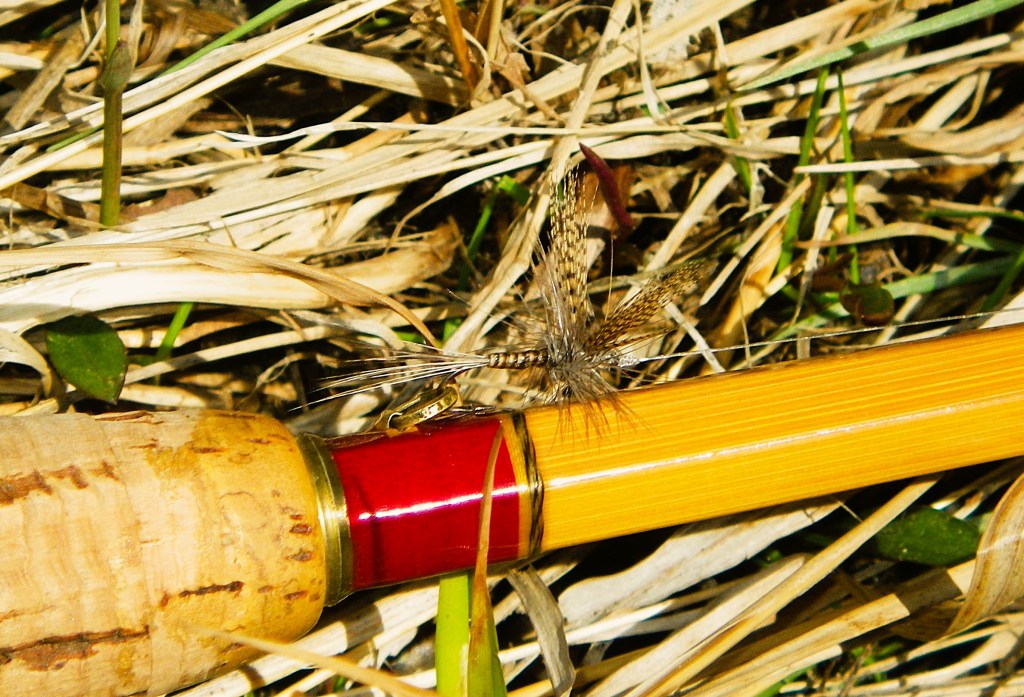
Should the stars align, there could be mayflies on the water in five weeks or less. The signs of change have begun: short stretches with warmer air, snow melting, longer days, and long-frozen rivers beginning to showcase some open water flow! Our ten-day forecast features more days with forty-degree or higher temperatures than it does days stuck in the thirties, and there are two coming with the promise of the mid-fifties. Of course, it is still early March in the Catskills, a beautiful region where I have shivered on frosty mornings in May!

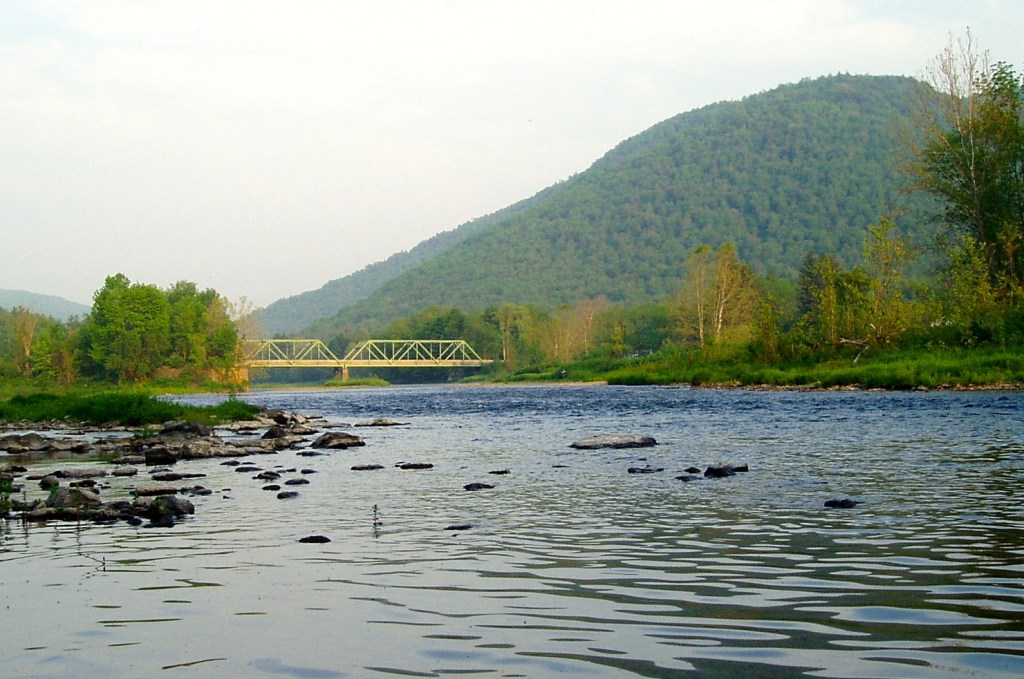
In my mind lie pictures of many a Catskill spring. There are the wading boots, frozen solid on the cabin porch beside the West Branch, the sleet tapping on the hood of my rain jacket as I huddled on a high bank watching for Hendricksons, shooting a video as a May 9th snow squall whisked through Crooked Eddy. Such moments are thankfully more rare than those remembered for the trophy trout brought to hand or the ones sipping spinners and late pinkish duns far across the river, as the late afternoon sun warmed my tired shoulders.

One such day on the West Branch teases, and makes me wish to journey back in time. There were fine trout sipping, scattered in that shadow world, some just near enough, others beyond my reach. As the lowering sun warmed away the aches from a long day of casting my body relaxed and my casts lengthened. My spinner drifted beyond my sight and I played the guessing game by necessity. With timing thwarted, I pricked a few, none staying pinned well enough to be brought to hand!

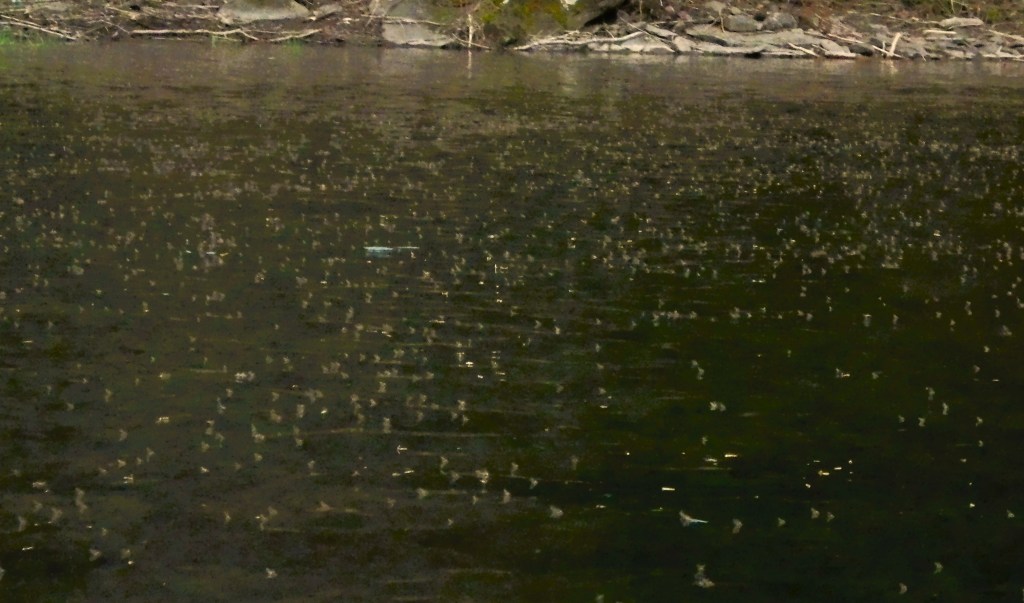
Even some of the frigid days produced fond memories, like the 34-degree May morning I launched the drift boat upriver. All was quiet until I passed Hale Eddy and witnessed something I thought was pollen gathered on the surface. Shad flies by the hundreds, much smaller than normal and drifting paralyzed until the sun warmed them into life. The fishing was technical and rewarding!

I fished successfully once to fine wild trout rising to Green Drakes, on a blustery day that never quite reached forty-five degrees. But I still wait for that mythical Hendrickson hatch in a snowstorm I have so often read about, even to the point of wishing for the flakes to appear.

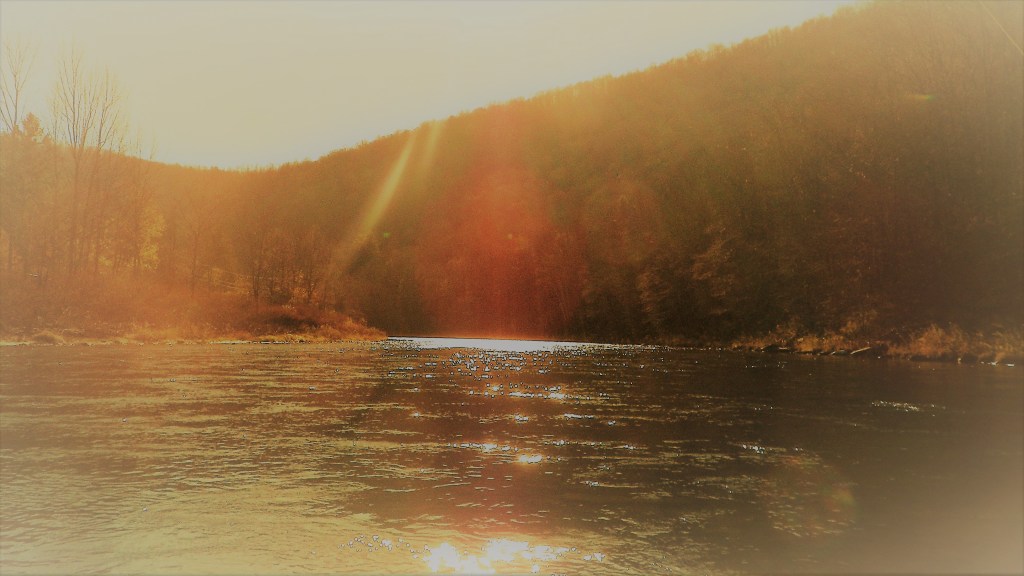
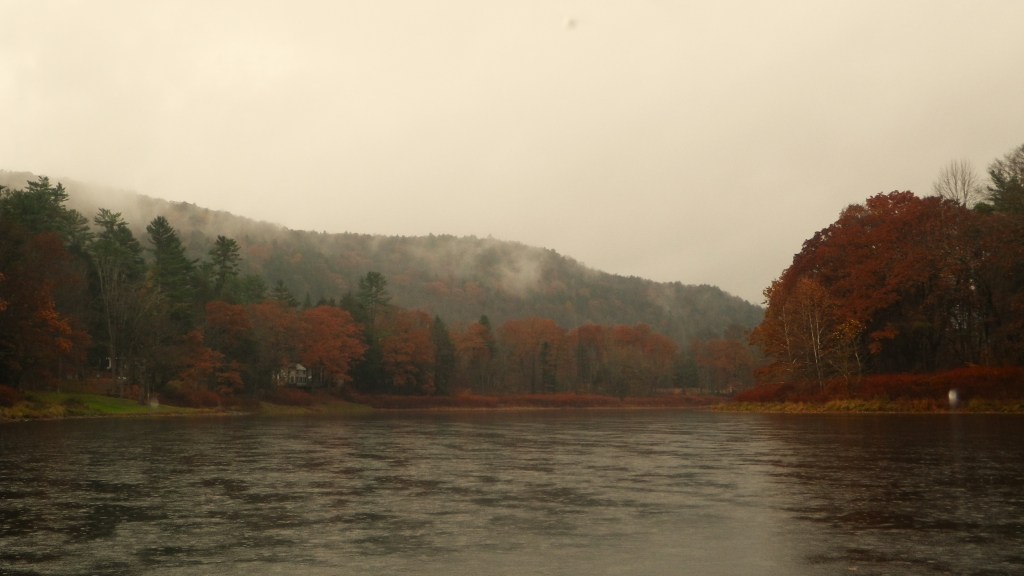
Late March sunlight adds excitement to the waiting – could it be today?

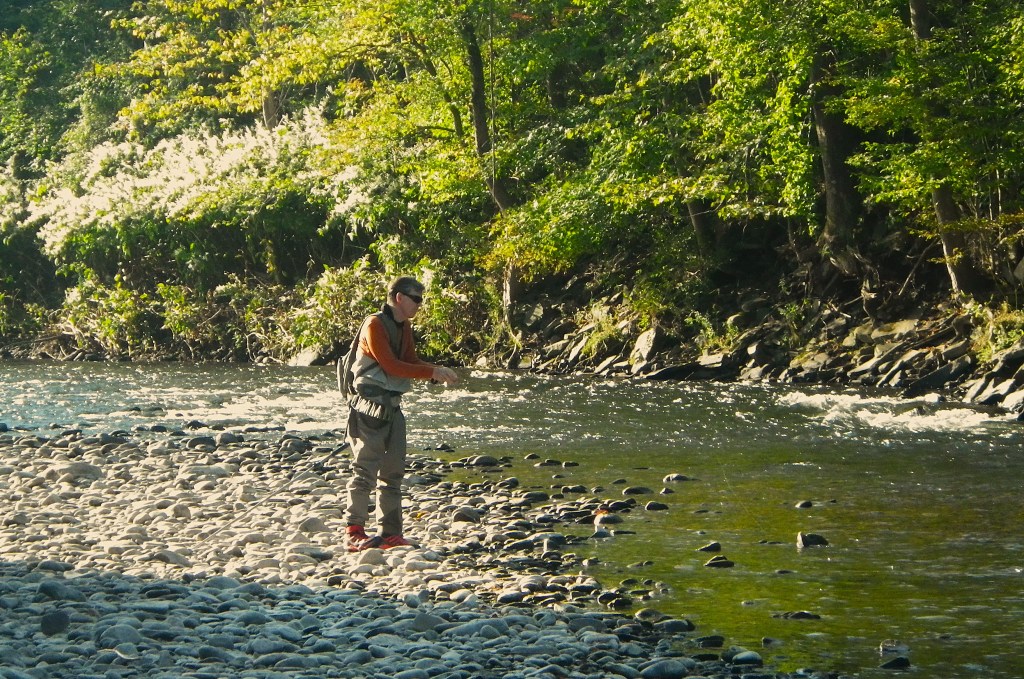
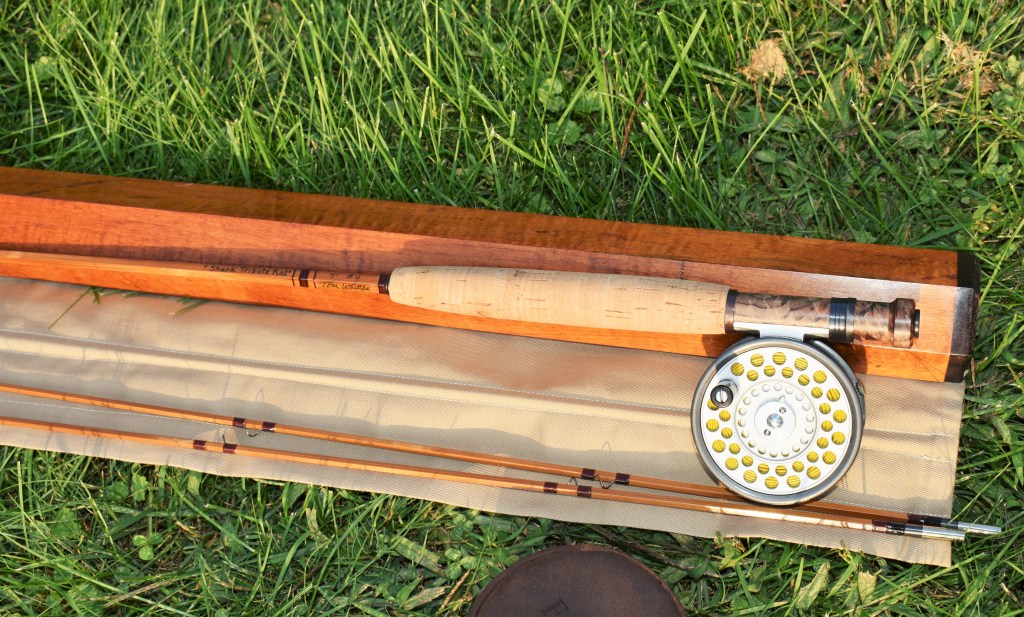
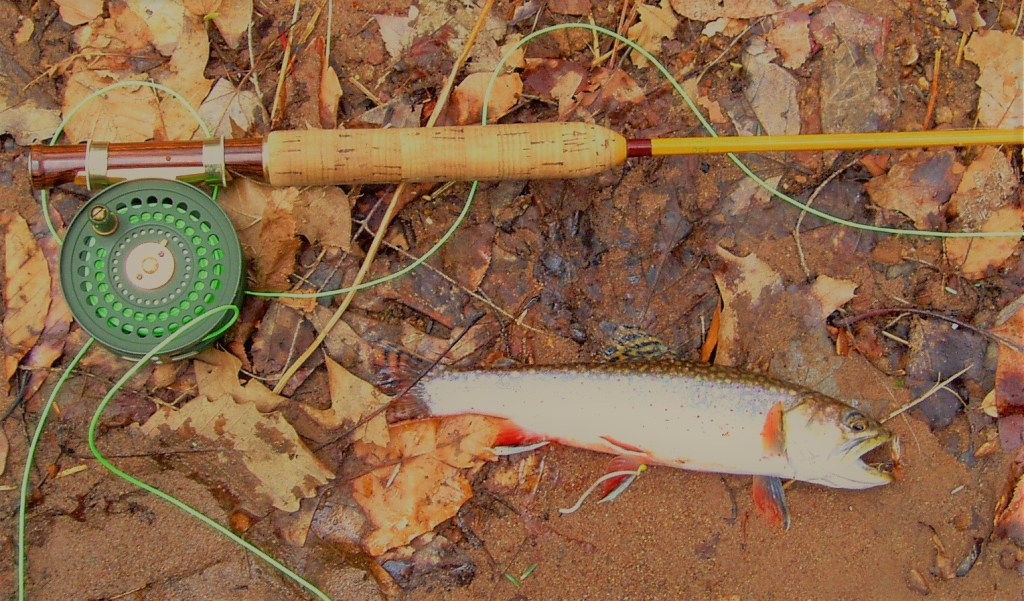
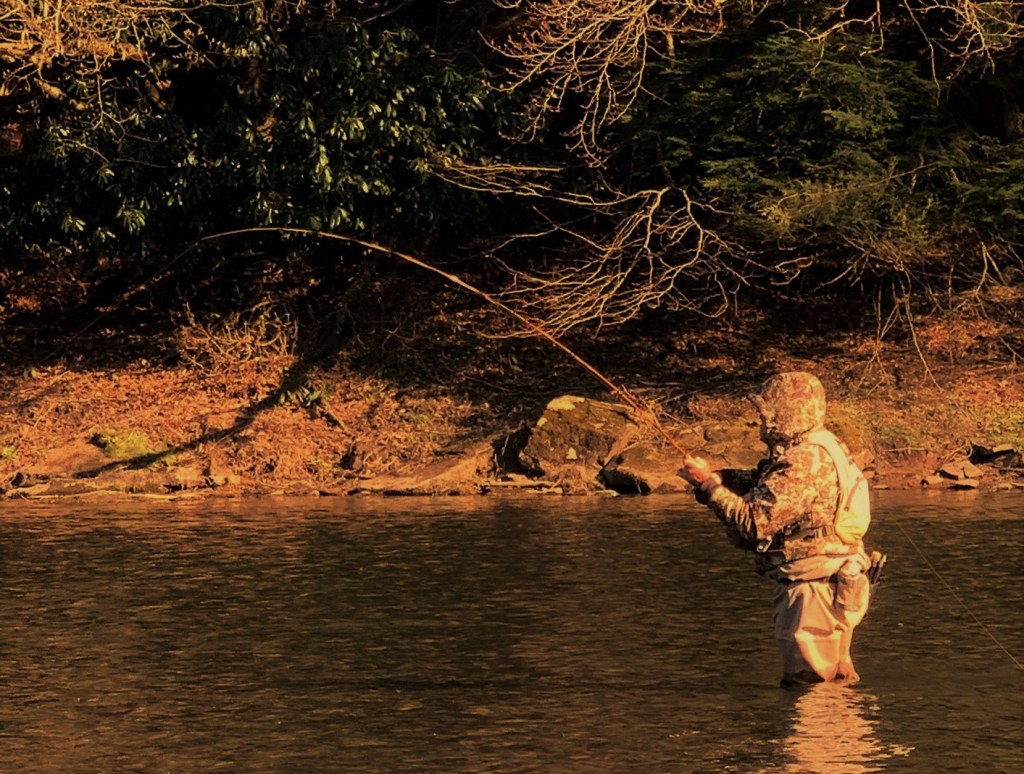
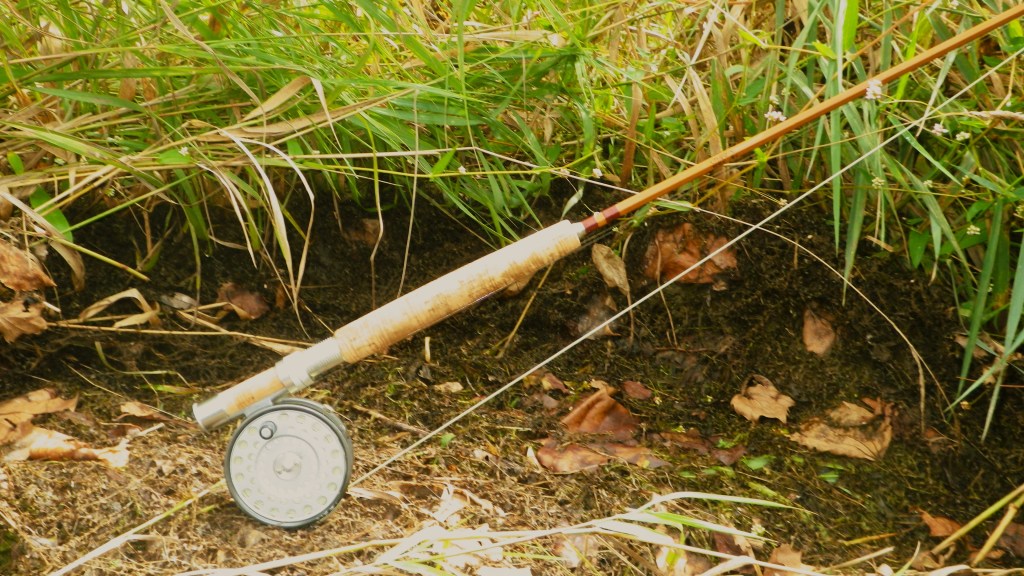
It may be five weeks until I make that first cast to a bona fide rising trout, but I will be out there much sooner. It takes no more than a couple of mild March days for me to pull on my waders, cinch the hood of my insulated jacket tight over the top my cap, and string a fly line through the guides of an old bamboo rod. Its true I have never seen a Catskill trout rise in forty-degree water; but somehow, I still believe that tomorrow could be the day…

Day Thirty-eight

Morning

The weather report tells me it is snowing outside, but in truth the hiatus continues. I can see the gravel on my little road out front for the first time in two months, thanks to some passing sunlight and a handful of days in the forties this past week. Just now, I think I can hear rain falling gently on my roof, helping to melt away the accumulations of snow and ice that have formed the structure of my world. Could spring at last lie on the horizon?

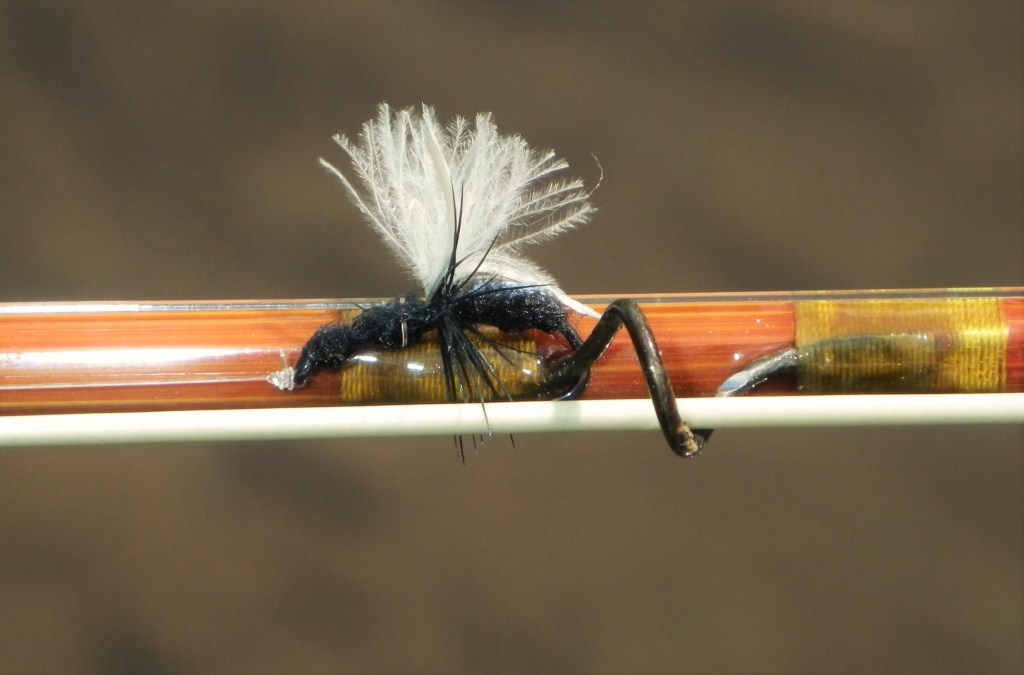
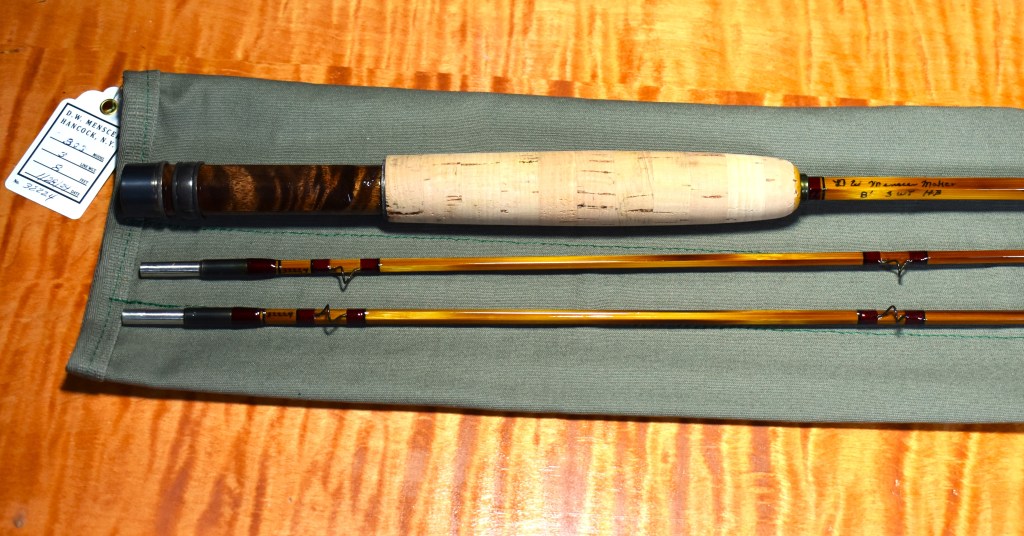
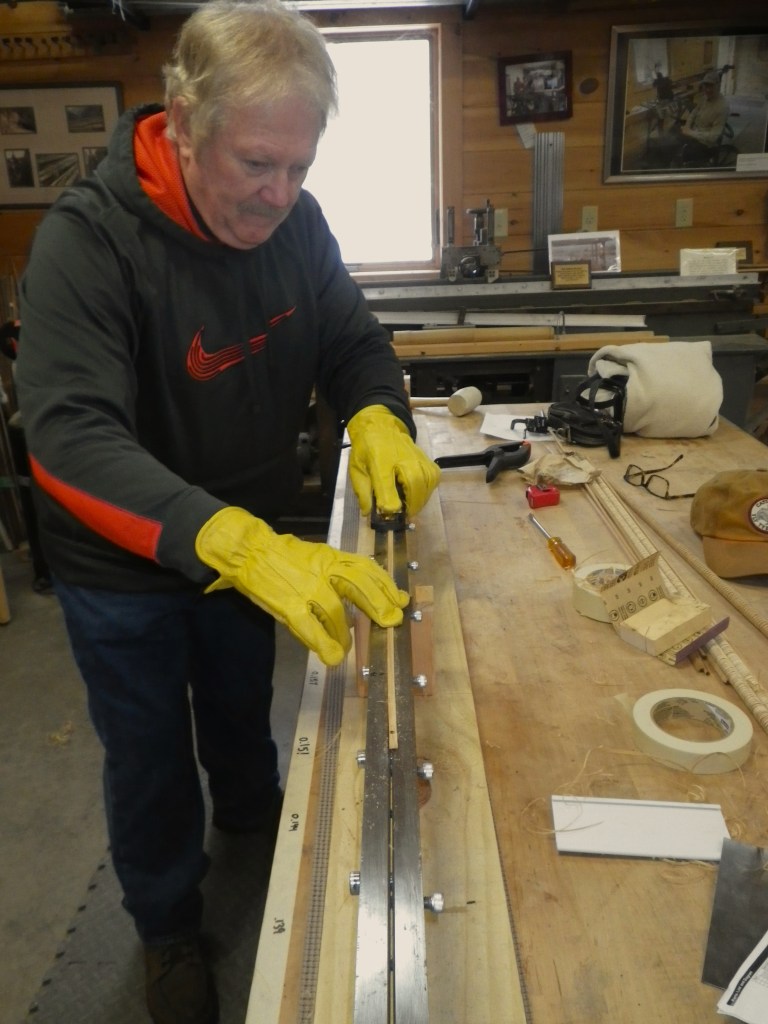
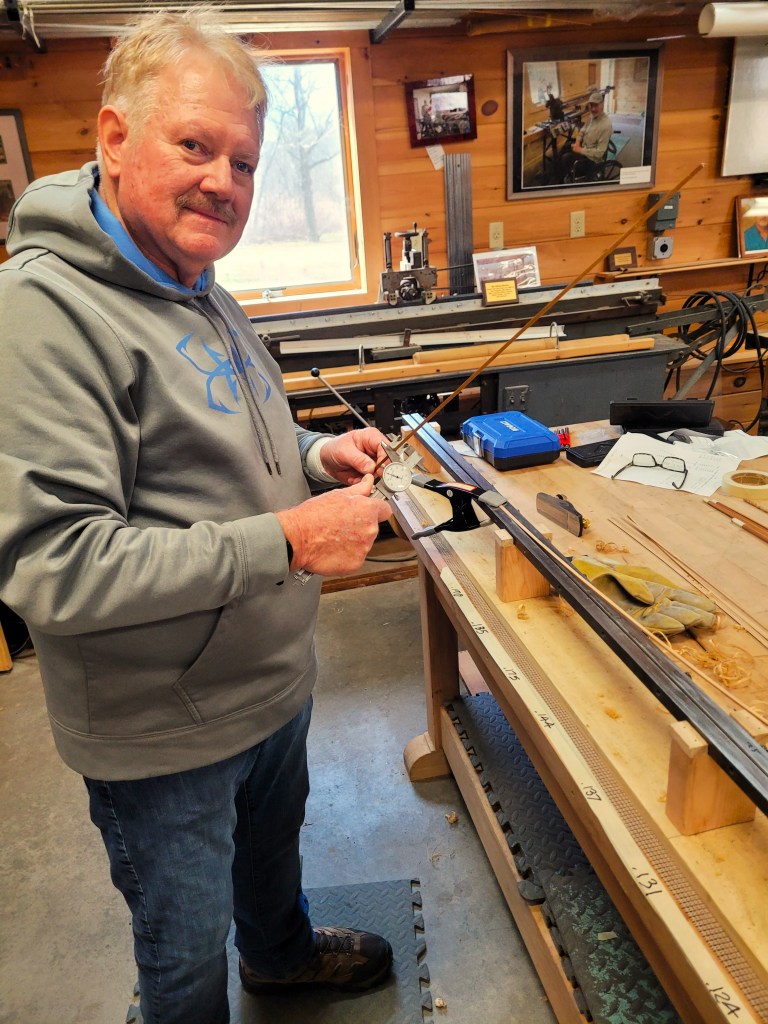
My rod work has progressed slowly, hampered by weather and the arthritis and carpal tunnel in my planing hand. I realize that I am far short of my goal of crafting a fishable rod for spring. Just half of the bamboo strips have been rough planed, and that is the easiest of the tasks ahead. Perhaps I should work toward completing the rod with a single tip, waiting to make the second during some lull in the fishing season, though that would postpone the satisfaction of completing my journey.

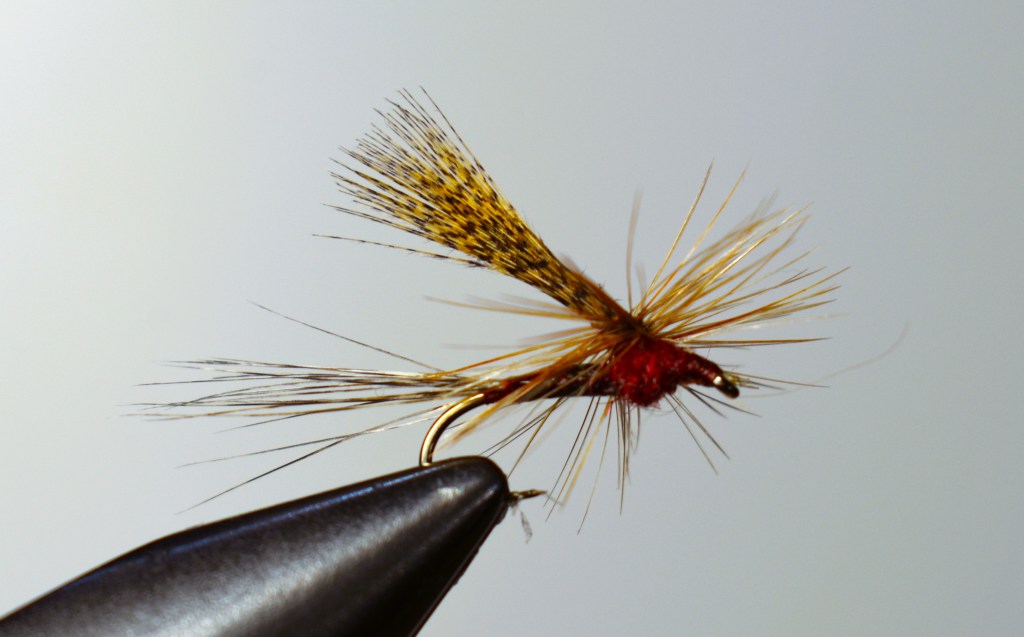
I am working on a donation for the museum as well, with the first dozen flies tied and set aside, and a suitable fly box ordered to house the finished collection. Chores to pass the remainder of winter, for the rivers still carry curtains of ice and little flow.

The warmth this week pulled at my consciousness, doing their best to draw me out with rod in hand. A ride along the West Branch Monday brought me to my senses. The City seeks to hoard water now, to refill their reservoirs after their foolish decision to move forward with the Delaware Aqueduct drawdown in the midst of last summer’s drought. They succeeded only in damaging our fishing, for the work was halted soon after they wasted precious river flows in their last-minute drawdown scheme. Winter flows have been terribly low.

I am glad we have some snowpack, and I hope it melts slowly, doing it’s best to replenish the mountain springs, but I fear for the rivers once more. There is rain coming midweek, rain that would mean heavy runoff to dissipate our small reserve.

Waiting

Five and a half weeks remain, if my hopeful timetable proves accurate this year. Soon it will be time to check the reels, attach new leaders to the lines and dream openly about the first mayflies of the season. This will be the seventh spring since moving to these Catskill Mountains, a lucky number perchance, though every season that I am blessed to linger here is a lucky one!

(Photo courtesy Michael Saylor)

Warmth On The Way!

If you believe the weather forecasters (and this time I want to!) this long, long Catskill cold spell is finally to be broken! We are expected to enjoy high temperatures in the forties for 5 of the next 6 days! Now I would be putting together my tackle and a winter fly box right now if it wasn’t for a few sobering facts of life. Though there has been a little open water recently, I expect that all of the available parking areas are filled with snow, likely piled up with the gifts of the plows, not simply snow covered, yielding open water that I cannot fish.

Yes, there should be some melting, so the parking situation could improve, but we have out of town doctor visits scheduled for two days this week that eliminate any chance of wandering a river. Of the two days I have available, one should be a rainy day, and then the next one drops down to 35 degrees. So much for the momentary excitement I felt when I first saw that forecast!

We had a great turnout for Flyfest yesterday, and I cannot thank Mr. Tommy Roseo and family enough for their hospitality once again. Their Rockland House has been home to many angler’s dinners and event for decades, and they have been friends and supporters of the Catskill Fly Tyers Guild and the Catskill Fly Fishing Center and Museum for the duration. Everyone had a great time and a delicious lunch, topped only by a superb dinner last night!

I had a steady flow of people at my table and enjoyed talking to them and demonstrating a few of my favorite flies. There were so many great interactions that I only managed to tie four dry flies between 10:00 AM and 2:30 PM. Thanks also go out to all of the tyers and to all of the new and renewing Guild members who signed up during the event.

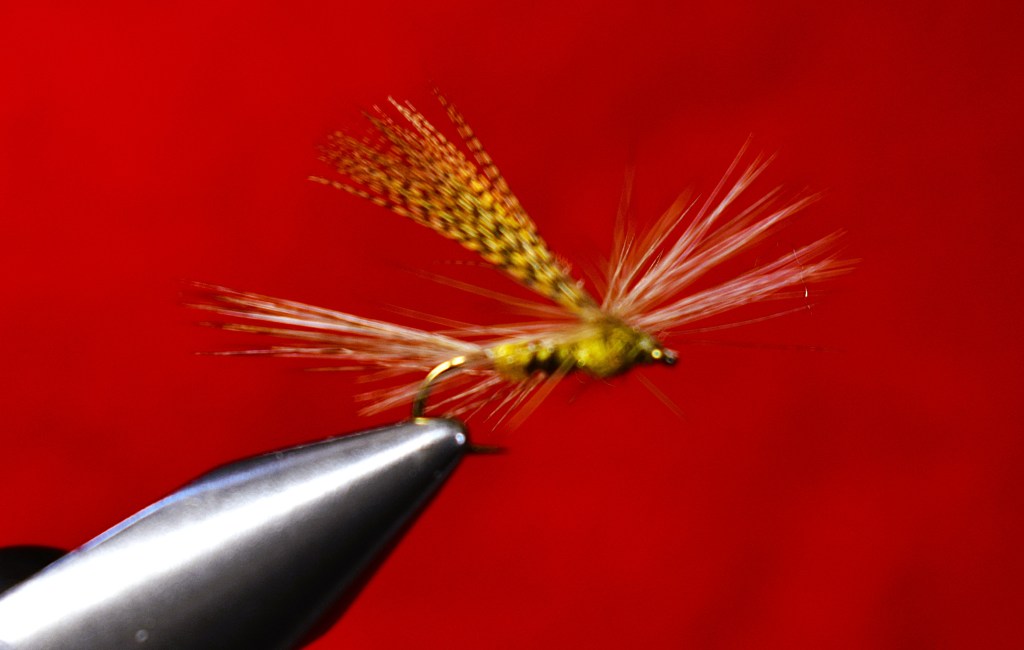
Since I didn’t get many flies tied yesterday, I found myself winding thread again today. I tried a nice dark grizzly cape for the hackling on a Quill Gordon 100-Year Dun, and later tied two pairs of my Translucence Series dries.

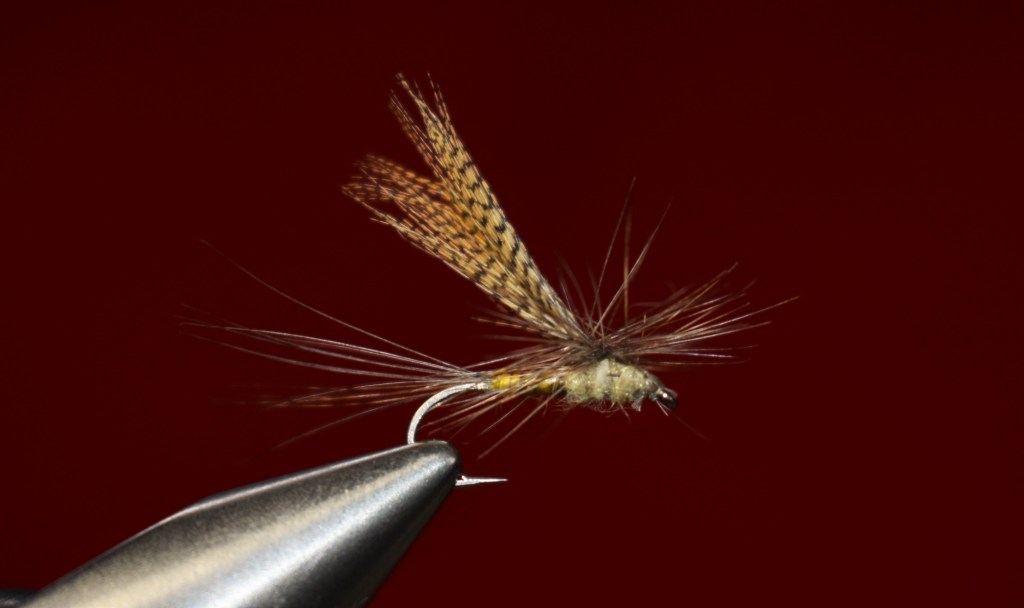
A pair of size 10 Translucence Isonychia 100-Year Duns flanked by a pair of Size 12 Translucence Beaver Kill Hendricksons.

I re-blended my silk dubbing for the Isonychia a while back, lightening the original dark claret coloration considerably. The isos are an unusual mayfly. Their bodies often appear olive immediately after hatching, but begin to darken within minutes. The dark claret color so often associated with the species is prevalent in many fly patterns. I fished the hatch successfully for years with a blend of claret dyed and natural beaver upon the advice of my late friend Dennis Skarka, the longtime owner of Catskill Flies in Roscoe. I got a good supply of the claret fur from Dennis, who carefully dyed it himself.

Encountering a massive hatch more than twenty years ago, I had the opportunity to pick a large number of duns from the surface for observation. While the dark claret color predominated, some showed an overwashed effect with tan or olive tinged tan colors on the bottom of the abdomen. Just two seasons ago late in September, I picked a dun off the back of my hand that was tan in color, with claret colored segmentation. All of these experiences led to the changes made to my Translucence blend.

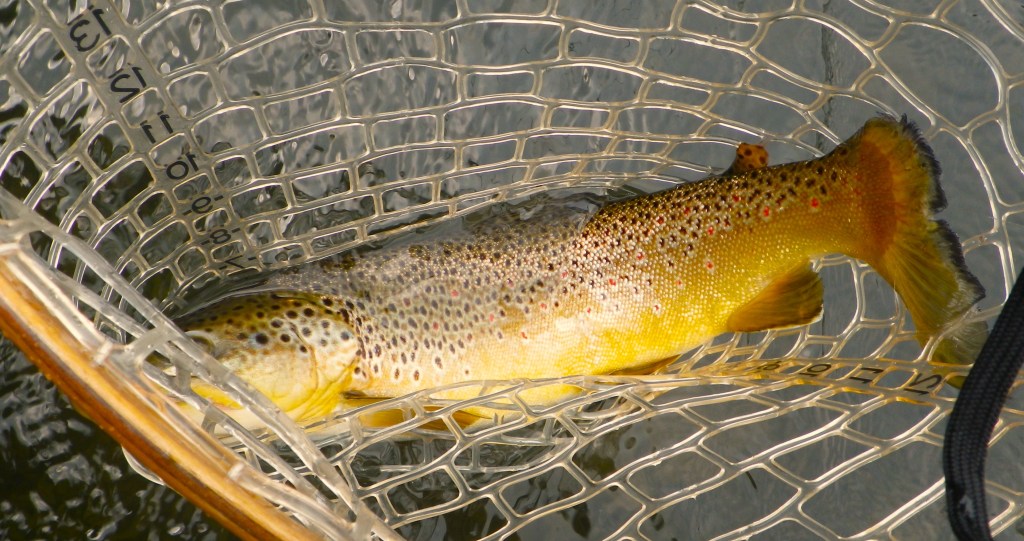
The last fish of the day and trip, taken during the heaviest and longest lasting isonychia hatch I have ever witnessed, more than two decades ago
(Photo courtesy Mike Saylor)

Come on spring… only 42 days to go!

‘Cross Time

The Cross Special

I re-read Richard Lodge’s recent book about legendary Catskill fly tyer Reuben R. Cross on Sunday, refreshing my memory with the fine collection of facts and anecdotes the author had assembled for those of us who so appreciate the history of Catskill fly fishing. The journey resulted from my plans to tie a selection of Cross Specials, lest the opportunity arise come September to try these classics over the same hatch I encountered last year.

I had tied a few last winter at Flyfest, and later my own variation in the guise of my 100-Year Dun. These had all been larger flies, typically size 12, and much too large to mimic the small Cahills or similar flies which provided most of the mayfly activity on the Big East during the Delaware Aqueduct drawdown. That elevated flow of cold water is a condition which we can expect to occur again in 2025. Many of those size 16 mayflies appeared lighter, indeed almost white, as compared to the cream color I have blended for the Light Cahill species seen in June. The gray dun tails and hackling of Cross’ fly look to me to be the better match!

Photo of the Cross Special from the title page facing of “Tying American Trout Lures” by Reuben R. Cross, copyright Dodd, Mead & Company 1936 -the classic sparse, lifelike Catskill style that Rube Cross tied setting the standard for all to follow.

I find the beautifully sparse Cross style to be far more lifelike than a heavily dressed fly, particularly when angling the large pools of the Delawares. Studying the photo from Reuben’s 1936 book, I seem to count no more than five turns of hackle, three behind the wings and two in front. That is certainly enough to float a good size fly on flat water, while preserving the delicacy of the natural mayflies. Cross was an observer of Nature along the waters, and a breeder of roosters so that he might produce the stiff, glossy hackles such flies require! There is no doubt his style drew inspiration from his own observations.

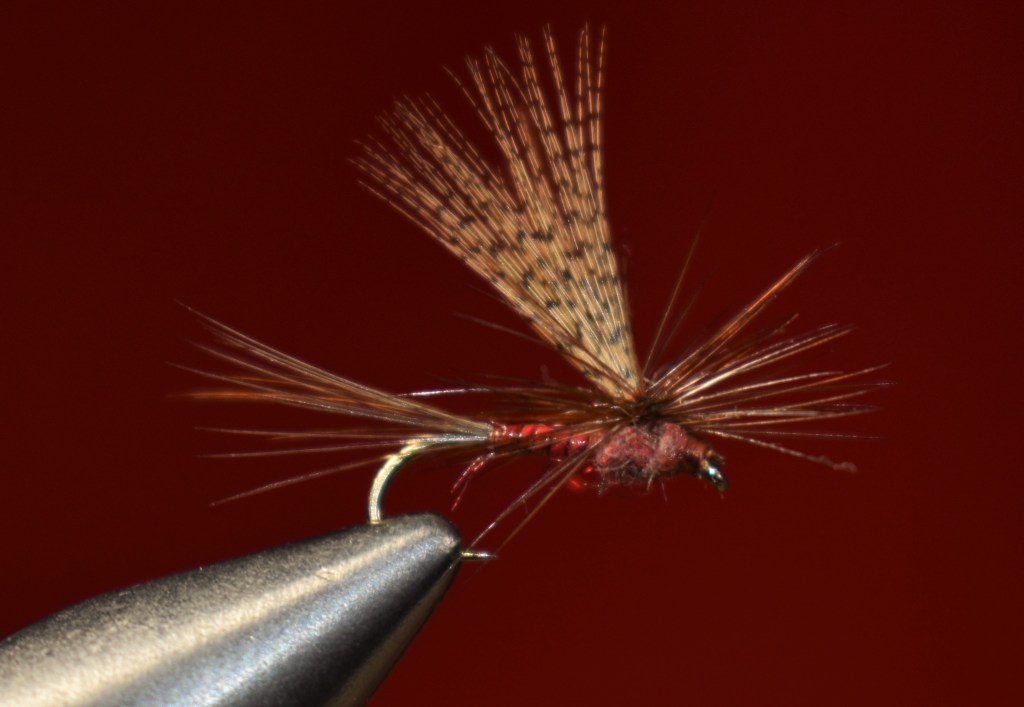
The fruits of my labors: a Cross Special in size 16, tied as my 100-Year Dun.

Lodge makes it clear that it was Reuben Cross who refined the fly tying style of Theodore Gordon, tying dry flies with that spare ephemeral appearance, setting the standard for all those famous Catskill fly tyers who would follow. The Dettes and Darbees learned their craft in perhaps the same way Cross learned Gordon’s techniques; by disassembling Cross dry flies and taking notes on the construction.

Much of the suspicion and doubt directed at Rube Cross should have been attributed to an author, for it was John McDonald, editor and compiler of Gordon’s letters and articles who stated that Cross learned to tie flies from Theodore Gordon. Author Richard Lodge found no evidence of such a statement being made by Mr. Cross. Sadly, Rube died at the age of only 62, never having the chance to be celebrated as fly fishing experienced it’s remarkable growth.

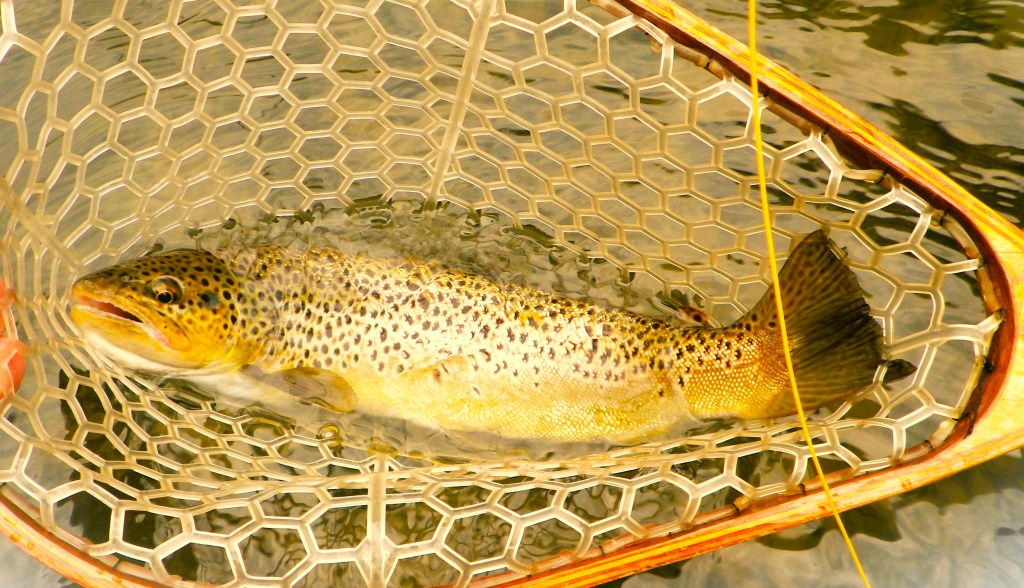
I enjoyed some beautifully technical fishing as the leaves began to turn along the Catskill rivers last year. These Cross Specials will be tucked into the small gunmetal fly box I carried in my shirt pocket. They wait to tempt another big wild brownie, come the first hints of autumn!

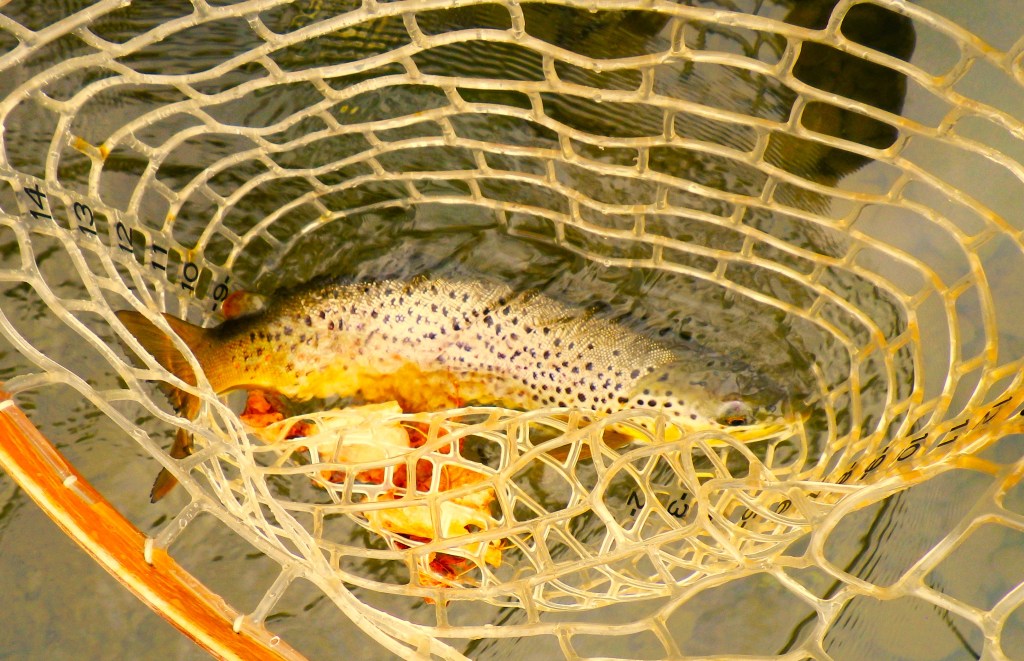
A bright twenty-two inch wild brown trout that tasted my pale little 100-Year Dun last September.

Tying Flies On A Snowy Catskill Afternoon

Having received the official invitation to the 76th dinner banquet of the Fly Fishers Club of Harrisburg, I settled down to tie them a dozen of my favorite 100-Year Duns as a small donation to the cause. My winter tying has been significantly reduced this year, tying flies here and there throughout these long weeks in twos and threes, so a full dozen at one sitting proved to be a little challenge for my concentration.

I started with the quill bodies of the Gordon patterns, tailing and then the quill before coating the bodies with a full coat of Hard As Hull polymer. That achieves a glossy overcoat and protection for the delicate peacock eye quills, but it is necessary to set them aside to allow hardening. I moved on to the Hendricksons, then the March Browns before scaling down for the Sulfurs. The finale included wings and hackles for the Gordon Quills.

I’ll miss the chance to attend again this year, the half a day drive and overnight stay being more than I care to undertake with the dry fly season on my doorstep. I’ll miss seeing some old friends whom I suspect still attend each year, and hearing tales of the state of fishing down in the Cumberland Valley.

I hope the flies go to a dry fly fisherman of course, for I like to think they will bring a smile and some curiosity, along with a good share of luck when cast upon the waters of the winner’s choice. So may you take some fine wild trout wherever you fare with these duns tied here in Crooked Eddy, on a snowy Catskill afternoon!

My salutations to the Fly Fishers Club, with many fond memories of my decades there in the valley and the good times enjoyed at so many annual gatherings!

Photo courtesy Henry J

Quiet Time

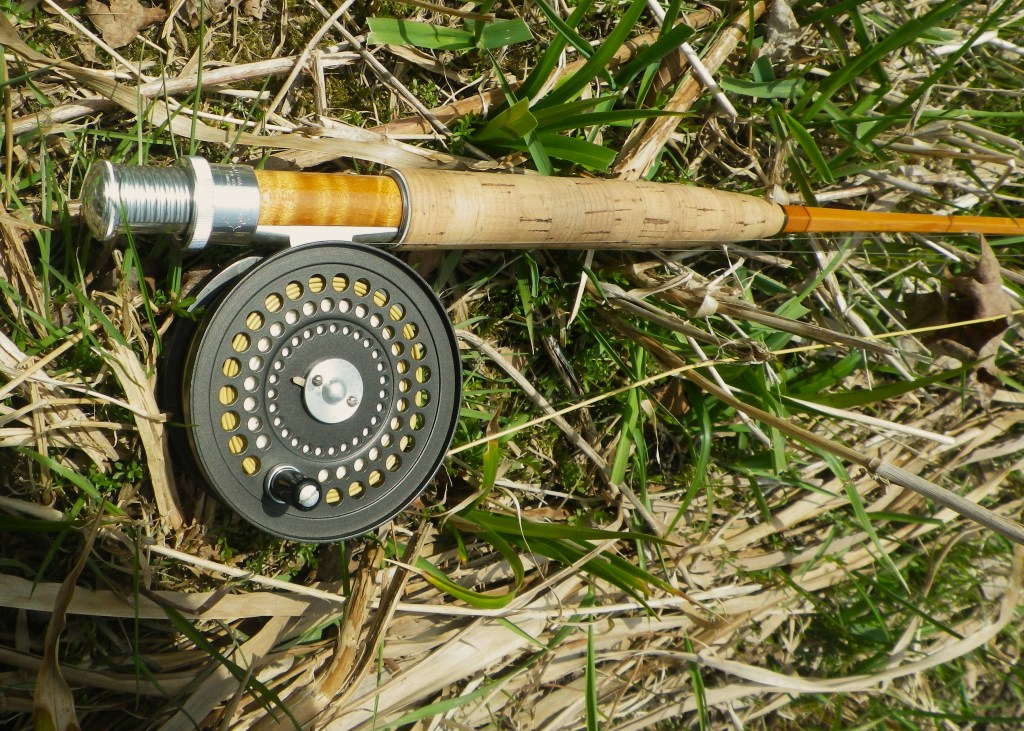
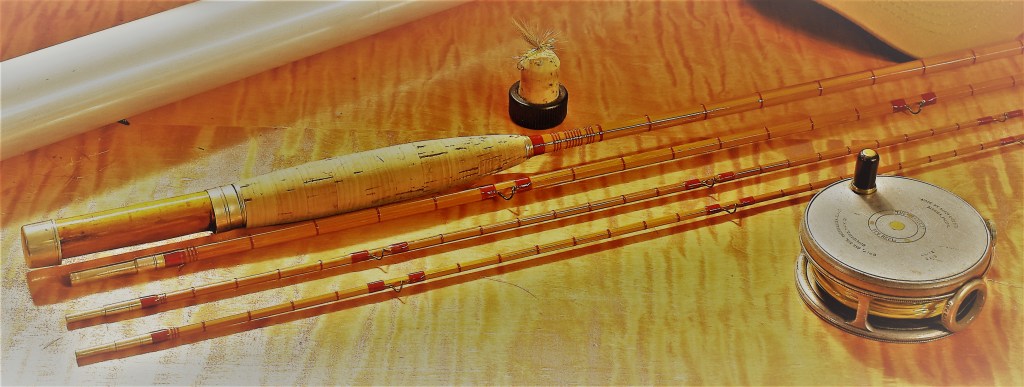
Just a drop of oil upon the spindle and the pawl, and this sleek St. George is ready for the rod I’m working to have ready this season. She’s never held a line nor reeled in a trout of any size, waiting patiently in her soft leather case and box, as more than twenty years have passed since the gents in Alnwick tucked her in and sent her off across the Atlantic. Such thoughts come freely with that little drop of oil.

Now the Leonard rests in my hands and I can feel the surge of last May’s six pound brown pulling toward sanctuary in a fallen tree! It’s well more than sixty years since they slipped her into her shiny new tube in Central Valley, but she’s still proving to be up for every challenge. Ah, the memories that must lie within that slender shaft of cane! I know she’s already made some special ones for me.

It’s warm here in my tackle den, and there’s bright sunshine beyond the window, making it easy to sit back and dream. I know that its below freezing outside, but I cannot see the snow and ice from the high window above my tying bench, only that sunlight and blue sky!

My seventh season lies ahead, it’s number well associated with good luck, and that gives hope when the winter winds rattle the siding, and the ancient furnace fails to outperform Jack Frost. My thoughts wander through the hatches in my idle quandaries. Will it be a good year for Gordon’s Quills? I’ve tied so many in various styles. Perchance river levels will be perfect when the time of the Hendricksons arrives, their currents just better than fifty degrees on the cooler days so the hatches do not stutter, but spring forth and drive both trout and anglers to the heights of ecstasy!
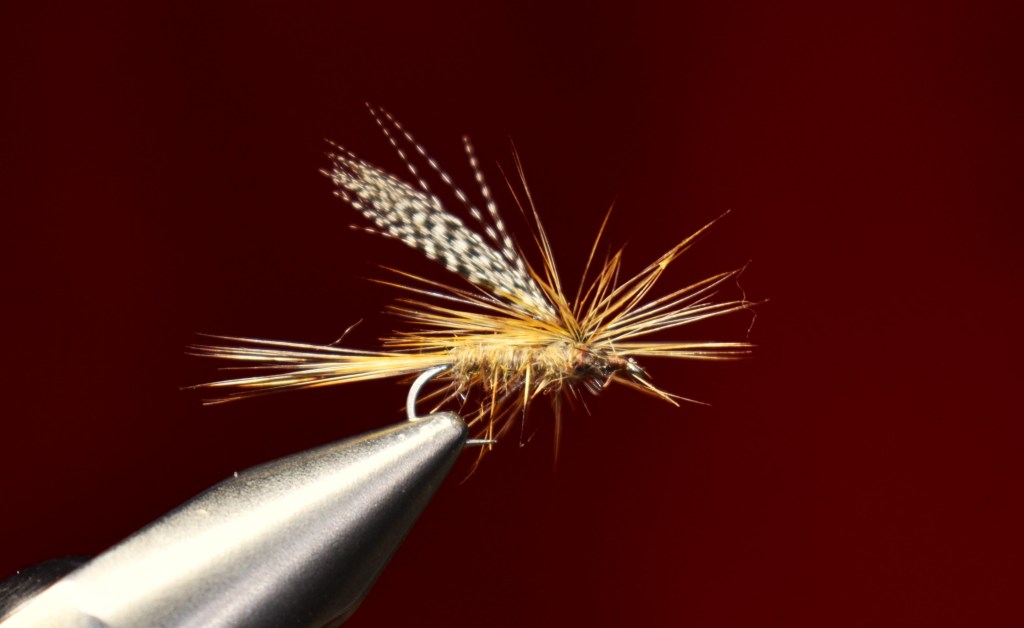
There’s snow up high this year, to fill the reservoirs and melt slowly to recharge the aquifers and springs that begin the chain of bright water that envelopes those big brown trout on the Beaver Kill. Here’s hoping for a water year to follow last season’s drought!

Could the Green Drakes mount a return? I cannot imagine a more welcome event. Great duns drifting on a cloud filled afternoon, the rises as violent as some giants stoning the river!

These thoughts of what might be make it hard to concentrate too long on tying flies. I’d like to get some off to the Fly Fishers Club to salute their 76th year; and soon the Museum will be looking for filled boxes for their season’s first event. Winter does that to me each year, bringing distractions born of too many days apart from some bright river’s caress.

That sun’s got water dripping from the roof, and I can hear it ticking away the minutes of this drowsy afternoon. Likely some time will pass before sunshine once more greets the day, for a snowstorm is coming with a cold snap riding it’s tail.

Come Summer!

In The Throes of Endless Winter

Another winter storm begins, and though it is just 52 days from my hoped for beginning of the dry fly season, it is becoming ever more difficult to believe in the promise. Each time I gaze at the rivers, locked in snow and ice week after week, doubt creeps into my thoughts.

The Farmer’s Almanac predicts a wet and snowy March, and the signs so far, halfway through February, do not defer. Whence will come the warmer air and the sunlight to release the rivers’ flow? Well, we shall see…

A prayer for spring: March 9th, 2024 on a wild trout stream somewhere in New Jersey
(Photo courtesy Chuck Coronato)

Dana Lamb offered some relief this morning, precious moments of comfort and ease as we wandered together Where The Pools Are Bright and Deep. I have worked a little, planing my strips of bamboo, tying flies in twos and threes, wandering listlessly through this world of white, escaping whenever I can through the doorways held by the great writers of angling.

Just now, I look ahead to Flyfest, hoping that with winter dealing us another blow this weekend, she will smile and offer some consolation next week. That winter gathering of Catskill fly tyers is something I enjoy heartily.

Time for breakfast and hope, and Dana is waiting to share his memories…

What Of The March Brown

Ah, but it was a difficult season…

Low water came early and the fishing to the big bugs, the oft championed bringers of leviathan, suffered the most. Warm bright days and low, clear water are not the recipe for catching scores of trophy trout. They were about most certainly, and indeed they fed, but confound a cruising trout that chases big struggling nymphs just beneath the surface when there are drifting duns up top.

Such days can become the dry fly man’s bane.

An old remedy, but not during the trails of Twenty- four!

It is quite the show to watch, this spectacle of cruising and busting flies unseen. I cast for hours to the splashes with emergers, crippled duns, soft hackles. Perhaps I should have simply thrown rocks. I have seen this before, often with the Green Drakes during low water springtime when the flies were more abundant. Bulges and explosions here and there, with never a dun disturbed.

I have wondered if perhaps those emerging nymphs swim and wriggle more frantically with the lack of steadier currents, for such days invariably occur in flat water. The trout are there, as are the mayflies, but duns drift unmolested day after day.

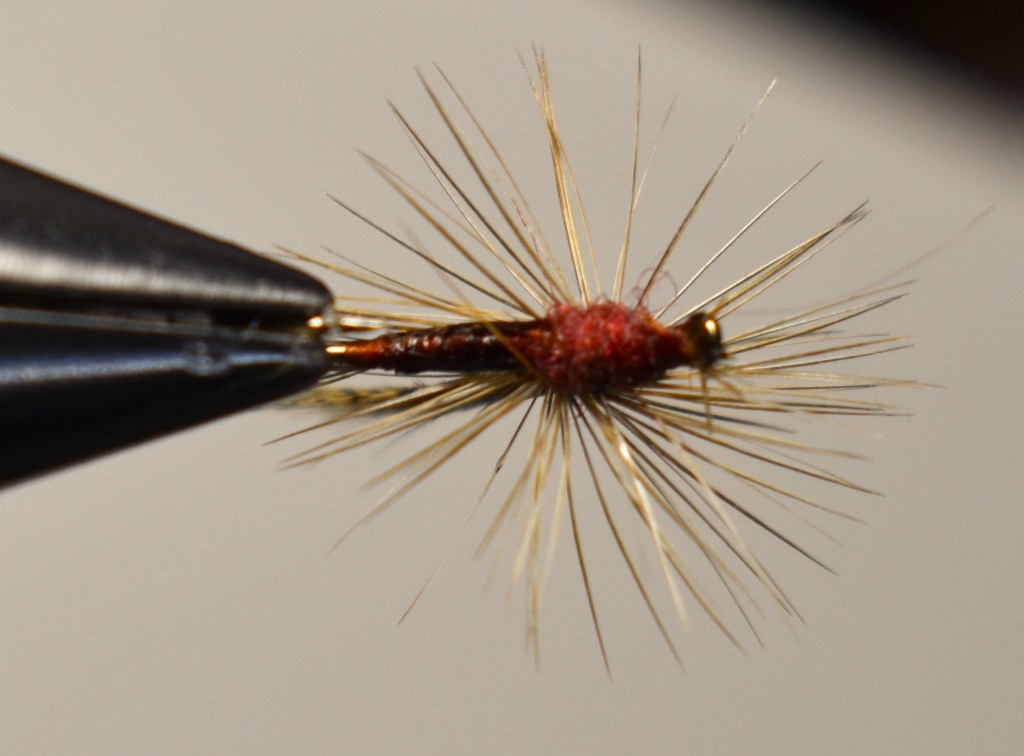
I truly thought a special soft hackle might tempt at least a fish or two, and I crafted them carefully: touch dubbed lightly with spiky, reflective blends of mottled fur, soft wavering barred tails of wood duck flank and partridge hackles specially chosen for color and pattern. My friend Tom who dearly loves and honors the English North Country traditions would doubtlessly have approved. Dead drifted on an upstream cast, swung gently down and across, or twitched through areas with activity, method was no matter. The trout said no!

The emerger that has solved so many impossible trout, though not the cruisers of Twenty-four…

The dry fly man’s bane? Perhaps, though his curse is so often his blessing!

Stalking Dreams

Sunrise Mist

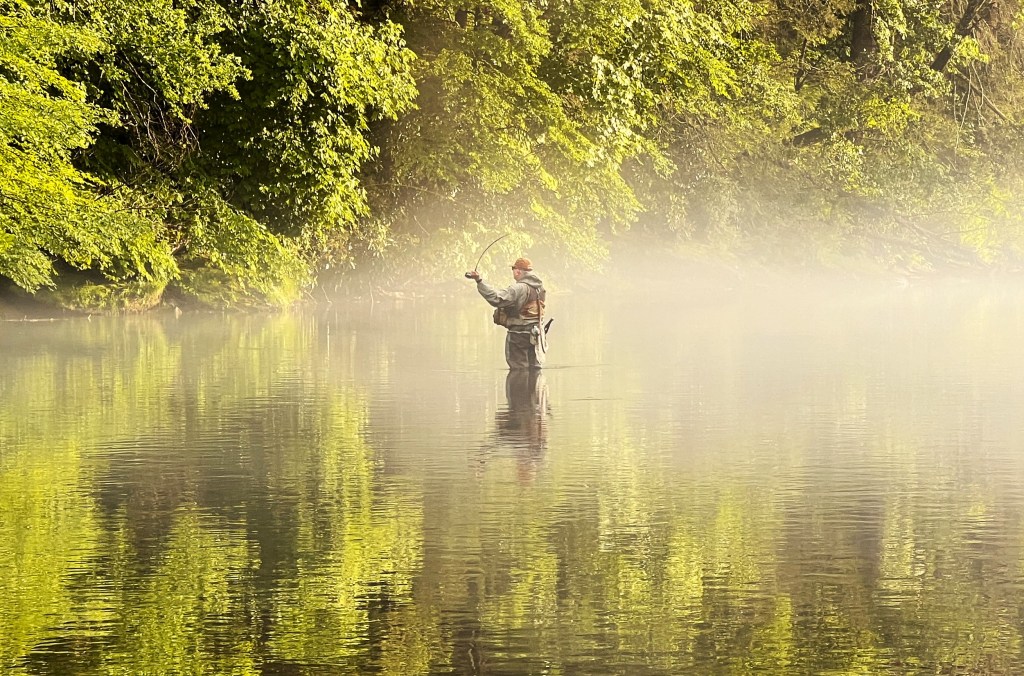
It is a summer’s morn, and the river slides silently past my feet. It takes time, this walking upstream in the quiet hours. I must push no wake before me and remain watchful lest I miss the clue that will make the day.

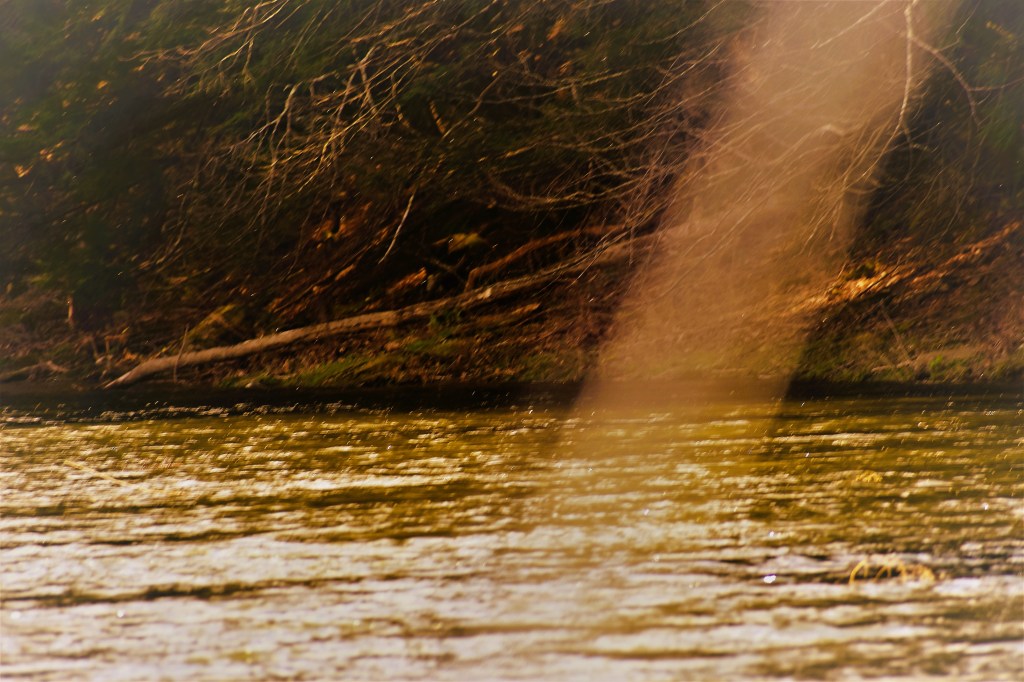
Easing toward a shoreline I pause and listen, for the mist obscures the surface. With patience, it begins to move with the warming air, and I catch glimpses of familiar bits of cover. It is then that my ears capture the subtle plop that means a trout is hunting too. I watch the film passing around me, for some mornings there are spinners adrift, and I must find them to know.

Per chance a cruiser has chosen the same haunt as I! The moving specter of the mist hides him well from my searching eyes if that is so. I wait as the light grows from a thin glowing rim above the mountain.

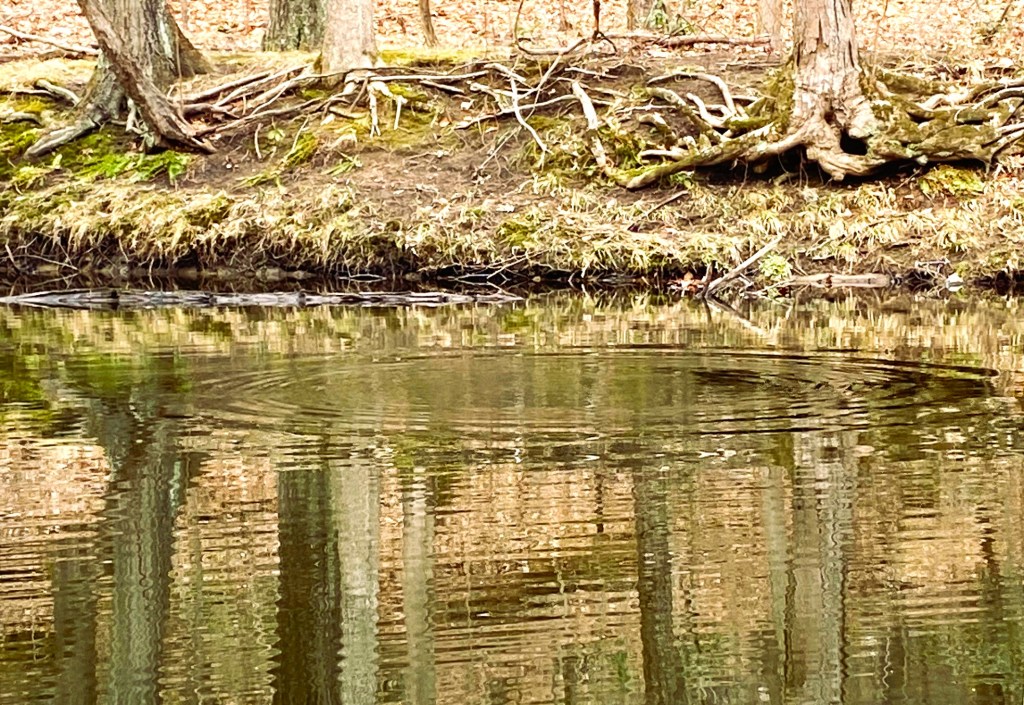
On those days when I can track the subtle rings of a cruising trout, I will choose a fly and play that game. The rules are plain: one rise, one cast, gentle and quick before he meanders away from the vanishing rings. More than one cast risks everything, for the mist hides all the other subtle clues to his direction!

Some mornings there are no rings to be found, and then, when the suns burns away the mist the nature of the hunt changes. Now I can see up, down and across the river, stalk what evidence of life should appear; and now there are choices to be made. Spinner, dun, ant or beetle? The height of the sun and how well it streams through the clouds and high fog help make my decision. If the coolness and the moisture has left the air, a terrestrial is more likely, more so if the breeze rises.

As the sun and it’s daylight takes full command, the character of the hunt changes. Rises are less likely, and the subtlest of movements will draw casts to the nearby cover. There! The cane arches and the fly is dropped softly above the submerged log, my hand flicking gentle turns of line upstream to lengthen the drift. The drama comes as the vortex forms – he is moving to the fly!

I live for the take, nerves ragged as the point of his arrow nears the fly, and finally, the dimple. Every muscle, every nerve tenses then, but I must hold. Half a breath and then the lithe shaft rises into that blissful arc!

Ice

Come February, three months into the season I recognize as the Angler’s Winter, I seek signs of hope. Throughout my life, February has been the month when the first taste of relief graces the landscape, the time when some flurry of warmer air brings a handful of days hinting of spring! The February warmup has been very real the further south I have resided, but here in the glory of these Catskill Mountains it is all but a false hope.

As March begins, the chains of winter must be shed, but no trout will rise

Rare certainly, but not impossible, a true February warmup has graced these Catskills once in my half dozen winters here. It was glorious, with temperatures flirting with fifty degrees over three days, ice-free rivers, and the chance to angle. No, the glory of a rise did not appear, but a limber cane rod and a slow swinging presentation brought a grand reward. So, I look forward with some trace of hope.

Ice secures all of my rivers, and there are no rumors of change. Flows are low once more, and I fear the specter of anchor ice. Our snowpack remains light, but it is lasting, and that bodes well for the river sources, mountain springs and tiny brooklets where the bright waters are born. Hope, with fear of despair.

Tomorrow will mark the sixty-day threshold, and if there is to be no opportune awakening during February, hope must endure onward to March!