Promise, Snatched Away

Crooked Eddy – April 8th, 2022

I was leaning heavily towards the prospect of an honest to goodness early spring, but it looks like I may have to choke on that sentiment. NYC seems convinced that we are in for a rush of high water, for they ramped up the releases from the nearly full Delaware River reservoirs yesterday to make a little room for the inch and a half of rain expected today and tonight.

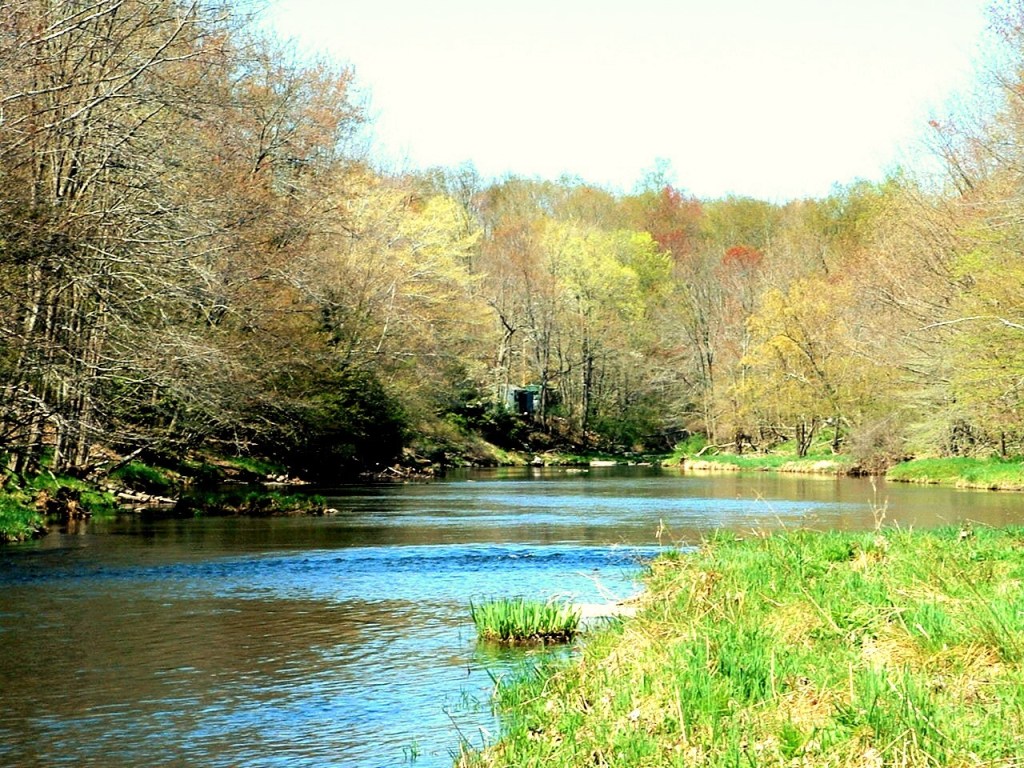
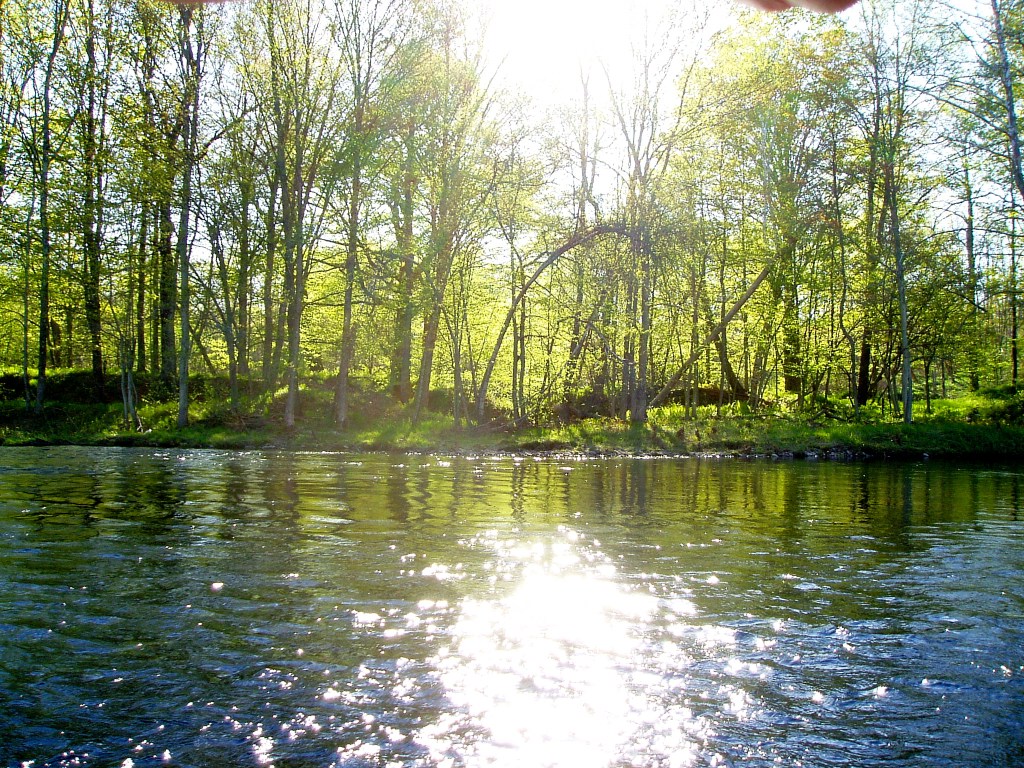
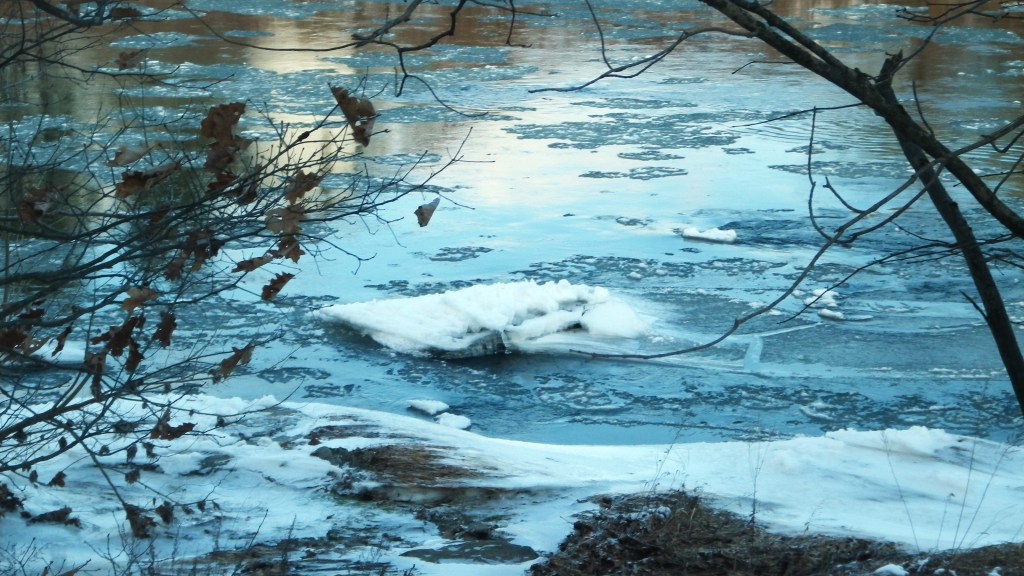
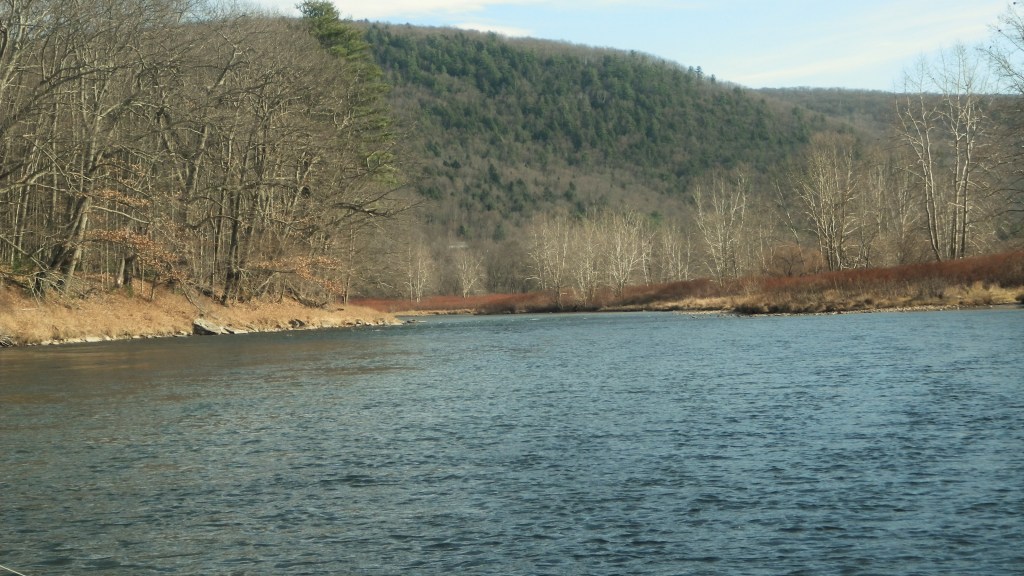
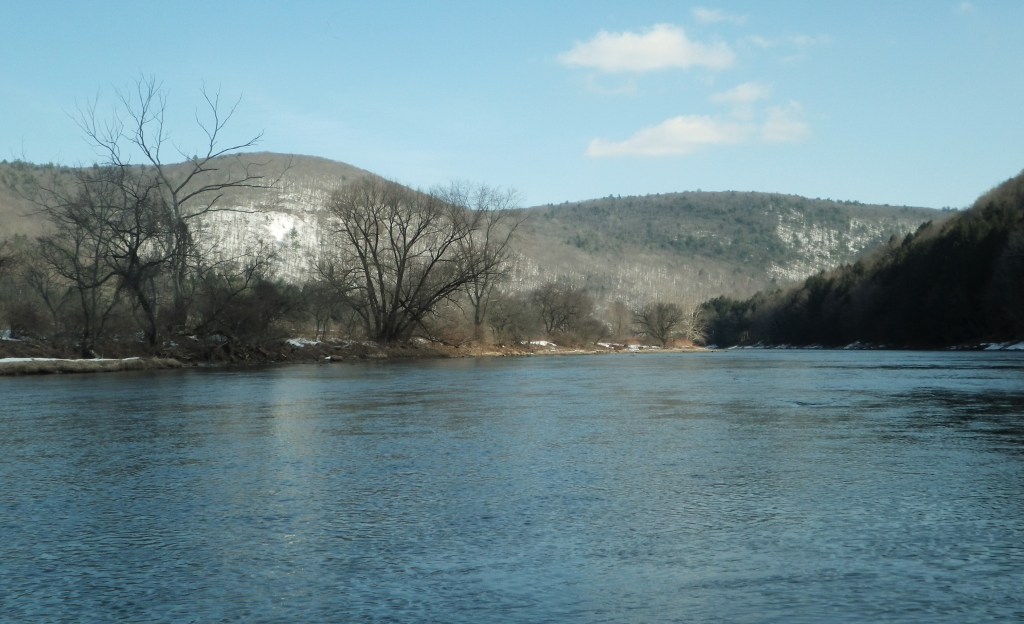
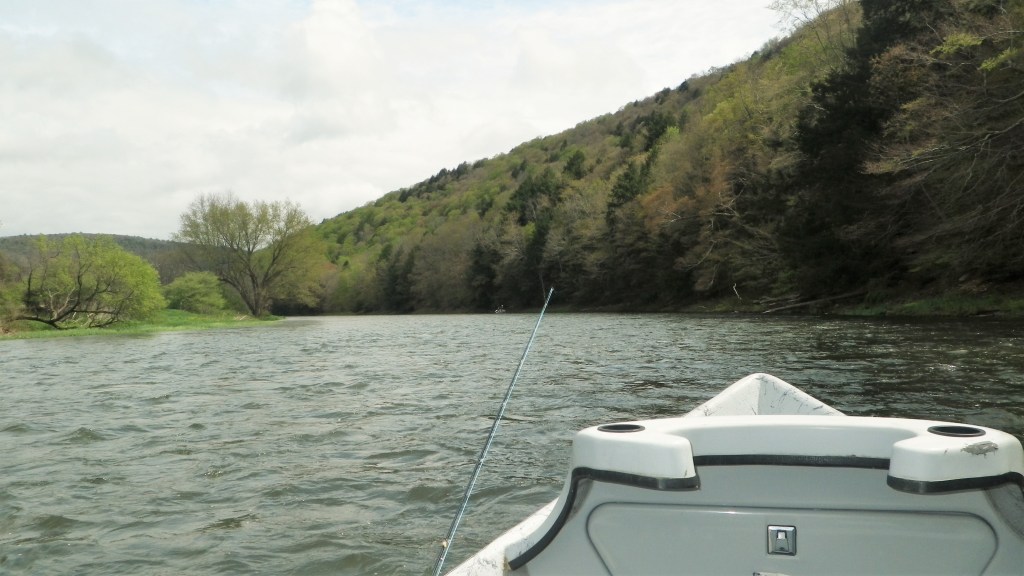
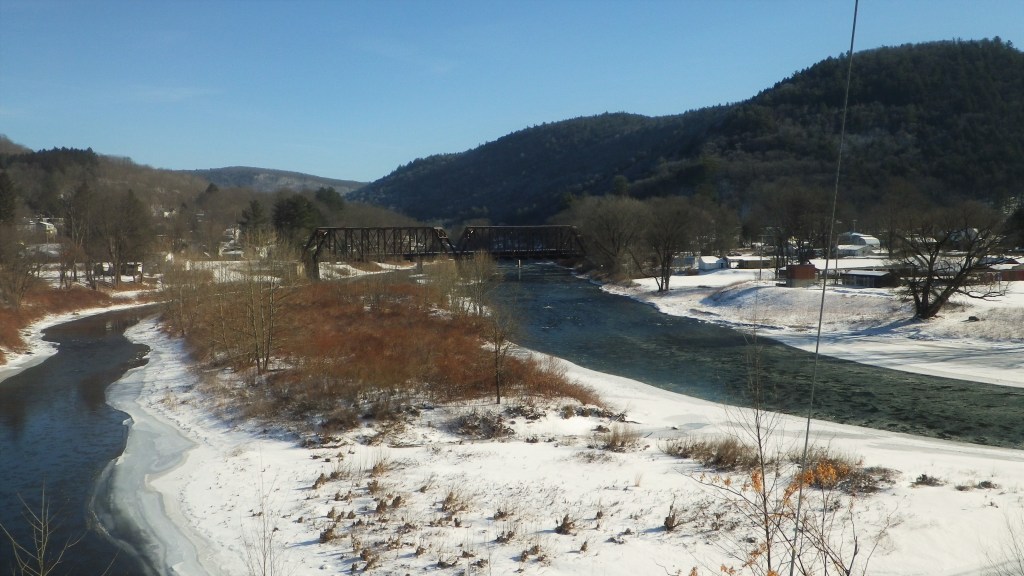
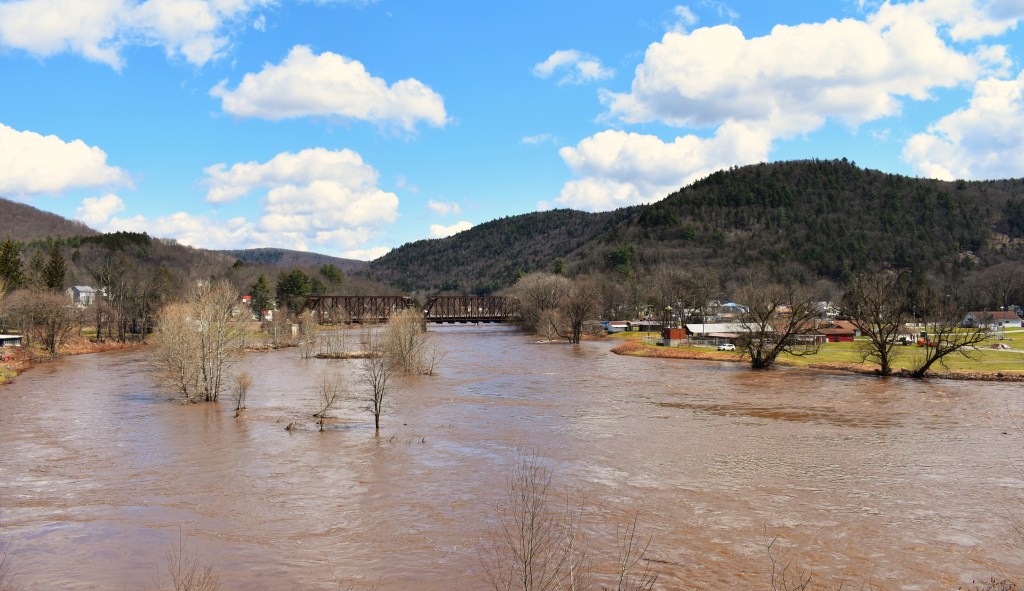
I took a riverwalk yesterday afternoon to enjoy the sunshine, and noted that the East Branch was still high and off color from our last rainfall event. A fresh inch or more shouldn’t give us a scene like 2022 above, but it isn’t going to do anglers any favors either.

Just when the rivers have been responding to our warmer air temperatures, some flirting with the mid-forties, the outlook has changed. Spilling reservoirs will significantly affect already high flows and snatch away the chance of the rare early dry fly fishing that was beginning to appear possible.
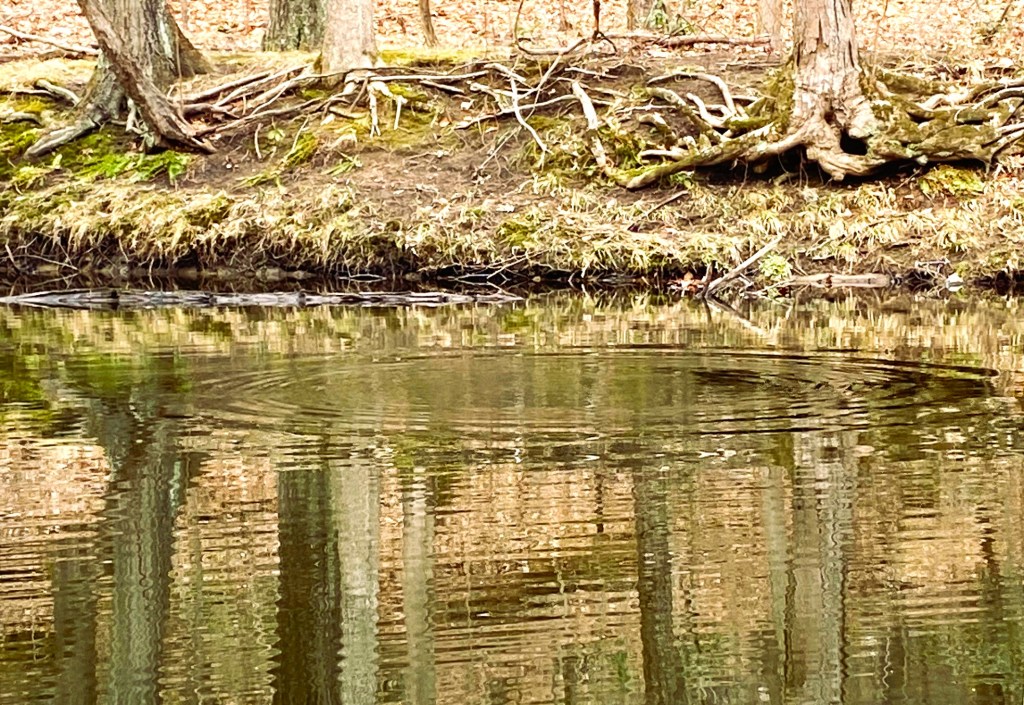
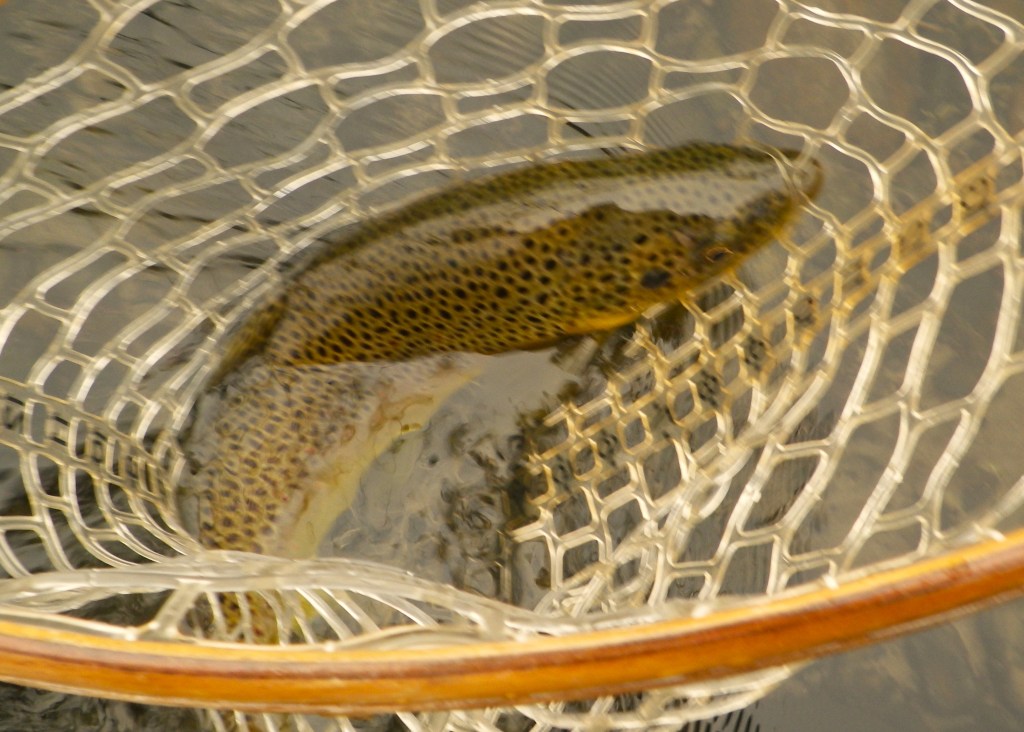
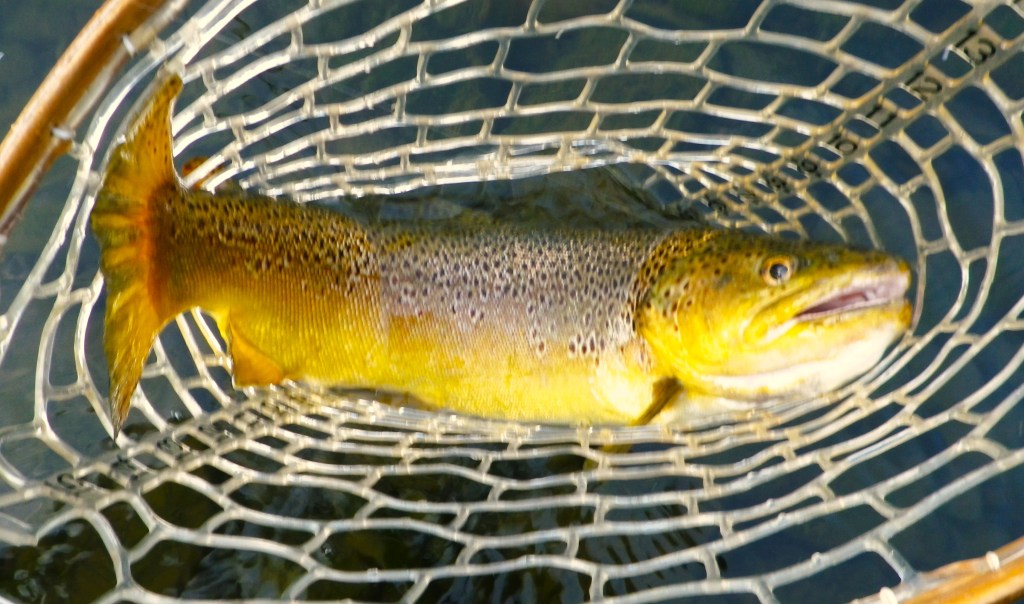
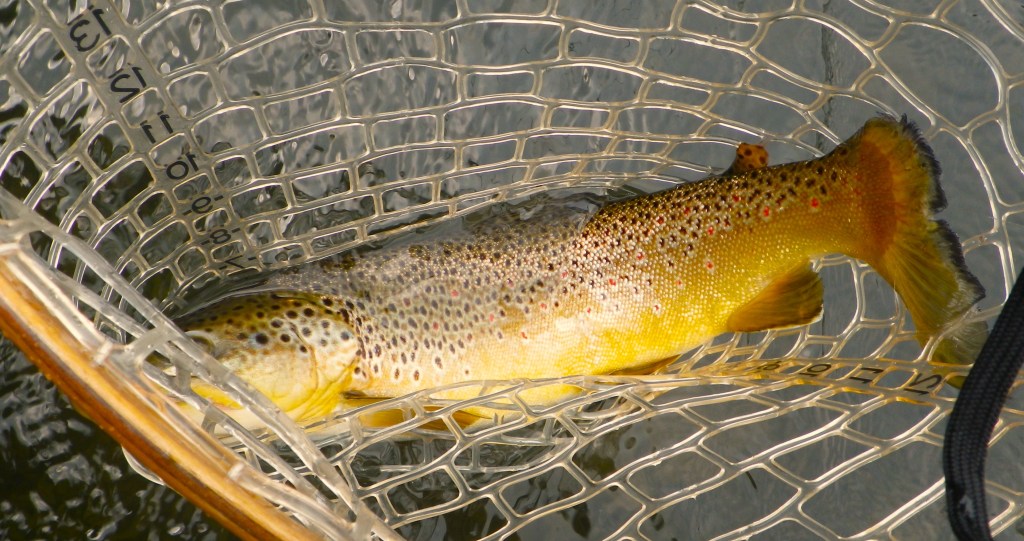
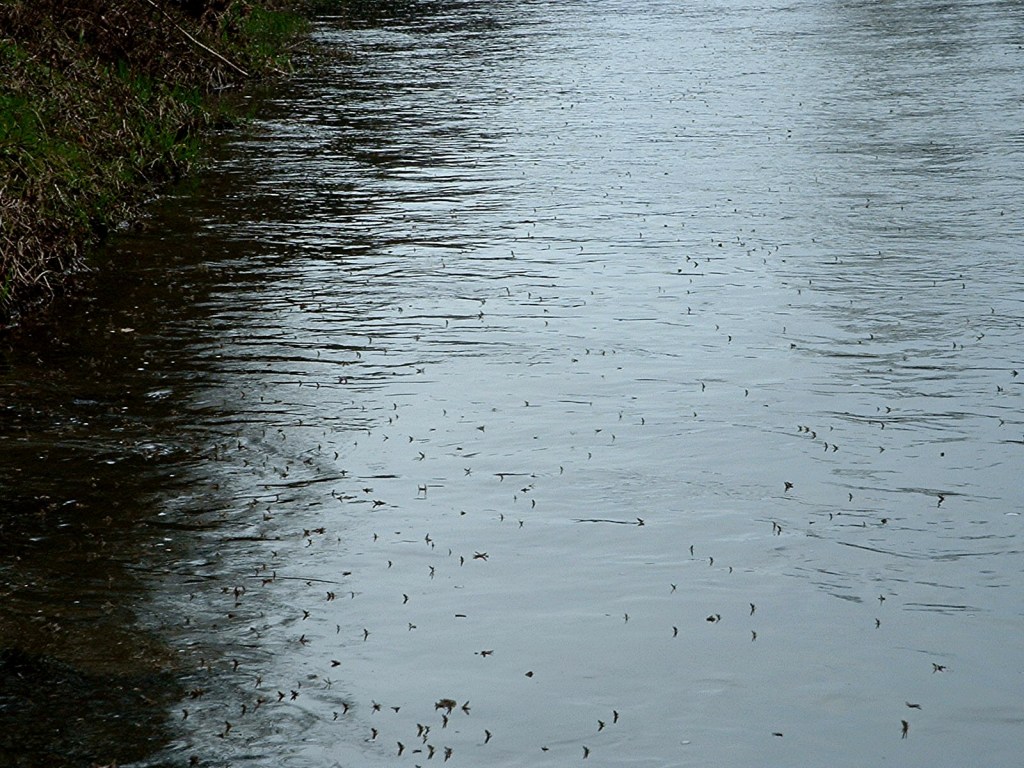
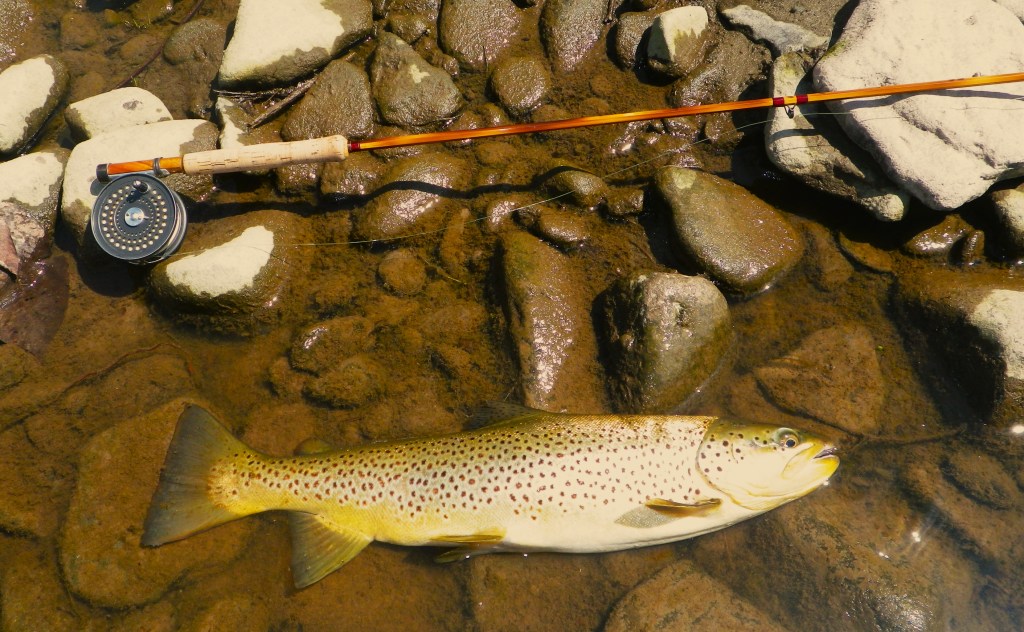
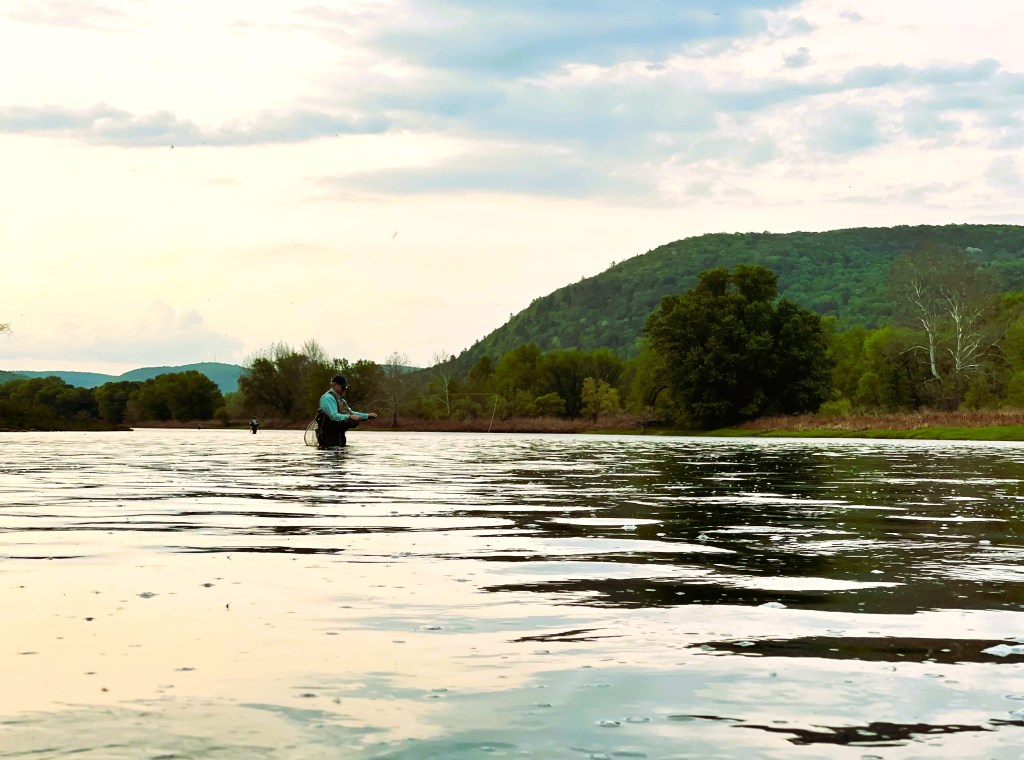
My friend Chuck Coronato snapped this photo at the beginning of last week while fishing an emergence of early black stoneflies. He was a little south of the Catskills, but close enough to get my heart racing at the prospect of one of those very rare early spring seasons!

My mind has been working over the possibilities ever since Chuck’s message arrived. He found rising trout and took a lovely wild brown on a dry fly, and I wanted to get right out there and do the same thing! I checked the temperature of a few reaches of Catskill waters, saw them closing in on the mid-forties, and really started to believe.

In thirty years of Catskill angling, I can remember only one season when fishing began this early. It was more than a decade ago, and the same weather patterns that kicked things off in March in Central Pennsylvania took hold of the Catskills. Hendricksons hatched a month early on Penns Creek, and several weeks early here. Anglers were grinning then, but there was a price to be paid for the early start.

I was working of course, and I couldn’t run up here at the drop of a hat. When I did drive up to enjoy the early deliverance from winter, I found the hatches thin and spotty. They would linger for twice their typical duration, weeks instead of days in some cases, and that pattern continued throughout the season, at least when I came up to fish. Mayflies would trickle off for short periods, often so few of them that the trout failed to take notice.

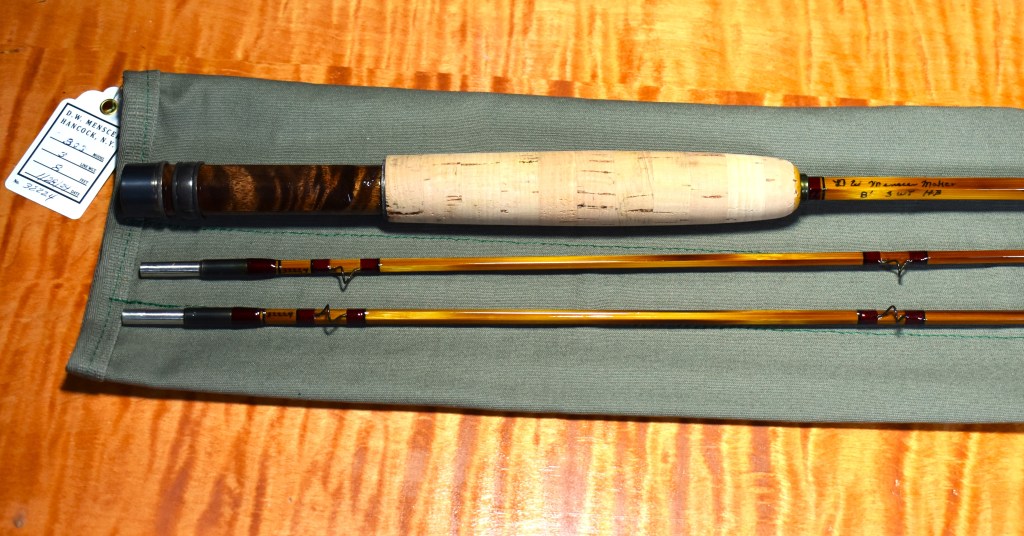
I loved the thought of an early spring this past week, but I cannot honestly say I am willing to pay that same price. Perhaps I will try some smaller waters once this big rainstorm subsides. I have grown accustomed to waiting until the major Catskill rivers were ready to shine, but it seems as it the milder weather will continue between some smaller goodbye kisses from winter. I’ve got a seven-and-a-half foot bamboo rod that’s just right for prospecting some upland streams, and a little history I am anxious to chase.
Early Season Flies

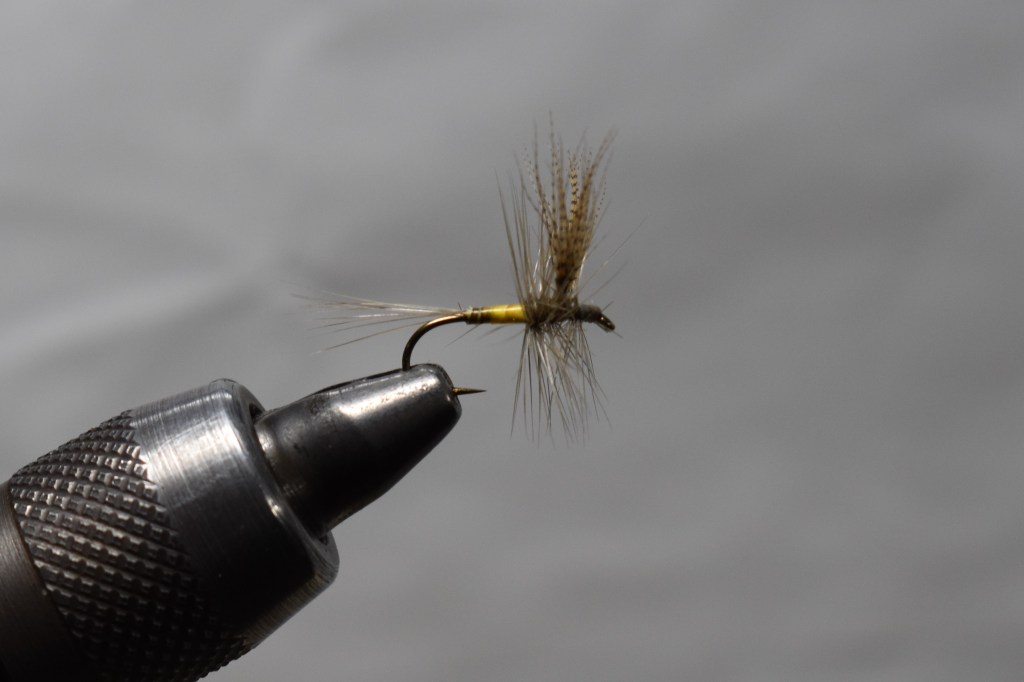
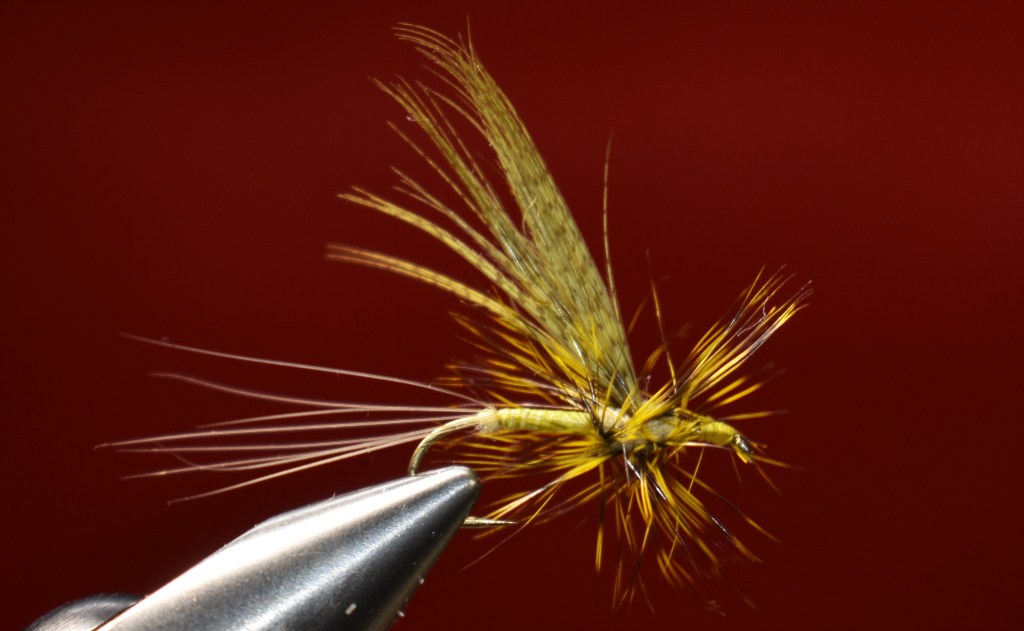
There is nothing quite like the Hendrickson hatch here in the Catskills! My A.I. Hendrickson 100-Year Dun has become a favorite and is well represented in my boxes.

Ah, here we are nearly on the doorstep of spring! The calendar says we are a week and a half away, while my angler’s instinct expects dry fly fishing within a month.

We wrapped up our second winter of Thursday night Zoom gatherings of the Catskill Fly Tyers Guild last evening and are looking forward to a live meeting at the Museum’s Wulff Gallery next Saturday. In person, we will be trading patterns for early season flies, though those of us fortunate enough to be enjoying retirement are likely finished with those. If you are not, and are within a reasonable drive, consider joining the Guild and attending the meeting. I am sure you will make some friends and pick up some new ideas to fill out your early season fly boxes.

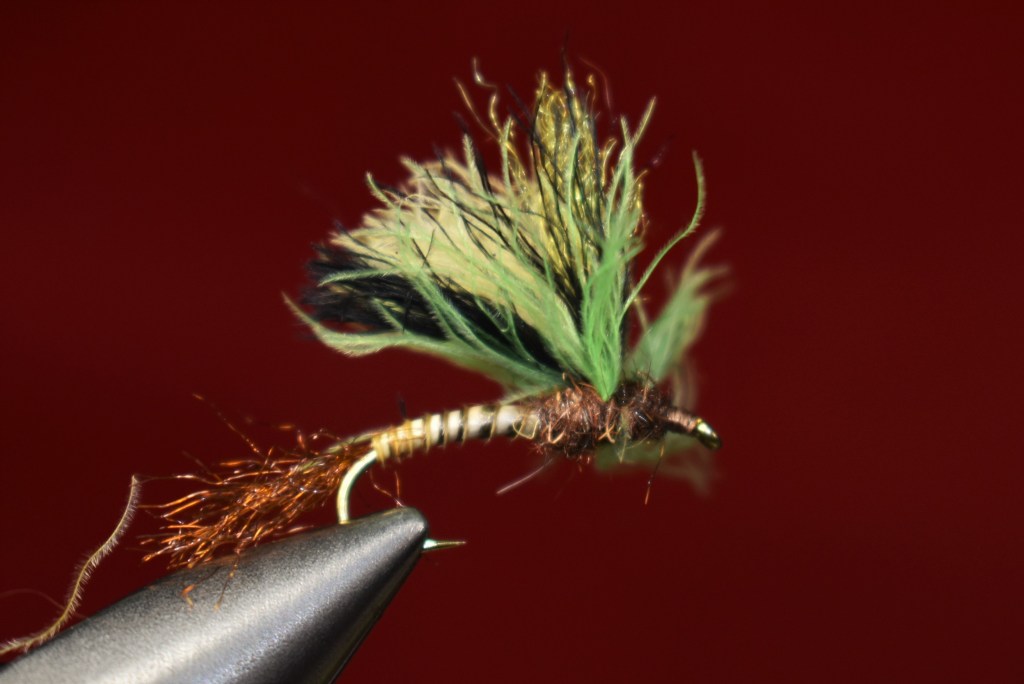
Here in the Catskills, some of the first insect activity we find are the little black stoneflies. These are typically a size 18 with a longer wing. I don’t generally find trout taking them on the surface, though with this winter’s mild weather and warmer water temperatures it could be worthwhile to carry a few with you.

The mayflies are the bugs that get the better trout interested and, depending upon your choice of river, the first hatches will usually be Quill Gordons and Blue Quills. Theodore Gordon’s signature fly is still a productive trout pattern, and I complement my own selection of patterns with biot bodied and dubbed dries, both those bound to the Catskill tradition and several parachute and CDC winged, low floating duns.

My Blue Quill selections follow a similar progression, from hackled Poster dries through 100-Year Duns and CDC’s. In some seasons, Blue-winged olives are mixed in, and can be difficult to spot when there are also Blue Quills on the water. If your quills are refused or ignored and your drifts are good, consider tying an 18 olive to your tippet.

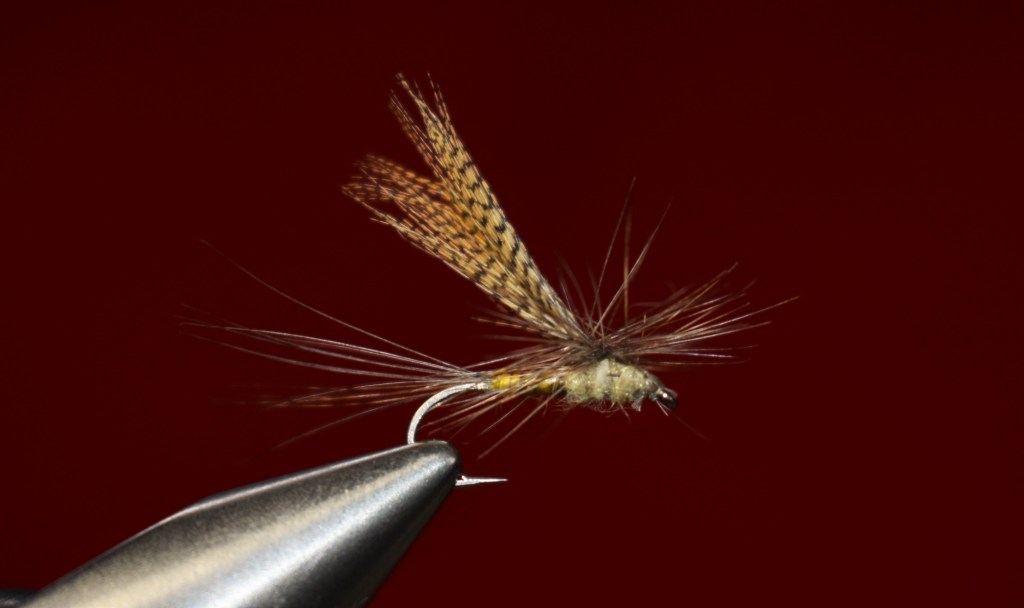
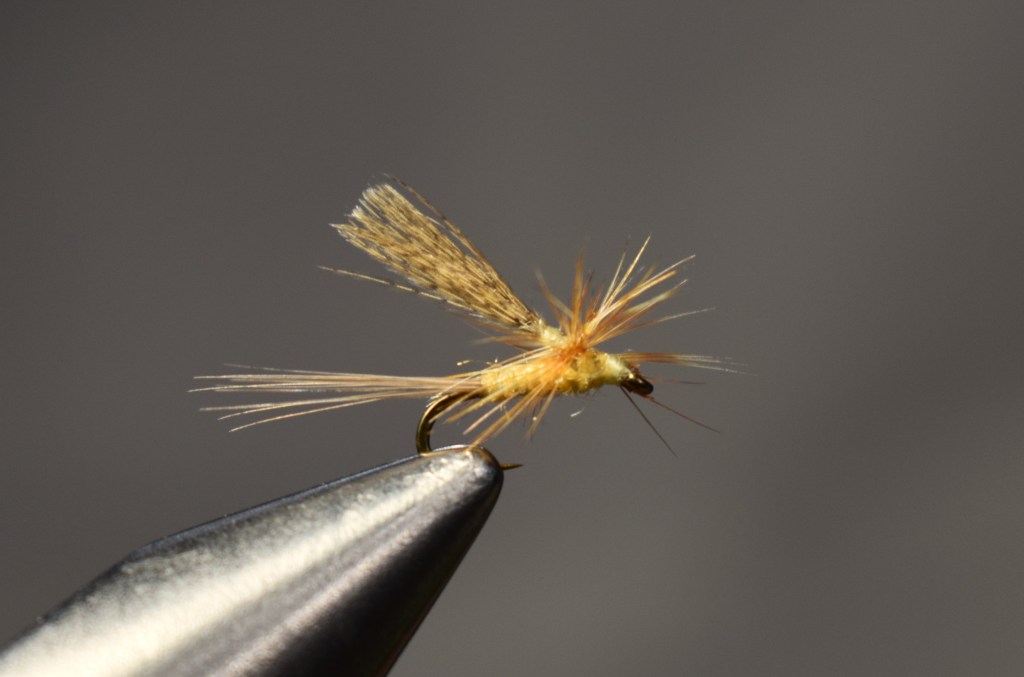
A Translucence 100-Year BWO

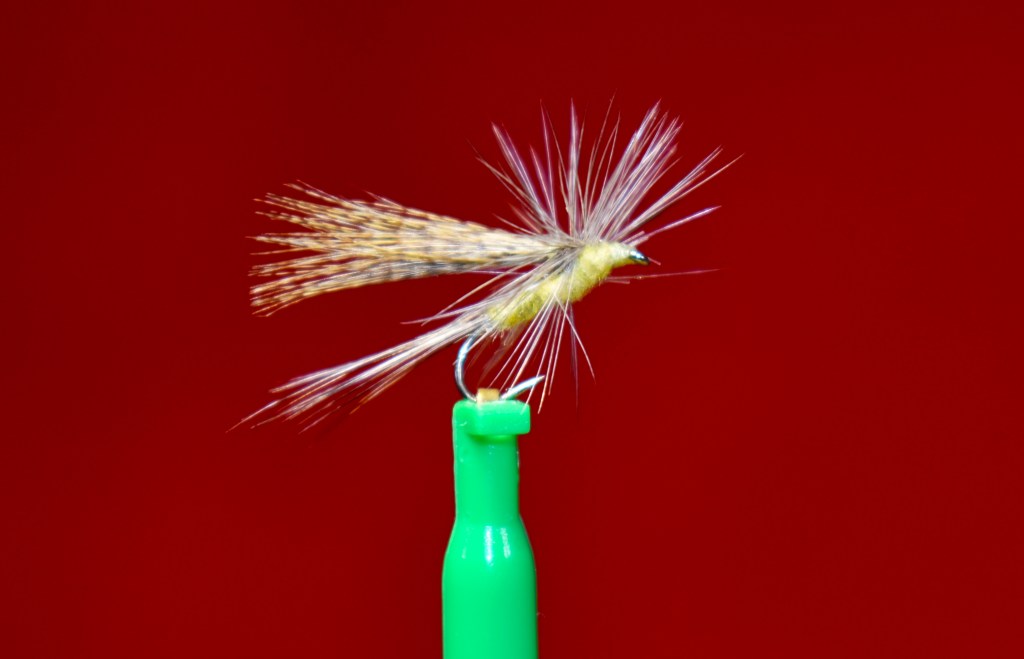
Once the Hendrickson’s begin to hatch in earnest, you will find the trout keyed in upon them in various stages. I carry far too many patterns thanks to my need to experiment, but angler’s should have hackled duns, low-floating CDC or parachute duns, a reliable emerger or cripple and a Rusty Spinner as a minimum selection. Tie a few of each in a smaller size as well!

Our most abundant Hendrickson species seems to be the tan bodied mayfly that inspired Roy Steenrod’s legendary Hendrickson dry fly, typically seen in a size 14. Tie at least a couple of your favorite styles in sizes 12 and 16 just to be prepared. Nature writes her own playbook!

Red Quills are generally smaller, copied by a size 16. I don’t see as many of these as the larger tan duns, the females in accordance with conventional wisdom, but do not get caught without them.

I see two additional variations that I expect are related subspecies, though not as reliably as the tan size 14 flies we call Ephemerella subvaria. One of these, which I find on the water at the same time as the larger flies is a cocoa brown size 16. The other hatches after the main event subsides, another size 16 colored a dirty golden yellow that I refer to as the Lady H.

The flies discussed above get me through the early portion of the dry fly season, taking us into May when caddis hatches and March Browns loom on the angler’s horizon.

You will want some of those Rusty Spinners in April and early May of course, sizes 12 to 18, and last year I was surprised with a brief appearance of flying ants during a hot second week of April. A tiny plastic hook box is still tucked into my vest with a handful of size 18 winged black ants, just in case.

Marching Toward Spring

Springtime awakens on the Neversink

The rain falls gently this morning as March continues it’s lamb role, uncharacteristically on it’s winter end. Milder temperatures continue, though the rains will raise the rivers once more, keeping this fidgety angler under roof. Should the day have dawned with sunlight rather than clouds, I would be out there right now.

I had a message from a friend this morning, and his words caught me envying his more southern exposure. He wrote that he had begun his dry fly season yesterday, finding early stoneflies and rising trout in a quiet wild trout stream hidden between clusters of civilization where one might least expect to find one. His photos remind me of Maryland’s Big Gunpowder Falls, the stream that brought my wild trout passion into focus.
I count thirty-four days until I may truly hope for my own dry fly commencement. The Wheatleys have been coaxed from storage that I might check the contents of each compartment, readying them for their place in my front vest pockets a month from now. Should this warm trend actually evolve into an early spring, I will be found searching the rivers before that month has passed.

I too witnessed early stones and a handful of soft rises last week. I was quite simply unprepared, for I have not seen a rising trout earlier than the last week of March these past five Catskill seasons. That exception was a loner, and a good deal of time passed before I found another ring upon the surface. Though it may seem foolish to carry dry flies and suitable tackle on a rare fishable day in February, I have already taken steps to meet the impossible.

Small waters are more conducive to such early opportunities, the larger rivers demanding stouter tackle and sinking leaders to swing a winter fly deep and slow. In my Falling Spring years, I carried the same seven-foot One Ounce Orvis rod in winter that I carried throughout spring and summer. A quick clip of the Shenk Sculpin and a tippet change had me ready to knot a little stonefly or midge pupa to drift in the film whenever a rise appeared. Today my winter rod is often eight or more feet of bamboo, my reel spooled with an intermediate line and a sinking leader. A spool change is required to command a dry fly, and that entails wading gently to the riverbank, restringing the rod, adjusting the tippet, all before even selecting a fly. In short, precious moments that those miraculous winter risers fail to provide.

I miss those winter days on Gunpowder Falls and Falling Spring. I have bargained the possibility of year-round dry fly fishing for the glory of the season’s full complement of hatches and large, difficult wild trout. It has been a good deal, one I do not regret, though my mind still wanders amid the long wait for spring.

Dreaming of Drakes

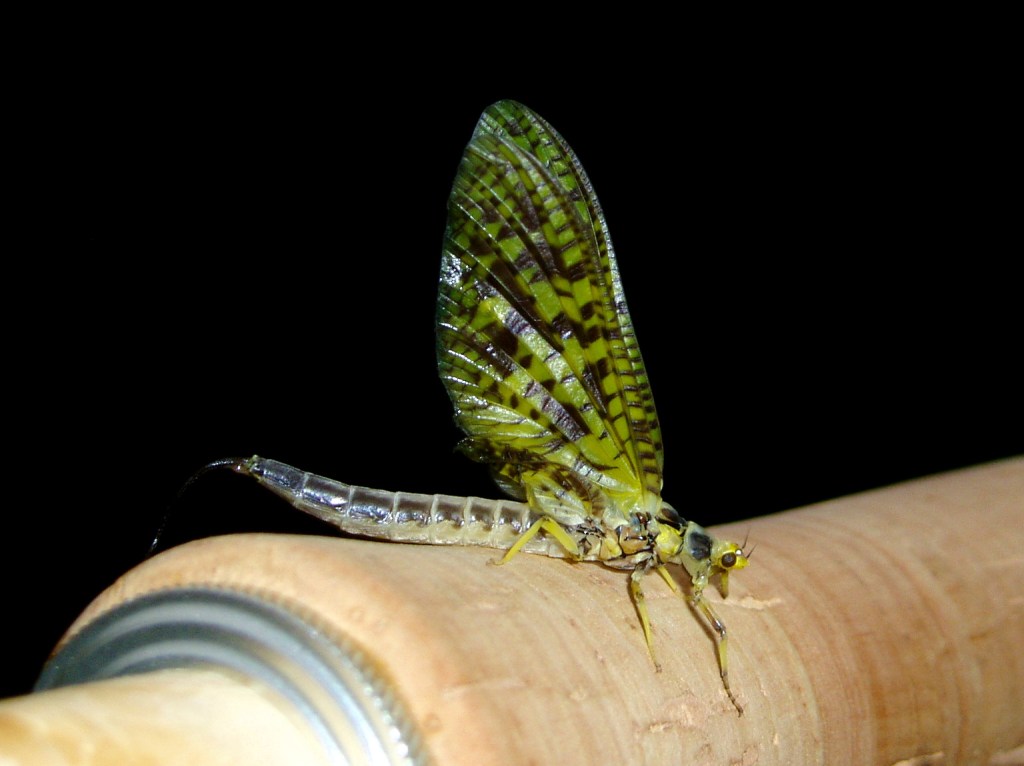
A freshly emerged Eastern Green Drake reclines on the grip of an old favorite Winston fly rod.

More than twenty years have passed since my first experience with the Green Drake hatch here in the Catskill Mountains. Mike Saylor and I had made the trip up to stay and fish with Pat Schuler at his beautiful lodge in Starlight, Pennsylvania, and we arrived early on a soft, fog shrouded spring morning. In talking with Pat, he mentioned that “fishing had been pretty good” and asked if we wanted to take a half day float trip. We were scheduled to float the next day but jumped at the chance for an extra afternoon and evening with the best guide on the Delaware River.

I had fished the Drakes on Penns Creek a decade earlier, witnessing the spectacle of the hugely crowded stream and the huge mayflies hatching while listening to the boils of rising trout in the darkness. There was some more productive fishing early in the mornings, stalking the odd trout taking leftover flies from the previous night, but the great hatch was a pitch-black affair on the big limestoner; in short, a guessing game.

A wet and bedraggled 100-Year Drake, recently removed from the maw of a trophy Catskill brown trout. Notice the absence of darkness?

After fishing through morning and early afternoon on the Beaver Kill, Mike and I met Pat at four o’clock that afternoon. I guess we had floated half a mile when the first epic burst of white water catapulted skyward – a good Catskill brownie had taken a Green Drake!

We landed ten fish apiece that afternoon and evening, the smaller ones measuring better than eighteen inches. Most of those trout weren’t small ones. The inset photo at the top of my blog page shows my best of that day, a brown measured at twenty-three inches. Mike’s best was twenty-one. These big trout were all taken on the big dry flies, Green Drake Comparaduns and Brown Drake Comparaduns that Pat provided. It was an epic beginning to a truly epic trip.

The Catskill Drake fishing wasn’t the guessing game under full darkness I had witnessed at Penns Creek. Here the flies hatched sporadically throughout the afternoon, and the rises were anything but subtle. My angling life was changed forever that day.

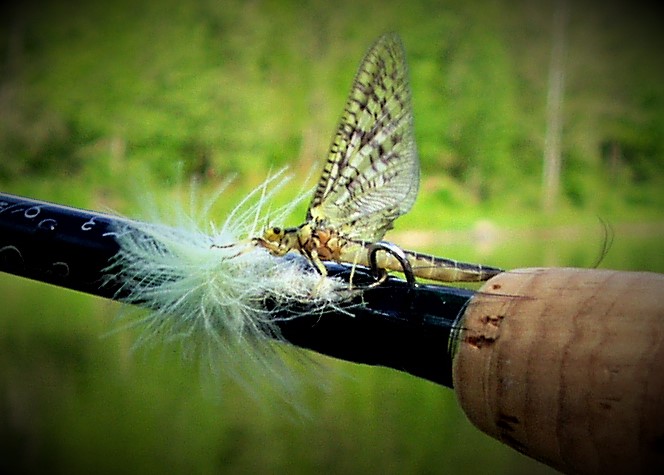
The real deal, astride my rod, ponders the well chewed, impressionistic CDC comparadun that often proved to be as attractive to the trout as he was.

Throughout some fifteen seasons beyond that day, I devoted myself to the Cult of the Green Drake. I designed new fly patterns, modified them, tested them, and reaped the rewards whenever the Red Gods allowed me the grace of finding the right pool to meet the hatch. The CDC flies were mainstays early on, though it seemed as if more innovation was needed. There were years when the hatch was sparse, and the trout reluctant to take the duns reliably. They chased the nymphs swimming toward the surface, making deep boils when they captured them inches below the film. I remember one emerger I designed that solved a number of those days, but there was always a drive to find the perfect dun, the fly that would take the uncatchable fish that ignored all my best flies.

An early 100-Year Dun with a biot body, dyed mallard flank wing and hackled in the late Vincent Marinaro’s thorax style.

The canted single wing derived from studying Theodore Gordon’s flies showed immediate promise, hackled in the thorax style it proved somewhat difficult to tie, and I continued to refine it, finally settling upon a canted parachute style that sat on the surface provocatively. The 100-Year Drake proved itself over and over again, taking big reticent browns who refused my other duns.

Twenty years have passed in a blur, and the amazing hatches I once witnessed are now a memory. The decline occurred in fits and starts, but seems all too real these days. Yet I am still captivated by the magic of the Green Drake and what has been. New patterns evolve, part of my quest to make the most of scarce and dwindling opportunities. I hope the decline in these great mayflies is cyclical, that their numbers will rebound, and the hatch return to prominence.

One form of the Cripple that subdued my largest Catskill brown on the dry fly.

Last season, the hatch I encountered was no more than a trickle, a tease compared to the wonderful fishing of two decades ago. A handful of trout were attracted to the sparse appearances of Drakes as darkness gathered, and all duns were ignored. Very low, clear water coupled with the tiny number of flies that hatched made the fishing nearly impossible. My most recent variety of a CDC Cripple was the only fly able to bring a trout to hand.

As I wander the dreamscape of the past twenty years in memory, I crave the opportunity to continue my quest, though I must accept that there may be no more of the great flies in my future. One cannot imitate that which no longer exists.

A twenty-six inch trophy brown which was entranced with my Crippled Emerger. I pray that my “best” shall not be my last. May the Cult of the Green Drake continue.

Wait A Moment

Warm and sunny, warm and sunny, snow and wind! Don’t like our Catskill weather? Well, you know what to do…

Unsteadied February is almost behind us, and thirty-nine days remain until dry fly nirvana will flirt with my emotions. This final week has shown us a little bit of everything. It seems fitting that February’s farewell should be icy and blustery, for the balance of the week has been quite fair. Two days of fishing, a little warm rain to replenish the rivers, and now the big freeze; but it looks like sixty degrees for Sunday!

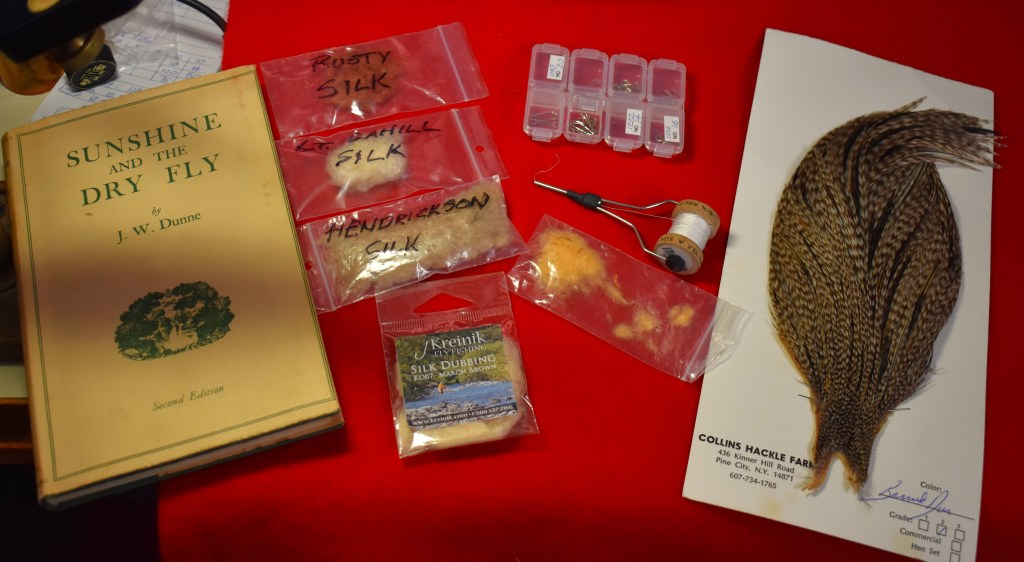
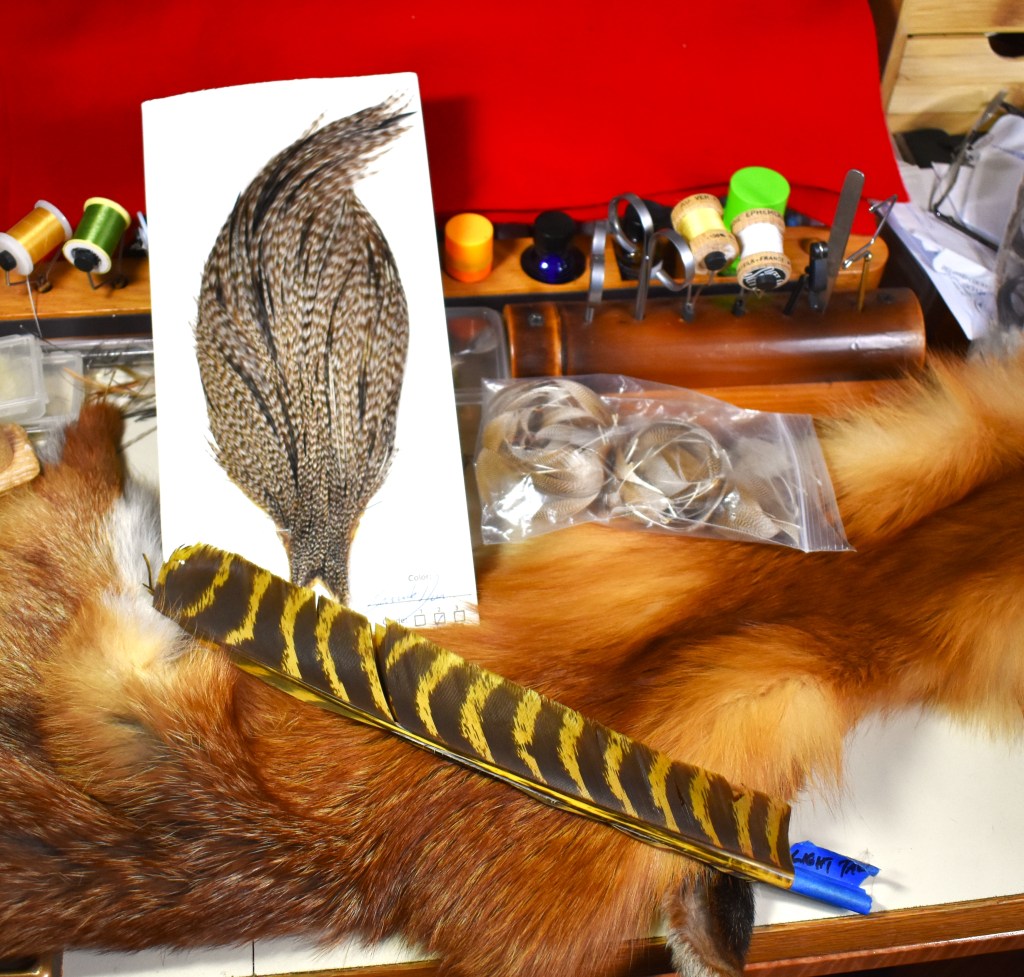
The fixings for Translucence dry flies, and a nod to a like-minded angler from a century ago!

I tied a few of my Translucence Series flies last Saturday at Flyfest, and found a few interested guests curious about the silk dubbed creations. As with most of my dry flies, color is important, and the path to hatch matching color is blending.

I was pleased when I discovered that the Kreinik Company was still manufacturing their pure silk dubbing that I carried in my fly shop so many years ago. It takes a bit of patience to acquire (you order from their website but must wait a couple of weeks for one of their dealers to fill your order), but the wait is worth it. Silk dubs so perfectly, as it is finer than the various synthetics, and it has that lovely glow in the water. the color selection available will cover a good deal of the major hatches, particularly when you blend them together to mimic Nature’s impressionistic hues. When you truly need a different color, stranded silk can be separated and cut into short strands, then blended with the dubbing to produce the desired tones. The orangish yellow characteristic of the sulfur mayflies comes to mind.

I tie the tiny Classic Sulfurs with my blend of the yellow and pale yellow silk dubbing for the abdomen, and that same blend combined with orange stranded silk for the thorax. Our difficult trout stand on their tails to take them!

I have used the same technique for blending fine materials which I used for Antron dubbing thirty years ago. Pull out some of the silk dubbing and separate it into thin veils of material, then take a sharp pair of scissors and cut across the veil at intervals of about one quarter of an inch. You can blend using your fingers, pulling wisps of material apart and recombining them over and over until their colors are thoroughly mixed. The basic electric coffee bean grinder is much faster and better if you blend dubbing on a regular basis, and they are still inexpensive.

The clear plastic top of my coffee grinder is the “hopper” where the furs, silks or synthetics are inserted prior to a few short spins with the machine to yield perfectly blended dubbing.

If you embark on the path of blending your own hatch matching dubbing, I strongly suggest that you keep notes of the relative amounts of the ingredients used in each blend. That makes it much easier to make a new batch when you need it.

Hopefully, we don’t have too many frigid, windy days remaining before fair weather brings the beginnings of spring fishing, so take advantage of this time to tie the flies you need for the new season.

Ah, the joy of presenting the right fly at the right moment!

A Walk in the Current

There are days that are quite clearly about the fishing and not the fish. Oh, what a deliverance sunshine and bright water can provide after three months of forced imprisonment!

I trod rock and gravel once again under brilliant sunshine that pushed the temperature to a glorious fifty-eight degrees. Not bad for a February afternoon in the Catskills! The water temperature responded to that same inducement, cresting above forty degrees, and I thought that something might be afoot.

I was swinging a movement fly, searching for that one take from old leviathan. So storied a trout did not come calling, and my fly swung slowly without salutation, yet what I found surprised me in more ways than one. There were flies about, little black stoneflies in February! Had I somehow traveled back to the spring creeks of the Cumberland Valley? Best of all, I witnessed a few little swirls and dimples at the surface when the breeze calmed – the occasional trout taking a handful of those twittering stones.

Now I was unprepared to say the least, but that truly didn’t matter. The sight of active flies and gentle rises was pure magic to my winter mood. I actually found one little CDC stonefly tucked into the foam of my smallest chest pack, though a sparse size 18 dry fly is not well fished on an intermediate line and heavy leader. Can you tie an 18 fly onto a 2 or 3X tippet? It seems that you can.

I cannot say the equipment available allowed a telling presentation, not even with the grace of bamboo, though that honestly wasn’t the point. I cast a dry fly to a rise on the twenty-sixth of February, and that was enough!

The Grizzly and Peacock variation of my little early stonefly.

I don’t honestly expect to use it, but my little box of early stoneflies and a spool of 5X tippet will be tucked into my chest pack this afternoon. I mean, one shouldn’t ignore little flashes of magic when one encounters them.

Winter’s Days Are Numbered

It was cold on Saturday morning, and I had the collar of my warmest down jacket zipped up high as I crossed the Rockland House parking lot. A group of fellow celebrants had just arrived, and we were about to begin setting up for Flyfest 2024. The event marked a goodbye to winter, at least in spirit, and the fine group of anglers and fly tyers who gathered again this year quickly warmed the interior of the dining room with their smiles.

There are twenty-three days remaining in the astrological winter, with the spring equinox arriving early, on March 19th. The ten-day weather forecast for the greater Hancock area reveals the typical ups and downs in temperatures, but seven of those ten days are expected to warm into the fifties. Of course, dry fly anglers like myself aren’t expecting to find rising trout as the equinox arrives, but our expectations and enthusiasm are rising with those temperatures, a fact that was very evident on Saturday.

I have even begun the task of sorting through the flies tied these past few months, guiding them into the fly boxes that will fill my vest quite soon. The new Atherton Inspired patterns have their own box this morning, and the Wheatley’s that house the Quill Gordons, Hendricksons and Blue Quills that begin the wonder of the dry fly season are next on my list. It can be nervous work, for simply handling those boxes, the repositories of the essence of my hopes and dreams for deliverance from winter’s grasp, heightens my anticipation.

I can see my own mileposts in the distance now, lined up along the curve of the river: forty days, thirty, twenty…zero. There’s a new pair of fishing sunglasses on order, a new old St. George reel lined and ready to greet the soft curl of bright water as I stalk the first rise of a new season, and of course some new fly patterns ready to tempt the untemptable trout.

We have had good flows this winter, milder weather overall, and that bodes well for the nymphs wriggling in the silt and gravel, as well as the trout fry that herald our future. Reservoirs have a good head of water, though we don’t have the snowpack in the high country to complete the scene. Someone told me last year of a conversation with someone within the NYC Bureau of Water Supply. He was told their models expected a few years with warm, dry springs and wet summers. That came to pass in 2023. An early strong week of sunshine warmed the rivers quickly, though I remember wandering, puzzled in search of hatches that did not burst from the waters under those eighty-degree April skies. Predictions, calculations, suppositions – they make for good conversations, though they fail to reveal the timetable for Nature’s magical transformation of spring.

Hendricksaons

The Lure of Sunlight

A summer morning on the West

I was forced to hide from the brightness yesterday, my eyes dilated from my annual eye exam, but today has dawned gloriously bright and clear once more. I am drawn to the appearance of warmth, though I am fully aware of our sunrise temperature, once more in the teens.

I have been watching the river gages more closely of late, noting that the high releases on the Delaware reservoirs have ceased, returning those tailwater rivers to wadable flows. We are forty-seven days from my own awakening, and a reasonable chance of finding wild trout looking toward the surface.

There was floating ice on the mainstem yesterday morning as I drove along PA 191, south toward Honesdale. It was twelve degrees when I left the house near nine, but that sunshine made swift inroads toward dispelling the worst of the chill. The ice floes were absent on the return trip, though the water was still only a couple of degrees above freezing. The river runs at a nice wadable flow, but I know better than to think of fishing there.

A clear, sunlit morning with ice in the flow from early 2020

This sunshine tries hard to tempt me to the river, though the daytime highs will not reach forty in some of my favorite haunts. Breathing cold air is not in my best interest yet.

I should get my travel kit in order for the weekend, ensure that I have the hooks and materials packed to tie whatever strikes my fancy during the Flyfest celebration. There are times when a visitor asks about a pattern I have discussed here or in the Guild’s Gazette, so I try to have a selection that will allow me to at least come close, if not faithfully reproduce the requested fly. That is always a challenge with a small travel kit.

Of course, I did get a reminder yesterday that it is time to write something for the forthcoming March Gazette, and it seems the right kind of day to take care of that. March is a perfect time to look ahead toward spring and the flowering of a new dry fly season, and that will lift my mood as the memories flow as quick as the ice-free rivers!

A Delaware evening

Quiet Time

There’s a white landscape this morning in Crooked Eddy, a rarity for this rather confused rendition of winter. The sight brings a smile, for a part of me still believes that winter should look the part.

I have played a bit more with flies this week, though I still have not been infused with the usual passion. I guess the fact that I must buy more fly boxes each year to house them has an effect, along with the realization that I have so many ideas committed to hooks and hackles and fur that I often cannot find one of them when I see the opportunity to try it on the water. Though it passes the time in winter, I have to force myself to sort and rearrange the contents of fly boxes.

There is some work to be done on the summer boxes. It would help to have a count of certain favorite patterns, to have replacements produced and ready to refill the boxes that man the vest and chest pack. Of course, too much preparation and organization might rob me of some of the joy of my early morning fly tying throughout the season. There is always luck to be found in a fly tied the morning before a wandering afternoon along the river!

My A.I. patterns drew my attentions early, and there are flies for the entire series tied and waiting in a storage box. God knows I have more than enough Hendricksons, though I still find myself tying a few on any given day throughout the long months of winter. Sulfurs could probably take up a day or two, not that there aren’t plenty of CDC’s and 100-Year Duns lurking in at least two or three different fly boxes.

I just acquired a copy of T.E. Pritt’s North Country Flies, for a friend has interested me in the history of those old English patterns. I have tied a few, usually found in a seasonal box, surrounded by dries of various descriptions. It would make sense to gather them together I guess, though lying next to a couple of hatch matching dry flies helps them find their way onto my leader when the dries fail to solve some picky sipper.

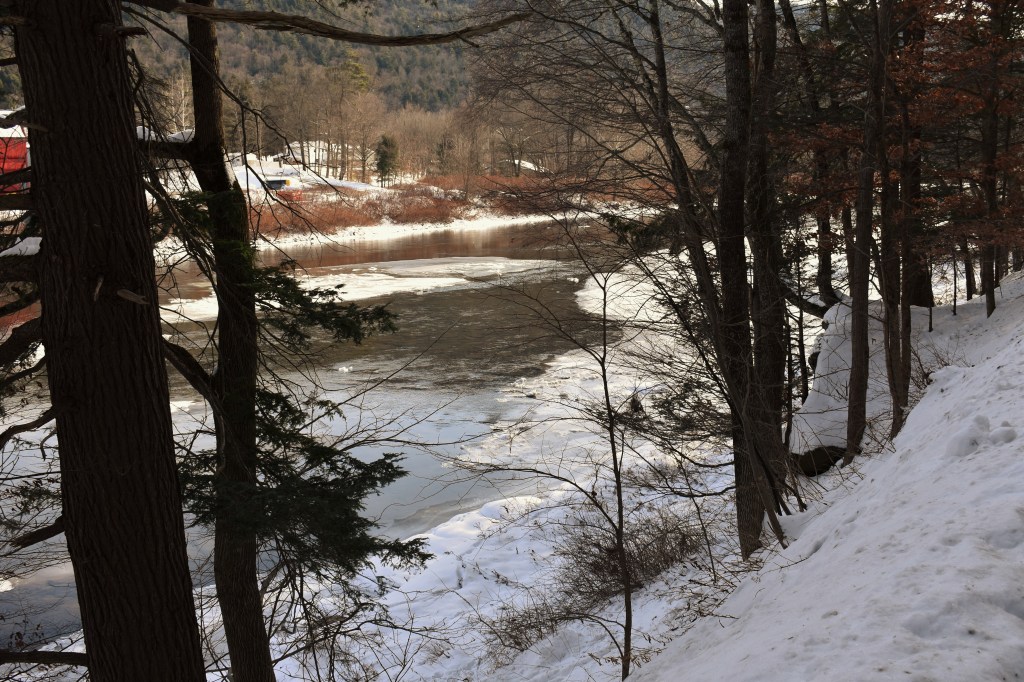
None of my riverwalks have looked like this one, this winter being more than mild.

Ah, the sun just emerged to brighten the curtain above my bench. Perhaps it’s time to brew another cup of coffee and sit back with the book I began the morning with…

The Gordon or Golden Brown Spinner – 2023

A Blade of Grass

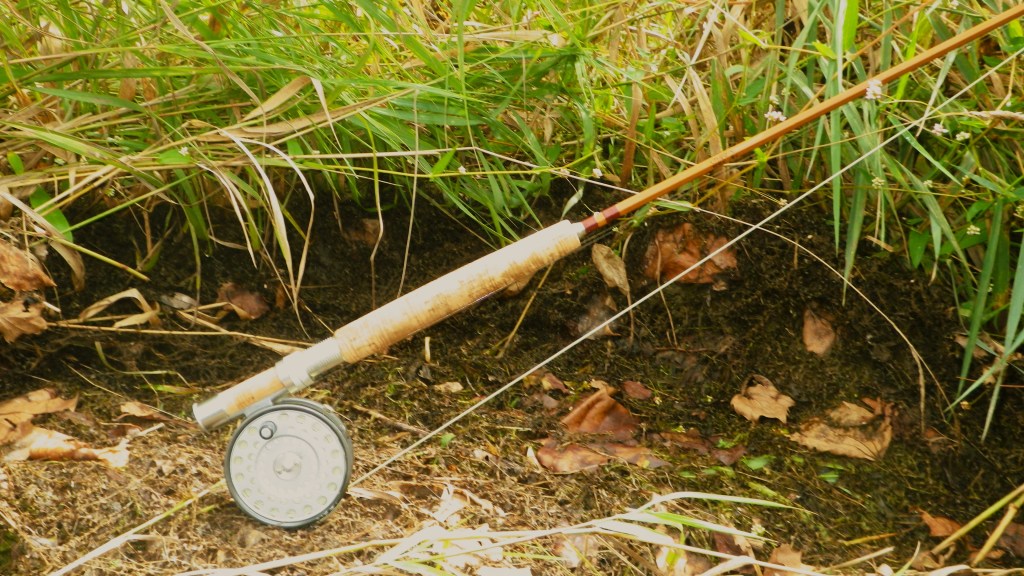
An F. E. Thomas Dirigo from about 1918, a fine fly rod for a working man in it’s time!

…like the glint of sunlight on polished cane.

I wrote those words decades ago, for a story in my weekly newspaper column about a special encounter on the fabled Letort. I was fishing a lie, one where I had glimpsed the tiniest dimple where the placid flow wrinkled gently against a log lying full length along the outside bend of that limestone spring. The fishing itself had been intense, for the magic of the water had told me that a great trout resided there, in that impenetrable lie. I had wanted that trout, and thus I had taken the only route available; I had waded in the treacherous marl bottoms of that Letort meadow. I was up to my chest, the footing precarious, and I was left not simply with a very long cast, but the knowledge there would be only one chance!

I had no classic cane rod in those days, just my grandfather’s old H-I that I had fished a time or two for it’s connection to my own past. I wielded a feather light graphite wand casting a three-weight line, and I put my Letort Cricket perfectly in that one spot to drift to and along the current beside that log eighty feet away. All that line, my triumph and my defeat, as it proved too much to manage when the fly vanished. Missed!

In that moment of anguish, I felt the brief sensation that I was not alone. The magic of the place, the storied S-Bend, brought to mind the ghosts of the Regulars as a warm breeze brushed my neck. I wrote the story from that inspiration, a commentary from two watchers, long departed, their spirits tied eternally to those water meadows. When I walk bright water with a rapier of rent and glued bamboo these days, I think a lot about old ghosts.

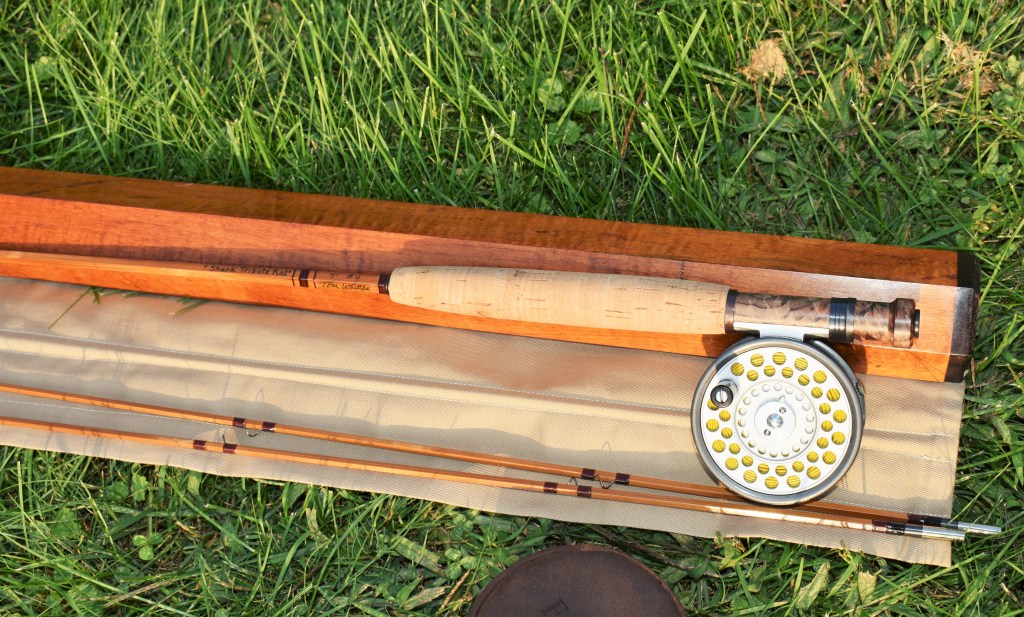
Pennsylvania rodmaker Tom Whittle crafted my personal tribute to the last member ofThe Regulars, my friend and mentor Ed Shenk.

The ghosts who haunt classic trout waters are a benevolent lot, and I feel their goodwill as I cast to the ancestors of the trout they pursued. Whenever my hand grasps a vintage shaft of Tonkin cane, my thoughts cannot help but wander back in time. Is this old Leonard familiar with this pool? Has it cast a dry fly for another whose spirit remains? Fly fishing, when practiced properly is a spiritual experience, particularly so when awash in historic waters, whether those that flow through my new Catskill home or the gentle limestone valleys of my past.

So much of the energy and the magic of this angler’s life begins with a simple blade of grass! The shoots prosper in the mountain soil, and the culms grow tall and strong in the winds that torture the little river valley – Arundinaria amabilis, the lovely reed, the rodmaker’s cane. Grown, cut, carted down the mountain and cleaned in China, floated on to market and eventually to American shores, there is a special life in this bamboo. Touched by so many hands, particularly here in little conclaves where the craft has survived for a century and a half, the bamboo the Chinese call tea stick becomes a magic wand!

A Paradigm from the early years of Thomas & Thomas and a 1929 Hardy Perfect, await the hatch on the Beaver Kill.

Though I cherish days angling with historic artifacts, rods and reels with mysterious histories of their own, I draw great pleasure from tackle crafted by a small group of friends. Dennis Menscer, Wyatt Dietrich, Tom Whittle and Tom Smithwick all came to bamboo rodmaking by different paths, yet they are united by their common love for the history and the art of the bamboo fly rod. These men make magic!

My first Dennis Menscer rod and a recent memory, part of the history of an angler’s life.

I felt that magic the first time I cast a Smithwick rod, Wyatt’s DreamCatcher, Dennis’s boldly flamed hollowbuilt and Whittle’s Shenk Tribute, and I feel it again each time I cast a fly with one of their miraculous products of, devotion.

I seek serenity throughout my time along rivers, the caress of current upon my legs, the smooth arch of the bamboo as the line rolls from back cast to presentation. The light twinkles through the trees and reveals some hint of the secrets of flowing waters, and I smile to myself as the fresh breeze touches my face. Angling draws it’s great pleasure from simple moments.