A Blade of Grass

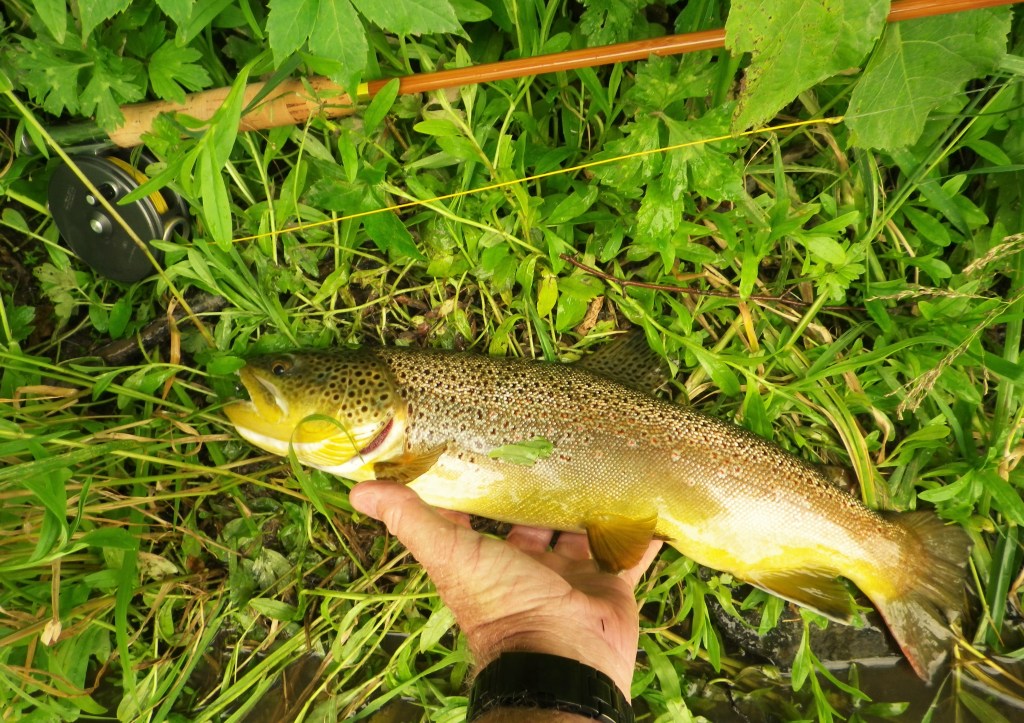
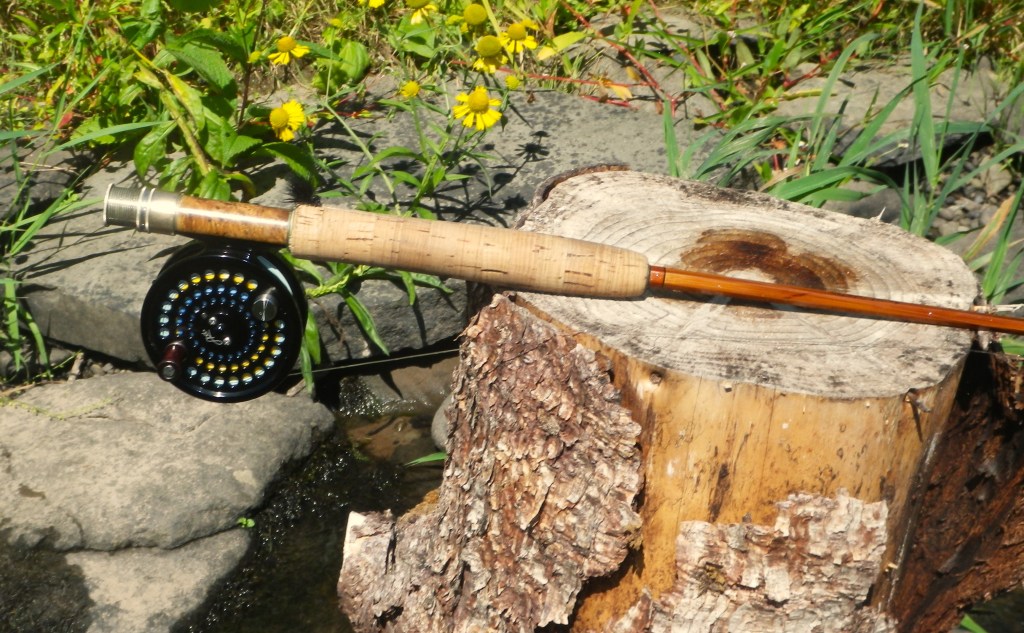
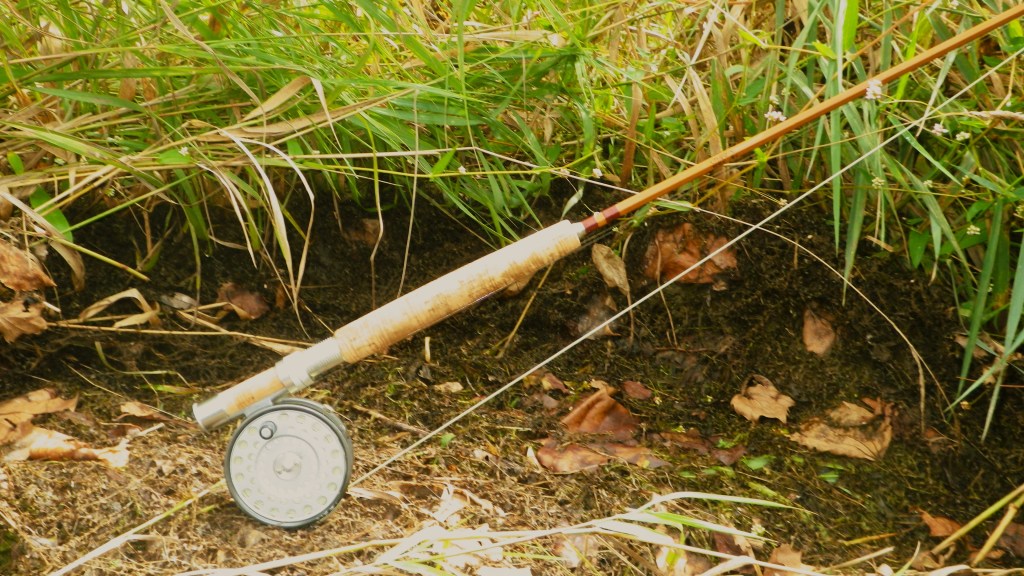
An F. E. Thomas Dirigo from about 1918, a fine fly rod for a working man in it’s time!

…like the glint of sunlight on polished cane.

I wrote those words decades ago, for a story in my weekly newspaper column about a special encounter on the fabled Letort. I was fishing a lie, one where I had glimpsed the tiniest dimple where the placid flow wrinkled gently against a log lying full length along the outside bend of that limestone spring. The fishing itself had been intense, for the magic of the water had told me that a great trout resided there, in that impenetrable lie. I had wanted that trout, and thus I had taken the only route available; I had waded in the treacherous marl bottoms of that Letort meadow. I was up to my chest, the footing precarious, and I was left not simply with a very long cast, but the knowledge there would be only one chance!

I had no classic cane rod in those days, just my grandfather’s old H-I that I had fished a time or two for it’s connection to my own past. I wielded a feather light graphite wand casting a three-weight line, and I put my Letort Cricket perfectly in that one spot to drift to and along the current beside that log eighty feet away. All that line, my triumph and my defeat, as it proved too much to manage when the fly vanished. Missed!

In that moment of anguish, I felt the brief sensation that I was not alone. The magic of the place, the storied S-Bend, brought to mind the ghosts of the Regulars as a warm breeze brushed my neck. I wrote the story from that inspiration, a commentary from two watchers, long departed, their spirits tied eternally to those water meadows. When I walk bright water with a rapier of rent and glued bamboo these days, I think a lot about old ghosts.

Pennsylvania rodmaker Tom Whittle crafted my personal tribute to the last member ofThe Regulars, my friend and mentor Ed Shenk.

The ghosts who haunt classic trout waters are a benevolent lot, and I feel their goodwill as I cast to the ancestors of the trout they pursued. Whenever my hand grasps a vintage shaft of Tonkin cane, my thoughts cannot help but wander back in time. Is this old Leonard familiar with this pool? Has it cast a dry fly for another whose spirit remains? Fly fishing, when practiced properly is a spiritual experience, particularly so when awash in historic waters, whether those that flow through my new Catskill home or the gentle limestone valleys of my past.

So much of the energy and the magic of this angler’s life begins with a simple blade of grass! The shoots prosper in the mountain soil, and the culms grow tall and strong in the winds that torture the little river valley – Arundinaria amabilis, the lovely reed, the rodmaker’s cane. Grown, cut, carted down the mountain and cleaned in China, floated on to market and eventually to American shores, there is a special life in this bamboo. Touched by so many hands, particularly here in little conclaves where the craft has survived for a century and a half, the bamboo the Chinese call tea stick becomes a magic wand!

A Paradigm from the early years of Thomas & Thomas and a 1929 Hardy Perfect, await the hatch on the Beaver Kill.

Though I cherish days angling with historic artifacts, rods and reels with mysterious histories of their own, I draw great pleasure from tackle crafted by a small group of friends. Dennis Menscer, Wyatt Dietrich, Tom Whittle and Tom Smithwick all came to bamboo rodmaking by different paths, yet they are united by their common love for the history and the art of the bamboo fly rod. These men make magic!

My first Dennis Menscer rod and a recent memory, part of the history of an angler’s life.

I felt that magic the first time I cast a Smithwick rod, Wyatt’s DreamCatcher, Dennis’s boldly flamed hollowbuilt and Whittle’s Shenk Tribute, and I feel it again each time I cast a fly with one of their miraculous products of, devotion.

I seek serenity throughout my time along rivers, the caress of current upon my legs, the smooth arch of the bamboo as the line rolls from back cast to presentation. The light twinkles through the trees and reveals some hint of the secrets of flowing waters, and I smile to myself as the fresh breeze touches my face. Angling draws it’s great pleasure from simple moments.

A Wintry Afternoon

There was a glimpse of sunshine this afternoon, enough to get me up and out for a riverwalk. Once the forecasters admitted to their bogus winter storm warning, some still clung to the ghost of some lake effect snow that could find us later in the day. For the record, I have seen not a single flake, though they are still calling for snow tonight: seventy percent chance of zero inches.

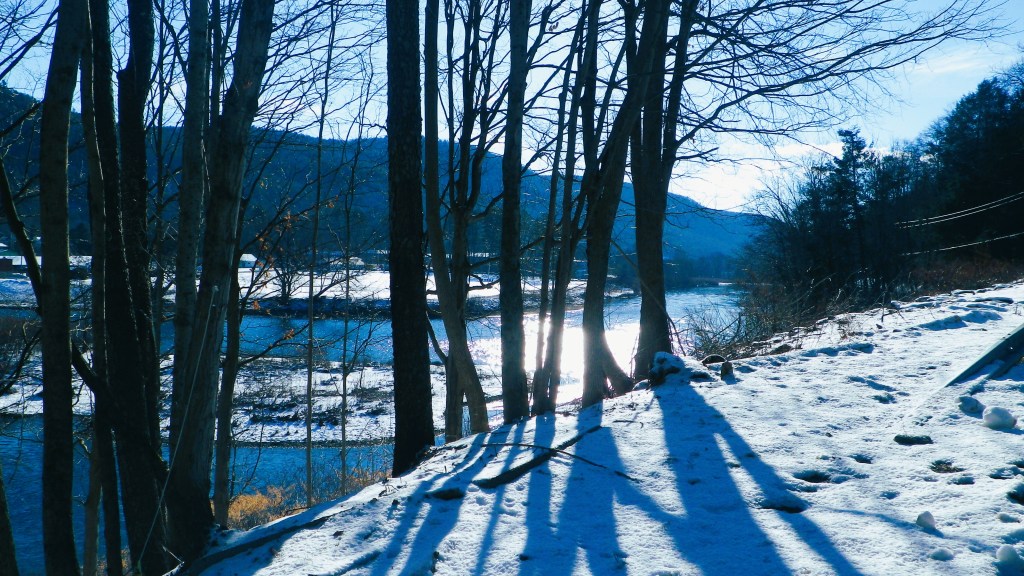
The cold wind did have a bite in it, and I pulled the hood of my down jacket snug over the top of the wool ballcap as soon as I stepped out onto the porch. It was late enough that the sun illuminated only the east bank of the river, with all of the windswept flow in shadow. I am determined to get enough fresh air to fight off whatever the hell it is I’ve got, as I have given up on medicines.

I tied about a dozen and a half assorted dry flies today, the dozen for another Catskill Museum donation, the others to more or less even out my year-to-date total at seven dozen flies. I guess that’s enough to say that I have passed my seasonal lull, though I cannot say I am feeling the usual excitement either.

My winter long wrestling match with feeling sick, tired and out of sorts hasn’t let me get into the usual spirit. My goal now is to rid myself of this malaise and get ready to enjoy Flyfest!

The winter and early spring gatherings help us all keep the fires hot during these last months of endless waiting for the angling days we treasure. Flyfest comes along the last weekend in February and gives us a boost that lasts until the end of March and the Angler’s Reunion Dinner before Opening Day. Yes, we all know that we can fish throughout the year now, but the first of April is still the opener, the herald that a new dry fly season lies on the doorstep.

The ten-day forecast clearly shows that winter remains. The warmest day in that stretch is promised to hit a high of forty-one, and the nights are all cold. I can’t complain too loudly for we had a terrific February warmup, though I only got out on the river on one of those precious afternoons.

Snow Fail & Counting Down To Flyfest 2024

Well, the forecasters had us all wound up for another winter storm but didn’t count on the strong winds from a nor’easter that’s blowing hard enough to push the line of the storm to the south of the Catskills. NYC has been snow poor this winter but they seem to be getting their fill this morning.

Things are shaping up for Flyfest 2024, the current incarnation of the winter fly tying festival began by the late Dennis Skarka a good many years ago. I hope Dennis looks down on this February’s last Saturday and has a smile on his face when he watches this year’s gathering of Catskill fly tyers young an old.

The Catskill Fly Fishing Center and Museum is presenting Flyfest on Saturday, February 24th from 9:00 AM until 3:00 PM, hosted by the Catskill Fly Tyers Guild and Trout Unlimited. Once again, we are fortunate to hold the event at The Rockland House, 159 Rockland Road in Roscoe, New York. I cannot say enough about the incredible support the Rockland House provides for the fly-fishing community here. The kitchen will be open for lunch so we can all enjoy one of their wonderful meals!

There will be a good showing of Catskill fly tyers from the Guild and elsewhere, and everyone who attends is welcome to join us in tying trout flies; experts, beginners, and everyone in between. Come, share your ideas, your questions, or your inspiration for the next great trout fly to tempt the wily Catskill trout!

Our Guild has been bolstered by a number of new members this year, and there are a number of new fly tyers among them. Learning about and acquiring good quality materials can be difficult for new tyers and, thanks to our friend Charlie Collins, we are able to provide some help. At the Guild’s request, Charlie has graciously provided a very nice selection of his beautiful dry fly rooster capes that we will have available for sale at Flyfest. If you have never tied with Collins hackle you are in for a treat! His natural colors are gorgeous, and his feathers wrap beautifully and float your flies high. There will be capes available at very affordable prices, another thing that tends to be important for new fly tyers.

Fly tyers are asked to register prior to the event, as a good count of tables to set up will help us host another great event. You may register and purchase tickets from the Catskill Fly Fishing Center and Museum’s website: http://www.cffcm.com. Click on Events, then click the Flyfest banner and Buy Tickets. Adult admission is $10 to support the Museum, and kids twelve and under get in free. If you want to bring your kit and tie, you will register there. Tyers may also email the Museum’s Program and Events Coordinator, Todd Spire at tspire@cffcm.com to register.

In Memoriam: Mary Dette Clark

A personal photo from the good old days. I loved to stop into the shop on Cottage Street, say hello and watch Mary tie her incomparable flies. She greeted everyone with a smile!

It has been nearly two weeks now since I learned of the passing of Mary Dette Clark, the last true legendary Catskill fly tyer. The Dette family tied the finest Catskill trout flies for the anglers of the Golden Age, as well as for their descendants and our own generations of anglers who they inspired. Mary was more than an incomparable fly tyer, she was the warmest, most genuinely friendly ambassador for the Catskills I have ever been privileged to meet.

On my very first trip to the Catskills in April 1993, the Dette shop on Cottage Street was the most required destination. I met all three of the greats: Walt, Winne and Mary, and found myself in awe of these kind, very down to earth people. Mary seemed to tie most of the flies in those years, and I watched closely, making the most of my opportunity to turn a page and experience fly fishing history.

I returned to the shop on my second day, after a long, fruitless day and evening searching for rising trout. There were flies about, and Mary told me they were the caddis known as shad flies locally. The flies I observed were neither hatching nor egg-laying, thus offering no feeding opportunities to the trout. Mary sent me around the corner to park and walk a short path down to the banks of the Willowemoc. “I think you will find some fish there”, she had said with a smile, and of course she was right.

After some work to figure out just what those rising brown trout would accept, I discovered that my ugly blue-winged olives, my first try at tying CDC dry flies, fit the bill. There were seven or eight trout rising in that little pool, and I hooked them all, though one shook the hook before I brought him to hand. Thank you, Mary.

I took advantage of a few free days in early June to return and visit the shop again. I sheepishly showed Mary my first attempts at tying her signature Dette Coffin Fly. My flies were far from perfect, but she kindly complimented my work, and assured me they would fool a wary Catskill brown. Once more, her pronouncement proved to be correct.

That evening, I fished the Beaver Kill at the old Twin Islands Campground where I was staying. Coffin flies appeared over the riffles at dusk, and trout began rising and slashing all around me. I took a couple of average sized browns, then targeted a heavy, slashing boil as the light faded. My Coffin Fly bobbed down and found itself in the middle of another boil. When I tightened, a great trout erupted from the frothy surface like a missile launch! My somewhat shabby flies worked indeed.

I battled that brownie to the net and measured him on the wet gravel at riverside. He was nineteen inches long! Mary Dette’s kind support had given me the confidence to take my first big Catskill trout.

I had hoped to buy some of her flies that day, but the bins were empty of all the Green Drakes and Coffins. It was near the end of the hatch. I did order half a dozen of those exquisite flies which she promised to mail to me the following spring. They remain among the most cherished possessions of my angling life.

An incomparable Mary Dette Clark tied Coffin Fly from my half dozen ordered in the spring of 1993

For many years, a visit to Cottage Street to say hello, and purchase a few dry flies after watching Mary tie for a while was a highlight of my Catskill trips. Her kindness improved my fly tying and helped foster my love for the Catskills. My last visit came after her grandson, Joe Fox, had joined her there on Cottage Street. Joe was gradually taking over the role of primary fly tyer and running the family business under the proud gaze of his legendary grandmother.

With her artistry and wonderful personality, Mary touched the lives of countless anglers who came to worship at the angler’s shrine of the Catskills. She will live on in our hearts and memories.

The Catskill Classic Red Quill, tied by Mary Dette Clark while I watched.

Sixty Days

Sixty Days; the number seems to signify a familiar sentence does it not? We begin the second week of this February with another day of calm sunshine and hope to exceed fifty degrees. That is not the water temperature though, oh no, that hovered just above freezing at the nine o’clock hour.

The gamble is plain. Will the river respond to the sunlight as it has these past few cooler, sunny days and flirt with a temperature that proves sufficient to awaken a trout from winter’s slumber? They must eat from time to time, and this looks to be the best opportunity. A heavy snowfall could replace our unseasonably warm sunshine on Tuesday, with rain to follow. Doubtless winter will return; the sentence will be served.

The sun was welcome, shining on bright water, and I rejoiced as I waded into the clear flow of the Beaver Kill. The Kiley lofted my Copper Fox and sent it on to begin it’s search for that one trout. I worked on down the run and the pool, hopeful for that tug, but it was not to be, despite the full sunlight bathing the water.

I moved to another pool once I had worked through that first one. There I continued, taking in the fresh air and enjoying the warmth of the afternoon and the rhythm of the cast and swing.

My senses awakened at the jolt, and the slack line slipped through my fingers, just as planned. I raised the rod and tightened gradually, awash now in the grace of a good fish fighting the pull of the cane. I was fooled completely, certain that leviathan had come calling, but I would soon know the Red Gods’ deceit.

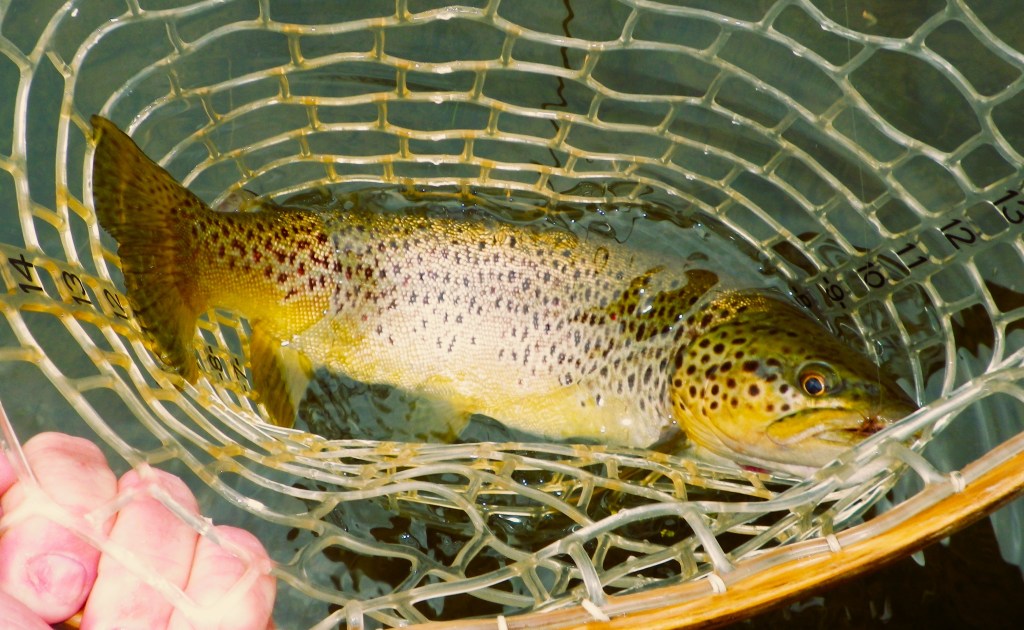
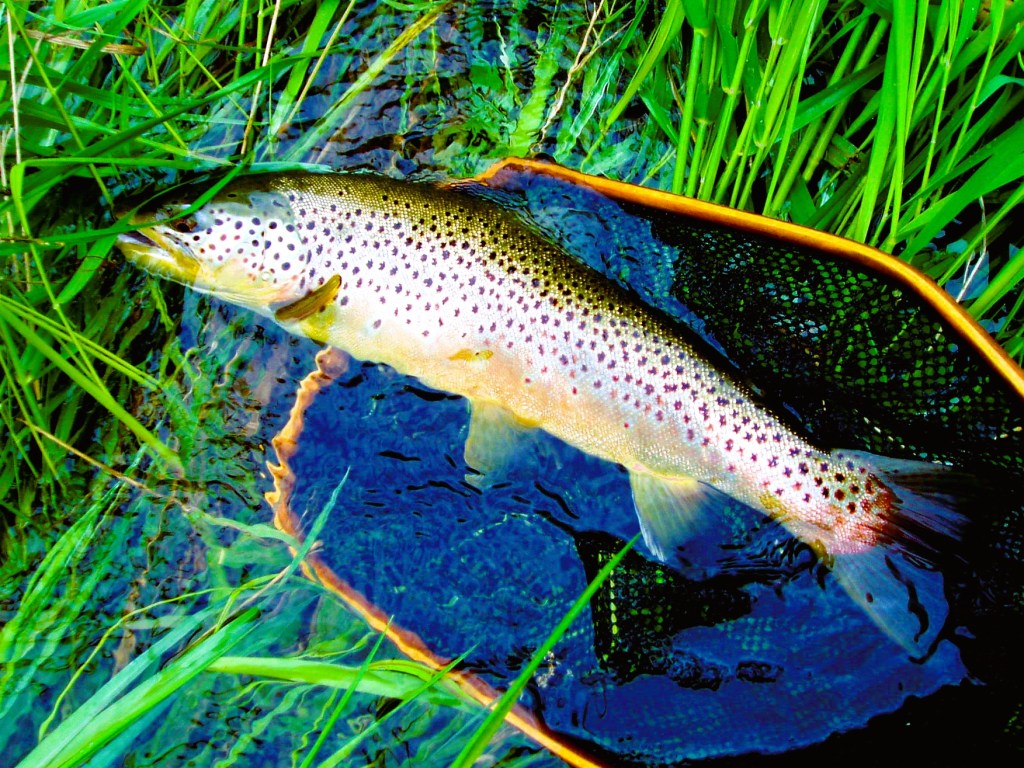
This was a good brown I scooped in the net, but my fly had found purchase amidships. I removed it carefully, and he shot away from the shallows with plenty of vigor. How that fly found the trout’s flank on a dead drift swing I will never know.

The stream gage at Cooks Falls topped thirty-eight degrees this afternoon, the pinnacle for the past couple of months. This should have been the kind of day to get me through that sixty-day sentence. Indeed, I treasured my time on the river, though I would have liked the excitement of that single tug to have lasted all the way to the net.

Three

My 8-foot three weight Dennis Menscer hollowbuilt fly rod – stealth and touch at distance. The waiting through the rod making is over. The waiting for summer begins!

I am still in that stage of watching the light play on that beautiful barrel of walnut burl and Dennis’ signature style of bamboo flaming. There was sunshine yesterday, a lovely calm afternoon just above forty degrees, and I took the rod outside for my first casts. The feel was crisp yet wonderfully delicate, even more magical than the prototype!

My passion is hunting large, difficult wild trout with dry flies, and summer is my favorite season. The widespread mayfly hatches of spring are finished for the year, and the trout have adjusted to the heavy fishing pressure the season of hatches brings. River flows are much reduced, sparklingly clear, and the pools transmit each subtle movement when an angler approaches. It is the most difficult season for difficult trout. It is heaven…

Some may scoff at a three weight bamboo fly rod for such fishing, and certainly I have cast many that were not suited to the quest for wild trout best measured in pounds. This rod is different.

I was convinced five years ago when Dennis brought a new eight-foot 2 weight rod to the Catskill Cane Revival in Roscoe, New York. The rod was impressive, easily casting sixty to seventy feet in the gymnasium, and there was a strength that belied the rod’s slender proportions.

When I sat and we talked about that two weight, Dennis told me that he had made the rod for a customer that fished schoolie striped bass with it. These fish average eighteen to twenty some inches in length and fight with the power expected of saltwater gamefish. A nine-foot six weight graphite is a good light rod for schoolies. This fellow’s new Menscer rod not only survived, it has flourished!

I wanted one, but I waited. For the kind of fishing I had in mind, a fly line with a long, fine taper is part of the necessary gear. I felt a number three fly line would be best suited, handling a bit wider assortment of dry flies on breezy days, and so began my campaign of suggesting, and then cajoling Dennis to expand his line of rods once more.

Stalking the mist on a summer morning.

Summer lies far out on the horizon in this first week of February, but there is still more to be accomplished. The next phase of the game involves the search for the perfect fly line to bring out each nuance of this wonderful rod, grace, power and control. For each bamboo rod, there is a particular line that will rise to the ideal of the individual angler. Once the line has been chosen, a leader will have to be tailored to suit. There are some flies to be tied as well; Schwiebert’s Letort Beetles that I promised myself, the tiny replicas of Art Flick’s blue-winged olive variants, and the barest impressions of rusty spinners. June will arrive when I least expect it!

Emergence !

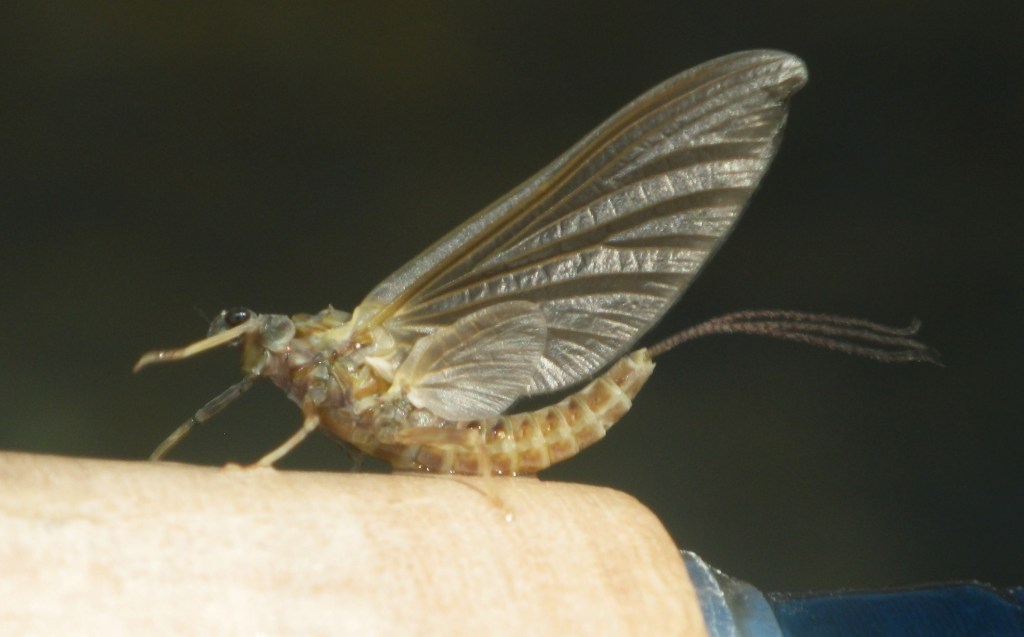
Fully emerged! (Photo courtesy Chuck Coronato)

After kicking around the house since the first week of deer season, battling my old foe chronic bronchitis and feeling generally bad, I emerged yesterday to attend the open fly tying session at the Catskill Fly Fishing Center & Museum. It was good to smell the fresh, cold air as I wandered about the grounds, and great to see old friends and new from the Catskill Fly Tyers Guild!

I wore one of those irritating masks left over from the assault of the Coronavirus, just to provide some protection less I cough near anyone. Bronchitis in itself is not contagious, though whatever cold or infection that fires it up can be. My cold came through the last week of November, and headed out four days later, the past two months and counting being courtesy of the scourge of the bronchitis itself.

I tied a handful of favorite patterns and talked a little with some friends, the best therapy yet, short of the brilliant sunshine the afternoon provided.

A Catskill winter is usually conducive to life as a hermit, so little gatherings like this one, or our Thursday evening Guild Zoom meetings become rather precious. I do enjoy talking fishing when I am not involved in doing it.

We are beginning another run of warmer weather with the blessing of sunshine. Cathy and I enjoyed a river walk this morning with the sun doing it’s best to set aside the cold, cold winter air. Rivers have cleared and dropped, though the Delaware reservoirs did begin spilling again this past week. Sunshine and warmer air has always been the cure for my bouts with bronchitis, and I am hopeful to find enough of that this week to free me fully from winter’s harness.

Planning is underway for Fly Fest 2024 here in the heart of the Catskills, and I am anxious to enjoy another of these wonderful winter gatherings. The Catskill Fly Fishing Center and Museum has now officially added the date to their events calendar: Saturday February 24th from 9:00 AM until 3:00PM at the Rockland House, 159 Rockland Road, Roscoe, NY. A winter festival of Catskill fly tying and a wonderful lunch at the Rockland House, what could be better?

Phil Comes Through!

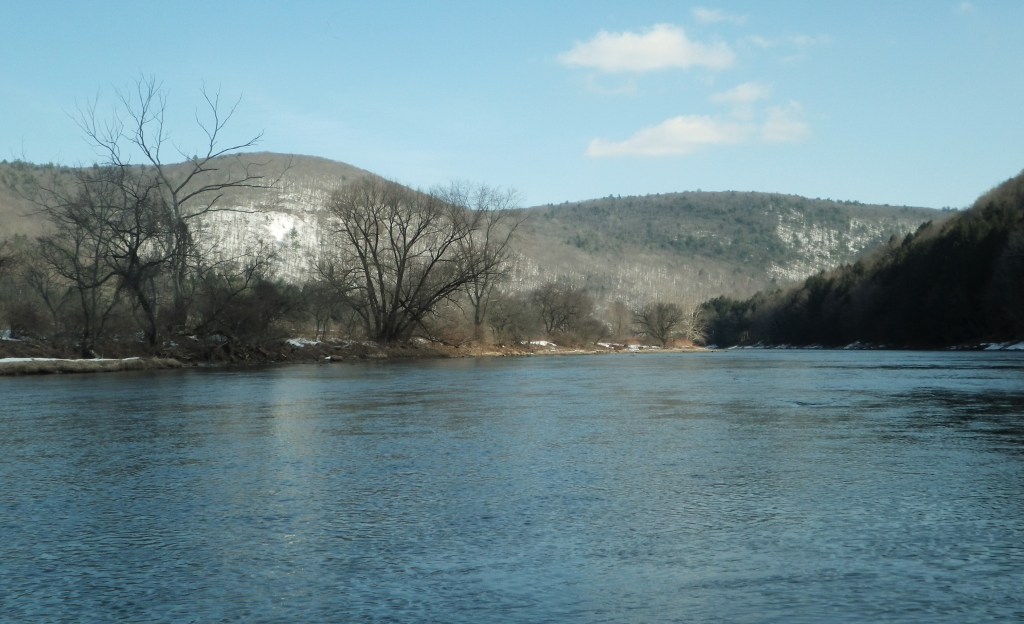
Spring along the Neversink

Groundhog Day 2024, and old Punxsutawney Phil has made his prognostication: an early spring for those in need of warmth, sunshine and the healing touch of bright water. The old boy seemed excited amid the cheers of a record crowd, for whom he bolstered hope for a quick end to winter.

I would most assuredly welcome the sun once again, to feel the warm breeze on my cheek, and look for mayflies where the riffles blend into the deeper waters of a run. Often during my thirty Catskill seasons I have encountered sleet, snow and frozen wading boots in April, crunched frost from the riverbank even mornings in May. By this angler’s hopeful calendar, there are 66 days ahead before I walk those banks with a dry fly snugged in the hook keeper. I would love a chance to take that walk in shirtsleeves!

Good morning Mr. Hendrickson

Twenty twenty-three complied with my overwhelming need for sunshine, reaching sixty degrees on the first day of spring. The river managed a peak temperature of only forty-two though. I actually saw three rises the next day, something very briefly interested in the little black caddis or stoneflies?

By the end of my countdown, April 10th, the river had warmed to forty-nine on another sixty-degree day. The three rising trout I found that afternoon were pleased to sample my Quill Gordon, spin the reel and put a long-awaited arch in my old Leonard bamboo.

Imagine the faithful gathered on April first, for it will always be Opening Day here in the Catskills, with mayflies floating on clear water and trout rising! We would all love to see it, and we thank old Phil for leaving us with just a little hope that this year the dream will come true.

February brings it’s own challenges

Another milestone passed on the journey through the anglers off-season. January has brought our first snowstorms, plenty of cold rain, but also it’s share of milder days; enough to make us think that winter is letting us off easy. February though, brings it’s own set of challenges.

Though the turning of the calendar bring us closer to the promise of spring, this the shortest month, tends to bring us the largest share of winter’s wrath. But then, there are sometimes compensations.

Admittedly, my memories of so many wonderful little episodes are burgeoned by decades living south of the Mason-Dixon Line, and even my more than two decades in Southcentral Pennsylvania have added more.

In my mind, the February warmup is an actual event, generally coming when my tolerance for, my very survival through another winter hangs in the balance. Though the second month never guaranteed this respite, there are cherished memories from the times that a small handful of days rescued me from despair.

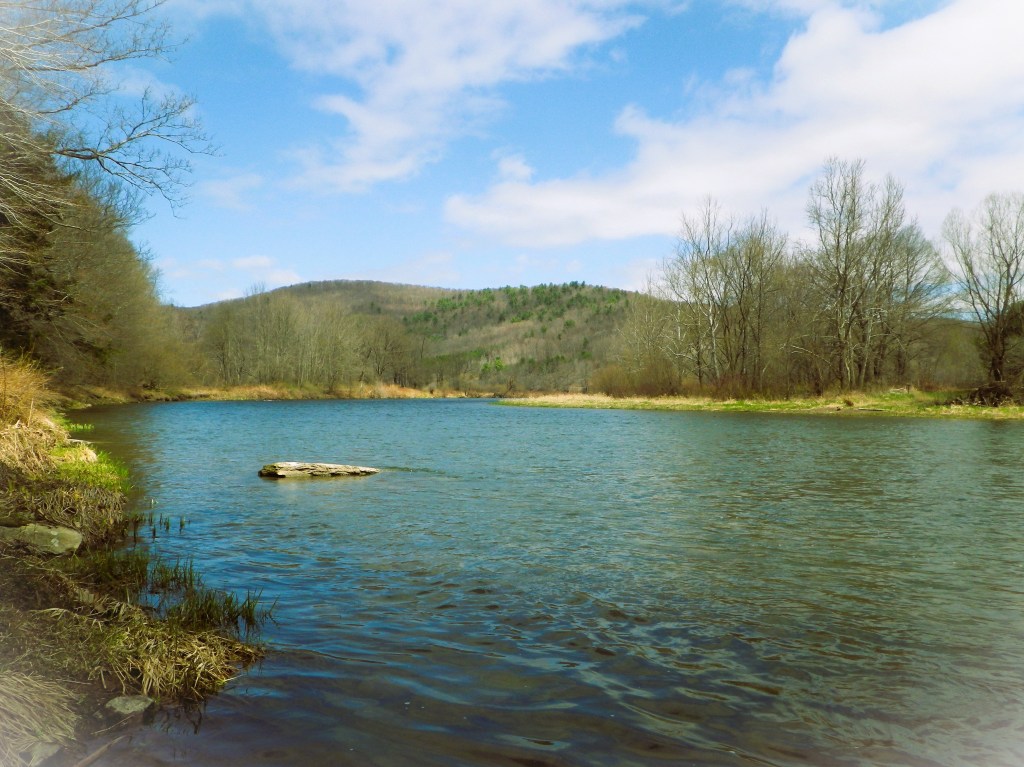
Pennsylvania’s Little Juniata River upon the full bloom of a blissfully extended February warmup.

There remains a special picture of the Little J, where one of those late February events lasted into the first days of March. I found a nice cabin to rent to take advantage of the peak before winter weather returned with a vengeance, living three days close to bright water. Blue skies, sunshine, even air temperatures reaching the sixties called me to the river I had not visited since summer. There were no more than two or three trout actually caught, but ah the treasure of fishing!

There was another February day on that river, a very brief respite from winter’s grasp. A single day lingers in memory, my legs chilled deeply from hours of wading cold water, a spare serving of sunlight in the afternoon hours, and the still air touching sixty for a moment. Walking upriver toward the path that would lead me home, I saw the impossible, dimples in the tail of the upstream pool. Instead of heading home and warming my legs with the truck’s heater, I warmed the heart inside with a lovely and challenging interlude of dry fly magic.

As I have moved ever north, I have unwillingly surrendered such cherished gifts from Februarys past. The glories of the Catskill rivers are not displayed in winter. This is my sixth winter here in Crooked Eddy, and though I have watched the ice flowing on to the Delaware day after day, there has been one magical moment, a singular gift from all of those Februarys of my past: a fifty-one degree day, sunshine to caress my check though tempered by a twenty mile-per-hour wind. I found rewards both tangible and spiritual that February day, and it’s memory carries me through!

Dead Center

Seventy-two days behind, seventy-two ahead… I have reached dead center of the trials of winter. A long road remains.

The madness creeps in each year as the count of days mounts. Too long from the embrace of bright water, I get fidgety when I cannot get outside. The effort to beat down this bronchitis devoured my hunting season, and left me wary of chilled rivers during the milder days of December. This winter seems committed to fits and starts, numbing cold for one week, and then warmer days for a spell.

Sadly, this warmup has brought rain to melt the middling snow cover we had, all of it rushing straight to the rivers. Even if tomorrow could sprout sixty-degree sunshine, the rivers remain far too high to consider fishing. As it is, more rain and some snow are expected, with a return to highs in the thirties. As of yesterday, all three Delaware reservoirs sit at or above ninety-nine percent of capacity, with the next significant precipitation likely to add spill to their already high-water releases. Fishing is a dream far off; and retreating from view.

Sometimes a light comes from my desperation, though I will not learn whether this one amounts to brilliance or merely a feeble glow for at least the span of those seventy-two days.

The birth of the Struggle Dun

Back in my limestone epoch, I fished throughout the year. Even then, the fly hatches that had spawned the creativity of the Cumberland Valley legends had diminished greatly, and the price of that season long fishing was condemnation to the tactics of the subsurface fly. Creativity was directed there of necessity, to those dark arts.

I adapted the lessons of Nature’s impressionistic coloration and specific techniques and materials to capture the essence of life for the Gammarus shrimp and the baetis and ephemerella nymphs of the limestone springs, publishing my findings in Fly Fisherman magazine in September 1997. The dubbing blends created still occupy a dispenser box that has collected dust for most of the past twenty-five years.

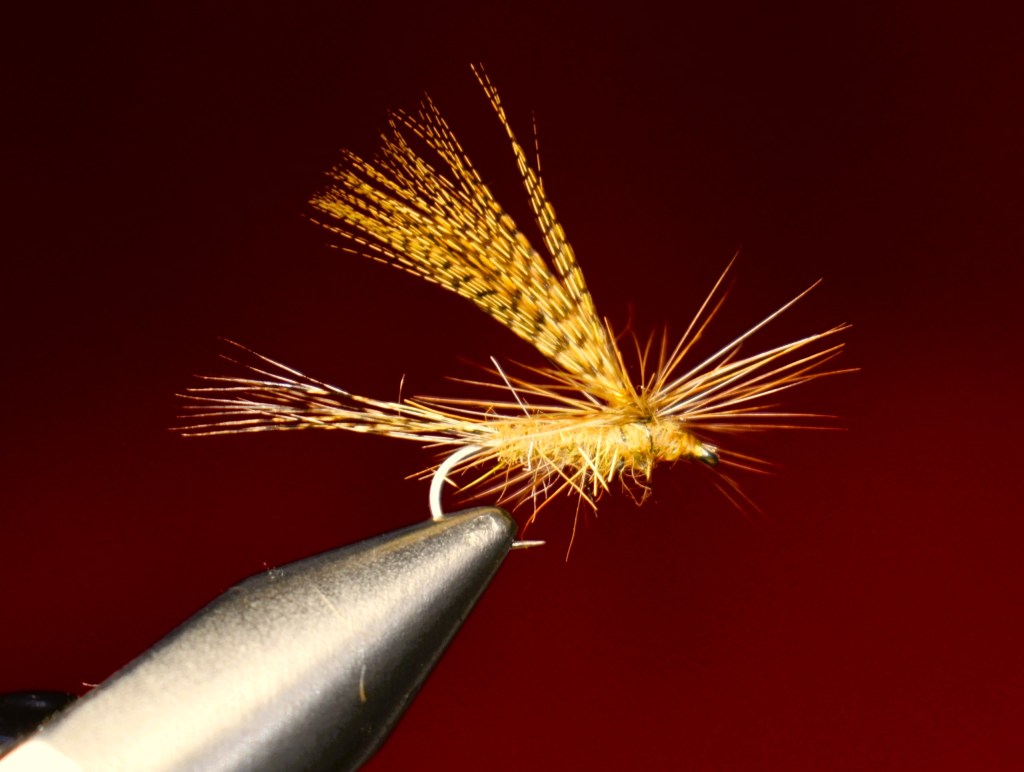
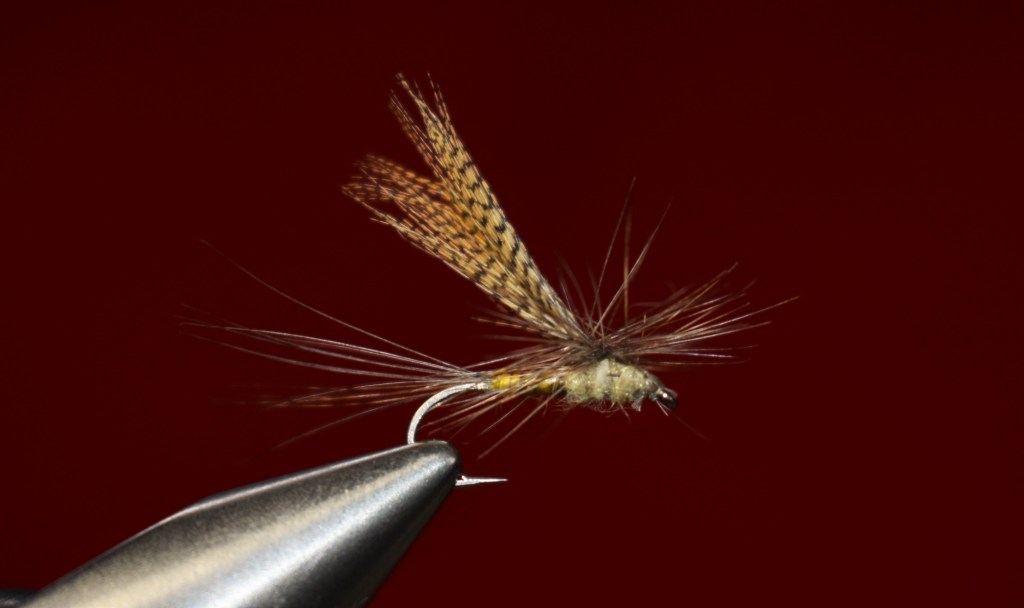
Some reaction to the winter madness caused me to think about those blends, conceived to foster movement and attraction, and the Struggle Dun was born. I was thinking about those long anticipated first days upon the rivers of my heart, when flies are scarce if not fully absent, but hope convinces me there are trout in a few of those ideal runs and pools, trout with watchful eyes and their own awakening hunger.

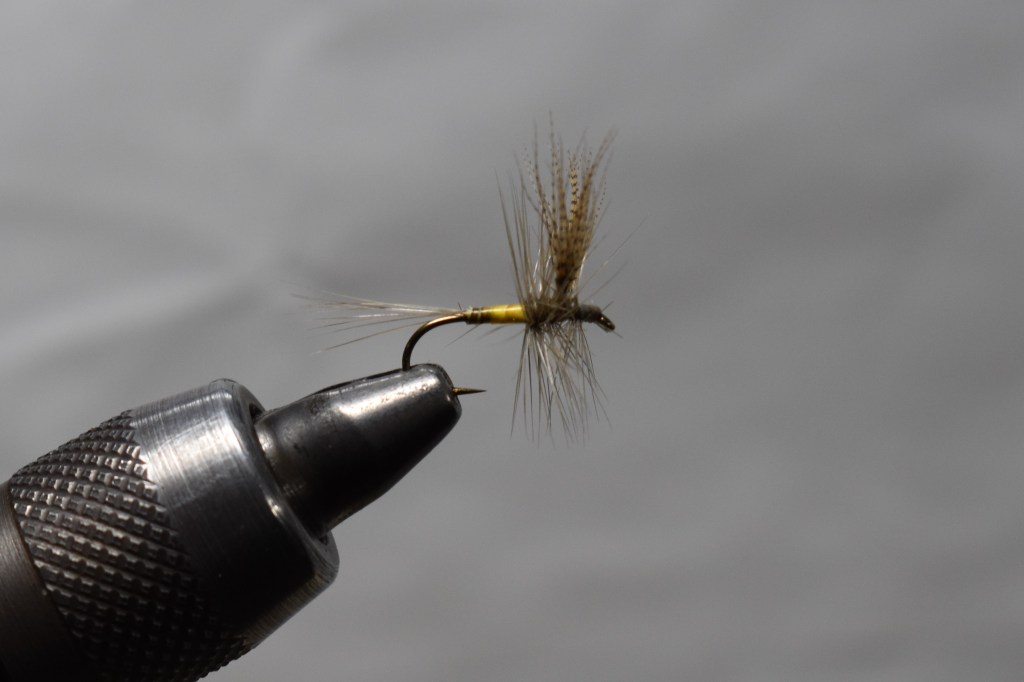
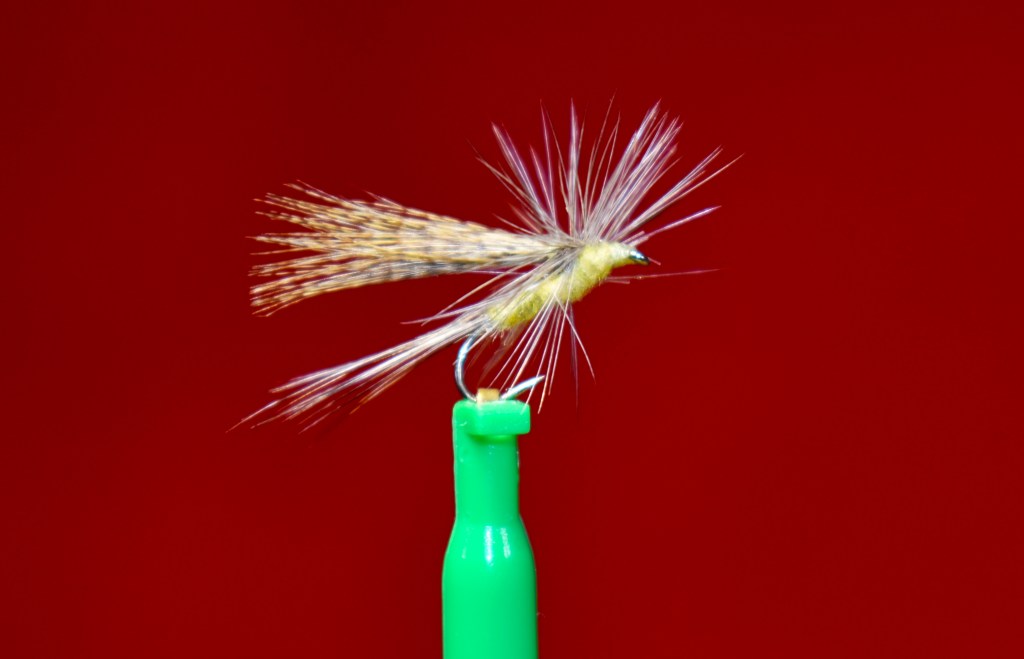
The body of the fly is tied with a dubbing loop technique, that loop closed upon sparse whisps of my nymph blends. Squirrel fur, Antron dubbing, and a touch of Lite Brite when looped and wrapped sparsely will move, quiver in the typically higher flows of early spring, and the nondescript form, highlighted by a gentle bit of flash, will appear to struggle.

I have tied three versions, 100-Year Duns winged with wood duck and Trigger Point Fibers, and CDC duns, and I have high expectations for them. I believe the attractive element could turn the tide and convince those early watchers to rise where other dry flies do not. Can the movement and attraction overcome the lethargy of cold water and the lack of insect activity? There are seventy-two days ahead to consider, theorize, and wait…