In Memoriam: Mary Dette Clark

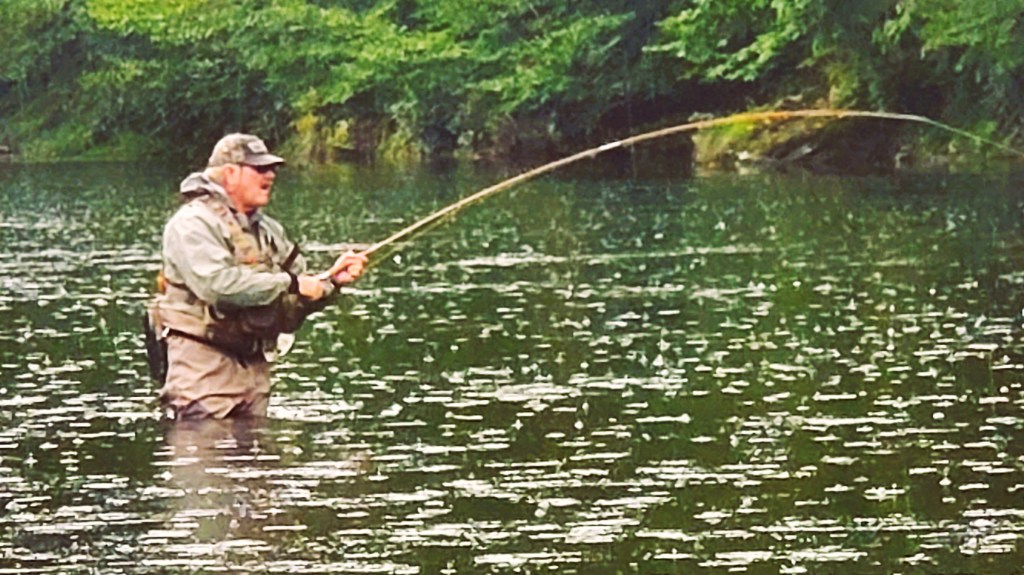
A personal photo from the good old days. I loved to stop into the shop on Cottage Street, say hello and watch Mary tie her incomparable flies. She greeted everyone with a smile!

It has been nearly two weeks now since I learned of the passing of Mary Dette Clark, the last true legendary Catskill fly tyer. The Dette family tied the finest Catskill trout flies for the anglers of the Golden Age, as well as for their descendants and our own generations of anglers who they inspired. Mary was more than an incomparable fly tyer, she was the warmest, most genuinely friendly ambassador for the Catskills I have ever been privileged to meet.

On my very first trip to the Catskills in April 1993, the Dette shop on Cottage Street was the most required destination. I met all three of the greats: Walt, Winne and Mary, and found myself in awe of these kind, very down to earth people. Mary seemed to tie most of the flies in those years, and I watched closely, making the most of my opportunity to turn a page and experience fly fishing history.

I returned to the shop on my second day, after a long, fruitless day and evening searching for rising trout. There were flies about, and Mary told me they were the caddis known as shad flies locally. The flies I observed were neither hatching nor egg-laying, thus offering no feeding opportunities to the trout. Mary sent me around the corner to park and walk a short path down to the banks of the Willowemoc. “I think you will find some fish there”, she had said with a smile, and of course she was right.

After some work to figure out just what those rising brown trout would accept, I discovered that my ugly blue-winged olives, my first try at tying CDC dry flies, fit the bill. There were seven or eight trout rising in that little pool, and I hooked them all, though one shook the hook before I brought him to hand. Thank you, Mary.

I took advantage of a few free days in early June to return and visit the shop again. I sheepishly showed Mary my first attempts at tying her signature Dette Coffin Fly. My flies were far from perfect, but she kindly complimented my work, and assured me they would fool a wary Catskill brown. Once more, her pronouncement proved to be correct.

That evening, I fished the Beaver Kill at the old Twin Islands Campground where I was staying. Coffin flies appeared over the riffles at dusk, and trout began rising and slashing all around me. I took a couple of average sized browns, then targeted a heavy, slashing boil as the light faded. My Coffin Fly bobbed down and found itself in the middle of another boil. When I tightened, a great trout erupted from the frothy surface like a missile launch! My somewhat shabby flies worked indeed.

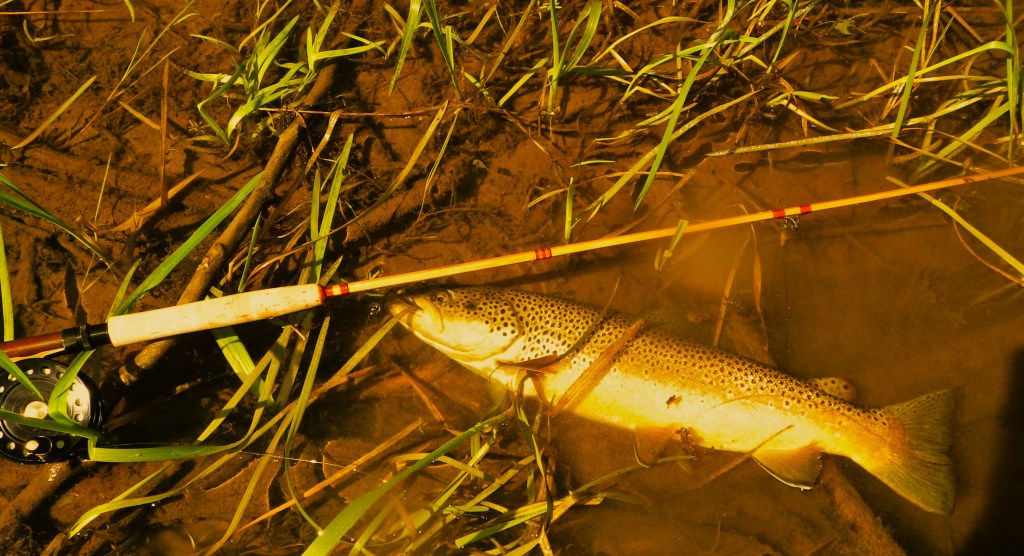
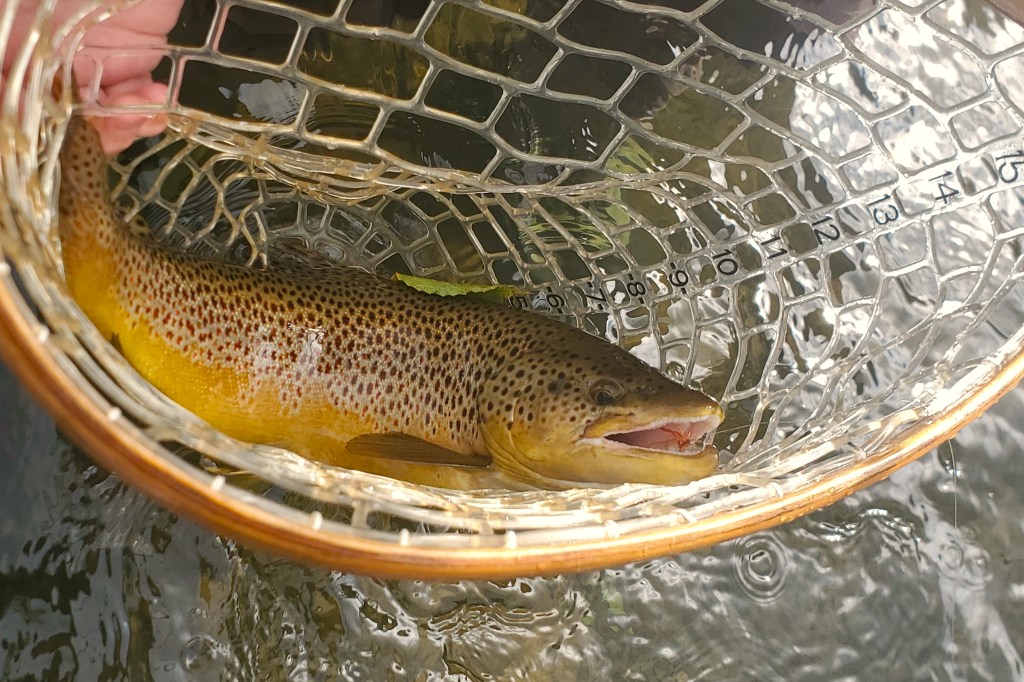
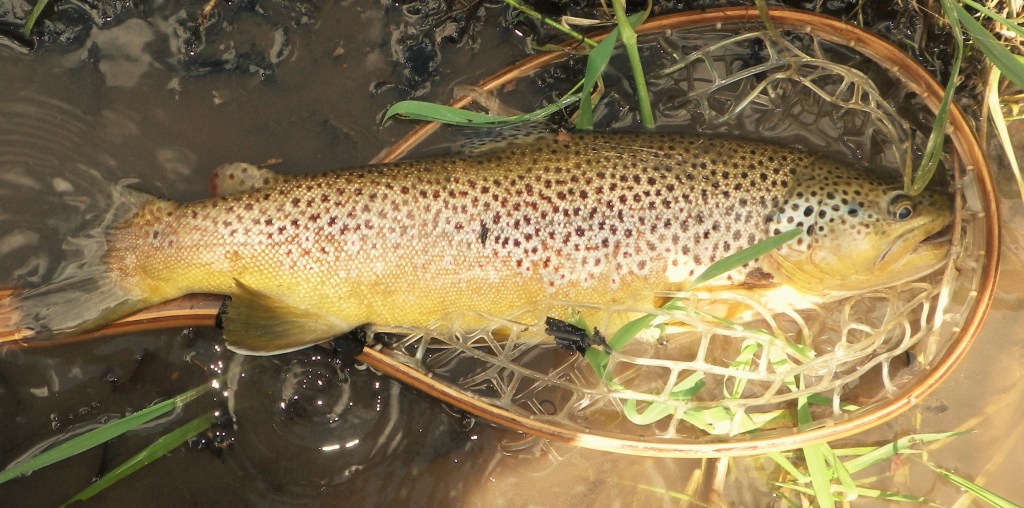
I battled that brownie to the net and measured him on the wet gravel at riverside. He was nineteen inches long! Mary Dette’s kind support had given me the confidence to take my first big Catskill trout.

I had hoped to buy some of her flies that day, but the bins were empty of all the Green Drakes and Coffins. It was near the end of the hatch. I did order half a dozen of those exquisite flies which she promised to mail to me the following spring. They remain among the most cherished possessions of my angling life.

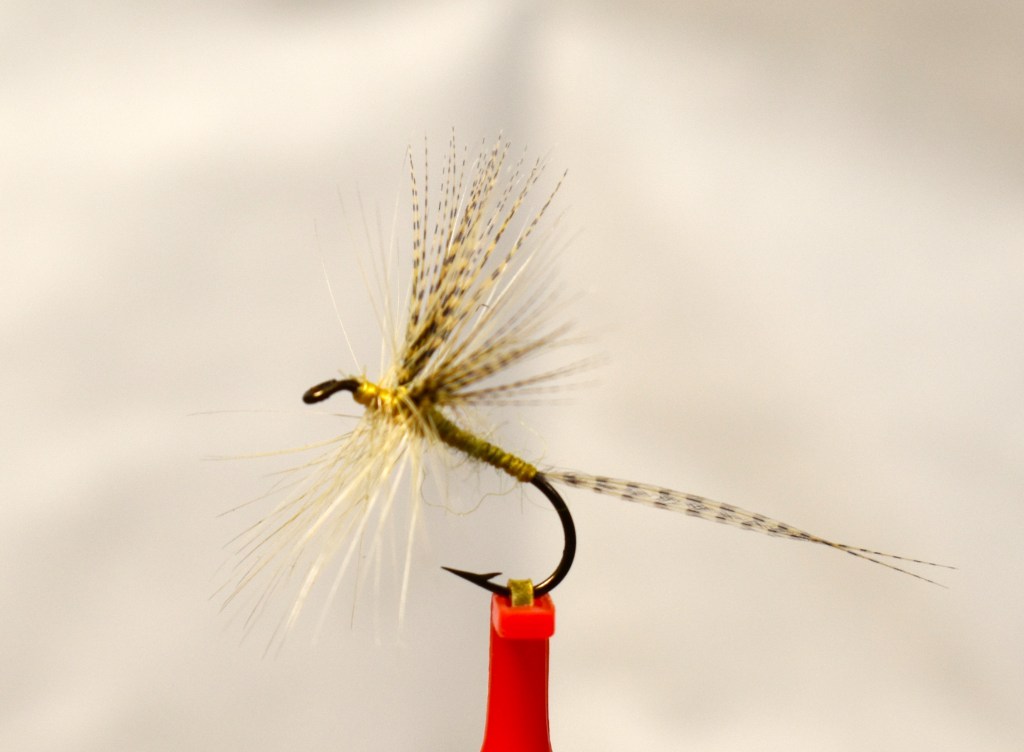
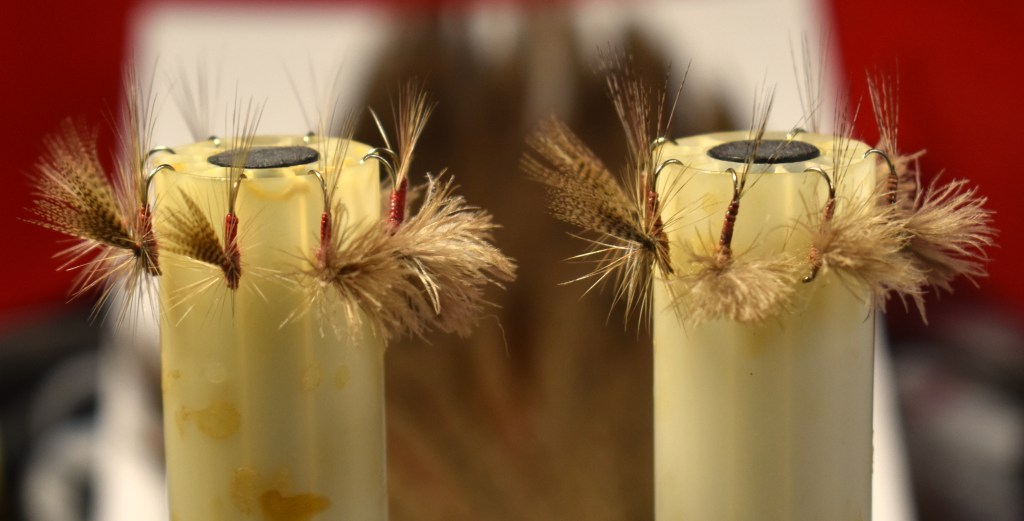
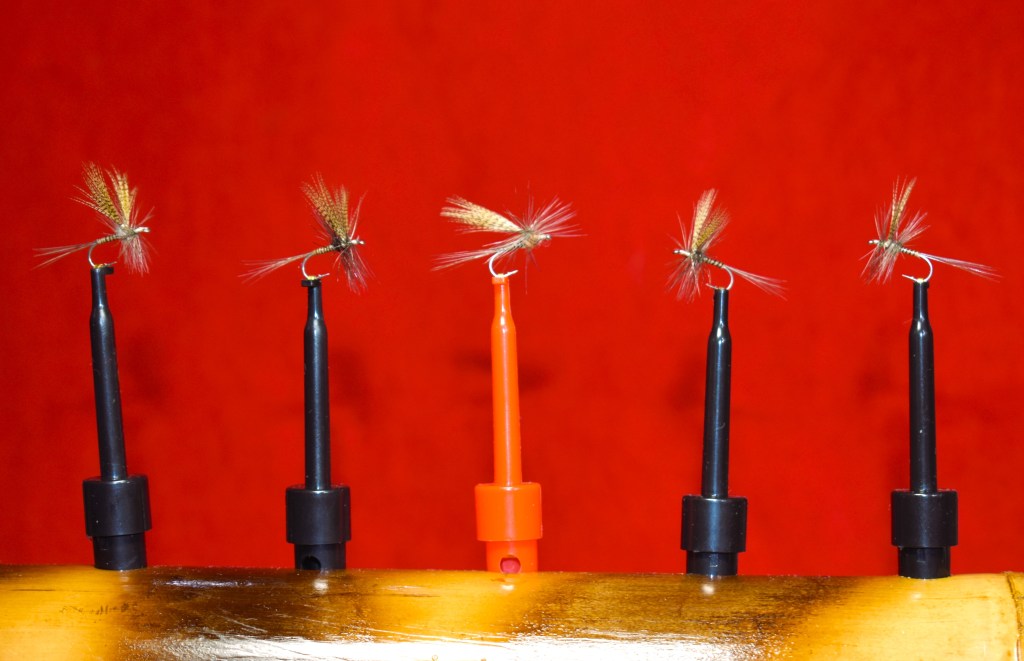
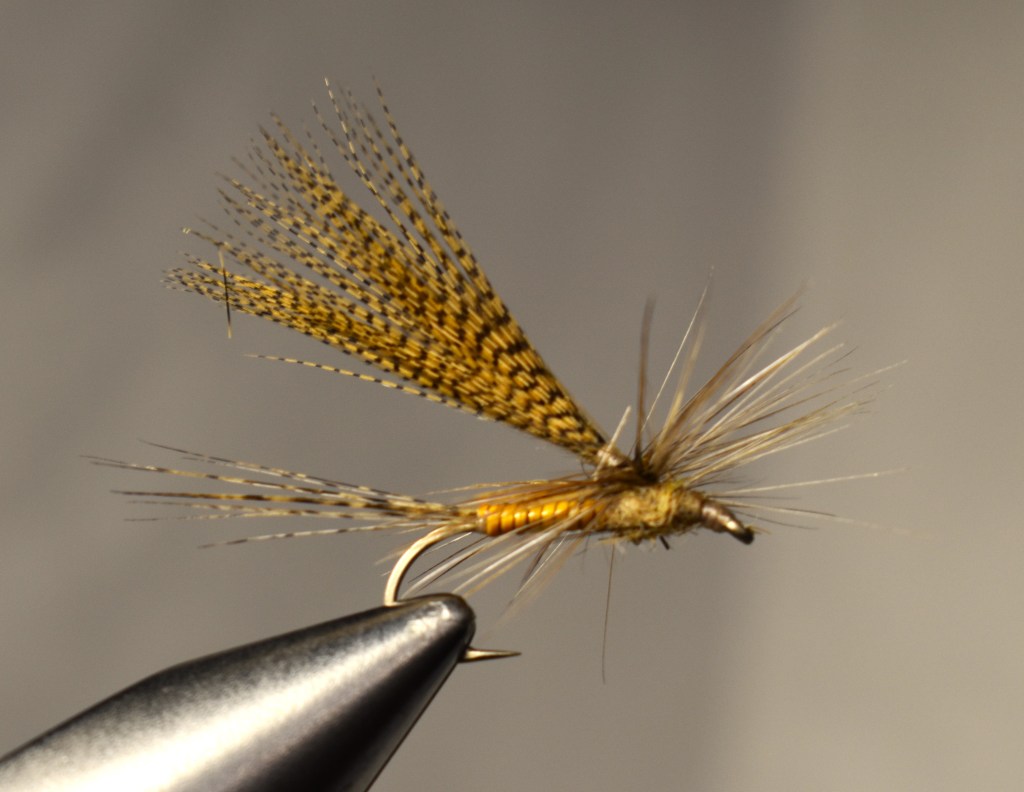
An incomparable Mary Dette Clark tied Coffin Fly from my half dozen ordered in the spring of 1993

For many years, a visit to Cottage Street to say hello, and purchase a few dry flies after watching Mary tie for a while was a highlight of my Catskill trips. Her kindness improved my fly tying and helped foster my love for the Catskills. My last visit came after her grandson, Joe Fox, had joined her there on Cottage Street. Joe was gradually taking over the role of primary fly tyer and running the family business under the proud gaze of his legendary grandmother.

With her artistry and wonderful personality, Mary touched the lives of countless anglers who came to worship at the angler’s shrine of the Catskills. She will live on in our hearts and memories.

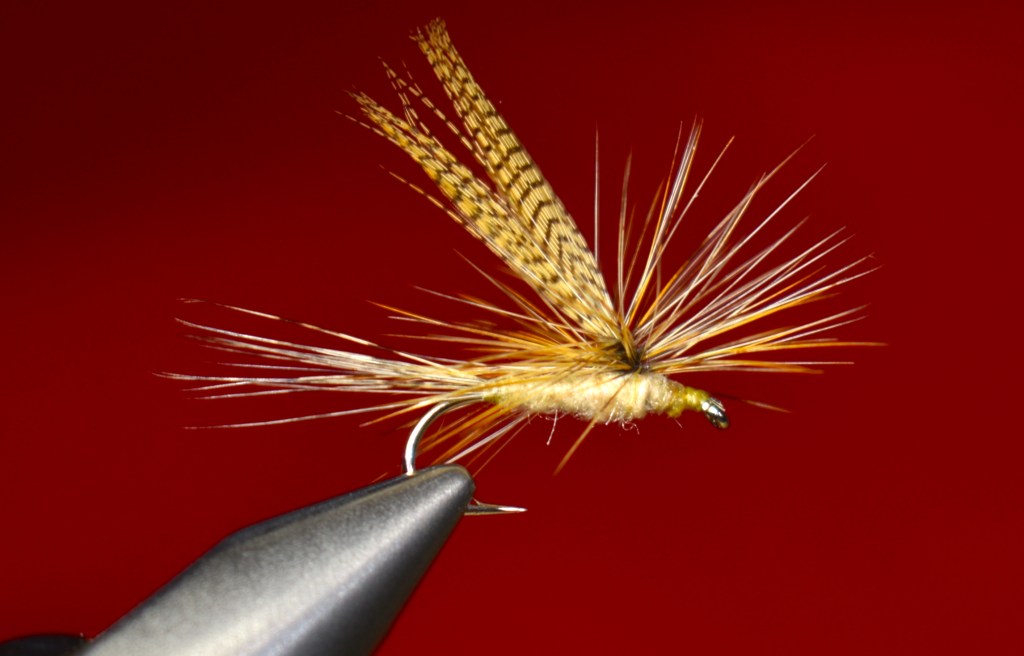
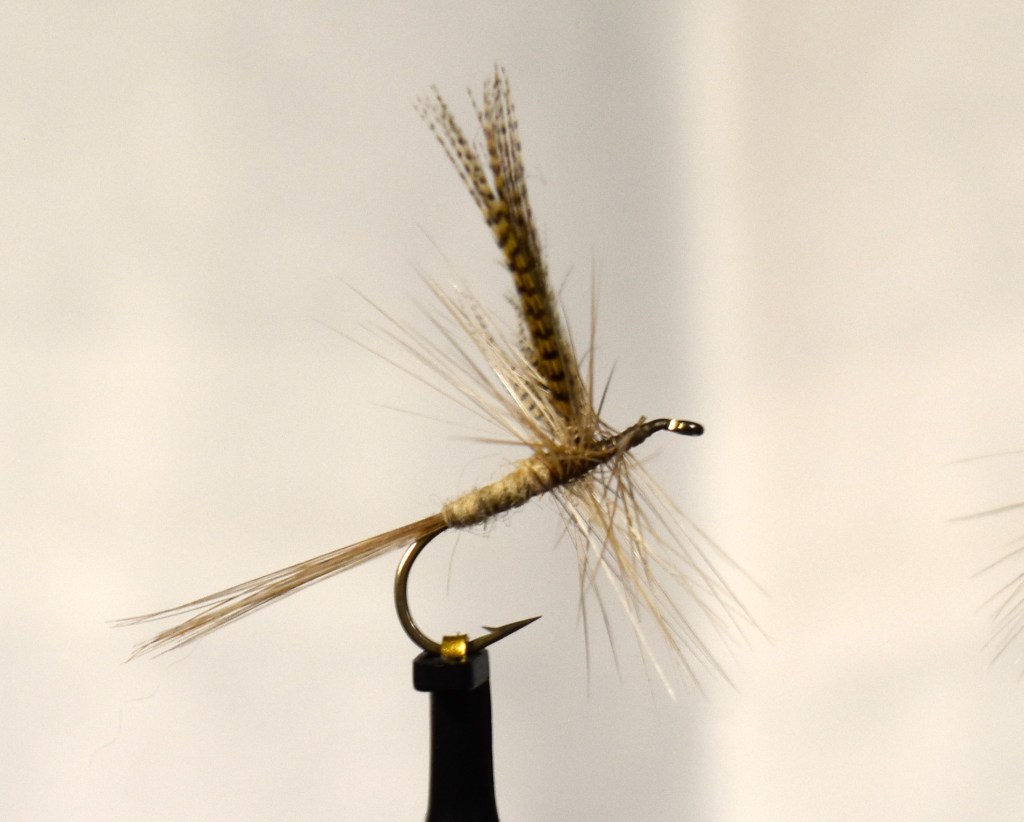
The Catskill Classic Red Quill, tied by Mary Dette Clark while I watched.

Sixty Days

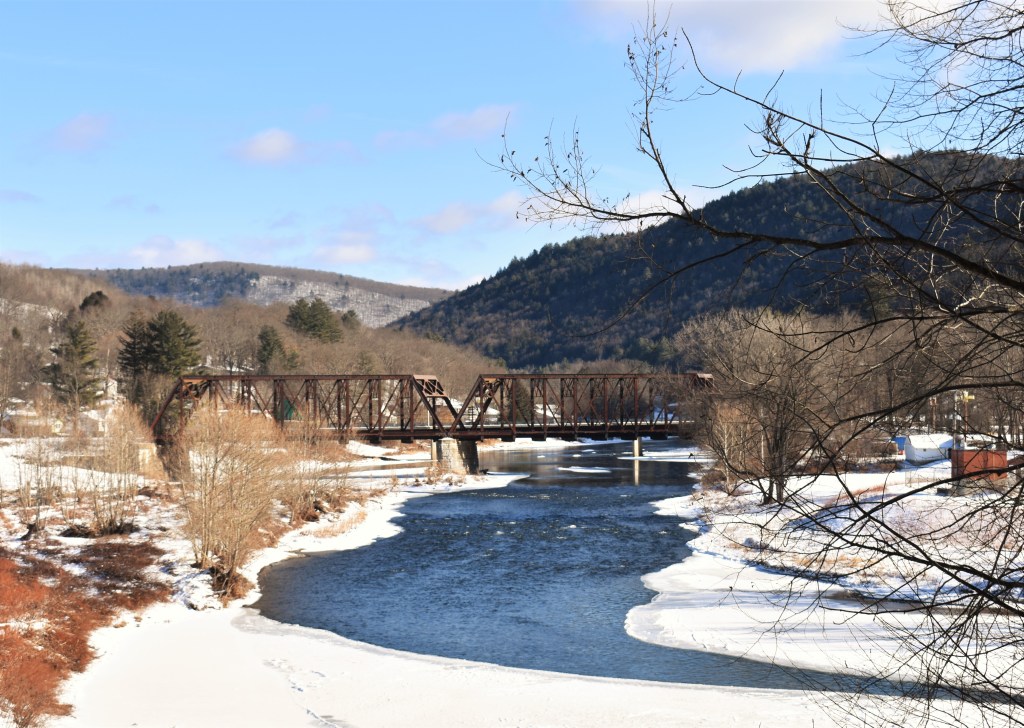
Sixty Days; the number seems to signify a familiar sentence does it not? We begin the second week of this February with another day of calm sunshine and hope to exceed fifty degrees. That is not the water temperature though, oh no, that hovered just above freezing at the nine o’clock hour.

The gamble is plain. Will the river respond to the sunlight as it has these past few cooler, sunny days and flirt with a temperature that proves sufficient to awaken a trout from winter’s slumber? They must eat from time to time, and this looks to be the best opportunity. A heavy snowfall could replace our unseasonably warm sunshine on Tuesday, with rain to follow. Doubtless winter will return; the sentence will be served.

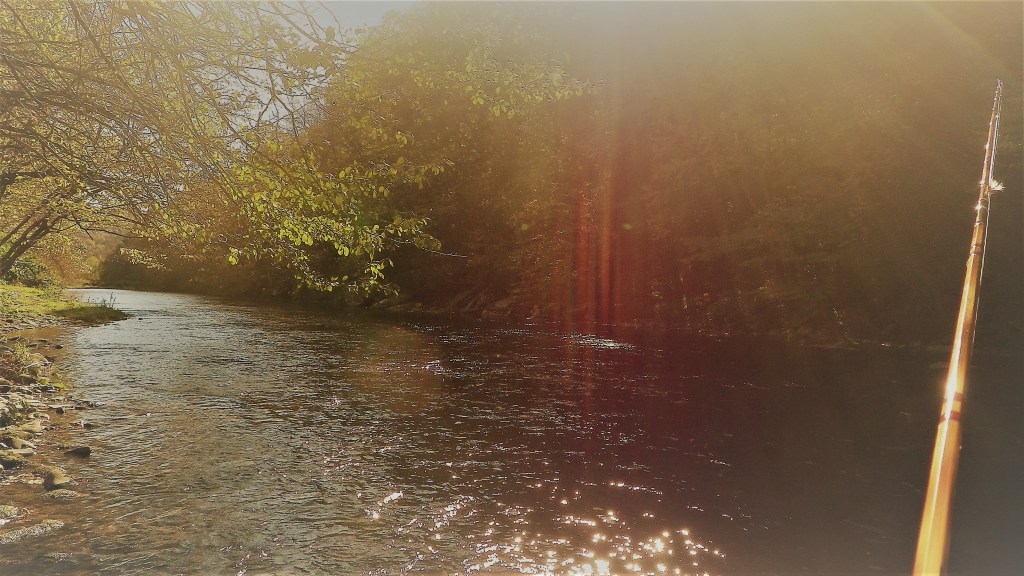
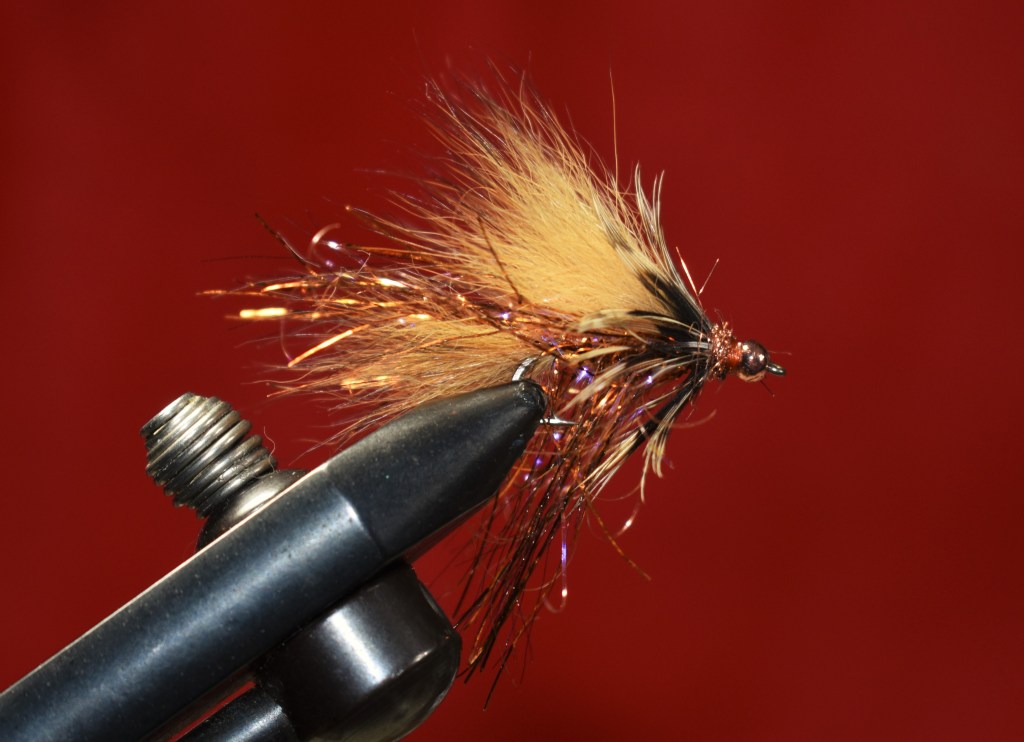
The sun was welcome, shining on bright water, and I rejoiced as I waded into the clear flow of the Beaver Kill. The Kiley lofted my Copper Fox and sent it on to begin it’s search for that one trout. I worked on down the run and the pool, hopeful for that tug, but it was not to be, despite the full sunlight bathing the water.

I moved to another pool once I had worked through that first one. There I continued, taking in the fresh air and enjoying the warmth of the afternoon and the rhythm of the cast and swing.

My senses awakened at the jolt, and the slack line slipped through my fingers, just as planned. I raised the rod and tightened gradually, awash now in the grace of a good fish fighting the pull of the cane. I was fooled completely, certain that leviathan had come calling, but I would soon know the Red Gods’ deceit.

This was a good brown I scooped in the net, but my fly had found purchase amidships. I removed it carefully, and he shot away from the shallows with plenty of vigor. How that fly found the trout’s flank on a dead drift swing I will never know.

The stream gage at Cooks Falls topped thirty-eight degrees this afternoon, the pinnacle for the past couple of months. This should have been the kind of day to get me through that sixty-day sentence. Indeed, I treasured my time on the river, though I would have liked the excitement of that single tug to have lasted all the way to the net.

Three

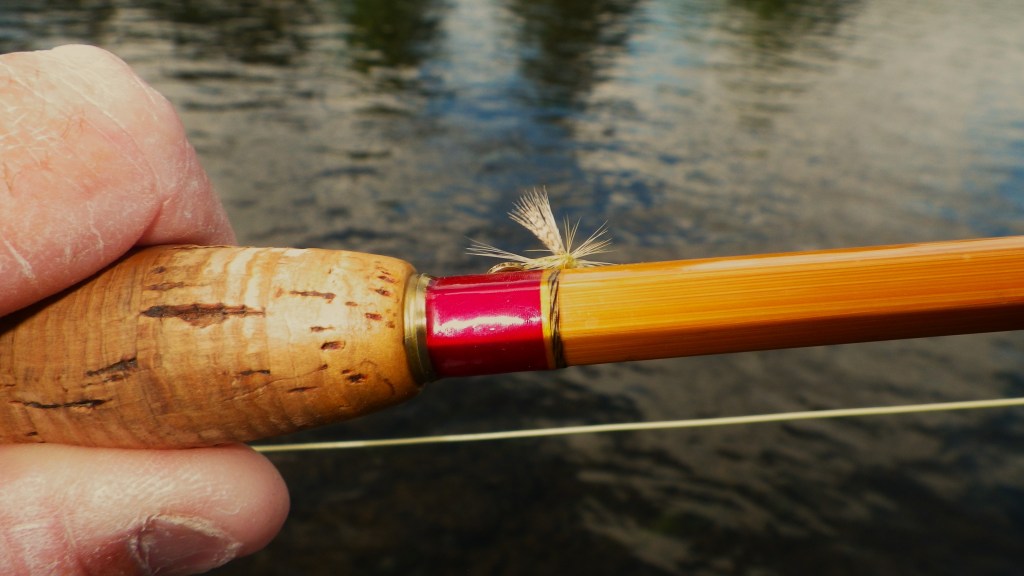
My 8-foot three weight Dennis Menscer hollowbuilt fly rod – stealth and touch at distance. The waiting through the rod making is over. The waiting for summer begins!

I am still in that stage of watching the light play on that beautiful barrel of walnut burl and Dennis’ signature style of bamboo flaming. There was sunshine yesterday, a lovely calm afternoon just above forty degrees, and I took the rod outside for my first casts. The feel was crisp yet wonderfully delicate, even more magical than the prototype!

My passion is hunting large, difficult wild trout with dry flies, and summer is my favorite season. The widespread mayfly hatches of spring are finished for the year, and the trout have adjusted to the heavy fishing pressure the season of hatches brings. River flows are much reduced, sparklingly clear, and the pools transmit each subtle movement when an angler approaches. It is the most difficult season for difficult trout. It is heaven…

Some may scoff at a three weight bamboo fly rod for such fishing, and certainly I have cast many that were not suited to the quest for wild trout best measured in pounds. This rod is different.

I was convinced five years ago when Dennis brought a new eight-foot 2 weight rod to the Catskill Cane Revival in Roscoe, New York. The rod was impressive, easily casting sixty to seventy feet in the gymnasium, and there was a strength that belied the rod’s slender proportions.

When I sat and we talked about that two weight, Dennis told me that he had made the rod for a customer that fished schoolie striped bass with it. These fish average eighteen to twenty some inches in length and fight with the power expected of saltwater gamefish. A nine-foot six weight graphite is a good light rod for schoolies. This fellow’s new Menscer rod not only survived, it has flourished!

I wanted one, but I waited. For the kind of fishing I had in mind, a fly line with a long, fine taper is part of the necessary gear. I felt a number three fly line would be best suited, handling a bit wider assortment of dry flies on breezy days, and so began my campaign of suggesting, and then cajoling Dennis to expand his line of rods once more.

Stalking the mist on a summer morning.

Summer lies far out on the horizon in this first week of February, but there is still more to be accomplished. The next phase of the game involves the search for the perfect fly line to bring out each nuance of this wonderful rod, grace, power and control. For each bamboo rod, there is a particular line that will rise to the ideal of the individual angler. Once the line has been chosen, a leader will have to be tailored to suit. There are some flies to be tied as well; Schwiebert’s Letort Beetles that I promised myself, the tiny replicas of Art Flick’s blue-winged olive variants, and the barest impressions of rusty spinners. June will arrive when I least expect it!

Emergence !

Fully emerged! (Photo courtesy Chuck Coronato)

After kicking around the house since the first week of deer season, battling my old foe chronic bronchitis and feeling generally bad, I emerged yesterday to attend the open fly tying session at the Catskill Fly Fishing Center & Museum. It was good to smell the fresh, cold air as I wandered about the grounds, and great to see old friends and new from the Catskill Fly Tyers Guild!

I wore one of those irritating masks left over from the assault of the Coronavirus, just to provide some protection less I cough near anyone. Bronchitis in itself is not contagious, though whatever cold or infection that fires it up can be. My cold came through the last week of November, and headed out four days later, the past two months and counting being courtesy of the scourge of the bronchitis itself.

I tied a handful of favorite patterns and talked a little with some friends, the best therapy yet, short of the brilliant sunshine the afternoon provided.

A Catskill winter is usually conducive to life as a hermit, so little gatherings like this one, or our Thursday evening Guild Zoom meetings become rather precious. I do enjoy talking fishing when I am not involved in doing it.

We are beginning another run of warmer weather with the blessing of sunshine. Cathy and I enjoyed a river walk this morning with the sun doing it’s best to set aside the cold, cold winter air. Rivers have cleared and dropped, though the Delaware reservoirs did begin spilling again this past week. Sunshine and warmer air has always been the cure for my bouts with bronchitis, and I am hopeful to find enough of that this week to free me fully from winter’s harness.

Planning is underway for Fly Fest 2024 here in the heart of the Catskills, and I am anxious to enjoy another of these wonderful winter gatherings. The Catskill Fly Fishing Center and Museum has now officially added the date to their events calendar: Saturday February 24th from 9:00 AM until 3:00PM at the Rockland House, 159 Rockland Road, Roscoe, NY. A winter festival of Catskill fly tying and a wonderful lunch at the Rockland House, what could be better?

Phil Comes Through!

Spring along the Neversink

Groundhog Day 2024, and old Punxsutawney Phil has made his prognostication: an early spring for those in need of warmth, sunshine and the healing touch of bright water. The old boy seemed excited amid the cheers of a record crowd, for whom he bolstered hope for a quick end to winter.

I would most assuredly welcome the sun once again, to feel the warm breeze on my cheek, and look for mayflies where the riffles blend into the deeper waters of a run. Often during my thirty Catskill seasons I have encountered sleet, snow and frozen wading boots in April, crunched frost from the riverbank even mornings in May. By this angler’s hopeful calendar, there are 66 days ahead before I walk those banks with a dry fly snugged in the hook keeper. I would love a chance to take that walk in shirtsleeves!

Good morning Mr. Hendrickson

Twenty twenty-three complied with my overwhelming need for sunshine, reaching sixty degrees on the first day of spring. The river managed a peak temperature of only forty-two though. I actually saw three rises the next day, something very briefly interested in the little black caddis or stoneflies?

By the end of my countdown, April 10th, the river had warmed to forty-nine on another sixty-degree day. The three rising trout I found that afternoon were pleased to sample my Quill Gordon, spin the reel and put a long-awaited arch in my old Leonard bamboo.

Imagine the faithful gathered on April first, for it will always be Opening Day here in the Catskills, with mayflies floating on clear water and trout rising! We would all love to see it, and we thank old Phil for leaving us with just a little hope that this year the dream will come true.

February brings it’s own challenges

Another milestone passed on the journey through the anglers off-season. January has brought our first snowstorms, plenty of cold rain, but also it’s share of milder days; enough to make us think that winter is letting us off easy. February though, brings it’s own set of challenges.

Though the turning of the calendar bring us closer to the promise of spring, this the shortest month, tends to bring us the largest share of winter’s wrath. But then, there are sometimes compensations.

Admittedly, my memories of so many wonderful little episodes are burgeoned by decades living south of the Mason-Dixon Line, and even my more than two decades in Southcentral Pennsylvania have added more.

In my mind, the February warmup is an actual event, generally coming when my tolerance for, my very survival through another winter hangs in the balance. Though the second month never guaranteed this respite, there are cherished memories from the times that a small handful of days rescued me from despair.

Pennsylvania’s Little Juniata River upon the full bloom of a blissfully extended February warmup.

There remains a special picture of the Little J, where one of those late February events lasted into the first days of March. I found a nice cabin to rent to take advantage of the peak before winter weather returned with a vengeance, living three days close to bright water. Blue skies, sunshine, even air temperatures reaching the sixties called me to the river I had not visited since summer. There were no more than two or three trout actually caught, but ah the treasure of fishing!

There was another February day on that river, a very brief respite from winter’s grasp. A single day lingers in memory, my legs chilled deeply from hours of wading cold water, a spare serving of sunlight in the afternoon hours, and the still air touching sixty for a moment. Walking upriver toward the path that would lead me home, I saw the impossible, dimples in the tail of the upstream pool. Instead of heading home and warming my legs with the truck’s heater, I warmed the heart inside with a lovely and challenging interlude of dry fly magic.

As I have moved ever north, I have unwillingly surrendered such cherished gifts from Februarys past. The glories of the Catskill rivers are not displayed in winter. This is my sixth winter here in Crooked Eddy, and though I have watched the ice flowing on to the Delaware day after day, there has been one magical moment, a singular gift from all of those Februarys of my past: a fifty-one degree day, sunshine to caress my check though tempered by a twenty mile-per-hour wind. I found rewards both tangible and spiritual that February day, and it’s memory carries me through!

Dead Center

Seventy-two days behind, seventy-two ahead… I have reached dead center of the trials of winter. A long road remains.

The madness creeps in each year as the count of days mounts. Too long from the embrace of bright water, I get fidgety when I cannot get outside. The effort to beat down this bronchitis devoured my hunting season, and left me wary of chilled rivers during the milder days of December. This winter seems committed to fits and starts, numbing cold for one week, and then warmer days for a spell.

Sadly, this warmup has brought rain to melt the middling snow cover we had, all of it rushing straight to the rivers. Even if tomorrow could sprout sixty-degree sunshine, the rivers remain far too high to consider fishing. As it is, more rain and some snow are expected, with a return to highs in the thirties. As of yesterday, all three Delaware reservoirs sit at or above ninety-nine percent of capacity, with the next significant precipitation likely to add spill to their already high-water releases. Fishing is a dream far off; and retreating from view.

Sometimes a light comes from my desperation, though I will not learn whether this one amounts to brilliance or merely a feeble glow for at least the span of those seventy-two days.

The birth of the Struggle Dun

Back in my limestone epoch, I fished throughout the year. Even then, the fly hatches that had spawned the creativity of the Cumberland Valley legends had diminished greatly, and the price of that season long fishing was condemnation to the tactics of the subsurface fly. Creativity was directed there of necessity, to those dark arts.

I adapted the lessons of Nature’s impressionistic coloration and specific techniques and materials to capture the essence of life for the Gammarus shrimp and the baetis and ephemerella nymphs of the limestone springs, publishing my findings in Fly Fisherman magazine in September 1997. The dubbing blends created still occupy a dispenser box that has collected dust for most of the past twenty-five years.

Some reaction to the winter madness caused me to think about those blends, conceived to foster movement and attraction, and the Struggle Dun was born. I was thinking about those long anticipated first days upon the rivers of my heart, when flies are scarce if not fully absent, but hope convinces me there are trout in a few of those ideal runs and pools, trout with watchful eyes and their own awakening hunger.

The body of the fly is tied with a dubbing loop technique, that loop closed upon sparse whisps of my nymph blends. Squirrel fur, Antron dubbing, and a touch of Lite Brite when looped and wrapped sparsely will move, quiver in the typically higher flows of early spring, and the nondescript form, highlighted by a gentle bit of flash, will appear to struggle.

I have tied three versions, 100-Year Duns winged with wood duck and Trigger Point Fibers, and CDC duns, and I have high expectations for them. I believe the attractive element could turn the tide and convince those early watchers to rise where other dry flies do not. Can the movement and attraction overcome the lethargy of cold water and the lack of insect activity? There are seventy-two days ahead to consider, theorize, and wait…

Limestone

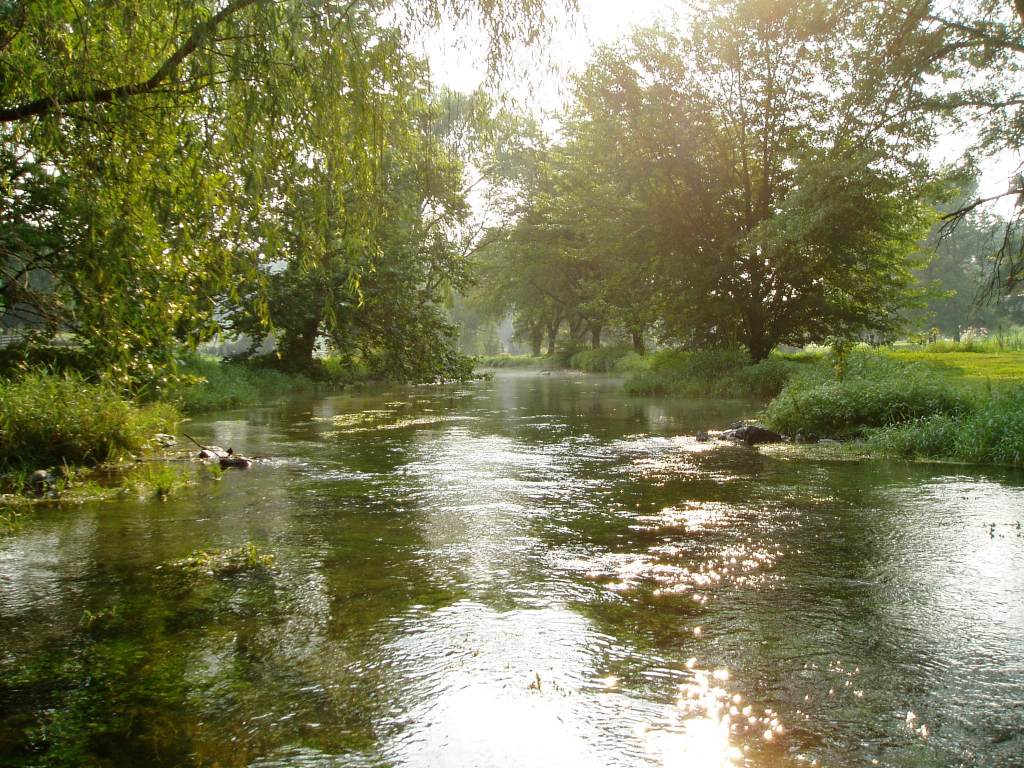
Shimmer – the essence of bright water.

Amid the glories of a Catskill spring and summer, life is a whirlwind of beauty and angling largesse, but it is in winter that my thoughts return to the gentle limestone valleys lying west of the Susquehanna.

I developed early an intense interest in difficult trout, angling in those formative years on northern Baltimore County’s Big Gunpowder Falls. The stream was intimate, her waters clear, and her wild browns, and for a time rainbows, darted restlessly to avoid the frequent human intrusions. I loved her dearly.

Maryland’s Big Gunpowder Falls as spring begins to awaken.

Pennsylvania’s Cumberland Valley offered something more. There flowed the little rivers of legend, holding a store of temperamental wild trout amid icons of angling history. This pastoral valley was the epicenter of the second great age of discovery in American fly fishing. I welcomed the opportunity to study in the classroom that had spawned Shenk, Koch, Fox, Marinaro and more!

The learning curve was steep, though I was fortunate to count the greats among my professors. I learned casting and tactics beside Ed Shenk and Joe Humphreys, talked flies with Ed Koch, and for two seasons travelled to the limestone streams at every opportunity. Finally, I relocated to Chambersburg after founding Falling Spring Outfitters and began to live the angling life to its fullest.

The opportunity to fish and daily observe the hallowed waters of the limestone springs enthralled and challenged me, for there were always new problems to surmount as our association grew in intimacy. An angler learns a great deal in those environs if he is receptive to Nature’s lessons, chief among them humility. I learned that both victories and defeats are wondrous moments in an angler’s life.

I found a special magic amid those gentle meadows, conscious of the presence of those who had gone before as I hovered behind clumps of waving grass, eyes searching for a rise. Summer brought forth every nuance of the hunt, with stream and meadow exploding in a rush of vegetation. How many rises were located first by hearing, then pinpointed by long study of the edges of land and water? Finding the trout’s hide was but half the battle, for each cast would then of necessity be planned and executed in intimate detail.

Those limestone trout offered a single chance for glory, and dozens for failure! A back cast tangled in the head high grasses spelled defeat immediately, so too a forward cast just inches off target. Hot, breezy days offered more opportunities for trout rising secretively to terrestrials, but increased the difficulties of a flawless, one-shot presentation tenfold. The memory of those days still excites me!

A two-weight rod, Baby Cricket dry fly and joy amid the watercress during Big Spring’s all too brief revival!

There were intimate joys not since encountered. A short, quick, perfect cast with a frail six to seven-foot rod, a Shenk Sculpin taken beneath a root ball by the rush of bright water and emerging with two feet of angry brown trout splashing in the morning light! Sight fishing to some leviathan obscured by moving cress and elodea until I was far too close to maintain composure.

I recall the magic of a summer evening, waist deep in cold water and greenery. Darkness was close at hand, and I was about to climb out and retire when I heard the whisper of a rise ahead. I could see only the bounty of weed beds along the right-hand bank, but I cast my Baby Cricket to that sound, and it was taken softly. The weed bed exploded in a boil and the tiny six-and-a-half-foot rod was quickly overmatched. Keeping the rod in a frightful curve, I battled the unseen foe toward the narrow, clear channel in midstream. He ran up current, buried in another, and I fought him back to open water again. It was all a flurry of constant motion and boiling water in the darkness! Somehow, the 5X tippet held, sawing through another pair of heavy weed beds and, when I brought him back to the channel that last time, I reached for the net. Five pounds of wild brown trout, his wet flanks sparkling in the last glow of twilight lay in the mesh, my hand shaking as it turned out the hook.

Such are the memories entwined in the magic of the limestone years.

Passages

Morning at Crooked Eddy, and I hear the dripping of snowmelt from the high roofline onto the low metal roof above my station. I walked out to look for the freezing rain we have been warned about and found the temperature somewhat less than a full degree above freezing. The rain is expected closer to midday, more than half an inch by tomorrow morning, and I do not doubt it will flush the light snow cover we have into the rivers.

The Delaware reservoirs have spilled on and off since the heavy rain of December, and now linger just below capacity. Releases are higher than we have seen these past few Januarys, and I am thankful for that. Better for the trout as well as the mayflies, caddisflies and their brethren, and I pray that good flows continue through February and March.

Hope remains for a little warmup between spillings, a chance to visit bright water, swing a fly and soothe my already winter weary soul.

I have volunteered to tie my simple Blue Quill Parachute for Thursday evening’s virtual gathering of the Fly Tyers Guild, and have settled on tying a size 14, that my simple webcam will allow acceptable visibility. What to do then with a fly twice the size of the natural? Not a hatch matcher, though it is a fishy looking fly, so I’ll simply toss it into a spring fly box to be trotted out on one of those spare days.

Perhaps I should set aside a small box for the dries that aren’t intended as close imitations, the Atherton’s, Fox Squirrels, Catskill Adamses and the odd variants I sometimes tie with an extra length of oversized hackle. That seems a fine idea.

My Catskill Adams

In the past I have tucked these fishy flies in beside the proper imitations, where they have oft been overlooked just when a perfect opportunity to try them appears. To me they feature some bit of attraction, whether the dark, subtle bugginess of the Catskill Adams or the glint of golden tinsel on an Atherton No.2, and that impressionistic quality of life. Strictly speaking, species specific imitative patterns are conceived for the hatch, while these other fellows are cast with a more general appeal. Exuding an impression of life and generality, they seem to be able to appeal to a trout that happens upon them. There are many such hours along spring rivers.

Long vigils are common, particularly until the river temperatures ascend to the high side of the forties. Fifty degrees is the classic, magic number, but there are many days when weak sunlight seems more vibrant to the river starved angler, though the sunken thermometer struggles to betray 46 degrees.

Spring? Yes, though the joyous sunlight still struggles with the snow.

It is funny how I always carry a small box of the early stoneflies which brought the first dry fly fishing to the Big Gunpowder Falls and the Pennsylvania limestoners, though I have never seen a single trout rise to one on an early Catskill river. I did imagine one though, that first hopeful winter, when the calendar said spring. The little black stones were buzzing half in inch above the surface, skittering and skating along screaming eat me! I wanted that first taste of dry fly fishing so badly, I tried to convince myself a reflection flashed in the corner of my eye was a swirl!

Big Spring once held great promise as the weather warmed in March

Seventy-five days of wishing and waiting lie ahead. Each one will linger perhaps two minutes longer than the one before; a few breaths! I’ll tie no stoneflies as those days pass, though, despite my best experience, that little fly box will find its way into some vest pocket come March. Old habits… well, you know what they say.

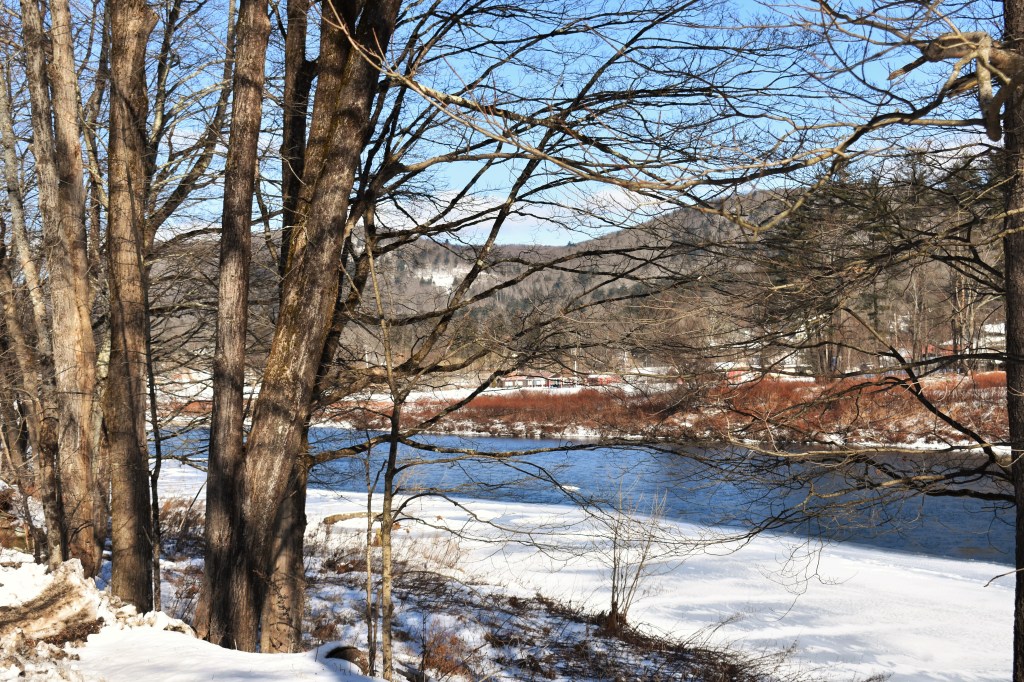
The Delaware River on a bright February day.

Caught In Time

It is the twenty-second of January, and eight degrees here in Crooked Eddy. Sixty-seven days have passed since I last waded bright water and bid farewell to another season, so in truth, I am not yet halfway through winter’s journey. My thoughts once more run to summer…

I was sitting, huddled in a blanket this morning reading Rhoderick Haig-Brown. As he recounted the various streamer flies employed for the native cutthroats, salmon and steelhead of his Campbell River, my mind wandered to Ernie Schwiebert’s Letort Beetle. It has been many years since I tied and fished that groundbreaking classic.

Ernie recounted the fly’s birth in his “Legend and the Letort” from “Remembrances of Rivers Past” (Copyright 1972 Ernest Schwiebert): “Ross Trimmer and I were sitting in the Turnaround Meadow one August afternoon. I was tying flies and noticed some pheasant skin pieces in a hackle cannister. There were a few dark greenish throat-feathers on one fragment. We tried them instead of Jungle Cock, soaking several feathers together with lacquer to get toughness and opacity.” He trimmed these to an oval shape and tied them in flat over trimmed hackles, adding “Success was remarkable and immediate.” Schwiebert recognized the perfection of Vincent Marinaro’s concept of silhouette being the trigger for the Letort’s summer sipping trout and modified the Jassid style to mimic the larger and more robust beetles so prolific in the water meadows. Anglers have been grateful for his chance inspection of that hackle cannister for decades!

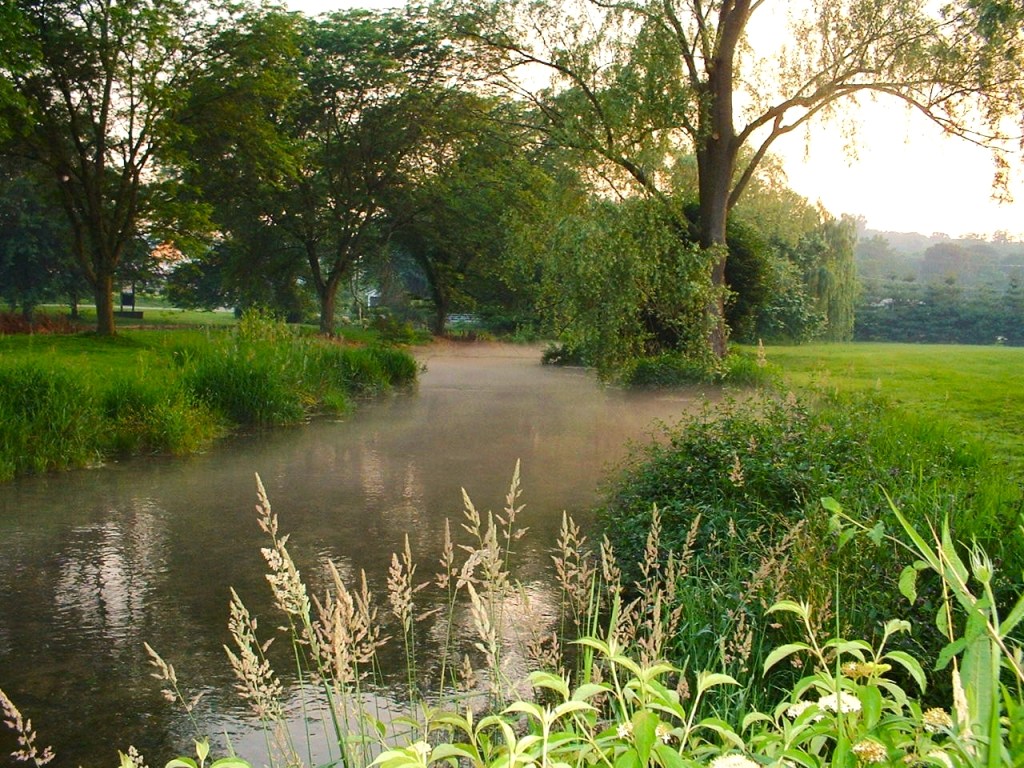
The Barnyard Meadow, Letort Spring Run

While there are days upon our summer rivers that I do best with a beetle that plops when it lands upon the surface, there are times during the lowest flows when such patterns are ignored. The trout lurking in the hides of the still pools are wary, and my summer fly box needs a row of Schwiebert’s genius!

Just over the mountain, beside the gliding waters of the West Branch Delaware, Dennis Menscer applies the final coats of varnish to my ultimate foil for days such as those, a flamed eight-foot wand to make magic with a number three line! If I close my eyes I can feel it now, laying out a feather beetle like a whisper of soft summer air…

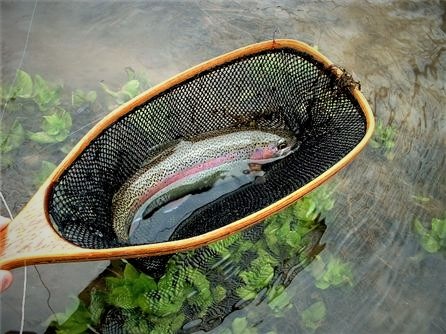
A twenty-inch beetle eater that demanded utmost delicacy!

I am caught in time, dreaming of summer delight amid the unforgiving chill of winter.

Indeed, a good half-dozen of those beetles must be tied, and I know just the feathers to employ. I have a black phase cock pheasant skin that should enhance that critical opacity.

Soon, I must begin the task of sorting fly boxes, noting any patterns and sizes that need replenishing. Reels and lines were put away cleaned and ready for use, but they will get a look, just in case. Still so many days without chance for fishing. The rivers are high and icy, reservoirs spilling into their tailwaters, and rain and a warmup headed in this week. The snow will be melted rapidly once more, and the rivers rise.

What I need is moderate flow, that joyful fifty-degree warm spell, and sunshine! Those are the days when a swung fly might tempt leviathan.

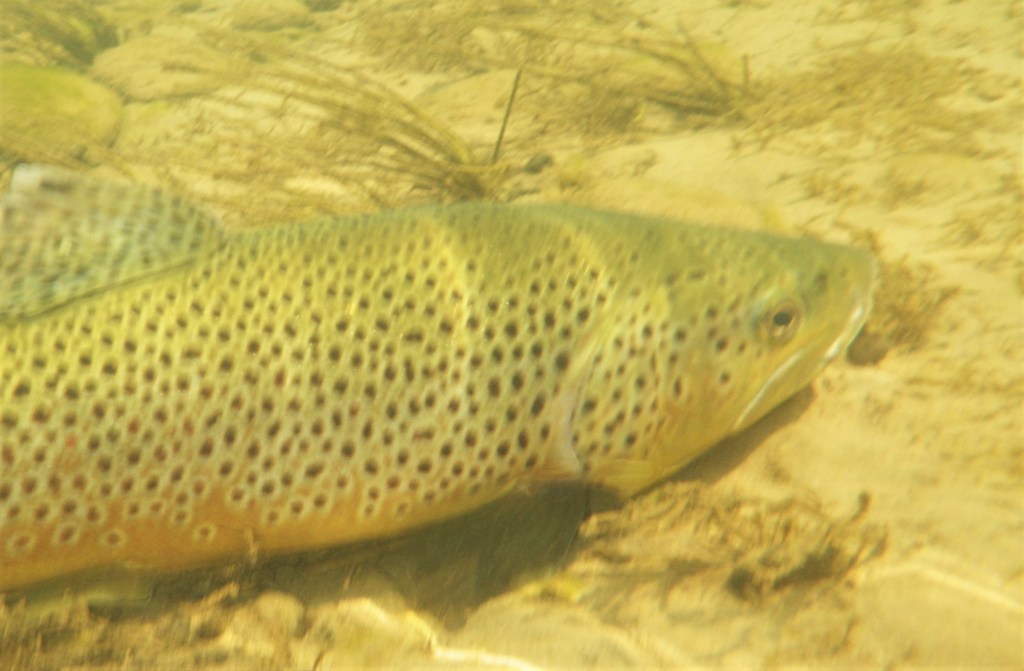
The cool steel gray of a good December brown, enticed by the slow swing of a Copper Fox.

There is a taste of sunshine this morning, though it is not expected to last. The air will not warm for hours, and then not much above freezing. The paradox of timing looms as I ponder a riverwalk, the sun lights the old road and the mountainside until mid-morning, when the air still lies cold. The sun warms the body and brings cheer, yet I fear the frigid air will torture my beleaguered lungs.

Tomorrow will bring snow and ice, and as the week warms the rain will fall, erasing the winter clarity of the big river.