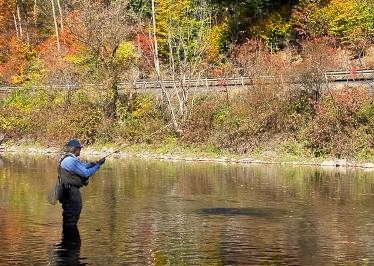
Cold Rain

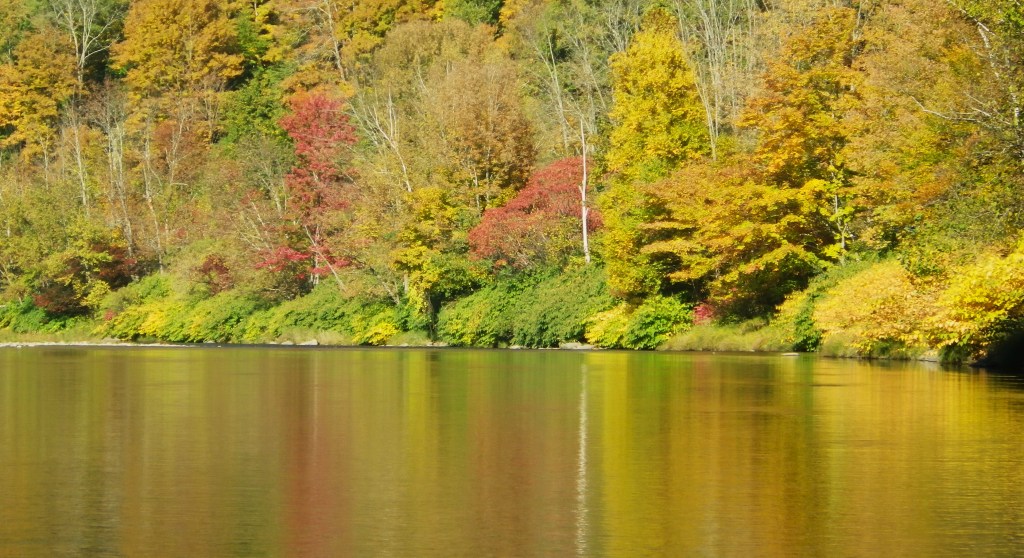
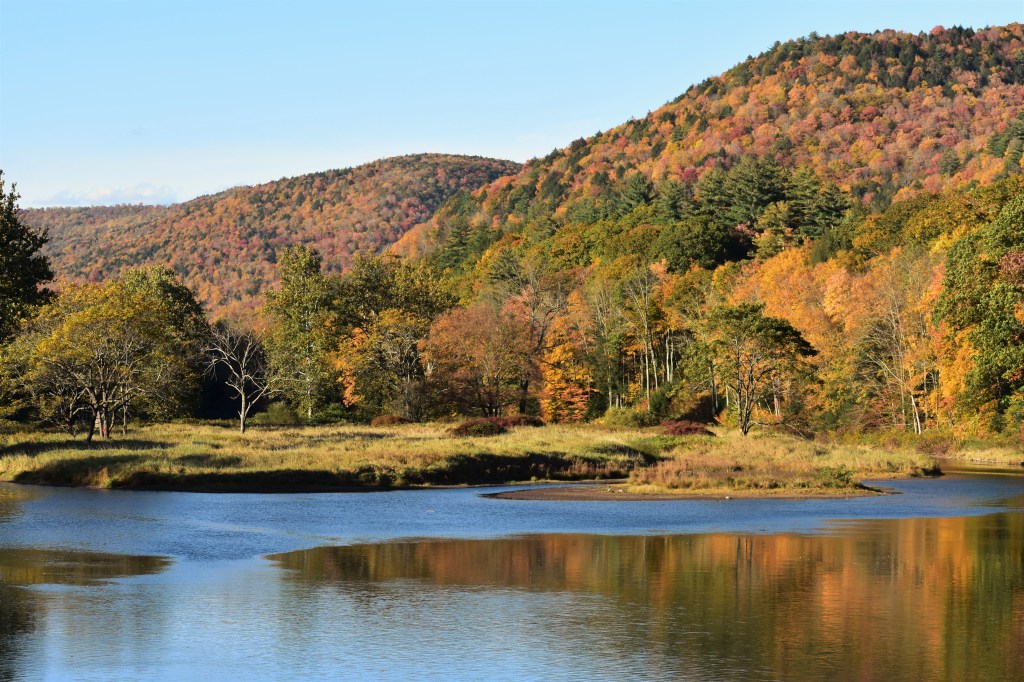
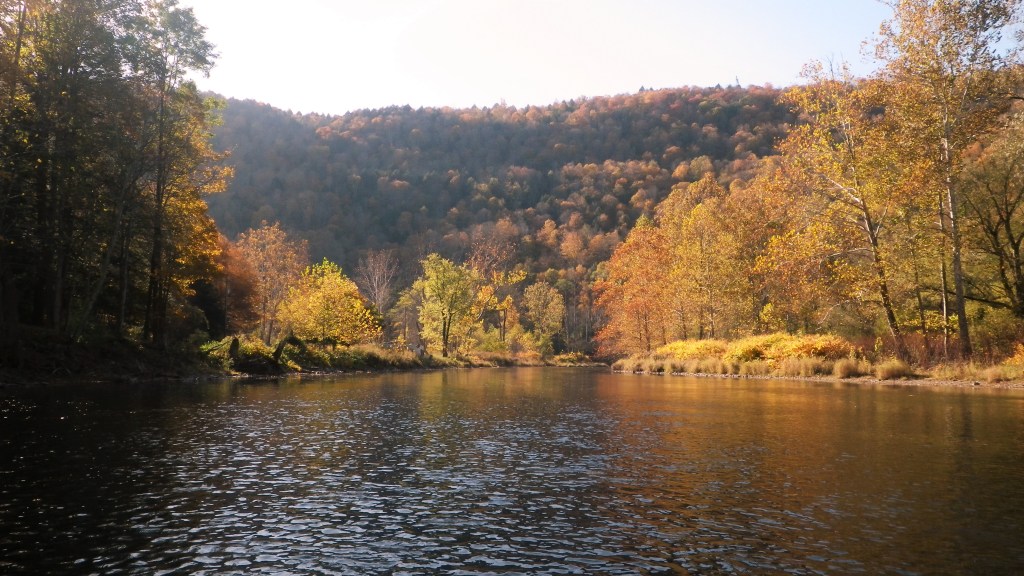
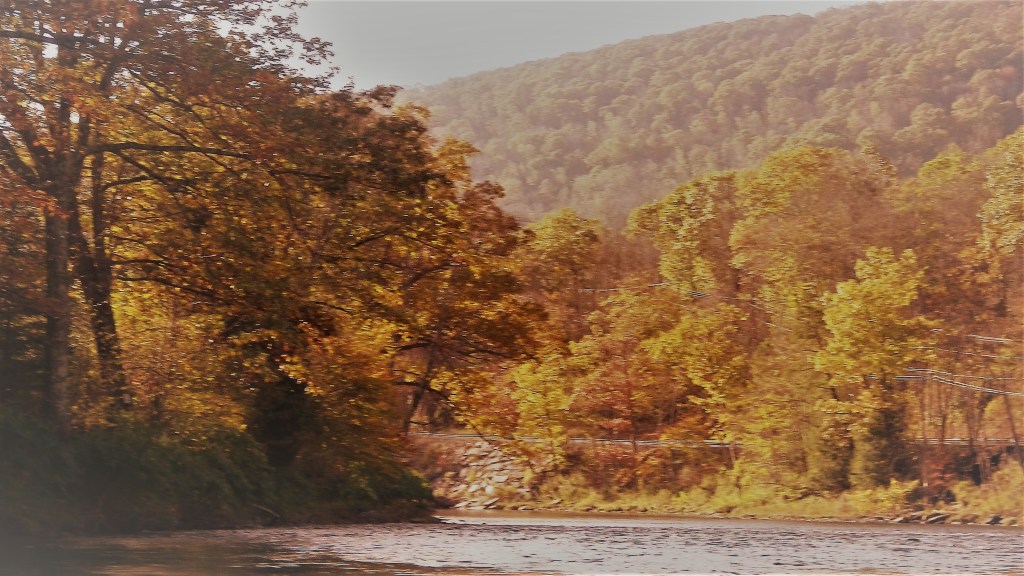
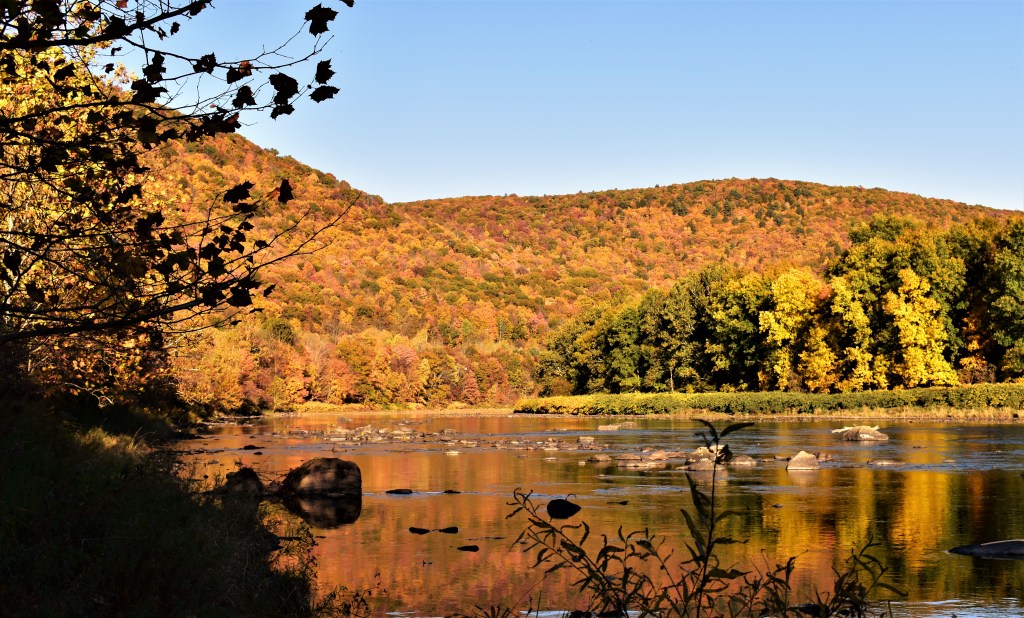
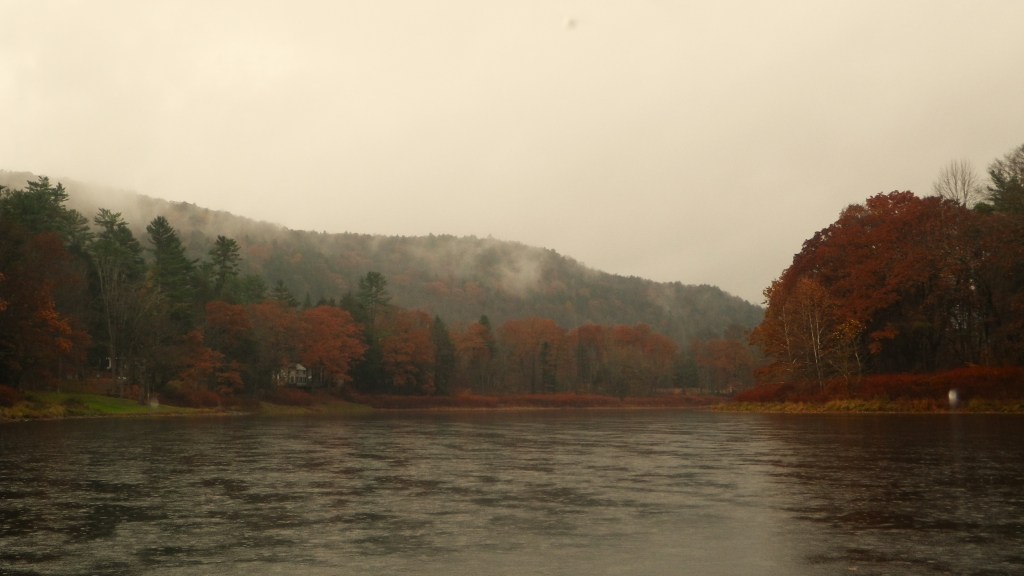
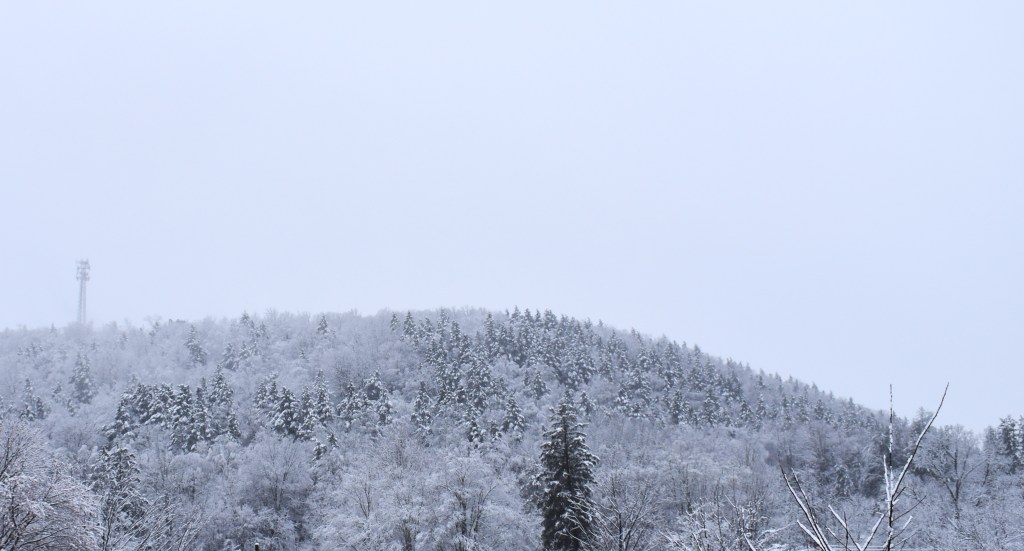
Cold rain is falling here at Crooked Eddy, and another season has come to a close. These last days of October are already hitting November’s stride. The gray side of autumn envelopes us bit by bit. Sitting on my porch just three days ago, warmed by the bright sunshine, I gazed upon the colors of Point Mountain to the east. Sitting there yesterday, I noted with sadness that those colors were gone.

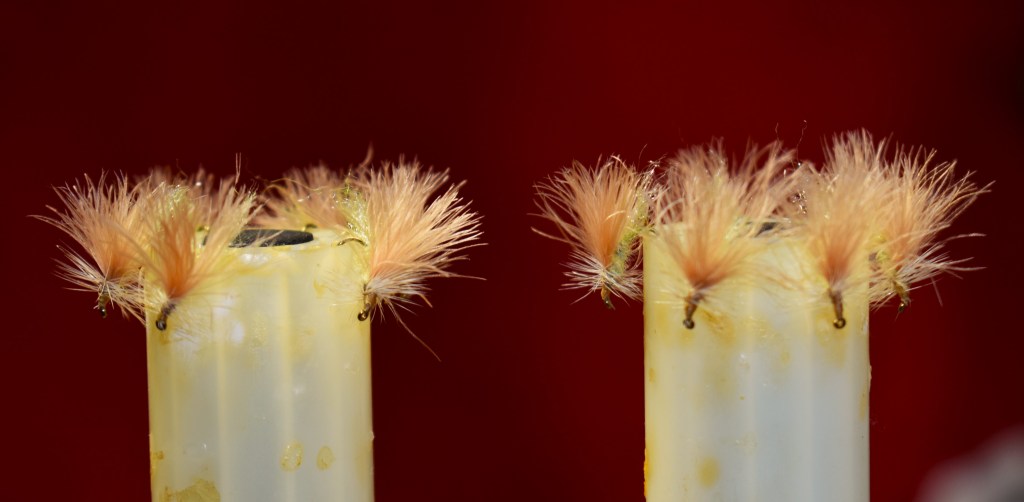
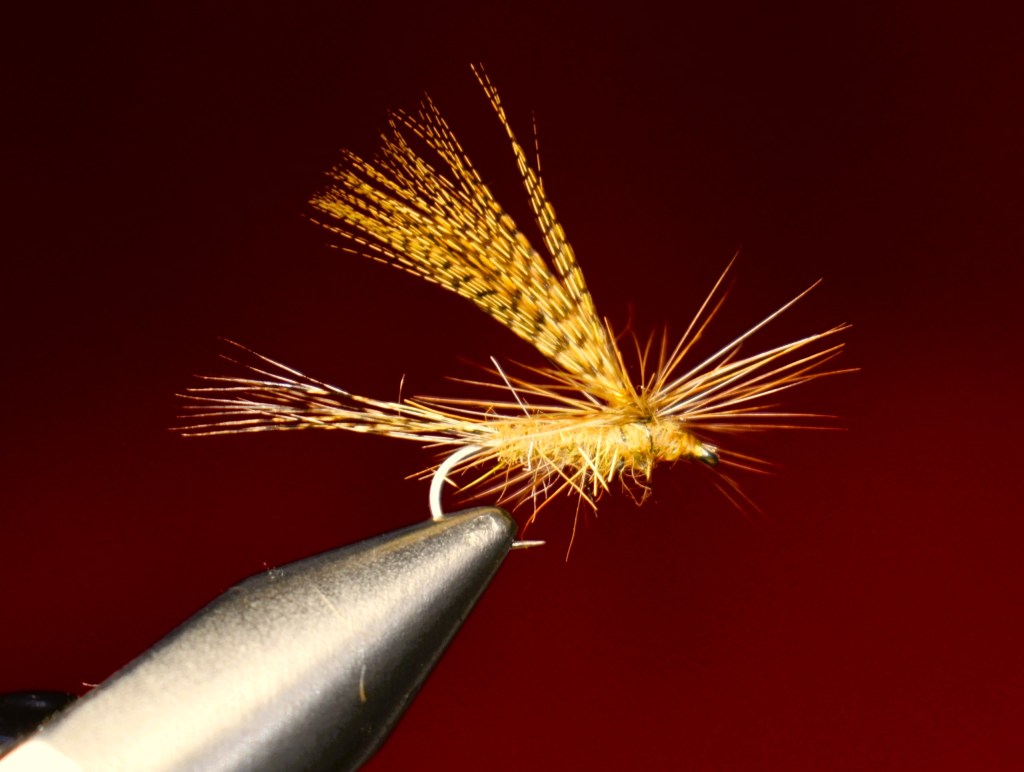
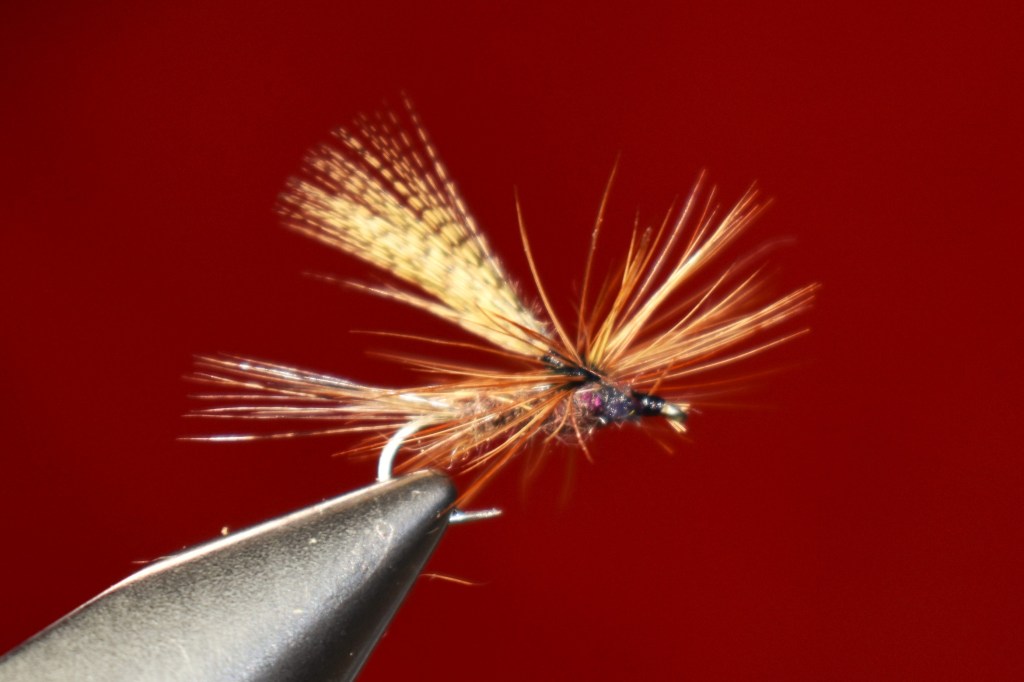
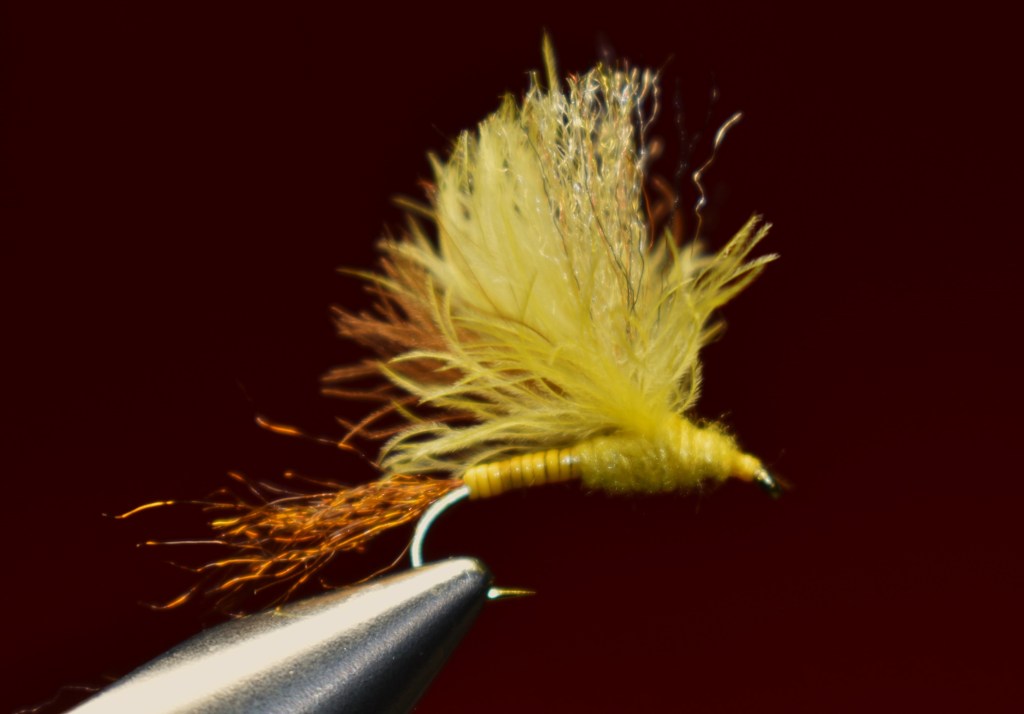
I began my winter season yesterday morning, keeping a promise to myself to blend some dubbing for a buggy, impressionistic dun pattern for the Quill Gordon, the latest of my Atherton Inspired concepts. I found a small piece of gray squirrel dyed with bright yellow, a decades old gift from my friend JA, and blended it with beaver’s mask, yellow Antron and angora goat. It looks interesting, though it will be many months before I will cast that first 100-Year Dun to a rising trout. Winter revolves around fly tying and reading here, once deer season has come and gone. The accumulations of snow and ice control that, for icy mountains are no place for an older gentleman hunting alone.
Next weekend the Fly Tyers Guild will gather at the Catskill Museum’s Wulff Gallery for our autumn Roundtable. I will be tying there with many gifted artisans of the trout fly. Our tyers and historians will share the history of the Catskill school of fly tying, answer questions and demonstrate techniques and materials for visitors. Stop by if you are in the area, eleven in the morning until four in the afternoon on Saturday, November fourth.
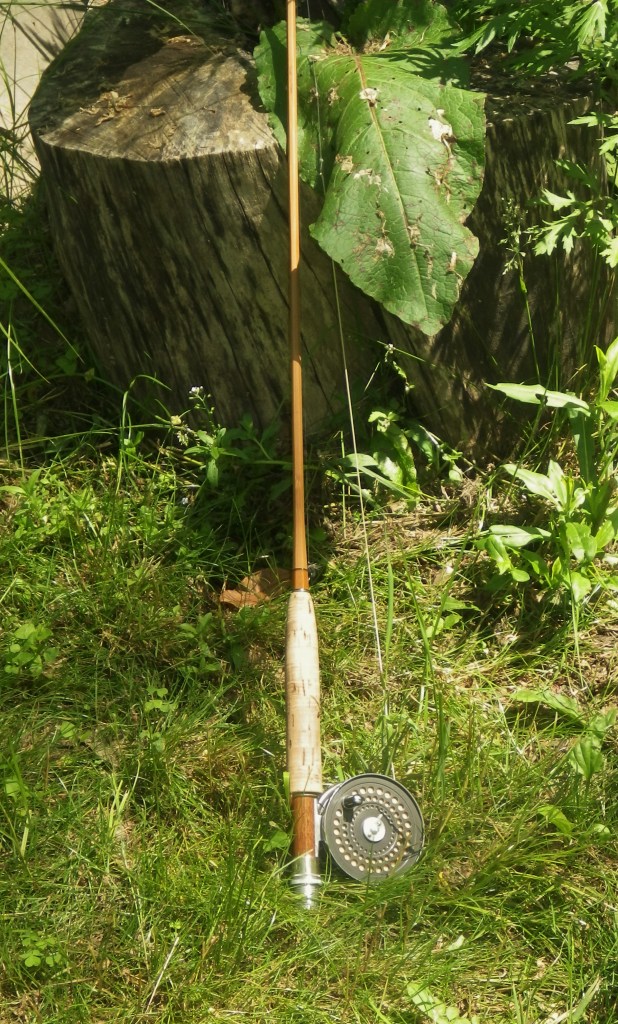
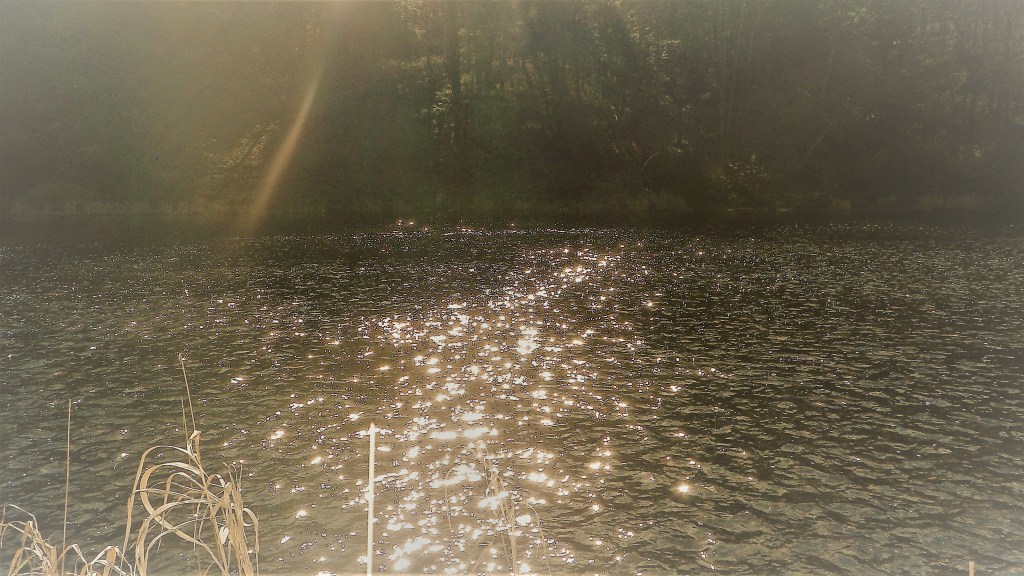
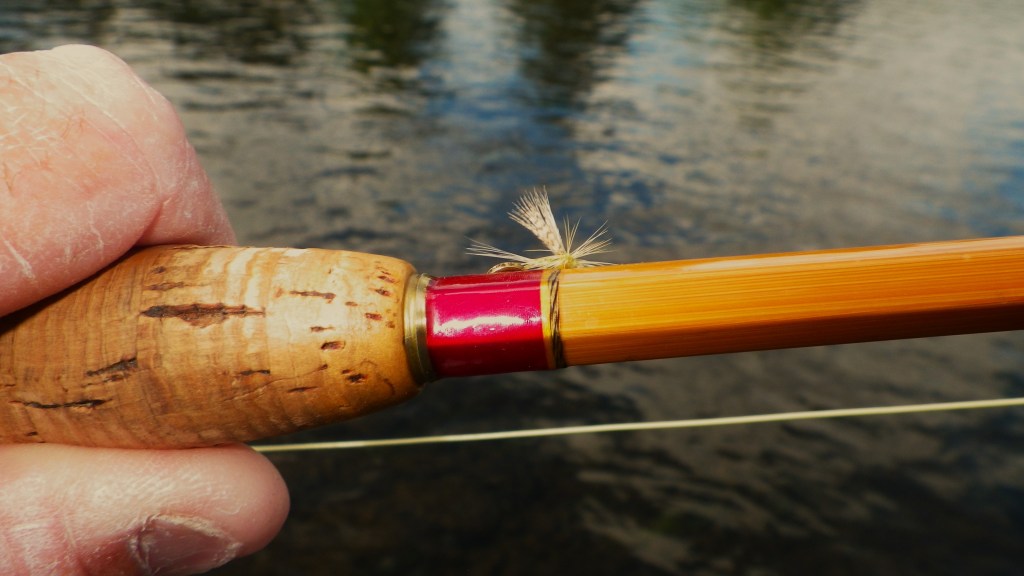
Our Catskill weather has turned markedly this weekend. I sat in Dennis Menscer’s rod shop yesterday morning watching the sun sparkling on the river under a gorgeous blue sky through the open door. By Noon, when I stepped outside to go, we were engulfed in a swarm of storm clouds with the bite of a crisp wind shedding the trees of their leaves. The week ahead features forty-degree days, reinforcing seasons end with falling river temperatures. When the sun returns mid-week, I’ll carry walnut and blued steel as opposed to bamboo and nickel silver.

It has been another challenging and interesting season upon the rivers of my heart, and many new memories have been forged. I haunted these bright waters for one hundred and eleven days with the dry fly, loving every moment whether in victory or defeat. Simply beautiful!
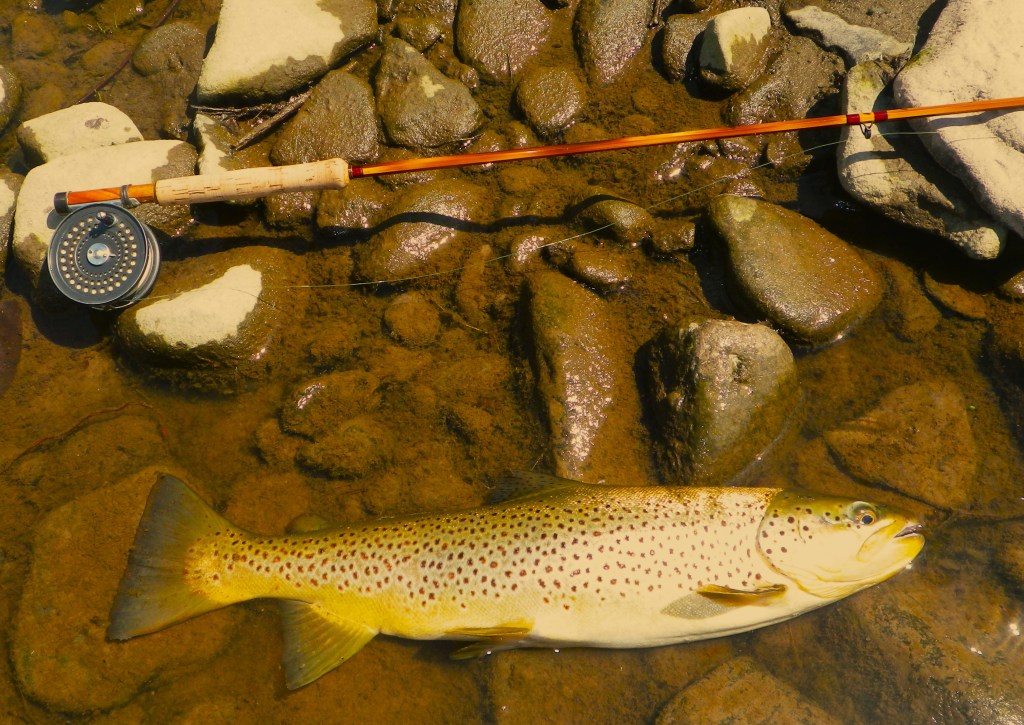
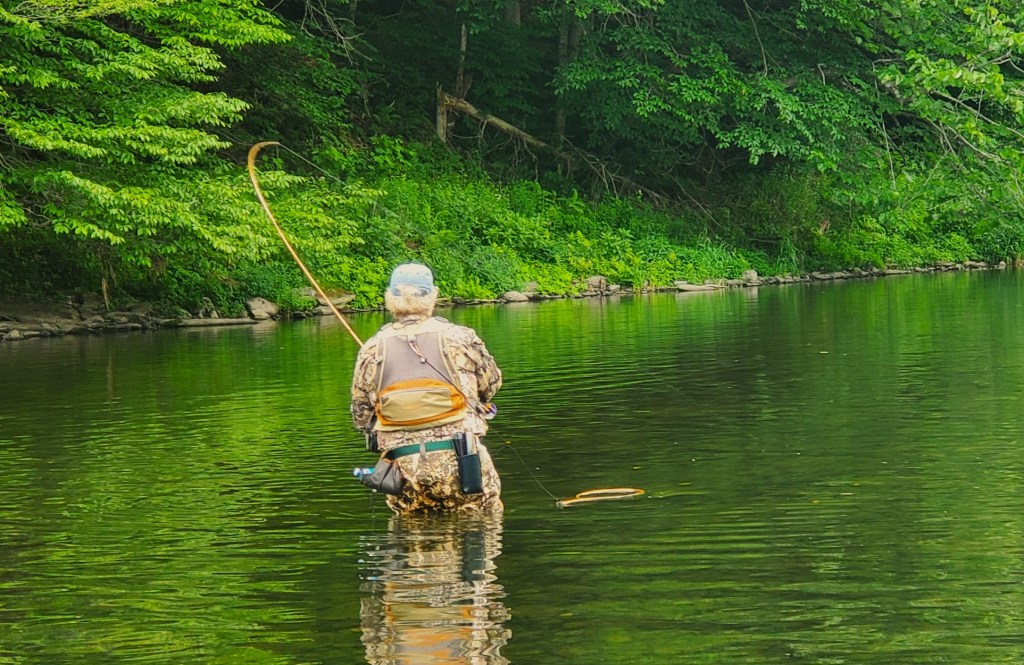
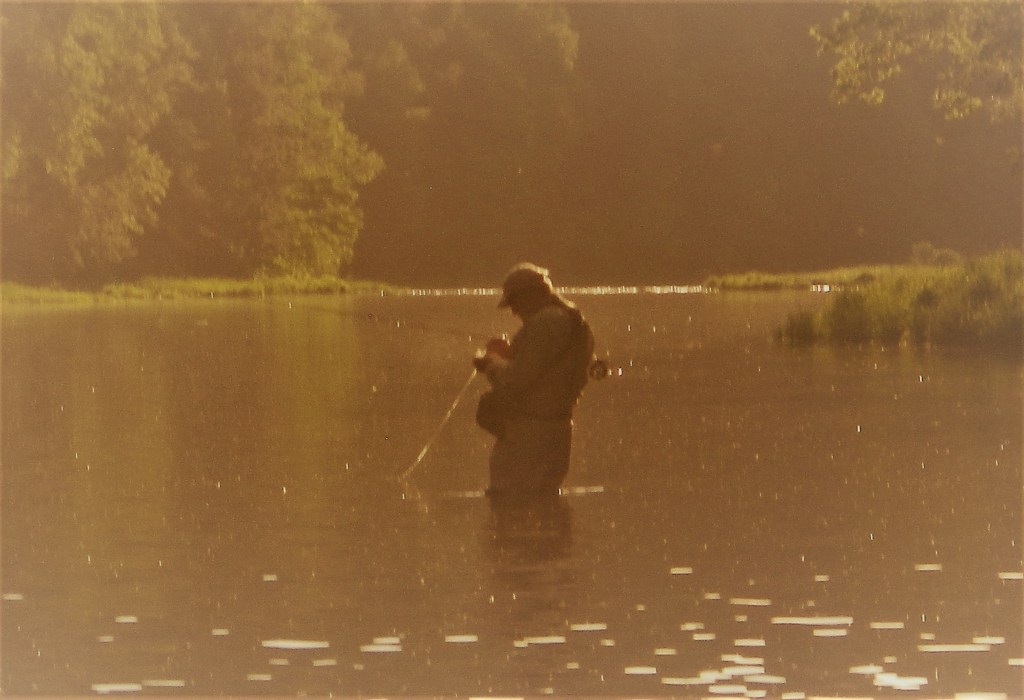
Photo courtesy John Apgar
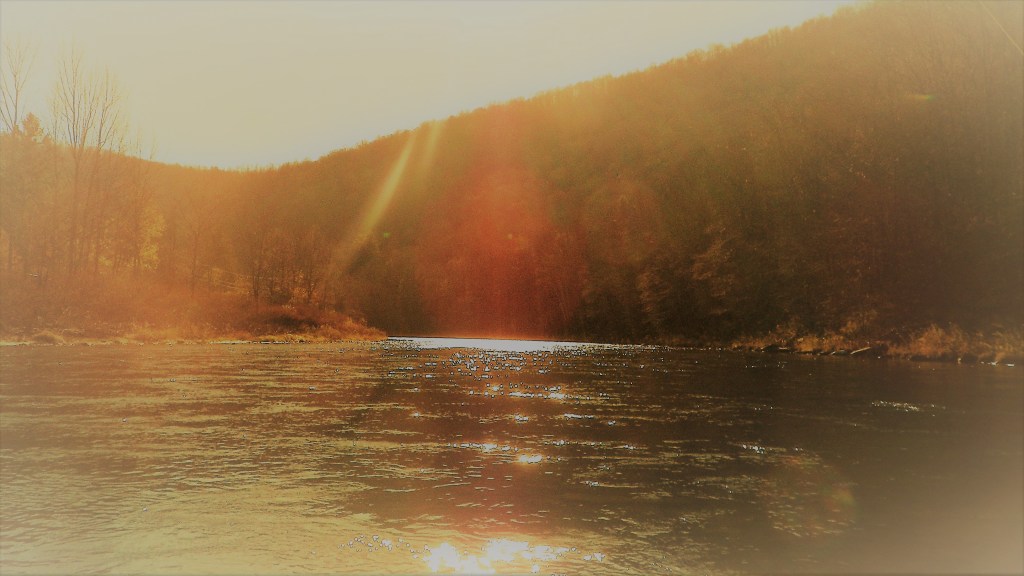
Photo courtesy of Andrew Boryan

The Last Winds of Thread

Friday morning, and I have just finished tying the last dry flies of the day for this season. There has always been some luck infused with these, for many times the best trout of the day has fallen to a fly I had tied that morning, an act of faith and inspiration before heading out to the river.

We have come to the last days of October, one last triumph of warmth and sunshine before the onset of winter, and I will go forth and try my best to make it memorable.

I made that same attempt yesterday, and found a little hope attached to the flies tied that morning. I was walking slowly up the river’s edge when I noticed the faintest little ring in a slick along the far bank. As today’s, yesterday’s morning flies were tan caddis, an old favorite of mine dubbed the CDX. I checked the tippet and knotted one securely, then eased out into the sparklingly clear October flow.

There was a wide span of fast, broken water between me and that faint little ring, water I was not going to blindly wade through without fishing. Such places are far too likely to dismiss when lying between the angler and the rise.

I prospected above and across from my position, gradually extending my line, and then began some casts downstream. On one of these, the fly passed over the center of a large, flat boulder and the fly vanished softly. I paused and raised the old Orvis bamboo and met the kind of heavy resistance I had been searching for throughout this last month. The trout was big indeed, and he had me at a disadvantage down there in the hole below that boulder. I kept tension, hoping that the give in the tip of the old rod would keep my prize, though this wasn’t an encounter I was going to win. The fish refused to run; I mean, would you give away your advantage with flight? There was a pop, and he was gone. I hope he enjoyed my caddis.

It turns out there were three trout over in that slick when I began to fish it, but they were skittish and my drifts were, compromised. Too much velocity in the current between us, and a river bottom unfriendly for wading helped me fall victim to impatience, and I missed two fish with a load of slack between us. I claimed a small victory with the last one after a twenty-minute wait.

And so, this morning found me tying three more of those little tan caddisflies, preparing to walk that reach of river for what I expect will be the last time until a new spring warms my heart come April. There were snowflake icons falling upon Wednesday’s forecast on the Weather Channel. It will be the first of November after all.

One last day of seventy-five-degree sunshine, one last day to cast a dry fly with a lithe and beautiful wisp of split bamboo, and one last act of hope that a certain large and smug old trout might come for breakfast once again…

Hope, and Dry Flies Float

It is Tuesday the 24th of October and thirty-five degrees here in Crooked Eddy. We are down to it now, the full realization and acceptance of the end of another dry fly season.

A week ago, I stopped to assess a pool I had never fished and found something much to my surprise. Wading in, I was greeted by the lone occupant, a friendly and courteous gentleman whose name was Angelo. Upon recognizing the cane fly rod and dry fly I carried, he unselfishly offered me his place in the middle of the run, telling me there were fish working out there in the current. I thanked him and told him I was inclined to fish downstream, and to please continue to enjoy his sport.

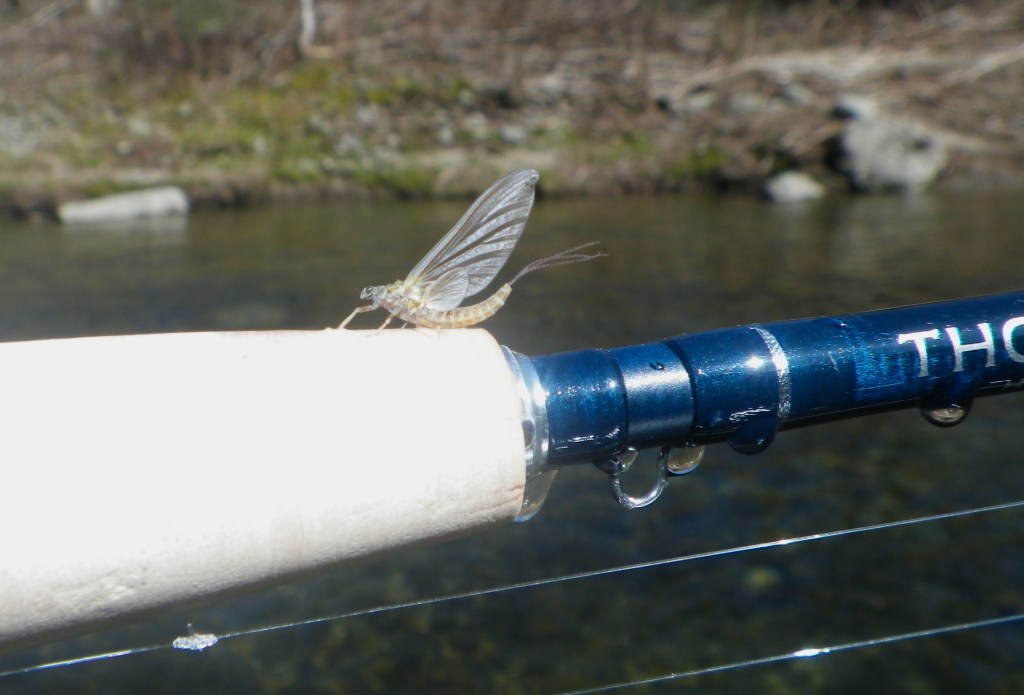
Wading down I looked to a seam where the bouncing current blended with a band of slower water approaching the far bank. I could see large rocks beneath the surface, good lies for hungry trout in such water, and here and there a little flash of bubbles as a trout rose to take a small blue-winged olive mayfly.

It was a dark day, heavy cloud cover providing the kind of light which, coupled with the fast water, makes small dry flies intriguingly difficult to find at the end of a longish cast. I knotted an autumn favorite, a size 20 olive comparadun winged with Trigger Point fibers. It is a bit of nothing that I can see, even in difficult conditions, and the trout have shown a preference for this simple little fly on many occasions.

I fished quite happily for perhaps an hour, hooking five trout and landing all but the first. Most were wild Delaware rainbows, not large but solid fish of a foot or more and full of vigor. On an afternoon when my hopes for finding any rising fish had sagged, they were a revelation.

Cold rain highlighted the weekend, and water temperatures have continued to fall. The tailwaters are stuck in the forties, and now the freestoners have reached that low ebb as well. I am not ready to concede the season, and look toward a weeklong warming trend that should have us enjoying seventy-degree sunshine one more time before winter’s iron hand takes control.

Hopefully some of those early spawners have returned to the pools and are eager to feed while a chance remains. Should there be a few more mayflies to tempt them to the surface, I may yet find a proper finale.

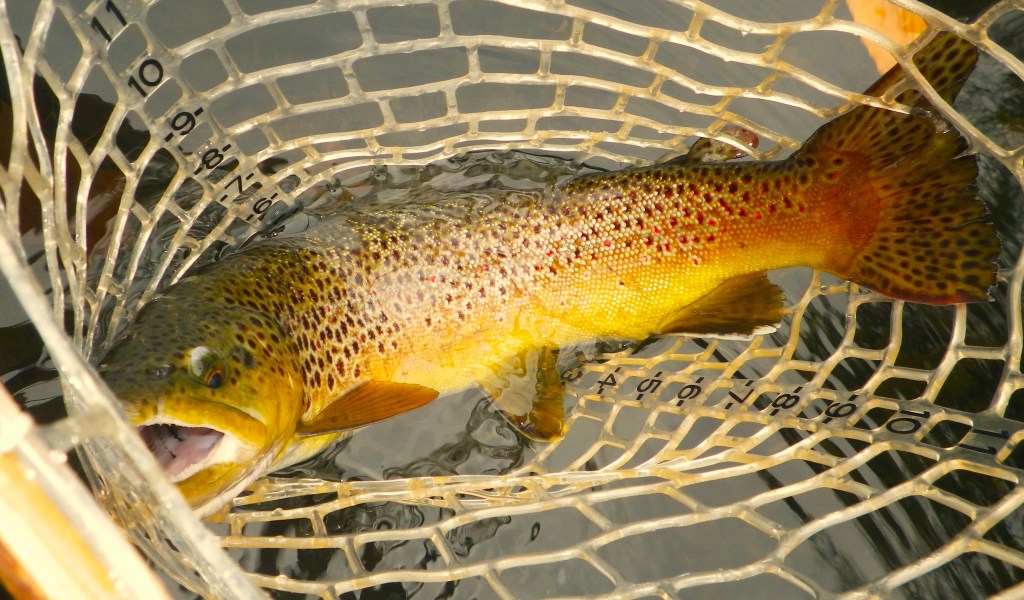
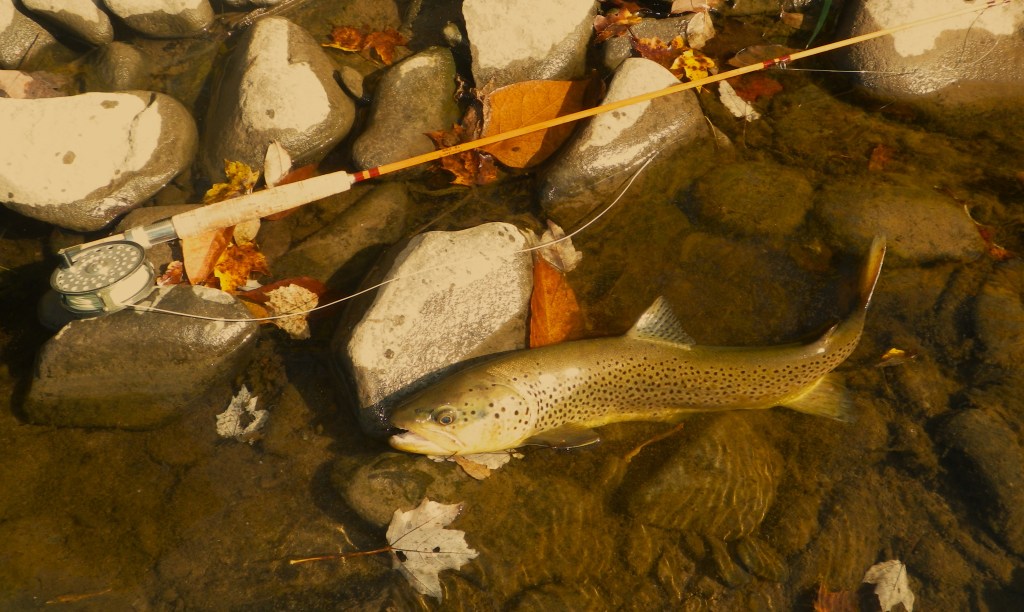
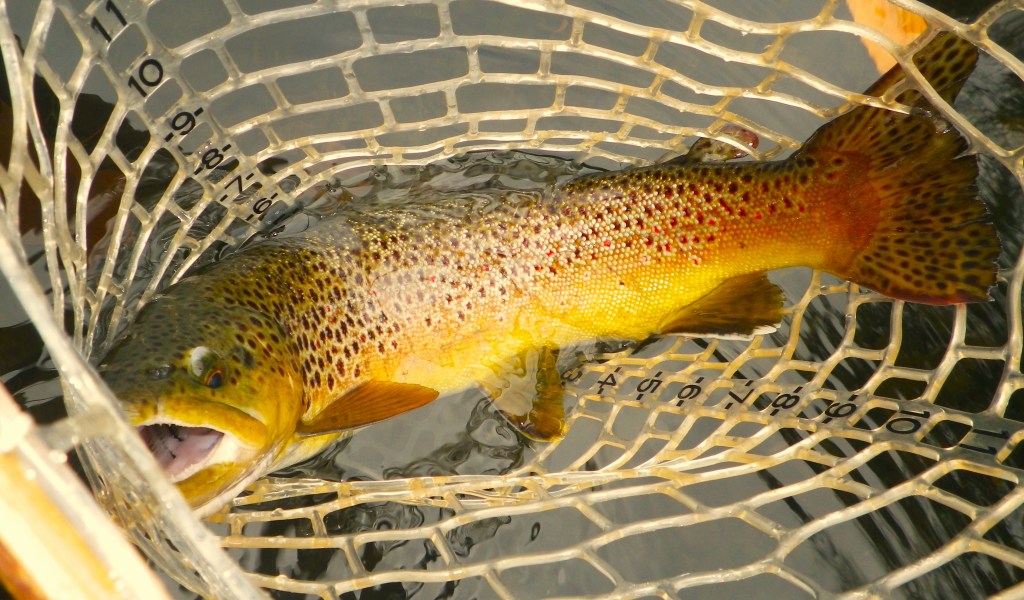
A gorgeous 22″ post spawn brownie from late October 2022.

Penance At The Glides

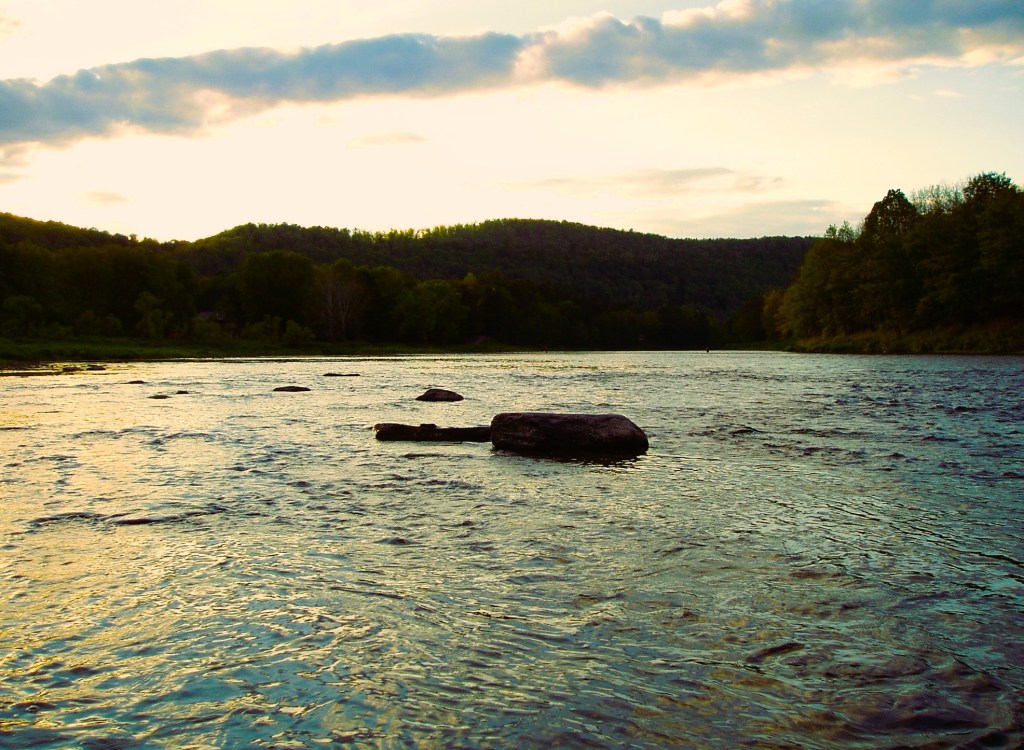
A fastwater glide at evening light

As the season draws to a close, I haunt familiar places. It has become somewhat of a late season ritual for me to spend a number of the season’s final hours at one I call simply the glides.

I traveled there yesterday, expecting not to find the game I wanted passionately. I nearly affixed the reel with the intermediate line to my rod, and sadly I did tie a new heavier tippet to my leader, tipped with a lightly weighted swinging fly.

There was sunlight on the water when I first waded into the river, and it was calm and beautiful as I made a few casts and swings upriver from the glides. The first rise was unmistakable, soft and gentle, though clearly not a leaf turning over in the current – one of autumn’s little teases for desperate dry fly anglers scanning the surface at a distance.

I was cutting and re-building the leader as I waded down the shallower part of the river, and smiled ruefully when the wind sprung suddenly to life obscuring the surface of the glides with a shower of leaves. It was to be expected that the Red Gods would punish me for my faithless beginning to this day. And so, thus my penance would begin…

I had waded close, struggling to knot a little olive to the wind whipped tippet, and waited for a time for the gusts to subside. As I studied the sinuous mirror of the glides, I knew there was still too much flow to make my task easy. The rise that had sparked my approach and the revisions to my terminal tackle was not repeated, though in a while I caught a glint of light from upstream. Sure enough, within a few minutes the barest tip of a trout’s nose creased the surface where one tiny olive mayfly had drifted.

I repositioned as carefully as the uneven bottom would allow and tried three casts before pausing. That rise too, would not be repeated.

The flies were very sparse and looked to be smaller than the size 20 dry that has become part of my autumn ritual here. With varying banks of clouds exchanging dominance of the sky with the sun, I was having a difficult time tracking the twenty. There was no decision here, as I was confident that my chest pack lacked anything smaller. In truth, I had sensed the theme of the day, knowing that the river’s flow was still too high for success on sippers in the glides.

Such water tends to be the most challenging I encounter in my pursuit of wild trout with the dry fly, for even at the perfect flow, the smooth appearance of the moving surface is a ruse. Microcurrents is the popular technical term for Nature’s primary obstacle to fishing the glides, but I prefer to think of this phenomenon as a unique bedevilment of the magical life within bright waters.

The perfectly placed dry fly, touched down with an ideal amount of slack in a supple tippet, will dance and spin within a foot of drift. No; to be honest an actual foot of drag free drift here is a blessed gift from the heavens on most days! But don’t insects dance and dart on such water? Certainly they do at times, but it is different.

The mental game reaches a high level when fishing the glides. There are three practical tactics that may be employed in the battle against wildly dancing flies. Adjusting casting position can improve one’s chances of a drag free drift, though the Red Gods have arranged the river bottom to complicate this extraordinarily. Casting adjustments to put more slack in the leader and tippet would seem a better choice, but more curves of tippet material require more surface space and are quickly defeated by the myriad swirls and upwellings of the glides’ currents, sometimes making the fly skate wildly away. The third tactic involves reducing the tippet size down to the dreaded 6X! The waters of the glides hold treasures, powerful finned and spotted treasures, and the Red Gods’ architecture includes many unique angular rocks and boulders. Six X requires the angler pin his hopes to luck alone!

Impossible water? At times it has been, yet that is why I am drawn there, why this has become a ritual.

The afternoon brought periods of wind and rain and the breathtaking glow of autumn sunlight, and yes, every quarter hour or so a trout would rise. Just once in most cases, though as fish move from lie to lie in this place it can be difficult to determine. The last and most fervent blow and rain shower even brought a little flurry of mayflies, and one last chance for this angler to vanquish the power of the Red Gods.

My nerves were too well frazzled by then I guess, for I drove my hurried third cast down into the water with a splat. The flies would quickly diminish after that, and the river grew quiet.

Is This The End?

It is the sixteenth of October, and the last flies out of my vise were swinging flies. The reel sitting at my left hand this morning holds a just cleaned intermediate line and leader. Yes, I have little faith that I will find the usually reliable autumn hatch of olive mayflies and a rising trout or two, yet I will begin my search in a couple of hours despite these misgivings.

In the four previous seasons since my retirement, I have enjoyed a dry fly season lasting until the third or fourth week of October. My last opportunity for 2023 came on the fifth, with two missed fish sipping amid a scattering of tiny winged ants. I have witnessed nothing since that even the hope in my heart could guess to be a rise of trout.

I am not ready to retire the dry fly for the season, not in the least, but each day upon the river I am drawn closer to the conclusion that, for this year, the time has passed.

October 15th, 2020: Battling a good fish on a dry terrestrial pattern as the season wanes gracefully. (Photo courtesy Chuck Coronato)

Here in the Catskills, the season’s finale is a hard reality, for try as I might, I have found no dry fly activity from late autumn through early spring. Thus, I cling to every moment as a season winds down. Five and a half months of winter await, and I will resist it until hope is extinguished!

Seasonal Adjustments

We are nearing the middle of October and there is no escaping the fact that the dry fly season is waning once more.

I looked back at my log this morning in an attempt to register the events of this autumn’s fishing with last year’s, which seems so bright in memory. Yes, there were special days last October. Twenty twenty-three has been quiet by comparison.

A bright memory from October 2022: Two feet of brownie, a tiny number 20 olive, and a little 7 1/2 foot bamboo rod!

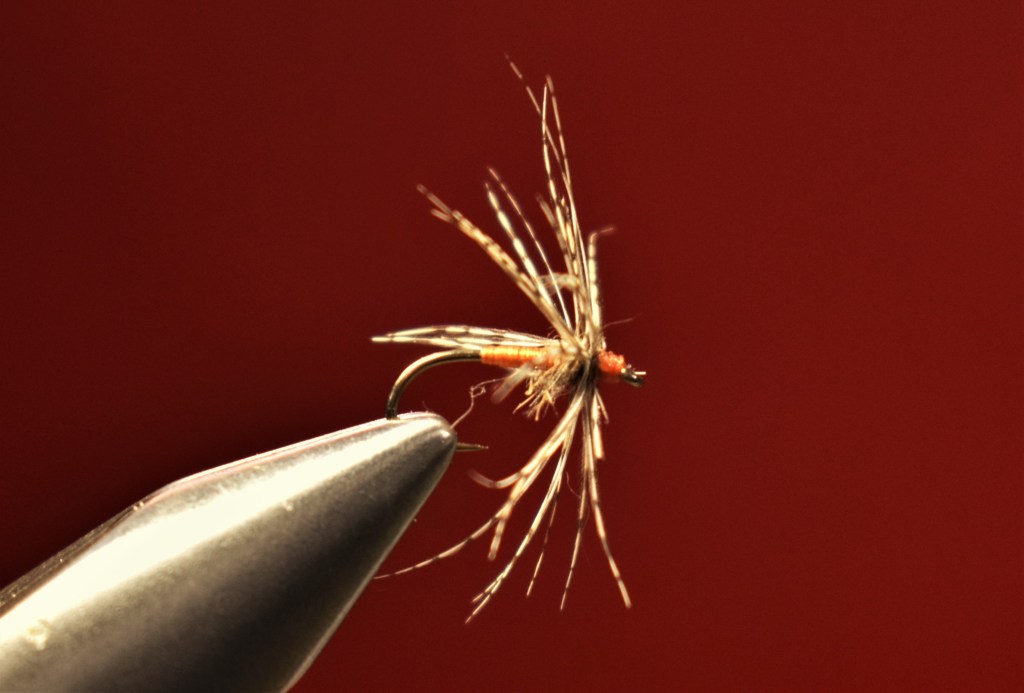
On Wednesday, I spent the last hour at an old haunt, and the river teased me with images of an awakening. I committed Thursday to taking advantage of that activity, only to find those fish were ghosts. In one beautiful run, I finally accepted that no trout were coming to the dry fly. Before I walked out, I knotted a cinnamon bodied soft hackle to my tippet and swung it through that run.

There are times when you hope for a trout without really expecting one. I was caught hoping I guess, reacted a bit instead of calmly allowing the bump to become a pull. The rod grew heavy, alive and intense, but for only a moment. Long enough to realize I had something worthwhile, though not lasting enough to be truly enjoyed. Of course, my subsequent swings took on more purpose, but the moment was singular and had passed. There have been a number of those these past few weeks.

I have the task of making seasonal adjustments before me, and I must do a better job of making them. Time is short, but there may be a handful of those singular moments that are yet to be revealed. It is past time to make peace with the inevitable passing of another season, to calm my mind and concentrate on the beauty and wonder before me. That is the path to touching the magic again before the shadow of winter falls!

Morning On The Mountain

The rains came heavily to the east of Hancock, and I was rather stunned as I checked the river gages Sunday morning to find that the Beaver Kill had risen more than six feet! With thoughts of fishing washed away, and the heat of Indian Summer just a memory, I headed toward a favorite Catskill mountain this morning.

New York’s Ruffed grouse season opened on the first of October. I kept my eye on fishing during that first week though, and felt such a cold, crisp morning as this one was appropriate for a walk through the coverts. It didn’t take me long to learn I’d made the right decision.

I started into the first covert with my double gun at the ready. I had not gone ten yards in when a bird flushed to my right. He took a low, parallel course, angling away, and I swung and fired my first shell of the season. It was a tough shot, and as it happened, that grouse got a good laugh at my expense. At the report, three or four more birds flushed from the same corner that first one came from. I got the 101 to my shoulder after turning back, then swung as one bird rocketed through the cover, rather than out and away like his fellows. I’m surprised he didn’t catch his flight feathers in the ground vegetation as he skimmed the earth at full throttle. He didn’t catch any of the shot column from my second shell.

Moving on into the covert after a reload I worked it hard hoping for a re-flush. When that didn’t materialize, I worked out of the trees into the meadow the other birds had headed for. A trip down and back failed to turn up any of them, so back into the woodlot I went. I never found a trace of the single bird who had escaped my second shot.

Ruffs aren’t covey birds, so I was more than surprised to flush five of them out of the same location. Perhaps they were talking about the brand-new chill after the first truly cold night on the mountain. The morning low dipped into the thirties. In any case, I was lucky to find that many birds. Maybe this first morning is a good sign for the new season. I have never flushed that many grouse during a Catskill hunt.

Ruffed grouse populations have declined as much as eighty percent statewide. Usually, loss of habitat is the primary cause. The “Forever Wild” status of the Catskill Park has generally taken that part of the birds’ problem out of the equation, but finding birds is never easy, particularly for the solitary gunner. A good bird dog will turn up birds that will stick tight and let a lone hunter walk right by.

Hunter’s stories tell far more tales of grouse that avoided their shot strings, than found their way into their game bags. When they do flush, maybe one in a thousand will rise up toward a clear spot between the tree branches and offer a classic wing shot. The other nine hundred and ninety-nine will dodge between the branches and tree trunks, fly low in front of and behind alternate trees like the bunch that made my morning exciting, or flush behind you and head away on a zigzag course. Shot opportunities are usually brief if they happen at all. All things considered, Ruff offers the wingshooter the ultimate challenge!

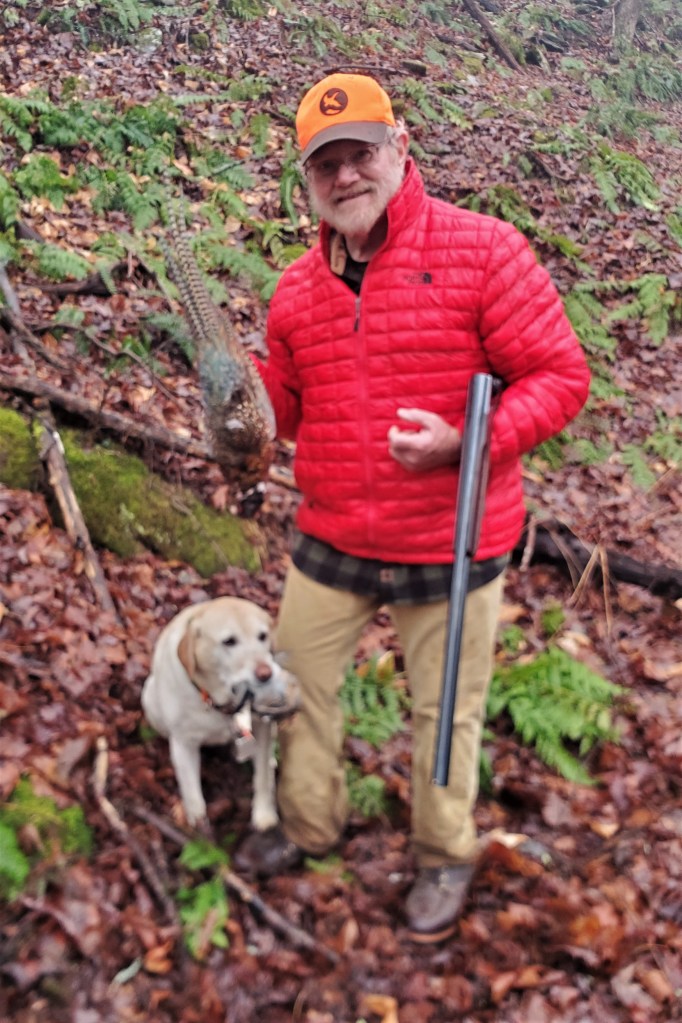
The gun works fine, but the dog is the magic! JA’s Lab Finley put up this ringneck where the old guy could draw a bead on it.

The river won’t be wadable for a few days, so I have a couple more chilly morning ahead of me. Who knows, there is always a chance that that one thousandth bird will flush and give me one of those classic shots. Hope I can keep my head down and swing through when I find him!

Indian Summer Reverie

It has been a beautiful week and a fitting farewell to a splendid Catskill summer. Autumn’s typical cooling trend was turned upside down as our afternoon temperatures soared, flirting with records. The sun warmed my shoulders pleasantly, without the overbearing effect of July.

I have stalked the rivers each day, filling myself with feelings of warmth and the happiness of days well spent to last through the approaching sleep of winter.

As gorgeous as this week has been, I could not tell you that the fishing matched it. As some might say, the fishing was splendid, it was the catching that left much to the angler’s imagination! Bright sun and low clear water do not a dry fly angler’s dreamscape make, but there seems to be something else at work.

Thinking back to last year, I recall the cast, the battle and the landing of my last dry fly trout of 2022. It was late in October and I found her rising subtly with a handful of olive mayflies on the water. She succumbed to the wiles of my 100-Year Dun in size 18, a quiet little fly with a dusky wing of widgeon and a body of olive muskrat fur. Removing the fly in the meshes of my net I noted her tail, worn from digging her redds, yet healed, clearly telling me that her duty for the season had been completed.

The lovely lady attending my angler’s finale: post spawn on the twenty-sixth of October and back to feeding, preparing for winter with dreams of springtime!

With the swift onset of cooler weather and plentiful flows from both rainfall and reservoir releases in September, I believe that many of our brown trout have abandoned their feeding lies and taken to their favored spawning areas. I am always careful wading at this time of year, avoiding any signs of bright gravel or congregations of trout in the riffles, and the pools seem barren of the activity they held in summer. Time to let them rest, to seek the wild rainbows of the Delaware as the rain falls and temperatures plummet.

A good friend is headed north to explore the salmon rivers of the Maritimes, and I need to visit him today and wish him Godspeed and arching rods. Oft I have dreamed of such a journey! There is an old Orvis Battenkill cane rod back there in the rack, waiting, and a Hardy Zenith loaded with two hundred yards of backing and an eight-weight floating line…

Simple Beauty

I walked the river late yesterday, relishing the recent burst of autumn color, the warm air and sunlight, and was stirred by the simple beauty that surrounded me.

The river was quiet, there wasn’t any activity to note from either insects of trout kind, and yet it was a very satisfying visit. The color of the light at this season, particularly as afternoon proceeds toward evening, is worth basking in of it’s own right, for it accentuates every nuance of land and riverscape.

The classic old Leonard rod in my hand found it’s stride as I prospected a wide run of faster water, first with a dry fly, and later with a soft hackle wet. I learned something new about that old rod too. A smooth, beautiful casting instrument with it’s intended number six fly line, it sang more sweetly than ever for me with a modern Airflo Tactical tapered WF5F line spooled on a vintage Hardy Perfect. Should I find good trout sipping the tiny olive mayflies I seek at this time of year, that combination stands ready to make glorious presentations!

Quiet afternoons are expected at this season, though opportunities may be found by the careful observer. Just last year I walked the same reach of riverbed as gently as possible in the low, clear flows on an afternoon so warm and still any sign of life would seem an intrusion. Studying the wide mirror before me I detected a single teacup sized ring a hundred yards distant. I did not check my watch upon beginning my approach, but the time invested was substantial. Once or twice along the way, another tiny ring became visible for an instant.

At last, I found myself within a long cast of the epicenter of those sole signs of life. I carried a little seven and a half foot Orvis bamboo, and called upon it to reach out and deliver my old faithful number twenty olive dun. That cast and the events that followed left a lovely October memory…

Enter October

October first, and the last month of our dry fly season begins to unfold. After a cooling trend, the first week is rumored to be quite warm; good for comfortable fishing but not so perfect for walking up a grouse.

Yesterday I headed to Dette’s fly shop to meet the author of a new book on fishing the Battenkill. I found Doug Lyons to be personable and knowledgeable and enjoyed our talk. Leaving with a copy of his book in hand was never in doubt.

Later in the afternoon I read through a few chapters, something I continued this morning, stopping during his tour down river when I came to Atherton’s Pool, not far above the Vermont/New York state line. Several of us within the Catskill Fly Tyers Guild are fond of the famous painter, author and fly tyer’s contributions to the art of fly tying. JA, Seth Cavaretta and I have independently taken the time to blend the various shades of dubbing and tie the artist’s numbered dry flies.

Last winter, I was thinking about John Atherton and his fly tying and found myself inspired to experiment in a similar vein. Blending several shades of red fox fur with the guard hairs from a fox squirrel pelt and a bit of golden tan Antron dubbing, I created a buggy, lifelike dubbing to add to my arsenal of Hendrickson imitations. The A.I. Hendrickson turned out to be my most productive pattern during the hatch this spring.

The A.I. Hendrickson 100-Year Dun

As Mr. Lyons’ words described the Isonychia hatches on the reach of water close to the Atherton home, I had another little burst of inspiration. Equal parts of claret dyed beaver, both reddish and gray barred guard hairs from a red squirrel, and a mottled hare’s ear gray Antron dubbing combined to yield an Atherton inspired Isonychia. Though the hatch seems close to it’s end for the year, I hope to find an opportunity to try this new variation of the fly that has given me some pleasant afternoons in late August and September.

With luck, the A.I. Isonychia 100-Year Dun won’t have to wait several months for trial.

Perhaps I can find a Beaver Kill brown, or a Delaware rainbow interested in a taste of Atherton’s influence!