The Infinite Variety of Nature

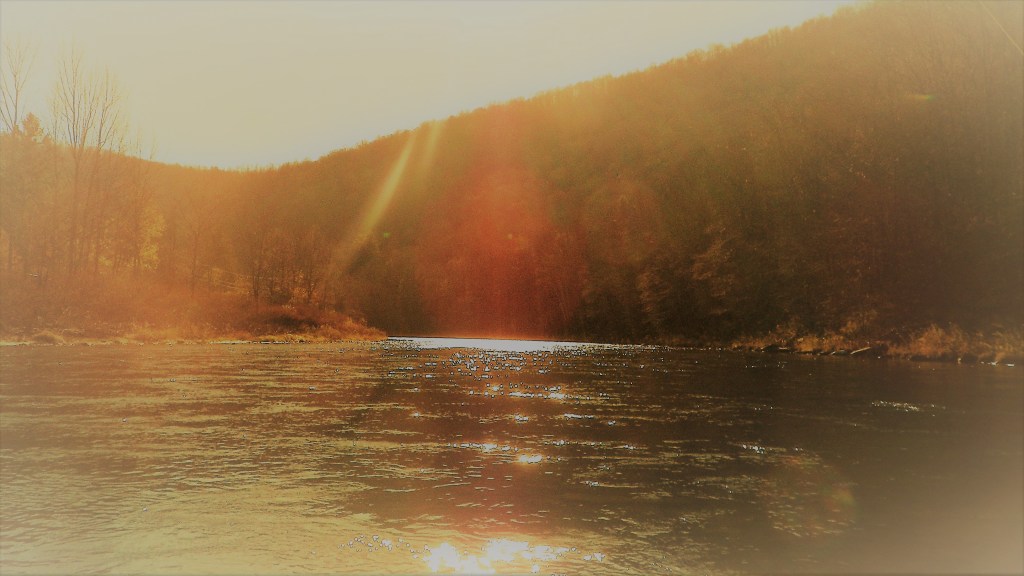
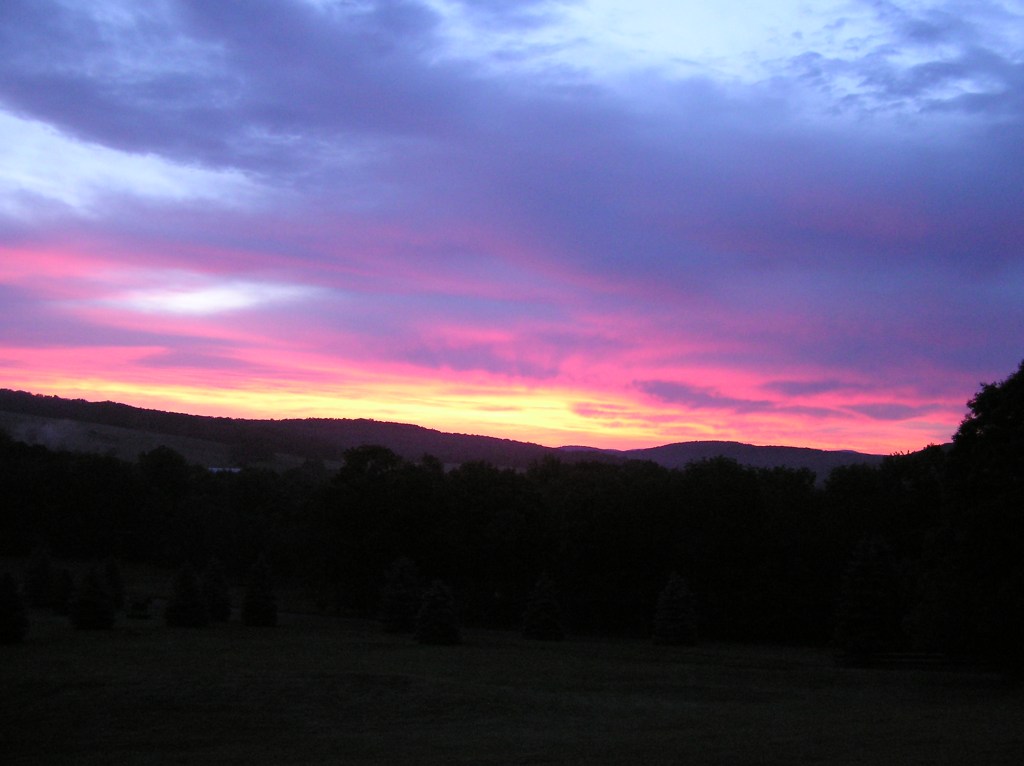
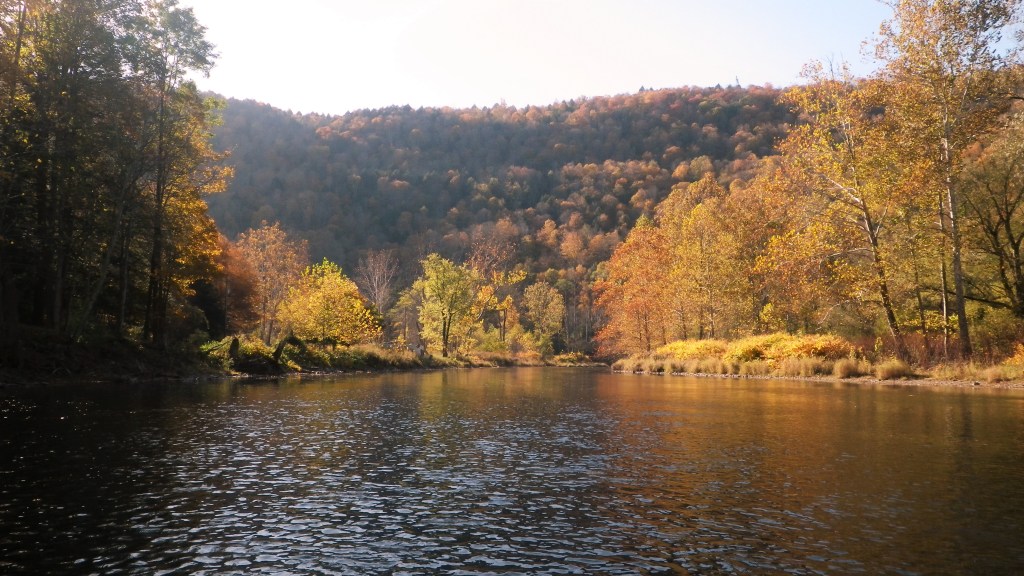
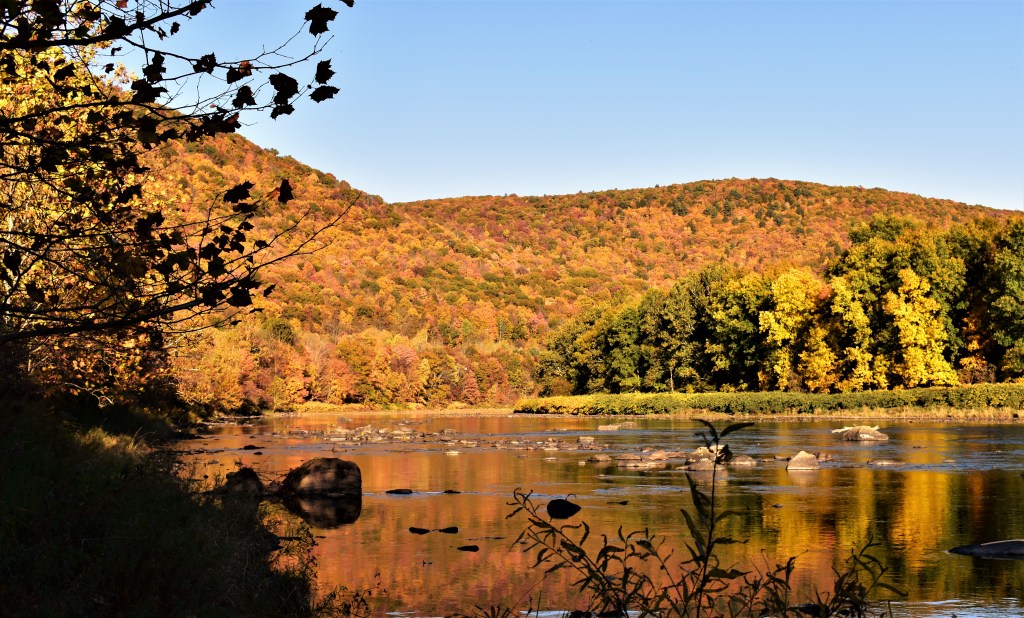
Colors: Daybreak In the Delaware Highlands

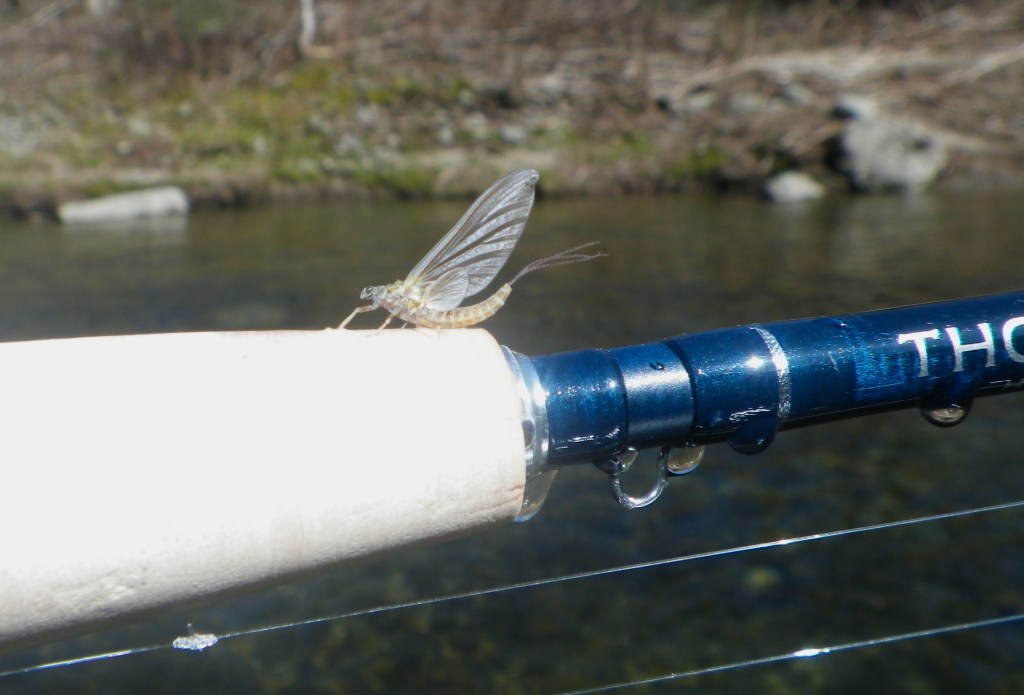
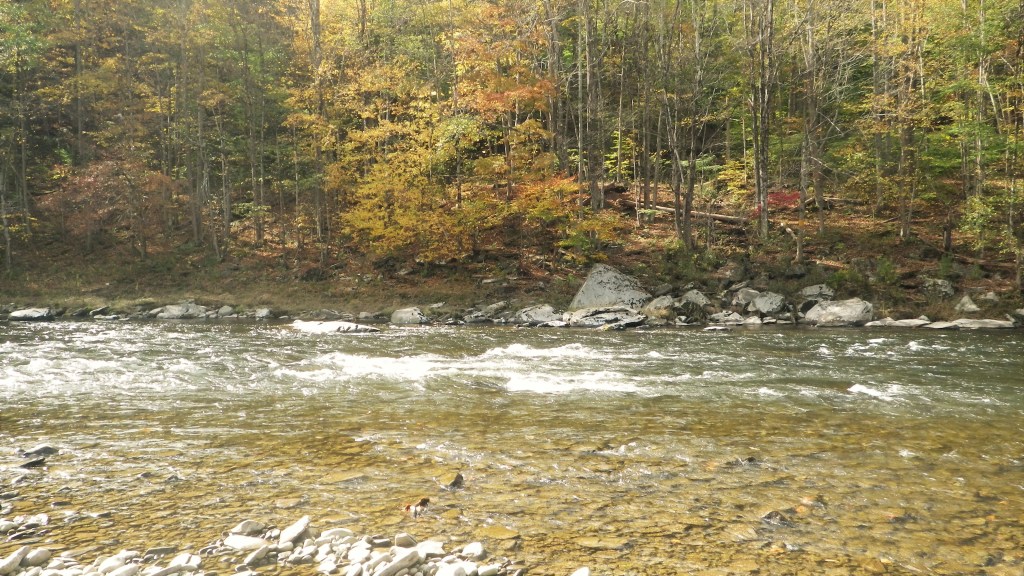
I was wandering the river just the other day when I noticed a brilliantly colored mayfly skittering across the surface. There were no trout rising, but my curiosity led me to step forward and pluck that fly from the water anyway.

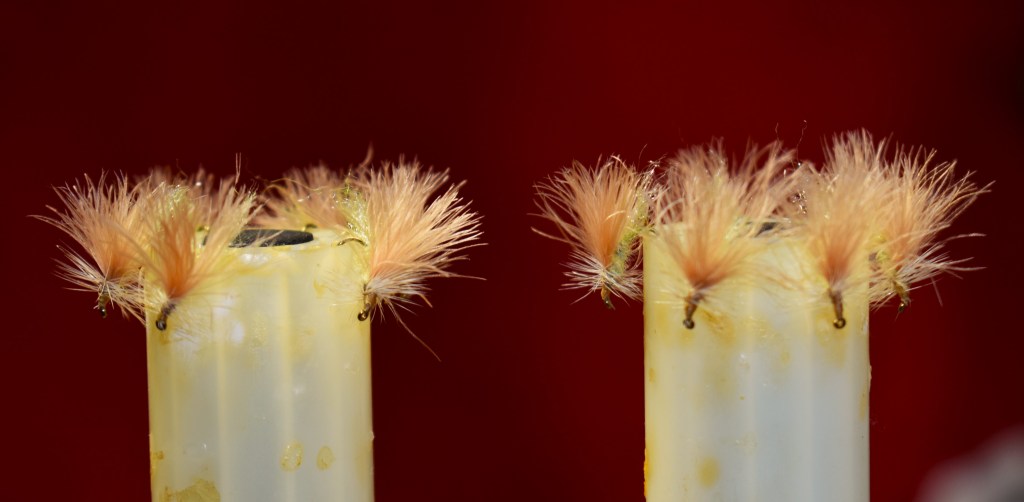
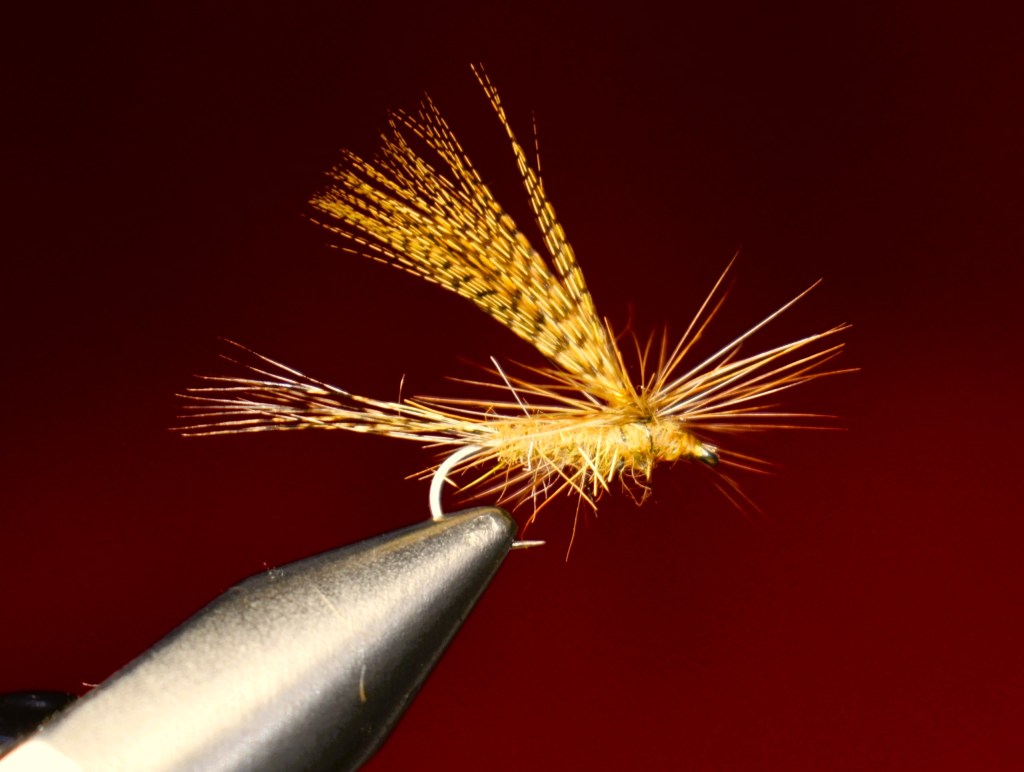
This fellow was roughly a size 16 with colors ranging from an extremely bright yellow to a brilliant light orange. I have handled the flies we know as Hebes, (Leucrocuta hebe as currently classified) and a few anglers call the Orange Cahill, yet this one didn’t fit my recollection of either species. The mixture of yellow and orange brought to mind sulfurs, but there was something un-sulfur like about it’s wings too. I put it down as another of those little puzzles filed under the infinite variety of Nature, and tied on the brightest yellow and orange sulfur pattern I could find, just in case.

The total lack of rising trout persisted, though I did try that fly over a handful of choice locations, just in case there was a nice brown resting there in the mood for an impromptu snack.

I have been knocking around on trout streams and rivers now for a third of a century, and I have sampled a lot of the bugs encountered. Each season, I still see something new that surprises me. Color variations are particularly striking, notable to me as I am of the company of fly tyers that believes that matching the color of the natural flies that are hatching is an important component of fishing success. I often wonder if some of our mayflies are getting adventurous and doing a little crossbreeding between species, so dramatic are some of the variations in familiar hatches. Perhaps it is simply another game the Red Gods have devised to vex fly fishers for their amusement.

Just what does he see? Science has studied him and told us he has all of the optical tools, yet they will never know what his brain does with the information his eyes gather.

I can cite hundreds of examples of situations when changing the color of my fly turned an uninterested trout into one cavorting at the end of my bowed rod and straining line, yet I cannot assure you that it wasn’t some other imperceptible trait of that second fly, or some other unseen stimulus that caused that trout to take it as opposed to the offering in another shade. I firmly believe that color can be highly important, at times the singular most important feature of your fly, though I cannot convince those of the other camp whose experiences have led them to the conclusion that color matters not. It is a long running debate among fly fishers and fly tyers, and perhaps the amazing color variations in aquatic insects I have encountered is simply Mother Nature’s way of laughing at us!

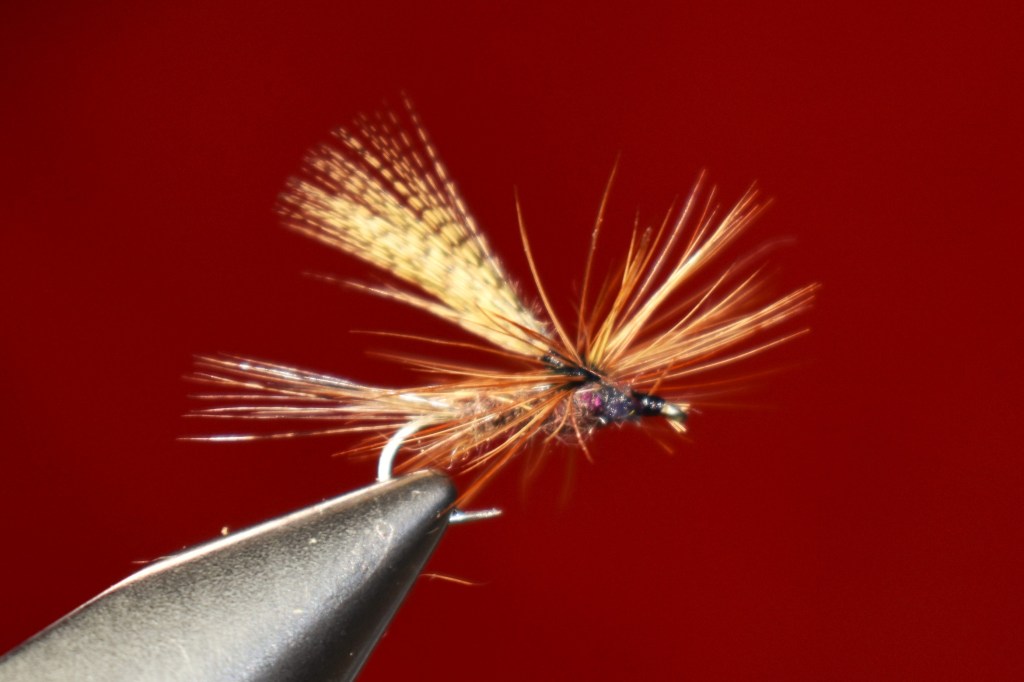
I just tied three quarters of a dozen Hebes, all in my 100-Year Dun style with gray barred mallard flank wings, the brightest yellow silk bodies, and golden grizzly hackles. They look quite fetching to my eye, and I believe they will appeal to the trout. All I have to do is find a nice trout partaking of a few Hebe mayflies and…

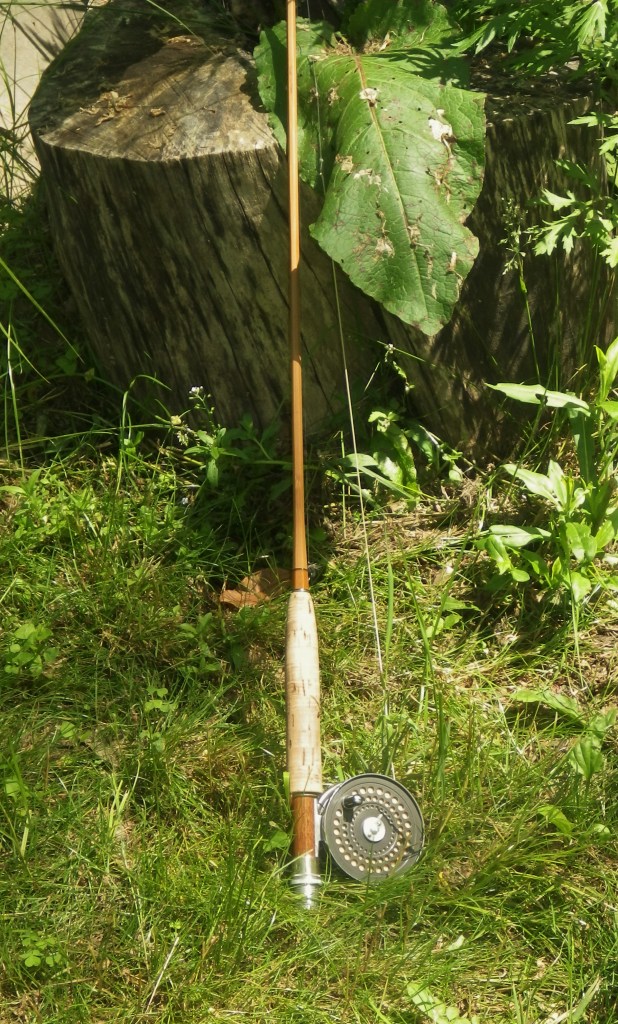
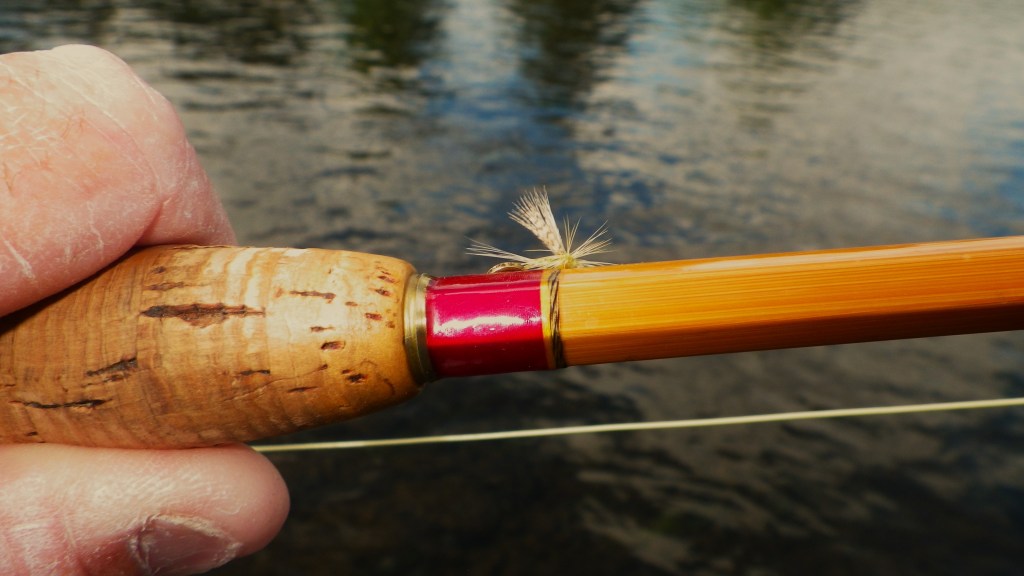
My vintage Paradigm from the early days of the Thomas & Thomas rod company, when Tom Dorsey and Tom Maxwell were happily making fly rods in Chambersburg, Pennsylvania and fishing the local spring creeks with their creations.

It is the time of year when there is no escaping the realization that our dry fly season is waning. Yes, there are two months left, nearly a third of the season, but the prolific hatches that delight us in springtime are far behind us now. It is also a time when I get to thinking about a bamboo rod or two that I haven’t fished this season. I hope to remedy that situation soon!

My DreamCatcher Cumberland Queen was introduced to the Catskills in September some years ago. Time for her to reign once more!

Weekends

Another weekend has arrived, my days to take it easy before gearing up for a week of fishing; a tough job but somebody has to do it.

For the second week in a row, I am headed to the Catskill Fly Fishing Center & Museum. Friend Tom Mason will be the featured fly tyer this afternoon, and it is always nice to watch a master at work. Tom was honored this past spring as a Catskill Legend. I consider him one of the true scholars of the Catskill School, as well as a learned keeper of the flame of fly fishing history.

Last Saturday, my good friend and Guild Vice President John Apgar took to the vise, tying some beautiful and intricate classic Maine streamer flies in the Carrie Stevens tradition. You never know what might happen, and John ended up being one of the stars of a documentary student film by a group of young fishers visiting from New Jersey. There were recently hooked by the fly fishing bug and came to learn more about Catskill history, lucking into a bonanza of information with Catskill Legends Dave Catizone and Tom Mason present and more than willing to answer their questions.

I will take my turn at the Museum’s tying table on Saturday September 16th, so stop by and say hello if you are in the area. We have been blessed with high summer rainfall and comfortable temperatures, so river conditions are very good.

The Best of Summer

The cool nights give hints that the season is waning. The best of summer in the Catskills is upon us, with glorious days of golden sunshine, and that cool kiss of mountain air as that sun drops behind the mountains. It is my favorite time to stalk the rivers!

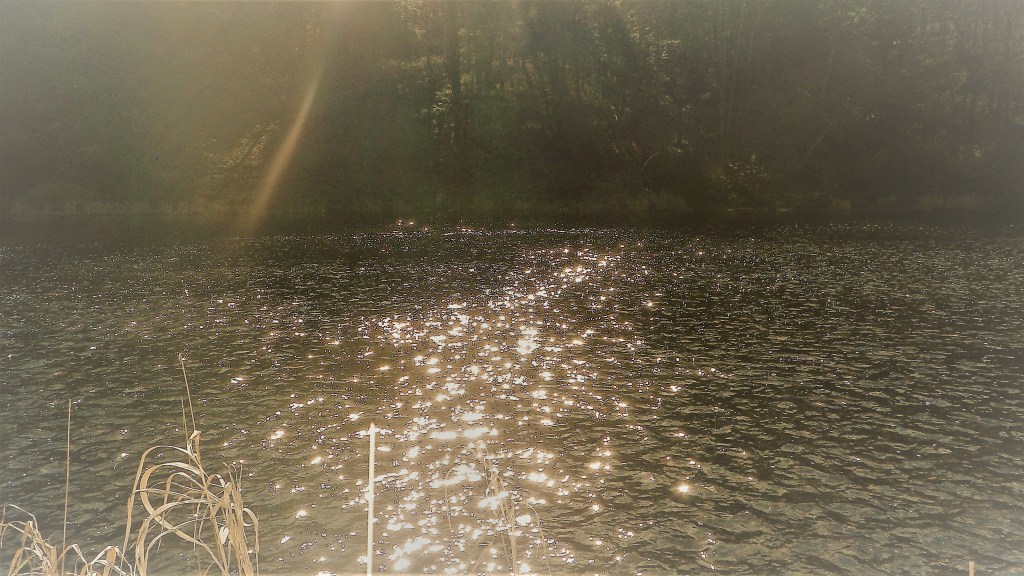
Fifty-five yesterday morning, and the rivers are full of water. Cleared from the storm runoff, they sparkle once more in the sunlight.

Between storm fronts and family responsibilities, I have fished significantly less than I do in an average summer. For the most part, hatches have been light, even the fabled West Branch sulfurs have underperformed. I wonder if the low flows in May, which allowed didymo and the dreaded green slime to proliferate in the upper river, lie at the heart of the vastly reduced numbers of those favorite little yellow mays?

It is the fate of anglers to ponder the things we cannot change.

I stalked a favorite reach of water, watching the cloudy day open up with the glow of summer sunshine. The high flows have changed the game once more.

Hunting trout move more and linger less I believe. In low water the signs allow a careful approach and positioning for the perfect cast. Those signs are more subtle with the rivers full complement of water. A slight ripple might be current upthrust by a sunken branch deposited in a new location, or it could be the only sign that a hunter has passed. Even a rise dissipates rapidly, particularly the soft, subtle, hidden rises of a good trout hunting what food the river brings. Casts must come quickly, or be held while the eyes search for another clue.

One of those clues had me fire a long cast yesterday, and sigh when it found no response. Rather than wait, I fired another tighter to the cover, kicked extra slack into the line and studied the drift. The take was sure, though subtle, and I felt the excitement of that throbbing life as the rod bowed. It has been a while since I tangled with a heavy trout, and I savored the moment.

First things first of course, swing the rod back to my left and strip line hard to get his head away from the cover. Short of his haven, he turned with the current and ran…

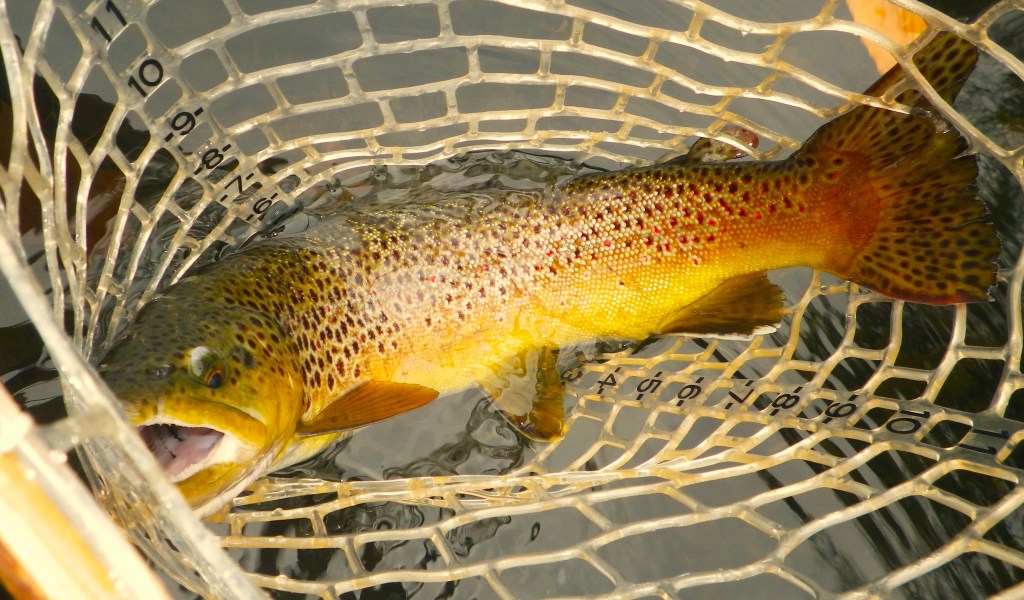
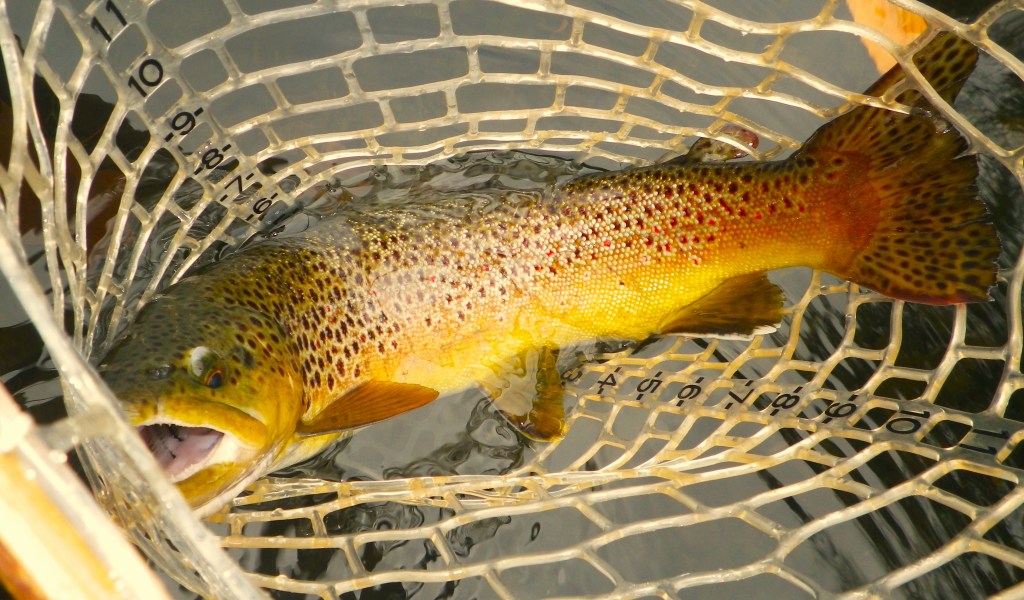
A twenty-two inch wild Catskill brown glistens in the sunshine moments before release

The hunt continued, but no further quarry made themselves available for the contest, so I turned my attention upriver. There had been a light fall of flying ants when I arrived, but the scattered rises were all from tiny trout. Eat well and grow, for you bode well for the future!

The afternoon breeze rose and put an end to the dimples in the mirror, though I found one rising gently in a location frequented by sizeable trout. I knotted a size 20 flyer and offered it, only to find that he too was just a little fellow. I dropped the rod tip and let him shake free; no need for handling the youngsters.

Working onward, I did find a few to splash my Isonychia, better fish, though not big ones. They seemed intent upon attacking without taking, and I concluded it was past time to remove the size tens from my fly box and carry only the twelves.

It was a glorious day, and taking one of the river’s veteran brown trout is always enough to highlight the experience!

The Master and Little Rods

My late friend Ed Shenk, the Master of the Letort.

As the wind driven rain tapping on the glass moved me into consciousness at two AM, I knew this would not be a fishing day. Another day left to my thoughts where, as on many a winter’s day, I turned to fantasy. To begin the day, I immersed myself in “Chasing The Taper”, watching that lovely film for perhaps the two dozenth time. Later I checked the Classic Flyrod Forum and tied a trio of Isonychia mayflies, the rusty dun hackled 100-year Dun variety the trout have taken a liking to.

Afternoon advanced and I finished Gene Connett’s book “My Friend The Trout” yet the sunshine and cool air beckoned me outside. I took a copy of a magazine from long ago out to the porch with a chilled ale, “The Bamboo Flyrod” from twenty-five years ago. I read Per Brandin’s primer on rod design and various articles before I came to the last piece in the issue, a beautiful “Bamboo Odyssey” penned by my old friend and mentor, Ed Shenk.

Ed was the major proponent of short fly rods for many years, as rod manufacturers spent great sums advertising the perceived virtues of longer and longer flyrods. He kept a special place in his heart for his collection of diminutive bamboo fly rods, and I felt that love again through his words.

My smallest cane rod, Tom Smithwick’s prototype 5’5″ one piece wand for a number four line!

Of course, reading of my friend’s adventures with little cane brought me to memories of my own little bamboo treasures. My first came as the result of meeting Tom Smithwick, a fine gentleman rodmaker, and an absolute wizard with tapers. Tom came to my Cumberland valley fly shop with his little prototype in a long, slender aluminum tube, a deal was struck, and that rod became mine. Upon retirement, Tom moved into the valley, providing numerous chances for me to cast some of his other creations. The original shares space in my rod rack with Tom’s 6’6″ one piece built on an original taper crafted from the same design theories, and a unique seven-footer he made for my quest to take large brownies out of dangerous cover, something a shorter fly rod does better than a long one.

The 5’5″ rod was my brook trout tackle when I headed upslope into those Pennsylvania mountains, but its most adventurous memories involve the limestone springs. There was a hot ticket brown just over eighteen inches long we battled in the Falling Spring one evening, and a like sized trout from the larger limestone influenced waters of the Little Juniata River. The rod is short and beautifully light, but it handles larger trout with authority.

The 6’6″ Smithwick forced a strong and willful seventeen incher from a West Branch Delaware log jam on it’s very first visit! Not to be outdone, the seven-footer comes from the same taper design lineage, and presents flies from 60 feet or more with a double taper five weight perfectly.

A 21″ brute of a brownie gave the Smithwick seven-footer everything he had, but the little rod and I enjoyed the spoils of the battle!

I acquired one of my friend Dennis Menscer’s sweet casting 6′-8″ three weights several years ago. He told me that model was no stranger to larger trout, so I took him at his word. A heavy bodied eighteen-inch Delaware rainbow will test any trout tackle you’ve got, and I tangled with mine in fast water with a little CFO reel. Suffice to say the rod was doubled over and the reel screaming wildly throughout, and I loved every minute of it from hookset to net!

At 6′-8″ Dennis’ three weight is perfection for presenting tiny flies, though it certainly isn’t limited to smaller dries or smaller trout!

There is one more rod and one more special memory, and it is tied directly to my departed friend, the great Ed Shenk. I was able to acquire Ed’s Hardy Featherweight fly reel from his estate, and I commissioned friend and rodmaker Tom Whittle to design the ultimate seven-foot four weight cane fly rod to honor Ed’s memory and allow me to fish with my late mentor on our wide Catskill rivers. Fittingly I fished the rod on the historic Neversink River and brought a beautiful brown to hand with an original fly inspired by one of Ed’s classic patterns.

The “Shenk Tribute Rod” wears the Master’s Hardy Featherweight proudly.

There is a special joy in fishing a short, lightweight bamboo fly rod, and the Master kindly showed me that fact. Reading his words again brought all those emotions to the fore. May the trout all rise for you in Heaven my friend, as they did on earth!

Neversink tribute: a brown of more than twenty inches!

Comfortable Angling

A calm day on home water. (Photo courtesy Andrew Boryan)

Fishing a comfortable piece of water can be a lot like visiting an old friend. You have walked that reach a hundred times, know where the trout are likely to rise, even expect them in those favorite corners.

Yesterday was one of those comfortable days, a warm high summer afternoon with intermittent breezes, both sunshine and clouds, and even a few tiny mayflies drifting on the surface now and then. While those flies were too few to capture and identify, I guessed them to be the little pale olives common on summer afternoons. My size 20 imitation however, was blatantly ignored whenever I cast over one of the sporadic rises I observed. I had seen something dark and drowned in the film once or twice, so I relied upon a small Grizzly Beetle to turn the tide in my favor.

The wild brownies I entertained weren’t large, but they fought with all of the strength and vigor their junior proportions could sustain, giving me a smile and a good time.

There was one that left a question in my mind, for I had seen a couple of heavier rises at a distance. When my wandering took me near their locations, I traded my beetle for a larger terrestrial.

I had just tied on a new 5X tippet before I approached one of those promising lies, and I lofted a long cast with the Menscer hollowbuilt. The wind blew a lot of slack in the line while the fly was in the air, and I overreacted a bit when a good rise vanished the fly. The line came away freely after a split second of marginal resistance, the tippet knot having failed. Some sort of a fish might have spent the afternoon sulking near that deadfall, munching on my fly and four feet of tippet. I worked along down river with a fresh fly, but there were no further signs of the big brown I coveted.

Before I turned back upstream, I knotted an Isonychia pattern to the third fresh tippet of the day. There is always a chance for a few of these flies to hang around into midsummer, though the main hatches occur in early June and September. That claret bodied 100-Year Dun did bring a few more browns to the surface as I reworked the best lies along my way back.

I took my time, covering all of the old haunts, just in case a big boy might be looking up. That’s the way it is with familiar water. Experience keeps you focused on the places trout like best, and all you have to do is make good casts, almost from memory.

A Turn of the Cards

“How did that mayfly get that pointy thing in it’s butt?”

Friday was a particularly gorgeous summer day on the West Branch Delaware River. With plenty of sunshine and cotillions of windswept clouds passing, the light conditions changed continuously, offering a comfortable challenge to spot the odd trout sipping little sulfur mayflies in the moving currents. I had prepared for the challenge, opting for my five weight T&T Paradigm rather than a customary summer four weight.

Yes, a good eight-foot four will handle breezy conditions in the hands of a good fly caster, but experience leaves me forewarned when forecasts predict “winds 10 to 15 mph”. Here among the Catskill Mountains, that hopeful little euphemism most often means sustained winds of at least twenty mph, with higher gusts! I enjoyed the better end of that proposition though, the forecast being accurate for a rare afternoon.

The West Branch browns were on their game, as they typically are in this hard fished river. I spotted a soft swirl in the film here and there, the hints offered by wild trout moving restlessly, and taking the occasional mayfly while doing their best to avoid detection. For a while, none offered a trace of their existence in the same location more than once, feeding surreptitiously and moving. Eventually though, one made the mistake of taking a second time within inches of his previous rise, and the Paradigm placed my 100-year Dun a foot above the swirl.

That brown must have realized his mistake a split second too late. He took the fly, but not in a traditional sipping rise. My eyes were glued to the bobbing dun and then it simply wasn’t there. I tightened gently, almost tentatively, and the rod tip bounced down hard as the trout shot away toward mid-river, flying out of the shallow water fifty feet away. The sight of that first aerial burst, and the music of my vintage Perfect told me I had found the end to my dry spell.

My friend sought the safety of the clouds thrice more, shedding some of the accumulated green slime from my leader with each leap, and thus giving me a better chance of bringing him finally to the net. A solid, nineteen inch aerialist makes a fine slump buster!

I found no more subtle swirls in the aftermath of that battle, and only one soft, testing little rise as I wandered down river. I worked on that fellow as the wind turned to gusts, and I though I had him when one tiny ring seemed to envelop the fly. Hooked, he came out from the bank with a heavy feel, but something was off. He headed downstream steadily, though not at all rapidly, taking my line and half of the scant fifty yards of backing my classic reel provided. Eventually netted by the guide anchored in his drift boat more than fifty yards downstream, that fish displayed my fly in his dorsal fin, not his mouth. I laughed along with my impromptu net man as I pulled a few pounds of green slime from my leader in search of the treasonous fly.

Yesterday I made a trip back in time. It has been thirty years since I first visited Manchester, Vermont while working toward the opening of my Cumberland Valley fly shop, Falling Spring Outfitters. JA joined me for a visit to the American Museum of Fly Fishing to enjoy their Summer Festival.

Driving through the village, there wasn’t anything I recognized. The old Orvis store is gone, replaced by a beautiful structure that looks more like a major angling or ski lodge than a fly fishing shop. Inside it is more clothing store than anything else. We found no trace of an Orvis bamboo rod within, despite the company’s recent press heralding the history of Orvis rod making and their new commitment to the future of Orvis bamboo. The clerk we asked responded wistfully, as if he had a vague memory that bamboo rods once existed, though wasn’t really certain they still did.

The museum too has changed, housing a great deal of paintings amid the absence of the rows of historic cane fly rods and reels I remembered. Much of their space now pays homage to the late Orvis magnate Leigh Perkins. The displays are interesting and tastefully presented, though I feel it pales in comparison to our own Catskill Fly Fishing Center and Museum.

The Festival itself was enjoyable, though unexpectedly smaller than our CFFCM Summerfest. We both talked to a number of folks including neighbor John Shaner who drove up from Stilesville on the West Branch. We found him browsing sporting books at the booth of my favorite booksellers, the fine folks of Callahan & Company from Peterborough, New Hampshire. I enjoyed meeting Ken and Diane after many telephone conversations about the classic sporting books I have sought and ordered. JA seemed to meet someone he knew at every turn, beginning before we reached the first exhibitor’s table!

We carried a few books home, though neither of us found any bits of vintage tackle which proved to be beyond our resistance. I came close when I encountered a near mint Orvis 99 fly rod offered at a very reasonable price. Local vendors catered to our thirst and hunger pangs with a smooth craft beer and excellent pulled pork barbeque. I can offer high marks to the Straight Bourbon crafted by the folks at Smuggler’s Notch Distillery as well. Somehow, I managed to head home without a fifth of that spirit in tow, a regrettable lapse of memory on my part.

Wandering about Manchester brought back memories of my own history. Thirty years ago, I was ignited by the beauty and challenge of fly fishing and enjoyed sharing that fire with others through Falling Spring Outfitters. If anything, my passion has grown through the passing decades!

Welcome

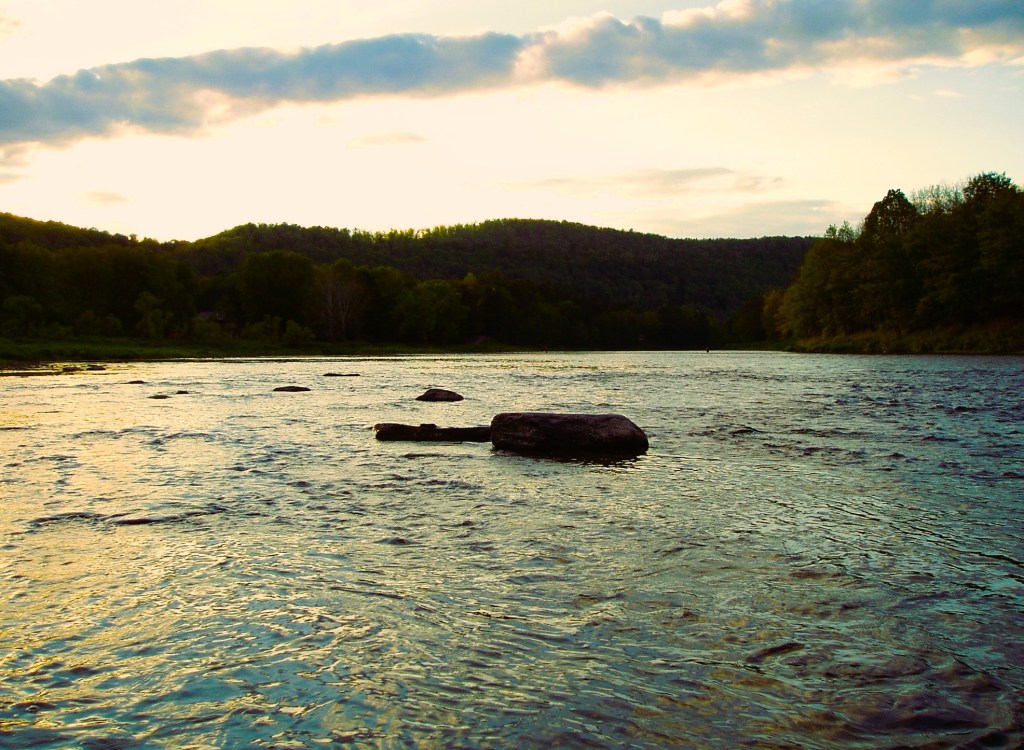
At last I return to the river…

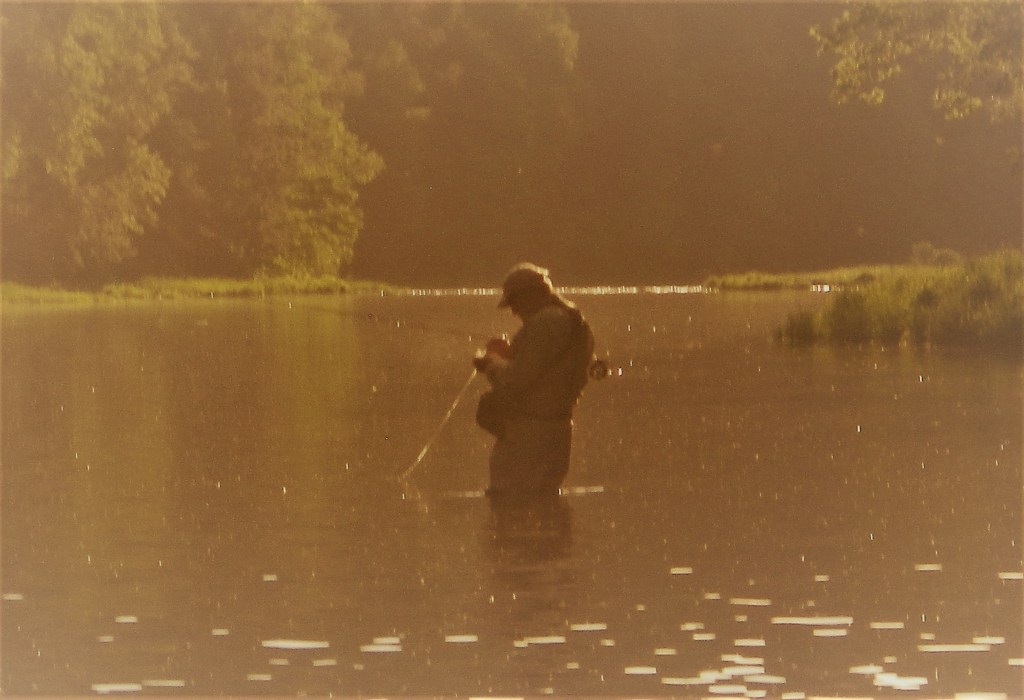
Feeling the cooling sensation in my legs as I wade deeper, step by step, and the caress of the morning breeze, I know that I am home once again.

There have been family things to attend to, work around the house, and then a bout of searing pain in my casting shoulder from out of nowhere. As a result, I have found just a handful of moments to be where I belong.

Stalking bright water again, I see the first soft ring in the distance, and pause to knot a tiny pale olive dry fly to my tippet. As I reach for the fly box in my shirt pocket, the wind rises behind me, and a chuckle leaves my throat: the Red Gods have bidden me good morning.

The wind grows and wipes away all trace of that cruising trout, though I grasp the fly with the box tucked tight to my chest, protected from the gusts, and knot it to my tippet. Each season there comes a run of days when luck and opportunity both seem to desert me. I have fished hard through many of those periods to no avail. Perhaps that is why I more easily accepted my time away this summer, a sense of the inevitable, the angler’s dry spell.

My spirits remain high as I let that strong, following wind buoy my advance upstream. There will be no more evidence of trout. I expect that, more or less, though I know these dry spells might end at any moment. The current one though, will not end today.

I have a good friend who keeps little patience for the ups and downs of the fishing life, his mood turning easily if trout are not quickly and easily taken. I recognized long ago that our sense of time on the river differed. I expressed the feeling thus, telling him that we must take what the river gives us, whether it’s bounty is counted in rising trout and epic battles, or in the momentary beauty of light on the water, a wading deer, or the wind coming up just in time to blow the day’s sole cast to a rising trout off target.

I rejoice in my time along bright water! I take what the river gives me… and give thanks.

Lost In Thought

Rain has drenched our landscape once again, with spotty explosions of severe storms, including reports of a tornado in Deposit; a wild and woolly season to be certain. Rivers are high and rising, so once again my only fishing will be in thought this day.

Summerfest showed us a nice day, though the breeze rose toward afternoon adding challenges to the Hardy Cup competition. I browsed the vendor’s tables for choice bits of classic tackle – talismans for the magic pursuit. I talked to a few friends encountered during my visit, missed the chance to connect with some others. There seemed a somewhat larger turnout this year, both in vendors and visitors, and that is a welcome sign for the Catskill Museum.

I have been planning a trip to the American Museum of Fly Fishing’s Fly-Fishing Festival this summer, and that has flooded my mind with thoughts of New England. Two decades have passed since I have visited the mountains, valleys and towns where my family tree sprouted, and my thoughts run back to people and places found dear in those travels.

It was Labor Day in 1998 when I first cast my late grandfather’s bamboo fly rod on his home river, the mighty Deerfield. As I fished through a week on the waters where the magic of fly fishing first touched the Sturtevant gene pool I met a wonderful couple of Massachusetts anglers, Fred and Marilyn Moran. They joined me for dinner at the Charlemont Inn and we traded tales of bright waters, family and the mysteries of Berkshire trout. When I mentioned my difficulties tying flies in the inn’s historically lighted rooms, they kindly offered the tying desk in their fly shop, Points North Outfitters. When wind chased me from the Deerfield the following day, I headed over the mountains to Adams, to visit their shop. After tying a few of the tiny caddis I had seen on the big river, Fred and Marilyn directed me to a beautifully tumbling little brook not too far off. My Fox Squirrel Specials and Letort Crickets proved just the thing to entice the wild browns and brookies to put a bend in my rod!

Small waters…great gifts!

I was thinking about those days and the Morans this morning as I had found that surname while browsing the list of vendors for the Vermont museum’s festival. A little searching led me to a Berkshire Eagle newspaper column about fishing with Fred, written by Gene Chague. The small world of fly fishing continues to amaze, as I met Gene this spring. He accompanied his fishing buddy Paul Knauth on their first trip to fish our Catskills. Paul and I had connected by virtue of our interest in classic tackle and discovered various ties between our families while messaging back and forth. We gathered for a meal at Roscoe Beer Company before I showed them a few spots along the historic Beaver Kill. Conditions were tough then, in early June, but these two seasoned Berkshire anglers persevered and had a great trip.

There are many places I wish to revisit, the Deerfield, the Railroad Ranch waters of the inimitable Henry’s Fork, but the pull of the Catskills remains strongest in my heart. Still now, I linger in memory: look, its first light at the pool above the Cold!

Freshened!

I’ve been sitting back today, reading a bit, and enjoying the freshness of new mown grass on the cool air wafting through the window. It is hard to beat the fragrance and the feeling of rain washed mountain air!

At last, that endless run of dark, stormy heat and humidity has departed the Catskills, and all seems lovely and new again. It is a Sunday and the rivers are high and off color, doubly not a fishing day, and there isn’t much of anything I have to do.

I watched a Canadian TV show on YouTube this morning, one showcasing Atlantic salmon fishing on Nove Scotia’s Margaree River. My friend Dennis Menscer recently returned from his own trip there and I wanted to see some of the places and people he told me about.

I have always been intrigued by the thought of salmon fishing, it’s great history and literature have entertained me through the long days of winter, particularly the tales of the Golden Age recounted by the late Dana Lamb and his contemporaries. Cape Breton Island and it’s Margaree are beautiful, and I have seen the magic of the Atlantic salmon touch people like Dennis and my old friend Ed Shenk.

I sat and talked with Dennis about a week after his return, and the energy of the place was still strong within him. I could hear the excitement in his voice as he related his experiences and spoke about building new bamboo rods for next year. Of particular interest was the summer dry fly fishing on the Margaree, a special kind of magic that would easily captivate me!

I have long dreamed of a salmon fishing trip, but that remains as much a fantasy as a mythical sojourn for Labrador brook trout. I have no expectation of being able to experience either, though the dream still lingers…

Across the room there is and old, dented aluminum rod case that bears some split cane with a salmon angling history. That 5-5/8ths ounce Orvis Battenkill was owned by an author, Dr. Livingston Parsons, who shared his years at a family salmon camp in his book “Salmon Camp: The Boland Brook Story”. A classic Hardy Zenith reclines nearby in a tackle bag, the perfect compliment to that fine old rod. Sitting back and smelling the freshened air with pictures of the lovely Margaree in my mind, it is easy to imagine myself casting that Battenkill on one of her famous salmon pools.

My dreamscape – the Delaware

Hiatus

It has been more than a week since I last stalked a Catskill river or wielded a fly rod; a time for taking care of many of the other necessities of life. For most people, nine days away from fishing would not be abnormal. Most anglers fish a weekend or two during the course of the year, the most fervent perhaps half a dozen weekends from spring through early summer. In retirement, I am more fortunate, for it is from these rivers that I draw the essence of life.

Now I am acutely aware that it is not the prime-time fishing that I have missed. In fact, heat and spotty storm systems have made this last half of July less than productive. Even though time on the rivers may not have resulted in memorable fishing, I miss the energy of the flow, the magic of the hidden rise, and the mental challenges of solving Nature’s puzzles.

Photo courtesy Matt Supinski

I am very much looking forward to August, and it’s first week bringing the quintessential Catskill summer weather I love! Summerfest comes to the Catskill Fly Fishing Center and Museum in Livingston Manor on the first weekend, when the faithful gather to browse vintage tackle and share thoughts and memories of their seasons. August is corn on the cob at farmers’ roadside stands, misty mornings stalking trout, the first rays of golden evening sunlight that says it’s high summer and the season is turning.

Such golden light brings me hints of autumn and grouse on the wing, warm, breezy afternoons with ants or hoppers touching down to send the trout into an impromptu feeding frenzy.

For today, another stormy day is promised, but we hang expectantly on the cusp of change. Perhaps I will even tie a few flies to move closer to that first warm embrace of August!