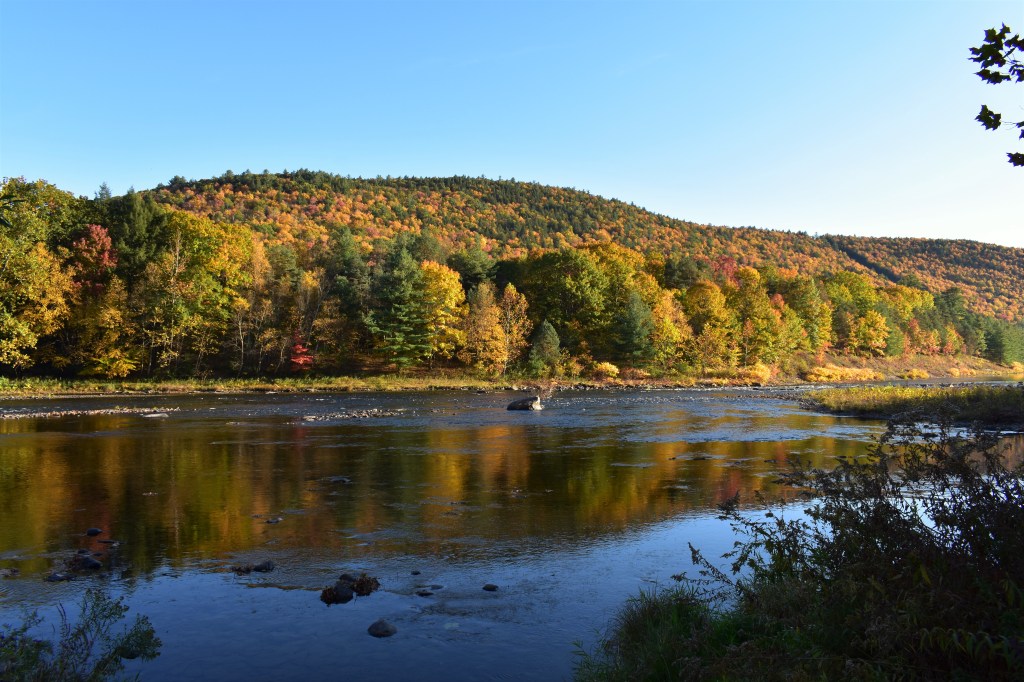
Clouds

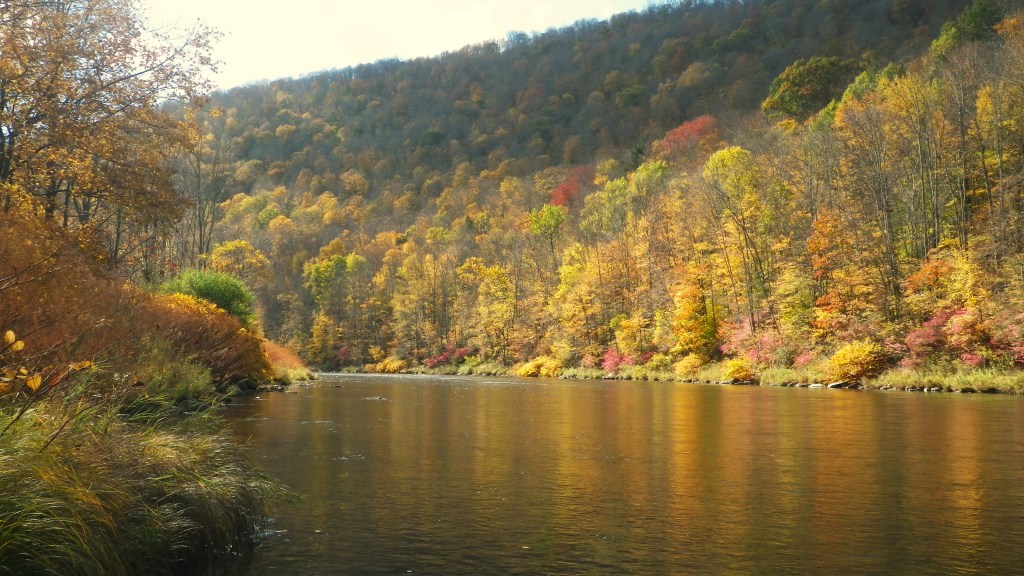
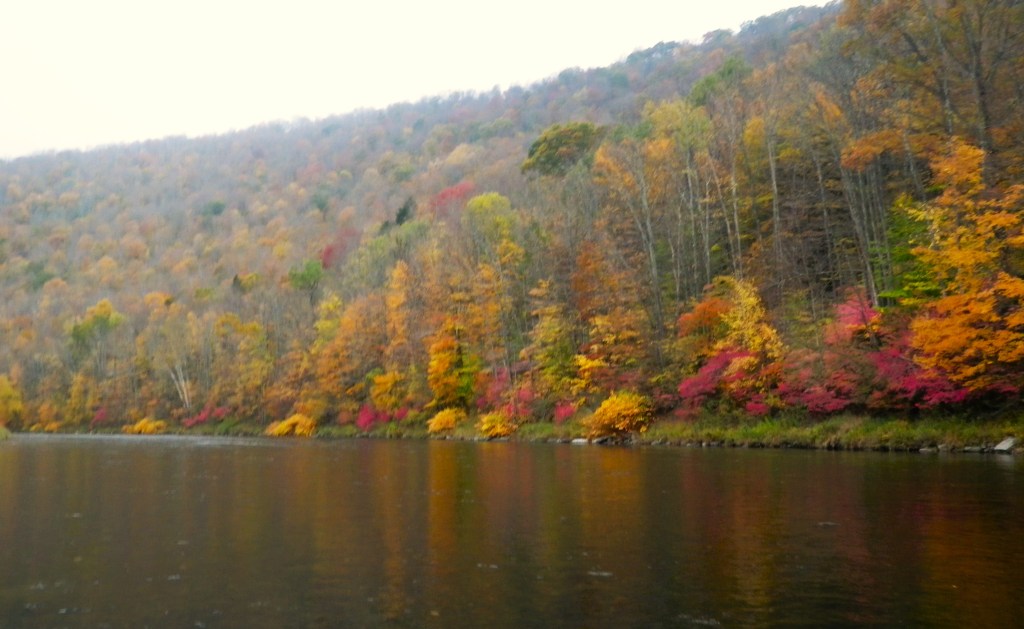
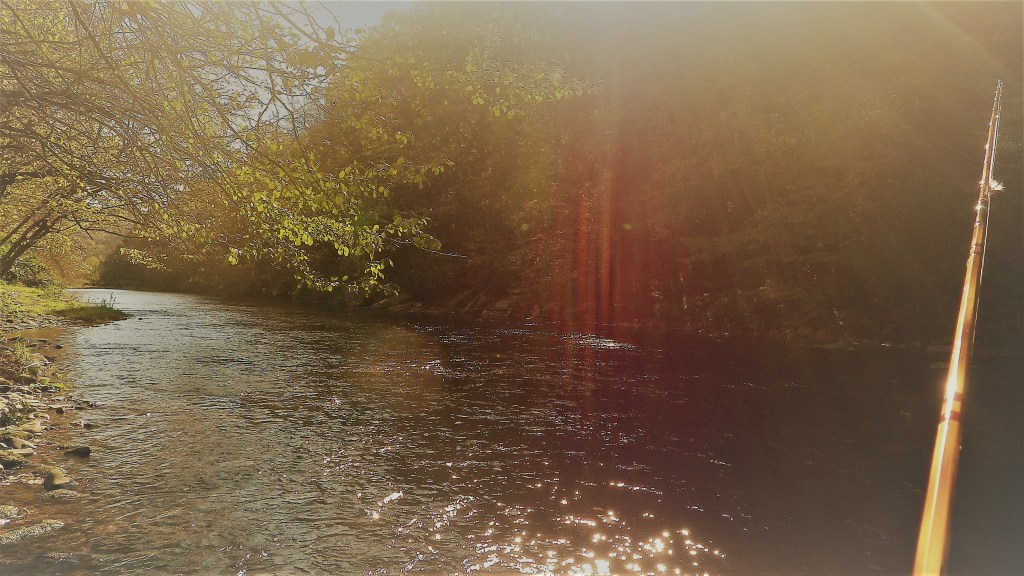
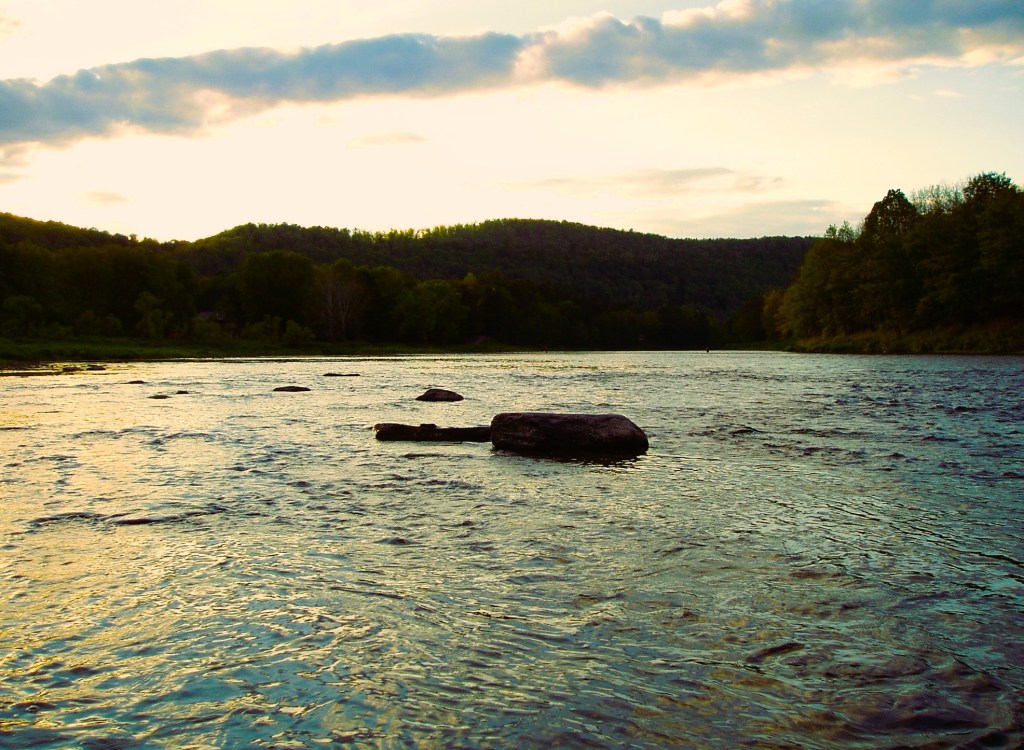
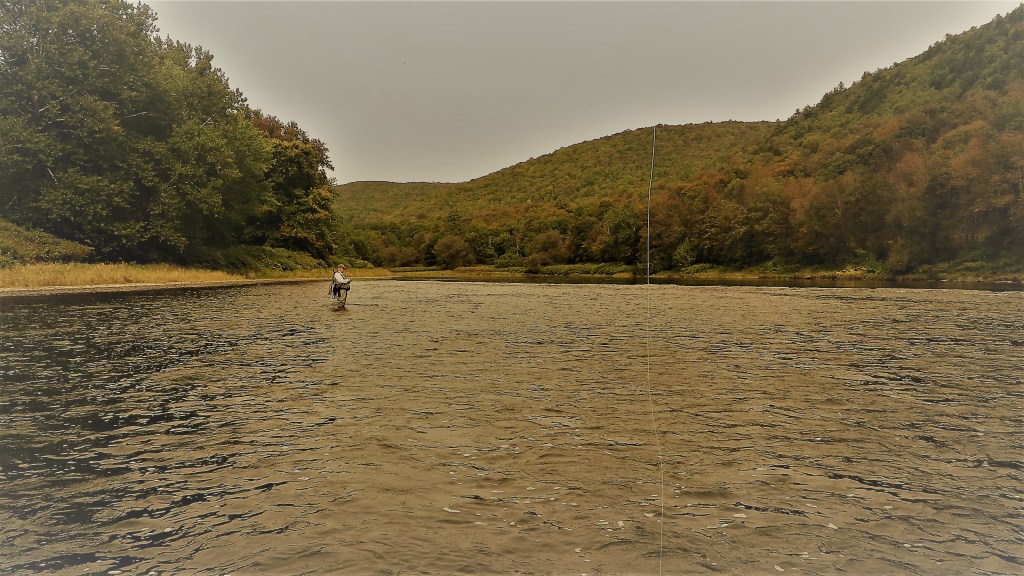
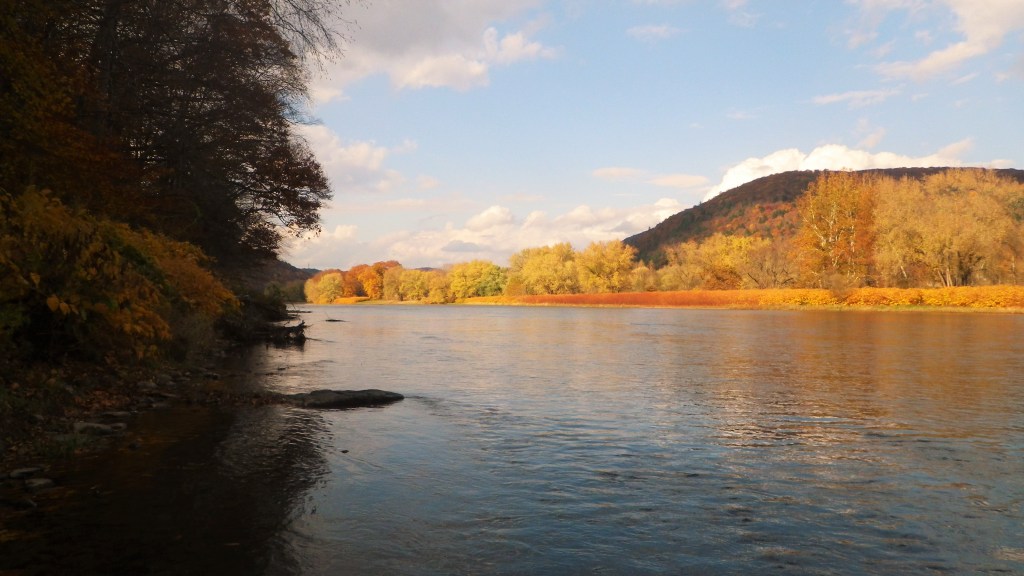
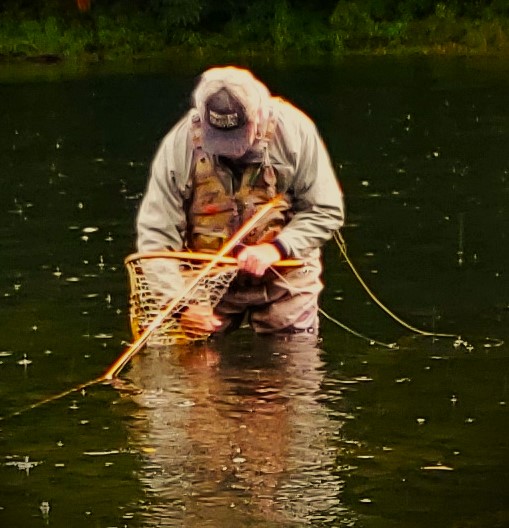
A pleasant change yesterday, with clouds framing the morning and a light touch of rain as I waded gently into the river. Would that the rain had lasted the day and the night, but it was but a glimmer of the moisture we so desperately need. Still, it gave the day an autumnal feel, cooler, damp, with a change of light in the sky when the sun briefly appeared. Here and there I have seen the barest tinge of yellow on a handful of leaves: a hint of change.

Yes, it is high summer, but the cool snap has been lovely. Eighty-five degrees is expected tomorrow, and with plenty of sunshine I expect it will be warmer than that. The eighties will dominate next week, though I hope the forecasters’ prediction for 60-degree lows will come to pass. Yesterday’s interlude, it’s hint of autumn was welcomed at any rate.

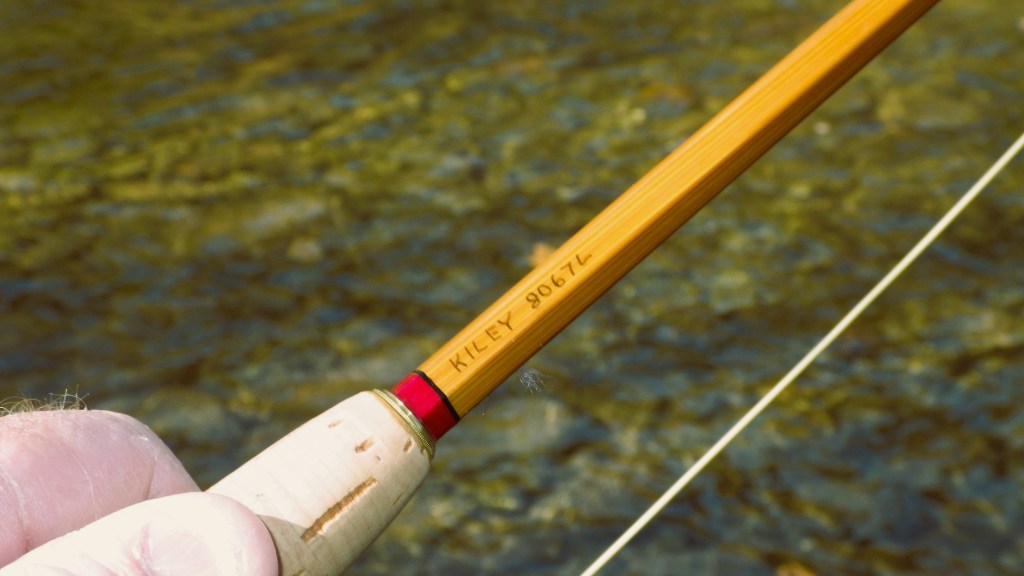
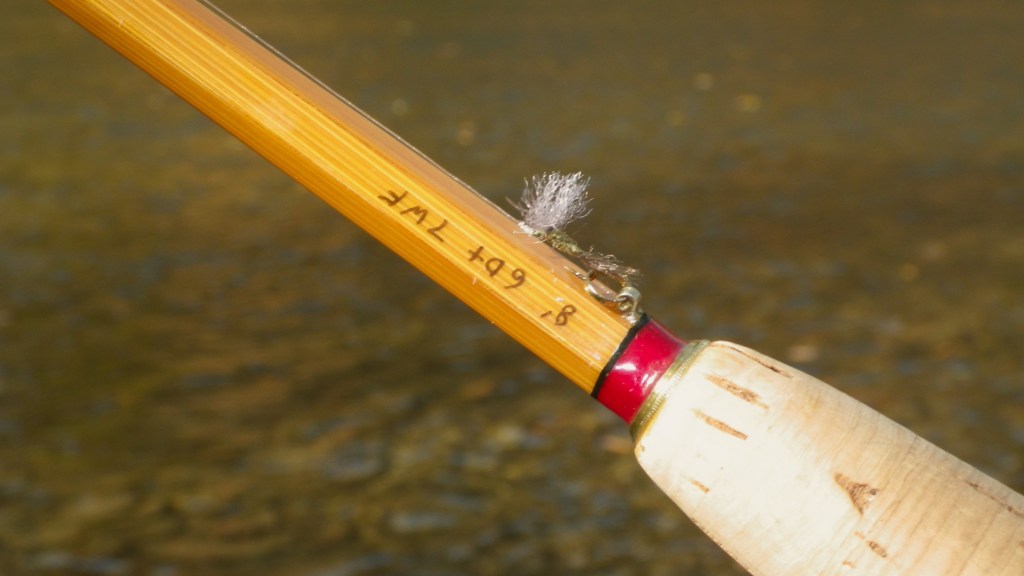
I chose the lighter, gentler approach, armed with a three weight rod and light reel, I stalked as slowly as possible. I cast the lighter terrestrials, a soft hackled ant tied that morning, but the calm of the river was undisturbed. I decided after a time that a bit more of a tidbit was needed to awaken the interest of the resting trout, and turned to an old favorite.

My Baby Cricket was my favorite dry fly for most of my years in the Cumberland Valley, replacing the size 16 Letort Cricket on that pedestal when my experimenting ways at the bench brought success. The Master had always liked his smaller cricket and hopper best, and I decided it would be prudent to go down one more size.

The Baby Cricket was designed to be just enough to get the interest of a reticent trout, and hopefully a large one.

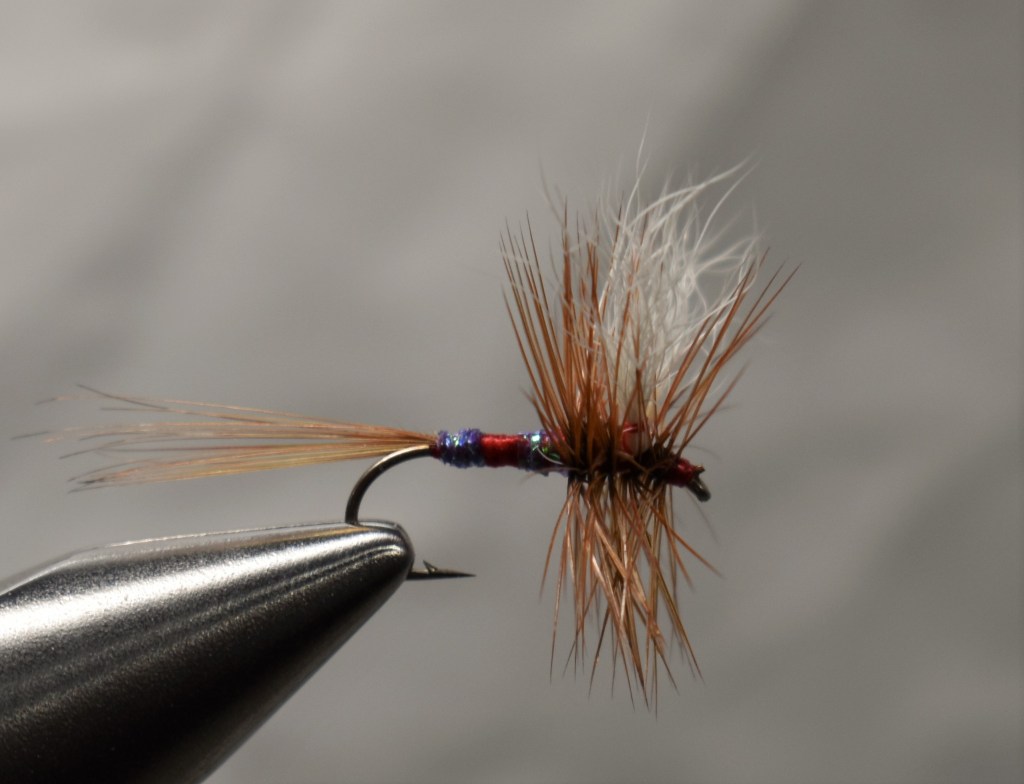
The Baby as I called it was tied on a size 15 standard length hook, black finished to hide the hook bend somewhat, as opposed to the 2XL dry fly hook of Shenk’s Letort originals. The TMC 102Y hook has a wider gape too, so it hooks it’s takers particularly well. The fly body is peacock herl spun in a dubbing loop for bulk and durability, the underwing black Antron yarn. The design idea was a fly that looked meaty enough to interest a larger trout, but was light to land gently: an unobtrusive little nugget that just looked alive and appetizing.

The Baby can be fished on the preferred 5X tippet very nicely, but it plays perfectly on 6X when low, clear water and spooky trout demand extra delicacy. I stalked my way to a particular bank where I had noted a sip or two earlier in the week. A trout had popped my larger cricket pattern rather than taken it, something that happens more in low water, and I thought that fellow might be home again on this calm, cloudy day. Seeing no activity upon my approach, I offered the soft-hackled ant a few times without response. That was when I decided it was a perfect scenario for the Baby.

With deft hand, the three weight allowed me to present the fly very gently from a distance, and I was able to work that bank carefully, dissecting the cover cast by cast. When I sent it in tight to the remembered location, it was gently accepted. I paused, struck appropriately for the 6X tippet, and set to work battling a very good fish!

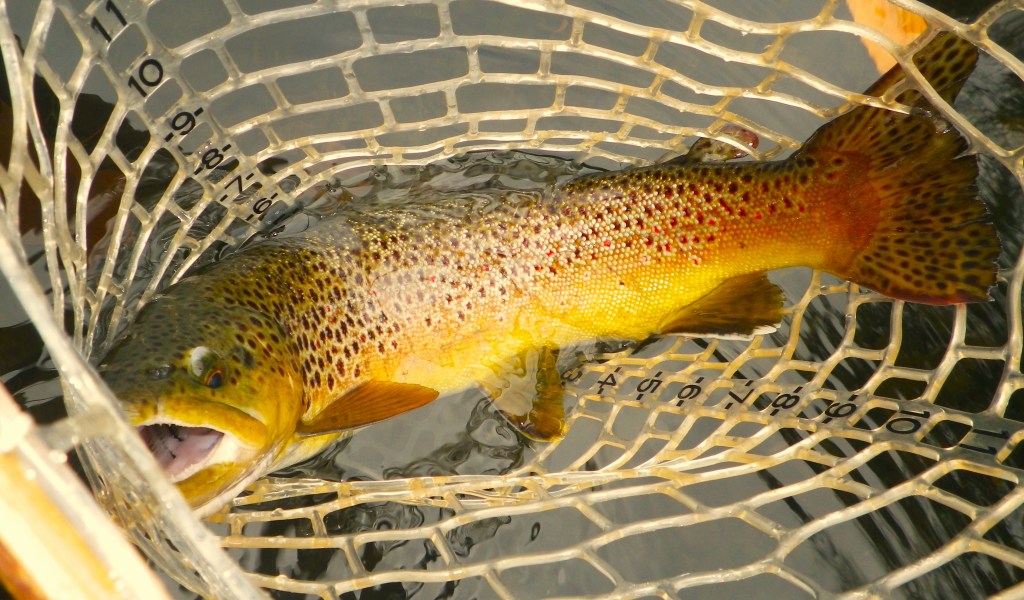
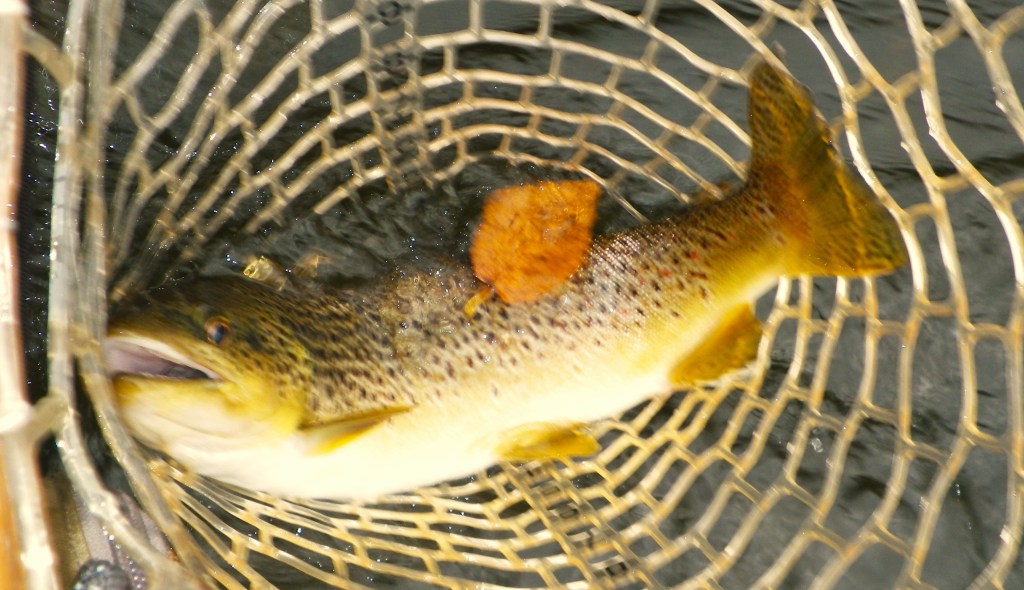
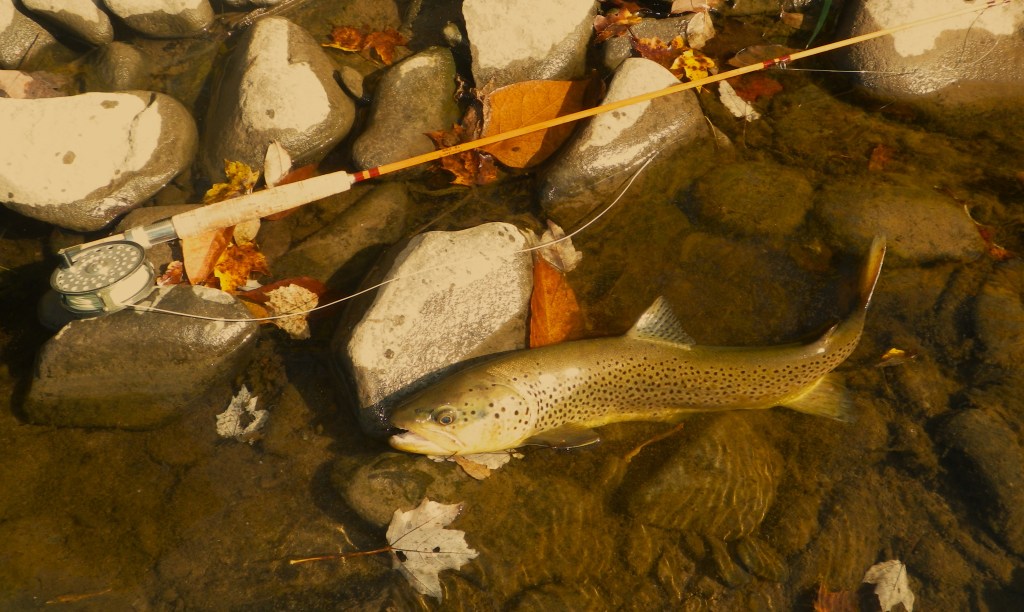
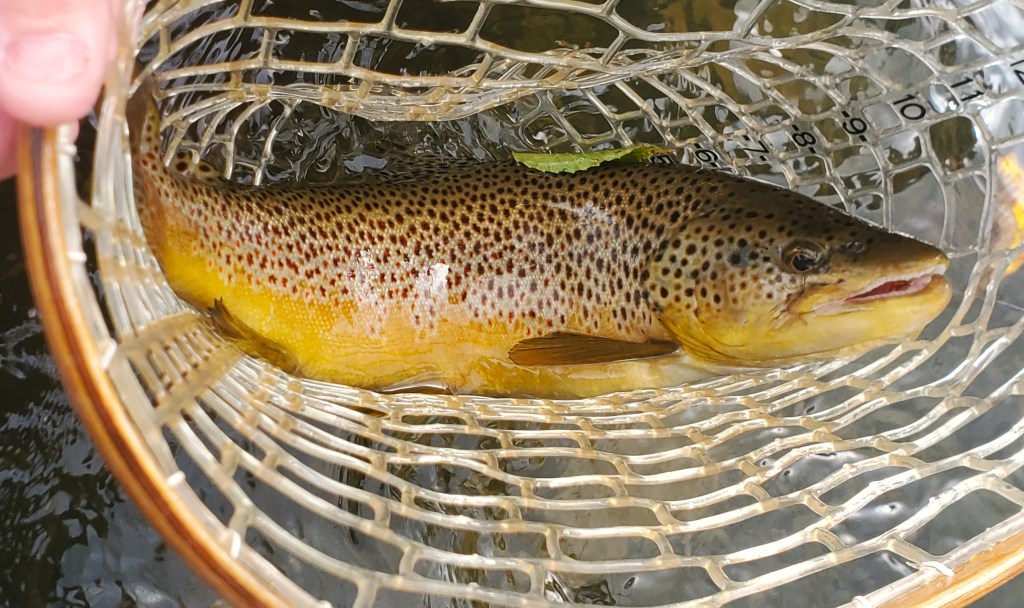
Releasing that beautiful brown, I smiled to myself a little, remembering all of the times the Baby Cricket has proved to be just the right fly for difficult conditions.

Of course, a 2022 fishing day is not complete without regrets. The first came as I prospected a boulder strewn backwater area. A subtle take, a heavy fish immediately coming my way as I stripped line frantically, and yes, the hook pulling out.

As the day advanced, the sun made a brief appearance. Hearing a thunk well off in the distance, the glowing orb illuminated the white tail feathers of the eagle as he rose triumphantly. I wished him well, while hoping it would not be trout he was having for supper. The sun’s brilliant display was as short lived as the eagle’s appearance, and the clouds gathered and darkened quickly as I approached the day’s final lie and began to cast.

A thought came to me then, a memory of another day with rays of afternoon sun on my back as I waded back up that same pool, heading home. I had made an impromptu cast that day, a cast below the lie that I had fished thoroughly that morning to no avail. A fish had taken hard, fought well, and I had netted a brown better than twenty-three inches long, a parting gift from the river. The clouds further darkened the sky as that thought passed through my mind, and I made one more cast, reaching out to that same place below the lie. Passing remembrance, or premonition?

The Baby Cricket disappeared in a soft ring, I paused and struck, and a great fish jerked wildly out there, the light rod high and bouncing with his energy. I held him too tightly it seems, hoping to keep him from the snag I knew was close at hand, to urge him to come my way and fight on my terms. One great surge and he was gone, the Baby his to remember, the tippet parted cleanly.

That Vintage Feel (Part Two)

My Dennis Menscer 6′ 8″ three weight is a gem for smaller streams, but has handled better than average trout on the tailwaters as well! Dennis learned to be a master rodmaker by studying the work of the great rodmakers, men like Fred Thomas. A Thomas rod of similar dimensions was Menscer’s inspiration for this rod.

Fishing vintage bamboo is an expansive pursuit. There are many historic rods out there that have escaped the fate of being displayed in a trophy cabinet, never to see the water again. Paynes, Leonards, Thomases, Edwardses, all of those founding classics are still available to anglers who live to fish the tackle of the past. But our fly fishing history is not stagnant. The craft of tackle making continues through several eras including our present one.

New generations of rodmakers and reelmakers have followed the artistry of the founding masters. The bamboo embargo and the emergence of fiberglass fly rods dealt a difficult blow to the bamboo rod industry, though many small rodmaker’s shops and some of the larger companies survived. During the 1960’s and 1970’s some of today’s best-known makers learned their craft at the classic rod companies like Leonard and Payne.

The continuing interest in bamboo rods spawned new companies like Thomas & Thomas who carried on the traditions of excellence, and still do so today. T&T passed on the knowledge as had their predecessors. Bob Taylor and Marc Aroner worked for both Leonard and Thomas & Thomas, eventually founding their own rod shops.

The second coming of great rodmakers advanced the craft by teaching others, apprentices and even hobbyists, through articles and gatherings.

One of the most interesting paths was followed by Dennis Menscer. Having no direct mentor when he developed an interest in bamboo, Dennis learned by studying the old, classic rods he was asked to repair, literally taking them apart and putting them back together. Developing skills as a machinist as well as mastering the intricacies of working the cane led to him becoming a true, complete master rodmaker, fashioning every part of the rod save the silks and varnish. He maintained his interest in classic rods as his own shop grew, restoring many fine classics, and continuing to learn the nuances of their construction.

Recently I visited Dennis at his rod shop along the West Branch, watching him repairing a bent ferrule, and crafting a replacement reel seat ring for an 1870’s Leonard. It is the kind of repair and restoration work that is vital to the continuance of these historic rods, work few rodmakers are willing or able to perform. He still has a visible fondness for the history, for that history served as the foundation and inspiration for the wonderful hollow-built bamboo fly rods he makes today.

Is it any wonder that a Menscer, Aroner or Taylor rod brings that vintage feel to the caster’s hand?

That Vintage Feel

My most vintage tackle: a Thomas Dirigo made in 1918 and a Hardy Perfect from the late 1920’s.

I suspect the average fly fisher finds it difficult to figure out why a few of us delight in fishing classic vintage tackle. I mean, in a world where everyone is bombarded by advertising claims for something that is new and better, shouldn’t a guy have the best he can angle with? Funny how easily we allow ourselves to be lead sometimes.

Fly rods have been getting lighter since they hit three ounces some thirty years ago. By that standard and, taking the claims at face value, the average nine-foot trout rod should have been weightless by the beginning of the new century. Of course they are faster too (read that stiffer). Fly fishing isn’t about speed though, is it? Certainly not in these environs. Fly fishing is about grace, and stealth, and reaching for a oneness with the natural world. Is it becoming clear why a rod crafted from natural material belongs in this picture?

In my case perhaps, my fascination with vintage tackle has something to do with my advancing age. I like fishing with a rod and reel that is my age. Older? All the better. A big part of my own situation has to do with my immersion in the Catskills. As a dry fly fisherman, I was drawn here because these mountains are the cradle of dry fly fishing in America. It was here on rivers like the Neversink, the Beaver Kill and others, where anglers first met the challenge of trout rising to emerging mayflies by fashioning imitative flies designed to float. The Catskill school of fly tying became a tradition and craft known and respected worldwide. I love that history, as I love these rivers and streams.

As the dry fly began to interest more anglers, the crafting of new, dry fly rods took hold in and around the Catskills. Hiram Leonard, one of the greatest bamboo fly rod makers in the world, moved his rod shop from Maine to Central Valley, New York in 1881, and assembled a group of craftsmen that would become legends in that regard: Ed Payne, Fred Thomas, Eustis Edwards, Hiram Hawes and Loman Hawes and George Varney. These men would later make rods under their own names, teach and inspire other makers, thus the Leonard shop proved to be the fountainhead of the Catskill rodmaking tradition.

How can one not be inspired by all that this region has been to fly fishing?

We are still graced by mountain rivers with astounding natural beauty, and the conservation ethic of the great anglers who have called the Catskills home has ensured that beautiful wild trout still inhabit those rivers, luring fly anglers from across the globe to make a pilgrimage here.

Each time I wade into a Catskill stream with a vintage rod and reel in my hand, I am graced to touch that history, to become a part of the magic that was wrought here.

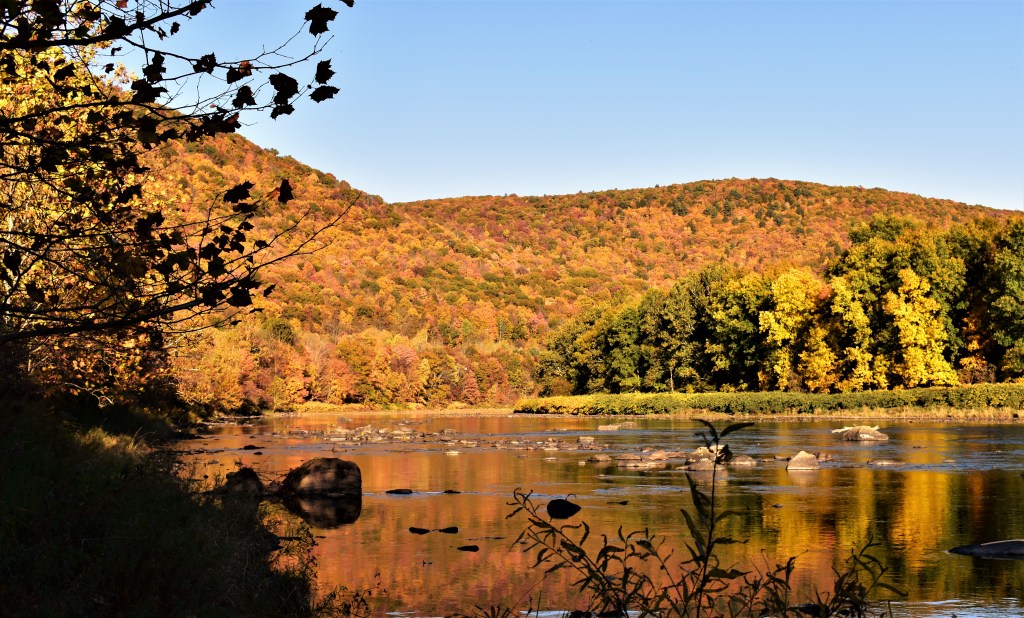
The Beaver Kill in autumn.

Lessons From the Past

Mementoes from my own history, long past and recent: My trusty FSO cap, adorned with a small Letort Hopper, supports The Shenk Tribute Rod and my late mentor’s venerable Hardy featherweight. I learned to tie the Hopper, and the Master’s other classic patterns, and fish them at his side. I am forever grateful!

Elation one day, humility and a good soaking the next: truly the wages of this game! Honestly it is all part of the magic that draws us to rivers great and small, season upon season with a rod, a reel and a wisp of fur, feathers and steel.

The trappings we carry have great importance to us. They are far from simply tools. Why they are the products of magic and alchemy, time and history, all woven together! I talk to Ed when I stalk the river with the Tribute Rod in my hand and feel his presence when I touch the handle of that diminutive Hardy to keep the line tight to a good trout.

Too much familiarity with a given beat defeats us. The fishing can grow stale. I believe the trout learn our habits in their rudimentary way, changing their habits and location in reaction to our presence and approach. This day I took a small step back in time, with the Tribute Rod in hand I stalked the trout from the opposite direction, at a different time of day, fishing the water anew. I at least confirmed the presence of fish in a couple of lies that never seemed to offer signs of habitation.

The chosen fly was “popped” ever so gently when cast to these places; not taken, but nudged away as if to say not a bad play sir, but try another pattern the next time. There is an improvement in concentration and execution when approaching cover from a new direction. Casting angles must be re-analyzed, the effects of sunlight reconsidered. The beetle is offered, taken it appears, but nothing is attached when the strike is made. Ah yes, try something different…

Why not the hopper? It is August is it not? And no, this is not a meadow stream, but there are grass lined banks upstream. This wise old warrior probably doesn’t see too many, but I’ll bet he has a taste for one when it does come along.

Taking the time to rebuild the business end of the leader, knot the hopper securely, and test the cast and the turnover prior to the offer. All ready, and so the game begins anew. First cast outside a bit, to tease the edge of his abode. No sale? Okay then, cast number too splits the difference between the edge and the heart of the protected lie. Not coming out today are we? Very well sir, here it is in the center of your dining table!

Ah the virtues of seven feet of perfectly tapered split bamboo when it’s time to wrestle a heavy old brown from his sanctuary! My thanks Mr. Whittle! Outside the labyrinth is the place to play him, switching angles with the throbbing cane as he darts to and fro, thinking now more of reacting to the pull of rod and line than diving back into his sanctuary.

Thanks for the game my friend… rest now until we meet again!

High Summer

Its High Summer in the Catskills and the sun is hot, the days long. Trout are where you find them and sometimes willing to play.

August so soon… it seems it was just barely June. Another Catskill summer is flying past, and I am enjoying everything but the day long heat. They’re expecting nineties today, and I have already done my fishing and have settled in to catch up on writing, tackle tinkering, even getting in a bit of practice for the Hardy Cup on Saturday. There are probably a few flies I need to tie as well. The fan is washing me with cool air, and there is plenty of ice cold beer in the fridge.

It has been an interesting week so far, and I got a rare August opportunity to catch up on some really great dry fly fishing. I went looking for some new water to salute the arrival of August, and I was very glad that I did.

Every once in a while, you plan something out in your head and then get to execute it perfectly. That means the weather doesn’t jump up and bite you that day, there isn’t a surprise kayaker’s convention, a family of mergansers doesn’t decide to have a splash fest in the water you chose to angle, etcetera.

I took a long walk along the river and found my little piece of heaven right where I’d hoped. There were a few soft rises ahead of me, and I studied the surface to select a fly. Mornings this time of year you can find some variety in the drift: leftover spinners, tiny olives, small caddis, tricos, perhaps even a few small terrestrials. What I found on this morning was olives. Not a lot of them, but it turned out just enough.

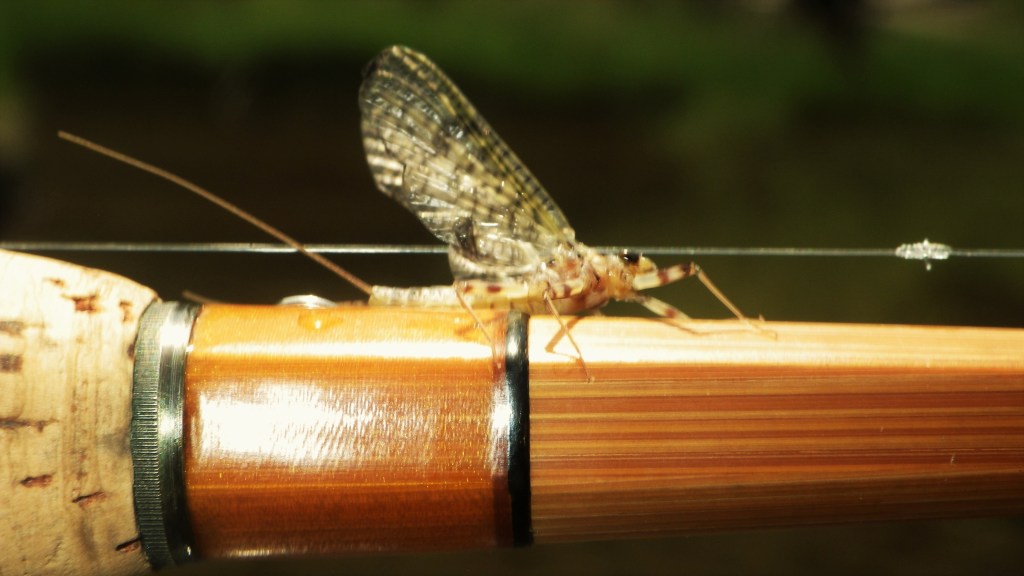
I cannot tell you the species, but the mayfly in question is one I have seen before in the summertime, though not usually in large numbers. If you see them on the water, you note the dark wings and the dark olive back and sides. If you look closer, you should see that the legs are pale and yellowish. If you don’t pick one up though, you will miss the most important characteristic. The underside of these little olives are pale, a yellowish olive. I have presented many standard blue-winged olives to trout rising to this hatch, with little success, so I finally tied a pattern specifically for them.

My Pale Olive Parachute got it’s acid test this week. I was really pleased with the results!

I started out fishing to some moving risers in a weedy flat washed by a fairly strong current. The tricks the undulating weeds played with the drag-free drift I sought reminded me of my spring creek days. The action was short-lived, and I never got the chance to see what those trout were taking, with nothing visible on the surface. My attention was drawn to the main run of the river by the loud thunk of a taking fish nearby. Pale olives were drifting down, and a number of trout had taken stations in the gentler flow of mid-river. I knotted my POP to a long 6X tippet and started working on the nearest bulging riser. Choosing to go down to 6X was about to cause me a great deal of trepidation.

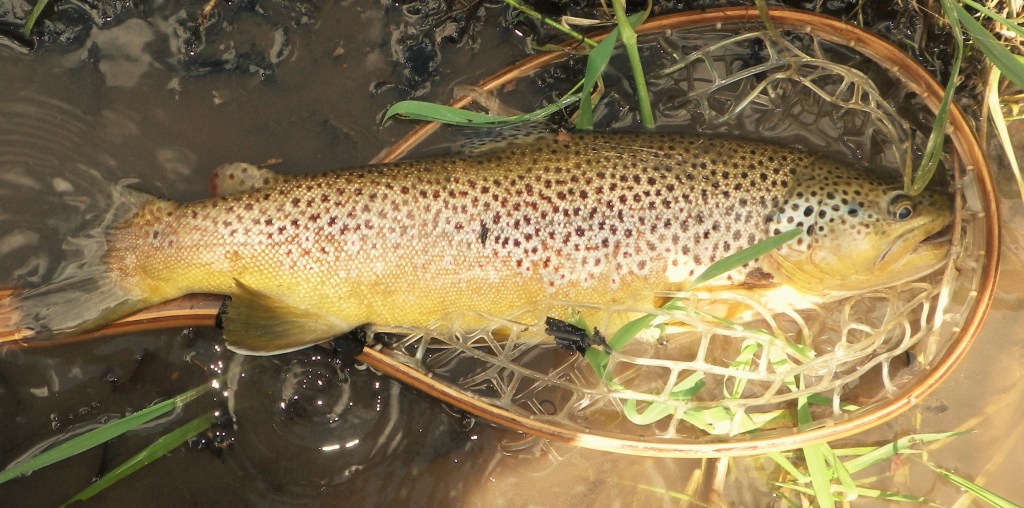
The trout came for a natural right next to my dry fly and I managed to resist the urge to zing it off the water, lifting it gently only when it was well past my fish. My next cast settled perfectly into his chosen line of drift, and he bulged the surface smoothly and sucked it in. Oh Lord did I have a battle! This was no ordinary brown trout. This was one of the special ones you don’t expect to be out there feeding in a group. Brown trout like this fellow tend to be solitary.

We danced the dance for a long while, my fish running and pulling drag, then dogging and head shaking to rid himself of this offending mayfly. I had him close several times, my old four weight doubled into a half circle as I tried to give the trout as much pressure as that 6X tippet could take, and not a touch more!

I will add the Pale Olive Parachute to my standard summer fly box. Twenty-five-inch wild brown trout don’t make stupid mistakes. When they are feeding on a hatch, your fly had better be a good match. Nothing celebrates high summer like a trophy brown!

I guess I was shaking when I hastily shot this photo, anxious to get him back in the river he rules. Credit the poor focus to those shaking hands. Wow, that was a great fish!

My nerves got the better of me after releasing that brownie, for I missed a couple of takes thanks to overly quick reflexes. I broke one off on the take too! The olive hatch subsided and gave me a little time to regain my composure. It wasn’t a long hiatus, for sulfurs began to appear within fifteen minutes.

I took the time to tie in a brand new 6X tippet, then selected a size 20 100-Year Dun to deal with the trout rising to the sulfurs. It was a nice hatch, particularly so because it was somewhat unexpected. I had a wonderful afternoon while those little yellow duns were on the water!

There was one fish that I fought for a long time. Several close looks made it clear he was over twenty inches long. He was finally a rod length away, coming in with the net in my hand, when the hook simply pulled out. Ah, that. Yes, it has plagued me this season, when big fish have been encountered far less often than expected. We cannot control how the hook holds in the trout’s mouth, and sometimes it doesn’t quite hold long enough.

I wasn’t complaining as the last rise dissipated that afternoon. I had landed and released browns measuring 25, 21 and 20 inches, along with a 14 inch fattie who seemed out of place in this run of river. Come to think of it, that one was rising on the other side of the river late in the hatch. Maybe he did stay clear of the middle of the river for his own safety.

If I had fished perfectly, I could have taken half a dozen big brown trout I guess, but I do not claim to fish perfectly. I guess you could say that remains something to aspire to, a goal never actually to be reached. To my mind, this was a perfect day of fishing. I enjoyed the river, the weather, and “the thrill of victory and the agony of defeat”. What more could one man ask for on a balmy summer day?

The Spice of Life

Summer in the Catskills, without the heat wave.

A couple of decades or more ago, I first began the game of fishing the summer sulfur hatch on the West Branch. When there were good releases in July, the hatch was heavy and fairly predictable. Any day between eleven and three, the upper river would be covered with thousands of active little sulfur yellow mayflies, and the trout took notice!

Even then, the trout were difficult to fool. There were thousands of naturals, often very active little size 20 mayflies that wriggled and hopped as they hit the interface between warm summer air and winter cold 47-degree water. The wild browns would key on the moving naturals on many occasions. I tied sparse little comparaduns with yellow thread bodies and pale dun CDC wings and had some success with them.

The first place I fished that hatch was the big, deep pool they called Danneker’s, a challenging pool to fish, and a very popular one. I returned there one day last week and reintroduced myself to those resident trout without mouths I remembered from decades ago.

I walked down early, expecting a crowd, and found the pool deserted. Only one other wader showed up later on, and he eschewed the slow, tricky currents of the pool. A number of boats drifted through, but generally didn’t stop and fish for more than a few casts. I more or less had the water to myself, a very unexpected pleasure.

The hatch is not heavy like it was all those years ago, and the trout are even tougher than I remember, but there was enough action to keep my interest. Most of the trout I saw were taking nymphs beneath the surface, their “rises” made by their dorsal fins and often their tails, though I did see a couple of duns get taken during the course of the afternoon. None of them were mine.

I knew I might have had some luck by hanging a small nymph from the bend of the hook on a larger dry fly, but that isn’t really dry fly fishing, now is it. I prefer to attack the problem through fly design. There was one other fisherman who scored while I was there. He announced his presence with a terrific splat, like someone slapped the water with a paddle. I looked downstream and saw a bit of white and some movement deep in the shade along the bank, that became a mature bald eagle upon further scrutiny. He was dragging his catch to a convenient spot on the bank to enjoy his well-earned lunch, and I wished him well.

The other highlight of my afternoon came as the edge of the storm approached. There was light rain at first, and I kept fishing. When it got harder, I started wading toward the bank, stopping as it slacked up and a good fish I had been working started rising again. I made a few casts and then the storm arrived in earnest! No thunder and lightning, but boy did the rain come down! I was well wetted by the time I hiked back to the car. Driving back to Hancock the mountains themselves were obscured by the rain. All I could see was soaked pavement and white.

I tied a few flies the next morning, considering taking another shot at Danneker’s, but a call from my friend Henry altered my course. I decided to accept his invitation and join him at another pool on the river. It was a glorious summer morning when I arrived, and Henry and Kevin were already hip deep in the river casting to morning risers. I ran the four weight double taper and leader through the guides on the Queen of The Waters, and slipped into the quiet scene.

Henry had promised ” all-day olives”, forgetting to mention that there were caddis in the morning. I had a single caddis fly in my chest pack, and it was too big and the wrong color to match the naturals. There are times when presentation turns the tide, and this first trout of the day was one of those who seemed to admire mine. Either that or I was granted a turn of good luck to start this day with a relaxed attitude. Bamboo excels at precise, delicate presentation of the dry fly, and it feels very much alive with an energetic foot-and-a-half wild brown cartwheeling through the air! Henry laughed before turning his attention to a rise just downstream, and I enjoyed every moment of that brownie, all the way to the net.

That fellow was the only one of several risers willing to take the wrong fly. I studied the water and found some small spinners along with a small dark winged caddis. I tried a number twenty Rusty Spinner, then a simple little thread and CDC olive in size 26, and finally an eighteen Rusty. Eventually I spotted one of those caddis drifting by spent and was able to grab it. The body was green, the wings gray, and it looked to be between a size 18 and a 20. Of course, the only caddis I had was the 18 tan X-Caddis I caught that first fish with, the fly my current opponent had ignored.

When you don’t have the fly, do your best to make one! I sorted through the olive box and came up with a size 18 comparadun with a dark gray CDC wing. I cut the hackle fiber tails away with my nippers, then smashed the tall CDC wing down toward the bend of the hook. When I finished, it looked enough like a bedraggled green down wing to try.

The fish I had been working on over the past hour convinced me he was a good one with the bulge that sometimes accompanied his sipping rises, so I asked the Queen to offer him my smashed wing, tailless olive. It required a few casts to synch up with his habit of sliding to the left and right of the center of his chosen line of current, but I am pleased to report that he accepted. The bamboo arched, the vintage St. George wailed, and we were off to the races, culminating with an even larger brown writhing in my net!

As the rises began to diminish toward Noon, I eased my way closer to one bankside sipper that had caught my eye early. I had chosen to save this guy, not wanting to spook the other rising trout between us, and I was happy that he had stayed the course.

I dried and fluffed the CDC wing, smashed it down a bit more, and began to work out line to test it on my bank feeder. The trout had been moving up and down that stretch of bank, content with the slim pickings out of the main line of current. There was a thread of it though, and that was where I cast my fly.

I didn’t count my casts, I was enjoying the company and the beautiful morning, but I took my time until the trout sipped again and I could pinpoint my presentation. The makeshift dying caddis was good enough once more, and the rod came up into a heavy arch as the little Hardy opened her song with a lovely staccato run!

This was obviously a heavier brownie, and he kept the rod bucking and the reel whining as he headed downriver fast. I turned him and recovered some line, only to surrender it to another chorus of the St. George Waltz. There are numerous submerged weed beds in this reach of river, and I feared for the delicate 6X tippet each time he stopped his run. At one point, I thought he was going to charge Henry, turning but a few feet in front of him, and them heading back to his favorite bank.

A great fish, and a great morning with great friends. Henry was kind enough to snap a nice photo a moment before I slipped that twenty-inch brown back into the clear, cold river. We admired the beauty of the day and the setting over a riverside lunch. Some days are tough days, and others bring a smile of remembrance, but they are all good days when they are spent on the water!

The Queen and I salute the best brownie of the morning. (Photo courtesy Henry Jaung)

Lessons In Humility

Have I mentioned that this has been a tough season? That fact isn’t changing from my consideration of all available evidence. Perhaps a mild hurricane system could send us enough rain to freshen our watersheds, perhaps even bring us back to those lovely Catskill summer days with highs in the seventies, and cool, fresh nights. Barring that, well, I guess I can just continue to pray for an all night, gentle soaking rain.

I have taken to hunting trout along the West Branch, as it is the one river in the region with enough cold water to withstand our recent heat wave. West Branch wild trout are somewhat legendary, for they get more pressure than any river in these mountains, and those trout have evolved. The slightest mistake will cost you your catch, an unchecked knot, one cast too many or just a few inches too close.

I don’t fish the “best” spots, for they are overrun with wading anglers and steadily barraged by drift boats. I try to find a little peace for a few minutes at a time until the next boat comes through. Fishing secondary locations has given me some enjoyment, and a few nice fish, despite a continuing run of questionable luck.

The high heat of midafternoon takes its toll on one’s concentration and stamina. I have felt pretty good out there considering, but oh the price of those tiny little lapses!

A Classic Sulfur, complete with pale yellow silken body and a touch of orange in the thorax, 100-Year Dun style.

There is a particular fish I have visited a few times recently. His lie looks inviting to the eye of the hunter, though most anglers would pass it right by. The water is shallow, and the location in question is off to the side of the main thread of current enough that it doesn’t look like a prime lie. It is.

I have seen at least one gentle rise there on each trip, no more. I have fished it each time, drawing blanks until yesterday. Presentation is paramount in this kind of lie, and finding the perfect tactic takes some study and some practice. I guess you could say that I have been practicing.

Yesterday afternoon I approached that spot with a few stray sulfurs on the water. Every once in a while, a dun would drift down through that lie on the secondary current, but there were no rises. I positioned myself slowly and carefully, doing whatever I could to avoid alerting the unseen resident. Bright sun and shallow water are not the stalking angler’s friends, so I stayed well off, leaving myself a long reach cast to offer my sulfur. The seven-foot rod I had chosen easily made the distance, dropping the fly gently, but the aerial mend wasn’t quite perfect.

The fly drifted down while I fed slack to extend the drift, but the old boy was deeper in the lie than my previous visits had revealed. He took, but by then I had an awful lot of slack line on the water, more it turned out than I could move with one sweep of that seven-foot rod. I hooked the trout, but very lightly, and he came toward me immediately, adding more slack while I feverishly tried to strip it in and keep contact with him. My mantra for 2022 came to pass once again – the hook pulled out, and another big fish that should have been caught, wasn’t.

As the day wore on, I fished elsewhere, catching a couple of trout, having a bigger one bend my small hook open and escape and yes, a couple more pull outs. As the off and on little sulfur hatch petered out for the last time, I reeled up and headed out, passing that old lie again on the way.

With a what the hell attitude, I began another slow, stealthy approach. It had been a couple of hours since I more or less hooked that fish, so I figured there was maybe a 1% chance he would be interested in one of the day’s last sulfurs.

I stalked closer this time, taking a better position to make my presentation. My first pitch came off fine, drifting through the pocket without a hint of drag, but there was no sign of a look see. I checked my little fly and removed the threads of the famous green slime the West Branch produces in copious amounts and sent it out again. Bulge, take, and this time a solid hookset! He charged out from his lie again, into the main current, my little arc of bamboo straining to keep the pressure on him. With a tight connection, this time I could fully appreciate his size and power, but not for long. Maybe I should just start chanting: the hook pulled out…

So, there are some pretty long odds against fooling and hooking the same big old brown trout twice in one afternoon, particularly when he wasn’t feeding. I managed it and managed to lose that connection both times. Did I mention that this has been a very tough season?

One Hundred Dozen

Big Sulfur 100-Year Duns Tied for May fishing that didn’t quite transpire this season.

Yesterday I reached an annual milestone: one hundred dozen flies tied for the year. Now that isn’t a large number of flies for a commercial fly tier, but I am no longer a commercial fly tier. I closed out that vocation when I shuttered my fly shop twenty-three years ago.

I looked back in my logs to compare my production with previous years. Twenty-twenty was my biggest fly year, reaching the one hundred dozen milestone on June 6th, on the way to my standing record of 185 dozen flies for the year. In twenty-one, I reached the milepost on August 10th, so I seem to be right in the middle of my calendar this year. Considering that this has been a comparably slow fishing year, I was a little surprised.

A lot of my tying is driven by fly design and experimentation, coming up with new patterns and pattern variations to try to tempt our more difficult wild trout. I guess I find myself still full of ideas even when the trout aren’t rising.

John Atherton’s iconic patterns: No.2, No.3, No.4 and No.5. I blended the dubbing per the artist’s specifications and tied these with the hope of testing them thoroughly this season.

My interest in fly fishing’s history spawns a number of adventures at the fly vise. Acquiring some natural seal fur allowed me to set about blending the dubbings for the late John Atherton’s impressionistic dry fly patterns, referring to the instructions in his classic book “The Fly and The Fish” and reading his thoughts and reasoning for the designs. Re-reading another classic, Harry Darbee’s “Catskill Flytier” provided another diversion into history, with Harry’s pattern for the Dark Hendrickson and Ed Hewitt’s Beaverkill Red Fox.

For summer, well, of late my time at the bench has been spent crafting sulfurs, tying my 100-Year Duns in sizes I never anticipated. The concept of the design was a better imitation for large mayflies, and yet, I am finding the 16’s 18’s and 20’s to be very effective as well. This morning I added five classic sulfur versions for my chest pack. Hope I will attach a nice brownie or two to one of them in a couple of hours!

Preparations

Summer on the West Branch – our best bet for rising trout due to plentiful cold water.

The forecasters, and my own sincere desire for the vital rainfall they promised, boondoggled me once again. I decided against fishing yesterday to avoid the severe thunderstorms they told me were threatening but never occurred. Not that I craved severe weather, I would trade any number of thunderstorms for a nice gentle all-night rain.

Hancock had a little shower in the morning and then a very brief wetting in early evening. Cannot bring myself to call that one a shower. I spent my day reading, writing, and casting a favorite rod with a three weight line, just to refamiliarize myself with it’s charms. Preparations: tying a handful of flies, checking reels, lines and leaders, and generally making ready for tomorrow.

My Cumberland Queen gets the nod today, freshly polished after removing traces of the familiar West Branch slime.

I am set to try one of Cortland’s Sylk double taper lines on an old favorite rod today, my Dream Catcher Cumberland Queen, a lovely flamed eight foot four weight that is a deft summer weapon against the speed and energy of our outsized Catskill trout. The rod’s first debut was on the same West Branch Delaware, on a blustery September evening nearly a decade ago, casting a big size 10 Isonychia emerger. Now conventional angling wisdom would tell you that a four weight bamboo rod was not the tackle to toss such large dry flies in gusty, 20 mph winds, but the Queen excelled in meeting that challenge!

Dual tactics for those impossible brownies hunting the odd sulfur on a hot, bright afternoon: a 100-Year Dun and a North Country style spider.

The old girl will have an easier time of it today. Not that there won’t be wind, but she won’t have to toss big size 10 dries against it. The Queen will be called upon for another of her considerable attributes – delicacy of presentation. I tied half a dozen primrose spiders this morning to be prepared should the trout shun the surface and look to the wiggling emergers just beneath the film. I have seen their moods change, one willing to sip the dun from the surface, another demurring and gently inhaling something unseen with the barest disturbance to the film.

The morning’s flies are nestled in a shirt pocket box along with yesterday’s and a few changeups, and I just tied a bit more than four feet of new 5X fluorocarbon tippet to the little Hardy’s leader. Time to shower and take care of some errands before driving out to the river to begin the hunt.

Summer fishing is more relaxed than the rush of springtime, trying to contain six months of pent-up energy and anticipation for the season’s first hatch. You feel like you know what you will find in summer, though the river gods can hatch surprises at any time. I’d love to find just enough of a breeze to ripple the surface and help the trout feel better about taking duns on a bright afternoon, and I would happily welcome more sulfurs and fewer midweek anglers. I’ll never turn down a chance for a little solitude on a summer river!

A Simple Contentment

A touch of Nature’s simple beauty, often taken for granted.

I caught up with one of my best friends last evening and spent much of the message telling him why I didn’t think it was worth his effort to drive up today for a little fishing. I do like for my friends to have good fishing when they visit, and I know that this one would be hoping for more than perhaps one shot at one very difficult trout, but in thinking about the conversation this morning I realize the irony. You see, I am unobligingly happy to be alive, retired, and fishing in the Catskills! What more could anyone ask to share?

I learned long ago that seasons and days on the water vary constantly. I learned to take what the river gave me and appreciate that, for every day spent astream is worthwhile, even sacred. Fly fishing is so much more than a fish on the line, or a few in the creel of our minds. Indeed, this season has not panned out the way I had hoped, nor the way countless other anglers had dreamed about. Our boundless fly hatches have clearly found their bounds and, for the second year in a row, rising trout have been at a premium. That makes those few we encounter all that much more precious!

As a confirmed dry fly man, I choose not to try sunken flies and other methods simply to see if I could catch a few more trout. I love the challenge as much as the method, and a year like 2022 presents a great deal of daily challenges on our Catskill rivers. I do not offer apology for my passions, I simply state the truth.

I read a beautiful sentiment this morning. It got me to thinking about those passions, some stimulated by it’s author. I met Jerry Girard a number of years ago through the Pennsylvania Fly Fishing Museum Association. He is a long time angling historian, collector and author, and one of many who formed the seed of my encompassing interest in classic fly fishing tackle. Jerry recently published a book entitled Casting About (The Whitefish Press, 2022) that contains the fifty columns he wrote for the Catskill Fly Fishing Center and Museum’s Castabout newsletter between 2010 and 2016. The words that inspired me are found in column number 27, Winter Rambling Thoughts, Perhaps Even Rants:

Fly fishing is not just a physical journey, but a spiritual one as well. It is a blend of art, literature, science, history, philosophy and camaraderie. These are the things that lift our spirits and add to our joys when we cast a fly and maybe catch a fish.” Beautifully said Jerry! The book is available at the CFFCM gift shop and should be required reading for anyone who fly fishes. As the author laments, too few of the many fly fishers encountered today have any knowledge of those who came before and all that fly fishing entails, and that diminishes their enjoyment whether they know it or not.

During my working life, I was drawn to live in Pennsylvania’s Cumberland Valley, one of the two greatest nexuses of American fly fishing. The history there drew me as well as the lure of difficult trout, the desire for beauty and art and challenge! In retirement I sought life amid the other great nexus, the seed of American fly fishing and birthplace of our own traditions of dry fly fishing, the Catskills. The challenges are sweet!

The joys of our angling history: my F.E. Thomas fly rod from 1918 and Hardy Perfect fly reel from 1929, still fished and enjoyed today.

It is a rainy and potentially stormy day here in the Catskills. I was looking forward to fishing, having polished up a favorite bamboo rod yesterday morning after casting it with a variety of fly lines and reels. The weather has decided this will not be a fishing day, and I am thankful, more than willing to offer up a cherished day for the gift of rainfall our mountains, fields and especially our rivers so desperately need. There are always a few fly lines that could be cleaned, and I could certainly tie a fly or two…