Winter Thoughts on Flies

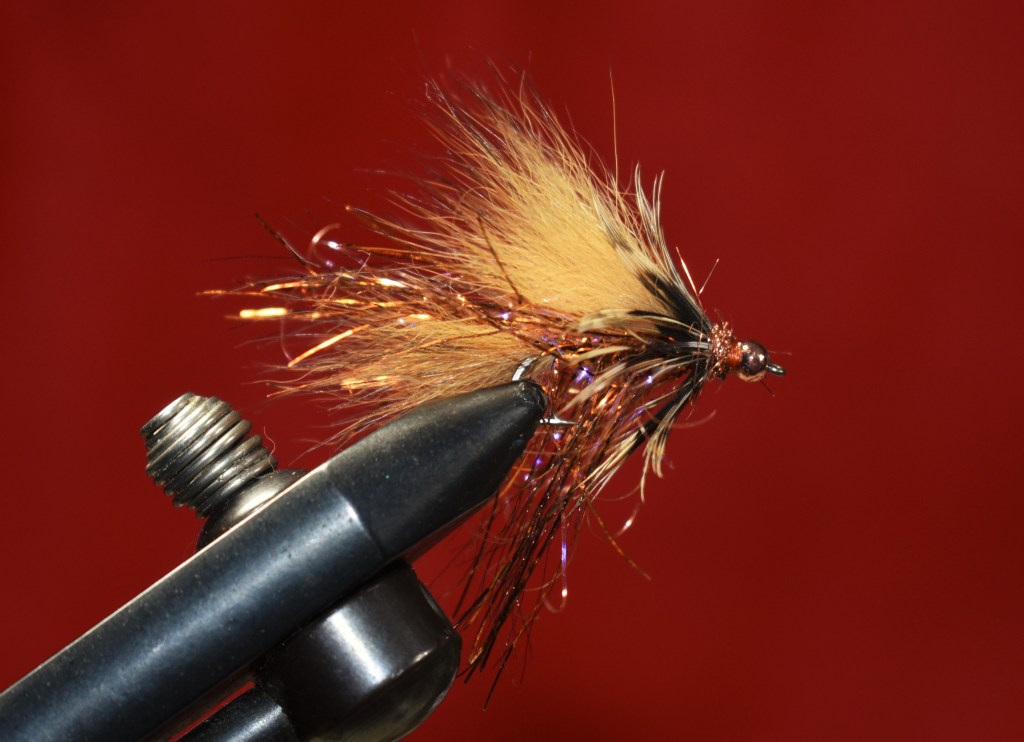
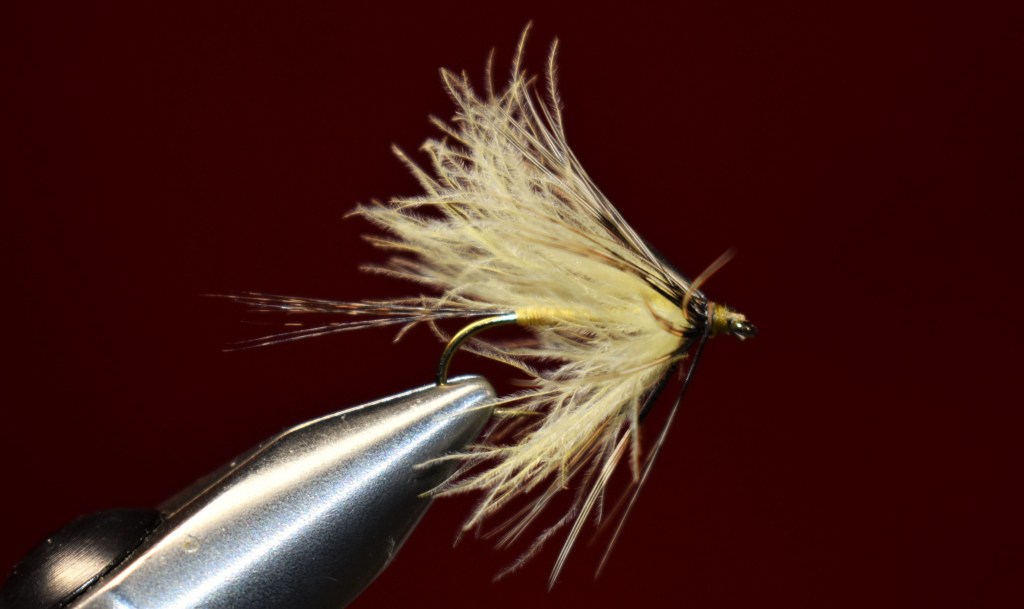
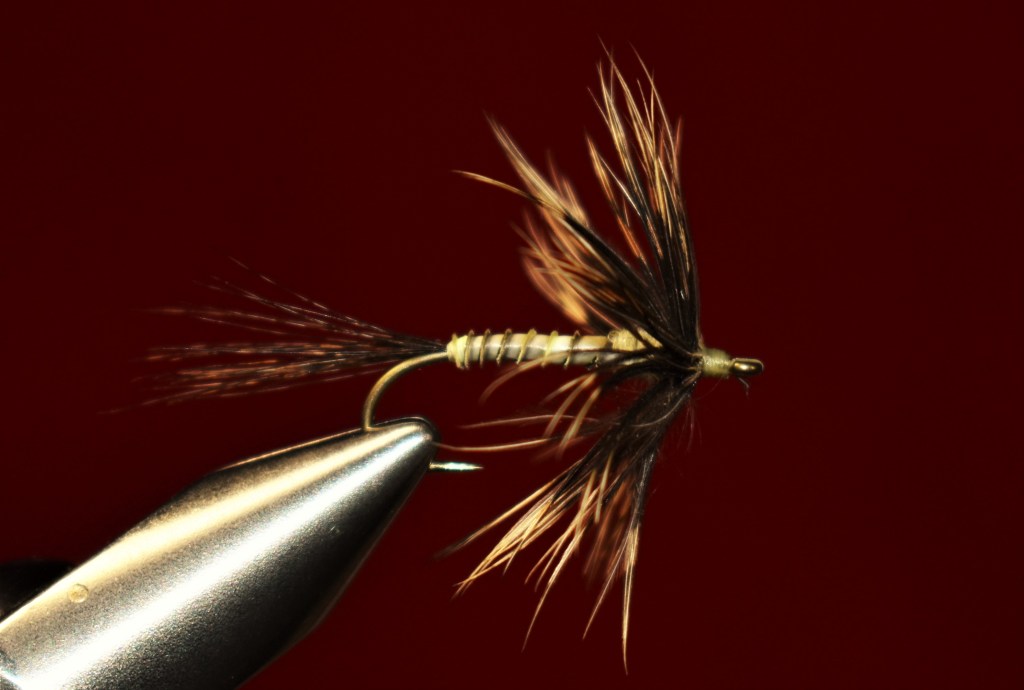
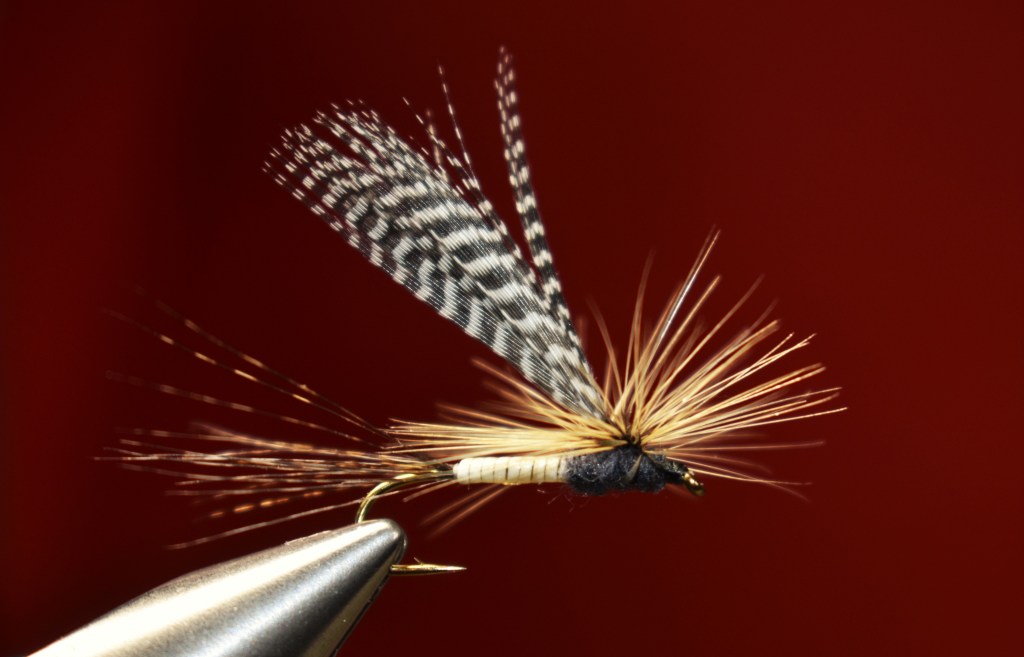
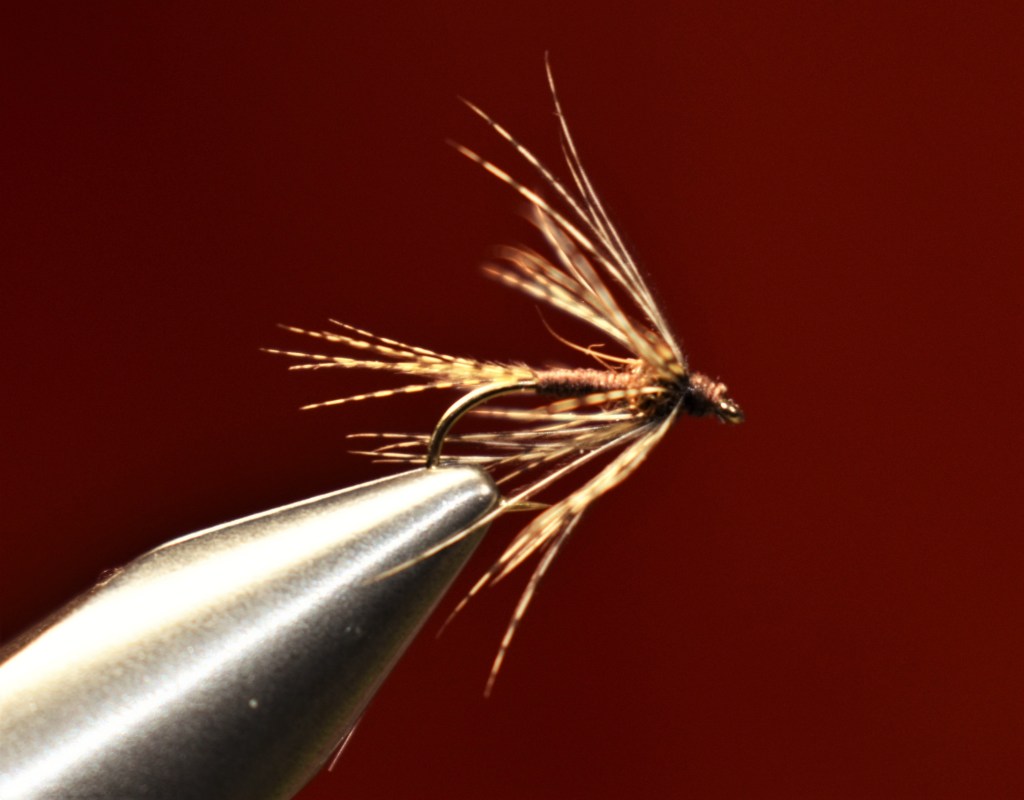
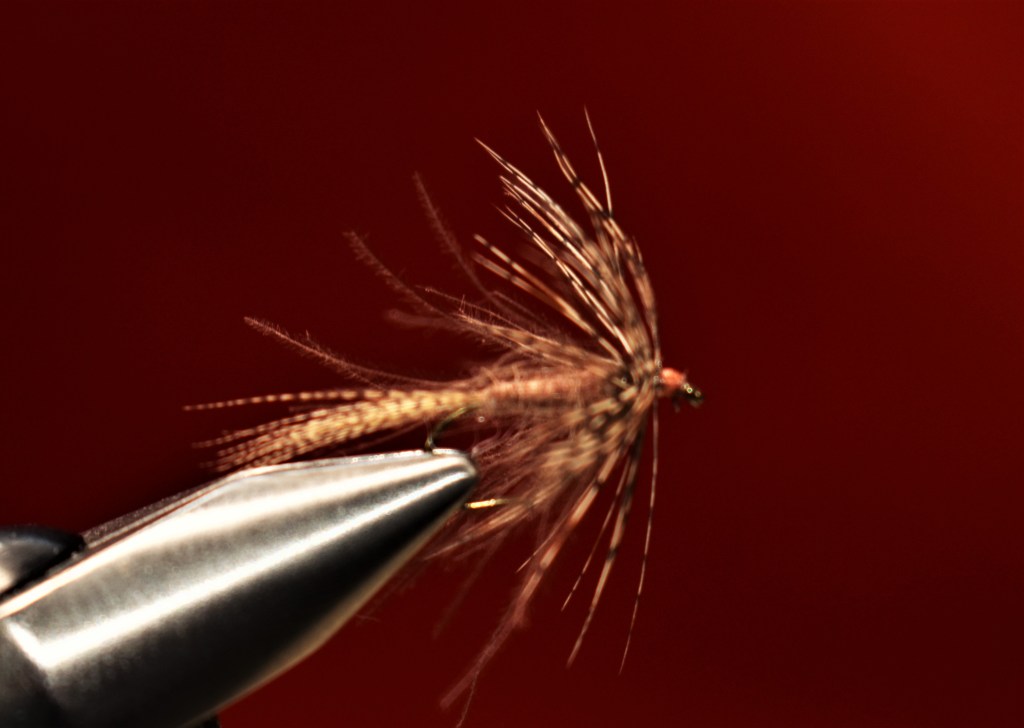
A Cochy Bonduu wet fly, a classic “hackle” style fly tied to push water as it swings

In deference to the bustle of the Holidays, and the still lurking specter of Covid-19, the Catskill Fly Tyers Guild held an online Zoom meeting for our December gathering yesterday. Our discussions this month revolved around a nice presentation by member Fred Klein, a tyer and historian of classic wet flies from the 1800’s and early 1900’s. Fred exhibits a true passion not only for tying these traditional patterns, but for fishing them regularly as well.

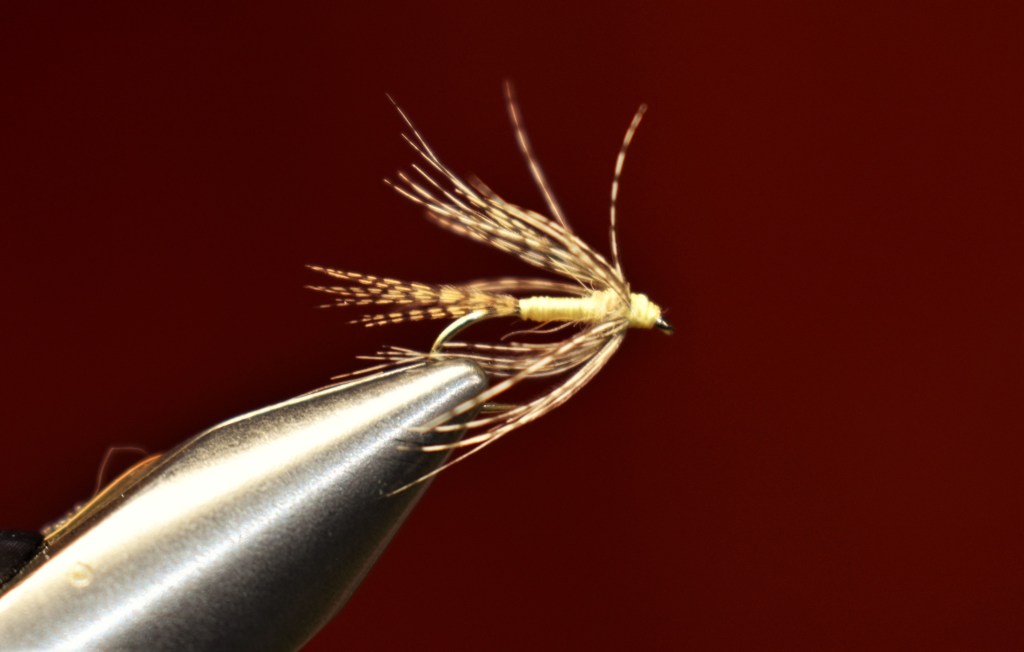
Mr. Klein, who makes his home in Pennsylvania’s Appalachian Mountain region, admitted to his fondness for hunting large brown trout with big, classic wet flies – something I can easily understand. He talked of the clear mountain waters in winter, and how he finds success with big natural looking flies like the Cochy Bonduu that push water and thus attract predatory browns in their more passive moods. Though my recent forays have been rewarded with a couple of flashy streamers that beckoned to trout in a more aggressive mood, I decided to tie a few of these subtle classics and give them a swing.

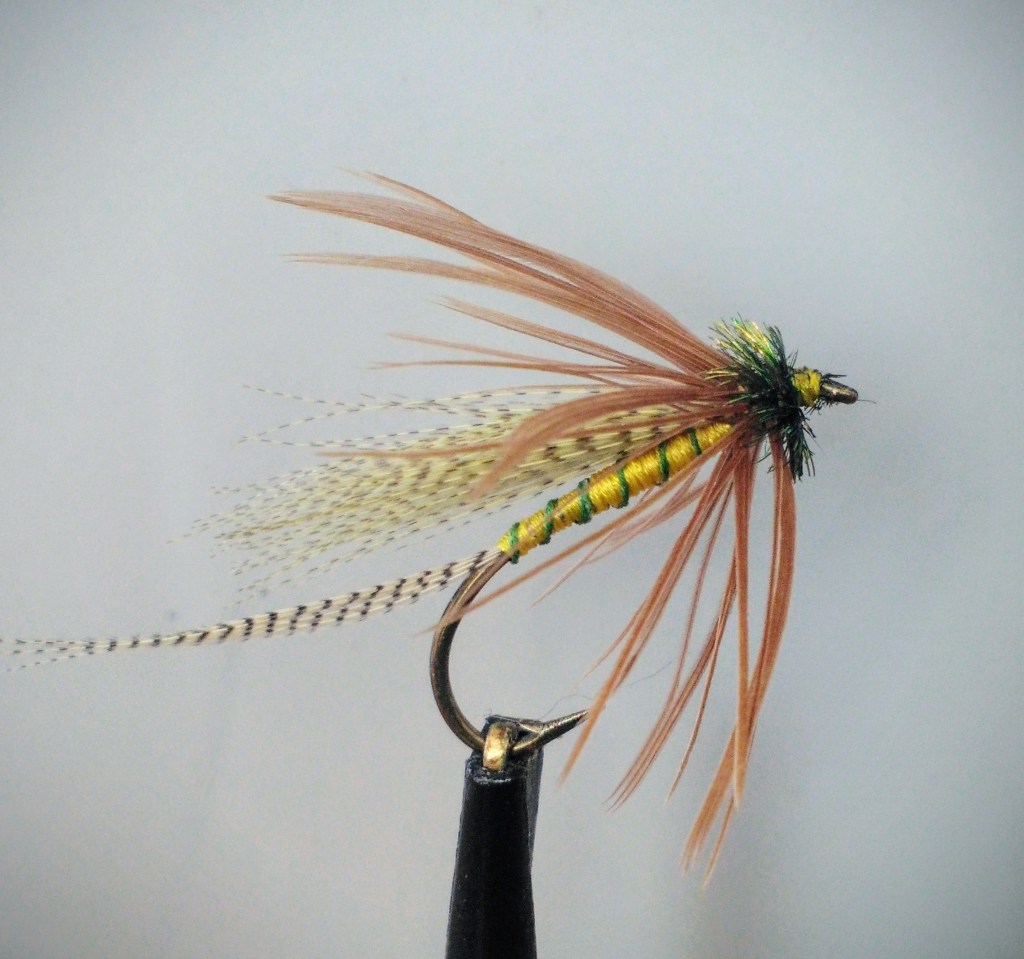
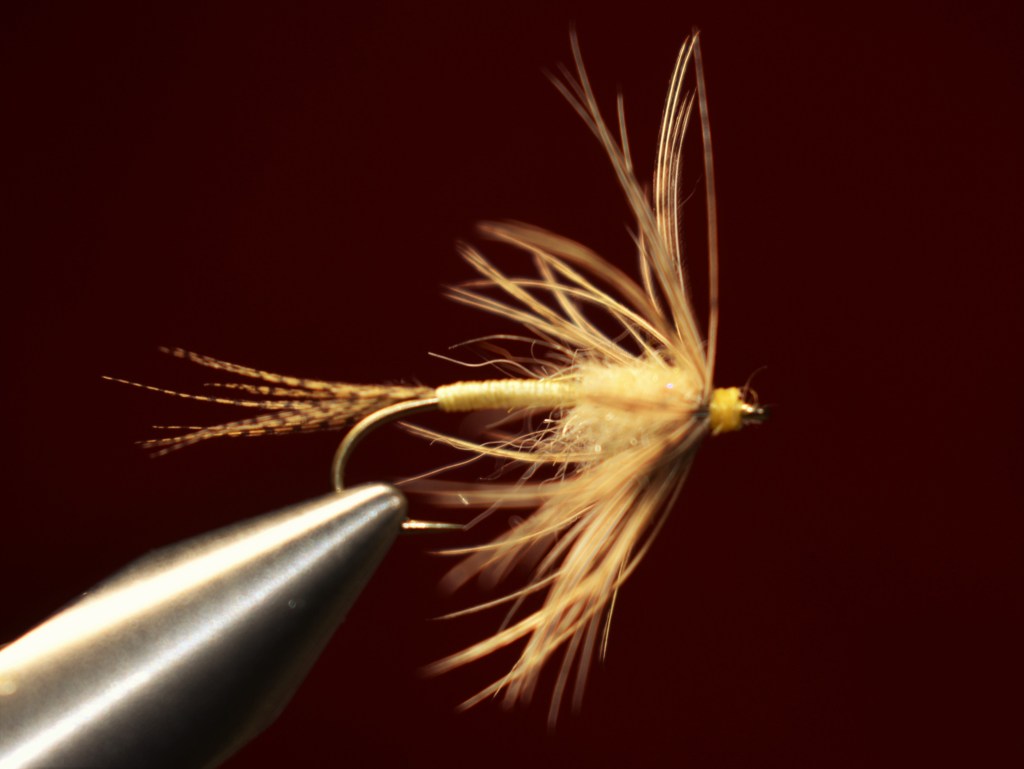
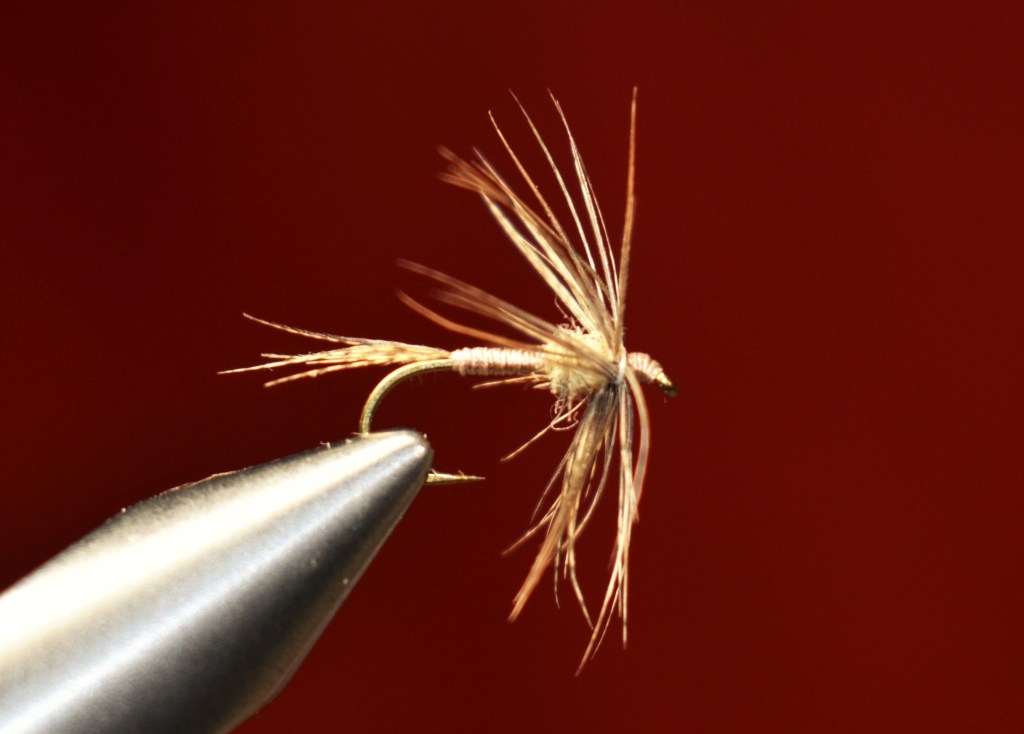
A yellow palmer, inspired by an unnamed pattern Fred Klein tied for the Catskill Fly Tyer’s Guild’s December Zoom meeting. At a loss for the natural silk floss Mr. Klein recommends, I chose pure silk dubbing, a golden ginger palmered hackle with its dark center, and finished with a collar of cream and brown hen pheasant.

As we discussed the Cochy Bonduu, I thought of another long-time favorite of mine tied with peacock herl and furnace hackle, a fly I dubbed the Peac-A-Bugger. I have habitually used the dubbing loop technique when tying peacock herl fly bodies, whether for tiny Griffith’s Gnats or steelhead size buggers. Spinning the peacock herl in a loop produces a full herl chenille that I find more beautiful and much more durable than wrapped herl. Over the past 25 years, the Peac-A-Bugger has accounted for numerous trout up to five pounds or so, and several steelhead between eight and ten pounds, whether swung, dead drifted or stripped.

A brown marabou plume, furnace saddle hackle, and several strands of strung peacock herl spun in a dubbing loop produce one very fish catching fly. This one is tied on a size 10 2XL hook to swing deep for winter trout. The size 8 3XL size is my all-around version, and I tie them up to size 6 3XL for steelhead fishing.
My Full Dress Copper Fox accounted for a very nice, aggressive winter brown this week. Aggressive fish hit the fly hard! The UV copper flash material and soft Red Fox tail fur provide a lot of movement when the fly is swung so that it ticks over the bottom.

Our wild trout have many moods, and it makes sense to try offering both flashy, high motion patterns to attract aggressive fish and smaller, subtler natural patterns to appeal to those in more passive moods.

I enjoy the serenity of the classic wet fly swing, but winter isn’t the time to fish these flies shallow. Swinging them down along the bottom with a sinktip line has its own little bit of excitement built in. You may fish out your afternoon without a strike, but if you do feel a tug, experience promises that a take is likely to be a larger trout.

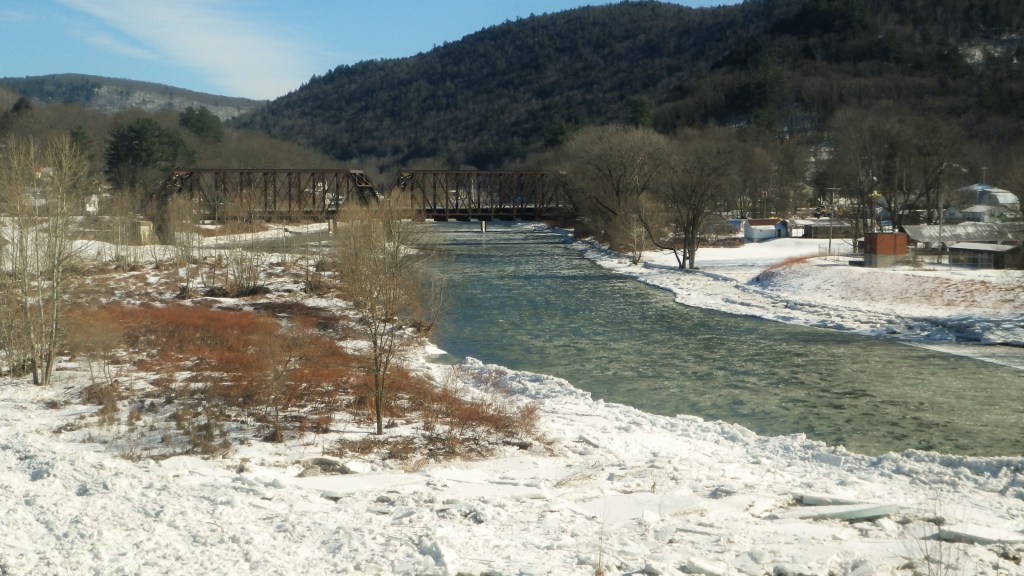
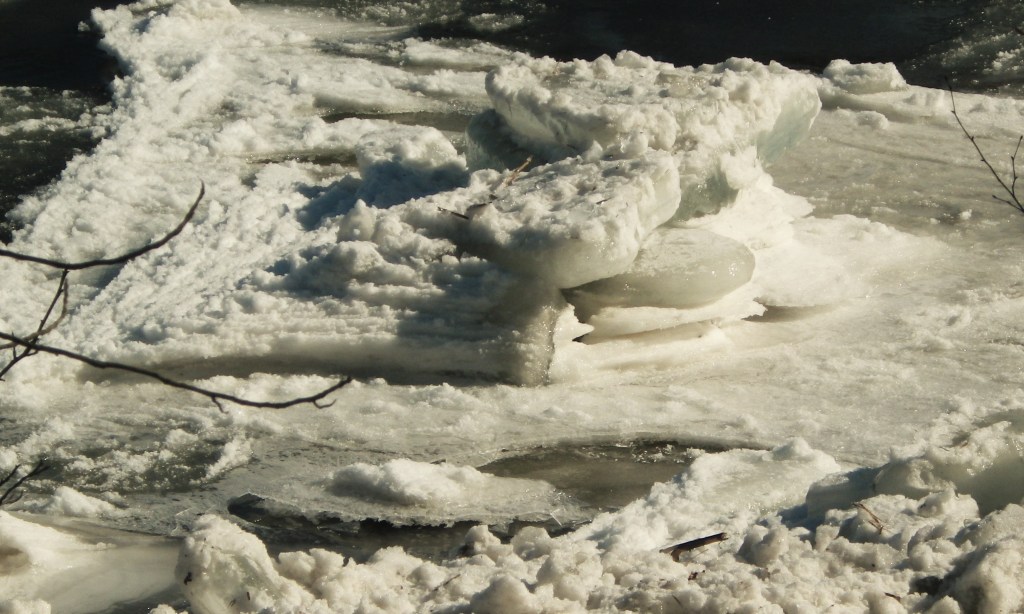
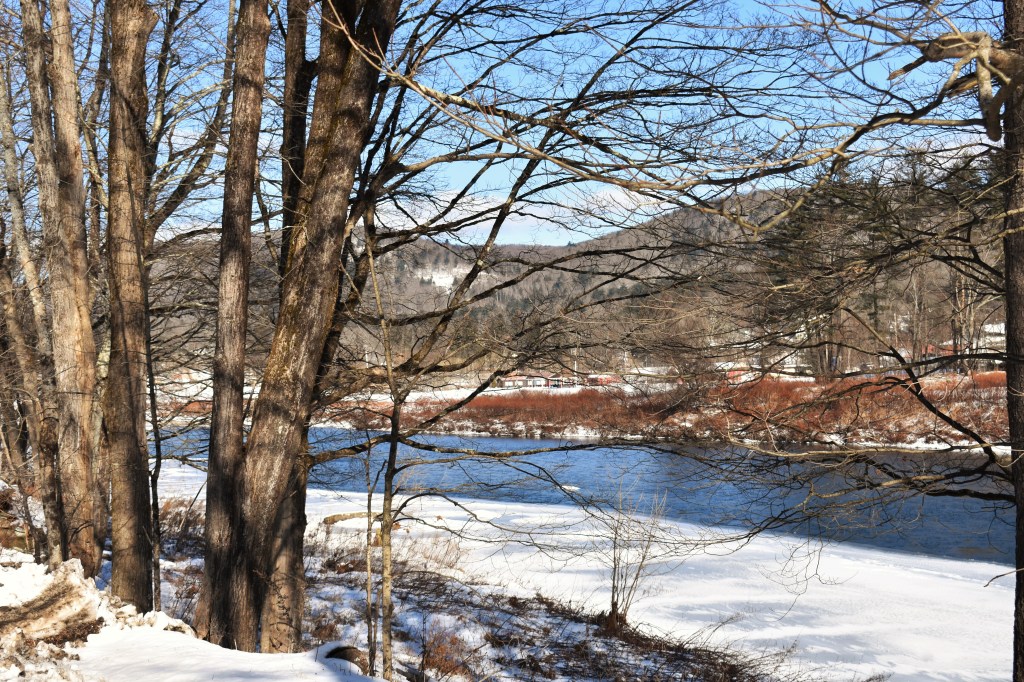
Winter has returned a week before Christmas, and there aren’t any more record high 64-degree afternoons in the ten-day forecast. The upper thirties will have to do as it stands right now. I can deal with that, at least if the winds are fairly calm.

During my years in the Cumberland Valley, I would often venture out in search of a Christmas fish. The beautiful wild rainbows that once proliferated in the Falling Spring seemed perfectly hued to celebrate the season. I wonder if there is a Delaware bow out there that I might convince to dance a Christmas waltz with me?

The wild Falling Spring rainbows once fueled my Christmas dreams.

Warm Breezes

The day itself was a gift from from the river. The forecasters expected a high of 57 degrees, very pleasant for mid-December, so I set out earlier than usual for this season of the year. I chose a pool I knew would be in full sun, figuring I might as well make the most of the unseasonable warmth. The gamble involved the amount of flow in the river.

I was aware that my usual route to the fishing would be blocked, too much depth and current for the crossing required, so I chanced an alternative I had never explored. The path was easily trod, and the edge of the riffle it brought me to was certainly shallow enough to wade, so I journeyed on. As that edge grew deeper, I began to cast and swing my fly through the ever-slowing body of that riffle, working my way to the quieter sanctuary water downstream.

The late morning sun felt delicious on my back and shoulders, enough so that I began to regret the insulated jacket chosen for my top layer. I waded down the edge and cast, enjoying every toasty moment of the experience.

Eventually I reached the deeper spot I remembered from my summer explorations, accepting the verdict of the current. There was no safe way to reach to portion of the pool I believed most likely to harbor a winter leviathan. Walking the riverbank back to the car I quickly got that hot humid feeling and unzipped the light jacket, December indeed!

The dashboard thermometer read 61 and I assured myself that was the result of parking in the sun, but as I readied myself for the walk to the next pool, I felt the warmth of that sun deeply. I folded the jacket and packed it in the back of my fishing vest for insurance, then set off down the trail in shirtsleeves.

Only the near edge of the river was bathed in that golden sunlight, and I languished there on my walk upstream. Even in the shade of the ridges the air was beautifully warm, reminding me more of April than December. I set to work swinging my streamer with high expectations. I had invited one take and landed one fine brownie there amid the heavy chill two days before. The beauty of this afternoon had me all but expecting a rise of trout!

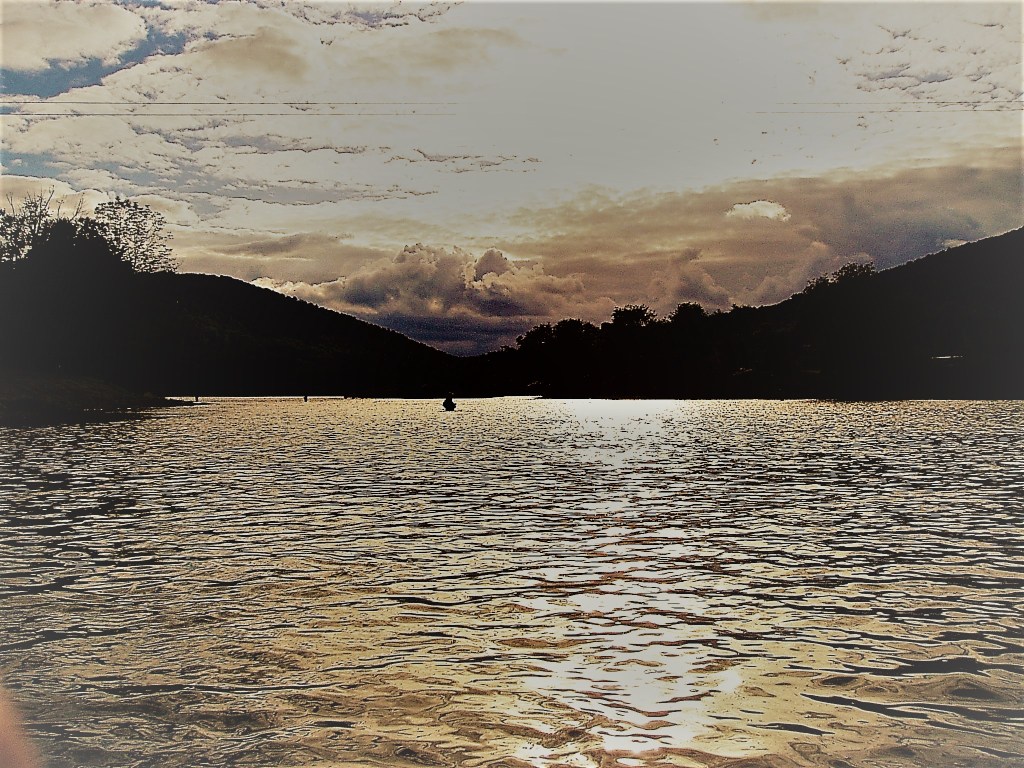
Halfway down the pool I watched the bright orb shining through the evergreens on the mountaintop and knew my time was drawing short. I paused in my casting as a warm breeze wafted into my face, a brief embrace from the summer I had left behind, and longed to wrap myself in once more.

I walked back to the sunlit river’s edge and waded down, wishing to spend my last casts in the water that had produced so glowingly for me in summer. Once there I eased back toward mid-river and resumed my rhythm: cast, swing, step down, and repeat.

I was concentrating on the fly when I heard the great splash behind me in the distance. My swing completed, I turned and looked. The other fisher was coming downstream toward me now, high enough that the sun lit his white head so it sparkled against the blue sky. No fish for you either, my friend? He gave no answer, save the air between his talons, and soared on into the warmth of that breeze.

The Swing

Nearly noon as I step into the river, fully in shadow. The sun doesn’t get a lot of time on the water in December, at least not on this pool. I wade slowly upstream, thinking and watching as I go, trying to decide just where I will begin.

I don’t expect a great deal of activity in faster water, so I situate myself in more moderate flow, where depth and cover lie before the thread of the current. Seems like a place a good trout might lie, I tell myself, if he feels the stirrings of hunger.

There is enough depth here that my unweighted fly fails to tick the rocks as it swings, and I decide I need a bit of weight there. Clipping it off I paw through the box and ponder. A one-off streamer catches my eye, flashy with trailing strands of copper and UV highlights and a foxtail wing. The small copper cone at its head should be just enough to help the mini tip line swing it in the taking zone.

I sometimes will tie one-off flies from a burst of inspiration. Such was the genesis of the Copper Fox.

I take a few steps back upstream before I cast again, to be certain my swing covers the area at the lower depths. The seventy-year-old bamboo flexes and the fly falls short. I must change my casting rhythm for the weighted fly, allow the old rod to load a split second longer, then slow my delivery slightly. The adjustment sends the fly further and drops it on the surface just beyond the traces of the bubble line marking the river’s thread. There is enough weight now for the fly to dance among the rocks of the bottom, not enough to hang up, just enough to keep it ticking over their tops.

Fishing slowly, I work the water with the timeless rhythm passed down through generations of anglers: cast, swing, then two steps down. I smile as I feel the fly bouncing along down there, in my mind’s eye I can see the copper tendrils moving and flashing in concert with the pulsing of the soft fur wing; alive and vulnerable. The solitude of a winter afternoon envelops me.
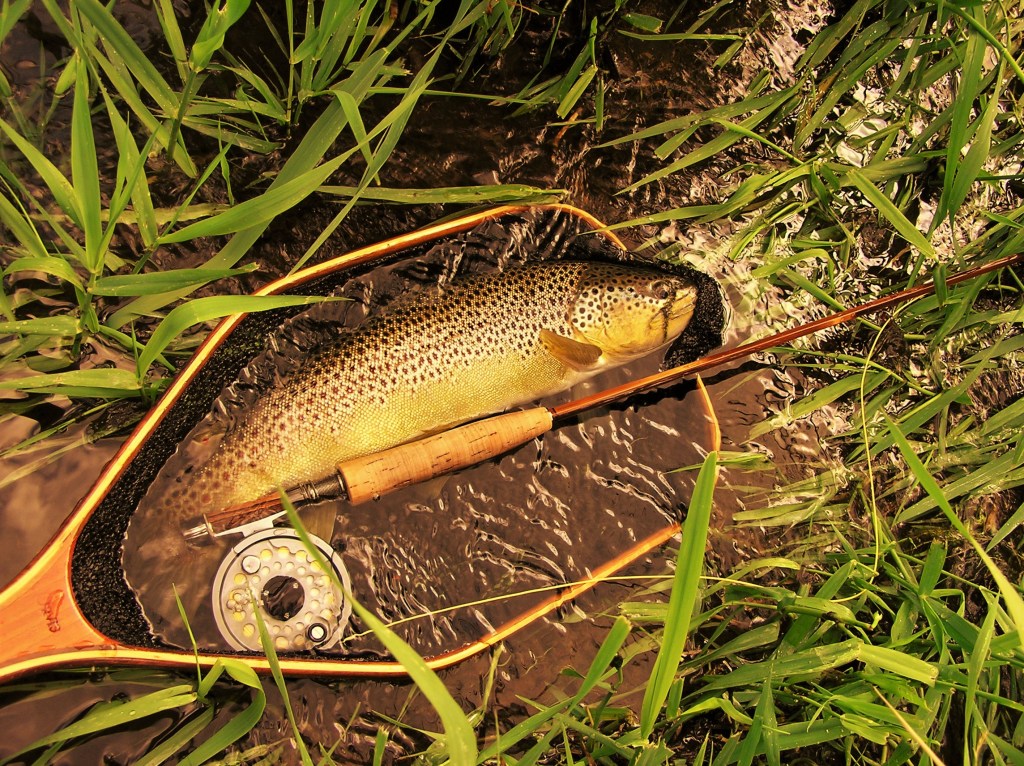
The strike comes suddenly and forcefully, not the soft tap of a near dormant trout, but the wallop of a substantial fish that’s intent upon his meal. I allow the loop of slack between my hand and the reel to absorb the shock, and then slowly and smoothly raise the rod into a heavy bow. Head shakes and short surges bring welcome warmth to my fingers as I grip the cork harder and set the nickel silver knob of the reel seat against my vest. He’s not giving up so easily.

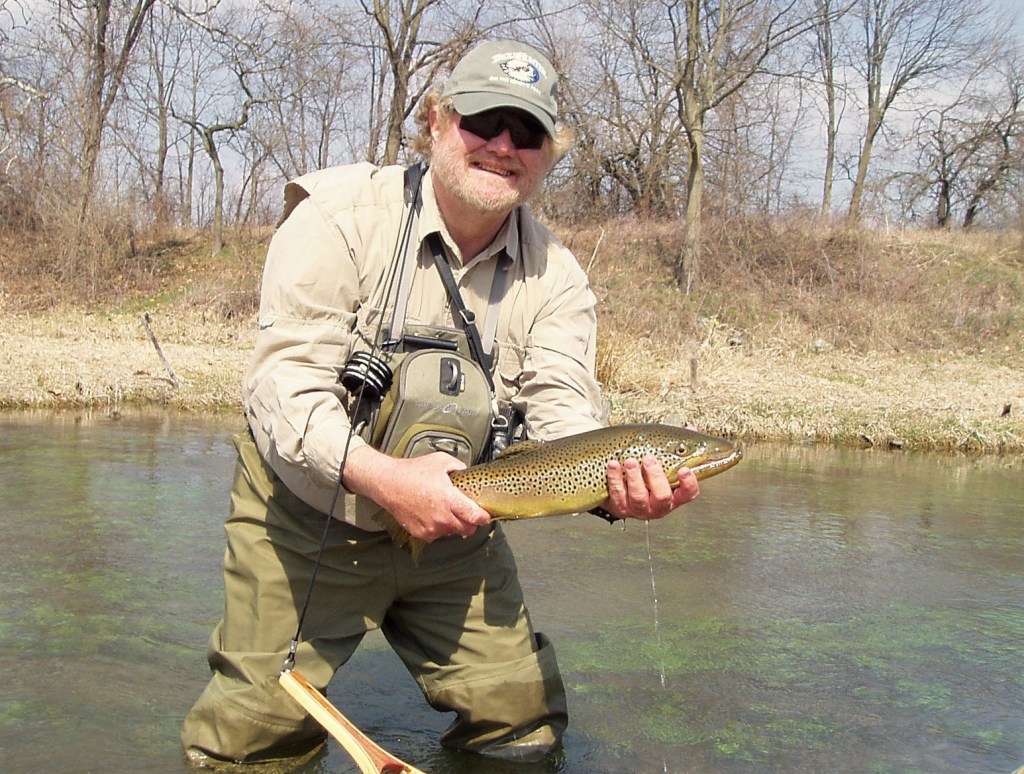
The arc of vintage cane triumphs in the end and I slide the net beneath him, backing toward the sunlit bank with the net low in the water. I slip the fly from the corner of his mouth easily and submerge the net fully as I grab my camera for a quick shot. Nice brownie! Winter trout are special for me. As I release him, he scoots back to the shade and deep water as I smile and whisper my gratitude.
The swing is perfect for a cold, quiet river, and it makes me think about steelhead. Fishing the Great Lakes tributaries demands mostly a nymphing presentation. It can be quite productive when fresh fish are in, but I miss the charm and tradition of the swung fly. My best steelhead intercepted my swing though. The fly swung deep along the bottom of the pool, yes, ticking the rocks! I felt the take, then two or three head shakes, and raised the rod in that slow, smooth arc.

That Michigan buck was tremendous, twenty-one pounds, the only strike between Mike and I on that frigid February day.

My wild, double red band MIchigan buck. (Matt Supinski photo).

I think about that fish sometimes, as my little streamer swings and ticks the rocks on a Catskill trout river. I wonder just what might be down there. Regional history has recorded a number of brown trout of 8, 9, even 10 pounds or more taken from these rivers. Tackle breakers. As much as I love to dream about one of those sipping my dry fly, such a fish is probably much more likely to take a meaty looking swung fly bouncing along the bottom of a winter river. The thought helps me ignore the cold in my legs and feet, at least for a while.

A Fishing Day

The heavy frost belied the broadcast temperature of 34 degrees so that, upon my second perusal of the thick white coating on the grass, I grabbed a jacket and took my own stock of the situation. The chill proved genuine, my porch thermometer revealing a much more believable 25 degrees here in Crooked Eddy. Nearly midway through December already, I applauded the sunshine glaring over the mountains to the southwest. It is not uncommon for our actual morning temperatures here to be colder than the TV reporting for Hancock. To offset that, our afternoon highs tend to exceed the forecasts whenever we are graced with sunshine.

I smiled at the frost and the telling thermometer, for this is a fishing day. We won’t see the heady fifty-degree sundrenched afternoon that visited us yesterday, but with enough of that sunlight the predicted mid forty-degree day at hand will do nicely for a handful of hours along a favorite river.

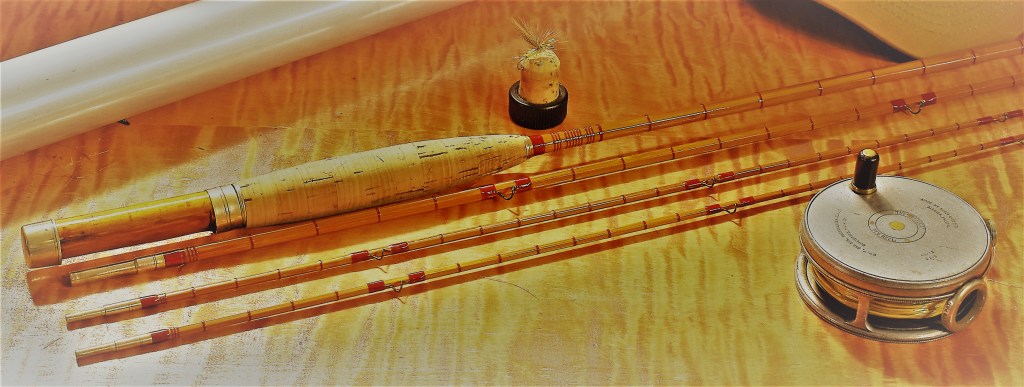
We had more than our share of frigid days during November, but December seems more kind thus far, at least to those of us who crave the magic of rivers. I am leaning toward bamboo today, dabbing a touch of varnish on a wild thread to keep my old Water Seal Wright & McGill rod whole late yesterday, in anticipation of the rod’s first foray of 2021. I like impregnated rods for winter fishing, finding less risk to their considerable longevity than the varnished rod I first acquired for an off-season rod. You can never be sure you won’t find an icy overcoat on a delicate rod tip when fishing winter days.

The mountains that bear their bright water to us have a wonderful capacity to trap rogue air currents, particularly along rivers. Way back in my youth, riding motorcycles more than proved to be good for me, I learned this little rule of Nature down in the lowlands where no more than a gentle undulation in the flat topography could shepherd a pocket of chilled air. Mid-summer surprises were discovered riding in shirtsleeves through the countryside, with sudden goosebumps. I have fished happily in winter ice-free, only to round a river bend and suddenly feel the chill, finding ice forming in the rod guides that had remained clear all day.

It has been three seasons since I cast my mini-tip line with the Water Seal, having tried it out during the incessant high water my first autumn in Crooked Eddy. Long enough that my memory fades as to the details of its casting characteristics. Prior to packing it up for the afternoon I will likely give her a go in the yard, just to be sure of my choice.

The Water Seal was the last new innovation in the Granger line of fly rods before the bamboo embargo put the Wright & McGill company and many others out of the bamboo rod making business in the early 1950’s. Mine is basically an 8642 Granger, usually a five weight eight-and-a-half footer in my hand. Impregnation however did more than protect the cane, it turned a perfect five weight fly rod into a more powerful six. That suits me fine, for a number six rod is better suited to the kind of fishing left to me once the magic season of the dry fly has passed.

Such stouter rods work perfectly for the somewhat inglorious casting of weighted soft hackle wets and small streamers and yet, being bamboo, they are still adept at delivering a small dry fly delicately should I ever encounter the Holy Grail on the rivers of my heart. Ah, the winter rise! I still dream of it, encountered along the limestone springs of my former home, and a few freestones and tailwaters.

Enough dreaming! Time to prepare for the day, and those brief, glorious hours wading the river. The sun is battling with the clouds, the winner yet undetermined. I will fish whichever way the contest is decided, though I am cheering for the orb, the giver of light and warmth.

December Light

Lessons

A trophy wild rainbow hovers in search of prey amid the crystalline waters of a Pennsylvania limestone spring creek

My winter reading has taken me back to my roots of late, just this morning dreaming again through the works of The Master. Ed Shenk wrote with the same friendly tone he conversed with, and I treasure the memories of our talks. I still catch myself wishing I could sit down with him in the comfort of my little fly shop as I once did.

I had learned of Ed early on, as my fascination with difficult trout and difficult waters drew me north to Pennsylvania from my Maryland home, finally meeting him in September 1991. It was after our meeting that I first ventured to the shrine of his Letort, the most famous trout stream in fly fishing. I recall creeping through the meadow at Bonny Brook, Ed’s favorite reach of stream, marveling at the mystifying combination of hanging willow branches, head high grasses, submerged logs, the bright green leaves of watercress, and the dark waving tendrils of elodea. My mind was ablaze: How in God’s name do you fish this?

Reading Ed’s words in his “Fly Rod Trouting” and haunting the meadows at his side the following spring, I began to learn the answers to that question. Thirty years later I remain captivated by difficult trout and the lessons of the Master.

The famous Barnyard meadow of the Letort amid the glory of spring! I learned many lessons here, including perseverance. One evening I fished to a tiny, irregular dimpling rise beneath an overhanging bush as the first sulfurs began to appear. Two hours later I finally enticed that reticent trout and won the ensuing battle that brought my largest Letort brown on the dry fly to net!

I fished the Letort often in those early years, driving two hours before dawn to haunt the meadows at first light in summer, hoping to catch one of it’s legendary monster browns out foraging over the weed beds on the edge of darkness. I learned of the ESP exhibited by those trout; crouching in the grass and searching with my eyes, only to have leviathan streak downstream from somewhere far above my hide!

I began to realize in those days that wild, old, trophy trout were a gift from the river. As an angler I worked hard to improve my stealth and casting, to tie better flies, but it was clear that all of that was not enough. Such work was how one earned the fleeting opportunities to receive those gifts the river gods might bestow. More often than not, the hard work was rewarded only by another harsh lesson, and not by a spinning reel!

Progressing over time, we learn to appreciate all that the rivers bestow. Eventually perhaps, we begin to earn opportunities for the ultimate elation.

I have learned to gratefully receive all the gifts that the rivers of my heart bestow, whether a simple moment of sunlight streaming down the valley to light a distant riffle, or the rise of a coveted wild trout. The Master taught these lessons not just by his words, but by actions; the way that Nature teaches them.

Old is New, Or Is It Old?

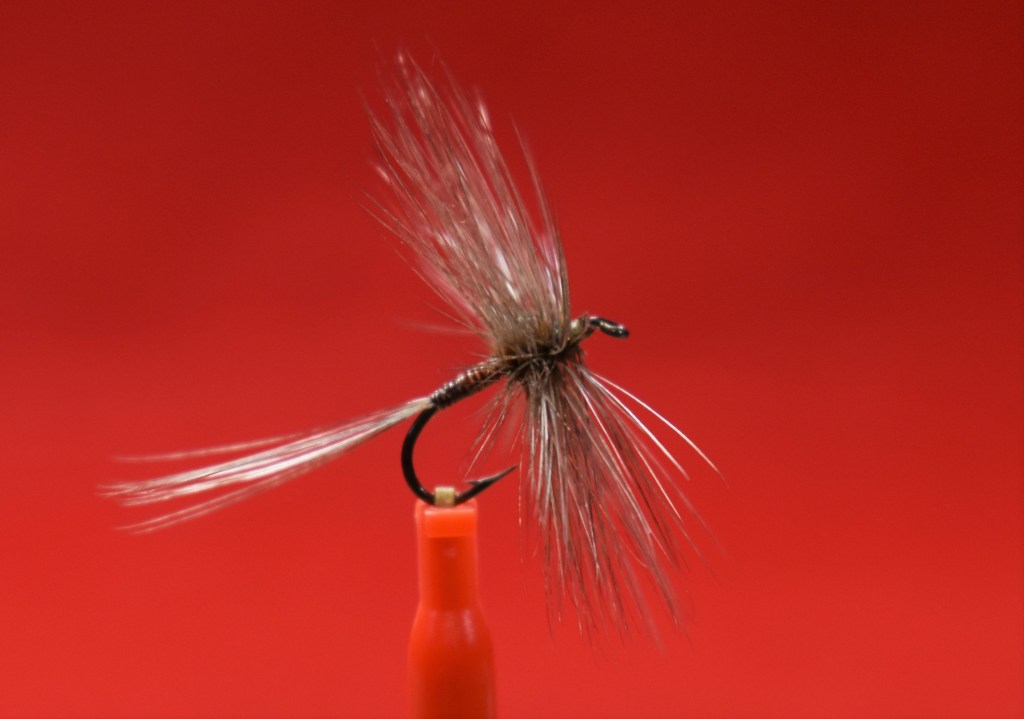
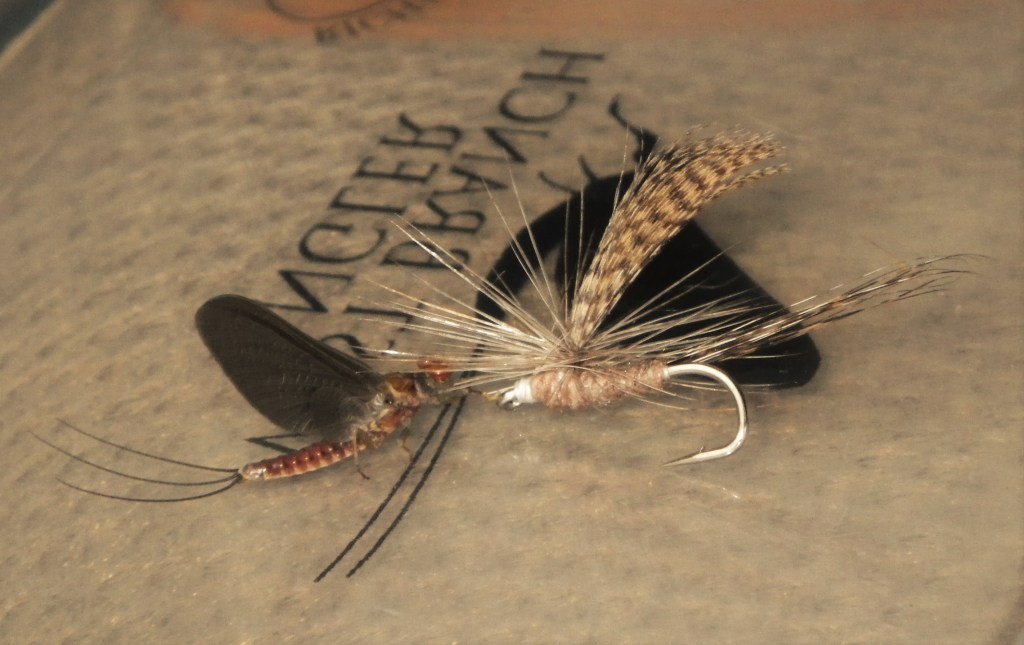
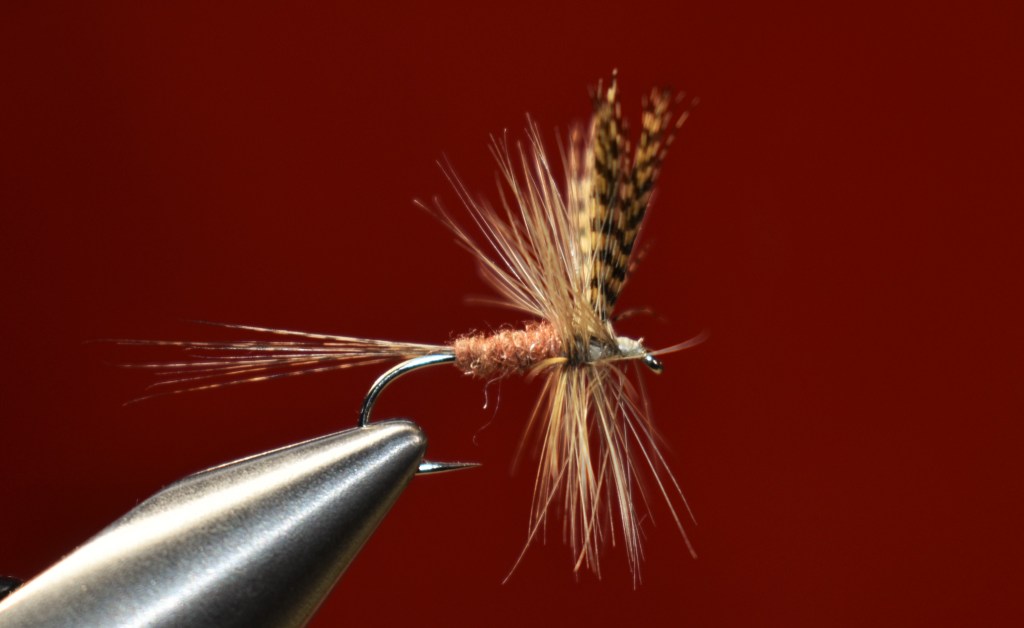
My Beaverkill Hendrickson, (a fly that shouldn’t be). My 100-Year Dun was inspired by the original style of Theodore Gordon with its single clump, canted wing of wood duck flank feather, as opposed to the “Catskill Style” of his followers: Cross, Christain and Steenrod et al. Both tied with identical materials, they sit the water with an entirely different attitude.

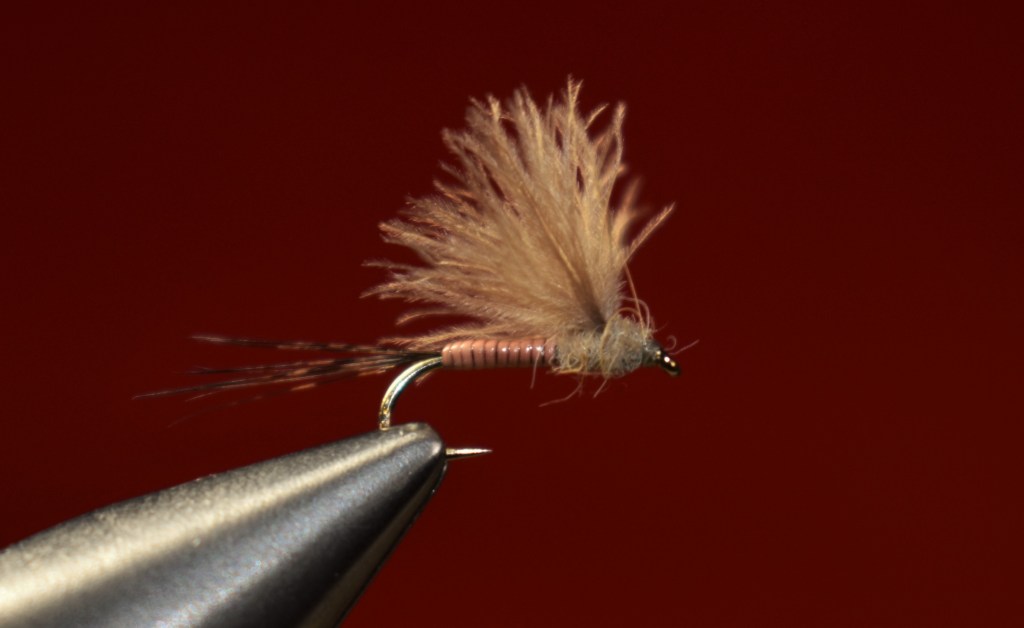
With light snow blowing around on as many mornings as not, I am still in that very early phase of playing with my winter fly tying. My activity slows down after early October and the end of our dry fly season. If nothing else that is another symptom of my withdrawal from the bliss of a full season with the floating fly. I decided to tie one of the flies I call my “Beaverkill Hendrickson” yesterday afternoon for a touch of therapy, a Catskill tie, then followed it quickly with a pair of the same in my 100-Year Dun style.

That Beaverkill Hendrickson is one of those mayfly imitations one shouldn’t have to tie. It is contrary to the established facts of our Catskill entomology. The learned have long ago set down the rules for the mayfly we commonly call the Hendrickson, that magical bug that brings the first enthralling bliss of spring. The females are the larger of the species, imitated with a light tannish body, tied on either a size 12 or size 14 hook. The males are smaller, hued in that darker reddish tone that inspired the much darker Red Quill. We all know to tie our red quills in sizes 14 and 16.

Fishing the Beaverkill early in my first spring as a resident angler, I plucked a large, active dun from the chilly air with some surprise. This certainly looked like a Hendrickson, but it was a touch large for a size 12 imitation, and it clearly wasn’t tan. The bug was the ruddy shade that brings to mind old, worn bricks. Far more red than pinkish, the fly appeared to be an undeniably huge Red Quill.

Back at my tying bench that evening, I set to work upon a solution. A darker blend of fox fur, colored and enlivened with the sparkle of Antron fibers in a lovely brick red shade. The blend proved a near perfect match on the water, and I have taken a number of fine large brown trout with the flies I have tied with it, whether CDC patterns, Catskill ties or my homage to Gordon’s legacy. I encounter the flies each spring on that river, along with the accepted tan size 14 Hendricksons. Having not found the big red duns anywhere else, I labeled my initial baggie of blended dubbing “Beaverkill Hendrickson”.

I do not entertain any notions that this is a “new” mayfly. I feel confident that it is a Hendrickson, and accept that Nature doesn’t read the collected works of either fly fishermen or professional entomologists, and has her own way with all wild things as she sees fit.

I do tend to tie more of them in the 100-Year Dun configuration than the historic Catskill style. Having tied and fished this style of dry fly during a variety of hatches, I am confident in its ability to deceive the more difficult and selective trout I encounter during a hatch. A riser in the fast, broken current will likely take the Catskill tie, as will some where the flow calms. The 100-Year Dun rides all speeds of water well, and excels in the flat, clear flows where trout enjoy the luxury of more detailed inspection.

The accounts of Mr. Gordon agree as to his secretiveness and skills of observation as concerns his fly tying and fishing. Indeed, his solitary lifestyle would have lent itself toward quiet observation and contemplation, particularly while seeking to adapt English dry fly techniques to the wild American waters. Working from Frederick Halford’s English patterns he chose the single canted wing as opposed to the divided pairs of his predecessors. Likewise, he chose the beautiful, barred feathers of the male wood duck’s flank for that wing rather than a gray feather more closely matching the primary color of most spring mayflies. An experiment? Perhaps one undertaken in recognition of the mottled feather’s greater impression of life when lit by sunlight?

As my winter reading broadens, I will most certainly revisit his notes and letters as collected in John McDonald’s classic “The Complete Fly Fisherman”. I will search those pages for some mention of Gordon’s inspiration in this regard. Whether I find it or not, l feel certain his choice was more a product of his thought and observation than of the simple practicality of easy availability.

In the pair of flies photographed at the beginning of this post, you will note my own preference for barred hackles. The tailing is taken from a speckled grizzly variant Coq-De-Leon saddle, and the wrapped hackle from one of Charlie Collins’ spectacular barred dun dry fly capes, one with a rusty tinge to the darker dun shade. When I tie them, I picture the light sparking and reflecting from the surface of the river to the fly, and the myriad reflections those barred and speckled materials offer to the eye of the trout, a vivid impression of life!

Golden Moments

December seventh, and it is twenty-six degrees as dawn comes to Crooked Eddy. There is snow in the forecast for tomorrow, and a walk outside today would convince anyone that winter has taken control.

But ah the vagaries of weather! Yesterday dawned much warmer at forty-one, and though the sun was not promised, the afternoon would see temperatures above fifty before the winds howled to the forefront. A window through the pall of this early winter, and I saw it clearly! I layered well before donning my waders, heading out to steal a few hours upon bright water.

No, the sun wasn’t promised, and that promise was kept. Heavy cloud cover and damp air seem to be constants this time of year, and with them the warmer air still doesn’t feel quite warm, but the river gravel beneath my feet brought a comfort. In December I fish for one bite.

The sculpin I had chosen proved too eager to find its niche among the rocks, so I tried a little fox hair streamer for a while, eventually deciding the conditions required just a touch less than neutral buoyancy. An unweighted tie, a reduced version of my Hen & Hare’s Ear fit the bill. Swung over the deeper places in the pool it just bounced over the tops of the larger rocks, flitting and flirting with my hope for an active trout.

Suddenly, one of those bumps over the rocks gave way to a vibration, and the old electricity travelled along the rod shaft straight to my heart. I was fast to a fish! This was no sluggish, cold-water sleeper, this was a trout with shoulders and a song in his heart.

He charged about in search of a sharp edge on one of those rocks, as I did my best to keep him from finding one. I turned him hard one time and he responded with a leap, a fine fish and energetic to the end. The rod was stout, as was my leader, but I gave him his head and enjoyed his vigor with a thankful smile.

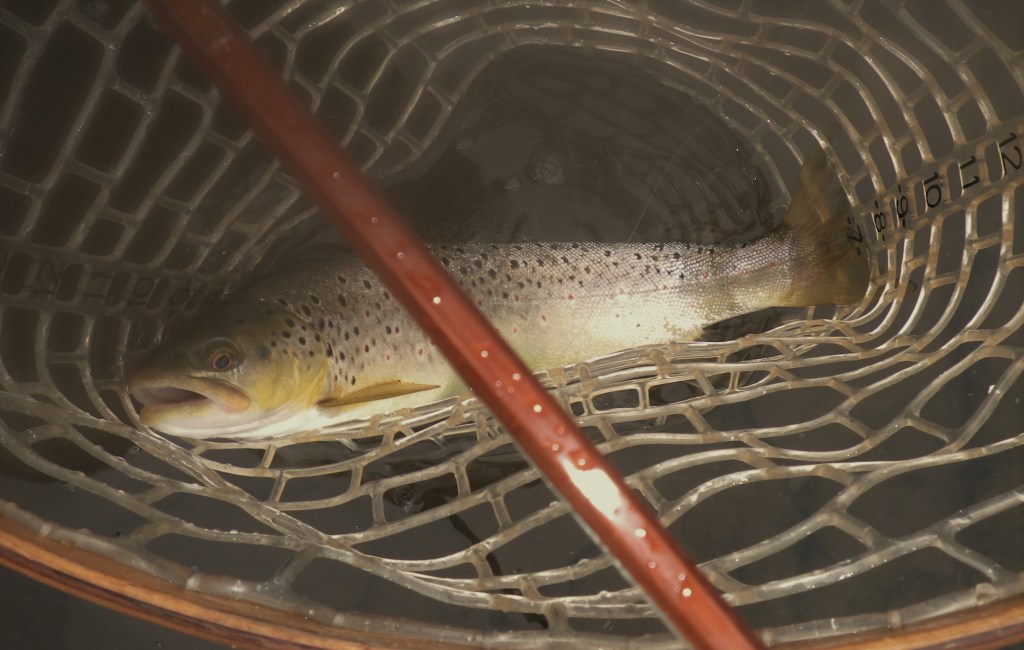
Slipping the hook out gently, I held him against the length of the net, admiring the deep bronze and gold, his red spots twinkling even in the gloom of this winter day. Released he was off with a flourish, taking my gratitude and my salvation with him.

As morning blended into afternoon I noted the slightest lightening of the sky, a far-off glimmer behind the heavy gray of the clouds, before the wind and rain returned. Such are Nature’s golden moments, subtle, though precious reminders of the beauty and magic of wild rivers.

I know not when another window may open in the curtain of winter, when I might chance to wade bright water and seek the energy of its magic again. For now, I will savor the moment and pluck a few more feathers from the pheasant’s skin; craft another bit of magic of my own.

Thirty Years

Hendrickson’s Pool, more than a decade after I first glimpsed its historic environs. I kept coming back…

To the best of my knowledge, it has been sixty years since I first held a bamboo fly rod. My grandfather was the fly fisherman in our family, born in Massachusetts’ Berkshire Hills, he returned when he could to fish the brooks and rivers he grew up on. Pieces of his old, broken bamboo rods I found in his garage early on became my playthings. When I was five, he strung up the rod he fished with and placed it in my hand, showing me how to wave it back and forth to cast the line. That brief moment left an impression.

In 1990 we moved from Southern Maryland to Ellicott City, an historic old town west of Baltimore, and I found myself at last close to trout streams. The Patapsco River, Morgan Run and the Gunpowder Falls drew me to their bright waters, where I fished for trout with an ultralight spinning rod. It was a beautiful experience, something I had longed for since boyhood, but there was something missing.

On the Gunpowder I chanced upon a fly fisherman, and there before me was that old rhythm. As I watched the line roll back and forth in the air, then thrilled as the rod arched with a splashing trout, I understood my path. When next I visited the stream, I carried an eight-foot fly rod. I learned some from reading, and watching Scientific Anglers’ video series that was broadcast on our cable TV, but most of all I learned from time on the water. My fly rod took me further afield as I discovered the limestone country of the Cumberland Valley and the glorious Catskill Mountains.

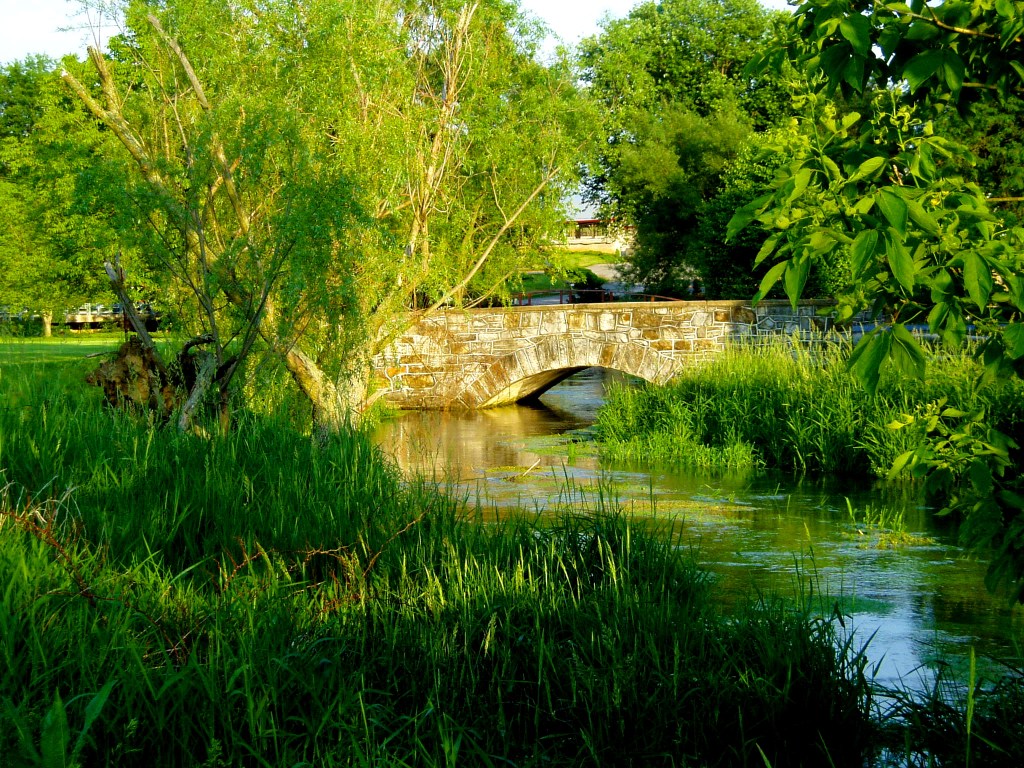
The last stone arch bridge crossing the Falling Spring Branch in Chambersburg, PA, captured on a June evening with sunlight dancing upon the water.

Seemingly before I knew it, I found myself thirty years downstream, living in those same Catskill Mountains and taking my soul’s sustenance from the bright waters which rush and glide from their summits. A bamboo fly rod simply belongs in my hand now, a part of me as inseparable as the hand itself.

Life is measured in time, but for me the value of life may be measured in river miles. The years twist and turn, following the meanders of the flow. It is a continuous journey, for even though I may tread the banks by trails my feet have grown accustomed to, no river remains the same; it is new each moment of each and every day, vibrant and magical.

Looking back there has always been wonder in my time along rivers. Much that I struggled to learn has been folded into my mind and my heart now, thirty years of experiences, trials and errors, victories and defeats. Though I am counted an old hand at this fly fishing game, all of that wonder remains. In the quiet moments of solitude, working a trout rising to something I cannot see, the magic and mystery of it all tantalizes my imagination. Those of us touched by waters live for that moment!

Flurries and Fixations

Taking my river walk just now my thoughts were all of fishing. With flurries in the air and the daily temperatures hovering near freezing it seems like the bowels of winter, and that taxes my spirit of the endurance required to navigate five fishless months.

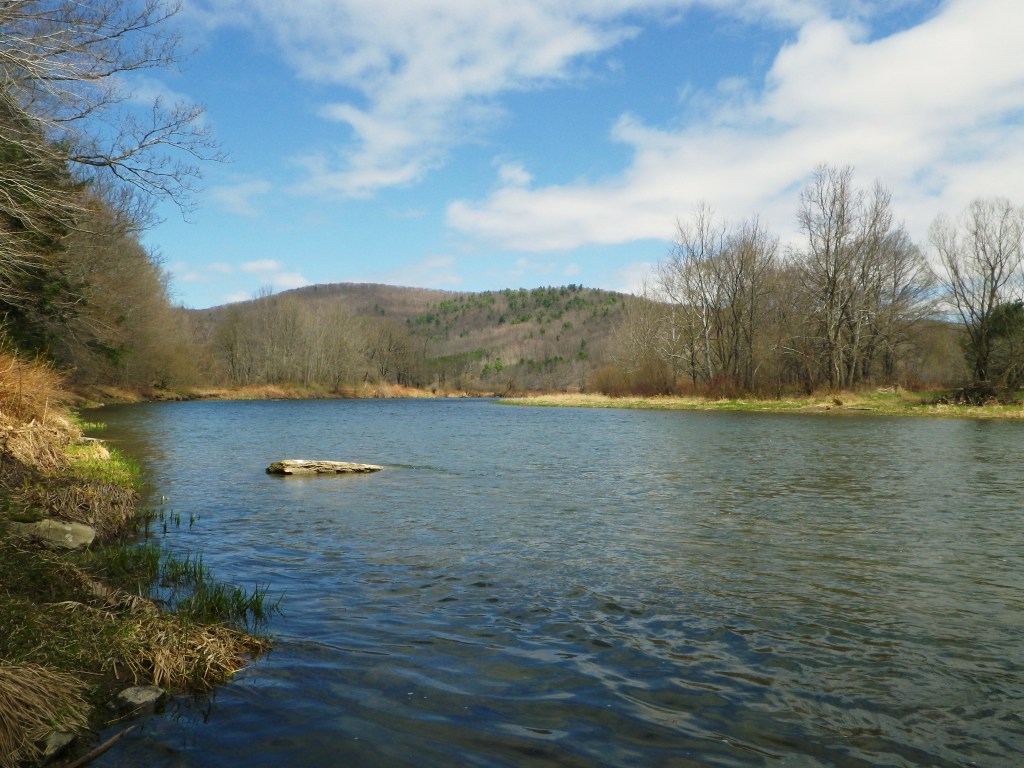
The river seemed dark and brooding, though the water has cleared from past rainfall. With no sun to illuminate it’s bottom, there is no hint of the life within. The Delaware tailwaters continue to carry high flows, and I wonder if the City will be generous throughout the long months of winter. Hurricane season ends today, and it would seem reasonable now to reduce the dam releases and draw down the reservoirs gradually, to maintain a steady flow sufficient to allow the river life to flourish. Some fellow veterans of the Catskill rivers are looking to this watershed year to fulfill the promise of a wonderful season in 2022. May it be so!

With the feel of winter in the air, my thoughts are drawn to spring. I should take advantage of this time and begin the chores of winter: polishing rods, oiling reels, and sorting fly boxes so I might chart the course of the heavy burst of fly tying that will soothe me through the long absence from bright water.

My 100-Year Dun, tied for the Quill Gordon, awaits that first hatch of springtime. I’ll tie more of them, in fourteens and sixteens before those chilly, blustery afternoons in April cause my pulse to quicken.

Looking back at the season just completed stirs the excitement I always feel when thinking of the Hendrickson hatch. It was truly the hatch of 2021 along the rivers of my heart and I dare to hope for another thrilling display when the April sunshine warms the rivers once again. There are many patterns I experimented with that proved essential this year, and I must ensure there are plenty snugged into my boxes for the season ahead.

Soon I must visit my friend Dennis and bring a rod or two in need of his talents, that they may be ready for the spring campaign. Wear and tear happens, even with the most cherished bamboo, and small things must be attended to lest they become more significant.

I’ve given up returning a certain pair of leaking waders, since the original pair and two replacements proved insufficient to keep me dry for a single season. Luckily there is a pair purchased last winter I can rely upon, and another passing a decade of use that still manages to keep the river on the outside.

I’m hoping that the monthly meetings will continue for the Fly Tyers Guild, as they provide a touch of socializing as we share ideas for fish catching flies. I appreciate these little gatherings, as I no longer attend the winter fishing shows.

I have already begun my winter reading, thankful that I have added a handful of volumes to my collection. They will provide some new thoughts and remembrances on the days I am not reading one of the classics again.

Beyond cleaning my reels, I know there is an empty spool for one of my old Perfects that must be fitted with backing and a proper line. Acquired as summer waned, it has languished until now. I am thinking it should carry a four weight line, but which one?

There is much to do, and all of it contrived to keep some part of me connected to bright water. The rivers are my sustenance, and I cannot get enough of them without wading amid the gravel and the rocks. Perhaps December will usher in a more seasonable run of days, forties as opposed to thirties would encourage some late autumn outings, and the chance to wade and swing a fly. Ah what I would give just to see the sun!

Pondering the Golden Age

Dana Lamb’s “Pigpen Pool” on the hallowed Beaverkill River above Roscoe, New York.

It is no secret to those who know me well that I am somewhat of a lost child of the Golden Age, born too late to angle the Catskill rivers with the likes of Dana Lamb, Edward R. Hewitt and Sparse Gray Hackle. My shelves of angling books sag a bit from its load, and my favorites of all are the tales of those glorious years between the great wars.

How I would have loved to compare my Thomas rod to the Paynes and Leonards in lively discussions at Keener’s Pool, and offer my own tied flies to those “German Browns” many anglers so heartily disapproved of. Talking patterns over a drink in Harry Darbee’s front room seems a perfect way to spend an evening, once the mayflies have ceased their sky dance o’er the riffles.

Chilly fall and winter days draw me to that bookcase, where I can relax and take a walk back in time.

I began this year’s withdrawal from the dry fly season with my favorite author, the late Dana Lamb. His nine books required a bit of time and searching to acquire, but I relish our time together each autumn. The volumes are not readily available, for they were printed in small editions, though a complete collection is certainly attainable. For those who romanticize the angling of the Golden Age they are manna from heaven. Lamb spoke evocatively of the beauty of the rivers and the countryside, the importance of friendships, and the honor of the simple country people who boarded the visiting anglers and gunners when the Catskills were still wild.

I chanced a morning deer hunt early today with the expectation of a snowfall that failed to appear. When the rain had grown steady and soaked my gloves, I surrendered to the warmth of the car. Driving back along the hallowed private waters of the upper Beaverkill, I could not get Lamb’s words out of my mind, so I spent this afternoon with him as my companion, savoring the last of those nine little volumes.

Though much has changed in this last century, the Catskills are still a haven for natural beauty and wild trout. Skilled fingers still wind silk and wood duck flank, fox fur and cock’s hackles to form classic dry flies like the Hendrickson, the Light Cahill and the March Brown; and a few of us still cast them upon these bright waters with the old cane rods and English reels of the Golden Age.

Hendricksons

I sit and ponder the wonderous experiences missed being born a century too late. Those who have gone before tell similar tales though: both tales of great battles won and lost with magnificent trout, and tales of thoughtless greed and the destruction of their angling paradise. No age of man is without struggle.

Though there are vistas no longer visible in these mountains and river valleys, the beauty of the rivers remains, even if sometimes crisscrossed by the bedlam of massive highways. Conservation, in its infancy during the Golden Age, has advanced along with the popularity and accessibility of our hallowed fly-fishing waters. Beauty endures, though solitude must be hunted.

The final words from Dana Lamb’s last book form a vivid prayer for anglers:

“Come sit beside me at your favorite stretch of stream

The sun is off the water and the light wind dies

A hush comes on the valley and the birches are still

The shadows creep across the fields and up the hill

The dancing mayflies suddenly are gone; the daylight fades

The moon comes up; the tiny lanterns of the fire flies appear

Backwater bullfrogs croak as planets take their places in the sky

And toads commence their mournful music in the marsh.

May God forever guard our streams and keep them as they are tonight

For us and for our people still to come until the endless end of time,

God bless you all.”

Dana Lamb