Anniversary

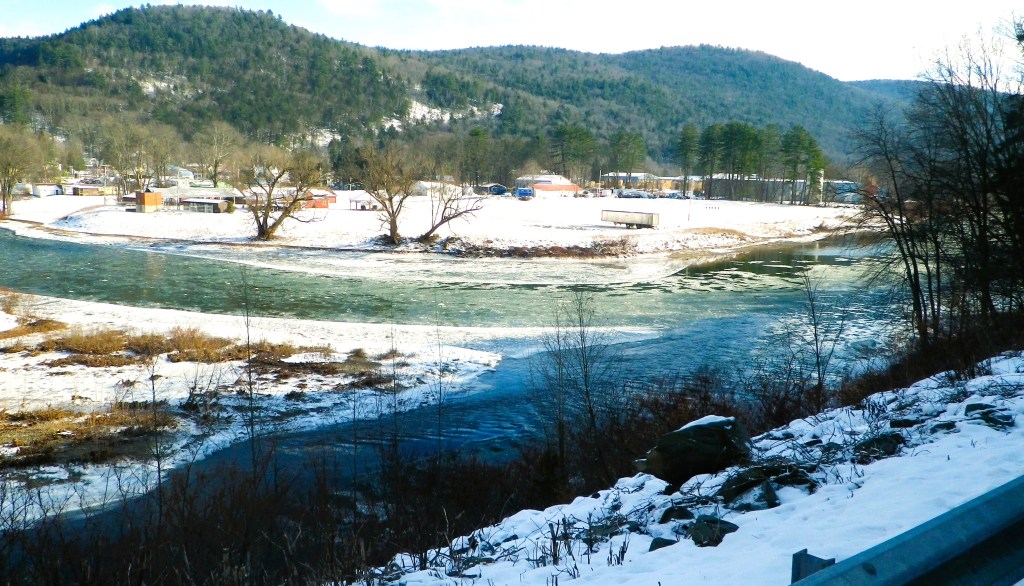
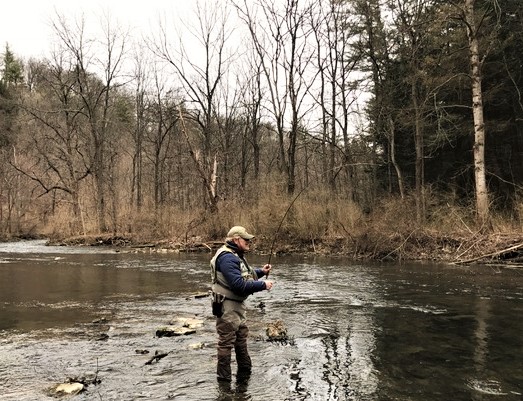
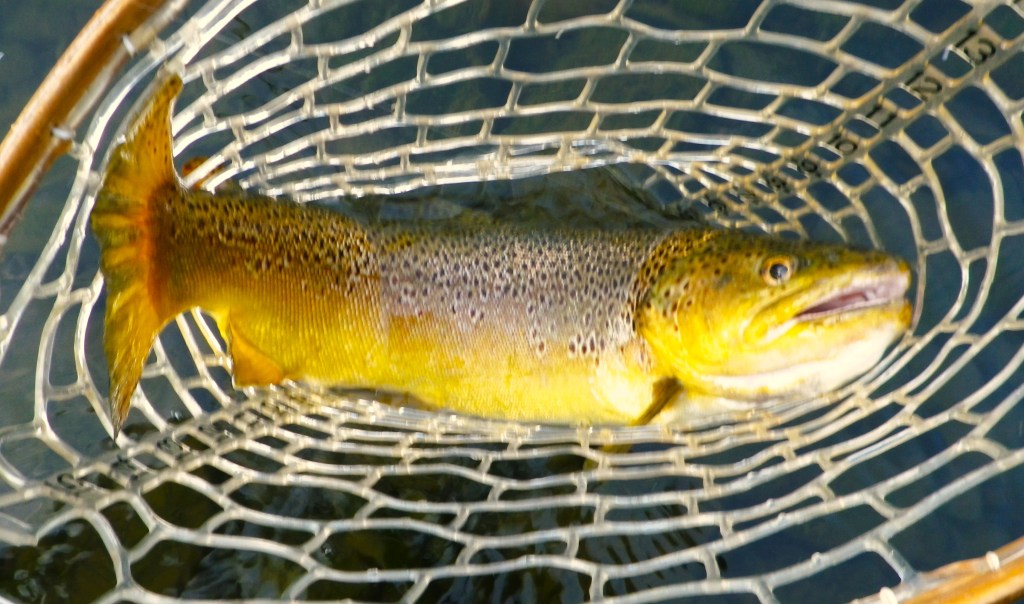
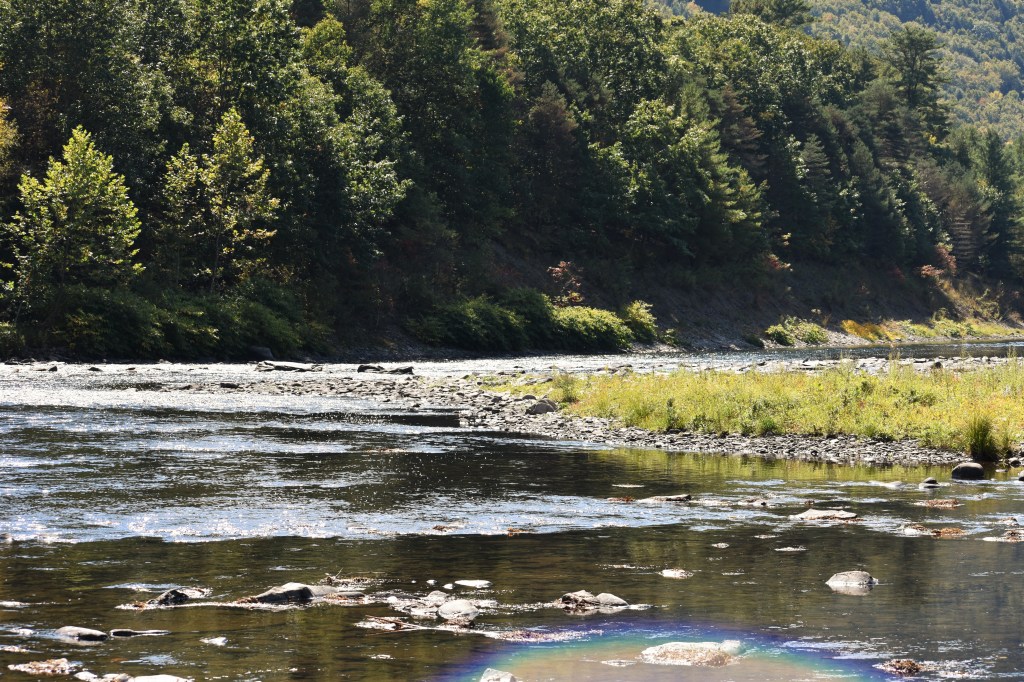
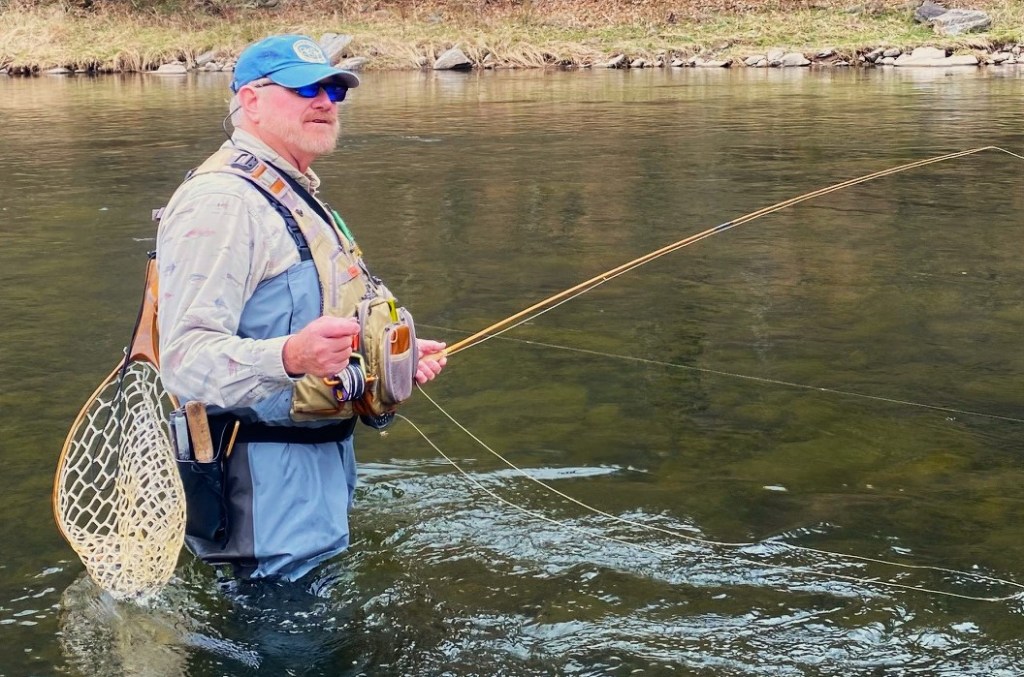
Bamboo on the Beaver Kill (Photo courtesy Chuck Coronato)

I will soon pass an anniversary date, one counting five years writing this blog. Time rolls by, season after season, and I still look forward to these mainly early morning hours to reflect and share my thoughts and impressions from the shrine of bright water. Retirement is truly a blessing, allowing me not just to achieve my oft uttered goal of fishing one full season upon the Catskill rivers of my heart, but to continue this life for six years running. To all who have visited and followed these meanderings, I thank you.

I should be tying flies today. There are ideas requiring action, and a few display flies to be crafted and photographed, but I am caught in that post-season whirlpool of scattered directions.

Tomorrow evening the Guild will be tying favorite caddis patterns, and at the very least I need to get out the materials I will use to tie a few of mine.
Ah the humble caddisfly, giver of wonderful gifts!

It has been a good expanse of years since I encountered a truly heavy caddis hatch, one of those that cause the trout to become maddeningly selective. The late Gary LaFontaine’s venerable Emergent Sparkle Pupa has proven to be without peer in these conditions! I count myself fortunate to have learned to tie this legendary fly from the man himself, a memory I shall always treasure.

Season in and season out though, I find sparse emergences, a handful of egg layers, or a brief flotilla of spent caddis on the water. One could carry an immense selection of patterns to copy all the sizes, colors and stages of these flies, but I do not. In truth, I designed an all-purpose pattern nigh on twenty years ago that suits my needs season after season. It has taken some prodigious trout!

I guarded this secret for fifteen years, a long span of time during which only four human beings walking trout waters knew the secret. I tied a few idly at Flyfest two years ago, then demonstrated it last winter during one of our Guild’s Zoom meetings. That came back to me with a smile a month or two ago when a young fly tyer pulled me aside at the autumn Roundtable to show me the flies he had tied from my instruction.

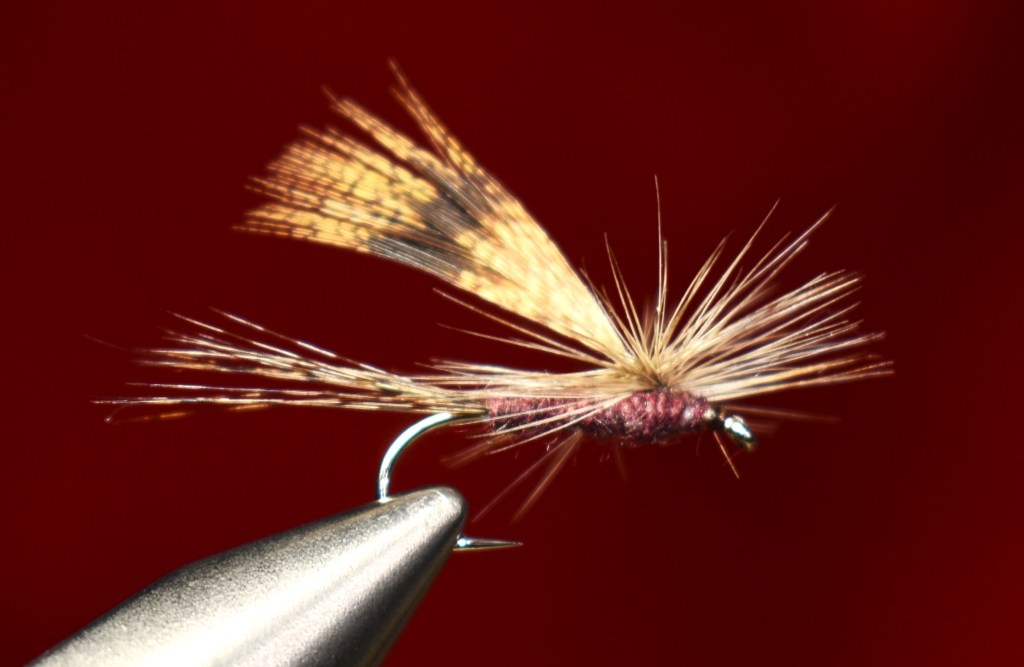
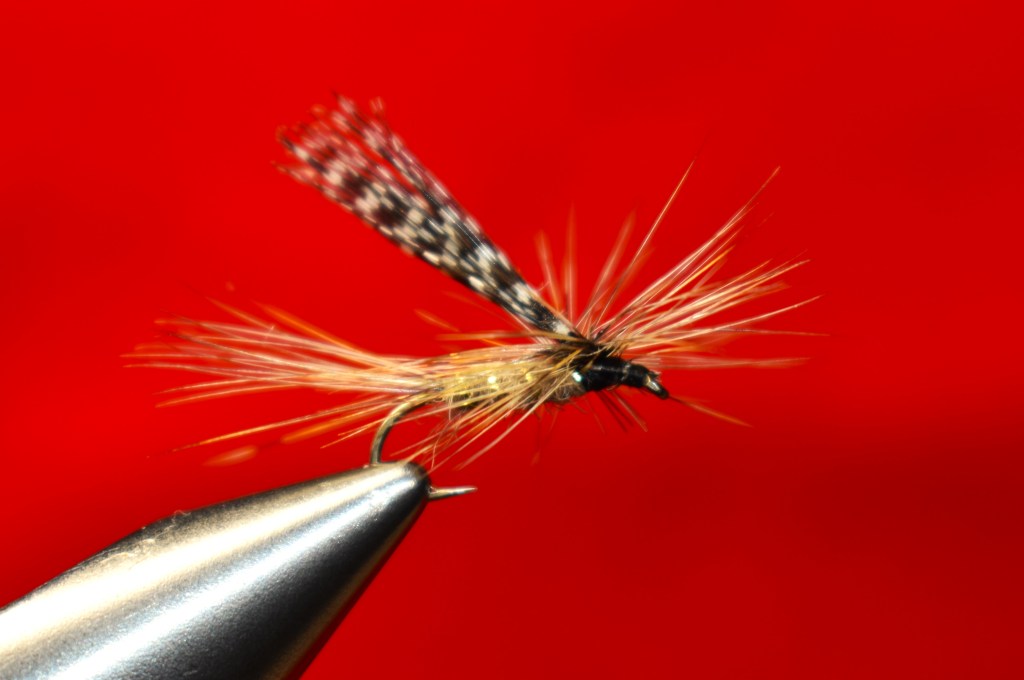
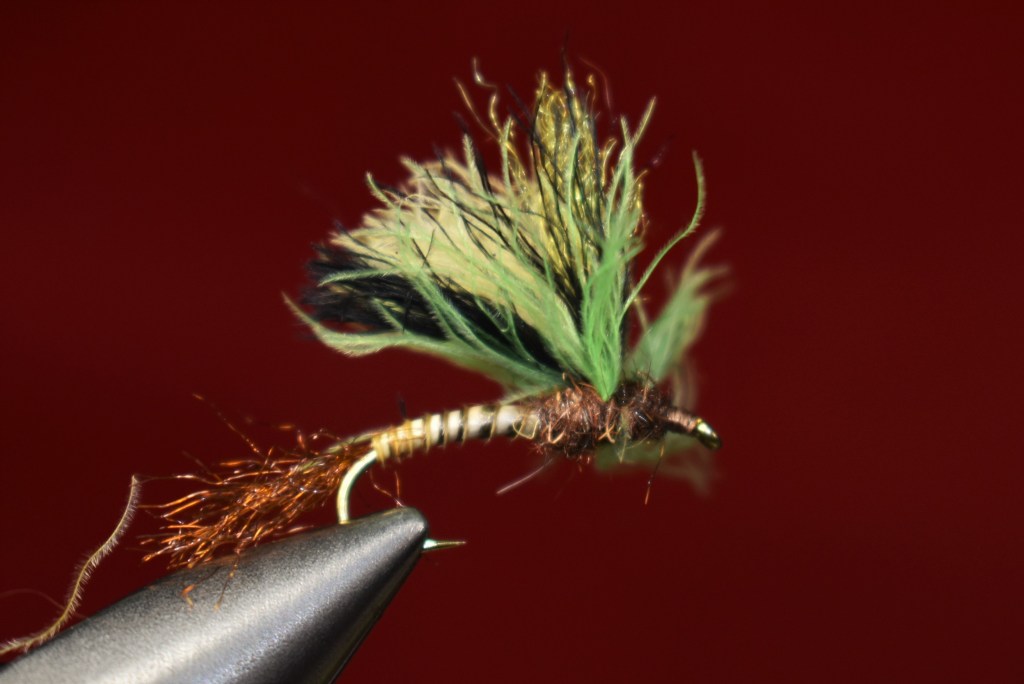
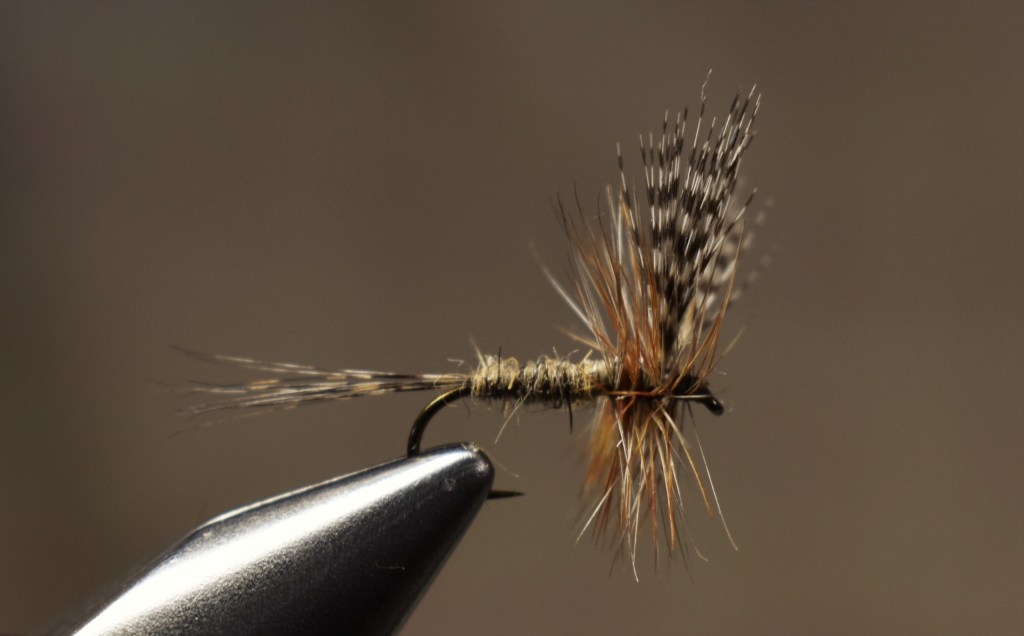
Old faithful, the CDX in it’s tan caddis guise that fishes for many months of the trout season.

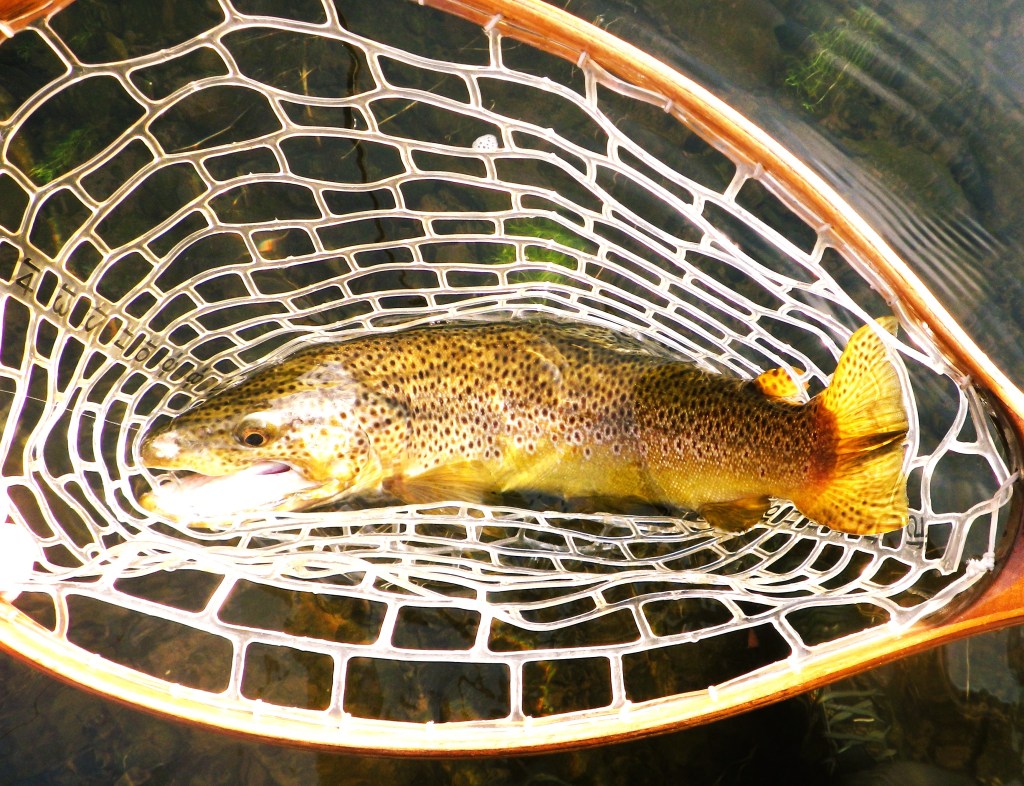
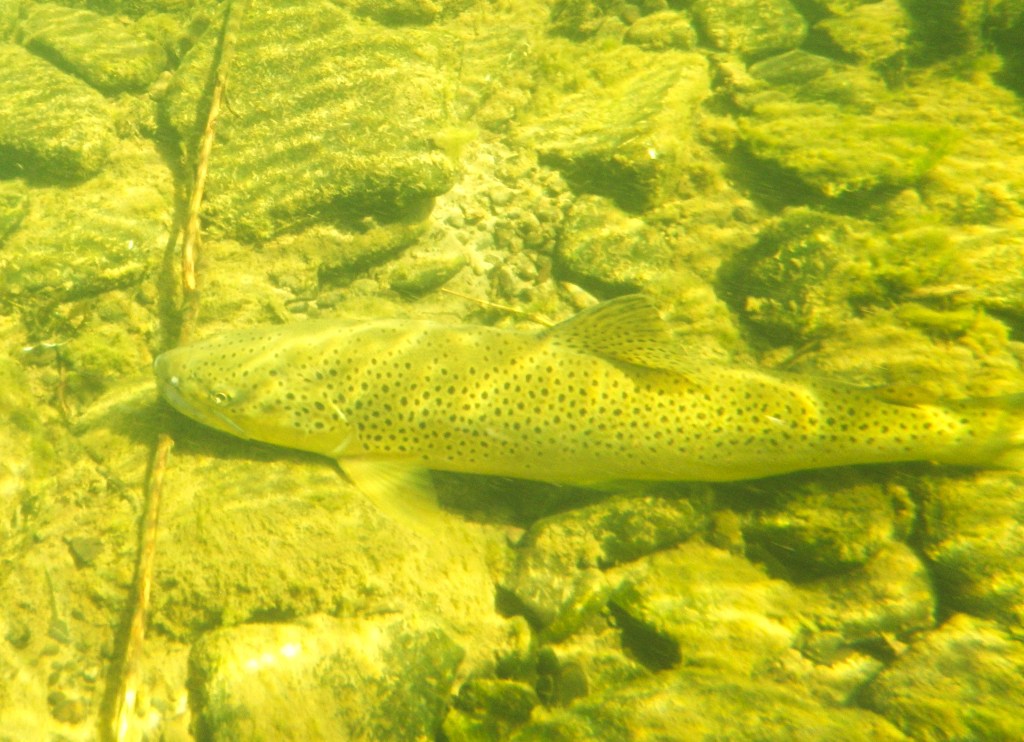
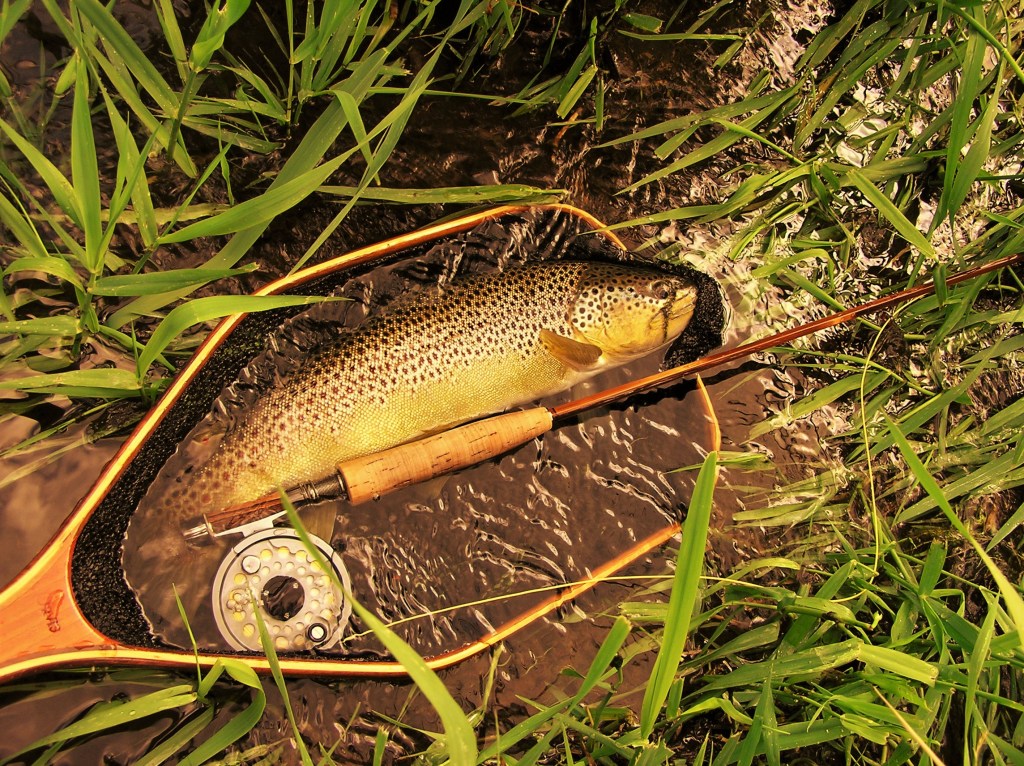
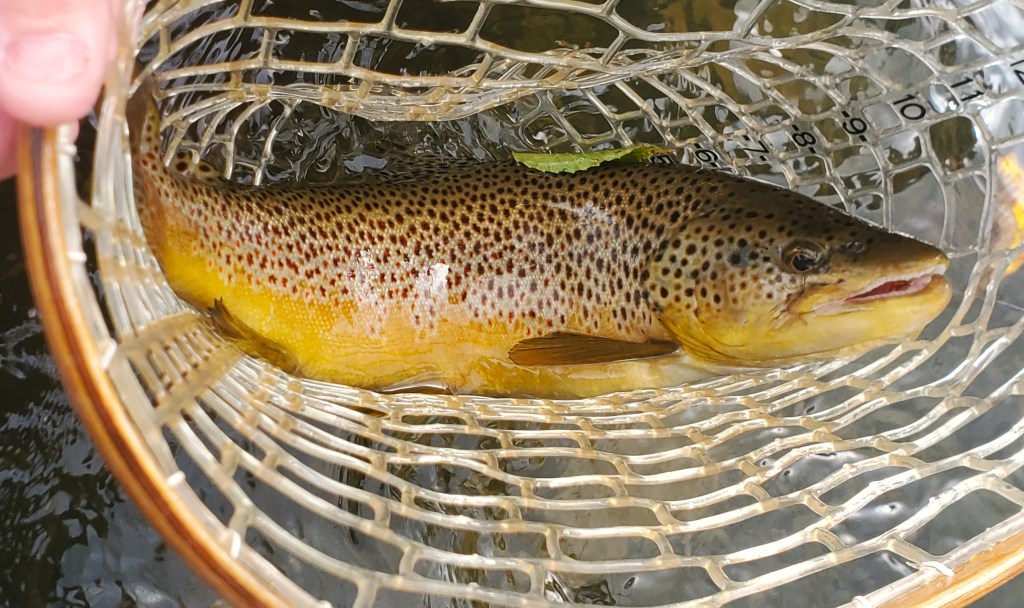
The fly I dubbed the CDX has landed my life’s largest wild trout, a true leviathan exceeding ten pounds. That fish took a size 18 tan pattern like the fly pictured above. A pair of Delaware River browns measured at better than two feet, a 25-inch Beaver Kill brown just last May; there are honestly too many to count. This little caddisfly has been the gift that keeps on giving!

I designed the CDX with inspiration from Craig Matthews X-Caddis, some classic Catskill patterns, and a great deal of fishing and observation. Trout slash at caddisflies because they are excited by their movement, the light sparkling from the gas bubbles that power their emergence, and their easily recognizable profile. My thought was to take advantage of all of these factors, to craft an easily tied pattern that would be versatile enough to fish effectively regardless of whether the natural flies were hatching, egg-laying or spent.

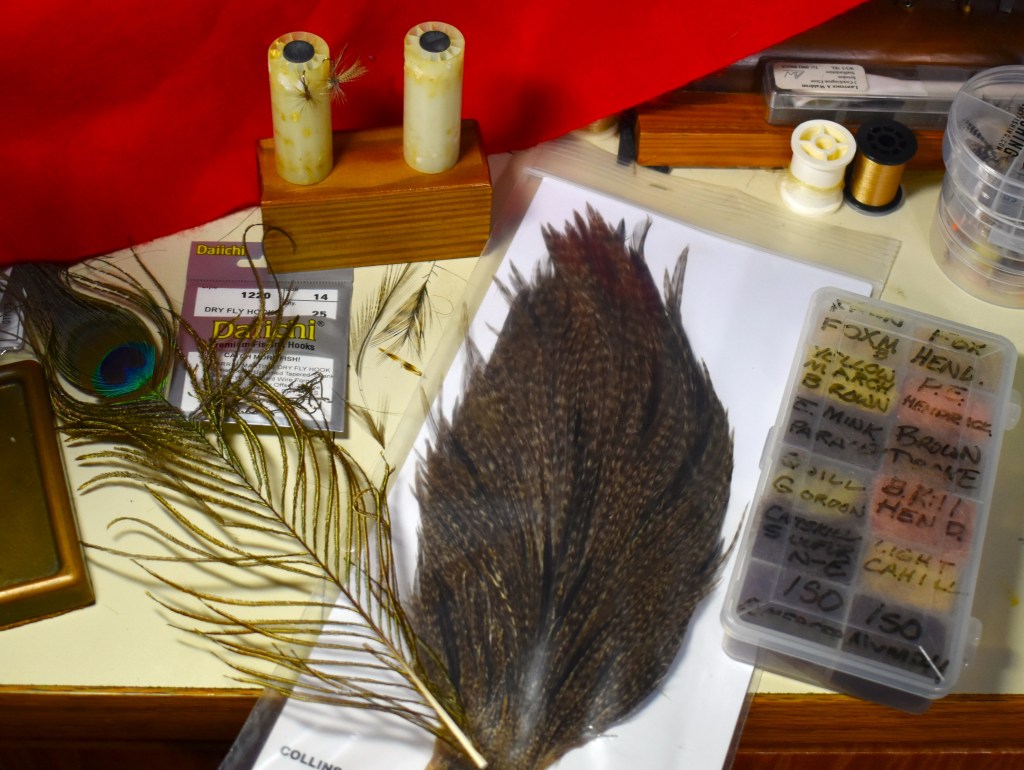
In these Catskills, I tie and fish the CDX for Grannoms, Shad Flies (Apple Caddis) both light and dark, Psilotreta (The Dark Blue Sedge), various tan and cinnamon caddis, springtime’s little black caddis and the tiny green caddis of summer. Color is important to me, and I blend specific dubbings to match each of these naturals. The formulas are generally a spiky fur blend such as fox fur with guard hairs from squirrel, a small amount of Antron dubbing and short chopped fibers of a coarser Antron yarn. All are chosen to get the color of the natural, adult caddisfly just right.

The dubbing blends require most of the work, but I simply blend a good supply of each and store them in small plastic zipper bags or dubbing dispenser boxes, each marked for the matching fly. Wings are CDC puff feathers, something that is still readily available in small sizes, but tougher to find in larger ones. Two puffs are the usual choice, tied in so the natural curve of the plumes depart from one another. If your puffs are too wispy for the size of fly you are imitating, add a third feather on top of the two spread wings that is centered along the hook shank. Match the natural fly’s wing color as best you can with the CDC.

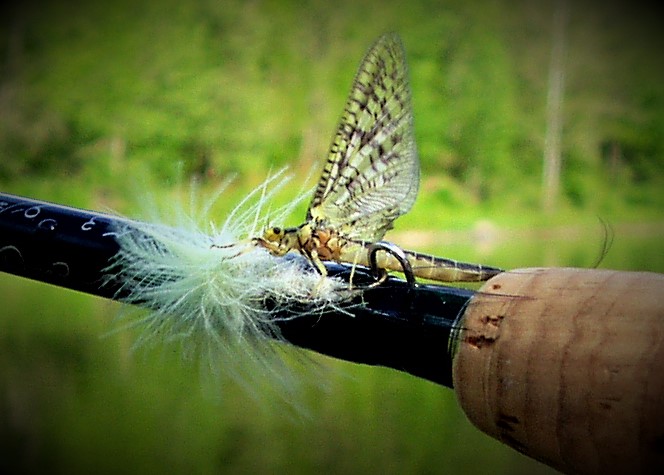
Don’t listen to all of those fishing reports that publicize the wrong size flies for matching the caddis hatch! I have read and heard too much about the Shad Fly or Apple Caddis being sizes 14 and 16. Bunk! Look at the bug! The body length is typically commensurate with a standard size 18 dry fly hook. I have seen isolated cases when the match was a 16 or even a 20. Choose your dry fly hook to match the length of the body. The wings are tied longer to match the naturals and extend well past the end of the body, past the hook bend. Flying caddis appear larger because their wings are much longer than their bodies.

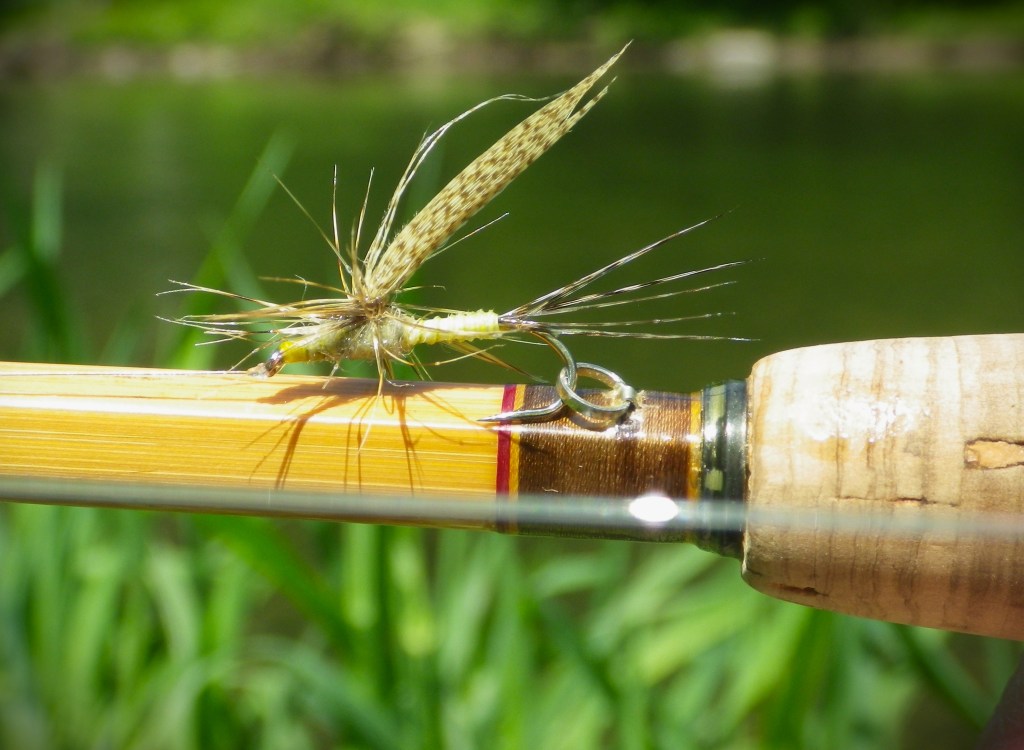
CDC gives the magic of movement, for the splayed wings play in the current and flutter with the breeze. I love barred hackles to complete the image of motion, choosing colors which complement the color of the fly’s wings and body. At first glance, one might assume my pattern has a trailing shuck, but I offer a fine distinction here. You will see trailing shucks on many dry flies and emergers, usually fairly heavy hanks of Z-Lon, Antron or another “sparkle” yarn. I did not design the CDX to have a trailing shuck. I wanted a few trailing air bubbles and a hint of sparkling light and motion. I think of this as a “bubble tail”, tied in short with just a few ragged fibers of crinkly Z-Lon or Antron yarn pulled over the edge of my scissor blade to add some crinkle. I don’t want a thing back there, just bubbles, light and motion!

The CDX Shadfly: You can see the movement in the still photo, and the trout will see it in the water!

You can start with a packaged dubbing if you don’t have the color from direct observation of the insects to blend your own. Blue Ribbon Flies’ Z-Lon Dubbing is available in a Hydropsyche Tan color that is excellent for a variety of our tan caddis. Their Brachycentrus is a nice match for the Grannoms. I have never encountered the perfect package of dubbing to match the Shad Flies. A few shops market apple green dubbing in soft beaver or rabbit fur. Start with that and add some short, light squirrel guard hairs, pale tan Antron dubbing and some chopped tan Antron yarn to make it “buggy”, with a little bit of sparkle.

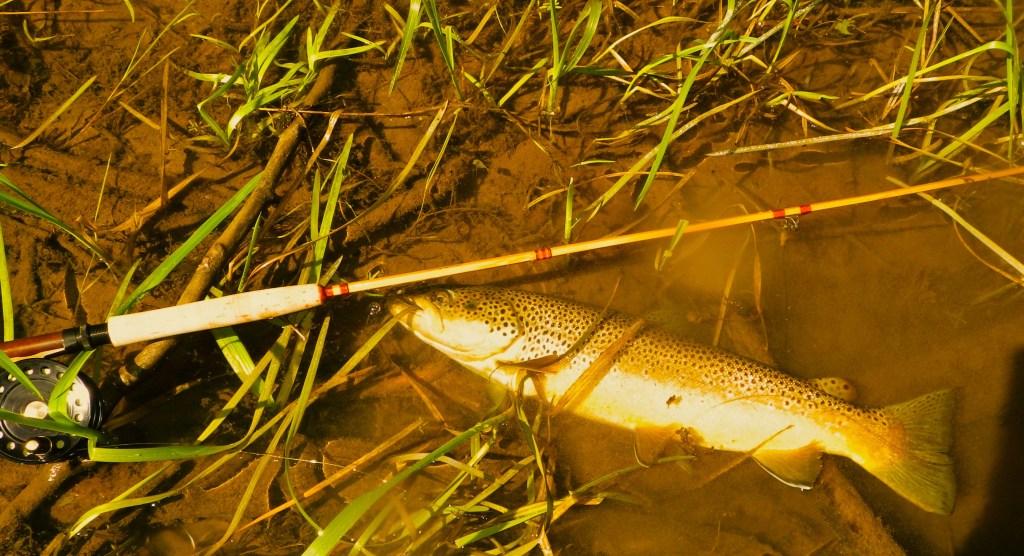
I have many fond memories of days upon Catskill rivers with a Shad Fly CDX in size 18 tied to a 5X tippet on my bamboo rod. Try it out for yourself my friends!
December

The Catskill Adams

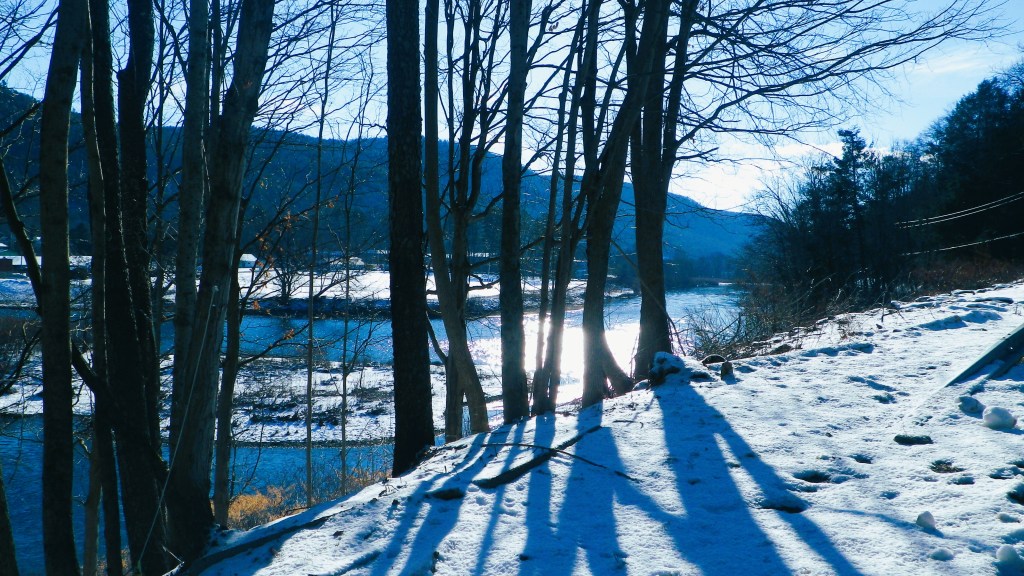
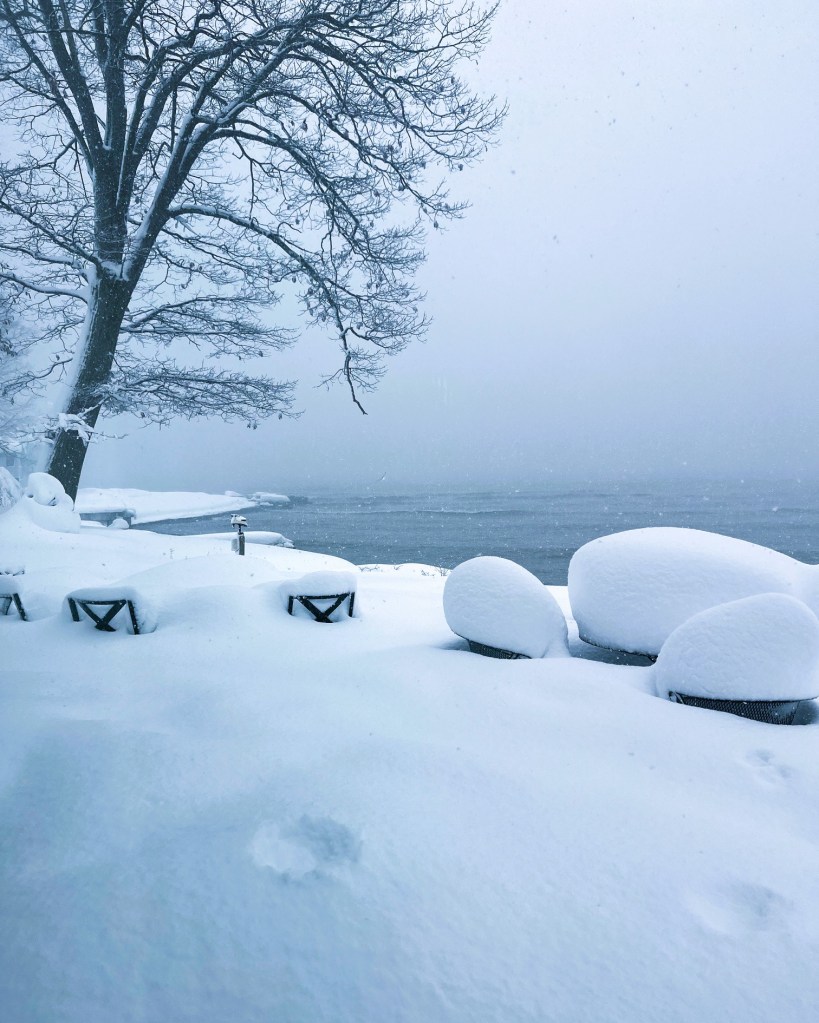
December, and it is twenty-four degrees here in Crooked Eddy. The first month of the Catskill angler’s winter lies behind, thus only four months remain. The early cold and snow makes it seem like mid-winter, as our highs will stay close to freezing all week.

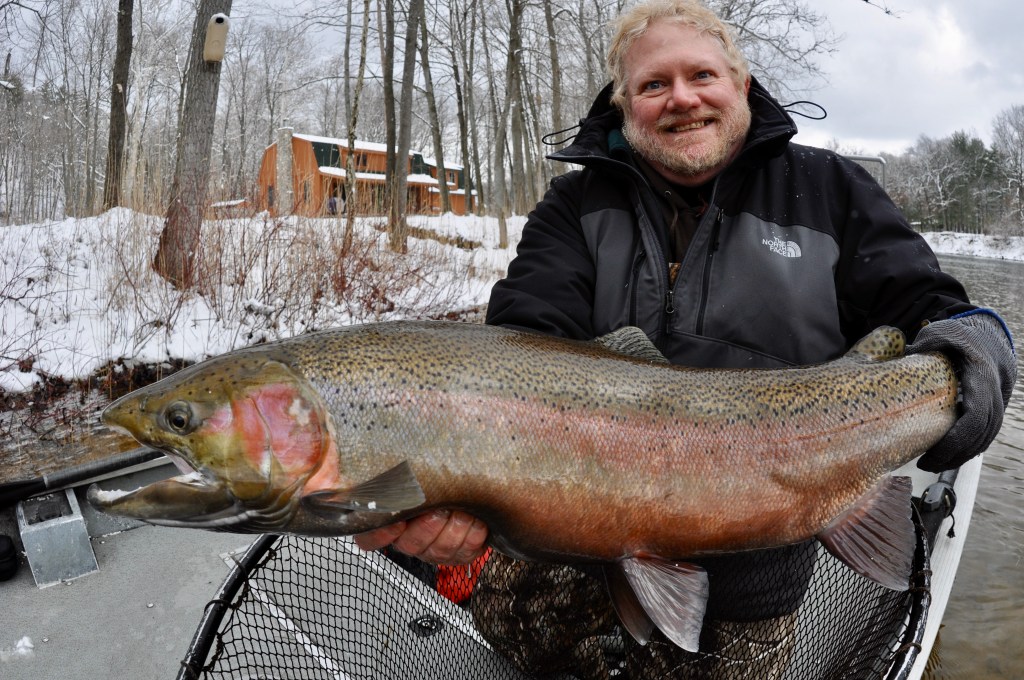
My friend Mike just sent me a few photos from his Lake Erie cottage, his message entitled “No Steelhead Fishing This Week”. I don’t know if he is up there this morning, but if he is he will be staying a while.

(Photo courtesy Michael Saylor)

In years past I learned something of that region’s lake effect snowstorms, largely that the greatest accumulations tend to pass over the lakeshore, settling a few miles inland. Of course, the highways and villages lie a few miles inland.

We often get tailing squalls from lake effect snows in these Western Catskills. You can be reading quietly on a moderately sunny day and look up from your book to see a furious swirl of wind driven snow. Two paragraphs later the sun has returned. I am pleased not to dwell in the land of those squalls, (they last for days there!) though I would enjoy a winter walk along any of the steelhead tributaries I have known.

Fishing at zero degrees: a Michigan memory! (Photo courtesy Matthew Supinski)

I took a few dry fly hooks to task the other day, spinning out half a dozen of my 100-Year Dun versions of the Catskill Adams. I tinkered first though, blending a touch of hare’s ear gray Antron and Red Fox underfur to the clippings of my Fox Squirrel pelt. Both serve as binders for the wonderful, short guard hairs of the squirrel with a hint of sparkle to catch the eye. I must find just the right fly box for them so I can find them four months hence.

Winter fly tying has always been about exploring ideas for me. A day on the river may inspire a new pattern, with a handful of them tied next morning before dawn, but winter allows more time for thought, refinement and expansion of the idea. The best of these flies may never be modified, though borne of inspiration they are thoroughly, considered, once the all-consuming passion of the season has been subdued by winter’s forced time away from bright waters.

Just now a thought has crossed my mind, a concept for the perfection of a Translucence isonychia. There is a tiny bag of silk dubbing blended to the classic claret shade tucked into my cabinet, one that never quite clicked. It needs lightening, a blend of tannish, even olive hues to mimic Nature’s lively beauty.

Ah, I have something to work on today…

Morning Light

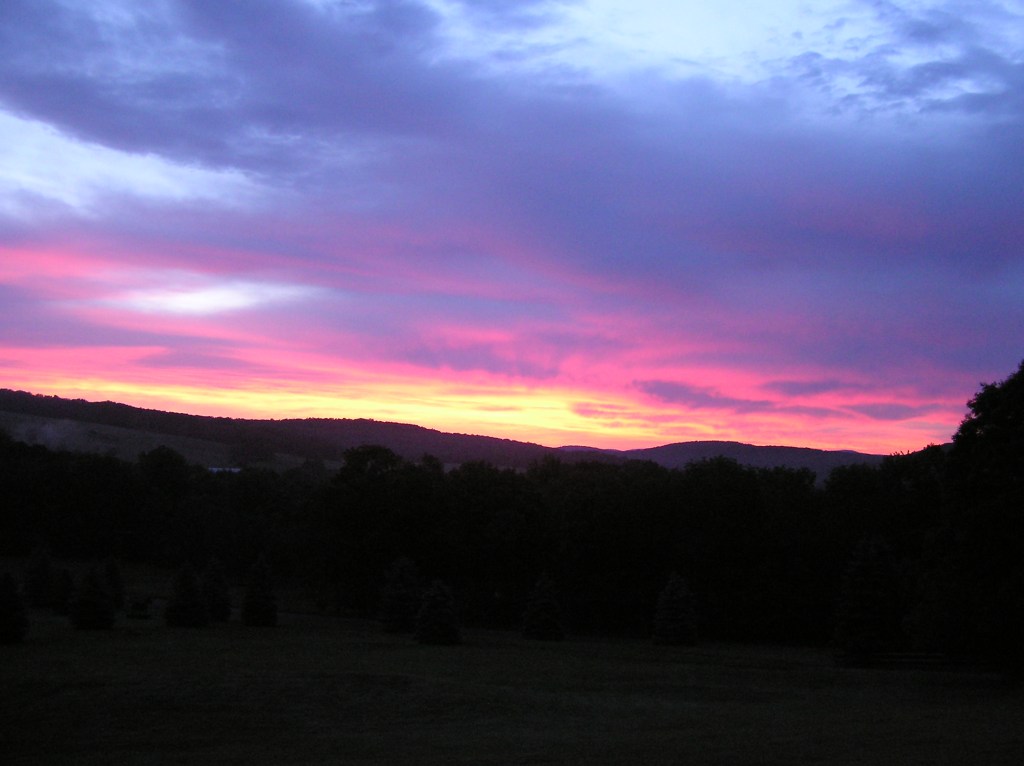
At this season it is more subdued, fighting through cloud cover to greet the day. It is neither orange nor golden, but some stirred mix of those hues, starkly contrasted by the snow.

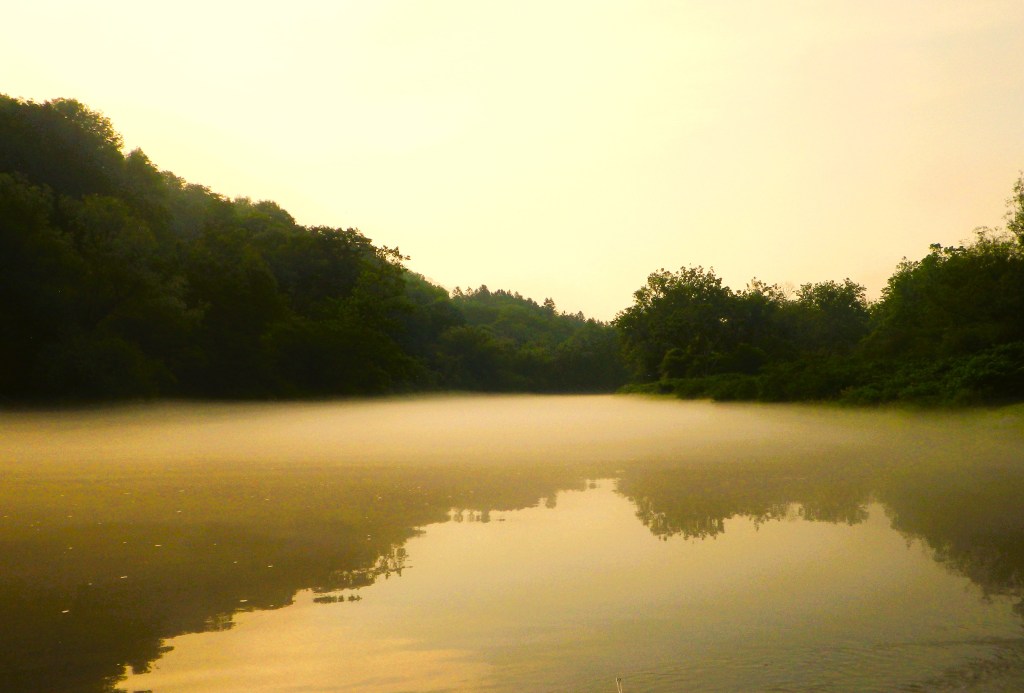
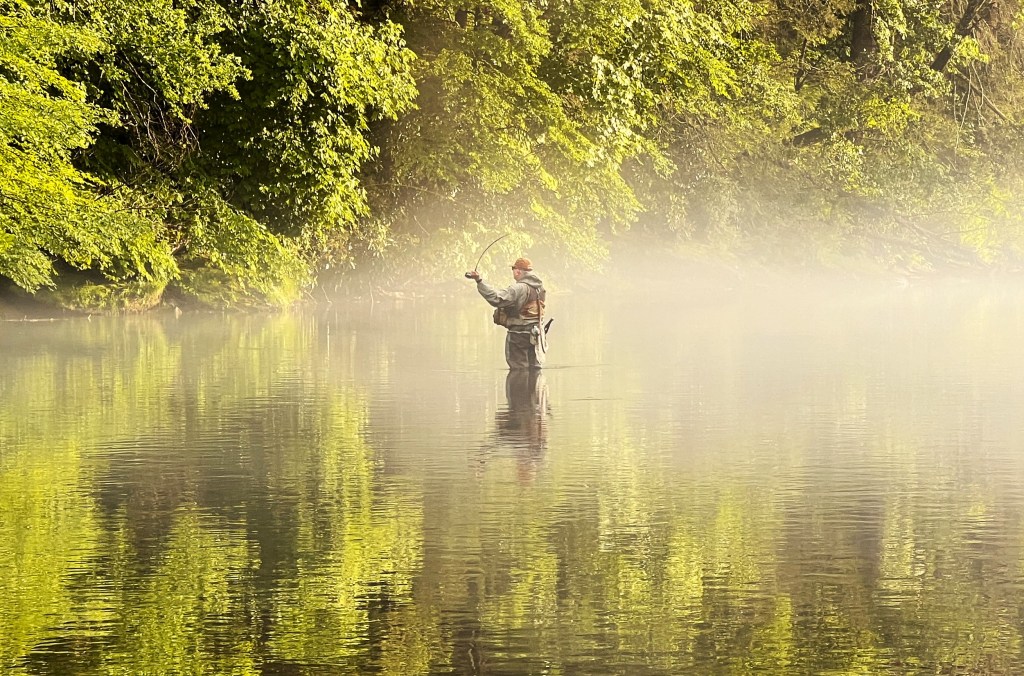
Summer, and I am wading with all of the stealth I can muster as morning light spreads from the crests of the surrounding mountains. The surface of the river here is a great mirror. If I do not keep my concentration upon my goal, I will be swept away by the stillness and the beauty.

I carry a lithe cane rod at my side, and it is hoped to be my foil against the strength and wildness of the trout which slowly cruise this pool at daybreak.

At a whim of remembrance long before daylight, I had tied a handful of these bright olive duns, envisioning their gray CDC wings alive on these very currents. I can see the cruisers begin their dance, one here, one there, and the excitement urges me to move faster, but I know that would be my undoing. My knees quiver as I forcibly slow my pace.

At last, I find a swirl just forty feet away, pull line from the reel and wait. The fish wander aimlessly it seems, and the cast must come at the gentle sipping rise obscured by those swirls. There can be only one cast per rise, and it must fall within seconds of the swirl.

Another swirl and my line is in the air, the smooth arch of the bamboo taking the fly to a spot just upstream with hope in my pounding heart that he has not turned…

He rockets away as I raise the rod, and it is all I can do to guide the loose line toward the stripper until the music of the reel breaks the quiet spell of dawn!

I am thrice blessed this morning, for patience and stealth have guided me. I have controlled the urge to send that fateful second cast when the first has not been taken. So simple a reaction has ended the game before!

In my eyes this morning light reflects upon the surface of that still pool, and I feel the goosebumps rising on my skin, the warm caress of the mountain air amid the chill of the rising mist. Alas, the reflecting light dances on the snow this morning and summer lies far away…

Thanksgiving Remembrance

Snow is falling, and my thoughts still revolve around angling. Memories come flooding back as I picture the season just past and more than one hundred days upon bright water which I am thankful for.

My angling year began with Flyfest, as tyers gathered once more in Roscoe to celebrate the winter season. We had a fine turnout, a rush on a wonderful store of Charlie Collins’ dry fly hackle, and a great day which ended far too soon. Two days later I was wading the river and swinging a fly on a 58 degree afternoon. I witnessed a few of winter’s early stoneflies hatching and fluttering, and even a couple of honest rises to them. With my seven-weight rod and intermediate line there was little I could do about that.

By mid-March there were signs of an early spring, including the first sighting of a few suspected Quill Gordons. Alas, it was not to be, though I wandered the Beaver Kill once my countdown came round to zero. Fits and starts, typical once spring comes to flirt with the Catskills, shadowed me until the third week of April. I launched the drift boat in the high cold waters and rowed, finding a lone reach of riverbank where the Hendricksons held court, and four fine brown trout paid me a visit.

As April waned warm air and low water became the rule. Within a week’s time I thrilled to epic battles with a pair of 25″ browns: the first a bright morning’s surprise and the second a hard-won triumph with a classic old Leonard rod that shared my age. Both encounters were electric moments for which I am ever grateful, particularly in the midst of a difficult spring!

And then there was summer…

I am thankful for the misty mornings stalking low water, the black bear that added a new type of excitement to my summertime dawn patrols, and all of those epic trout which took me from elation to frustration and back!

I am thankful for the joy of the gatherings with my friends of the Catskill Guild, sharing thoughts and patterns through my column in the Guild’s Gazette and through this blog.

There are fond memories of a couple specific flights of inspiration at the vise this year, new patterns I still hold close, and the wondrous trout they seduced! There will be some new things to share through the winter months.

Lastly, I am thankful to still breathe the fresh mountain air, gaze at the light upon the water throughout the seasons, and to spend my retirement with my best girl, here on the doorstep to the rivers of my heart.

Photo courtesy Michael Saylor

That First Quill Gordon

The first Quill Gordon, tied this morning to begin the winter parade of flies that will carry me to springtime.

Two days until Thanksgiving and I awakened at last to the blissful sound of rainfall on my roof; and gave thanks. It seems that last week’s snowstorm did a lot more good than it appeared here in Crooked Eddy. The Hancock Herald reports that copious amounts of wet snow fell on higher elevations all around our little village. Seeing no more than a couple of inches here, and no radical change in the river gages, had convinced me the drought remained in full force.

With this morning’s rain, the rivers have risen at last, though not excessively. Learning of the heavy snow received higher up in the watersheds makes it clear that most of the rain and snowmelt experienced in the past week was absorbed into the ground where it is so desperately needed. With the load of doubt lightened, I turned at last to my tying bench.

The first dry fly trout of 2025 will likely rise to a fluttering member of species Epeorus pleauralis, the mayfly fly fishers commonly call the Quill Gordon. Theodore Gordon’s legendary fly pattern is thus forever associated with the beginning of spring. I tied a pair of these to begin my day, paying homage to Mr. Gordon with flies tied in my own style inspired by his legacy of fly tying and writing: the 100-Year Dun.

Gray barred Coq-De-Leon, peacock eye, Charlie Collins luxuriously barred deep bronze dun hackle and my own special blend of dubbing… now where is that wood duck?

The Catskill style tie will be next upon my agenda, though in truth there are plenty of both styles tucked safely in the compartments of my Wheatley fly box. I tie these each year to welcome the coming spring, just as I tie the Hendricksons and Red Quills. Would that I could live so long as to fish all of the Hendricksons spawned from my vise!

There should be a bit more snow for Thanksgiving, and I wonder about a daybreak trip to the mountains. Deer season continues, and I can use the exercise. The passing of my dry fly season makes it too easy to sleep later or recline with a good book.

Year-end chores await. Time to design a new calendar for 2025, and there are new Christmas cards to be addressed and mailed. It will be a while before the urge arises to take a well fished cane rod from it’s tube for an off-season polishing. Such things are best attended to when the cold winds howl and the snow piles up outside, for that is when my soul most needs their reminder of the magic!

Closer Than You Think

With my dry fly season ended, and the mixed messages on the weather front, I have gotten an early start on my winter reading. The early October passing of writer John Gierach has been on my mind, as I am sure it has for any of his readers of a certain age, so I have been re-reading his volumes these past few weeks. Though I didn’t start in a strictly chronological progression, I have been working toward the present in a haphazard fashion. I found a story this morning that was very enlightening, in an eerie sort of way.

In his next to last book, 2017’s “A Fly Rod Of Your Own”, Gierach wrote of the major flood that devastated Lyons, Colorado and his home St. Vrain Creek. Perhaps due to my own mindset, the story triggered a realization, one I never experienced upon my first reading of the book in 2017.

February 2017: Yours truly catching a wild brown trout on Central Pennsylvania’s Spring Creek on a dry fly and a Granger fly rod.
(Photo courtesy Andy Boryan)

Just over a decade ago I had become highly enthused about the late Goodwin Granger and his legacy of Colorado made bamboo fly rods. The rod in the photo is my first “real” Granger, one of their ubiquitous 8642 Victory models from the later Wright & McGill era. I was fishing that very rod more than any during that time and devouring any information I could find about Granger fly rods.

I had learned many years before that of Colorado rodmaker Mike Clark, largely through John Gierach’s books and magazine columns, and I became familiar with Mike’s South Creek Ltd. brand and website. There I viewed photos of previous gatherings that Clark hosted along the St. Vrain, largely thought of as Granger gatherings, which he called the Colorado Cane Conclave. I began to work out early plans to attend his Conclave in the summer of 2014. It was when I finally contacted Mike Clark directly that I learned of the devastating flood the previous September. There would be no 2014 Conclave he told me, but there was hope for one to be held in 2015.

“The Fishing” at the Colorado Cane Conclave (Photo courtesy South Creek, Ltd.)

During that next year I acquired two more Granger rods, one each of the shorter 7633 and 8040 models with my Conclave trip in mind. These seven-and-a-half and eight-foot three-piece rods would hopefully be carry-on compatible for my flight to Colorado, as well as being perfect for fishing the Rocky Mountain streams. I found an LL. Bean combination fly vest and day pack and added it to my selection of gear, along with a special Wheatley fly box I dutifully filled, tying the dry flies I would need for August in Colorado Each piece heightened my excitement, and I had no doubt that this would be the trip of a lifetime!

The dream vanished in March of 2015.

I remember fishing my 8642 Granger Victory on Pennsylvania’s Big Spring late in February of 2015. There is a photo somewhere, taken by my freind Andy of me holding a twenty-inch rainbow I had landed on a size 20 BWO. I remember that I didn’t feel particularly good that day, hadn’t in fact for a week or more. There was this little bubbly, burning sensation next to my Adam’s Apple that I did not yet know was called angina.

In late March I underwent successful quadruple bypass surgery and began the long road to recovery and the adoption of a significant change in lifestyle. Prior to the end of February, I never had a clue.

My realization this morning was startling – the aftermath of that tragic St. Vrain flood very likely saved my life months before I had any idea there was a deadly problem lurking in my chest. Had I attended the Conclave in 2014, I would have been climbing through the high country with nothing save one of my Granger fly rods for company. Chances are the altitude and exertion of my dream trip would have triggered what would have been reported as an unexpected cardiac event, at least assuming some other angler stumbled across my body.

It is rapidly approaching a decade since my own mortality slapped me in the face, and I have fully enjoyed being alive and spending the past half-dozen years here, immersed in the bright waters of these Catskill rivers; the rivers of my heart. I never have managed to get out to Colorado and Mike Clark’s Conclave, though I have purchased a couple of lovely used bamboo rods from him.

It’s strange to suddenly realize that someone else’s tragic event more than 1,500 miles away may just have been one of the most pivotal points in your own life, even though you weren’t anywhere near that place or even aware of that tragedy at the time. It may take some time for me to put that into perspective. I am really glad to have that time…

(Photo courtesy Andy Boryan)

First Snow

It’s still falling gently this morning, and I say a little prayer for the rivers with every flake…

Like all of the precipitation events predicted during these past months, this one has underperformed. The snow was to be preluded by more than an inch of rain on Wednesday night and Thursday, though we saw just a little, barely enough to move the river gages here in the Catskills. The snow could be significant in the high country, though my brief excursion on the porch this morning showed perhaps two inches here. As the Guild tied and laughed last night, a friend much higher up above the West Branch reported a couple of inches down in her yard while light rain still tapped upon my metal roof here in Crooked Eddy. JA might send a report from his cabin along the Beaver Kill tributary this evening, if he makes the snowy drive north later today.

I hope my friends find no difficulties with the weather or the snow-covered roads, but I do hope the mountains throughout the Catskill watersheds receive the foot of snow the forecasters foretold. I hope fervently too that there is a lot more moisture to follow beyond this first taste of winter!

To inaugurate our new tradition of Thursday evening Zoom gatherings, the Catskill Fly Tyers Guild honored our friend Mike Valla, tying his Wemoc Adams Catskill dry fly as homage to his induction into the Fly Fishing Hall of Fame earlier this autumn. The pattern demonstrates Mike’s appreciation for the Catskill fly tying history by choosing fox fur for the grayish body, and for the late John Atherton’s influence with a gold wire rib and Cree hackle. I offered my own appreciation for Mr. Valla’s creation, taking his inspiration to fashion my own version as a 100-Year Dun, substituting rolled Teal flank for the wing.

Wemoc Adams 100-Year Dun

We enjoyed a fine turnout last evening, with more than sixty members tuning in, most tying along after JA demonstrated Mr. Valla’s pattern. I for one like his choice of Red Fox fur for the dubbing, as that allows a hint of the animal’s subtle tones of red and tan to be blended with the predominating gray underfur. Nature is not after all the abode of monotones.

We agreed to reconvene on December 5th, bowing to the Thanksgiving Holiday. Per Pennsylvania member John Capowski’s fine suggestion, we will take a contributory format to show and discuss member’s favorite caddis patterns. These sessions can be expected to continue through March, when we hope the rumblings of spring will draw us forth from our tying desks to welcome a new season!

Dreaming of the Drakes

The first snowstorm of winter is squaring up the Catskill Mountains for it’s Eastern swing and my thoughts have turned to a couple of decades of late May memories. That of course marks the season of the Green Drake, mythical behemoth of Eastern Mayflies, when anglers’ excitement rises with the trout they seek.

While I dabbled with the hatch a time or two early in my journey, it has been two dozen years since the obsession took firm hold. Spending Memorial Day in the Catskills quickly proved insufficient, and I learned soon enough that a week wasn’t enough either. Eventually I settled upon a fortnight centered on the transition from May to June, still wanting to spend every day of the season here, upon the rivers of my heart.

I was fortunate to have some very good years.

That first dozen years passed in a blur! Hatches were heavy except in the flood year, and I counted hours wrapped in the perfection of the hunt. Sitting on sunlit patches of riverbank, I whiled away the afternoons, rising and stalking the site of each erupting geyser which marked a big trout’s lie. The wild browns gave no quarter and demanded patience and dedication.

Patterns flowed from my vise during those years: CDC comparaduns, emergers, and the 100-Year Drake which proved the best medicine even when the others failed. I tweaked colors, blended wings with flowing CDC puffs and experimented with hackles. During the peak of the madness I dared wish it might go on forever.

A biot bodied 100-Year Drake, dampened and chewed after winning another battle!

There are days that stick in the memory, some like the bone chilling, blustery 45-degree day one May when insanity made me stay on the river despite reason. The flies did come, and the big browns after them, and I caught them when the frigid gusts allowed a good cast and a drag-free drift.

As the years passed, the hatches seemed less reliable, though in hindsight there was always a bit of mystery surrounding them. I recall sitting on a riverbank after a warm, blank afternoon, sipping a beer while I waited for nightfall. No drakes appeared, but a pair of dusk sippers after the sparse little sulfur duns proved to be twin twenty-inchers!

By retirement, when I was blessed at last to spend the entire season on the rivers, the daytime hatches had become as much wish as reality. One year they came on unbelievably, a full month later than twenty years of experience had demonstrated. It seems that may have been a last goodbye.

I have seen a few these past three seasons, though not always enough to entertain a trout to rise. When conditions are perfect, I sometimes find a few opportunities before darkness overtakes the river. That old Payne copy still casts the big dries with authority and throbs with the power of a trophy brown when the Red Gods allow.

My own King of the Drakes: measured at 26 inches and estimated at seven pounds.

I still cling to the memories of all those glorious afternoons and evenings as May wanes and turns to June. I hope the Drakes are still there, down in the silt among the gravel of the rivers of my heart. I hope the great hatches of our greatest mayfly will rebound, that I may feel that old excitement again. I still tie a few new patterns each season…

A Farewell

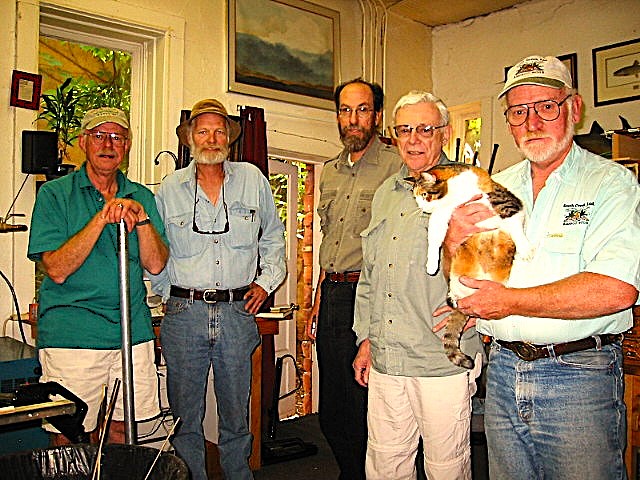
A.K Best, John Gierach, Ed Engle, John Bradford and Mike Clark with his shop cat
(Date and photographer unknown, posted on the Classic Flyrod Forum)

As I expect 99 % of the fly fishing world knows by now, Colorado author John Gierach passed away on October 3rd. He was one of our most prolific and popular fly fishing authors over the past thirty-odd years. He told great stories while telling the truth.

Like many of us, I was surprised when I saw the news posted on the Classic Flyrod Forum in early October. I paid my respects in my own private way, taking out my copy of his book “Fishing Bamboo” the following Sunday morning before daybreak, and reading it once more cover to cover. I followed up by sending an email message to his longtime friend, rodmaker Mike Clark, to express my personal condolences on the loss of his dear friend. I have purchased a couple of consignment rods from Mike over the years and ordered several signed copies of John’s new releases from the rod shop. I feel for Mike and Kathy Jensen, good people, working their way through a very difficult time.

My copy of “Fishing Bamboo” is my third. My first paperback was a gift from my friend, rodmaker Wyatt Dietrich. Eventually I donated that to the Catskill Museum upon acquiring a hardback copy, finally coming full circle with another donation to the Museum by way of purchasing a signed, slip cased limited edition via auction at the Catskill Rodmakers Gathering. I believe that is the only book I have owned in triplicate, some testament to how much I have enjoyed it.

I have most of John Gierach’s books and have re-read a few of them in recent weeks. I always felt I would have liked to meet him, talk a little fishing and a bit about bamboo, but we never crossed paths. I did make the acquaintance of a few of his friends along the way. I spent half a day with A.K. Best more than thirty years ago, enjoying a class he gave at the first Fly Tyers Symposium held in Somerset, Pennsylvania, and Ed Engle gave a talk at one of the Fly Fishing Shows in New Jersey years back. I shook his hand and spoke briefly after his presentation.

I had plans to meet Mike Clark in 2015 when I committed to make a trip to Lyons, Colorado that summer for the Granger rod gathering he hosts on the St. Vrain Creek. (The first rod I bought from Mike was a seven-foot Granger). I feel sure Gierach would have been there, perhaps all of those gentlemen in the photo above, but that was the year I unexpectedly placed a bid to meet my maker. Open heart surgery and recovery therefrom made solo fishing in the Rocky Mountains impossible, and the stars have never quite aligned since then.

So, I have begun my winter reading somewhat early this year, revisiting Gierach’s tales as I work through my annual withdrawal from the rivers of my heart. I recall there’s at least one story of a fishing trip East to fish Pennsylvania waters, though I have not come across it in a few years. I’ll find it if I keep working my way through his titles.

John was a decade older than I, and I am pleased that he had a good, long run doing what he loved best; fly fishing for trout and writing about it. It is clear that he understood the magic of the time we are gifted along bright water, just as I do, and he shared that well. Farewell John, I expect you will enjoy fishing all of those cold, windy, rainy Blue-winged olive days even more now, without your spirit ever feeling the chill.

Druthers

Low flow 2019: Wishing there was this much water in the river today.

Pre-dawn, three days before deer season, and it is 24 degrees here in Crooked Eddy. Cathy and I took a river walk yesterday afternoon, gazing at rock formations we’ve never seen before, rock formations that are supposed to be covered by water. There is no stream gage here, at the bottom of the East Branch Delaware River, but the gage at Fishs Eddy shows a flow of 184 cfs this morning. To put that in perspective, the low recorded flow for this date was 197 cfs in 1974, and the median is 807 cfs. We have very little water in the Catskill rivers.

My Sweetgrass rod came home from Montana yesterday, fully repaired with a new tip section. Of course, I wanted desperately to take it out on the river and fish it a little, but that was as far from being realized as possible. The reaches of water I frequent at this time of year, given a warmish afternoon and a gentle wind, are in desperate shape. Walking out to mid-river I’d be lucky to get the toes of my boots wet. The trout are up against it as winter keeps knocking, and I am not about to trot out there and make their situation any worse.

Sad to say, that Sweetgrass pent will have to sit in the rod rack, swaddled in its bag and tube for six months or so, and it’s stretch of idle time could be longer than that. The Sweetgrass is a summer rod, an eight-foot four weight conceived by me and designed and built by Jerry Kustich and Glenn Brackett to dance through my favorite season on these Catskill rivers.

An hour fishing the Sweetgrass pent, June 2021

You all remember 2020 right, Coronavirus lockdowns, events of all descriptions cancelled, an aura of doom worldwide? My Sweetgrass pent was borne as an act of defiance to all of that. Jerry and I passed some emails back and forth that summer, and he designed a taper for an eight-foot four weight pentagonal rod I envisioned to combine distance, delicacy and fish fighting power. That was a truly monumental ask, but hey, it was easy to think of such a reach for the stars to avoid contemplating the end of the world.

Jerry came through, and Glenn took that exceptional rod blank and finished it into a truly gorgeous bamboo fly rod. In the very first hour that I waded a Catskill river with that rod in hand, I stalked, hooked and landed three wild brown trout from nineteen to twenty-two inches. That kind of mojo is special, and it makes me smile when I think about that, and how it has continued.

Right now, summer is a long way off. Walking along the river yesterday with the cold wind blowing in our faces, all thoughts were of winter, and we are technically still two days short of mid-November. By the calendar, that is only about two thirds of the way through autumn.

It seems unlikely that there will be much opportunity for winter fishing. There won’t be any release flows from the Delaware tailwaters, unless you count the high, muddy water running down the West Branch to meet the Montague, NJ flow target while this drought persists. Tailwater releases are cold, but not as cold as the general river water in December, January and February. The couple of extra degrees of water temperature can make it worthwhile to swing a fly for a few hours on one of those rare sunny and warmer mid-winter days.

I have already hung up my waders. I like to give the trout a break when they have their spawning season, and they have extra challenges this year due to the drought. The thin flows create more difficulties for them, leaving them unable to ascend the spawning tributaries, much more vulnerable to predators, and just plain nervous, however a trout processes that. The whole scenario creates an extra challenge for me too, for a couple of warmer, sunny days flanking a moderate overnight low might just push the water temperature up enough to make me fantasize about rising trout again. That is a difficult thing to resist when you are staring at six months of winter.

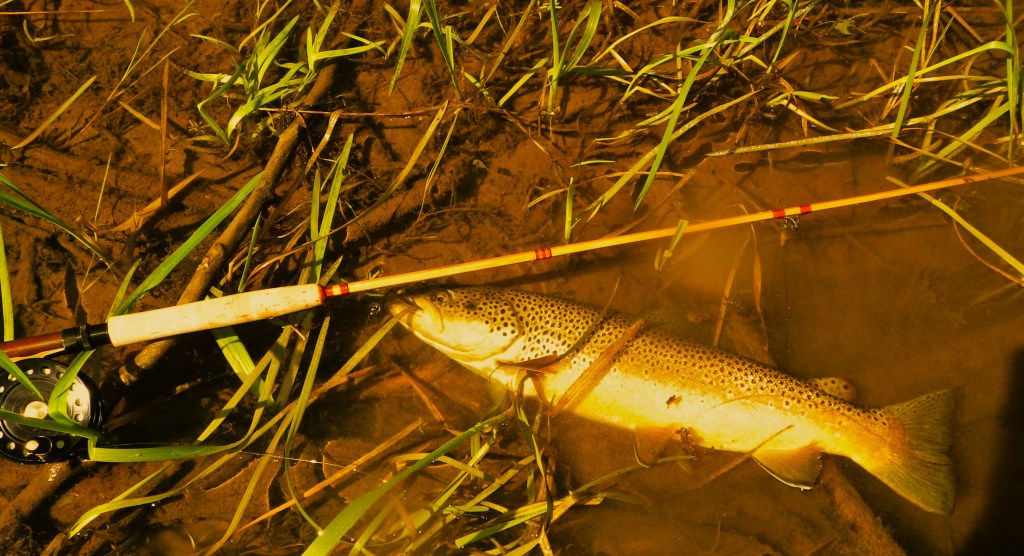
My Sweetgrass pent, demonstrating the perfect power curve landing four to five pounds of brown trout. Ah, summer!
(Photo courtesy John Apgar)