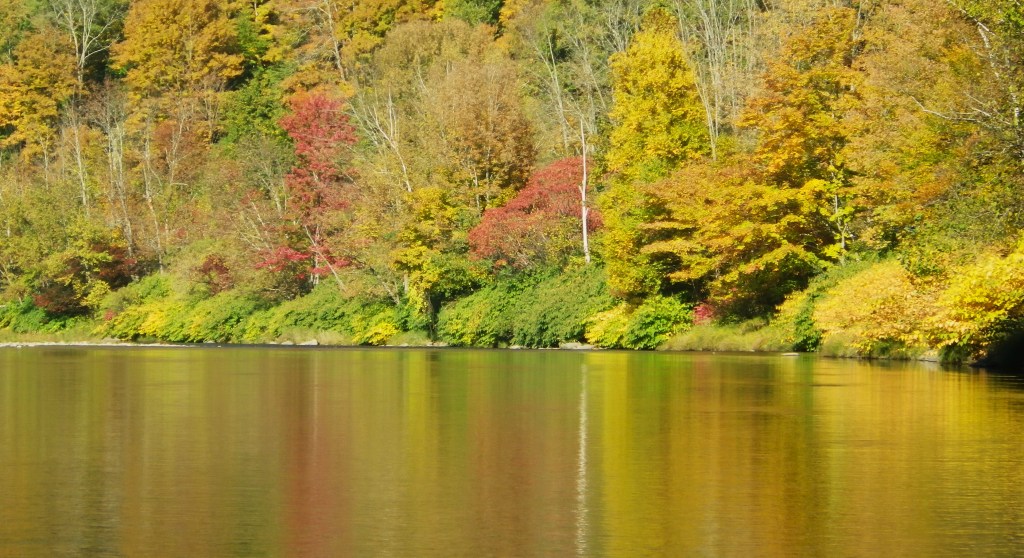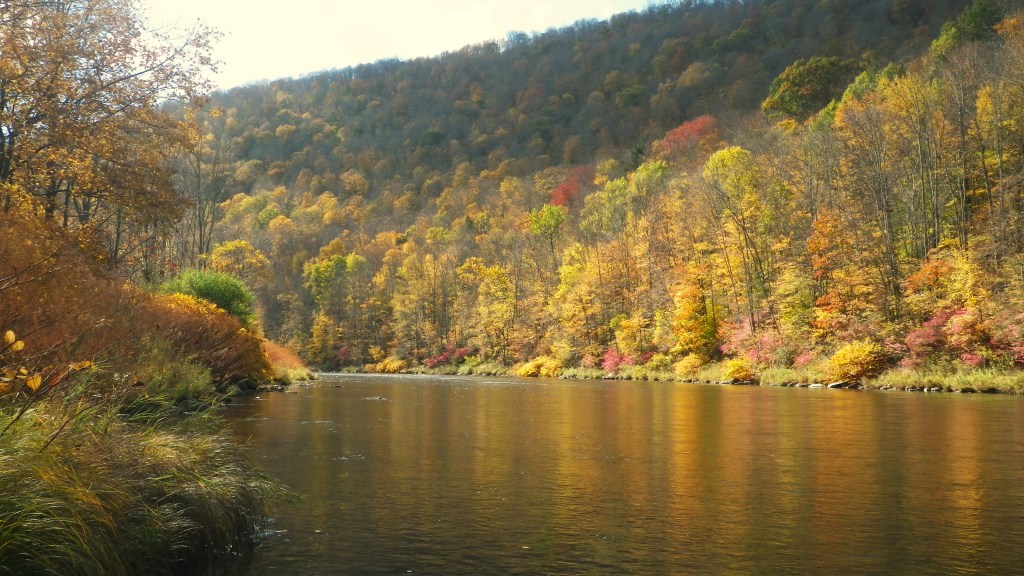
Missing Autumn

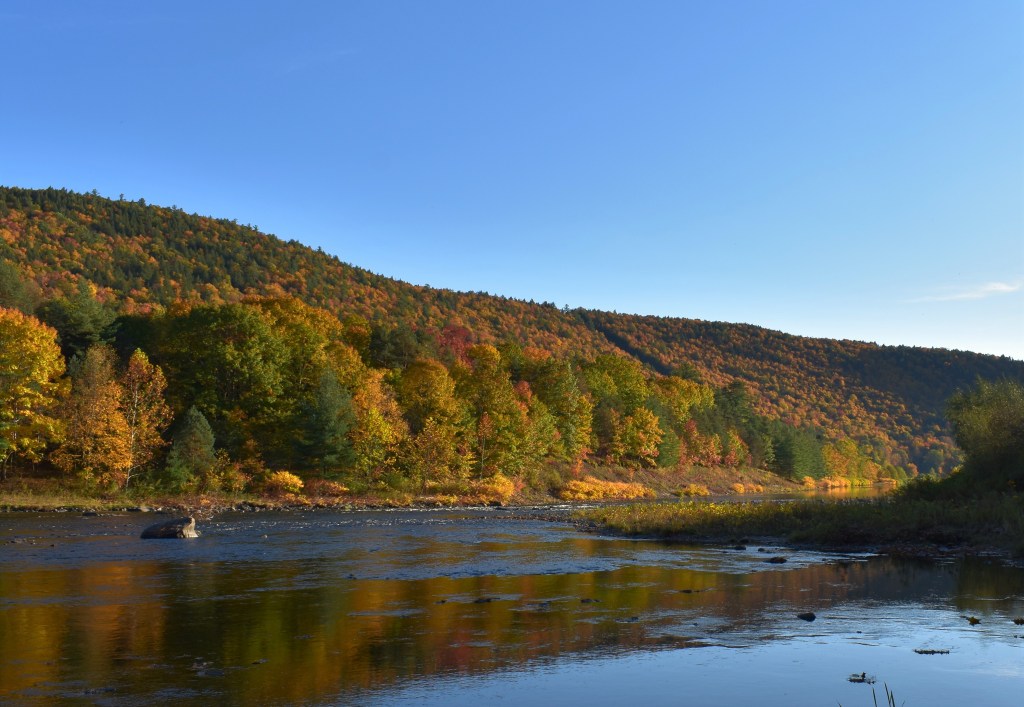
Just a moment ago I tore myself away from the rivers, and suddenly it is mid-November. I have gone through my usual funk during these past two weeks and have arrived at a point of acceptance. That may sound like emotional progress, but with that acceptance comes the realization of loss.

I have developed a bit of a ritual during the sweetness of autumn since retirement, and though it varies in regard to specific places and flies and execution from year to year, that sweetness has ruled. Autumn 2024 marks the second consecutive autumn when, though I have wandered, waited and searched for it, I failed to find that touch of magic.
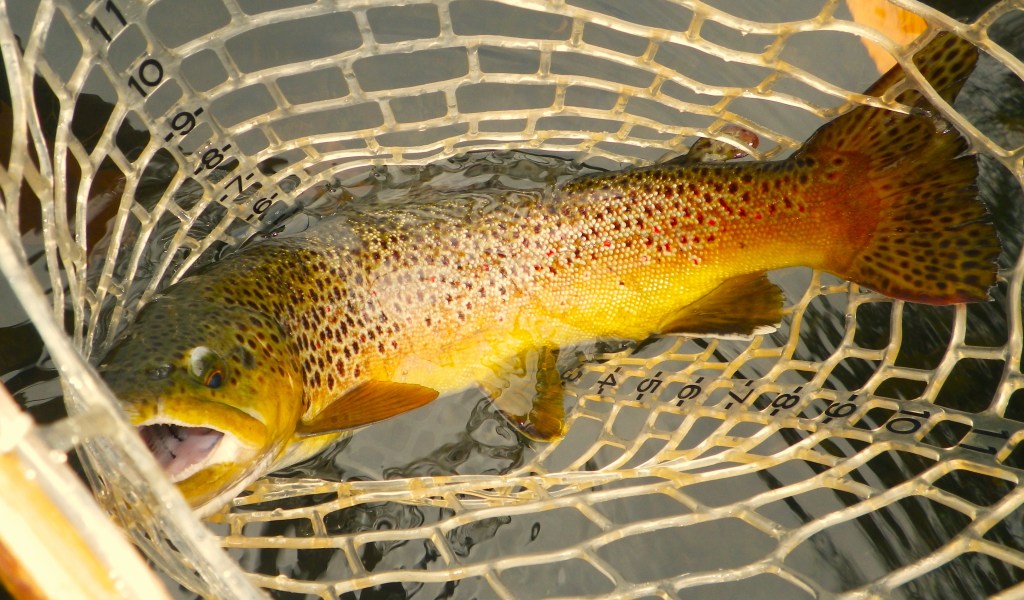
There are moments when I feel like Nature is evening the scores, as I have enjoyed some absolutely blissful moments during my autumns as a retiree. Fresh, classic days and experiences, punctuated by big, beautiful wild fish tend to stand as monuments in memory, particularly when they are framed in the light of the final weeks of an angler’s season. When a season or two passes without such days, the loss is deeply felt.

I worry too about our rivers. Floods, droughts, man’s manipulations intentional and otherwise, all of these can do damage. Too many damaging events in a cycle can do a lot to change our river ecosystems, and not for the better. I am a worrier from a long line of worriers, and I try to remind myself of that from time to time, just to maintain a perspective. Nature does heal herself.
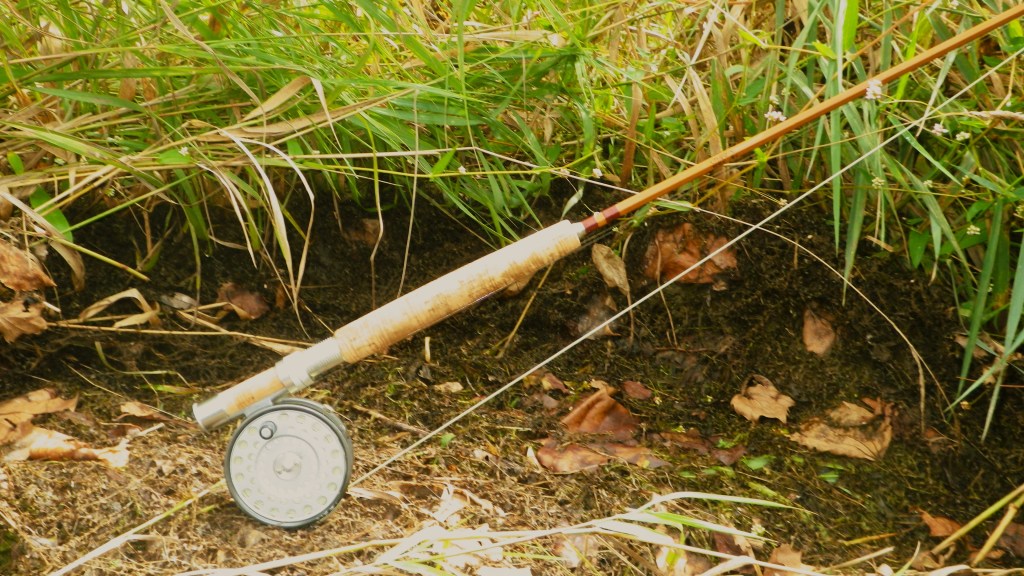
Fishing seasons are most certainly variable, and that variability is one of the things that make angling special, beautiful and challenging. We may learn a great deal over a lifetime, though we will never know everything. For every pool we explore expecting the bounty we fail to find, there is undoubtedly another out there where that bounty exists unseen. Perhaps we should have wandered around that very next bend.

The late Charlie Fox wrote of an angler condemned to purgatory, finding himself on a lovely, favorite reach of stream on a perfect spring day. A trout rose to a hatching mayfly, the angler made a perfect cast and caught a fine sixteen-inch brown trout. As he walked along the stream, he began to notice neither the scene nor the events ever varied. He was doomed to fish that same pool on the same hour and day and catch that same trout, forever. Mr. Fox knew well the true magic of angling.
Winter Work

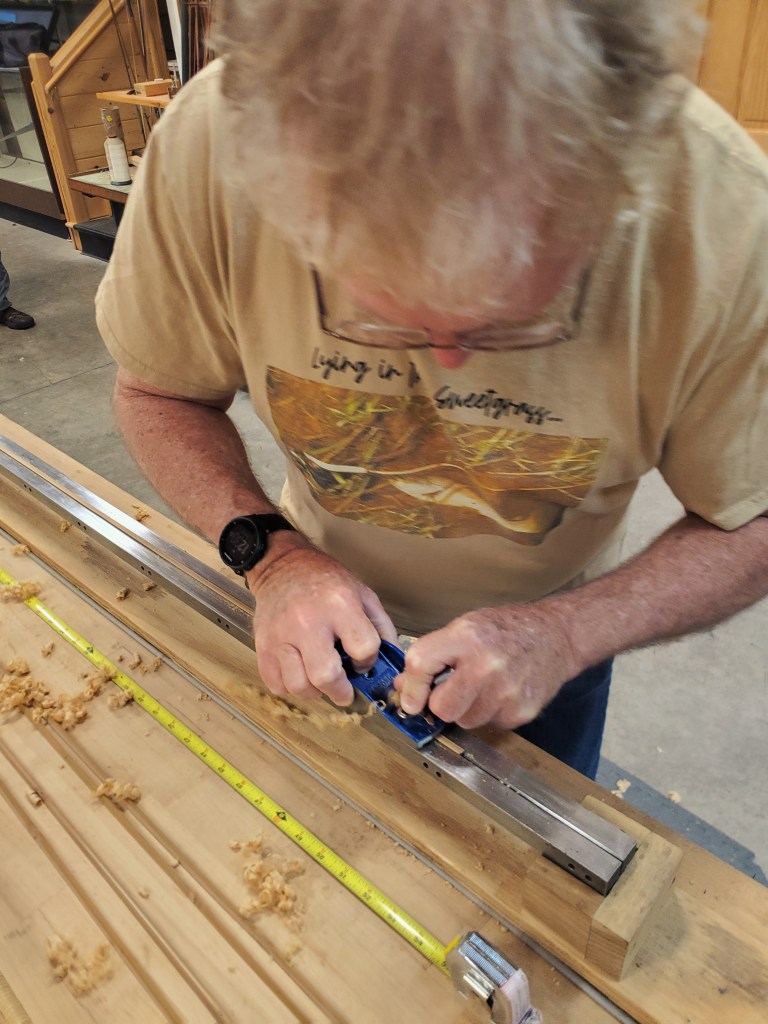
It was chilly in the rod shop yesterday morning, but the heat of the flame warmed the bamboo in my hands, as the work lit it’s own flame in my heart. I began the most interesting and inspiring of my winter tasks with a little practice on a shortened piece of cane by flaming the culm, or more accurately the internodal piece of the culm, of Lo o bamboo.

Flaming is the method rodmakers use to turn the bamboo from it’s natural blonde color to various shades of brown. The method also heat treats the material, ridding it of excess moisture and increasing the strength and resiliency. I learned quickly that it takes the perfect touch, like everything about the craft of bamboo rod making.

Once flamed, I split the culm into six wide strips with a star splitter, then began hand splitting those strips into the 1/4-inch-wide strips that will be roughed into equilateral triangles and finally planed into the fine taper required to form a six-strip hexagon.

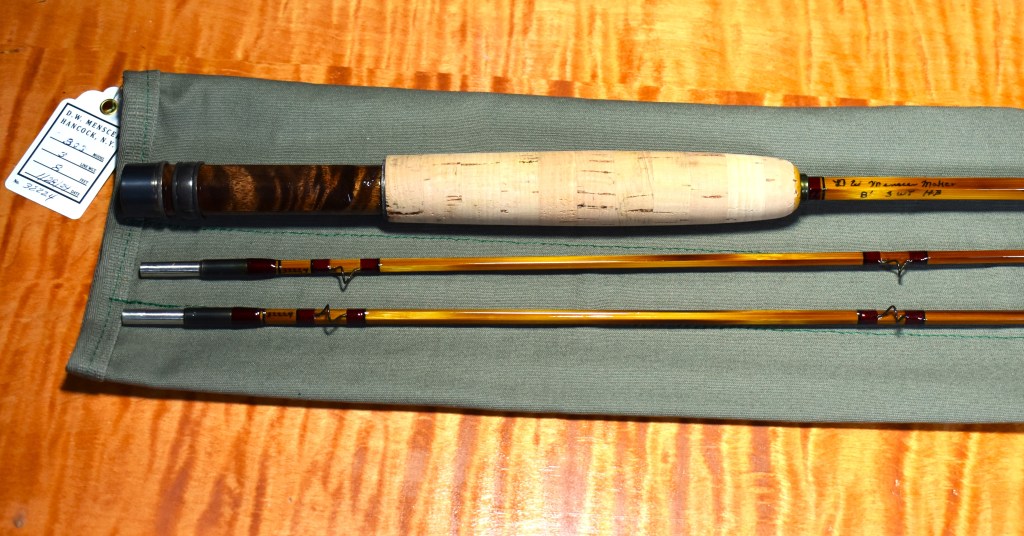
Would that my own halting efforts could produce such a precise and exquisite rod as this!

Before JA set up the beveler, he showed me how to square up the 1/4″ strips of bamboo with the plane and then we delved into the tricky part: straightening. The 28″ strips of Lo o proved to be nearly straight enough on their own after splitting, and I appreciated that, for straightening is one of those tasks that requires a certain feel. It involves moving the crooked section of the strip over the flame of an alcohol lamp, then gently applying hand pressure to the bend. JA said ” you can feel it move”, and I did, though my result was more crooked in the opposite direction. I’ll need to work on developing this skill carefully.

It took some time to get the beveler cutting correctly, though once it was finally adjusted, the strips came through as perfect triangles. The last act of the day was to run them through the binder before storing them until next time. I will split the four remaining strips into 1/4″ widths at home.

The 28″ strips, once I have at least 18 of them straightened and beveled, should allow me to make a 3-piece, single tip rod between 6 1/2 and 7 feet long. That will become a future project. After Thanksgiving, I will begin flaming and splitting the 40-inch internode that will form the 7′ 9″ 5 weight rod that will be known as the Angler’s Rest Special.

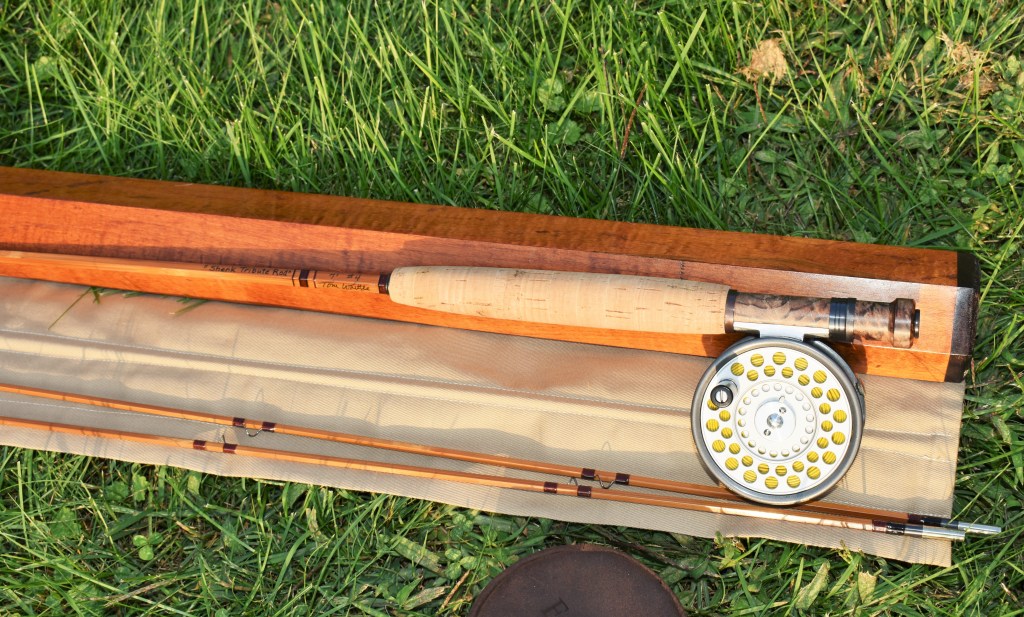
I am building my rod to a taper designed by my friend, Pennsylvania rodmaker Tom Whittle. One of Tom’s passions is the design and crafting of shorter fly rods that can do bigger work, that is, rods that perform like longer rods. It was Tom whom I called upon to make the Shenk Tribute Rod, a special seven-footer in homage to my late friend and mentor, fly fishing legend Ed Shenk. The Lo o bamboo will make the rod somewhat lighter, though Tom’s taper will ensure the performance will handle all the rivers of my heart; at least if I prove to be equal to the task.

Tom Whittle’s glorious execution of an idea to honor my lost friend.

This hands-on introduction to rod making makes me yearn for youth, and more time to learn and perfect the craft. I know it will be an achievement to build one serviceable bamboo flyrod. Perhaps I will be blessed to have the chance to make that second one, the seven-footer, but I know that one or two rods will have to suffice for my lifetime production. That will be just fine, for I know that I am best suited to spend the time I am allotted upon bright water, if not wielding my own rod, then enjoying the artistry of a true master of the craft!

Frost

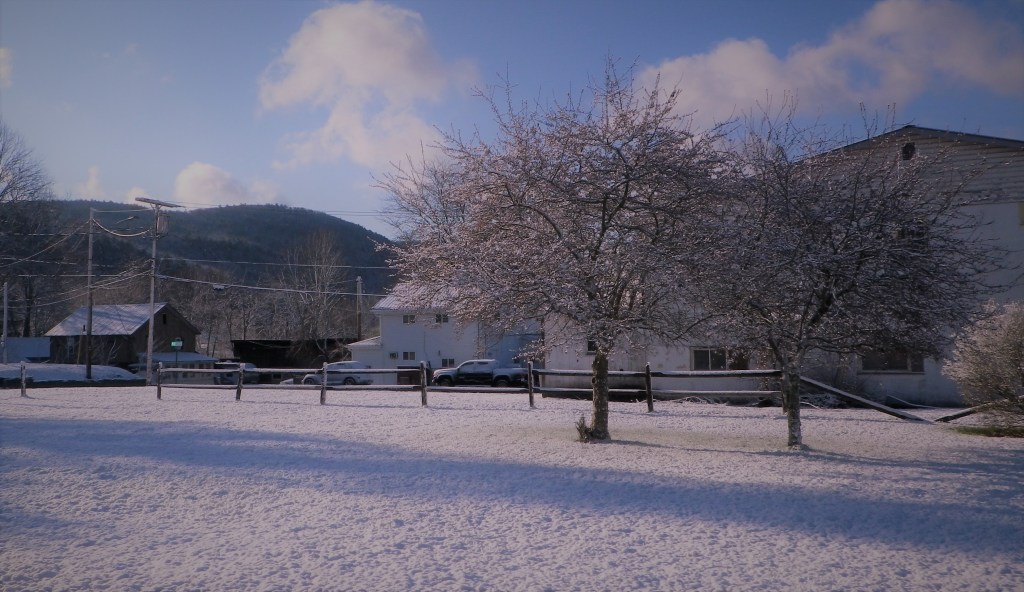
It is the first Sunday in November, and twenty-six degrees here in Crooked Eddy. We have a hard frost this morning, just days away from seventy-degree sunshine, and it truly feels like the angler’s winter.

I was thinking just now, working my mind into this new groove of the off season. I can no longer busy myself with my daily quest for the magic, putting off the inevitability of the change of seasons which is so stark and final to those of us who derive our strength from bright water. The drought still persists, and the shutdown of three of the four Delaware reservoirs has silenced their tailwaters. It is very clear to even the casual observer that our trout fishing has dwindled.

Throughout this long winter there will be a wavering faith to deal with along with the typical emotions of withdrawal. Will Nature refill the reservoirs, and will she offer enough sustenance to the trickling rivers before the long freeze comes along. What of the fates of the mayflies and the spawn?

It always takes me some time to adjust, cushioned somewhat by the fact that outside it is still autumn. Once my soul has settled into this forced change, I will sit at this bench and tie the first Quill Gordon to be set aside for spring, a simple act of hope.

On Winter Watch

November first, and the winds have been howling today! It’s not cold, in the seventy-degree range and sunny, but with winds that could knock you down if you aren’t prepared for them. I think of these as winter winds, for in my Catskill Mountain world there are but two seasons: dry fly season and winter.

I conceded to the end of dry fly season yesterday when an eight-inch brownie grabbed my dry fly as I stripped it in for another cast. The sun was brilliant with record temperatures flirting with eighty degrees, and that drove the water temperatures up close to fifty with the thinning flows. Nothing rose, though I did see a couple of long distance splashes indicative of something sizeable chasing minnows.

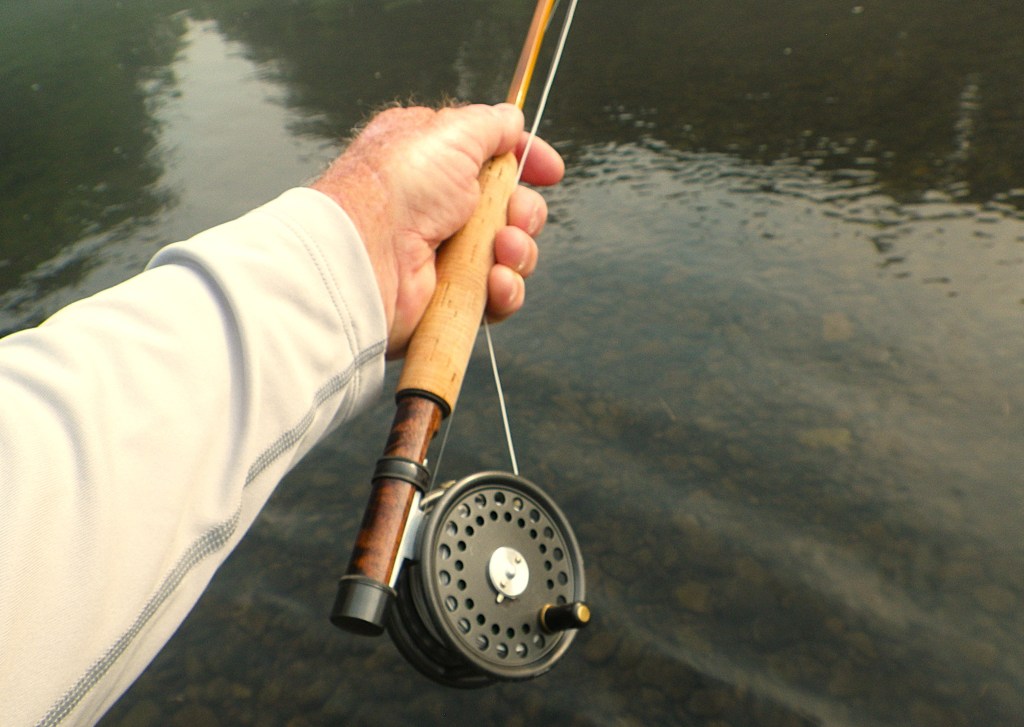
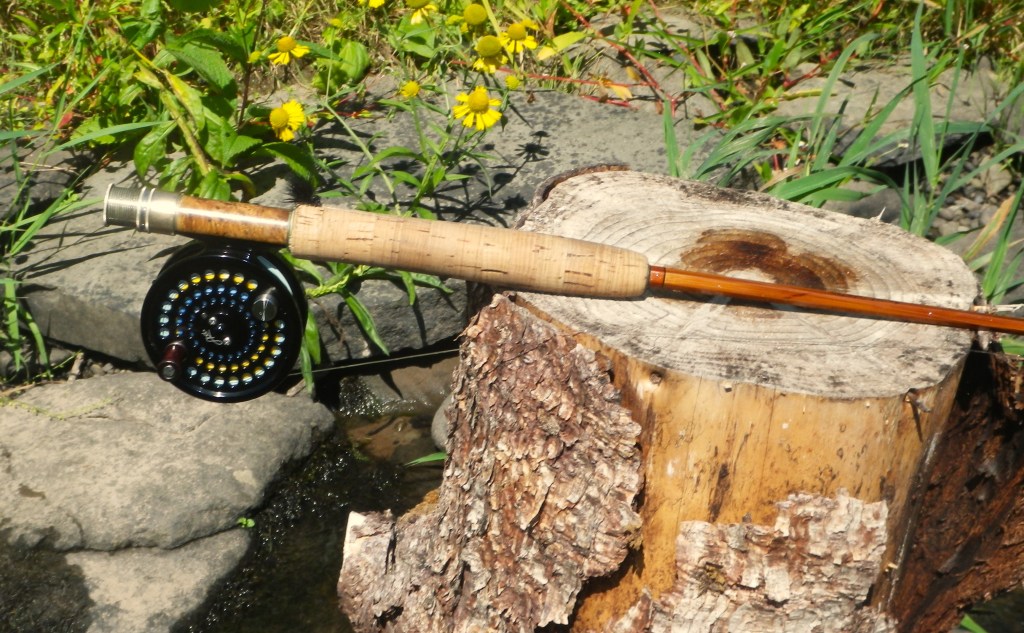
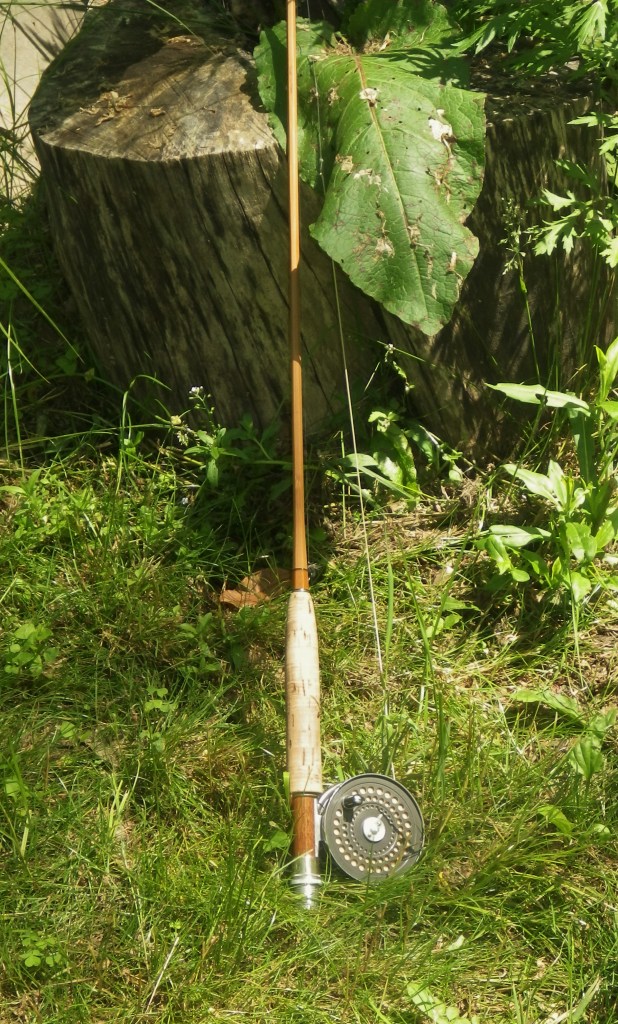
Even without those winds, this first Friday of November was earmarked for chores. The wear and tear on my old porch needed some paint and wood filler, and the warm conditions are perfect for that. In between I took the cans and bottles to recycling and removed the tackle bag from the SUV. The reel with the floating fly was put up too, replaced with the holy one spun with the clear intermediate line I use for occasional winter fishing. Holy isn’t ecclesiastical in nature by the way, it’s just how I think of that machined fly reel that seems to have more holes than aluminum, the better to shake off water and dry the line before it can freeze.

I am clear to get back to the mountains now and try to find a grouse or two in the dry forest. That can be tough, but I hope a few places along some small streams will prove productive.

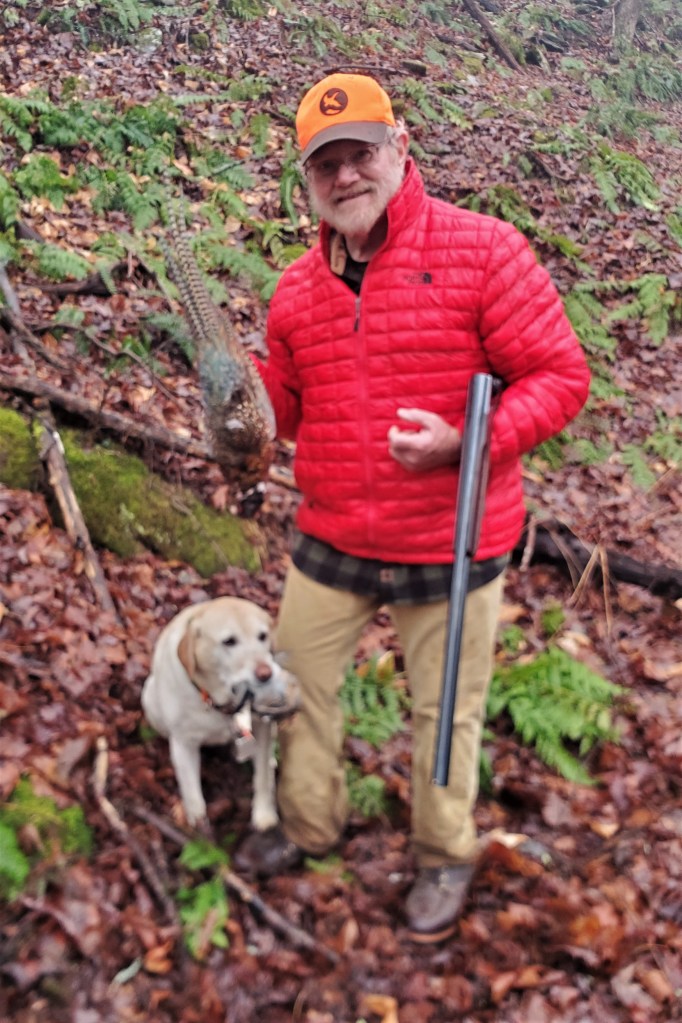
A ringneck and a Hun from a few seasons back, courtesy of JA’s lab Finley (Photo courtesy John Apgar)

In a couple of weeks it will be deer season, another forest pursuit that will help take my mind away from fishing while I give the rivers and the spawning trout the rest they so richly deserve. A number of deer hunters would be clearing out their freezers about this time of year too, but I have no illusions about my luck. Any venison that finds it’s way in there comes as a gift from friends. I do still enjoy walking in the mountains and looking for a buck though.

Once the spawn is over and we hopefully get some rain to bring river flows back to normal, I usually take a day here and there when some warmer southern winds push the thermometer upwards from the winter norm. Walk a riverbank and swing a fly through likely feeding areas, easy fishing, without expectations.

There is a winter project that I am looking forward to: the chance to turn a piece of Lo o bamboo into a 7’9″ five weight fly rod. I plan to start by flaming that internode section of a culm, something I will undoubtedly look to my friend Dennis Menscer to supervise. I like the warm brown color of flamed bamboo, and flaming will also accomplish the heat treating necessary. After that, the real work begins.

I am leaning toward one of my friend Tom Whittle’s tapers. He makes a sweet, powerful 7’9″ 3-piece five weight rod that I got a chance to cast at the Catskill Gathering in 2022. I like the idea of making a rod from a taper I have cast or fished with before. The Vietnamese bamboo will make my rod a little lighter, and it will be nodeless! Bamboo nodes add a lot of work to making a fly rod, as they must be pressed, sanded, filed and straightened, as well as staggered when the strips are laid out for the blank. If everything goes well, I will have a new rod to fish when spring awakens the trout and the mayflies: the first and only Angler’s Rest Special.

Have Quill Gordon, will travel.

Halloween

I used to look forward to this holiday. As a bowhunter, Halloween brought the best time of the season for crossing paths with a big whitetail buck! I can still recall the details of some of those encounters, though there has never been that dreamed of mount of a Pope & Young whitetail on my wall to spur those memories. A decent hunter, but never lucky.

It has been a decade I guess since I last entered the forest with a bow and arrows. My chosen stick and string come October is a fly rod, line and leader, my arrow the dry fly.

Halloween pretty firmly marks the end of the dry fly season. In that sense, it brings a sense of loss after seven months of casting flies to shy wild trout.

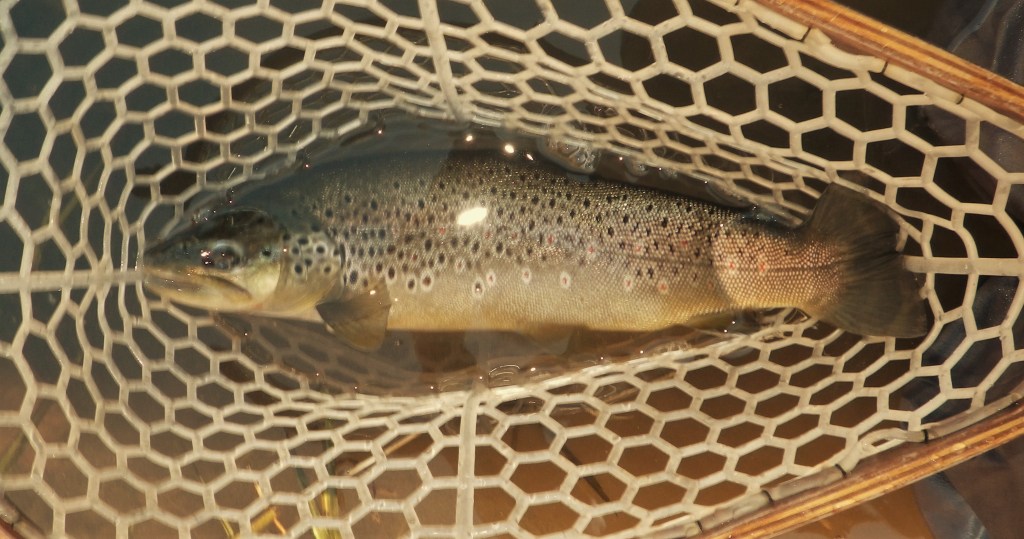
A beautiful post-spawn female brown trout, out looking for a dry fly!

Depending upon whose word one trusts, our region achieved a record temperature yesterday and could well scale that height again today. The warm air and sunshine will warm the flowing waters once more, giving hope to lost souls like mine that a good trout might just rise to our fly.

Thoughts of the whitetail rut which once captivated me at this season will be far away as I wade shallow waters, searching for a trout concerned more with a fluttering meal than a spawning tributary. I found a trout like that a couple of seasons past, but that was a year with much better river flows. This October has given the Catskill watersheds less than an inch of rainfall. Our annual average for the month is better than four inches.

Here upon November’s doorstep, our ten-day forecast predicts a total of some three-tenths of an inch of rain over the period. Even if we got all of that at once it would be far too little. Spread out over several days it is nothing.

I may find a good trout on the feed, though my focus will be on enjoying this one last day of warmth and solitude before winter finds her way into these mountains. As much as I will cherish this day, I would gladly trade it for a day long rain.

Seasonality

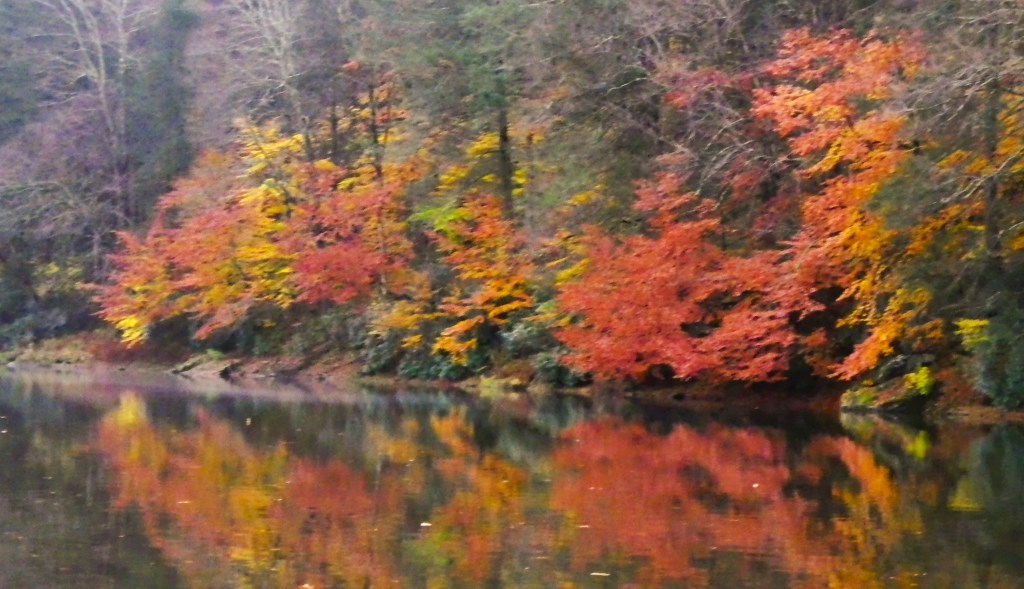
The iridescence of autumn is waning as is the ephemeral magic of another Catskill dry fly season. It will be November before the week is out, and I will be forced finally to transition to the long months of winter.

I cling to these last moments, these final hopes and dreams each season. The days when I truly expect a good trout to rise to my fly are long past, yet I will continue the search I begin each March, for when that search has ended, I shall be separated from the rivers of my heart.

It is my custom to tear myself away from these bright waters once these last days of my true fly-fishing season have come and gone. Yes, after a time, I will likely return to the river. Winter forays are few though, and do not carry the promise of beauty and energy that draw me there from March through October. I like to rest the trout as they pursue their procreation and turn my attentions to the mountains.

December is often a month when I will seek a few moments of solace upon bright water. I carry an old rod, swing a fly for a couple of hours during the warmest portion of the day, gaze at the cold, wintry light upon the mountainsides and the water. You could call it fishing, though it is more about my soul seeking some brief reconnection to the rivers of my heart, sustenance to hold on through the remainder of the winter.

The cold, steel gray flanks of a fine December brownie

Once those early days of winter have passed, there are often long stretches of time away. Through the middle of a Catskill winter storms pass through and the deepest cold settles into these mountains. Some years there are little breaks, calm mornings where the sun actually lends some warmth to stimulate the rivers. As anglers, we too are stimulated, though falsely. Still, it is comforting to steal a bright winter’s morn and fell my feet upon gravel, my hand curl about the cork of an old cane rod.

A lovely January morning on the West Branch

The first early warning notes I have heard predict a wet winter for the Catskills. We need that to refill the reservoirs depleted for construction, but we need snow in the high country as well. Gradually melting mountain snowpack replenishes the springs from which our rivers are born. It is the key to Nature’s water cycle.

I cherish these morning hours as I prepare for the day’s fishing. Checking gages and forecasts, often tying a few flies my instincts tell me might be needed. In a moment I will choose the rod I will fish today, slip it from it’s tube and wipe down the ferrules, then decide which reel to set aside with my cup of fresh dry flies. I am thinking Dennis Menscer’s hollowbuilt five weight will feel just right with the Hoagy Carmichael Perfect…

Passages

Running From the Sweetgrass (Photo courtesy John Apgar)

I made the right decisions: a warm base layer beneath fleece lined khakis and a 300-weight fleece pullover, topped off with one of my favorite Thermoball jackets. The day featured the promised sunshine, and to some the winter wear might seem excessive, but wading waist deep in 45-degree water will take the heat right out of the body.

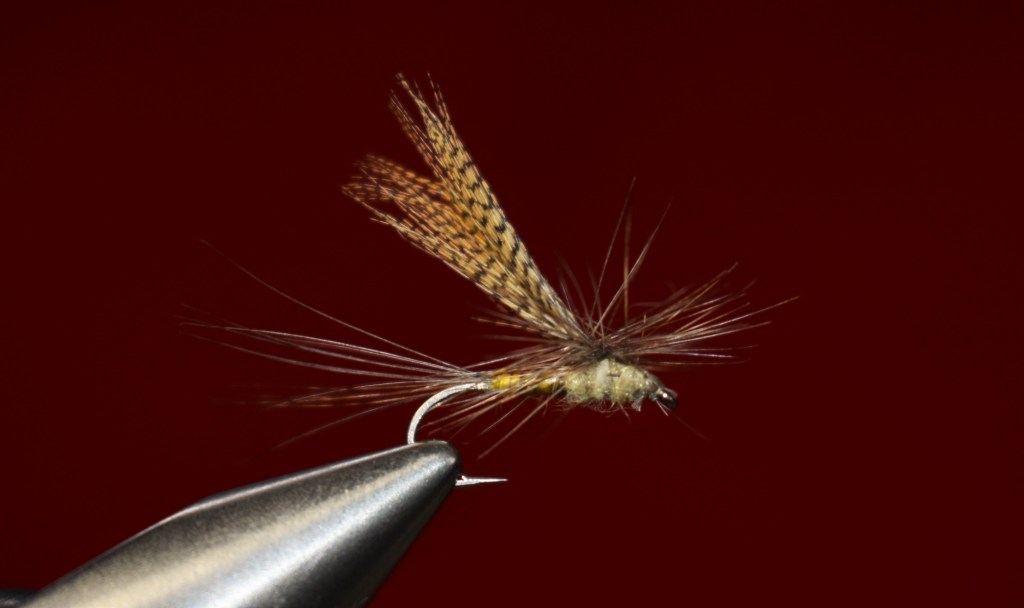
As it was, I remained relatively comfortable and made the right decision regarding fly pattern too, tying on a freshly tied Pale Isonychia 100-Year Dun and putting my faith there for the duration.

The rainbow surprised me somewhat, grabbing the fly as it had nearly drifted back to me. There was no doubt he was a quality fish, for the Paradigm had arched into a full bend straight away and stayed there, it’s tip bouncing with each frantic thrust. We were in faster water too, just where a Delaware rainbow likes to be, even it seems in forty something water.

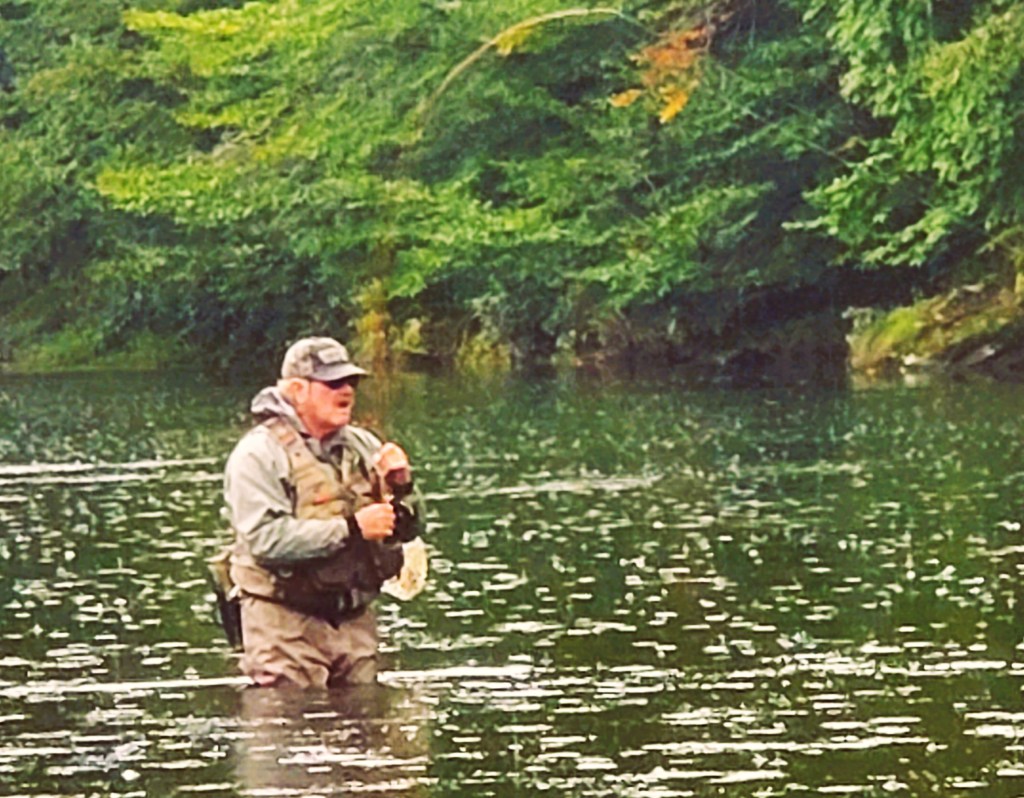
I got him in the net on the second try, all seventeen inches of him, and I thanked him for his service. I never found another in all that lovely fast water, eventually turning downriver and working some favorite lies. The Red Gods obviously felt I was being greedy on this autumn day, for they conspired to take one away from me just to keep my enthusiasm in check.

It was near the place I had missed a big fish two days prior, and once more the confounded glare played a role. The sun you see is in a different quarter than it likes on a summer morning, and that complicates my usual downstream casting approach. My foot began to slip into a deeper spot during the drift you see, and I was already dunking the lower pockets of my vest. I glanced away from the fly, resettled my foot up and to the rear, glanced back just as the gentle plop revealed another of those coffee cup sized rings. There was never any hope of hooking him…

The Catskill Fly Tyers Guild held our last live meeting of the year yesterday, a very well attended gathering in the Wulff Gallery of the Catskill Fly Fishing Center and Museum. Our Catskill authors and legends were well represented by Ed and Judy Van Put, Dave Catizone, John Shaner and Tom Mason. A couple of members came from rather long distances to join us for a comfortable afternoon of tying Catskill flies. I’ll miss the comradery of this fine group of gentlemen until we gather again in spring, though we will continue our online Zoom meetings during the long winter.

One of the travelers showed me his ties for my CDX caddis pattern which I had demonstrated in one of last winter’s Zoom sessions, and I was pleased to see the fine job he did tying them. The Guild is all about sharing patterns and ideas and we all enjoy it when another angler finds some appreciation for our craft. May those flies catch your dreams my friend!

I am still holding out for another spark of dry fly magic before winter takes a firm and unrelenting grip upon the rivers of my heart. The popup weather report on my computer this morning claimed it was 31 degrees outside but felt like 26. We are often a degree or two colder here in Crooked Eddy, though that tends to be compensated for during summer days with a few degrees of extra warmth.

There is a certain serenity walking a deserted Catskill river corridor under an autumn sun. Carrying a favorite bamboo rod adorned with a crisply hackled dry fly completes the mood.

Day 107: A Frosty Beginning

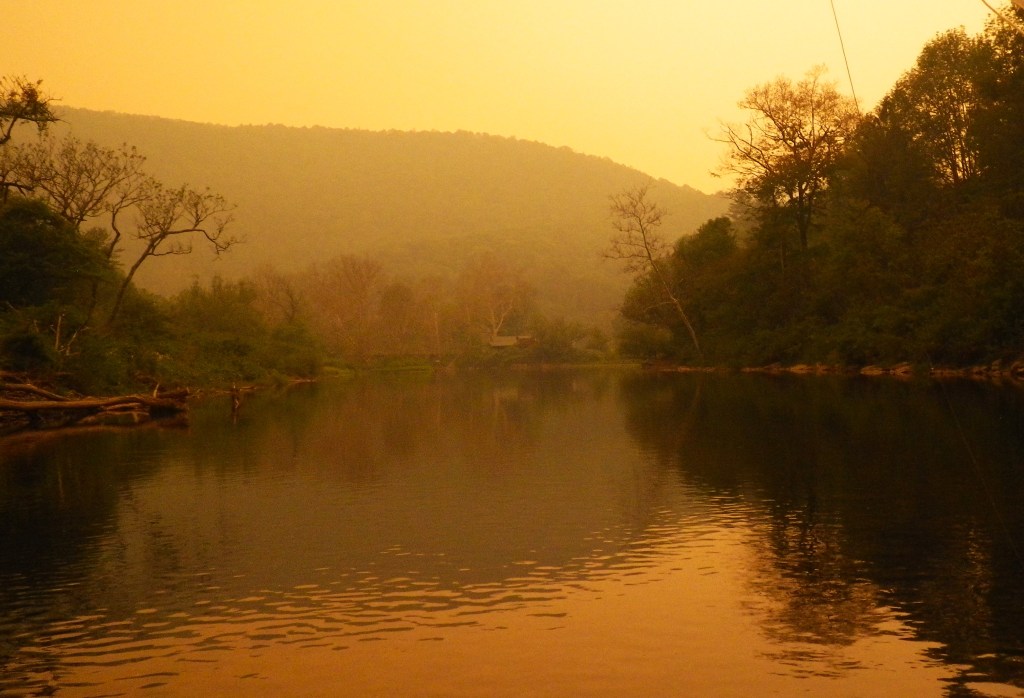
It is Friday the twenty-fifth of October and thirty-one degrees at Crooked Eddy. There’s a solid frost on the SUV which the sun will dissipate, once it burns off the morning haze. The river too has cooled overnight; thus, I will not hurry despite my need to feel the chill and contentment as the current caresses my legs.

The forecast is for calm winds and that sunshine, though the temperature will be somewhere near sixty degrees at it’s peak, and the Paradigm will accompany me on yet another try to extend the dry fly season. I have cleaned and lubricated the fly line on the old Perfect, tied better than half a dozen dry flies and am enjoying the last sip of my second cup of coffee. Life is good.

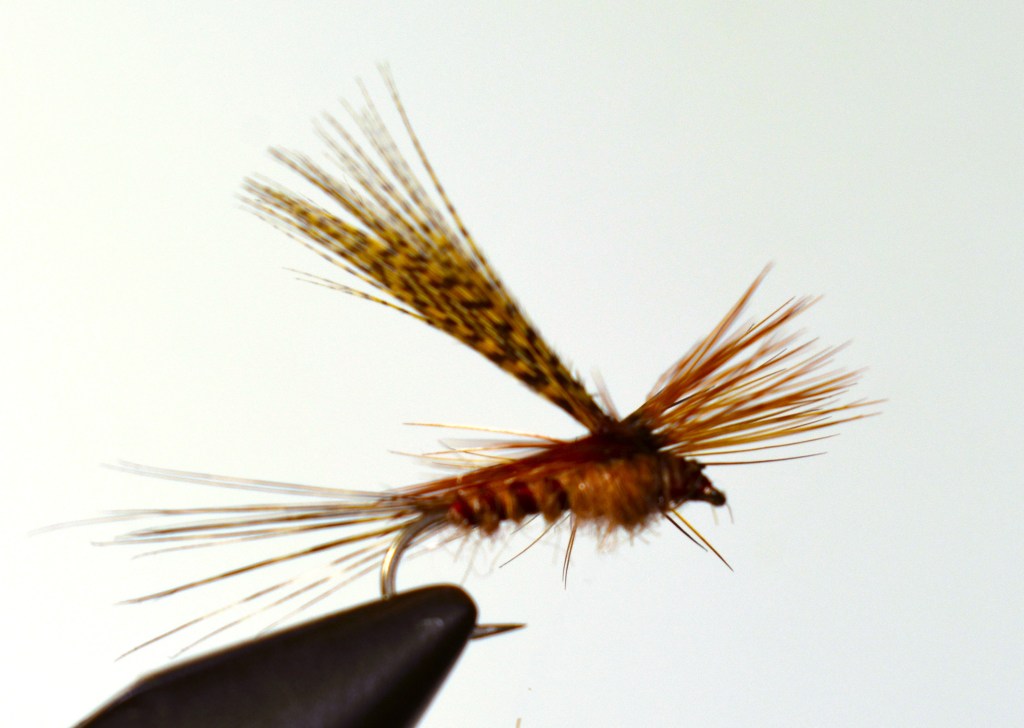
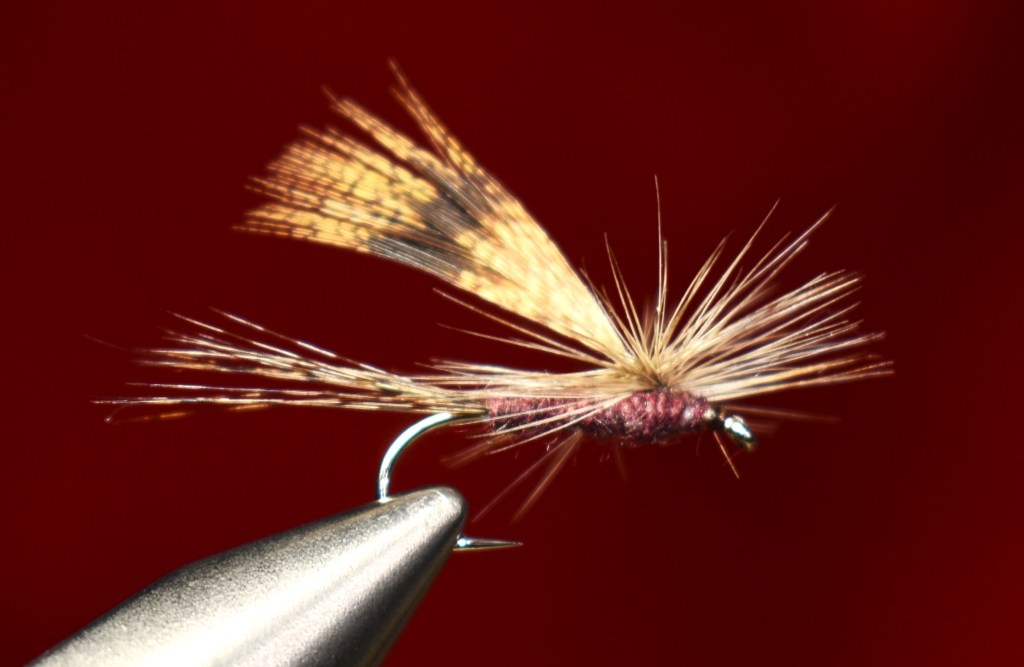
I found the pale, tannish variation of the Isonychia duns on the water last September. Serendipitously, one landed upon my hand allowing close observation. Of course I blended dubbing to tie this unusual body, ribbed it with claret thread to mimic the venation observed on that natural, and fished the new fly. It produced well during that season, and it was one of those same patterns which brought me so close to success two days past.

This morning, I tied a selection of duns and emergers, hoping that the frost and drop in water temperature might be mitigated by sunshine and lower water. Soon I must complete my preparations and begin my search for the opportunity to drift these upon the current.

One hundred seven days, and drawing swiftly toward the close of a season that began on April 10th, before an onslaught of high, cold water robbed me of nearly a fortnight. Low water followed closely as spring blended into summer, until the rivers were ravaged by the remains of Hurricane Debby. It seemed the rivers would never clear, and then drought returned. It continues still.

Each season has interruptions, but this year’s crop was more insidious. There were long periods characterized by fruitless days upon the water, days simply devoid of opportunities or challenges, as if Nature deemed it time to balance the scales. I have been fortunate throughout these half dozen seasons upon the rivers of my heart.

All days spent fishing are good days. Each true angler knows that, for there is indeed much more involved with this passion for angling than netted trout. None of us object to success, and none to challenge.

Finale?

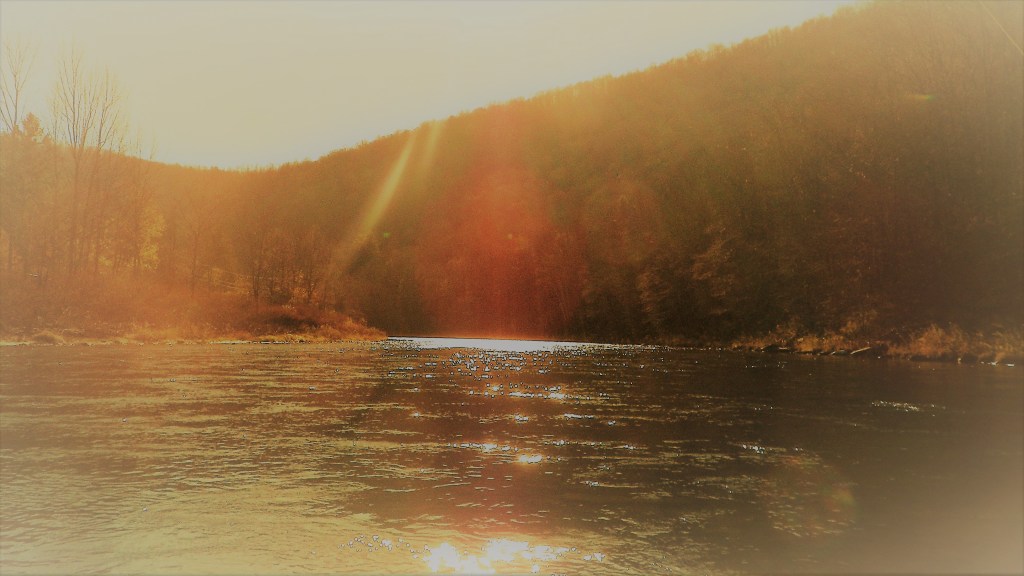
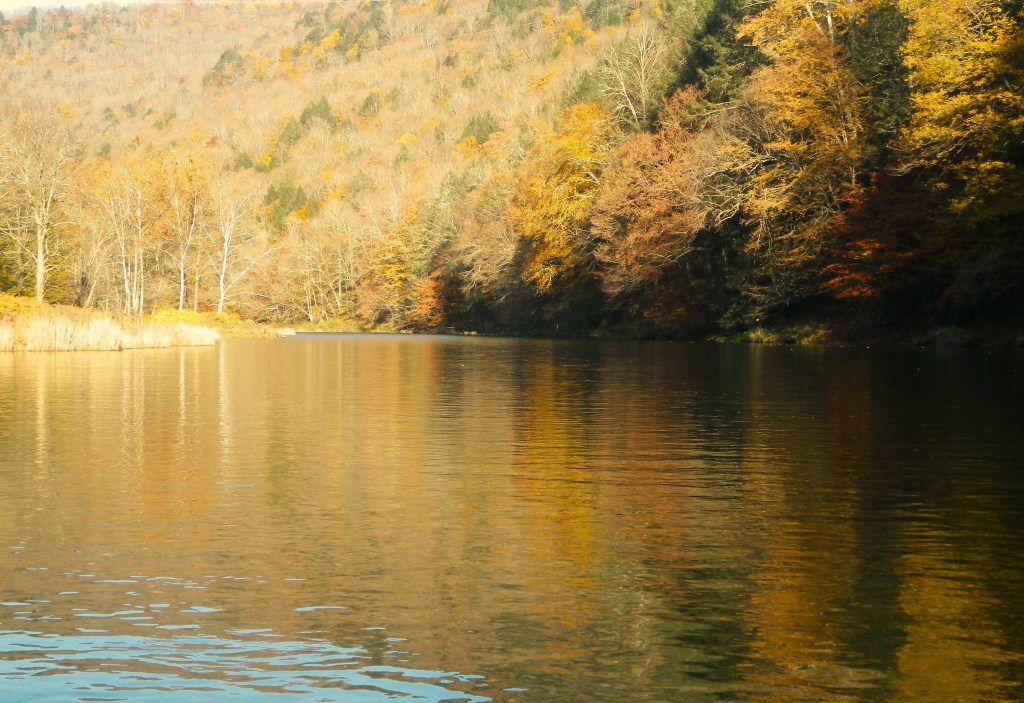
Golden, Copper and Bronze

Thursday, October 24th here in Crooked Eddy, and that taste of Indian Summer has passed. Rather than temperatures spiraling toward eighty, this day will settle in close to the mark we have before dawn: fifty-two degrees.

I wandered the rivers throughout this week’s meteorological celebration, taking in the warm sunshine, in search of opportunities for the dry fly. Though a few presented themselves, all were fleeting, from Monday’s brief moving target, to Wednesday’s challenging doorway to bliss.

I cannot say I had no chance on that last day. As I sit and contemplate my fate, I play the moment back in my mind.

I was working upriver when the winds rose suddenly, turning the calm beauty of the afternoon into a whirlwind of leaves in the air and on the water. I had tied an Isonychia 100-Year Dun to my leader, an act of hope more than a play on some hidden knowledge, but when I saw a tall-winged mayfly drifting between the wind tossed leaves, I knew my choice had been sound.

Moving toward a familiar piece of cover, my eyes searched for pockets of calm along the shoreline. There were few of them, the surface repeatedly tossed by the gusts, and there were very few of those big flies. A handful of mayflies at this time of year, drifting through the closing hours of the dry fly season, spurred me to stalk and cast to each little oasis I managed to find.

My story is an old one, familiar to every angler. The glaring sun in my right eye, the unpredictable gusts accelerating from the steady blow adding challenges to an already unlikely endeavor, but this is the spark that makes the sporting life worthwhile. As one gust ended, I released the line and sent my fly toward a tiny corner along a windblown bank. As my shoulders turned, the hood shifted on my head, exposing my eye to that glare, just as a new minor gust hit my moving fly line. I believed my fly had landed on target, but my compromised vision could not fix it amid the drifting leaves. The take was quick and subtle, a coffee cup sized ring just on the edge of land and water, and my reaction was not the cool, well-planned pause and lift that breeds success.

I saw a few more isonychia duns as I fished on upriver, but no rises came to either natural or imitation there in the full strength of those late October winds. I fished back down that riverbank, though quickly as time was short. I kept asking for a few moments of calm, a second gift with which I might salvage the first one offered.

An Isonychia dun came wriggling past that same tiny corner and the water surged with the rise of the kind of trout I had fully expected to be holding there. I did my best to drift my fly repeatedly through that window, changed the pattern and tried again, but no fly I could offer would skitter and bounce twisting upon the surface the way that lone, irresistible mayfly had.

I struggled to fish out the afternoon, but it seemed as if every leaf in the forest had been directed into all of the primary lines of drift. There would be no second chance, however grateful I might be for the first.