Howling Winds & Blankets

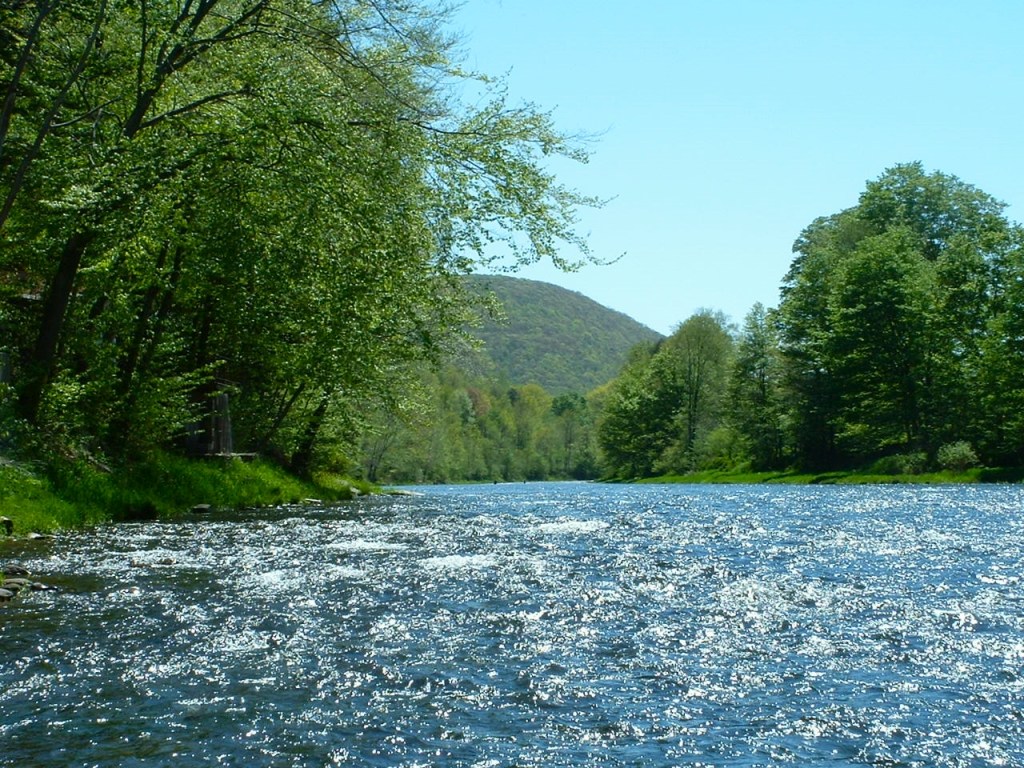
The rush and gleam of bright water

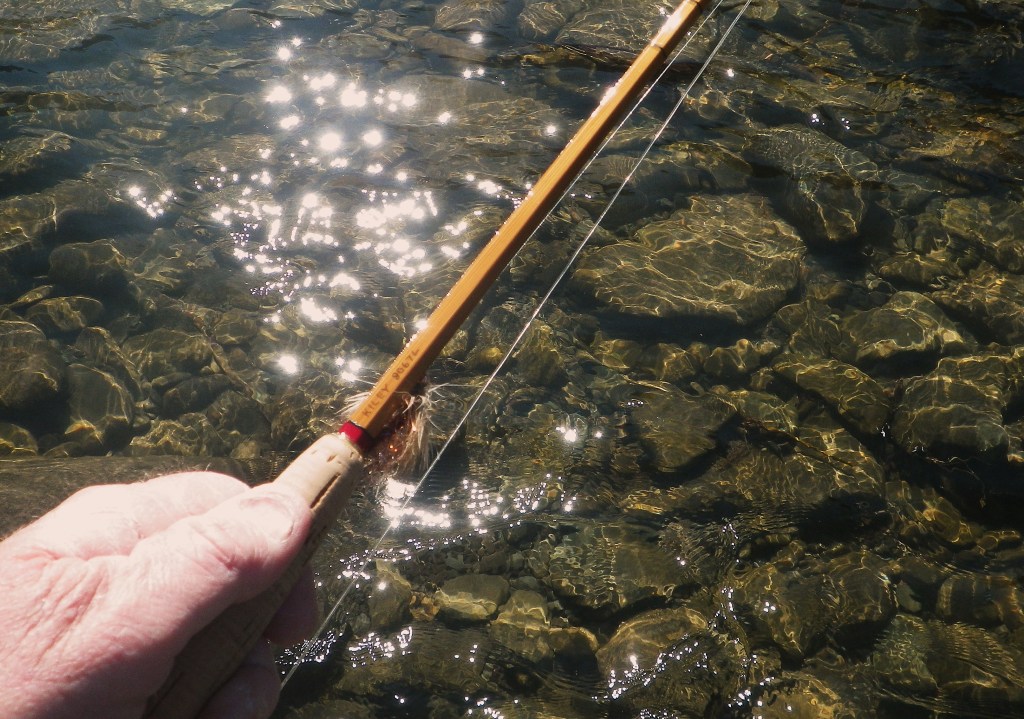
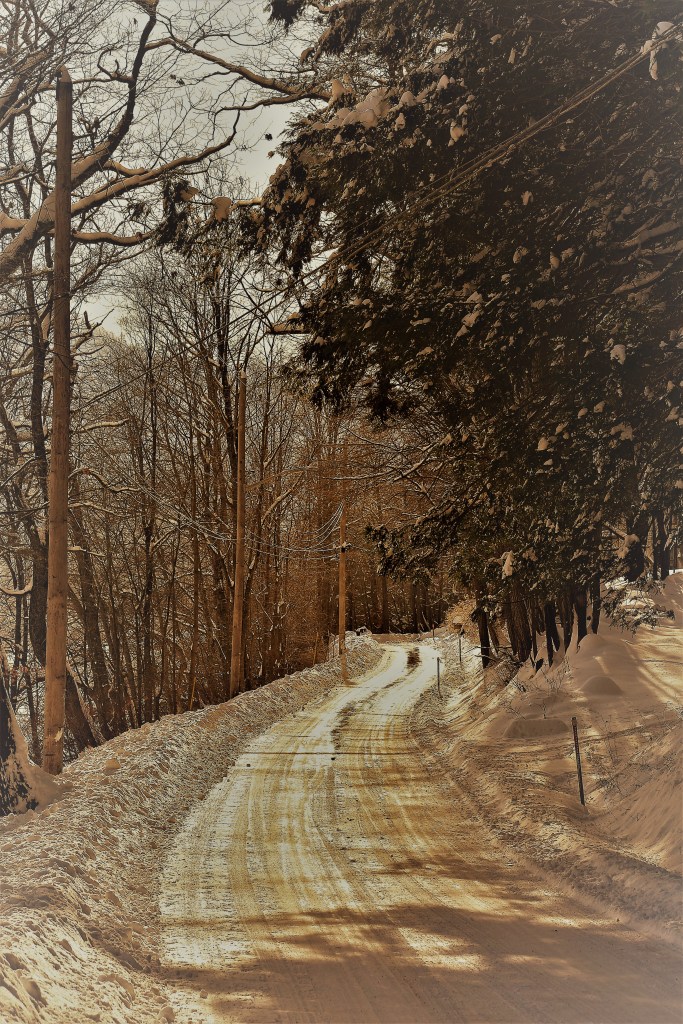
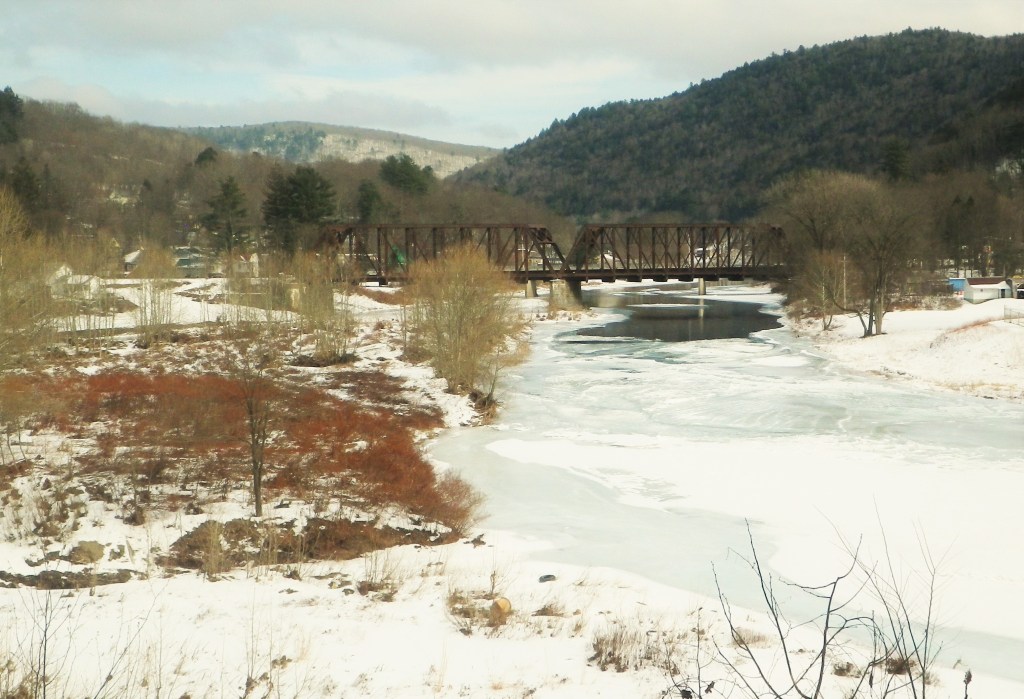
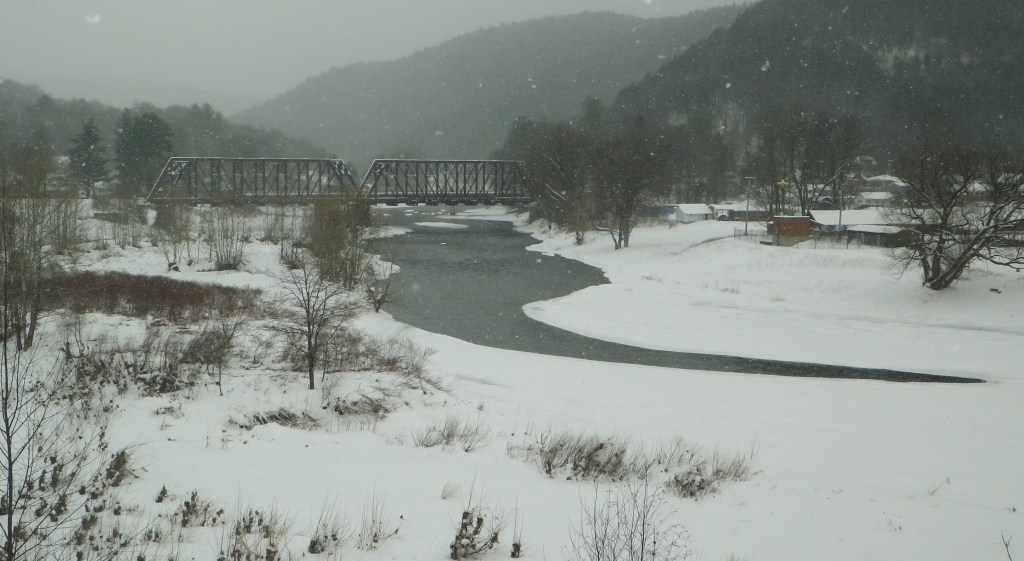
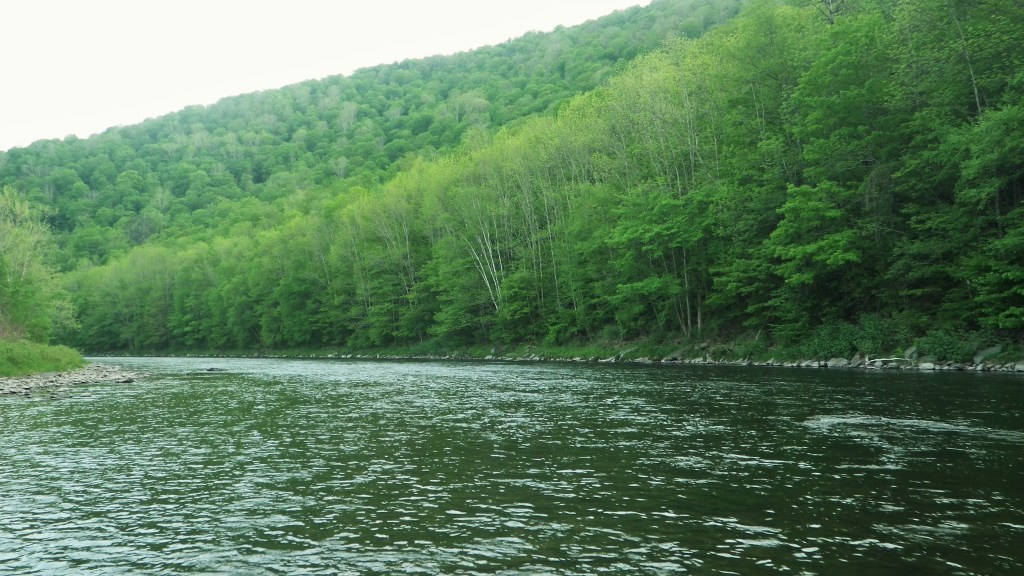
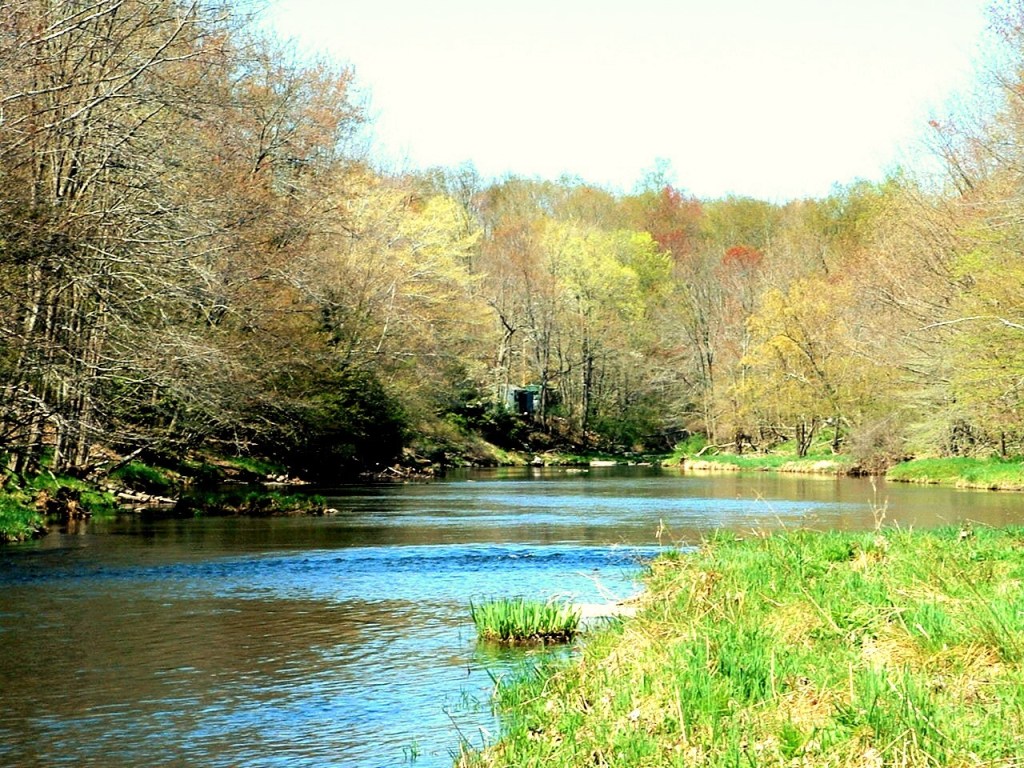
I am hunkered here at my tying desk, entombed in fleece and down as the wind howls between my outside wall and the tent protecting the drift boat, thinking about floating that boat down the rush of bright water visible above.

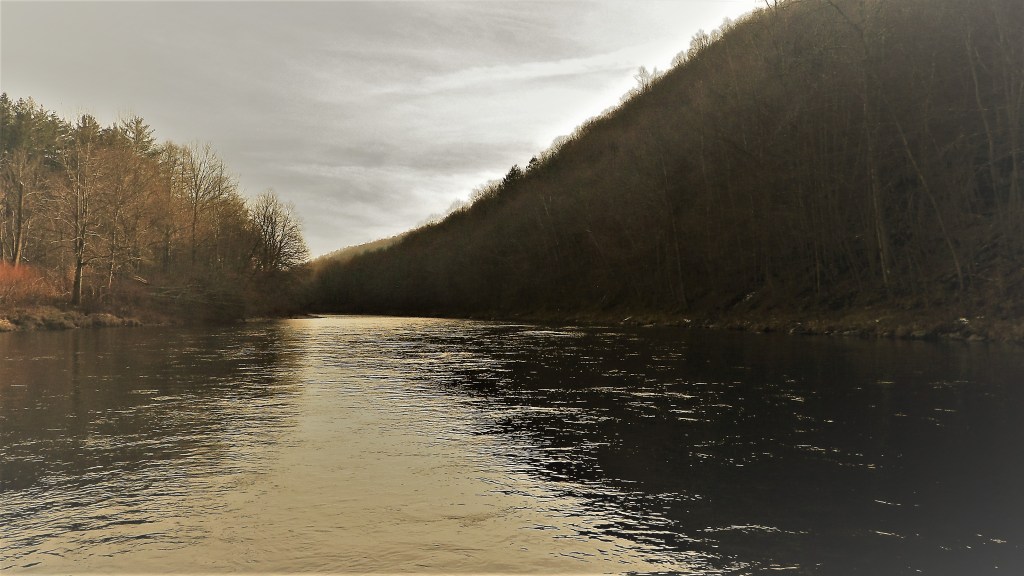
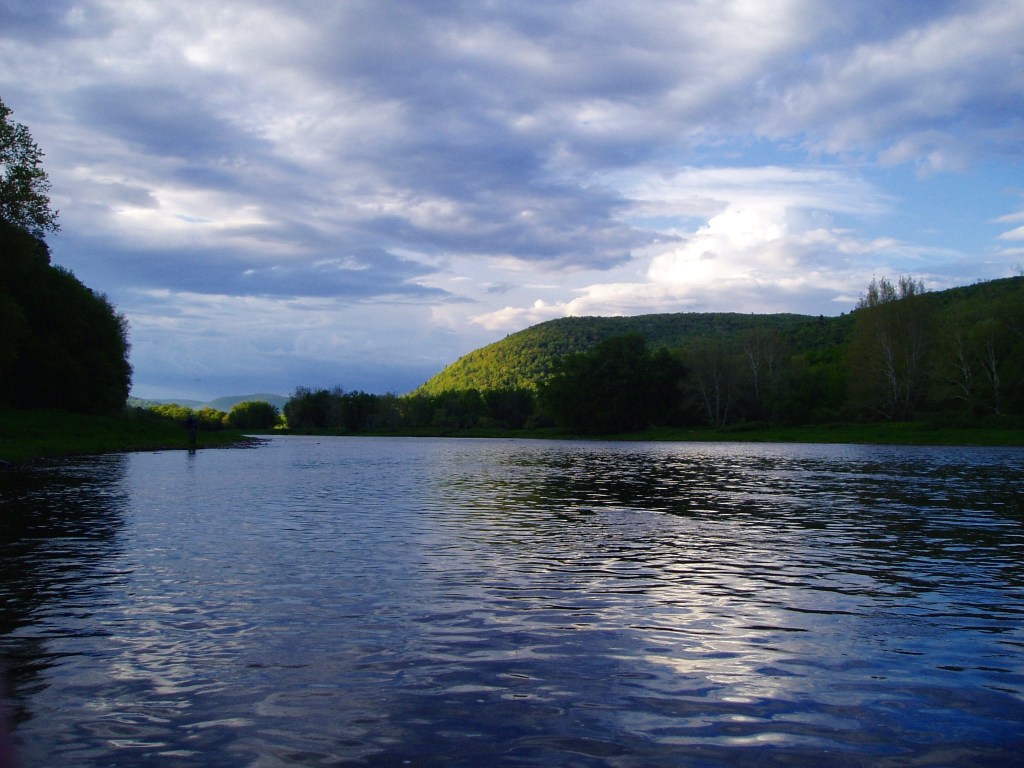
It would seem like a good year to take an early, solo float, something I have done a number of times in retirement. Perhaps the most enjoyable of these sojourns came during those early months of the pandemic. Imagine ten miles upon the West Branch of the Delaware without sight of another soul?

Solitude is not something you find along the most popular trout river in the East, not even when you venture forth before the vaunted spring hatches have begun!

Adrift & alone!

An early season wind can make that boat a cold place to spend the day, but the truth is it is many times warmer than wading a forty-degree river. Will the trout rise? No, of course they will not, but I always have a rod rigged beside me. Such trips are something besides simply fishing. They are a moment of reverence paid to Nature and her Red Gods; grateful thanks for many precious days upon bright water.

Once the sun has grown strong enough to bring the rivers past the mid-forties, I can almost convince myself there is a chance for an insect to flutter upon the surface, a prayer for a trout to rise. I am smiling as I think of that, remembering so many days when forty-eight has broken my heart.

My calendar says fifty-three days of waiting remain, though this one is closer now to evening than to morning. That weekend warming trend still lies ahead, despite today’s swirling snowflakes and the chill I am feeling in my bones efforts to erode my anticipation.

Pondering Springtime

Pondering Springtime
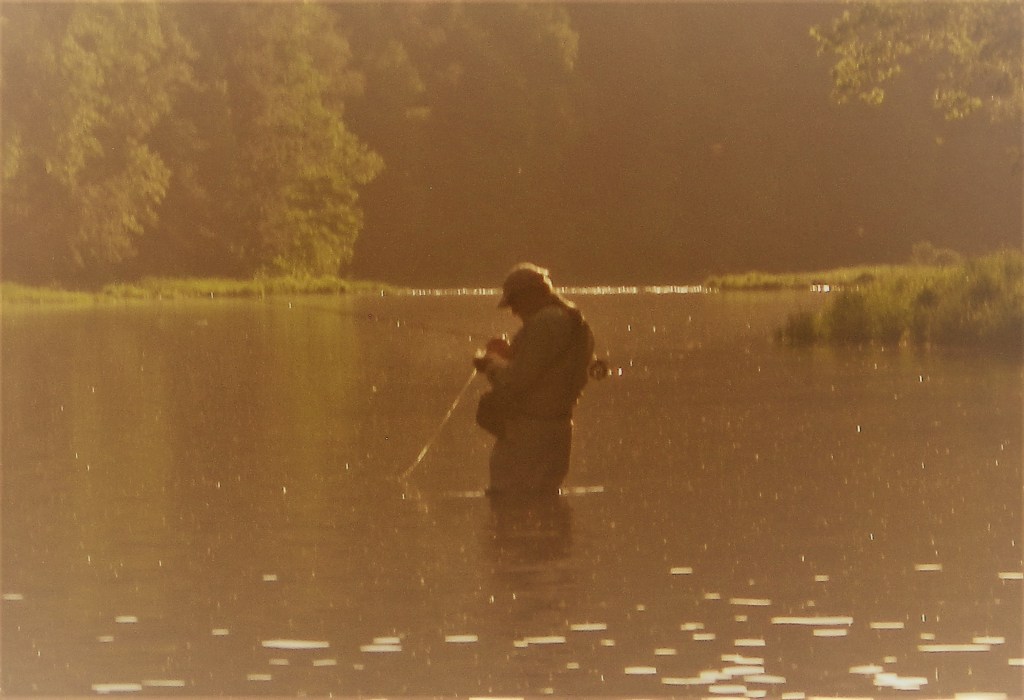
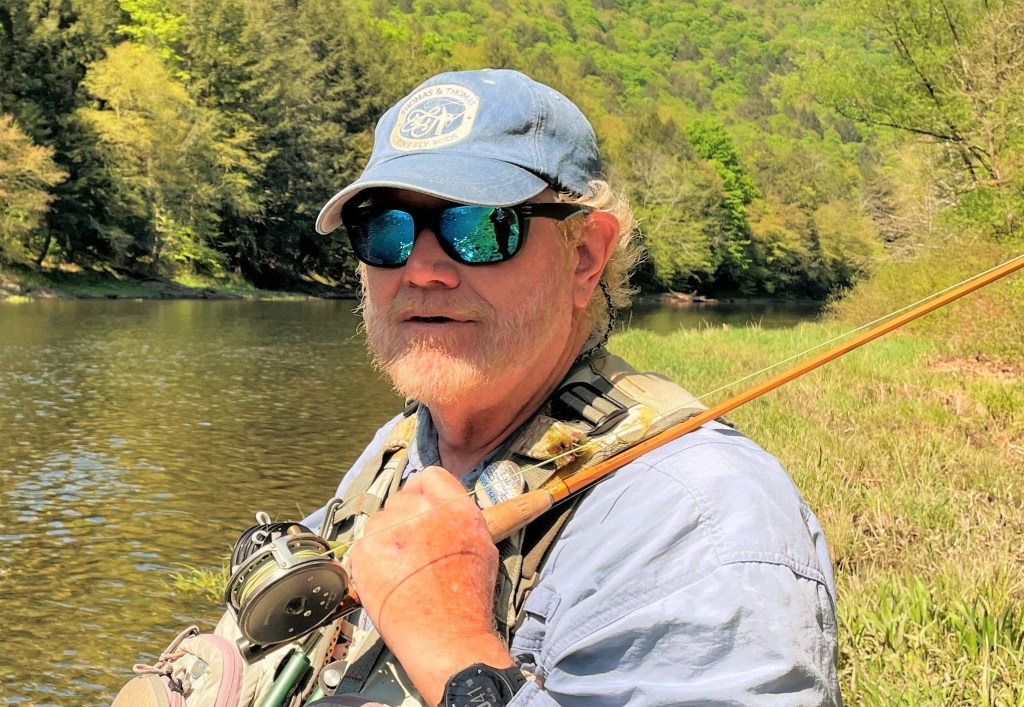
(Photo courtesy of Andy Boryan)

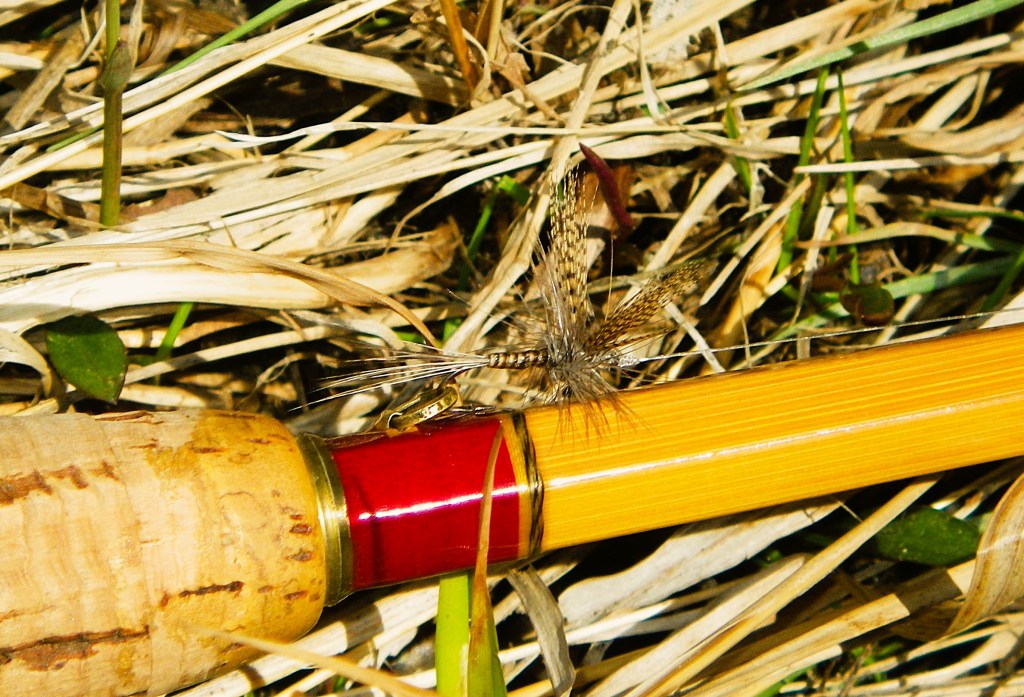
I was searching through some photos this morning and came upon this one that a friend of mine took several seasons ago. Looking at it, I can almost feel that sunshine! Shirtsleeve weather, mayflies hatching, a favorite bamboo rod resting on my shoulder – everything about that moment was so completely right.

It was easier to fall into thoughts of springtime this morning, for there is a thaw coming at last! Sure, things will stay around freezing through Friday, but then the predictions have our daily highs in the forties for a week. Oh, there is still a tease though. One of the computer models The Weather Channel monitors has us getting some heavy snow over the next few days. Then again, one of the other models doesn’t. Do we get to choose which one?

The flies tied this off-season are burgeoning out of their pill bottles, even though I have begun to fill the compartments of a new aluminum fly box with the new designs. Once that thaw gets here, I may just have to move some more of them to their new homes and keep riding the tide of hope that spring gets closer every day!

Alternative Flies

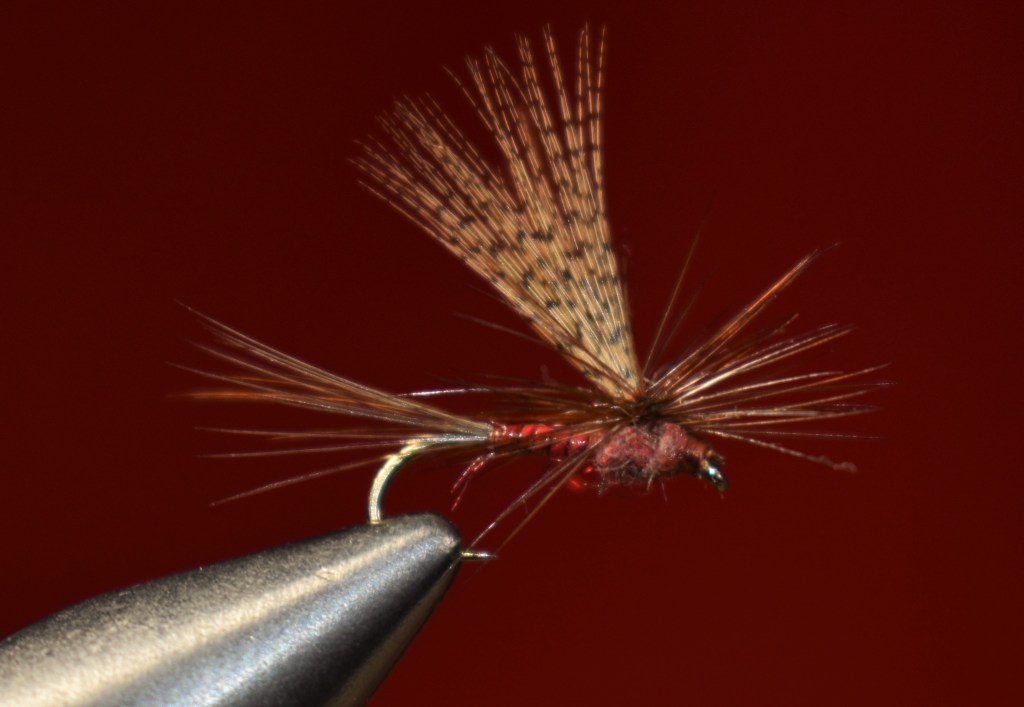
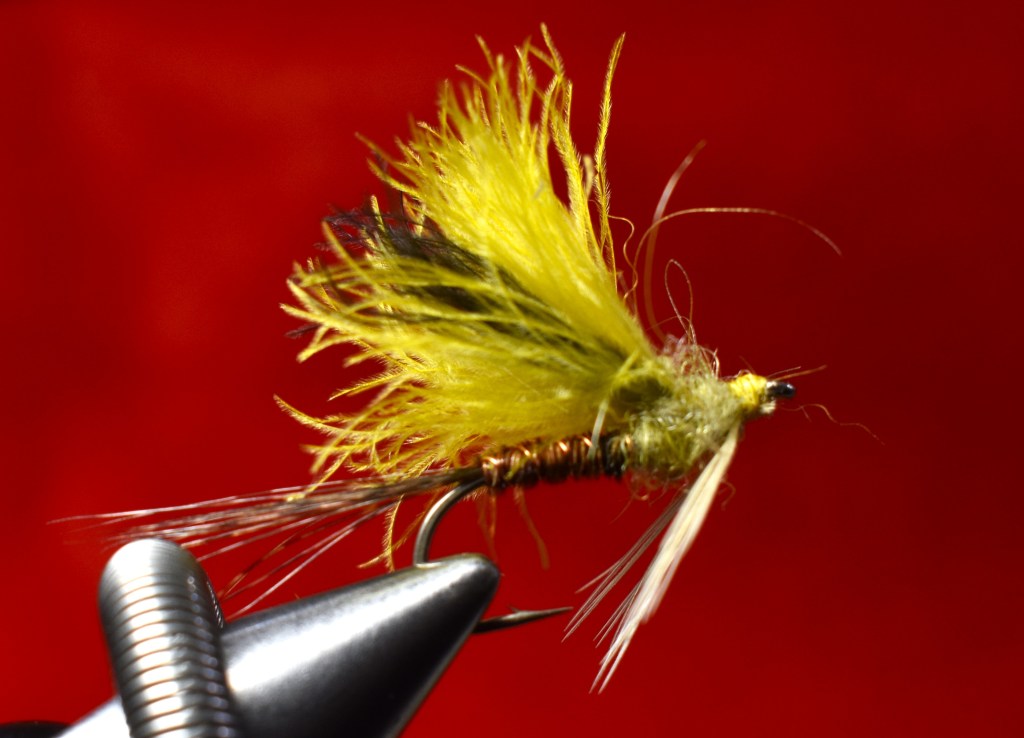
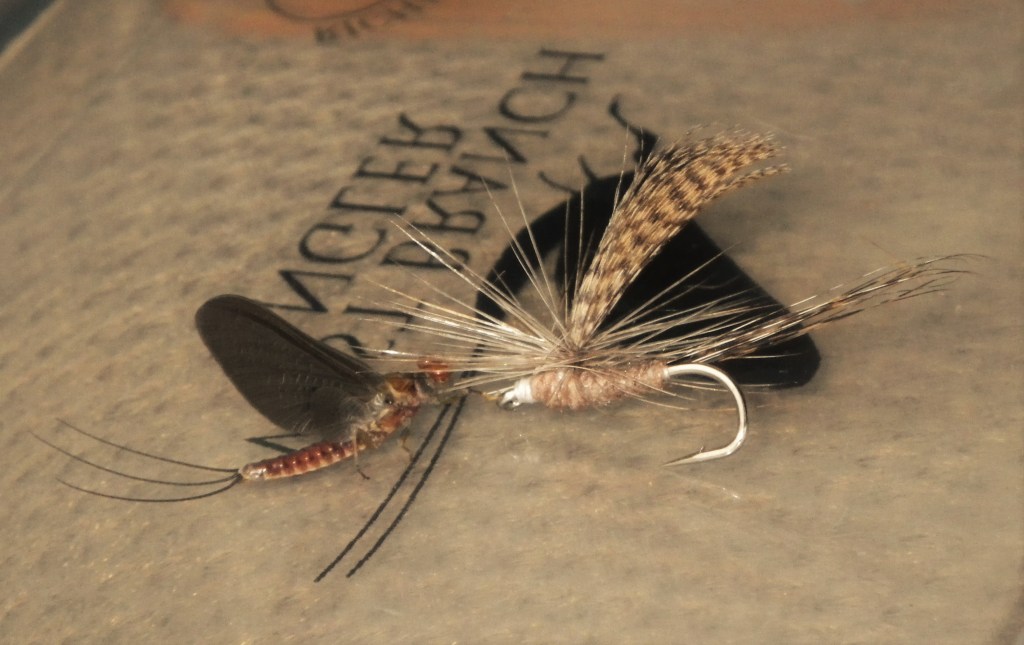
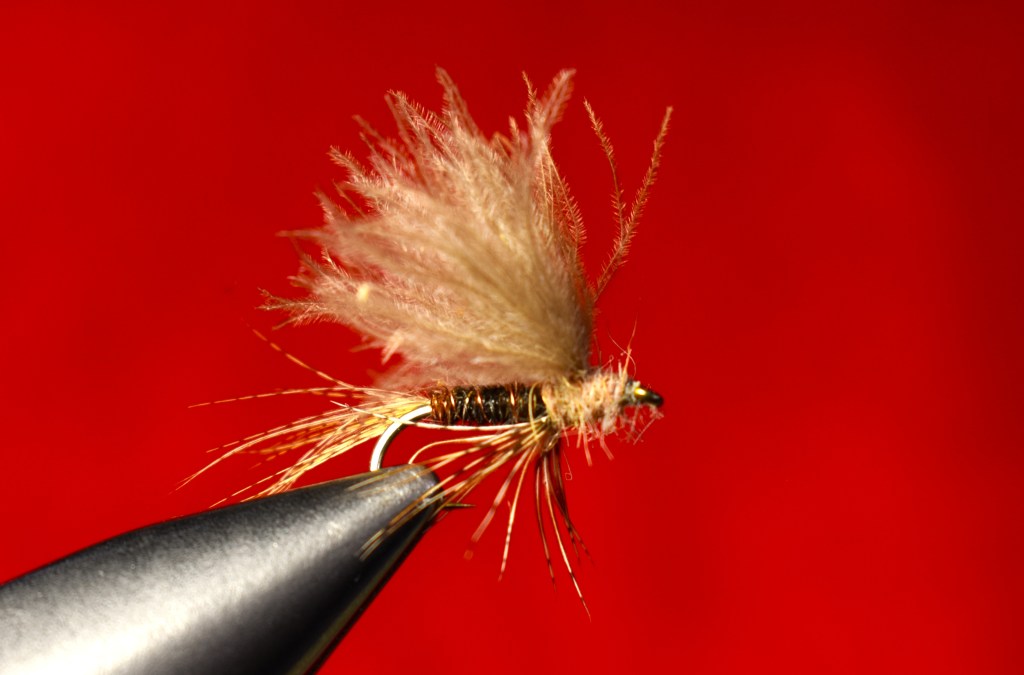
My Drowned Hendrickson, designed in 2003: a page in the book of never-ending selectivity!

The winds are positively howling, as the Catskills are battered by another dangerous cold weather advisory, and I am continuing down the rabbit hole of tying alternative dry flies. The Drowned Hendrickson above provides evidence that I’ve been here before, but I have enjoyed a new concentration in this area as this long, cold winter continues to overcome the best efforts of my old furnace.

Primarily, it was two thousand twenty-five’s decided lack of mayflies that has caused my attentions to turn. If there aren’t many bugs, the happy-go-lucky fly fisher might suppose that trout would be eager to eat most anything cast upon the waters, but if anything, our wild Catskill brownies proved even more difficult and selective than usual. While I am hoping for improved hatches in twenty-six, I have been preoccupied with producing some very different flies for my chosen regimen of surface fishing.

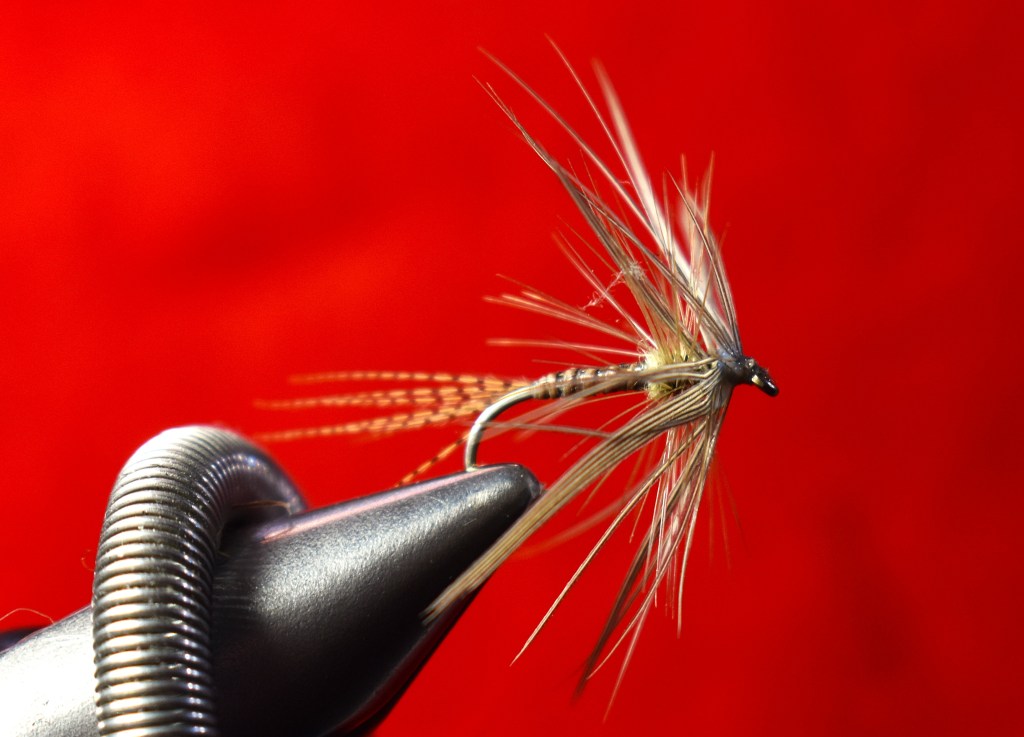
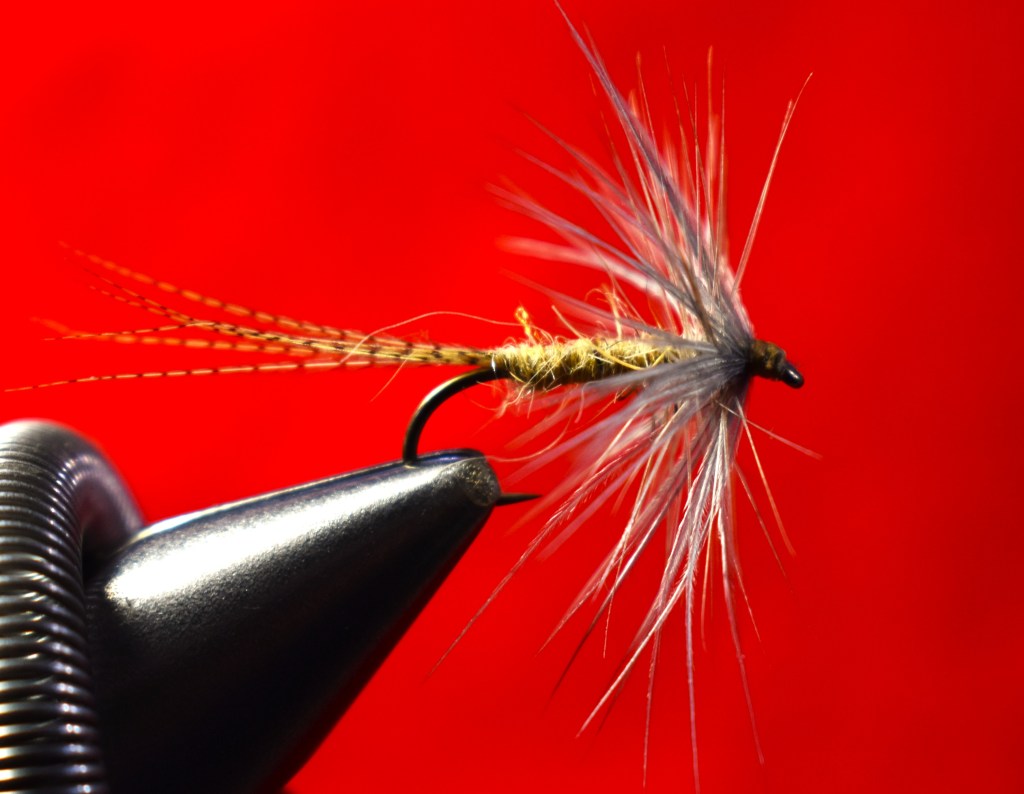
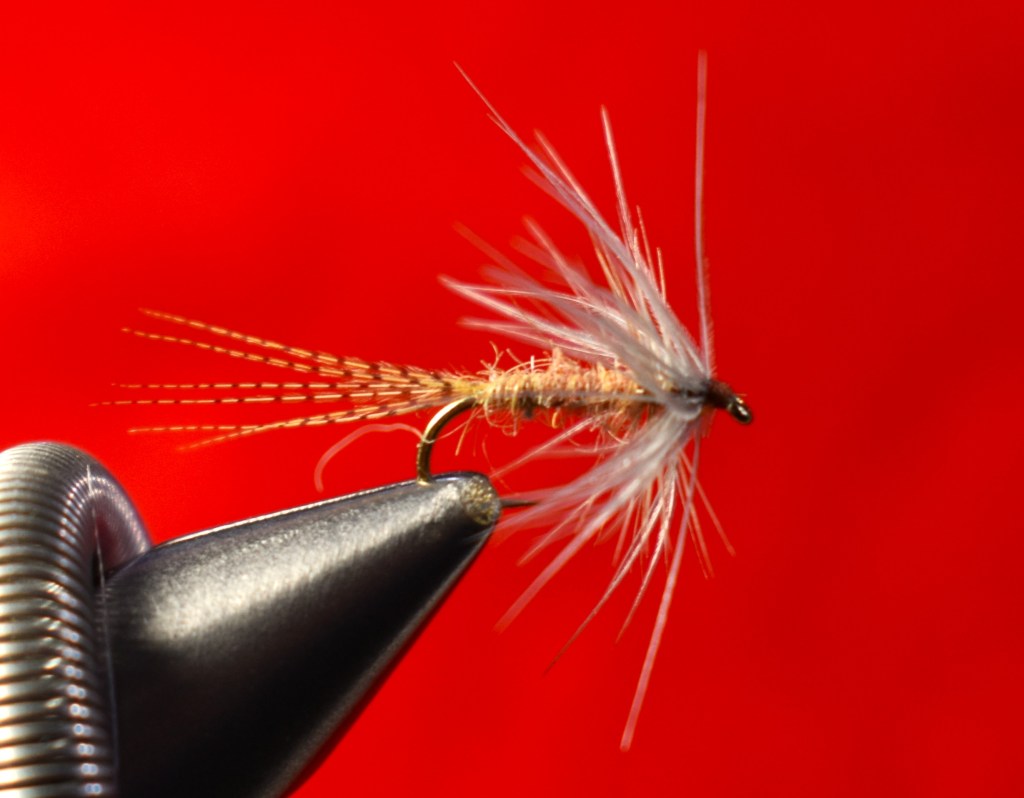
That Drowned Hendrickson was a forerunner to an expanding group of CDC soft hackles, and I have also combined that concept with the soft hackled dry flies previously expounded upon.

Dry flies hackled with both cock’s hackles and soft gamebird feathers have only been around for some 175 years. It seems that, perhaps they may have taken some fish during that span.

The concepts are sound, promoted by longevity as well as the newest studies and opinions regarding vulnerable flies featured in Mr. Hayes’ and Mr. Stazicker’s recent work.

If mayflies prove to be scarce again this season, something that could easily happen, it stands to reason that a trout which is less likely to rise for floating duns he has not been seeing regularly, might be significantly more likely to tip up and sip a fly struggling in the surface film. It certainly cannot hurt to offer these in the forms of imitations of the mayflies of the season, rather than fishing purely generic patterns.

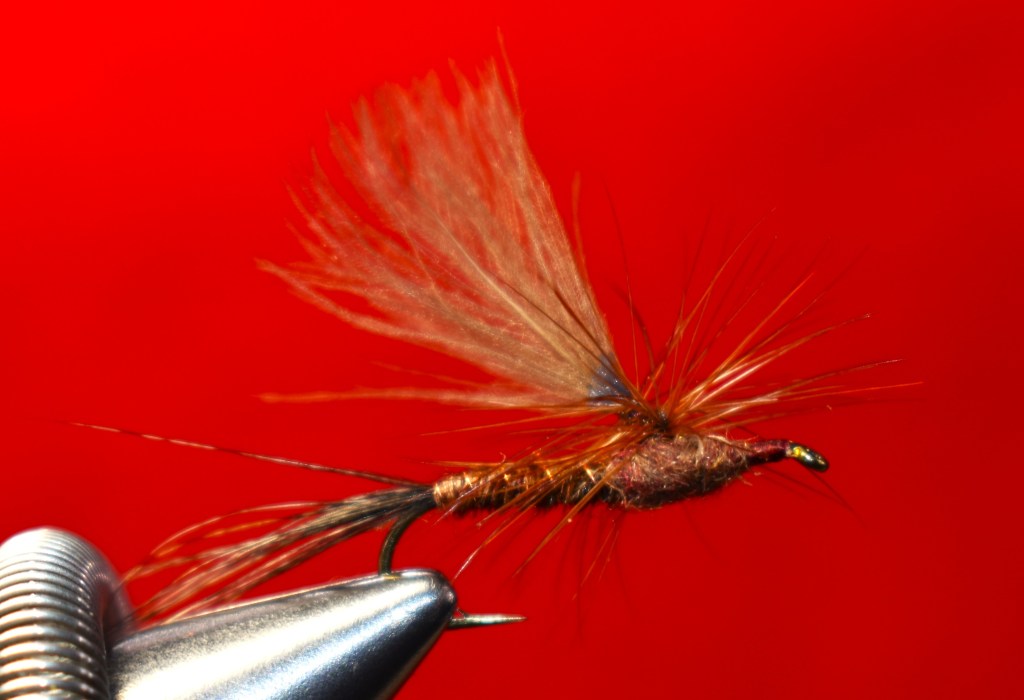
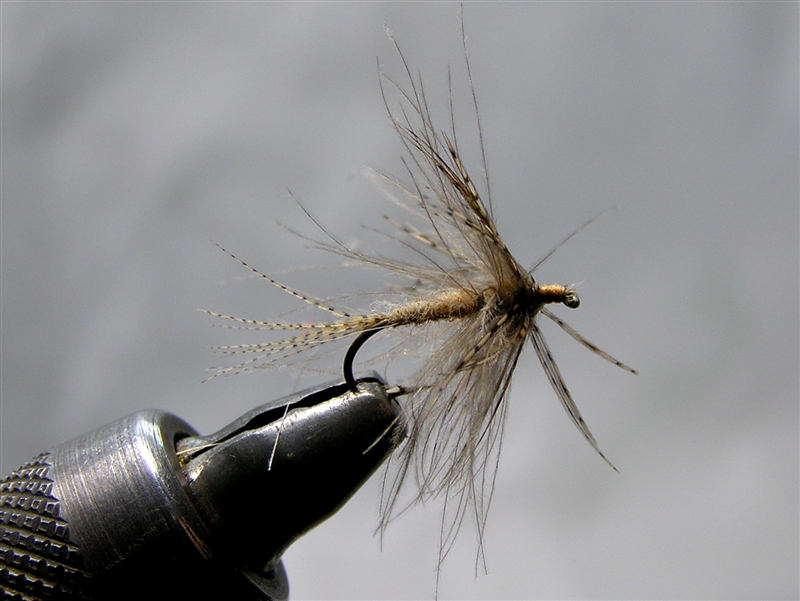
The new series of Transitional Duns that I have produced this winter follow the same reasoning. When fly hatches are lean and sporadic, many trout are less likely to rise to a dun imitation, even a very good one. My Transitionals are designed to ride awash, while still displaying the trigger of an emergent set of wings.

Fishing of course, is still two months away. I have plenty of time to continue filling a fly box with an array of new ideas, as I work to pass all of those frigid days while retaining my sanity!

Sixty Days

It is the fifth day of February, and it is one degree below zero here in Crooked Eddy. Sixty days of winter and waiting remain until the dawn of a new dry fly season, though this is measured solely by my own hopeful reckoning.

Another push of arctic air is headed across New York and New England for the weekend, bringing snow and dangerous low temperatures. Funny, but that seems a lot like our average daily forecast.

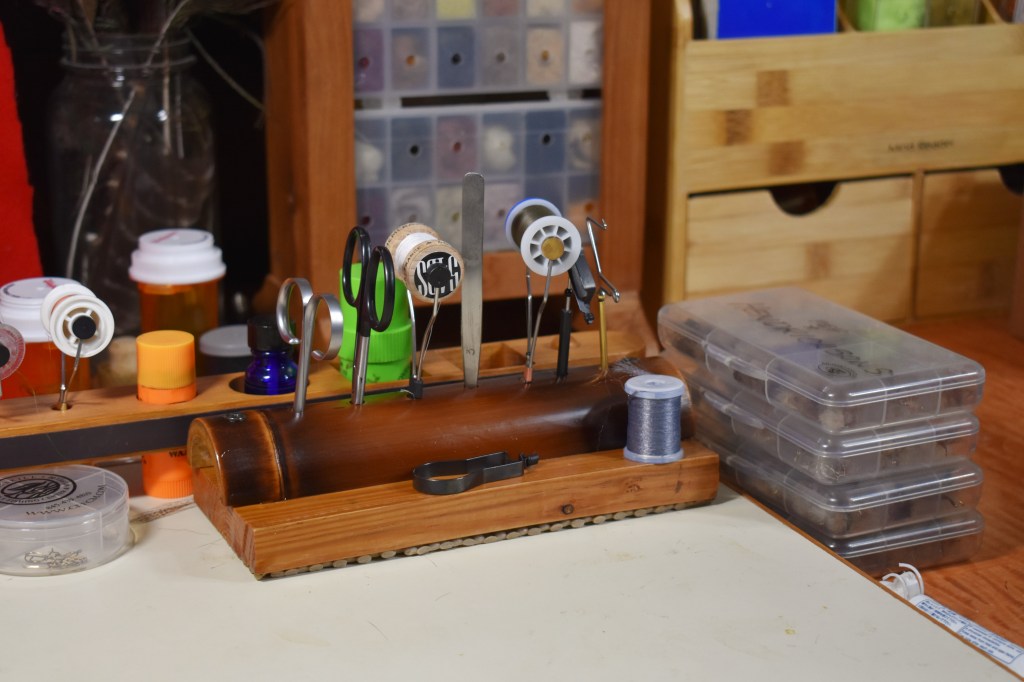
I have been working through this parade of frigid days with a good book, and half a dozen fly hooks that I choose to bring life to an idea. My tackle room remains cold enough that I don an insulated overshirt, with a blanket splayed over my lap and legs. My favorite coffee mugs have been replaced by a new Yeti which is half mug and half thermos. Welcome to winter in the Catskills.

Were I a younger man, it might be fun to strap on a pair of studded boots or cross-country skis and wander the mountains, but I shan’t try that today. Instead, I surrender to the inevitable and the truth, that all of my equipment has, rust.

Wealth might find me off to a Caribbean island with a heavier rod and bonefish flies or, since I am enduring the cold anyway, I might easily succumb to the enticements of British Columbia and her famed steelhead rivers. Such magical escapes require significant wealth though, and my humble accounts won’t allow any of those dreams either.

Catskill winters are the trade I offer for Catskill springs and summers and, though I doubt the bargain here in the middle of another ice laden blast, I am glad I made it. Angling gives me a great joy, a fulfillment of spirit. I shall rely upon that as I count these sixty days…

August
(Photo courtesy Henry Jeung)

Limestone Dreams

The Willow Hole on Big Spring beckons…

February debuts, and I have tied my first half-dozen Baby Crickets for the coming season. No wonder my thoughts drift back to my years of limestone meanderings…

The creation of that pattern is nearly lost in time. My best guess tells me The Baby was born fairly early during my fling as the owner of my own fly shop, so perhaps 1994? So, for more than three decades, I have stalked trout in the warm seasons of the year and taken countless numbers of trout on this little black dry fly. It’s effectiveness was not limited to the limestone springs, far from it, for it was a mainstay on freestone and tailwater rivers, a gem wherever I angled. Big trout have not grown tired of it yet!

I was introduced to a friend of a friend who joined me on Massachusetts’ Deerfield River, my Grandfather’s home water when the fly was new. Paul grew fond of the way the Baby Cricket tempted those Berkshire browns and rainbows when I shared the contents of my fly box. I tied a dozen or two and sent them to him after our meeting.

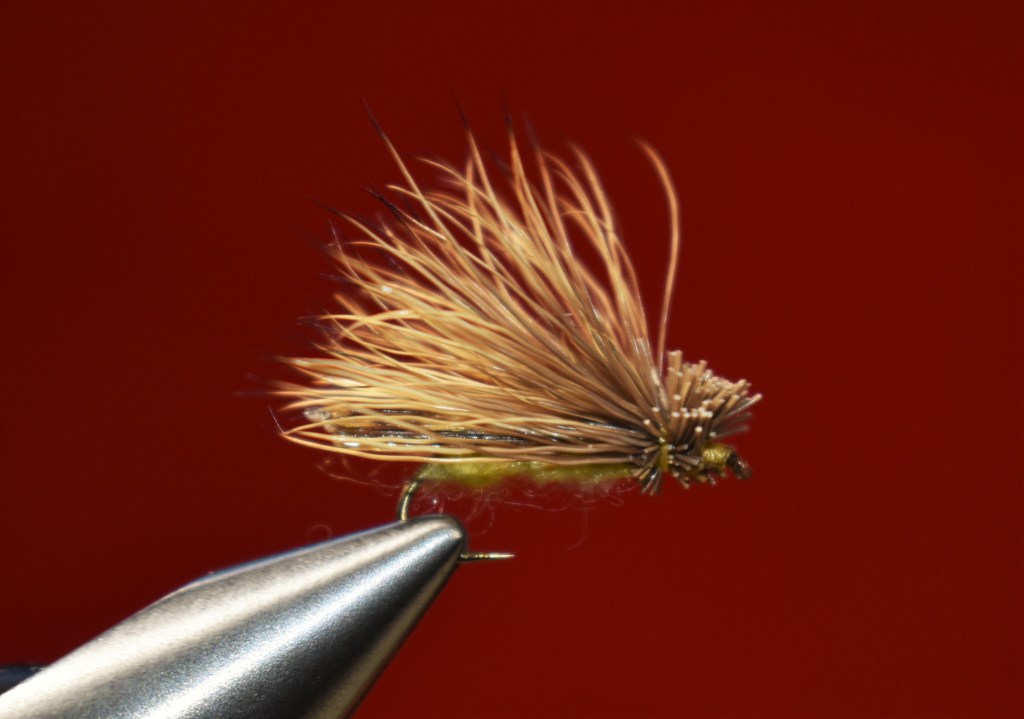
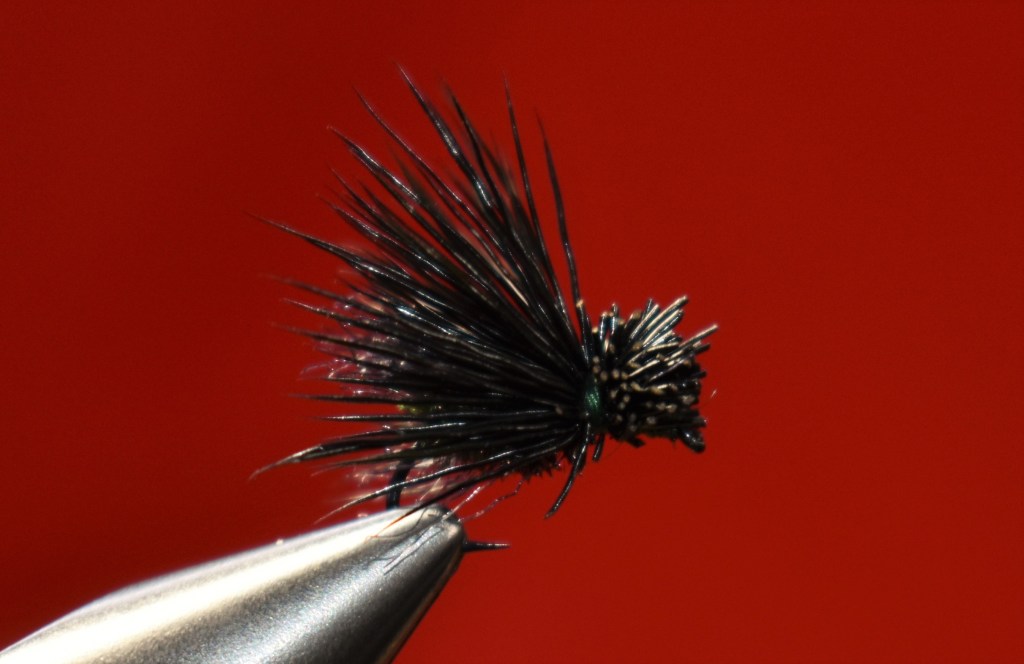
Loop spun peacock herl, black Antron yarn and just the right black deer hair equals… magic!

I used to fish quite often in February back then, the limestone springs gushing fifty-two degree water on the coldest winter days. The last half of this second month would sometimes offer rises from a handful of good trout and by March there would be little black stoneflies and blue-winged olives about whenever the weak sunshine warmed the day a touch.

Shimmer!

The fishing invariably presented challenges, even after twenty years stalking the Cumberland Valley’s springs, and it was that sublime challenge that first drew me there and ever mesmerized on all those angling days.

Many have written how the confidence in a fly makes for the angler’s best presentation and fishing. I tend to agree, thus The Baby still finds itself on my tippet when warm days bless my journeys along bright waters!

Raising Cane

Checking the measurements of that first of two dozen bamboo strips

This winter seems colder and snowier than last, and it is certainly quieter for me. Last January I began a journey on what would become a very long road, a trying project for me, the making of my own split bamboo fly rod. My friend John had invited me to join him in the Catskill Rodmakers Workshop at CFFCM to see if I could learn to transform an internode of Vietnamese Lo o bamboo into a classically styled three-piece trout rod.

Winter weather kept us away from the rod shop on many weekends, and there were other events on some of our work days that challenged my concentration. I discovered some new pain centers in my hands, wrists and shoulders, thanks to the repetitive motions required to plane twenty-four strips of bamboo with a hand plane and steel planing form.

There were setbacks thanks to the learning curve, and though John remained positive, my enthusiasm was dealt a few blows that made success seem very unlikely at times. The rod was completed, though not for the spring fishing season as originally envisioned. Eight months were required to log some eighty hours of shop time, but I walked away with an even greater respect and appreciation for my rodmaking friends and acquaintances, and a very nice 7’9″ dry fly rod.

When my thoughts turn back and cast through those eighty hours, I wish I could do it again and again. It was a great feeling to finally slip a favorite reel into the reel seat and thread a fly line through the guides. An even better feeling to cast the rod for that first time, my smile beaming across my face. Ah, to be a much younger man with time on my hands and a suitable shop of my own!

The negative side of the experience involves those new aches and pains, particularly the “moderately severe” arthritis which now resides in the wrist of my casting hand. Rod work wasn’t solely responsible for that, though it certainly did advance it to the point that I sometimes fear my casting may go before the rest of me does.

The Anglers Rest Special at riverside

Brown trout number one…

That arthritis makes it clear that there will not be another rod project in my future. That doesn’t mean that I won’t still hang around and watch the craft, or talk with rodmakers, or read about the history of the great Catskill rodmakers. Getting a taste of the work itself makes everything I love about cane rods and fly fishing even more enjoyable, and I will never regret that.

It would be great to see some young medical researcher come up with a quick and inexpensive method of dissolving arthritis deposits on our joints. I would be right up there in the front of that line! I expect that is very unlikely too.

My Dad and my Uncle Jim got me started in the outdoors, and the countless days I have spent out there have given me many of the greatest moments of pure joy in my life. I hope that I was able to let them know just how important those times were while they were still here beside me. I can feel their presence as I watch the late afternoon sunlight glint upon the water.

I am waiting and looking ahead to a new season upon bright water, about to begin flirting with my twilight years. I plan to put that self-made fly rod to work on many a spring afternoon, to feel it arch with the throb of life on a misty summer morning and walk with me at riverside as this next season comes to a close.

Terrestrials?

It is Thursday the 29th on January, and it is ten below here in Crooked Eddy. My old furnace burns steadily, though it’s heat seems to flee this old house faster than the pipes can carry it throughout. I shivered when I came down to the living room this morning, finding a crisp 56 degrees with the thermostat set at 72.

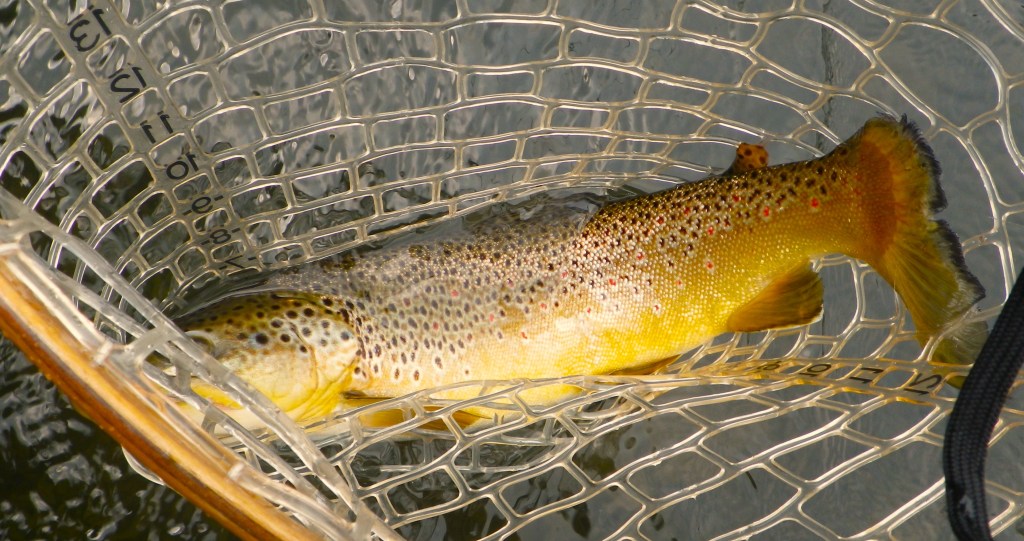
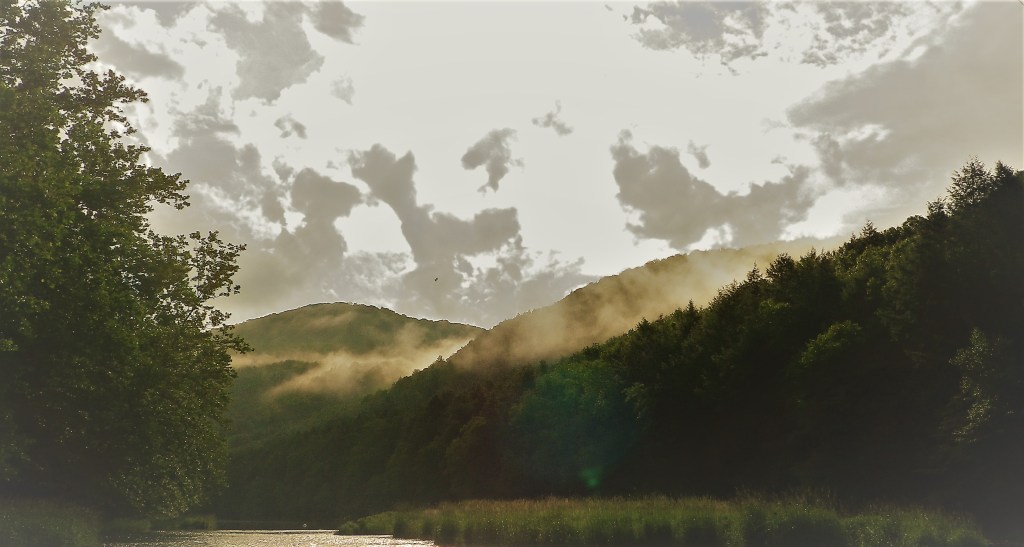
There are some summer mornings upon our tailwaters which boast that same crispness to the morning air; summer mornings like the one pictured above.

My thoughts are running to summer and terrestrials once more, and perhaps some new patterns will take shape on my vice later on. At least, if this tackle room warms up at all…

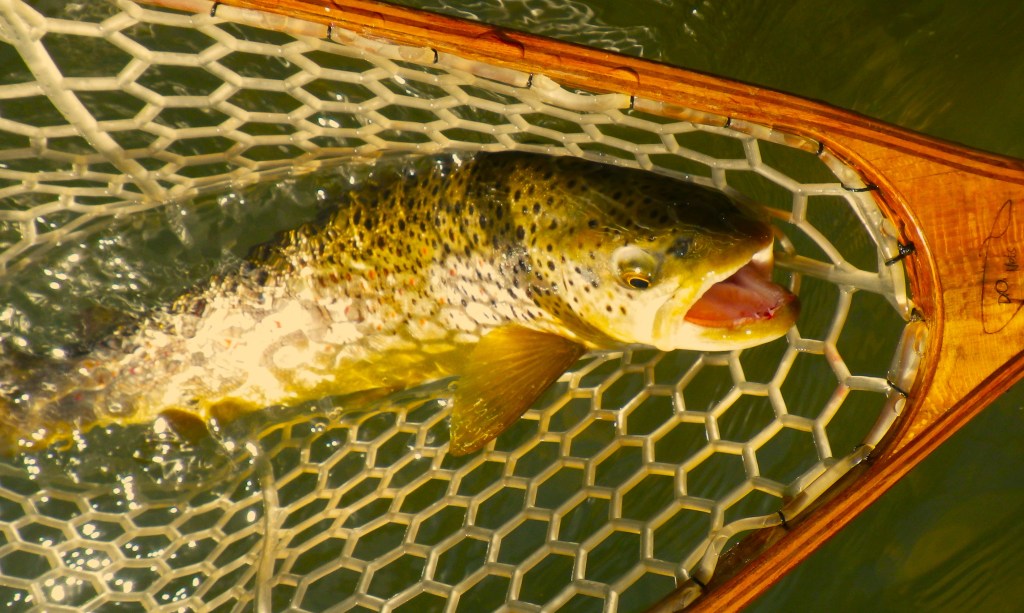
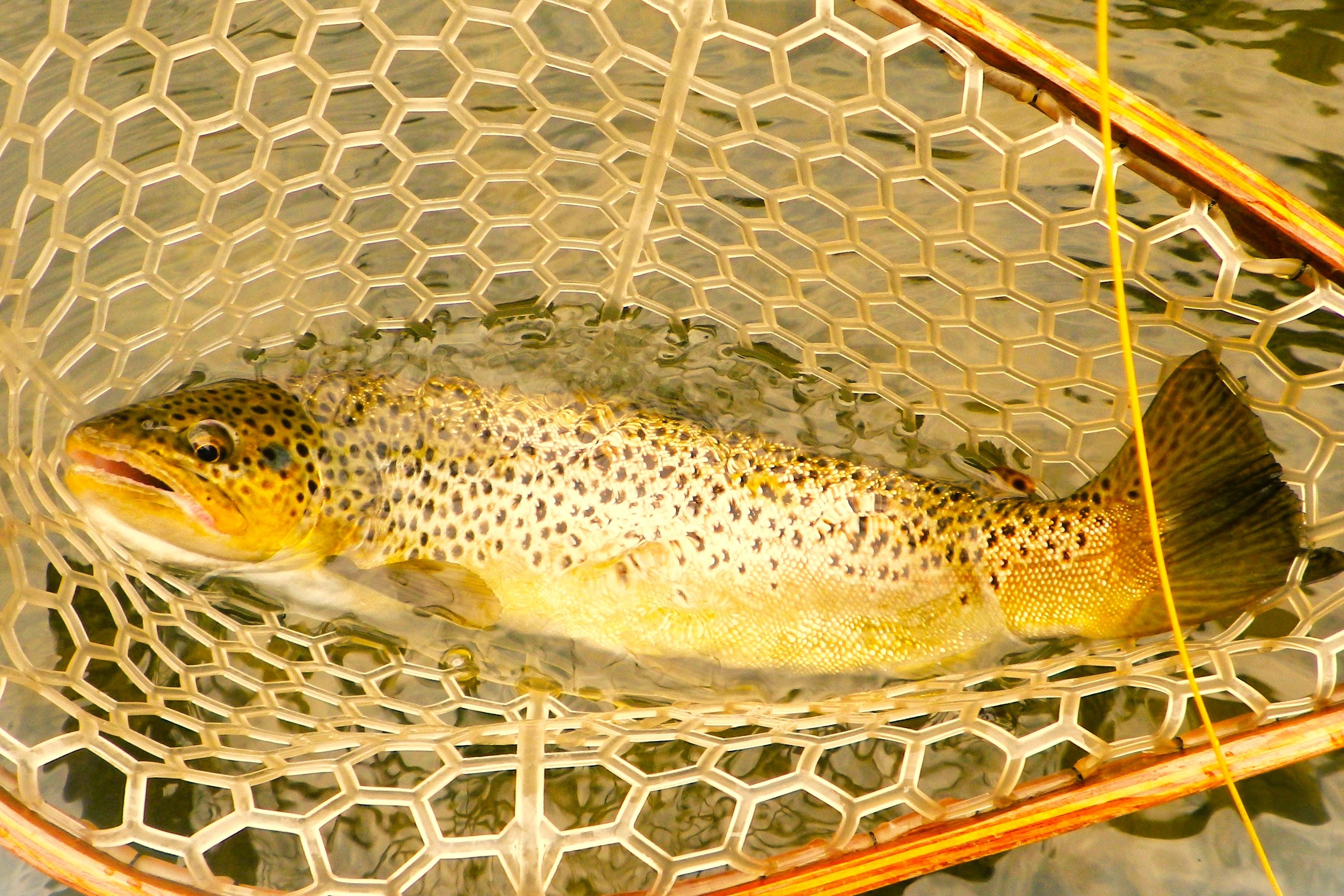
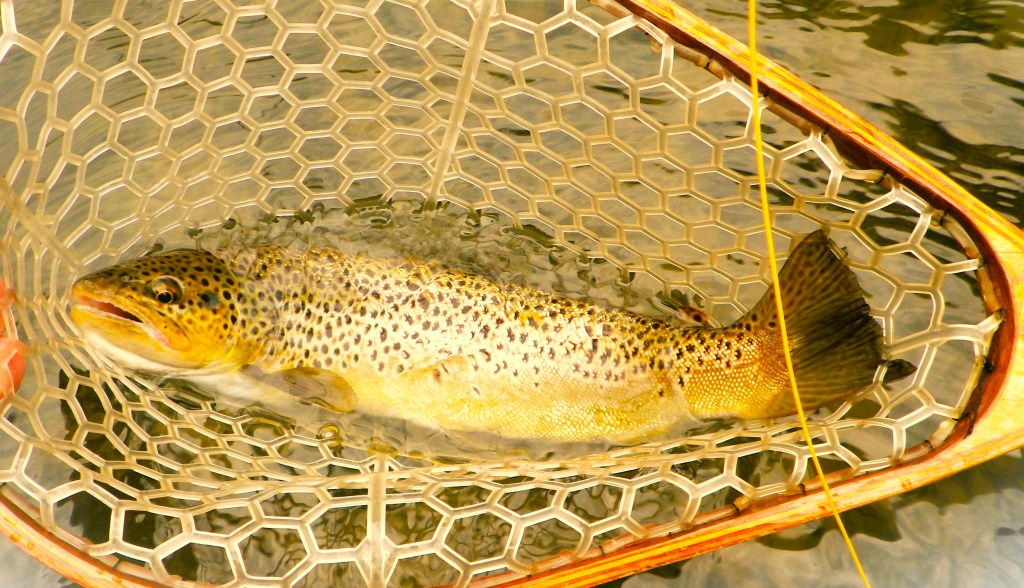
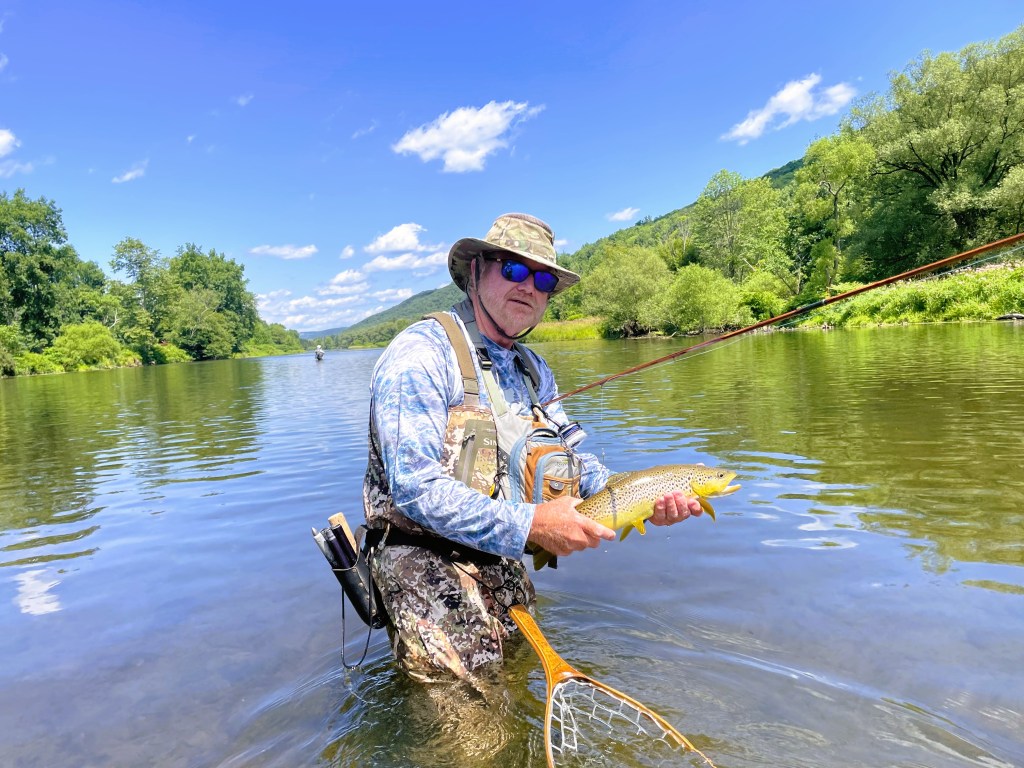
A fine brown trout, taken on a terrestrial amid the early morning mist.

Reading back through Ed Koch and Harry Steeves book recently, I was reminded that my summer fly boxes tend to neglect the linear, and less rotund members of the beetle clan, so effective has been my plump little Grizzly Beetle. I vowed to remedy that oversight and set about it with a blanket around my knees. Yes, it is still quite cold, even with bright winter sunshine spilling through the window above my tying bench.

I stopped just short of a dozen flies, all with the long, narrow bodies required to balance out my summer selection. Most bear my old favorite peacock herl bodies, spun in a dubbing loop to form a full, sturdy herl chenille. Some brown, more of them basic black which serves as the foundation color. Beetles tend to be viewed by hunting trout in silhouette it seems, so I offer color variations more often on their bottoms than their tops.

With our hatches so thin last season, I expected a great deal of terrestrial action. Expected, but not found. I believe the trout spread out a great deal along the rivers and, used to a slower hunting style of summer angling, I failed to cover enough water. One cannot hunt large brown trout in a hurry!

Classic terrestrial water on Chambersburg’s Falling Spring Branch

My favorite limestone spring creeks never demanded the exertion of covering water. Stealth was paramount in those intimate environs, and that rule prevails along our wide and open Catskill Rivers, particularly during terrestrial season.

The Grizzly Beetle

Once spring draws near, I will be sure to put together a small terrestrial box to stash in my vest, for they are not limited to summer fishing. Ants and beetles are available in springtime, something I was reminded of after blanking on a handful of sizeable sippers on a warm, breezy early April day on the Beaver Kill. Nothing I offered from my palette of flies of the season drew the slightest interest from that pod of fish. Sitting on a riverbank boulder after a retreat, I felt something land on my ear. I grabbed and retrieved a size 18 winged ant, a fly I carry during the other “A” month of the dry fly season.

I found a suitable fly deep in a pocket of my vest, but the opportunity had passed once the winds calmed. There were no more rises on that far bank.

Transitionally Speaking

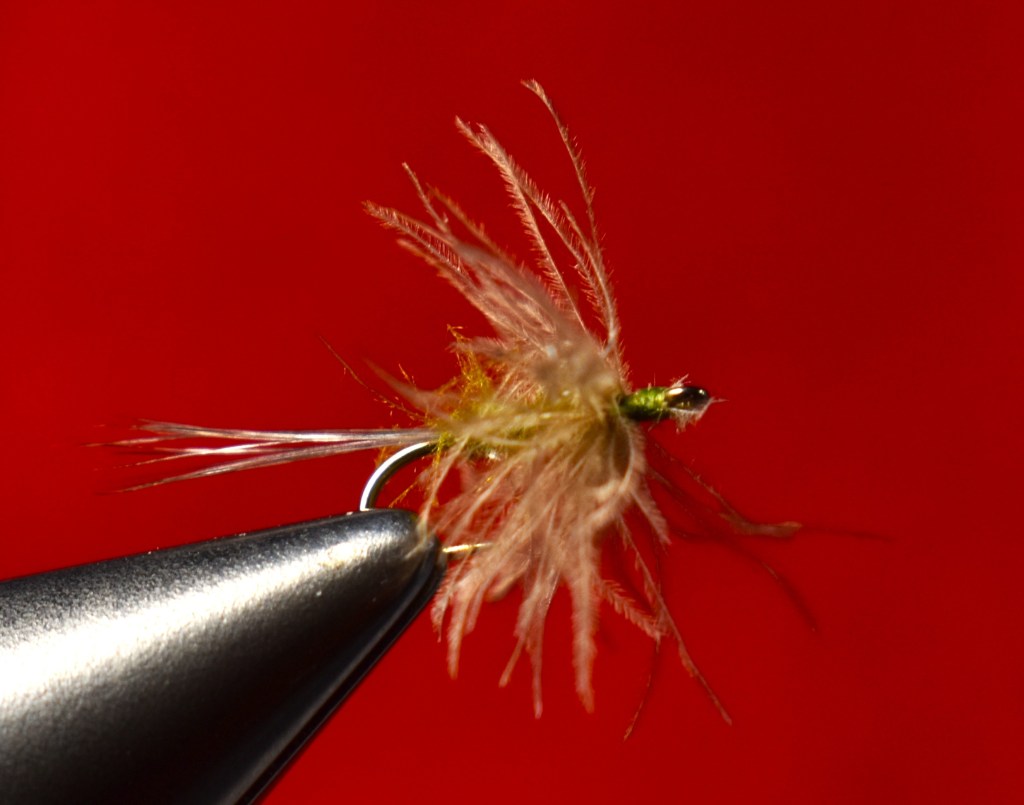
Transitional Duns for the Red Quills… check!

The sunshine is beautiful today, though its power fades when it tries to transfer the brightness into warmth. Some of the snow has begun to slip off my house roof, crashing down upon the lower slant roof over my angling sanctuary. The periodic booms keep me alert.

I tied a few more soft hackles this morning and then turned my attention to my new transitional pattern. I have some Hendricksons and March Browns tied and ready for spring, though I decided it was time to work up a version for the Red Quills.

Nature is a funny gal, proven again last April when I was hard pressed to find any of the usually reliable and prolific Hendricksons on the water, the mayfly known as Ephemerella subvaria. Instead, what fishing I had was confined to a few brief emergences of Red Quills, legendarily the same insect, but a size smaller and carrying male equipment for the species.

The original version of this scruffy style of fly intended to sit awash to imitate a Hendrickson that has failed to emerge.

The smaller size 16 Red Quill variation is somewhat simpler, as I chose not to add soft hackle legs, leaving the movement solely to the CDC puff emergent wing. Darrel Martin’s dry fly hook, adorned with a pheasant tail abdomen and wire rib, can be expected to sit down into the water’s surface layer, bringing more of the CDC fibers into contact with currents. There is in fact no “quill” involved, the red of the partially emerged thorax being dubbed with Hemingway’s “Beaver Dubbing Plus” colored Red Wine. Red Quills have not been an every spring occurrence for me, so I hope enough of them show up to allow a fair trial for the pattern.

Eventually, I am going to have to take this idea forward toward our Green Drake. Though their numbers pale compared to those the trout and I enjoyed a decade ago, they have still poked their heads up from time to time in May or June. I will have to make my own Darrel Martins for that bug!

Though I have a great deal of confidence in the general design of these new transitionals, the Drake can be nearly impossible to solve in those years when the hatch comes during very low water. In 2024 there were enough to urge some of our larger brown trout to partake, though extremely low flows in late May kept them resigned to eating only the big swimming nymphs. Last season brought lighter numbers and even lower flows. I took a single heavy brownie with a 100-Year Drake, the only fish I observed that took a live dun on the surface.

Ephemera guttulata

Thinking Of Teddy

Gordon’s Quill Soft Hackle Dry Fly

Flies without wings are often very killing, and some that I have tried with a soft feather twisted in front of the cock’s hackle have done good work. I got the idea first from a fly that was sent to me from England.” …”They are not pretty, but give an impression of life in the water.” Theodore Gordon, Forest & Stream, March 28, 1903

I wait for sunlight to breach the gray dawn… Some fourteen inches of fresh snow awaits my efforts to clear a path to the world. I will soon venture forth to begin the toil…
While that snow fell, I sat down with Gordon’s Notes and Letters finding the answer I sought early in the historic volume. So, Halford did include at least one of the soft hackled dry flies in his missal to the father of Catskill fly tying! I can understand why Gordon tied and fished the style, for he understood how necessary the image of life was to how the new German browns perceived his flies back in 1890.

Two hours, shoveling, sweeping and piling, and at last the vehicle is free. The plow left a three-foot-high furrow behind it, which took no little effort to remove. I worked slowly, ever conscious of the rapid beating of my heart. I lost a friend years ago, shoveling too much snow back in Chambersburg. I hope you have good fishing ever after Jan!

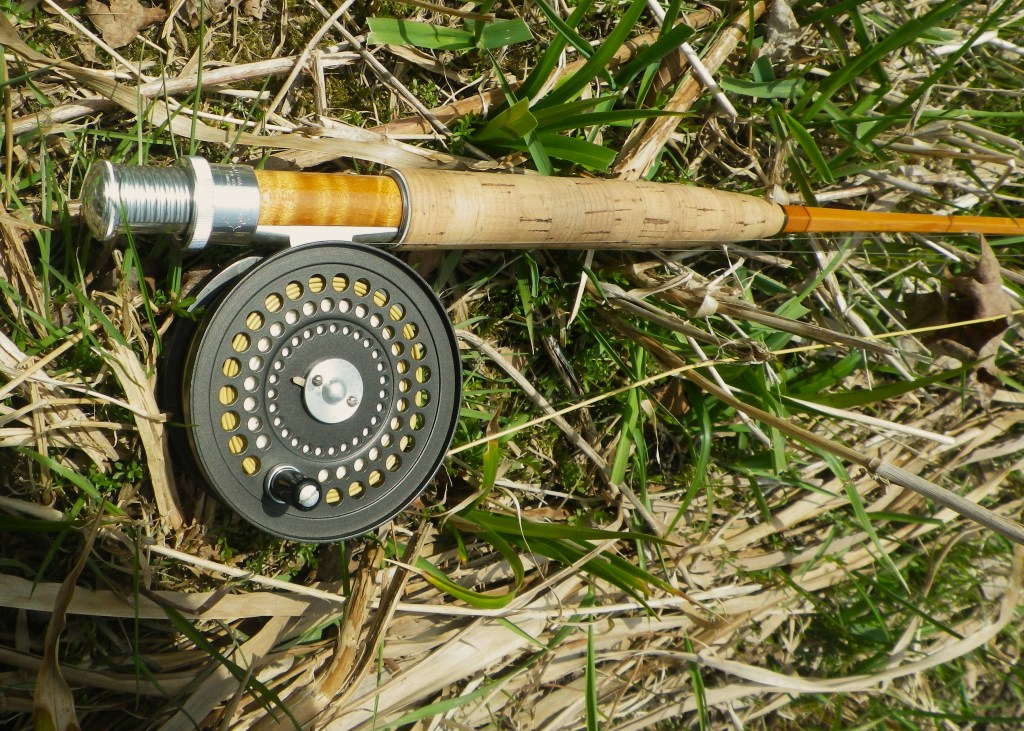
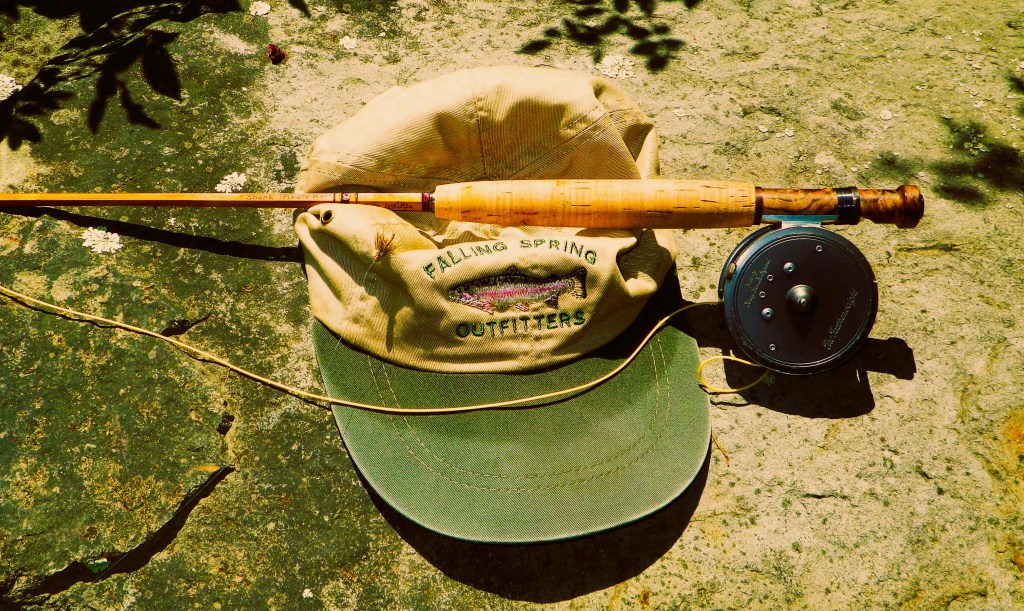
Gordon’s Quill, Leonard’s cane…

The snow still falls of course, and I am thankful that this morning’s installments have been light. It was fun winding the hackles around that quill bodied fly yesterday, as I hope to see it’s mayfly on the water some seventy days hence. In the Golden Age they called it Iron fraudator, though in my generation the entomologists have decreed it to be Epeorus pleuralis. Since the fly emerges near the bottom of the stream, the winged dun swimming to the surface, it seems this soft hackled dry fly might be particularly suited, that extra movement enticing an interested trout.

I tied mine tailed with the soft, barred fibers of the wood duck’s flank, with the coot’s covert feathers’ fibers longer than the dark medium dun cock’s hackle’s. Picturing the fly struggling in the current, well set down into the film and froth brings a smile. I think old Teddy would smile too.

From Whence We Came…

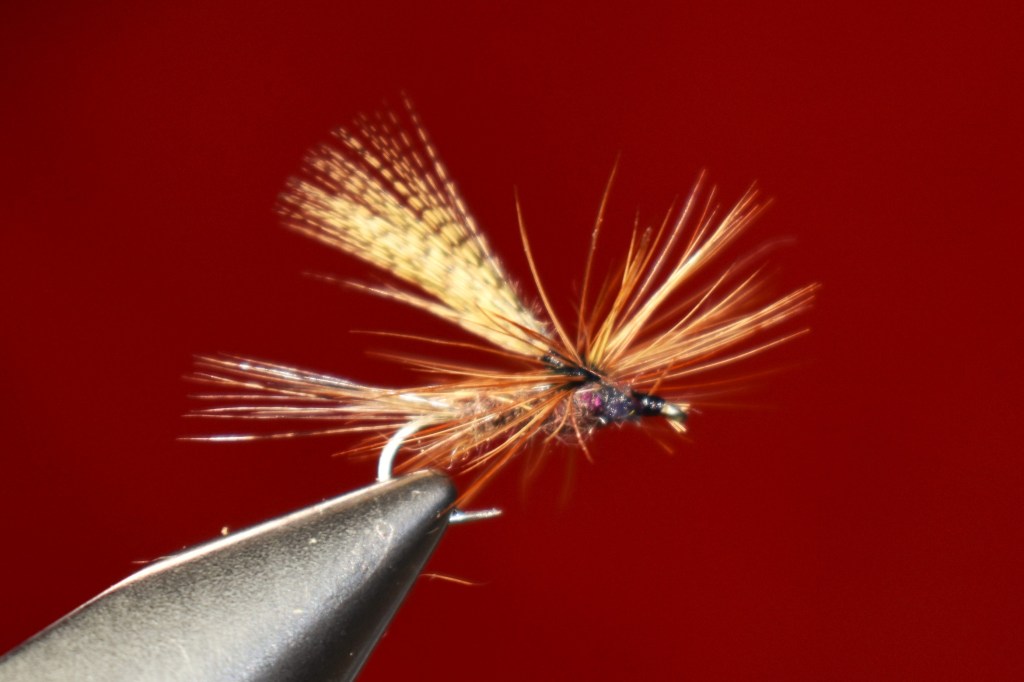
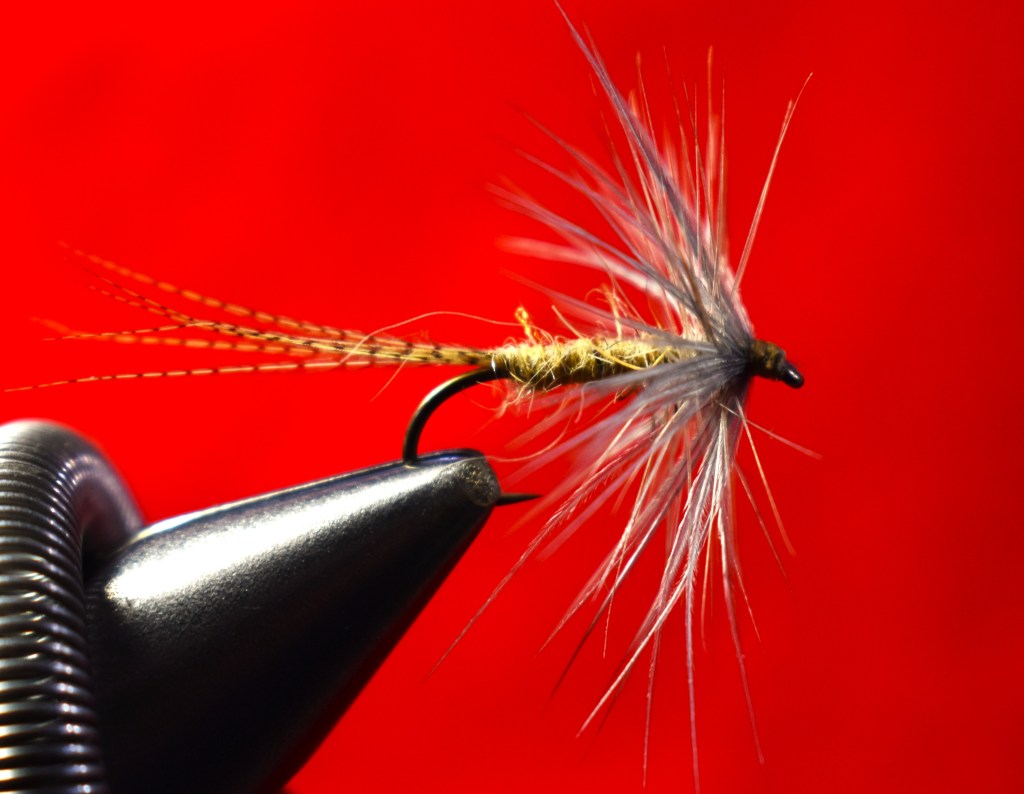
My own interpretation of the soft hackled dry fly, a style dating to 1850’s England, targeting our Hendrickson and related Ephemerella mayflies

There is no denying the influence of the British on my pursued passion of fishing the dry fly. Despite various mentions both here and in England of casting common wet flies which were taken upon the surface before sinking, there are British patterns specifically designed to float which were tied and known as early as 1850, and likely earlier.

Much of our American development of dry fly fishing practices occurred here in the Catskill Mountain region and on neighboring waters in northeastern Pennsylvania, beginning near the close of the nineteenth century. We too have our early tales of fishing wet flies dry, but the major developments came as a result of Theodore Gordon and his correspondences with the British dry fly maestro Frederick Halford. Gordon influenced local anglers with his flies, tied in accordance with Halford’s theories and modified per Gordon’s own trials and observations on Catskill rivers. I cannot help but be curious as to whether Theodore Gordon tied and fished any patterns in that older soft hackled dry fly style.

Our best information on Gordon is still John MacDonald’s 1948 collection of his notes, letters, and articles published in England’s Fishing Gazette and some early American sporting journals. “The Complete Fly Fisherman, The Notes and Letters of Theodore Gordon” is an interesting book, one I have read twice to date, and it gives us our best glimpse of one of our true fly fishing icons. I have no recollection of any mention of the combination of stiff cock’s hackle and softer gamebird hackles to collar a fly to be fished upon the surface. It will take another reading and a search to see if there is something included which memory fails to recall.

Recently, I wrote about an excellent article on this soft hackle style of dry fly sent to me by a friend. The author found a number of patterns of this style published by Frederick Halford in his listing of one hundred best flies. It seems likely that at least one or two of these would have been included in the dozens of sample flies Mr. Halford mailed to Mr. Gordon.

My own homage to Gordon: his Gordon Quill tied in my own 100-Year Dun style, inspired by our Father of the Dry Fly