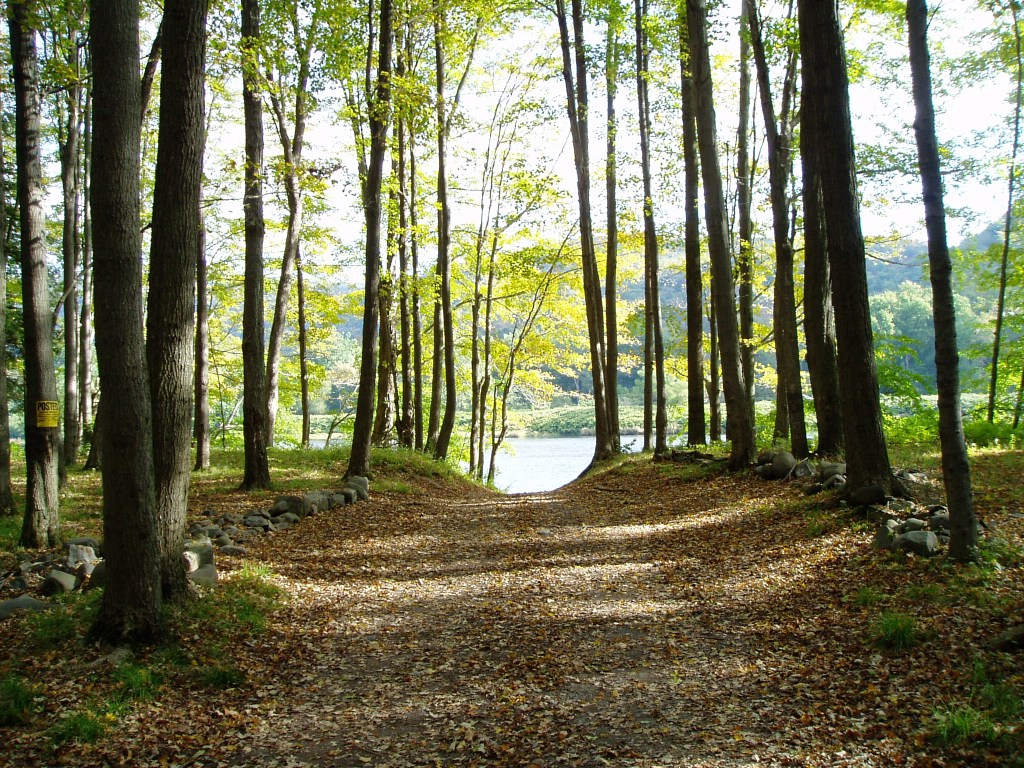
Afternoon Winds

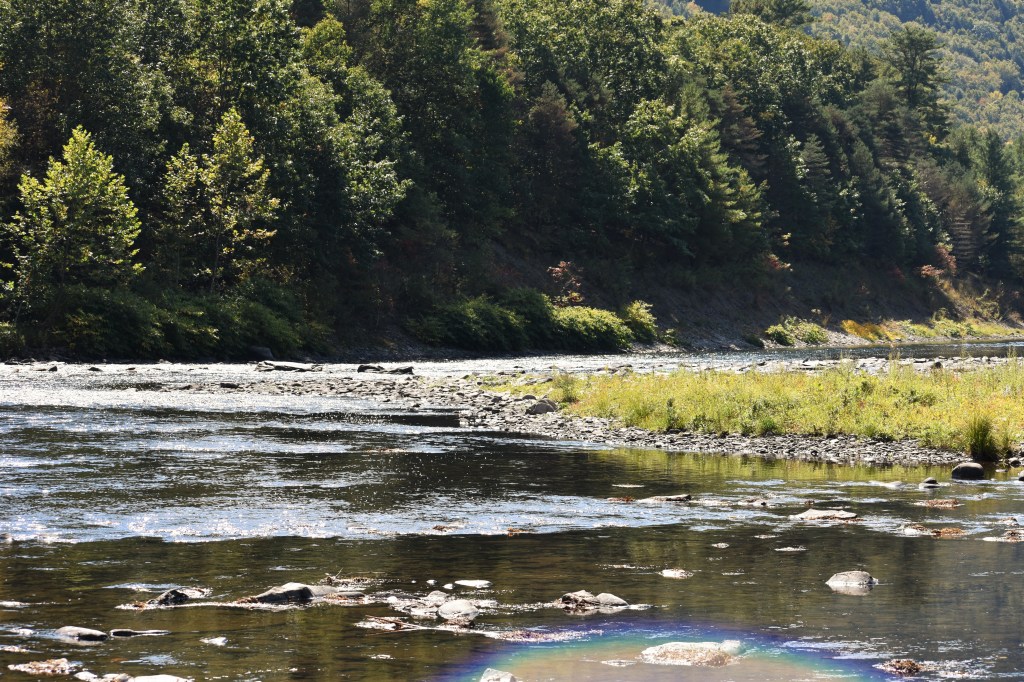
The Delaware beckons come September!

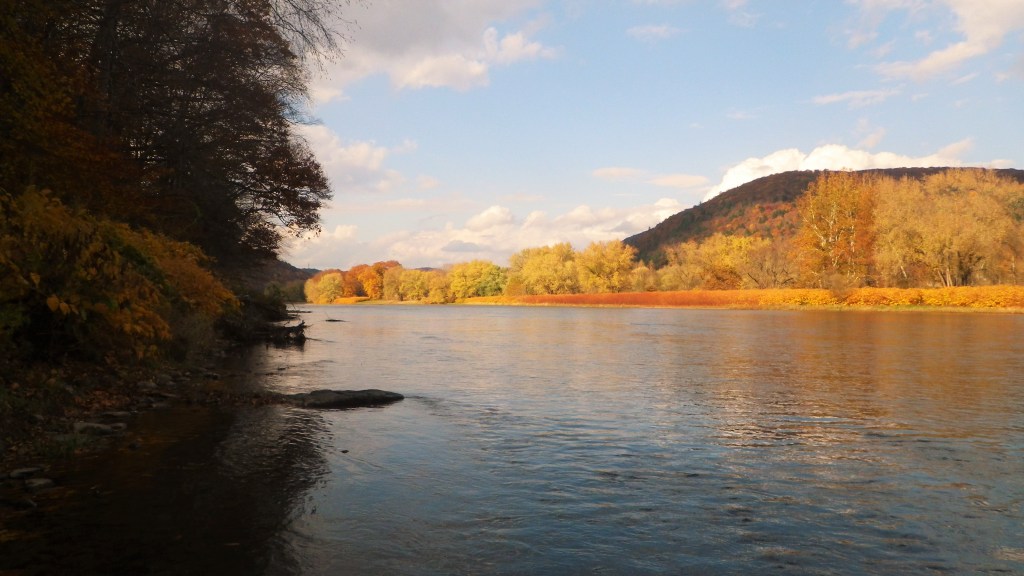
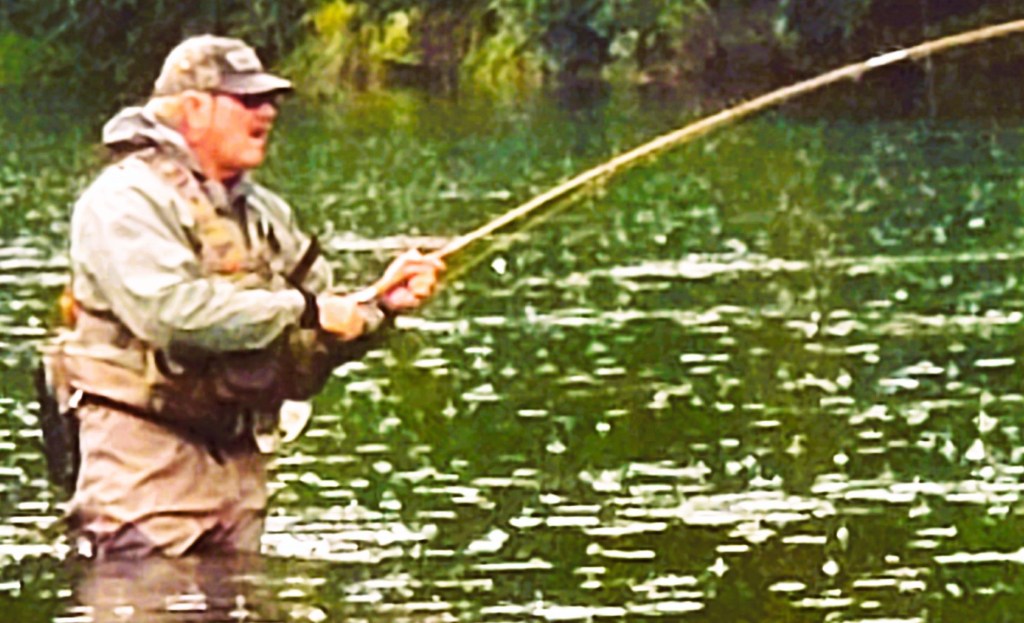
I have kept an eye on the water temperatures, looking for that eventual trend when daily peaks drop into the ideal range for trout. The seventy-degree sunshine offers a very pleasant afternoon on the river, at least if the Catskill Mountain winds lie down.

It is forty-five degrees here in Crooked Eddy, perhaps an hour past sunrise. The wind forecast smiles with that enticing “5 to 10 miles per hour” tale that tends to draw me eagerly to the big river, but forecasts here often deceive. Local weather forecasters have a nice track record for temperatures and rainfall, though mountain winds seem to be their Achilles heel. Days are often a few degrees warmer than the forecast during clear weather, and that warming gets the air moving unpredictably, I guess.

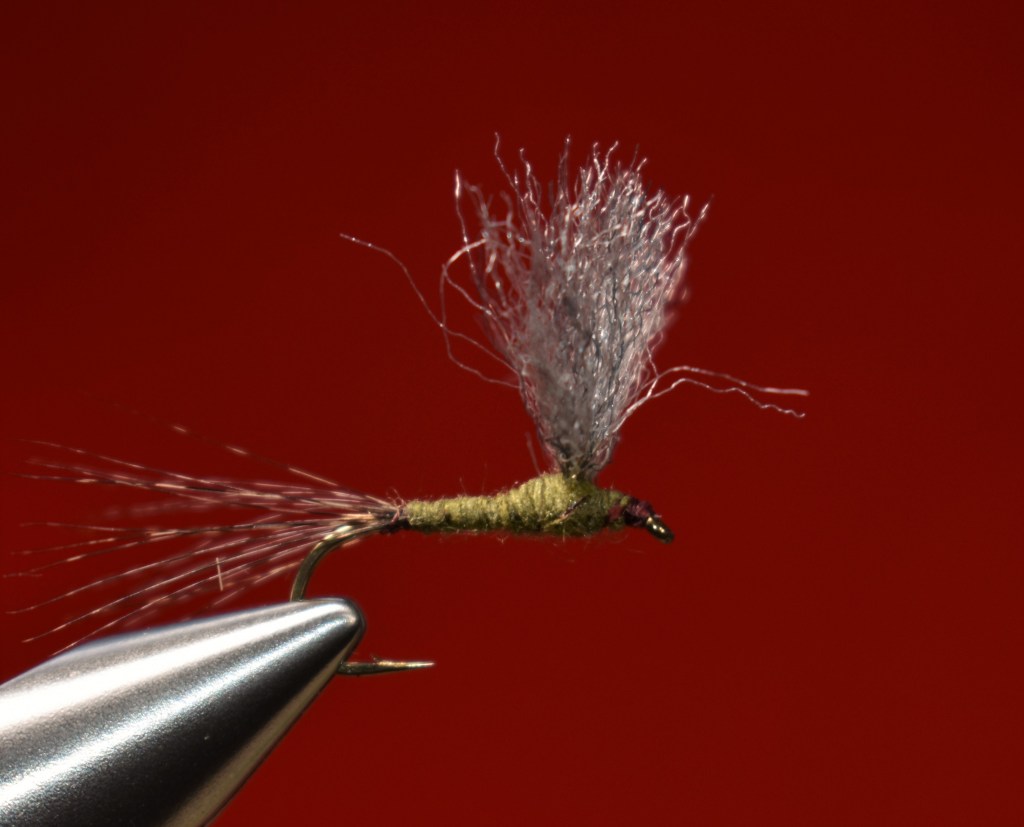
There are plenty of Isonychia dries in my fly boxes, along with some Hebes, olives and ants. Any of those can appear this time of the year and tempt a good trout to the surface. Our Delaware rainbows love the isos and will come through the fast-moving water of the deep riffles to eat one, so there is always a chance for a surprise jolt even on the days I find no rises on the rivers’ wide expanse.

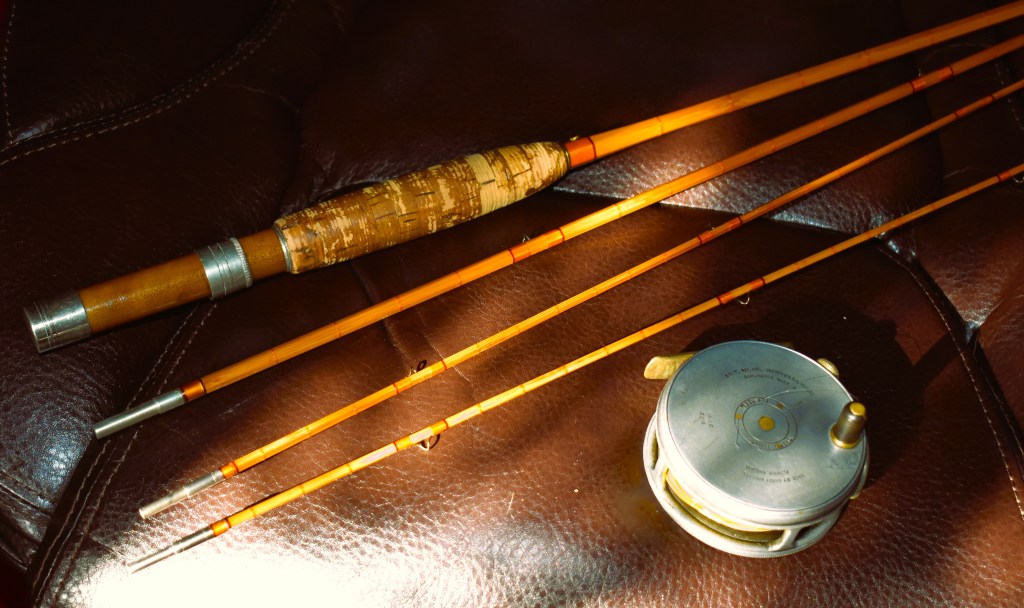
My eight-and-a-half foot pentagonal fly rod sits ready in it’s tube. It tends to find it’s way to the Delaware this time of year. Pittsburgh rodmaker Tim Zietak made this rod to order for me some years ago, with the big Delaware in mind. It seems happy casting either a five or six weight line, depending upon my mood and that pesky wind forecast. There is an early CFO IV reel nearby, spooled with one of Wulff’s Bamboo Special fly lines. This line carries a WF6F moniker, but that doesn’t tell the whole story. The front taper is extra-long and fine, taken from Lee Wulff’s Triangle Taper, which blends into a longer middle section before quickly tapering down to a very small diameter running line. In casting, I find they feel like a cross between a typical weight-forward and a classic double tapered line. They are very much a caster’s line.

The big pent really shined with that Bamboo Special on a windy afternoon on the lawn recently, laying out a long leader to 75 feet with little influence from that gusty wind, and I am anxious to try it on the water.

It is just about the right time to change over from my summer chest pack to my vest, but I may delay that until these final days of summer pass gently into memory. I mean, why change a good thing? I do need to change out the leader on that bamboo line though, something I should be doing rather than thinking about. There is time though, for the afternoon is hours away.

The pace of an angler’s seasons changes as do the hatches and rivers, winds and weather. In spring the urgency of our release from winter’s clutches drives us to be out early and stay late, even though spring hatches tend to be midday affairs. Summer can go either way, as early mornings call during certain weather patterns and afternoons in others. Many still remain committed to fishing that last hour of daylight on into summer, but I am more of a daytime angler these days. I enjoy the natural beauty of the rivers and their sheltering mountains in daylight and searching for subtle clues which sometimes lead me to fine, old trout hunting stealthily. Late summer and early autumn is definitely an afternoon situation for me. That is when the seasonal mayflies are active, and I simply love the golden character of afternoon sunlight at this season, as it brings fire to the changing foliage. Retirement is a blissful thing, and I give thanks every day for it!

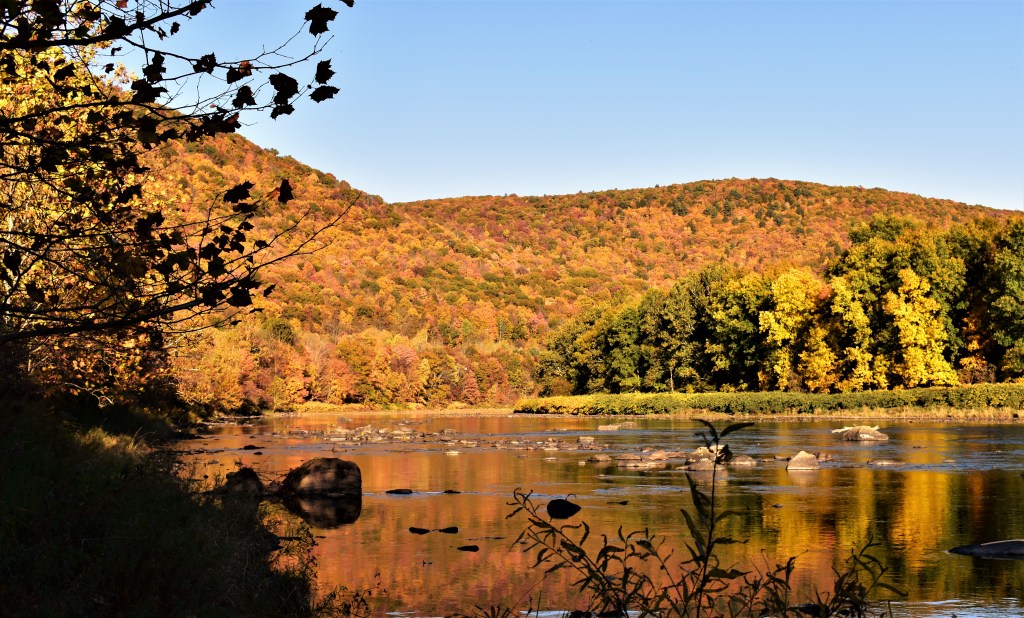
Summer’s Last Days

Though the Autumnal Equinox won’t arrive until next Saturday, the change here has been most apparent this week. Nighttime lows here in Crooked Eddy have reached the forties these last two mornings, and my furnace was running a little overnight.

There was plenty of sunshine this week, bright afternoons in the 60’s and 70’s. Though pleasant and beautiful, those were not the choice afternoons for fishing. The mayflies that had shown well to begin the week seemed to shy away from that bright sun, even though it’s heat was tempered by the cooler air. The winds picked up too, as I closed out the week, strong enough to keep the trout’s noses well beneath the rippled surface.

Angler’s seek explanations when the precious days we enjoy on the water aren’t as eagerly partaken of by the trout. Most of us provide our own. Call them excuses if you will, or reasoning and analysis, but the fact is that if we understood everything about Nature and wild creatures, we wouldn’t find them nearly as compelling as we do.

For me, the magic that makes everything work as it does draws me in hook, line and sinker. While I love thinking about it, pondering the intricacies of water temperature, light, wind speed and direction, and all of the variables that affect my fishing, I am glad not to have all the answers. Think of all of the wonderful conversations with friends and contemporaries that would never take place if we had all the answers. Imagine a life of fishing without all the little breakthroughs when we find a new fly or make a perfect cast and hook that old trout that has vexed us for several seasons.

I love walking past certain reaches of water, looking carefully and studying the currents and conditions and knowing that a trophy brown trout simply has to live and feed there, even though I have never seen a rise, a shadow of movement in the deep, or any tangible evidence to support my belief. I have had that feeling about a lot of places on a lot of rivers and streams during the past three decades. Some of them have never given up their secrets, nor let me even know if they hide any secrets. Thankfully, there are also those places that have… and that helps keep the magic alive!

September Bronze

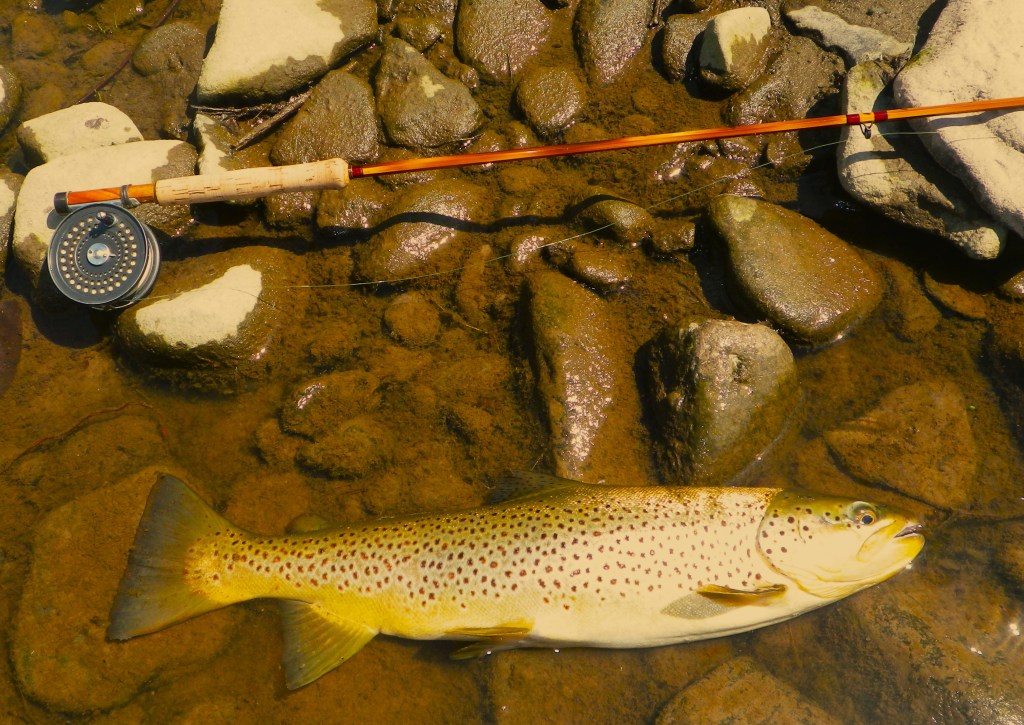
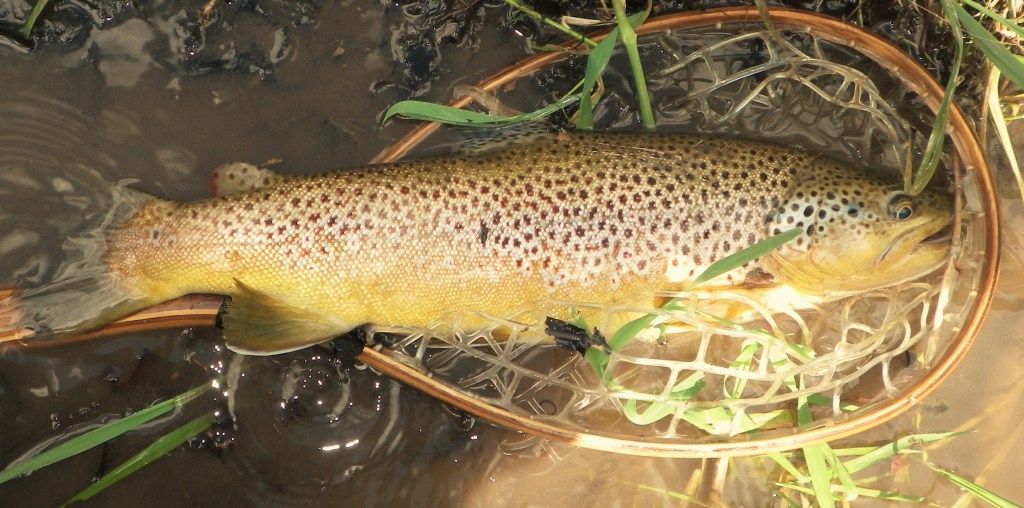
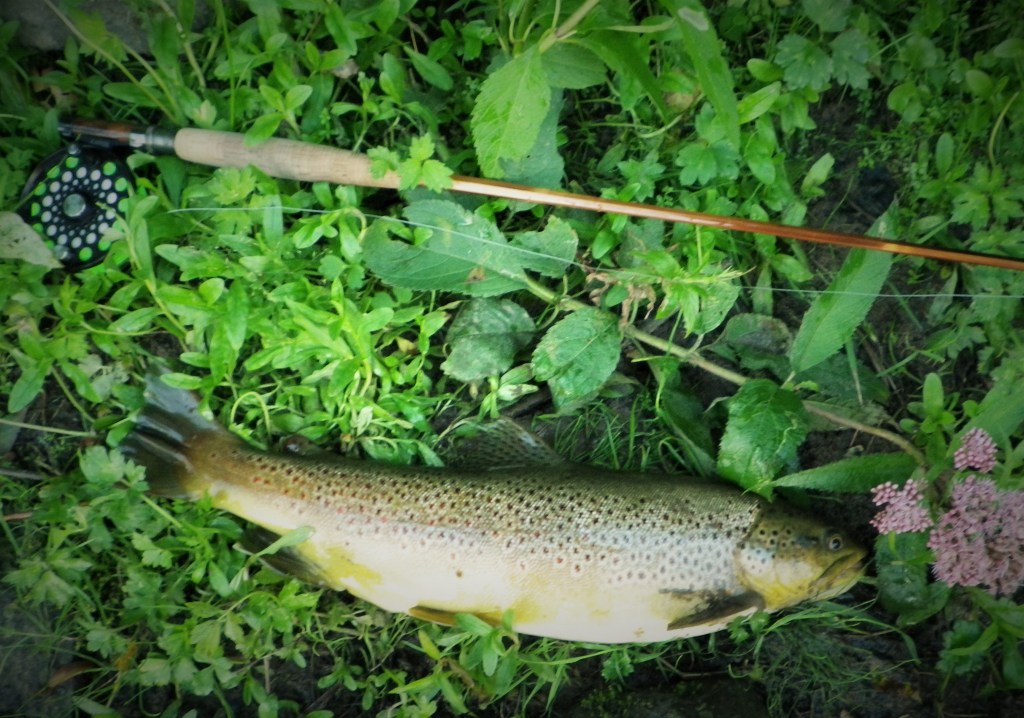
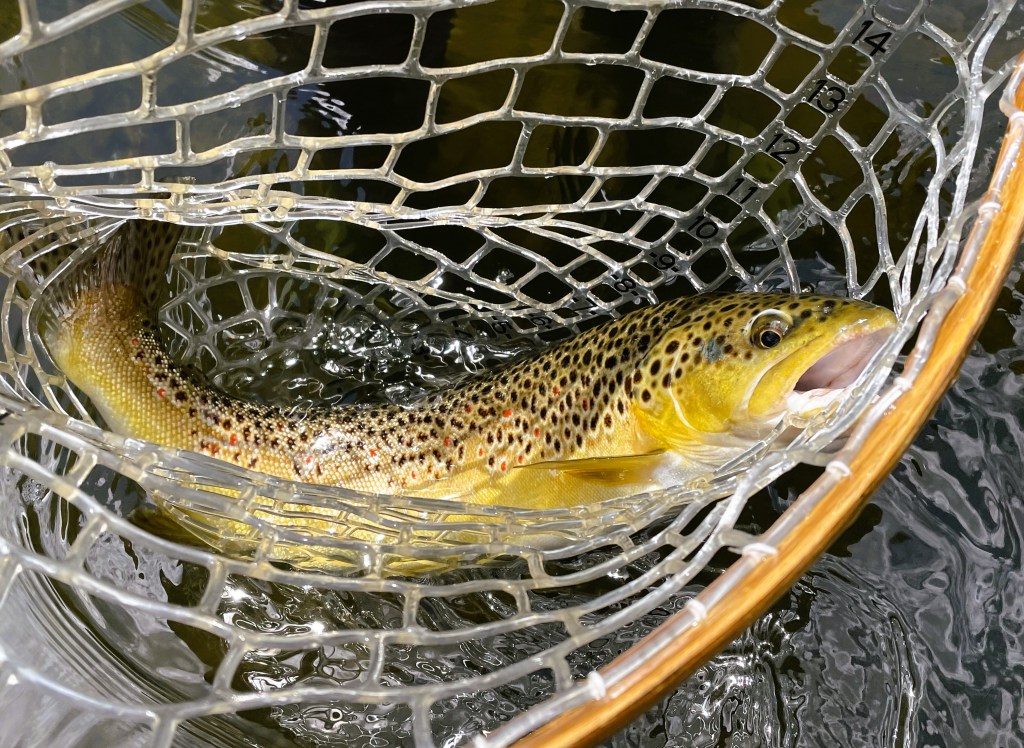
You wouldn’t smile with a hook in your lunch either! The gorgeous coloration of a 22″ wild Catskill brown trout shines through the glimmer of the precious water that sustains him and his kind – September Bronze.

It was one of those days that seems unable to decide upon a course. Clouds and spitting rain, then sunshine breaks through. Ten minutes later another mass of clouds drifts through and the rain returns. These can be good fishing days, and this particular one was.

I saw more mayflies than I have seen since early May and found a few good trout that were interested enough to come to the table. Weather is changing here, as summer rapidly wanes, and autumn comes nigh the doorway. Once this morning’s rain passes, the nighttime lows will dive into the low fifties, even the forties, with the daytime highs through Saturday in the sixties. We have come to the final week of another Catskill summer.

Summer wanes, can autumn’s color be far behind?

Amid the recent hatches of mayflies, I have found something new, and taken the time to craft a dry fly to fish the hatch effectively. Sunshine can offer wonderful detail to the eye, but it may also deceive. The dark wings of mayflies may appear quite brilliant when lit by the sun, backlit as they often are by the reflection of that sunlight from the surface mirror. The entire fly can appear lighter in color when drifting by. I became aware of this new mayfly color phase by chance encounter.

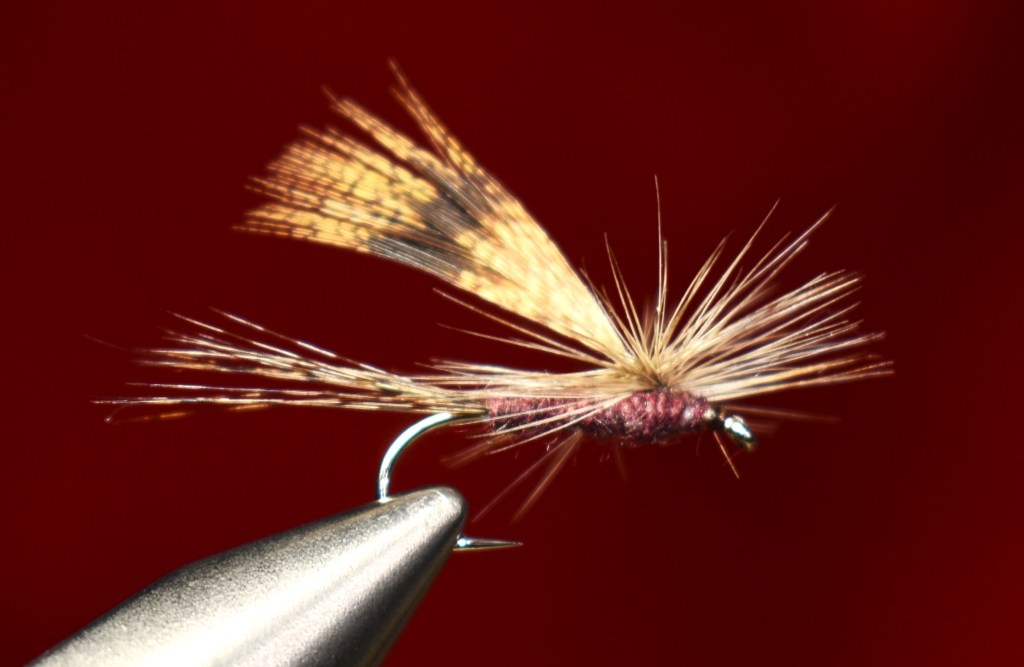
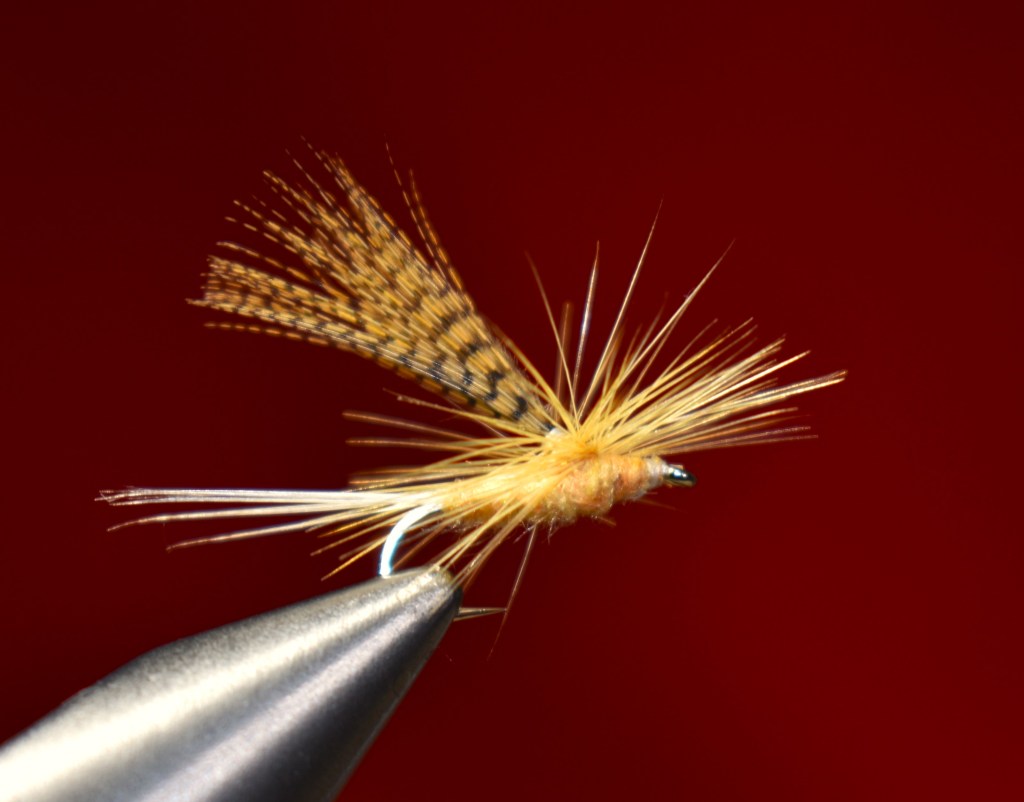
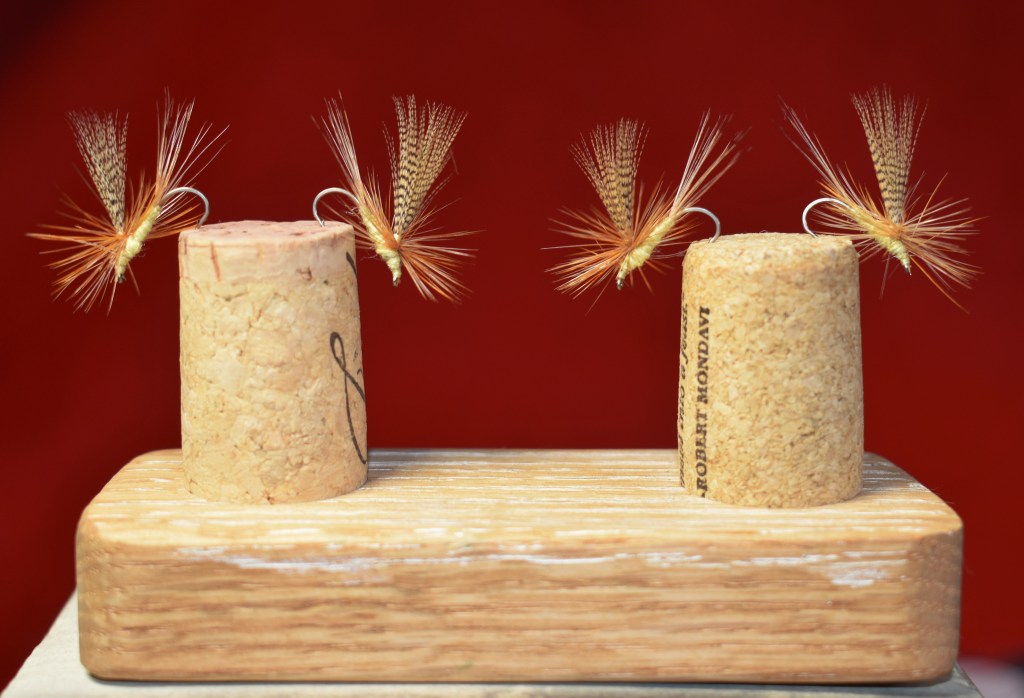
Fishing one afternoon a week ago I was wading down river when I felt something touch my hand. I looked to find a mayfly there, and quite a curious specimen. The wings of this size 12 mayfly were immediately familiar – Isonychia, but the body appeared tannish rather than the oliveish hue of a freshly hatched dun or the darker claret tone we are accustomed to. The claret color did appear, but only as a fine ribbing along the abdomen. From that moment forward, I considered there was more reason than sunshine for the pale appearance of many of the larger flies I had been seeing on the drift and in the air. The next morning, I hastily tied a single tan 100-Year Dun, size 12, with a claret thread rib on the abdomen.

My typical claret bodied 100-Year Dun has been fishing well since the Iso’s began to appear in late August, but it wasn’t the answer during Monday’s variable weather, when more flies were about. I knotted that lone tan fly, the pale iso with the claret rib, and gave it a try. September Bronze pictured above was the best of five trout that fly brought to hand, two of them exceeding that magic mark of twenty inches! That fly still rests in the foam of my summer chest pack, though it is so well chewed as to be barely recognizable.

Suffice to say that dubbing has been carefully blended, and a half dozen flies tied to be added to the Isonychia patterns I carry.

Heat Waves and Waning Seasons

This week’s heat wave did push water temperatures back into the 70-degree range, though flows remained good. The rivers, insects and trout sustain themselves much better when Nature provides enough water, avoiding the terribly hot, dry seasons like we had four years ago.

The heat wave is passing with today forecast to reach the upper seventies, and the trend for next week includes rainfall and cooler temperatures. Hopefully, our rivers will be in fine shape as mid-September passes, and we embrace the end of another Catskill summer.

Late summer fishing has remained challenging, yielding a few precious moments casting Isonychia dry flies to sporadic risers. I look forward to the coming week for more of the same, particularly if the predicted rainfall comes in measured time and feeds the entirety of the system. I have been anxious to return to the Mainstem Delaware, something I do each September, and the Beaver Kill calls as summer wanes and autumn appears. It is this historic river that draws my first casts each season, as well as my last.

Yes, there is no escaping that the season’s last cast is in sight, though I hope for nearly two months of approach time, time to exhaust the urgency in my spirit, to prepare for the transition into winter.

The Catskill Rodmakers Gathering is in full swing this weekend, and next Saturday I will take my turn as guest fly tyer at the Catskill Fly Fishing Center and Museum. It will be a special experience to sit at the old oaken table that has hosted dozens of the legendary Catskill fly tyers. Behind my shoulder, a cased display tells the tale of Theodore Gordon and houses the flies that inspired my 100-Year Dun. I hope that Theodore approves of my modifications to his style. Wouldn’t he be excited to see the feathers on a Charlie Collins dry fly cape!

I think he would be surprised to see the healthy supply of Wood duck flank as well, since they had become nearly impossible to obtain in his later years. I think he would appreciate the long, still pools ripe with cold water if he stalked one of the Delaware tailwaters. Imagine fishing his Neversink below the dam, fooling big, wild browns with delicately hackled flies tied on size twenty hooks. I have a feeling he would be out there all summer long, enthralled with the challenge, as I am.

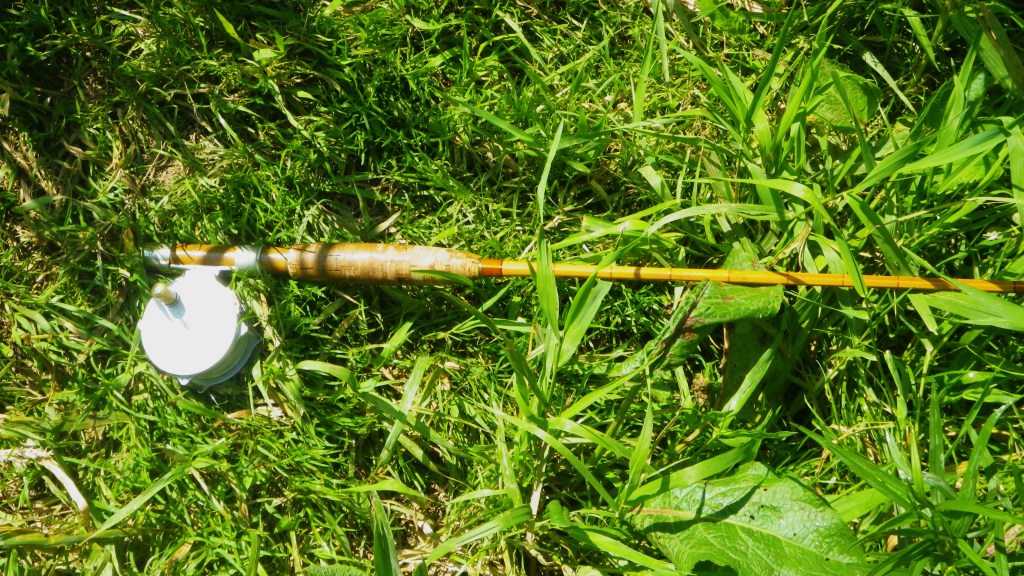
My 1940’s vintage Mills Standard Model 208H, the working man’s Leonard 50 DF. In my hand, this classic welcomes a number four fly line!

There is an unfished special edition Orvis CFO sitting here within arm’s reach, it’s spool wound with a double taper four weight line woven of classic silk. The line was a gift from a friend, and I promised myself to fish it this summer. I think the old Leonard 50 above is a perfect match. I clean my standard fly lines each time I take them fishing, so I expect I can transition to the dressing, drying and respooling responsibilities of fishing a classic silk fly line. In my mind I can hear the soft whirr of that line as it passes through the tiny snake guides of that classic cane rod, sending a little olive 100-Year Dun across a smooth bright Catskill flat!

A vintage Leonard is tested by a large, heavy Catskill brown trout, running hard in the autumn rain. (Photo courtesy John Apgar)

September is the time to steal a few days with a friend. JA and I have had little time together on the river this season. I keep telling him that I need to teach him how to be retired. He’s a slow learner, always finding far too much work to do. A lot of people seem to share that affliction, the inability to relax and enjoy after a long working life. I confess I never experienced that malady, embracing the joy of retirement with open arms. There are after all so many lovely pools on so many wild and beautiful rivers…

Timing

I felt an urgency as I gathered my tackle and headed for the river yesterday, though I didn’t really expect the fishing I hoped to find to begin until afternoon. Hurry when you must I guess.

I was looking for another shot at a big brown that had overpowered angler and rod and cut me off two days earlier, and though experience tells there was no good reason to expect a rematch, I still felt that urgency.

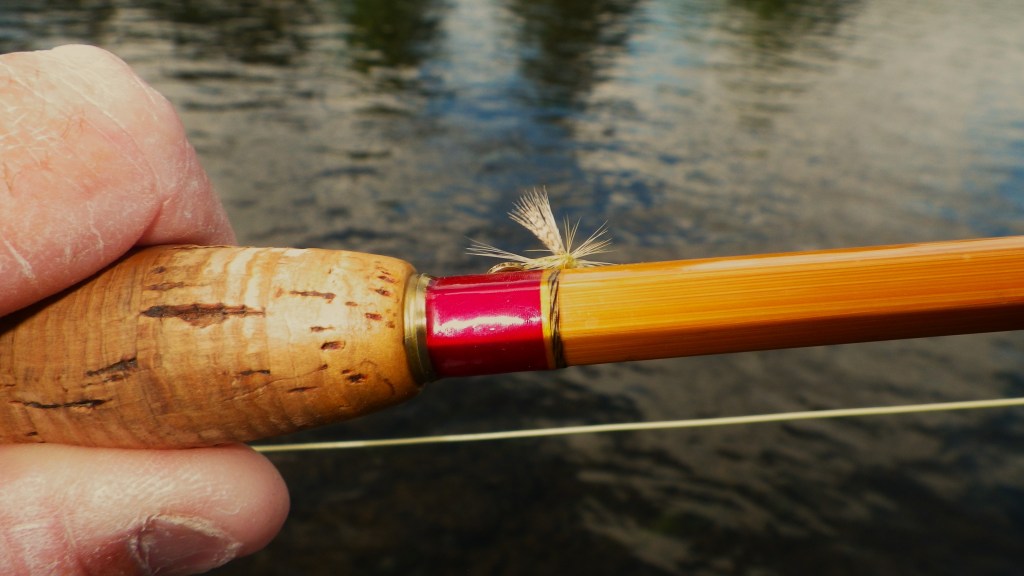
I reached the riverbank with my rod already rigged, the 100-Year Dun Isonychia clipped into the nickel silver ring of the hook keeper. I started my slow walk into the wind, finding the river cleared from the previous day’s runoff. It was just about Noon when I reached the run, and began to slowly scan the current for signs of life.

I could see a few flies in the drift, and occasionally one on the wing, but there was no sign of a rise.

Before I waded into casting position, I flicked a few casts into the gradually deepening flow. Better to hook a trout then step on one, should there be something sheltering near one of those rocks on the bottom; waiting.

I had readied myself, wishing to relieve that urgency, so at last I made the cast I had been waiting two days for. The fly alighted, cocked perfectly, setting low on it’s hackles as it bounced down current. I felt the tension in my back and shoulders begin to ease and then the river erupted in a heavy spray of white water. He came for that fly as if he too had been waiting two days for it’s return. Some things are simply meant to be.

We had a time there in the deep, frothy currents of the run, my vintage Thomas & Thomas Paradigm fully arched with the strain, connected to all of his power and life force, the ratcheting screams of the old CFO rising above the sound of wind and rushing water! It was as I had imagined it would be.

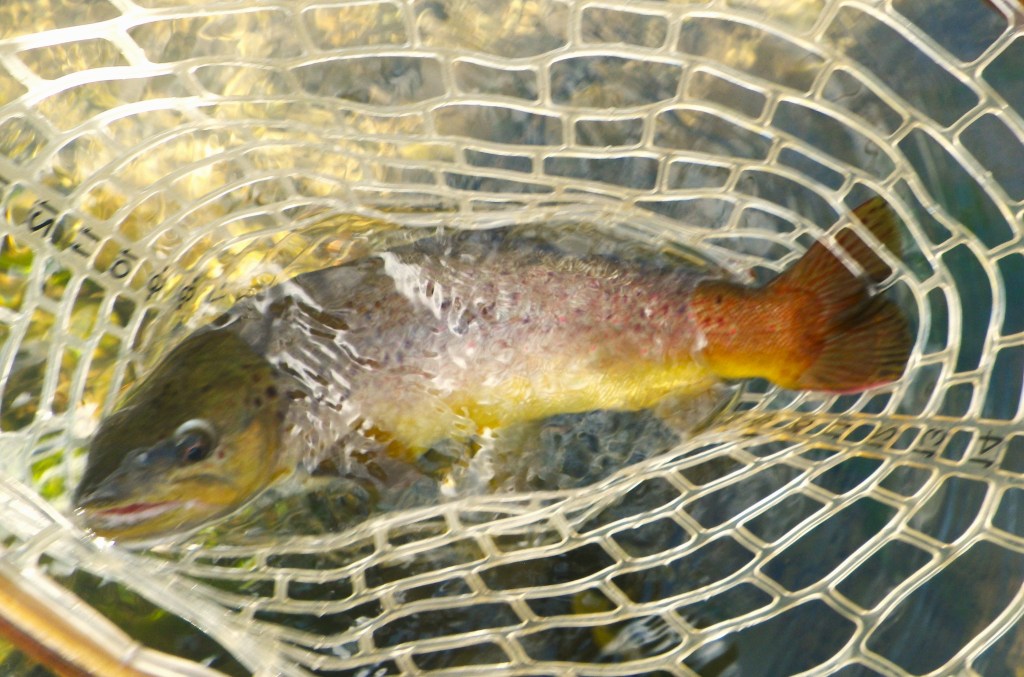
At last I led him to the edge of the river and the waiting net. His flanks were wide, colored a deep, time polished bronze, and his belly glowed with that dark, old gold. He was beautiful and worthy of all my admiration as I twisted the fly free from it’s hold in his lip.

My net shot net awry, the camera screen flashing battery depleted when I pressed the on button. I have only the picture in my mind, thus I have shared another in homage to this warrior.

He shot back to the safety of the run as soon as I slipped him free of the mesh, big and vibrant and still sure of himself despite our second meeting having gone my way.

I began casting with vigor after those moments passed, covering all of the fast water of the run and the tail of the riffle above, conscious of a gathering cloudiness in the water. By half past one, the river was brown instead of clear, and I could not see my boot when standing knee deep in the flow. There were no rises visible anywhere.

The sky was clear and blue to all quarters, and there was no chance some downpour on the mountainsides had rushed dirty runoff down some upstream tributary. No, this had to be some devilment of man.

I walked out then, concerned and angered that some miscreant would foul our beautiful river this way, my spirit as clouded as the water just a short time after it’s uplifting in the run.

The Blessings of Cold Water

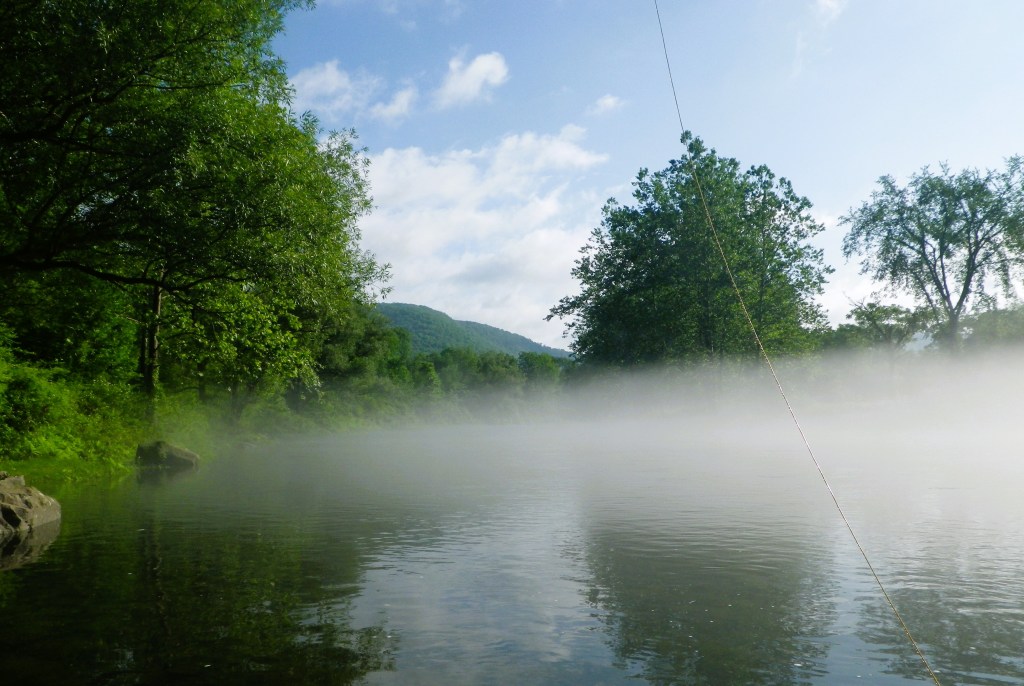
I’ve grown accustomed to your mist!

It is a wonderful thing to have chilly nights, cooler days and copious amounts of rainfall! Here we are at the end of August, the month so many anglers refer to as the dog days, and our rivers are flowing cold and beautiful through the landscape. The freestoners have plentiful flows and the tailwaters will bring a chill to your bones. You can see the insects coming back!

Though I love each day I am blessed to wander these Catskill rivers, that hasn’t been the case throughout this summer. I remember fishing during what amounted to the best part of the summer sulfur hatch on the West Branch Delaware. The flow was elevated in the upper river and on one seemingly perfect afternoon I saw little in the way of mayflies of any kind. Rain runoff mixing with the release flow had raised the water temperature to 54 degrees there, and that is cold by normal standards, but this area usually advertises downright frigid water. I am not a scientist, so I cannot say why the sulfur and olive hatches continue for two to three months past their normal freestone time frame, but the hatches certainly thrive on that 47-degree water. The extra seven degrees that day demonstrated just how precious the frigid flow can be.

I sought out some fast, cold tailwater flows again on Tuesday, and was rewarded with an hour or so fencing with several very active trout. On an afternoon with rapidly changing sky conditions, cloudy one minute with peaks of golden sunlight the next, I found a small hatch to draw me into the fantasy.

A couple of trout were slashing the surface of the run when I arrived, and I could see a few wings on the surface, mostly small pairs awash in the turbulent flow, but here and their I caught a glimpse of larger wings. Immediately I cast my old friend the Isonychia into the fray.

Chasing those slashes failed to produce a hookup, and I reasoned that those fish were simply moving too fast, probably chasing the big swimming nymphs up through the moving water. Being a hardened dry fly fisherman, there was no way I was going to fish underwater. I felt confident that my 100-Year Dun would tempt a few of the better trout to the surface.

I concentrated on the softer seems close to the larger rocks that I could just barely make out beneath. The river was coloring up somewhat, and seemed to rise slightly, and I suspected there had been a quick cloudburst somewhere on the mountainside that hurried soiled runoff down a tributary. Watching a heavier rise in one of those calmer seams, I targeted several casts there and reaped the benefits with a solid grab and a heavily arched, bouncing rod tip!

My foe wasn’t inclined to leave that deep, fast water to make a long run like a pool dwelling brownie, so I had to win the fight on his terms. That T&T cane throbbed each time he gave me a glimpse then dove again. When finally reduced to possession, that foot and-a-half of brown trout was absolutely gorgeous, displaying a deep polished bronze flank littered with brilliant dots of crimson.

Continuing with my plan of fishing along the calmer seams, the next and larger taker offered a similar challenge, fighting deep and long until the flexible power of the vintage bamboo finally subdued him. By that point the hatch seemed to turn toward a predominance of smaller mayflies. Catching a glimpse of bright yellow clued me into tying on a Hebe version of my 100-Year Dun which accounted for another pair of brownies, these significantly smaller like the flies themselves.

When I saw the wings of a larger fly once more, I changed back to my friend Isonychia. Continuing to cast to those seams, I witnessed a flash of bronze as a nose jutted through the surface attached to a huge gill plate. The fly drifted perfectly once, then twice. The third cast was the charm, or perhaps the curse.

The fish took solidly, and I raised the rod into a perilous arch. The cane throbbed, but the trout refused to turn my way. He powered straight down into the froth and cut my fluorocarbon tippet like it was nothing. Ah, I hope we meet again leviathan! Would that your fondness for the 100-Year Isonychia will lead you to my net as summer wanes…

The Invisible Mayfly

Cloudy conditions seem to bring more of the action when the invisible mayflies are about.

They weren’t always so hard to find, those beautiful big claret colored mayflies, but the past few seasons I simply have seen very few. Under normal conditions, they are not overly obvious despite their size, typically a size 10 in June and size 12 come September.

You see, the Isonychia bicolor isn’t prone to showy hatches and long surface drifts through placid pools. The book on them says they prefer to crawl out of the water on a rock and hatch in the air. You can find their spent nymphal shucks on the rocks if you look for them, long and slender with a white stripe down the back. That racing stripe gives anglers another clue, for those nymphs are fast swimmers!

There are times when Isos will rise to the surface, hatch and drift on top like the majority of our big Catskill mayflies, and they can be magical. I recall a day some two decades ago when they were everywhere from ten in the morning until four in the afternoon. Ah, that was something to behold!

Most of what you will read about fishing the Isonychia hatch will tell you to rig up with a wet fly, the classic pattern being the Leadwinged Coachman, and swing and twitch them through riffles and runs. That’s good advice and brings to mind the absolutely massive rainbow that erupted from the Delaware one morning with my own Leadwing fixed in his jaw. His scorching run left me breathless, and sadly fishless as the hook failed to hold. Yes, wet flies and nymphs for the swimmers, but I am a dry fly fisherman.

I fantasize about another day like the one long ago, with phalanxes of big claret duns bobbing down the surface of a run and big trout rising greedily, but generally I simply tie on an Isonychia pattern during the times they are around on Catskill rivers, otherwise known as June through October. If I am going to prospect for good trout on a cloudy day during that period, a size 10 or 12 Iso is a good bet when there isn’t any other hatch going on.

Yesterday was the first high summer day that looked and felt more like autumn had arrived. The rain threatened, though didn’t fall until the drive home. I got deathly cold, being unexplainably underdressed for the conditions, and I caught a couple of nice brownies on an Isonychia 100-Year Dun.

There were a few scattered rises where a riffle became a run, and I worked that run for perhaps an hour with my little 7 and 1/2-foot Orvis Madison. There was a quick plop as my fly bounced past the protruding tip of a rock, and I set the hook into a good fish. He showed no intention of leaving the tumbling currents of that run, but the pull of arcing bamboo finally convinced him. At nineteen inches, he was the first and largest fish of the day.

I kept hitting every spurt rise that popped in that fast water, all the way down until it smoothed out into a deep glide. Those trout may have been moving, chasing some of those swimming nymphs, or even swiping at the few tiny olives that persisted throughout the afternoon. I didn’t get another hookup until I landed my fly above the rapidly dissipating ring from a soft rise in the glide. While not as large as his predecessor, he put up a respectable fight against the short bamboo rod.

Were those two brown trout taking the invisible mayfly? Can’t be sure, though they certainly took mine!

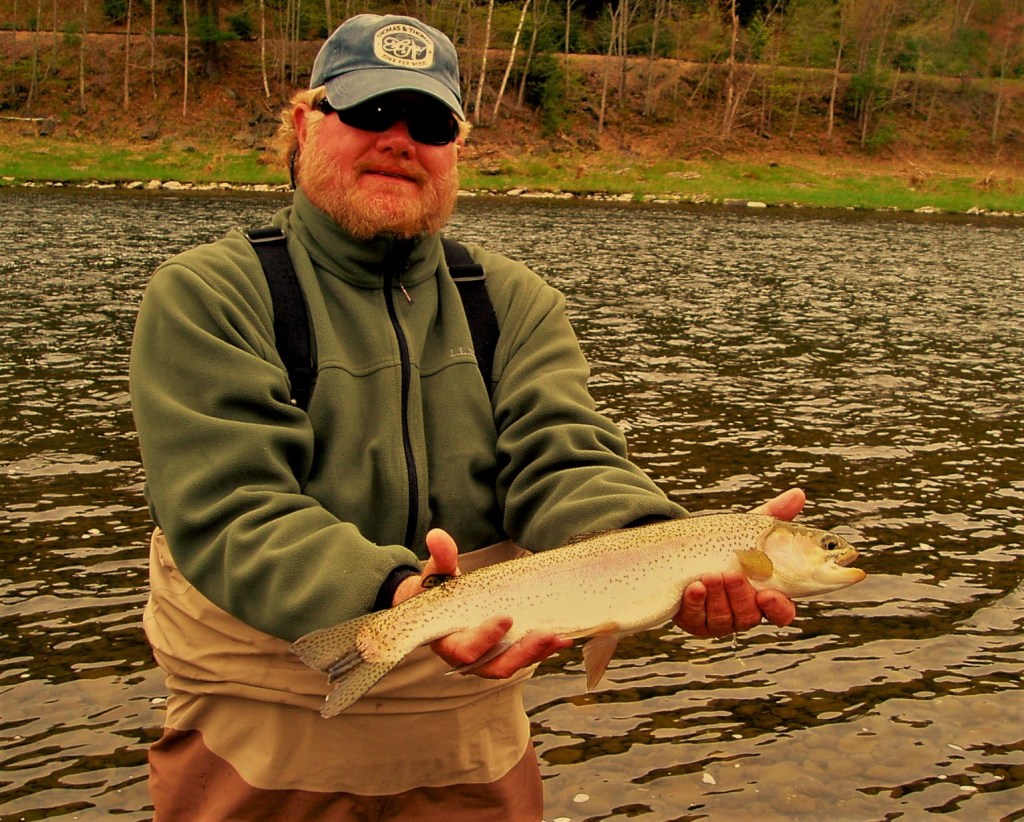
Big Delaware River rainbows love Isonychia, making the imitations very popular for fishing the big riffles and runs for much of the season. (Photo courtesy Capt. Patrick Schuler)

The Infinite Variety of Nature

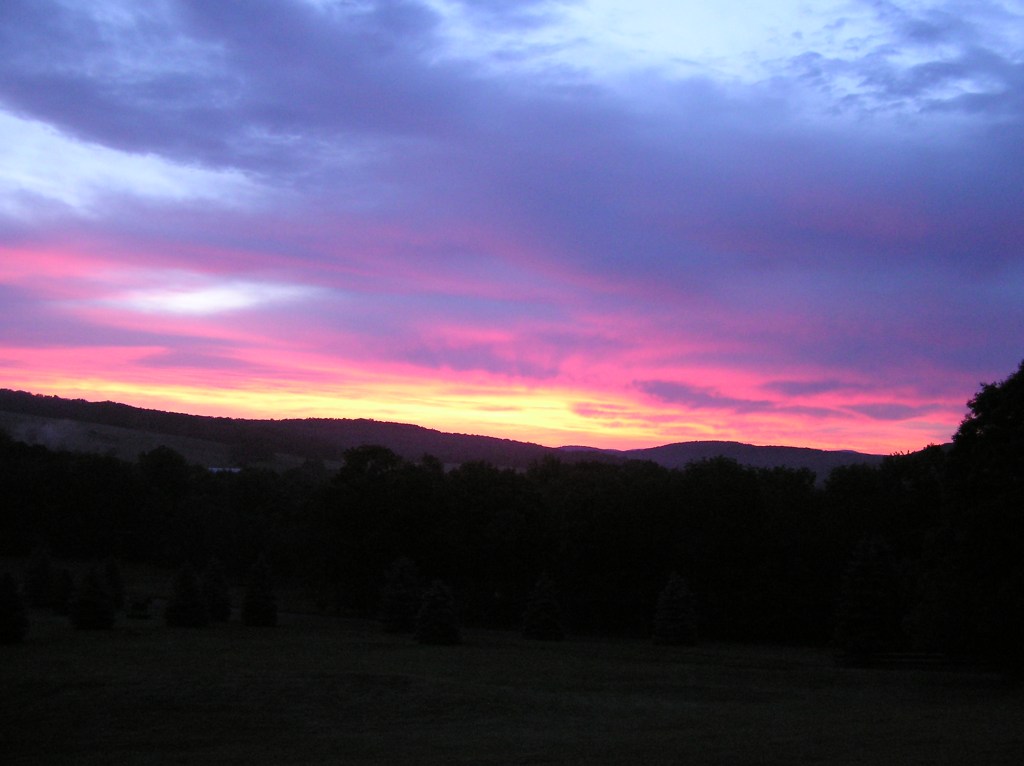
Colors: Daybreak In the Delaware Highlands

I was wandering the river just the other day when I noticed a brilliantly colored mayfly skittering across the surface. There were no trout rising, but my curiosity led me to step forward and pluck that fly from the water anyway.

This fellow was roughly a size 16 with colors ranging from an extremely bright yellow to a brilliant light orange. I have handled the flies we know as Hebes, (Leucrocuta hebe as currently classified) and a few anglers call the Orange Cahill, yet this one didn’t fit my recollection of either species. The mixture of yellow and orange brought to mind sulfurs, but there was something un-sulfur like about it’s wings too. I put it down as another of those little puzzles filed under the infinite variety of Nature, and tied on the brightest yellow and orange sulfur pattern I could find, just in case.

The total lack of rising trout persisted, though I did try that fly over a handful of choice locations, just in case there was a nice brown resting there in the mood for an impromptu snack.

I have been knocking around on trout streams and rivers now for a third of a century, and I have sampled a lot of the bugs encountered. Each season, I still see something new that surprises me. Color variations are particularly striking, notable to me as I am of the company of fly tyers that believes that matching the color of the natural flies that are hatching is an important component of fishing success. I often wonder if some of our mayflies are getting adventurous and doing a little crossbreeding between species, so dramatic are some of the variations in familiar hatches. Perhaps it is simply another game the Red Gods have devised to vex fly fishers for their amusement.

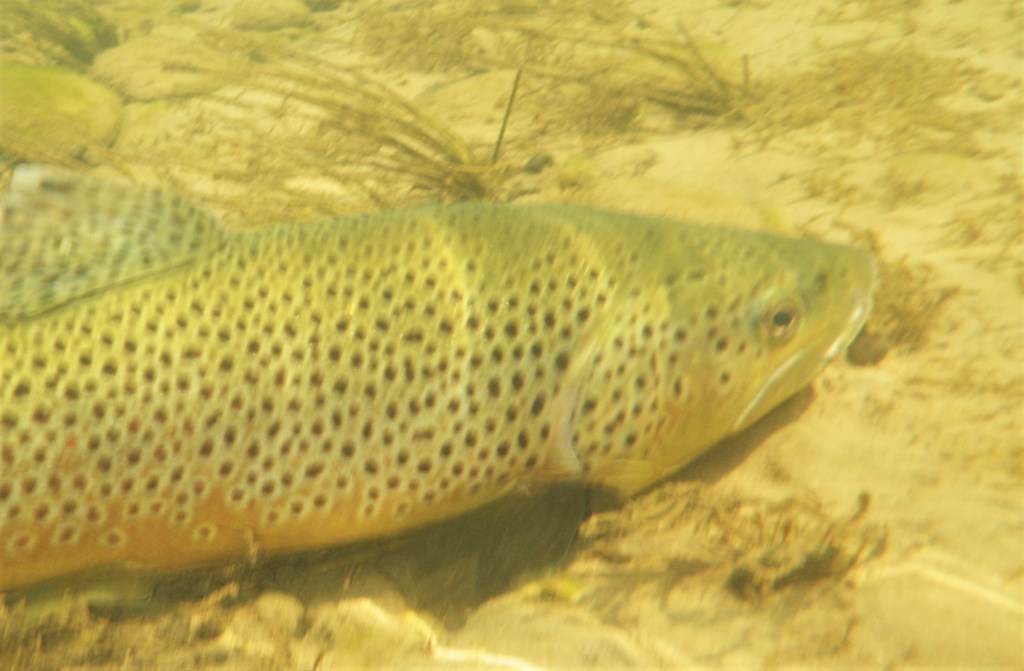
Just what does he see? Science has studied him and told us he has all of the optical tools, yet they will never know what his brain does with the information his eyes gather.

I can cite hundreds of examples of situations when changing the color of my fly turned an uninterested trout into one cavorting at the end of my bowed rod and straining line, yet I cannot assure you that it wasn’t some other imperceptible trait of that second fly, or some other unseen stimulus that caused that trout to take it as opposed to the offering in another shade. I firmly believe that color can be highly important, at times the singular most important feature of your fly, though I cannot convince those of the other camp whose experiences have led them to the conclusion that color matters not. It is a long running debate among fly fishers and fly tyers, and perhaps the amazing color variations in aquatic insects I have encountered is simply Mother Nature’s way of laughing at us!

I just tied three quarters of a dozen Hebes, all in my 100-Year Dun style with gray barred mallard flank wings, the brightest yellow silk bodies, and golden grizzly hackles. They look quite fetching to my eye, and I believe they will appeal to the trout. All I have to do is find a nice trout partaking of a few Hebe mayflies and…

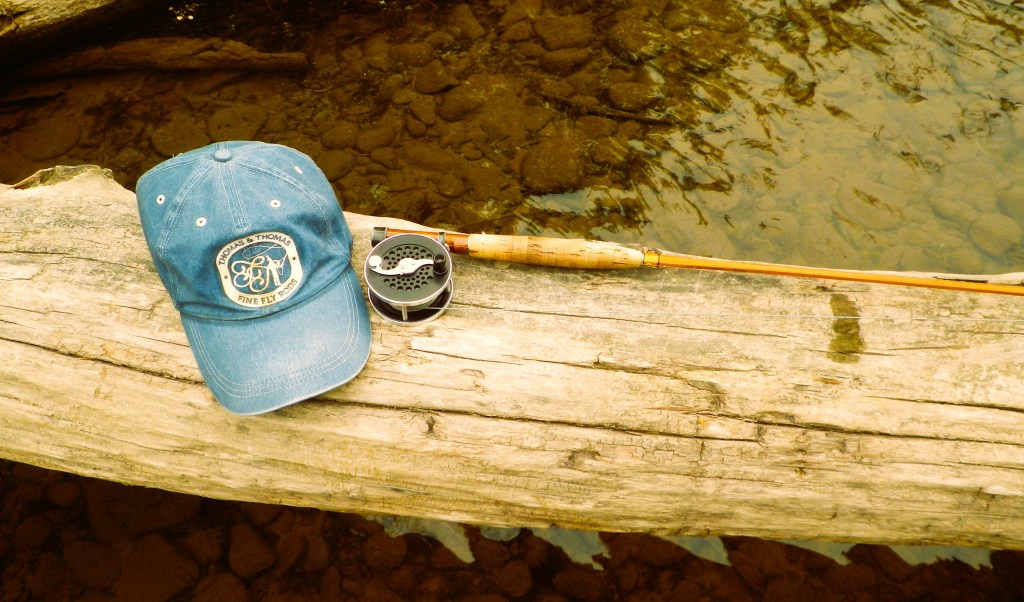
My vintage Paradigm from the early days of the Thomas & Thomas rod company, when Tom Dorsey and Tom Maxwell were happily making fly rods in Chambersburg, Pennsylvania and fishing the local spring creeks with their creations.

It is the time of year when there is no escaping the realization that our dry fly season is waning. Yes, there are two months left, nearly a third of the season, but the prolific hatches that delight us in springtime are far behind us now. It is also a time when I get to thinking about a bamboo rod or two that I haven’t fished this season. I hope to remedy that situation soon!

My DreamCatcher Cumberland Queen was introduced to the Catskills in September some years ago. Time for her to reign once more!

Weekends

Another weekend has arrived, my days to take it easy before gearing up for a week of fishing; a tough job but somebody has to do it.

For the second week in a row, I am headed to the Catskill Fly Fishing Center & Museum. Friend Tom Mason will be the featured fly tyer this afternoon, and it is always nice to watch a master at work. Tom was honored this past spring as a Catskill Legend. I consider him one of the true scholars of the Catskill School, as well as a learned keeper of the flame of fly fishing history.

Last Saturday, my good friend and Guild Vice President John Apgar took to the vise, tying some beautiful and intricate classic Maine streamer flies in the Carrie Stevens tradition. You never know what might happen, and John ended up being one of the stars of a documentary student film by a group of young fishers visiting from New Jersey. There were recently hooked by the fly fishing bug and came to learn more about Catskill history, lucking into a bonanza of information with Catskill Legends Dave Catizone and Tom Mason present and more than willing to answer their questions.

I will take my turn at the Museum’s tying table on Saturday September 16th, so stop by and say hello if you are in the area. We have been blessed with high summer rainfall and comfortable temperatures, so river conditions are very good.

The Best of Summer

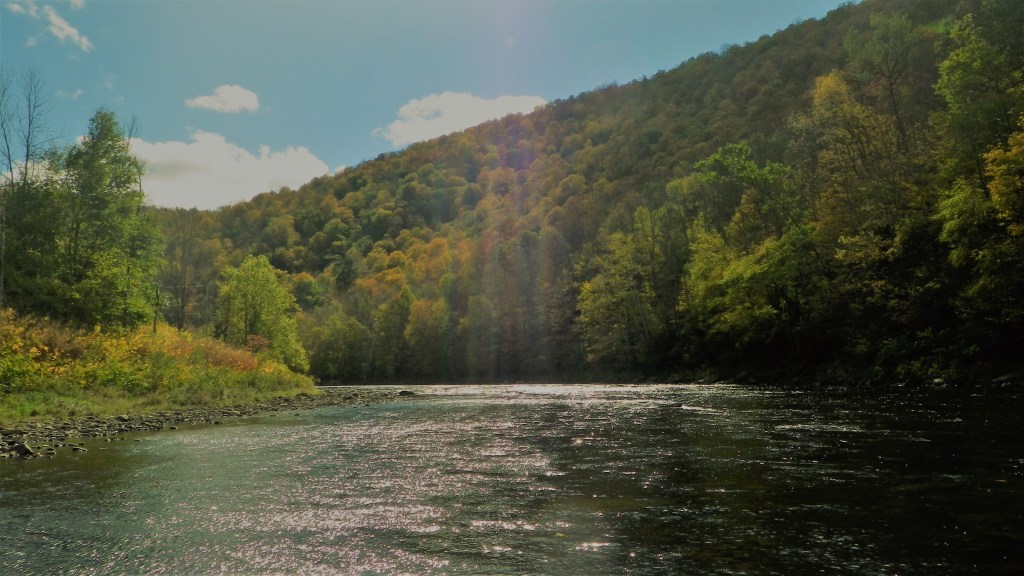
The cool nights give hints that the season is waning. The best of summer in the Catskills is upon us, with glorious days of golden sunshine, and that cool kiss of mountain air as that sun drops behind the mountains. It is my favorite time to stalk the rivers!

Fifty-five yesterday morning, and the rivers are full of water. Cleared from the storm runoff, they sparkle once more in the sunlight.

Between storm fronts and family responsibilities, I have fished significantly less than I do in an average summer. For the most part, hatches have been light, even the fabled West Branch sulfurs have underperformed. I wonder if the low flows in May, which allowed didymo and the dreaded green slime to proliferate in the upper river, lie at the heart of the vastly reduced numbers of those favorite little yellow mays?

It is the fate of anglers to ponder the things we cannot change.

I stalked a favorite reach of water, watching the cloudy day open up with the glow of summer sunshine. The high flows have changed the game once more.

Hunting trout move more and linger less I believe. In low water the signs allow a careful approach and positioning for the perfect cast. Those signs are more subtle with the rivers full complement of water. A slight ripple might be current upthrust by a sunken branch deposited in a new location, or it could be the only sign that a hunter has passed. Even a rise dissipates rapidly, particularly the soft, subtle, hidden rises of a good trout hunting what food the river brings. Casts must come quickly, or be held while the eyes search for another clue.

One of those clues had me fire a long cast yesterday, and sigh when it found no response. Rather than wait, I fired another tighter to the cover, kicked extra slack into the line and studied the drift. The take was sure, though subtle, and I felt the excitement of that throbbing life as the rod bowed. It has been a while since I tangled with a heavy trout, and I savored the moment.

First things first of course, swing the rod back to my left and strip line hard to get his head away from the cover. Short of his haven, he turned with the current and ran…

A twenty-two inch wild Catskill brown glistens in the sunshine moments before release

The hunt continued, but no further quarry made themselves available for the contest, so I turned my attention upriver. There had been a light fall of flying ants when I arrived, but the scattered rises were all from tiny trout. Eat well and grow, for you bode well for the future!

The afternoon breeze rose and put an end to the dimples in the mirror, though I found one rising gently in a location frequented by sizeable trout. I knotted a size 20 flyer and offered it, only to find that he too was just a little fellow. I dropped the rod tip and let him shake free; no need for handling the youngsters.

Working onward, I did find a few to splash my Isonychia, better fish, though not big ones. They seemed intent upon attacking without taking, and I concluded it was past time to remove the size tens from my fly box and carry only the twelves.

It was a glorious day, and taking one of the river’s veteran brown trout is always enough to highlight the experience!