Checking Conclusions

I do quite a lot of reading this time of year and, though I have a deep affection for titles from the Golden Age of American fly fishing, I do very selectively peruse a few newer works. Some, like Jerry Kustich’s new book discussed in my last post, are written by authors whose writing I know and enjoy. One category I generally do not bother with though are new books about fly tying. I have tended to design my own trout flies for the past three decades, building my knowledge of materials and experience on the water to shape my own creations. Yes, once in a while I will investigate a fly tying book for entertainment value, but many of the “great discoveries” touted by the marketing machine have no interest for me. Man does continue to reinvent the wheel.

This summer, two gentlemen from England were kind enough to give a special online presentation to members of our Catskill Fly Tyers Guild, informing of their rather exhaustive work involving high-definition video and still cameras, primarily on the English chalk streams. Peter Hayes and Don Stazicker impressed with their commitment to their cause, showcasing the great deal of work they put into their 2025 release entitled “The Flies Trout Prefer”. I was interested enough that I bought the book, which has languished here in my hideaway ottoman for the past few months. I started in on it this week, and I admit it is holding my interest.

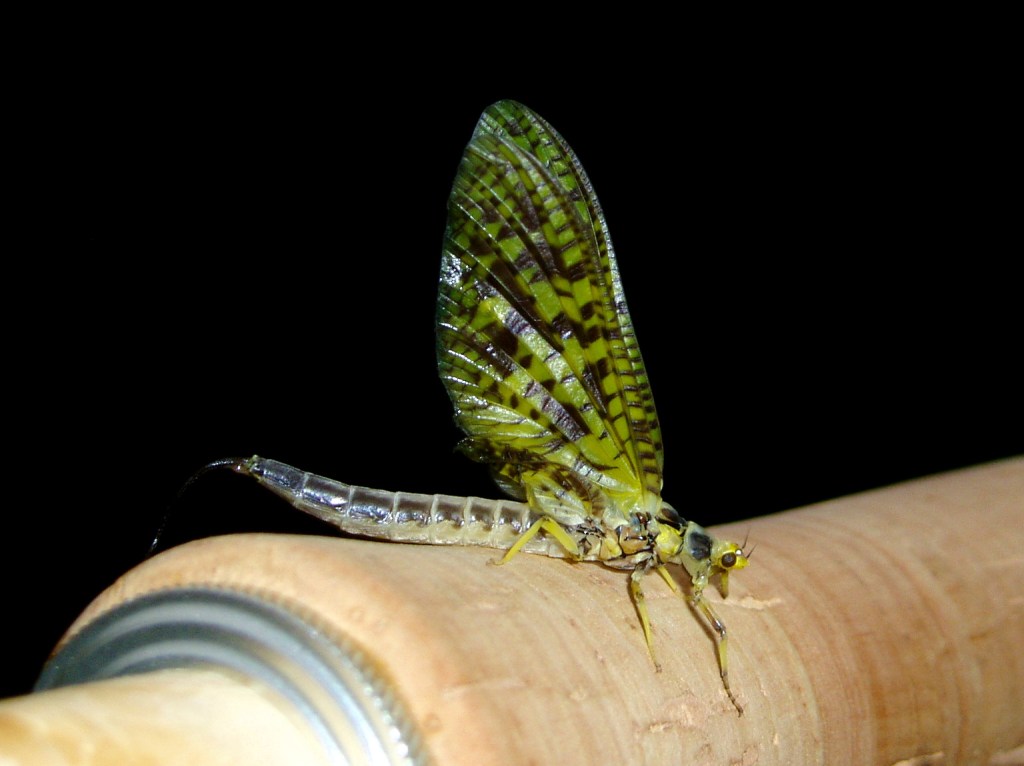
Their basic premise involves the trout stream insects we describe as emergers or cripples, that is the flies that fail to reach the fully hatched stage and fly off the water, maintaining that such are the insects the trout most often eat. Their assertion is certainly not new, as thousands of us who undertake our fishing as observant anglers speak this same truth. The depth of their investigation and the quality of their photographic evidence impresses, though. I have not progressed to the portion of the book where they present their ideas for fly tying to imitate the imperfect insects they champion, I might agree or disagree with their approach when I see it, but they are very likely to maintain my interest to the end of the book.

I have spent a great deal of my thirty-five years of fly tying and design focused upon capturing an image of life in my trout flies. Those qualities include movement, color, shape, size, silhouette, the effects of light reflection and a fly’s attitude when cast and drifted upon the water. A great deal of my best dry fly patterns sit in the film, with their bodies, legs and wings penetrating the water, in recognition of the trout’s observed preference for flies that are more vulnerable, as Messrs. Hayes and Stazicker describe. I welcome the factual reinforcement of my long-held beliefs, as I expect will many anglers.

A good deal of years ago, I gave a presentation at the luncheon of the Fly Fisher’s Club of Harrisburg, offering my conclusions that our trout were learning from the huge increase in fishing pressure and getting harder to catch. Fisheries scientists at that time would have called that rubbish, though they now admit that trout not only exhibit avoidance behavior and increased selectivity as a result of angling pressure, but that they pass these traits on genetically. My conclusion all those years ago, was that our best chance of keeping up with the development of our quarry was the advancement of fly tying, as well as our individual skills of presentation.

I never stop experimenting, for I know that, as the trout’s familiarity with even the best designed and tied fly patterns grows, the effectiveness of those patterns will inevitably lessen. That fact is a part of the essence of the challenge and the magic of this game!

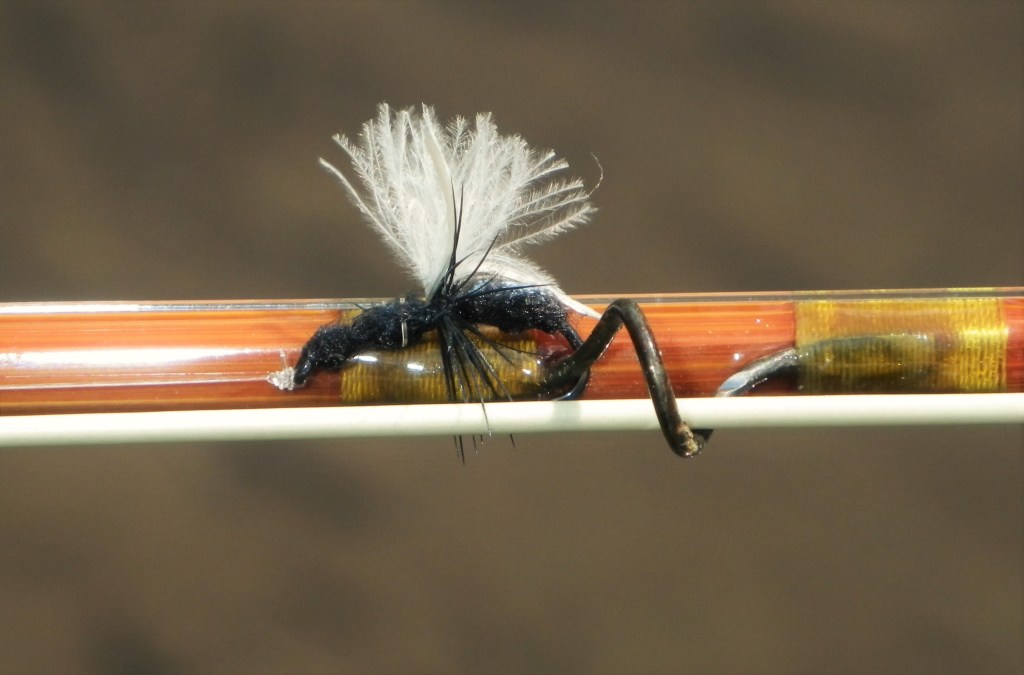
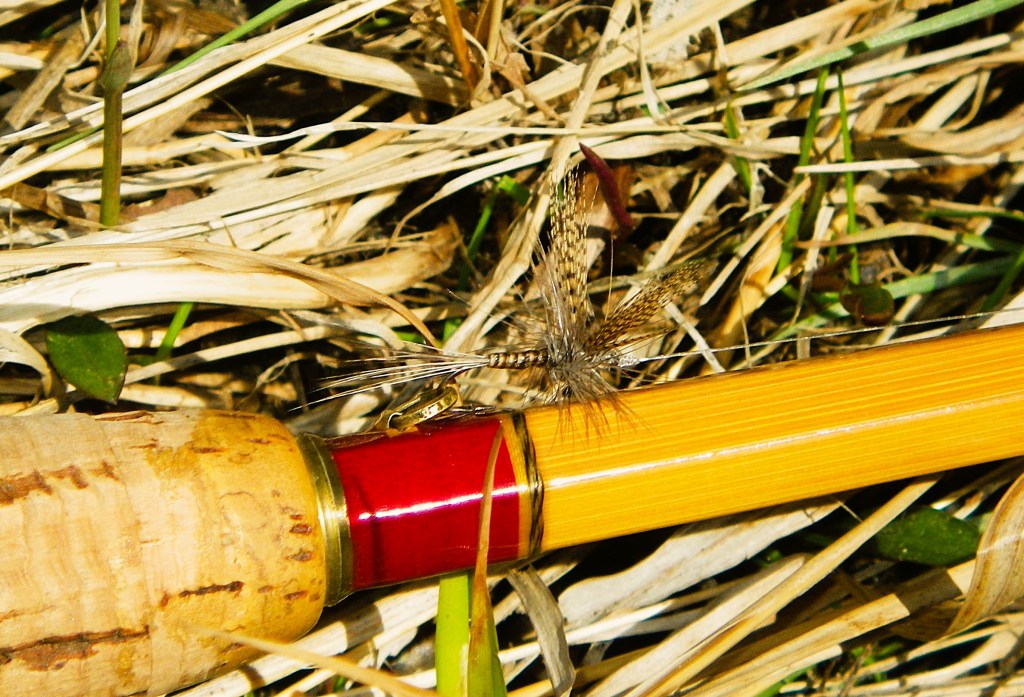
Old rods, new flies!

Do not mistake this post to be a denouncement of classic flies, for it is not. I am not the first to note that classic patterns are often “new” to many of the trout that swim in our favorite fishing waters. Many of today’s new crop of fly fishers pay little attention to classic trout flies. They want the newest, brightest, craziest concoctions they can find at their local fly shop. Fish whatever you wish, but if you want to learn and grow as an angler, observe!

A Smile for Kustich’s “Bamboo Days”

I first met Jerry Kustich in December 2014 after learning of his move to Maryland. My enjoyment of his writing brought us together.

I had just reviewed his 2013 book “Around The Next Bend” when I stopped into Theaux Legardeur’s Backwater Angler fly shop on a visit to the stream that had been my first love as a trout river, Maryland’s Big Gunpowder Falls. I noticed copies of the book displayed conspicuously on a table in the shop, flanked by copies of two previous volumes that I had not had an opportunity to read. Casually opening one of them, I was surprised to see the author’s signature on the title page and asked Theaux how he had managed that. He told me of Jerry’s eastern move and invited me to an upcoming bamboo day, where Jerry would be visiting with a load of Sweetgrass bamboo rods in tow. I kept that appointment and enjoyed the chance to meet and interview Jerry about his partnership with Glenn Brackett and the founding of Sweetgrass Rods. Casting a number of those rods that afternoon made me want to have a Sweetgrass of my own.

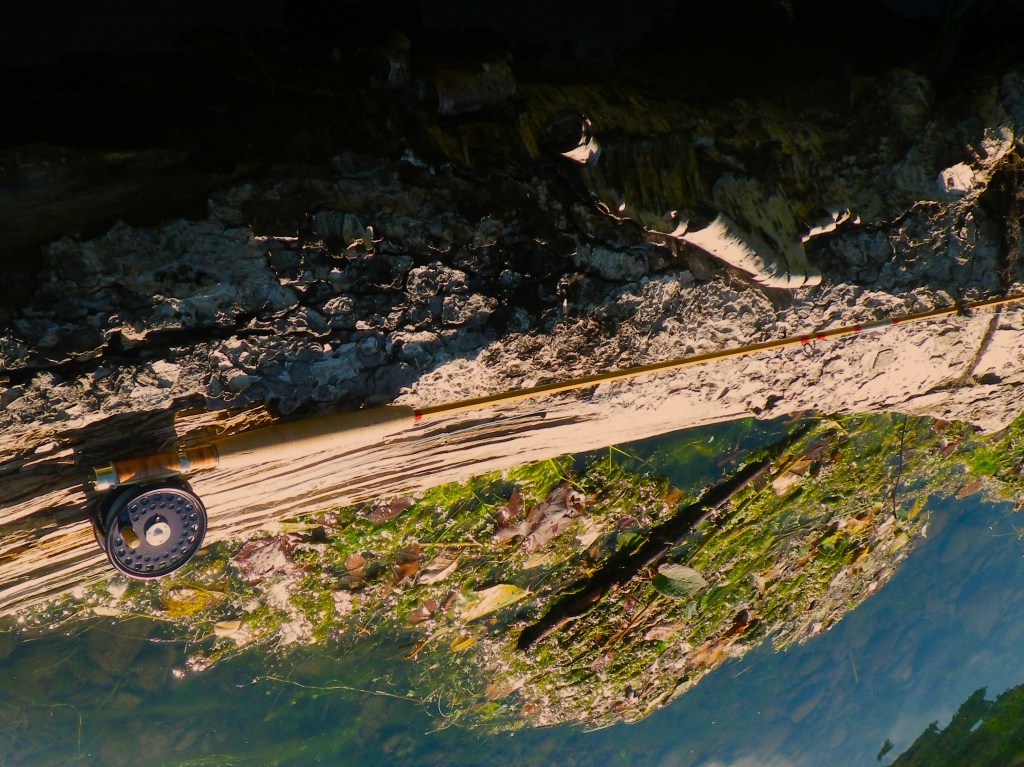
We have kept in touch over the years, meeting up at the Catskill Rodmakers Gathering three years ago, and touching base via emails as we did during the Covid lockdown in the summer of 2020. The 8′ four weight Sweetgrass Pent I carry most often during my summer fishing was the result of those Covid conversations, after Jerry agreed to design a special pentagonal rod taper to fit the demands of my summer fishing style.

I was pleased to learn of his writing a fourth and, he says, final book last month, and started in the morning after his package arrived. “Bamboo Days – Memories of an Old Rod Builder” (West River Media, ISBN 978-0-9996155-4-6) is pure Jerry Kustich, brimming with tales both happy and sad from a man who has led a remarkable life. From decades in Idaho and Montana, to pleasant later days on that same Gunpowder Falls and the headwaters of the Chesapeake Bay, Jerry has found serenity on rivers, most often with a bamboo fly rod in hand. He shares those feelings and revelations through the stories here. Always deeply touched by the outdoors, and the beauty, mystery and magic of fly fishing, Kustich continues to be a voice for conservation and environmental stewardship.

Like many of us whose souls are tied to bright waters, Jerry has lived to see both troubled times for those special waters and rebirth. He remarks on the latter stages of life, when memories sometimes flow stronger than the rivers that spawned them. Kustich feels the life energy in a shaft of split bamboo as he does in the rivers and the people who make life special, and he shares that with his readers; a beautiful gift!

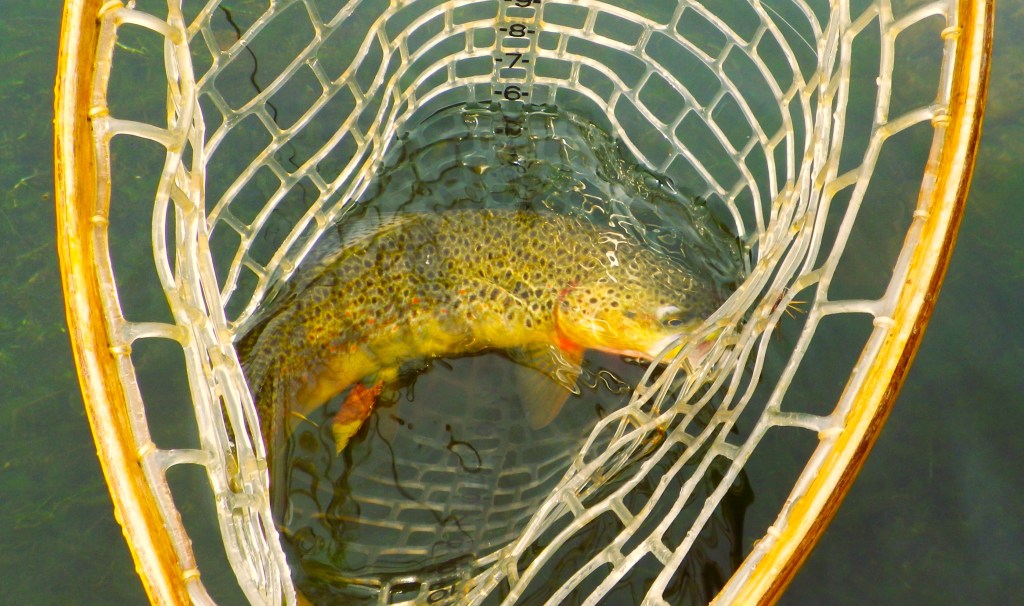
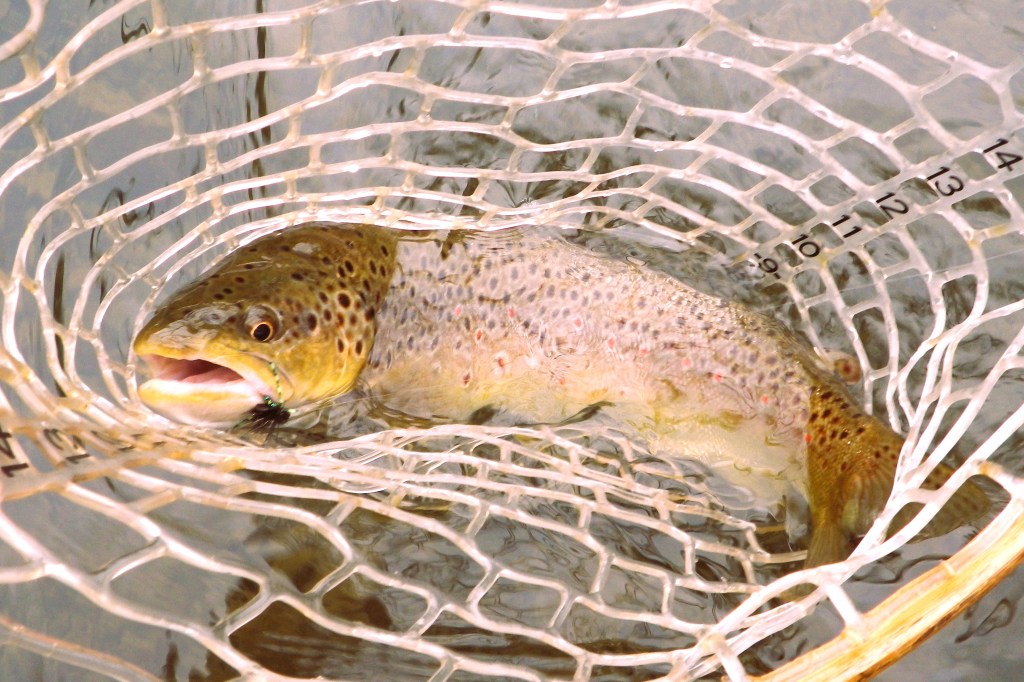
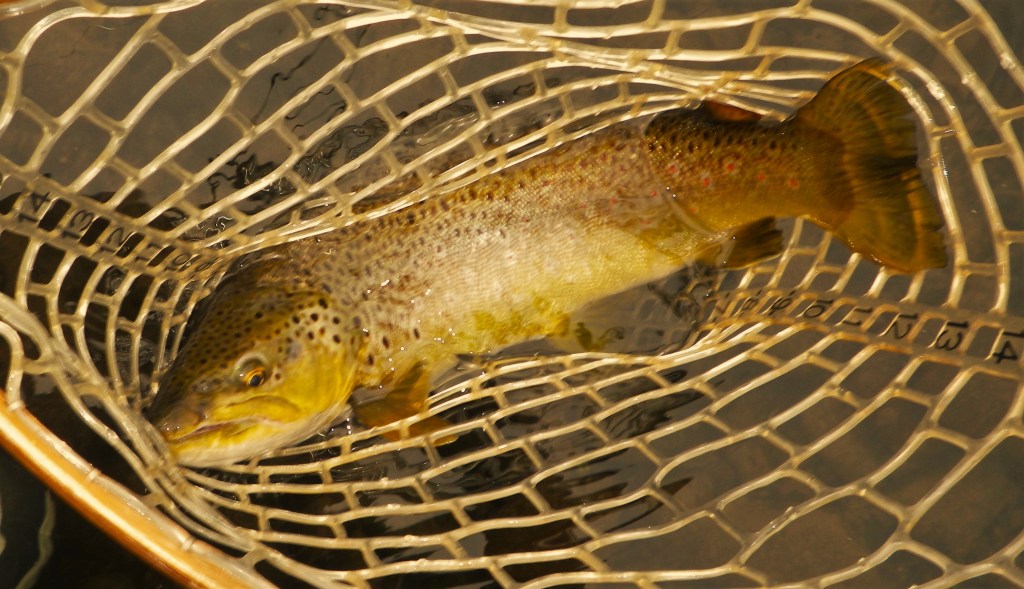
A trophy brown runs hard against the arc of the beautiful Sweetgrass Pent Jerry designed for me in 2020

Mystery Fish

I should be walking up the side of a mountain just about now, the frosty leaves and the air crackling in the stillness amid the frost. It would have been my first day deer hunting for the season. The joy these days comes from spending time with a good friend, each of us telling of what we saw, or didn’t see, when we gather in the cabin for an extended lunch break. Solo jaunts in the cold no longer measure up.

My best hunting takes place upon bright waters, curling around the bases of these mountains, falling like diamonds from rocky outcrops. It is easy to lose myself in endless hours with tempered bamboo in hand and a feathered hook fresh from the bench before me.

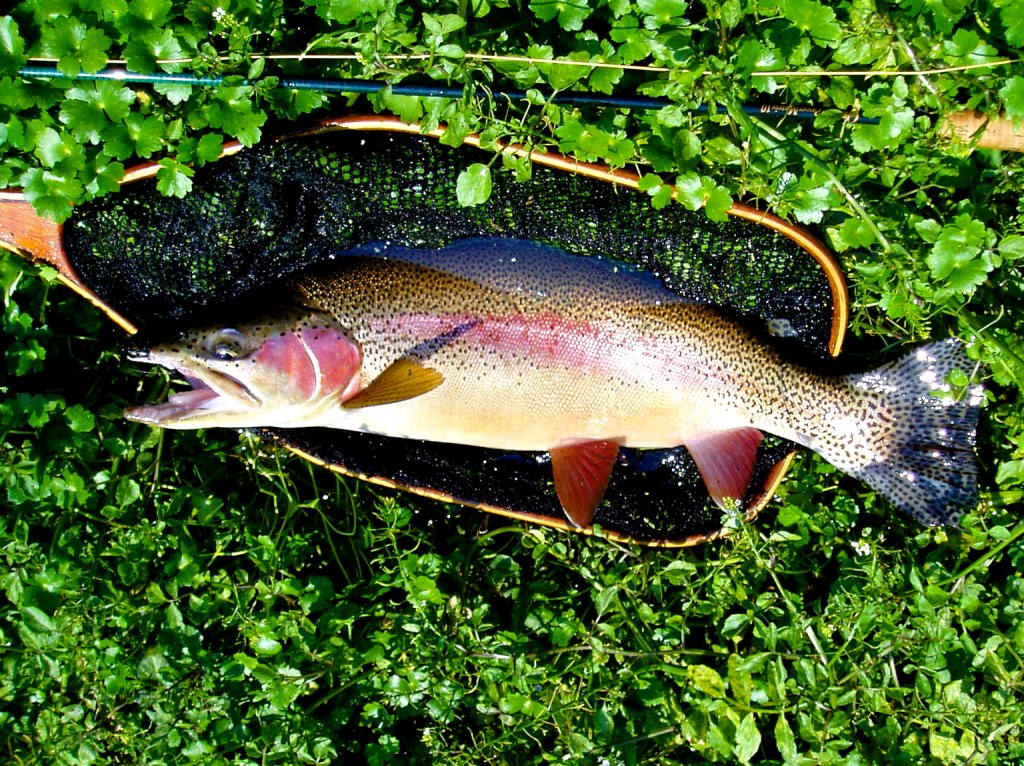
There are many photos like the one above, testimony to the rewards of those hunts, those put forth in waders instead of blaze orange and boot leather. Perhaps the best keepsakes though are the memories of the mystery fish, those never brought before either the camera’s eye or my own. It is one of those fish which haunts me this morning.

It was that time in April, a few years ago now. The long days of fruitless searching for my friends the Hendricksons had ended. The hatch had finally appeared, the water covered with the big tannish duns and the smaller Red Quills, so many that fooling a ravenous trout with feathered hook proved heartbreakingly difficult that day.

Humbled, I had arrived early that next day, with freshly tied patterns and a favorite shaft of bamboo. The hatch was lessened in intensity, though still quite fine, and I had set my mind that the result would be different.

There is an area at the head of the pool where a long run empties. The bottom has been scoured by eons of high flows, leaving great shards of the mountain standing in the depths of the river. One long spire lies lengthwise with the current, and it was there that my gaze was directed. The trout that fed there pushed a lot of water when he chose to rise, though the display was lessened by the currents accelerating around that great fallen spire of stone. I had to have him!

The hatch had progressed before our game began, and the little Red Quills predominated. I had run through my usual battery of flies, teasing line and leader with the rod tip to offer each with a delicate drift, when I reached for one of the special Red Quills with a lively natural dun CDC wing.

I cannot recall how many casts I made, just that, when it seemed that fish’s defenses were impenetrable, the magic take finally occurred. I raised the rod into a terrible arc, the water boiled and the reel screamed as my foe charged downriver nearly emptying my reel of line and backing in that first orgasmic run!

Failing to free himself of the fly, that trout began a series of head shakes, darting left then right, intent upon slugging it out at distance. I stripped line when I could, a foot at a time, afraid that the vibration of reeling might set him to flight once more and strip the last few turns of backing that remained.

We sparred like that, me taking two strips of line and reeling up the slack, once, twice, then giving back more than I had gained before stripping once more. Slowly, I eased the battling trout upstream, gaining back most of the backing, even a turn or two of fly line on the spool. I thought the battle had turned in my favor. Fool!

Suddenly he accelerated, running upstream and across toward the place this had all begun. Reeling feverishly, I somehow kept pace. He sought that great spire, that familiar lie where he had fed with all the energy he had left; more than I could bring to bear with bowed rod and a light tippet.

When he was gone, victory abruptly ripped from my shaking hands, the line simply trailed in the current. Once I had recovered my senses, I ran the end of the tippet through my fingers, feeling the rough texture where that spire had cut my hold on him, and cut out my heart.

I never saw that great fish, not a flash or a leap to reveal the nature of the bolt of lightning I was tethered to. Mystery fish, they grow in the mind to impossible dimensions, and they live forever!

Hope, Thoughts and Feathers

Lost In Thought
Photo courtesy of Andy Boryan

Rain, snow showers and a bit of water in the rivers, such are the things that begin to breed hope for springtime.

I have begun thinking about trout flies and about a change in design from the various transitional stage mayflies I have tied and relied upon for many years. Subtleties, a variation in the attitude of a fly on the water, movement within the fly itself, my guidelines are the same, but I have combined the success of my 100-Year Duns with the imitation of the imperfect mayflies well-schooled wild trout often select from the drift.

Effective flies are often relatively simple, too many parts and materials may defeat the ultimate purpose: to imitate life!

The idea of the 100-Year duns was to highlight the proper attitude of a fully emerged mayfly dun on the surface, something it has done particularly well. Though I often tie them on straight dry fly hooks, the upturned shank of Daiichi’s Darrel Martin’s Dry Fly Hook, model numbers 1220 and 1222 lends itself fully to the design. These unique hooks are the basis for my newest transitional patterns, tied first for the Hendricksons I hope will return to prominence on our Catskill rivers.

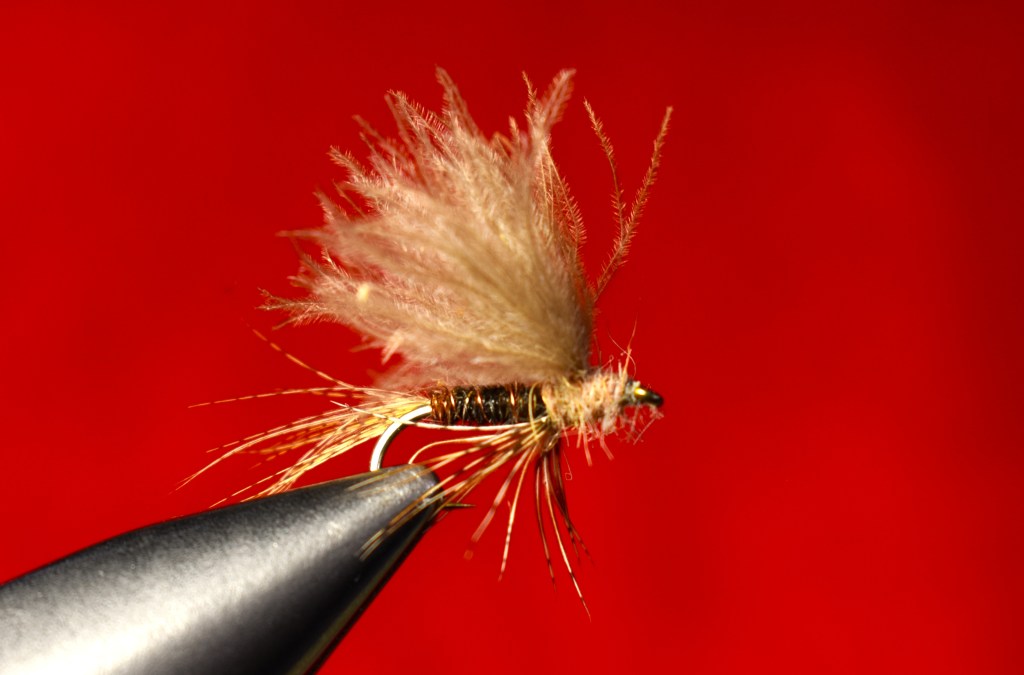
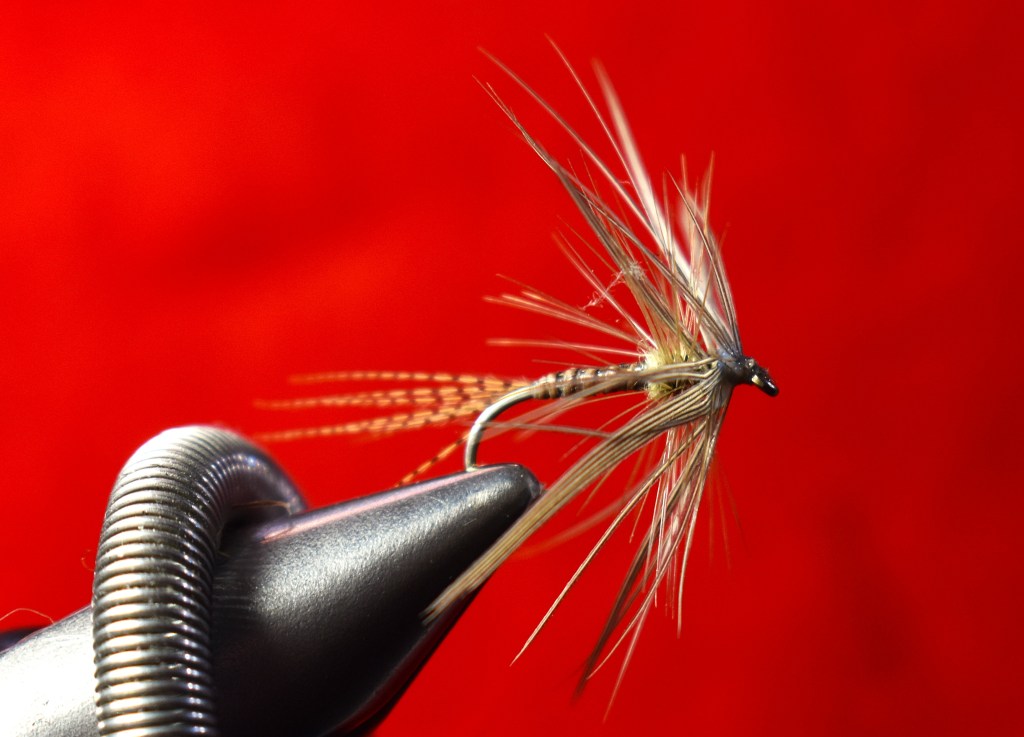
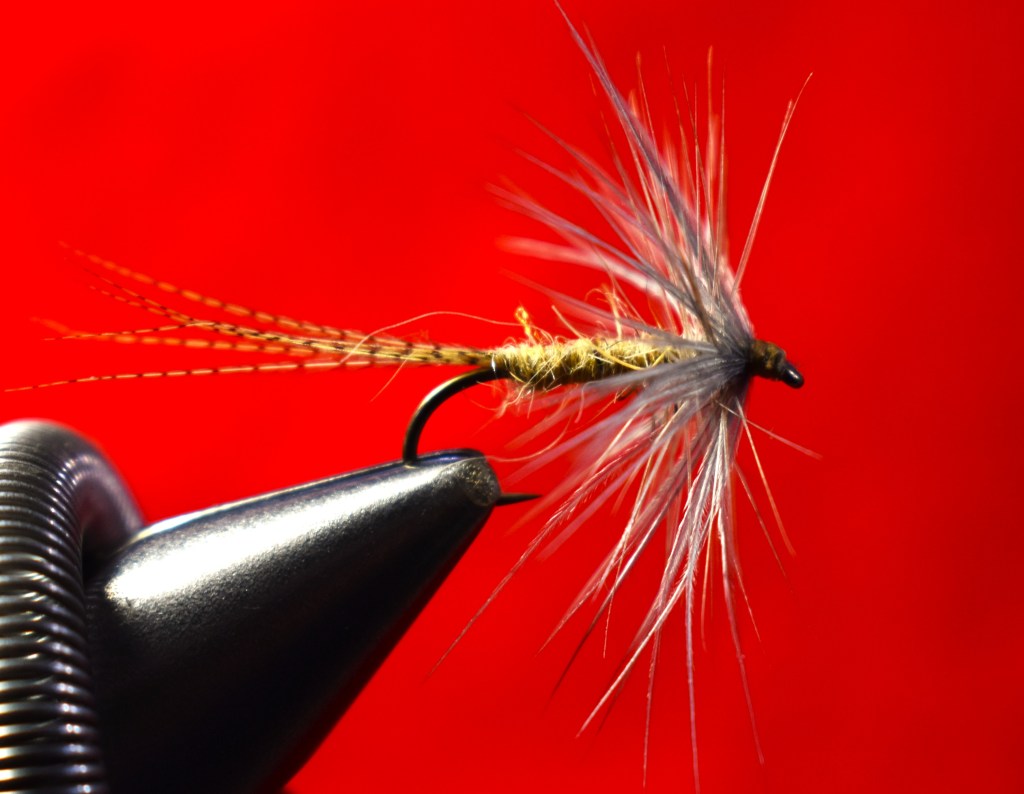
Transitional Century Dun – Hendrickson

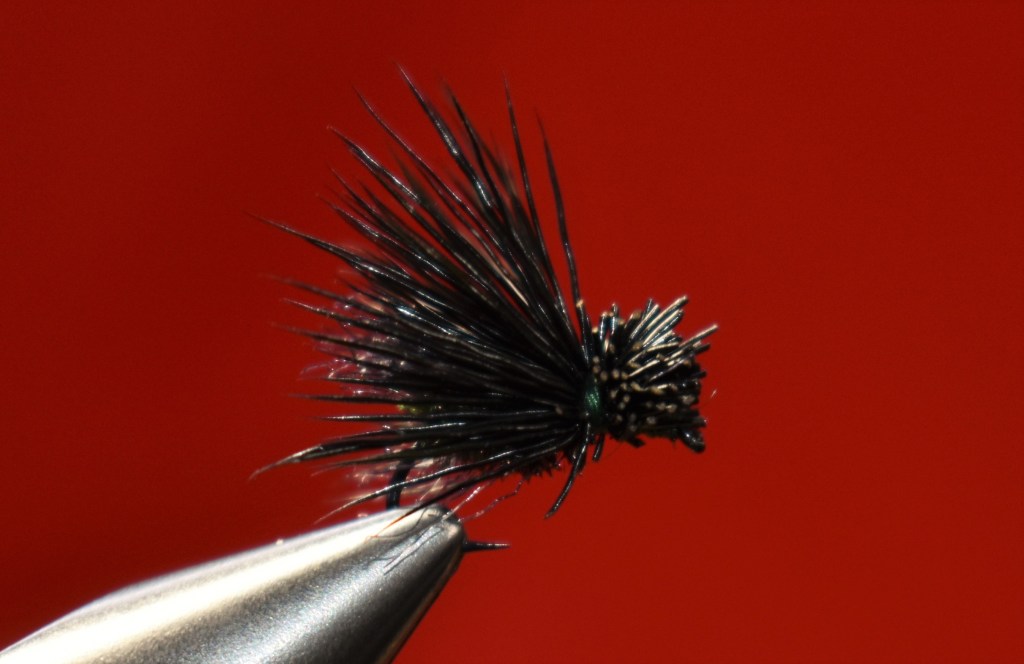
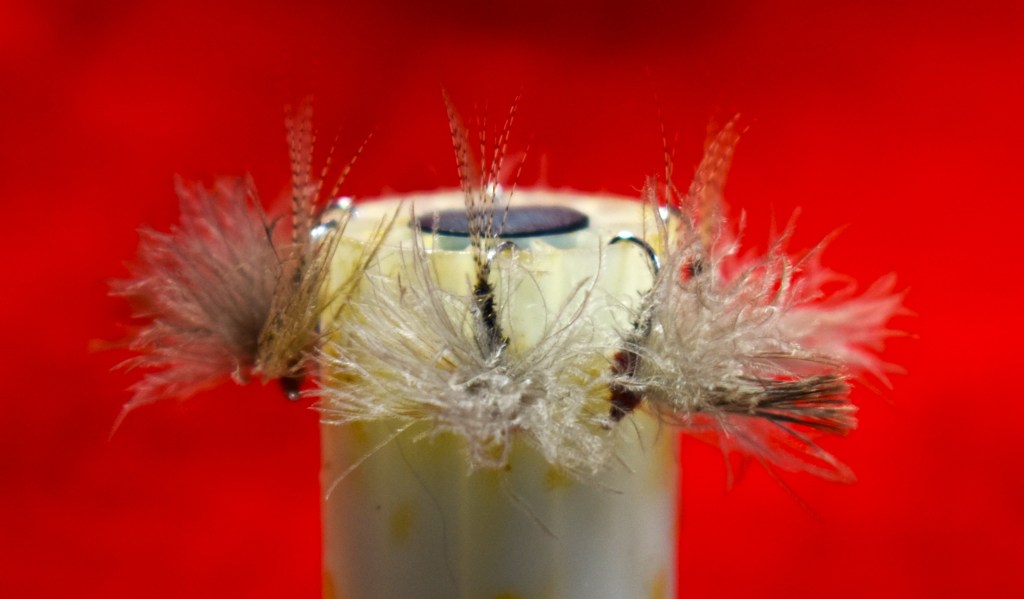
I am anxious to enjoy the opportunity to cast this new fly over the most wary and particular wild brown I encounter next spring. It is designed to sit lower in the film at the rear and amidship, with the soft fibers of wood duck, Hungarian Partridge and CDC providing subtle movement in the current and winds. There are other prototypes too, hackled versions with either paired CDC feathers or Trigger Point fibers posted for wings. May the trout be forthcoming with their opinions!

One of the prototype 100-Year Dun transitional patterns. hackled for riffled water

Winter is just now whispering o’er the ridges of these mountains, the first flurries of snow appearing on high. There are many months to experiment here at my vise. The March Browns made something of an appearance upon our drought and ice ravaged rivers this year, and they shall be next in the new procession of patterns…

Little Ones

A winter olive on the snow…

I don’t know just what possessed me, but I tied a dozen dries this morning. If I made a little pile out of them, that might just be big enough to see!

I had been reading and daydreaming about fishing, and to me that means dry fly fishing. I truly don’t expect to have a chance to use these over the next four months, but perhaps you could call my effort a mission of hope.

Half a dozen of those new flies were Griffiths’ Gnat’s, the old faithful midge pattern, and it would take a lot of thinking to recall the last time I fished midges. I can tell you it wasn’t in the Catskills. It is a little warmer today, though we watched snow blowing around for the past two days, but the water temperatures have continued to drop.

It would be a treat to find a decent trout rising in December, but then again that isn’t very likely to happen. Three weeks of deer season begins Saturday morning and, though I won’t be hunting more than a few of those days, I cannot picture any opportunity for dry fly fishing.

In my seven seasons as a full time Catskill resident angler, the earliest trout I have caught on a dry fly took an olive on the 27th of March. The latest have come during the final week of October. I looked hard for some fishing the first couple of years, out on the tailwaters on many days in January, February and March when the temperatures were above freezing. I did take a couple of fish swinging flies close to the river bottom, but never did I see anything I could even imagine was a rise.

Could it happen in winter? Hell, anything can happen, but I would say that would be about as likely as a flock of wood ducks plucking out their best flank feathers and laying them in a little pile on the bank in front of me.

It Was March in Most Years…

A Big Spring torpedo

It was usually March, in most of those years. Yes, there would be a few false starts in February, fueled by the frustration of several weeks of ice, snow, wind and high temperatures which remained well below freezing, but it was not until the end of that short month that I ever expected anything. There were a few seasons when the sun blossomed during those last days of February, warmed the air into the upper forties and brushed the water temperatures with an early stroke of spring, but not many.

My first day off in March would usually find me at Big Spring during those years after the hatchery was shut down. Bright gravel had begun to appear in spots with some velocity to the current, and a few mayflies and stoneflies started to return. During the mornings, I may have tied on one of my Limestone Shrimp, or Ed Shenk’s venerable cressbug if I arrived early, the fervor of breaking free from winter’s grasp getting me up before dawn and pushing me toward bright water. Come ten o’clock though, the 6X tippet was unfurled and an 18 or 20 Blue-winged Olive knotted fast, as the search began for the season’s first celebrated riser!

As the calendar pages turned past the cessation of hatchery pollution, wild rainbows predominated. I caught five, six and seven-inch trout with fat little bellies and parr marks, the initial progeny of hatchery escapees that had begun to spread out along the stream corridor when the pipes flushing pollutants, and millions of midge larva, into The Ditch stopped their flow of effluent. These stream-bred rainbows were electric as they grew, and grow they did! After a few years, a careful angler could stalk the meadows and spot big bows sipping the early olives.

The Little Black Stoneflies thrived as the stream bed cleared wherever the current maintained enough energy to scour, and they provided some wonderful moments of early season dry fly fishing. Olives in the morning, and then stoneflies on the sunny afternoons became the ritual, for as our other limestone springs declined, Big Spring came into its own.

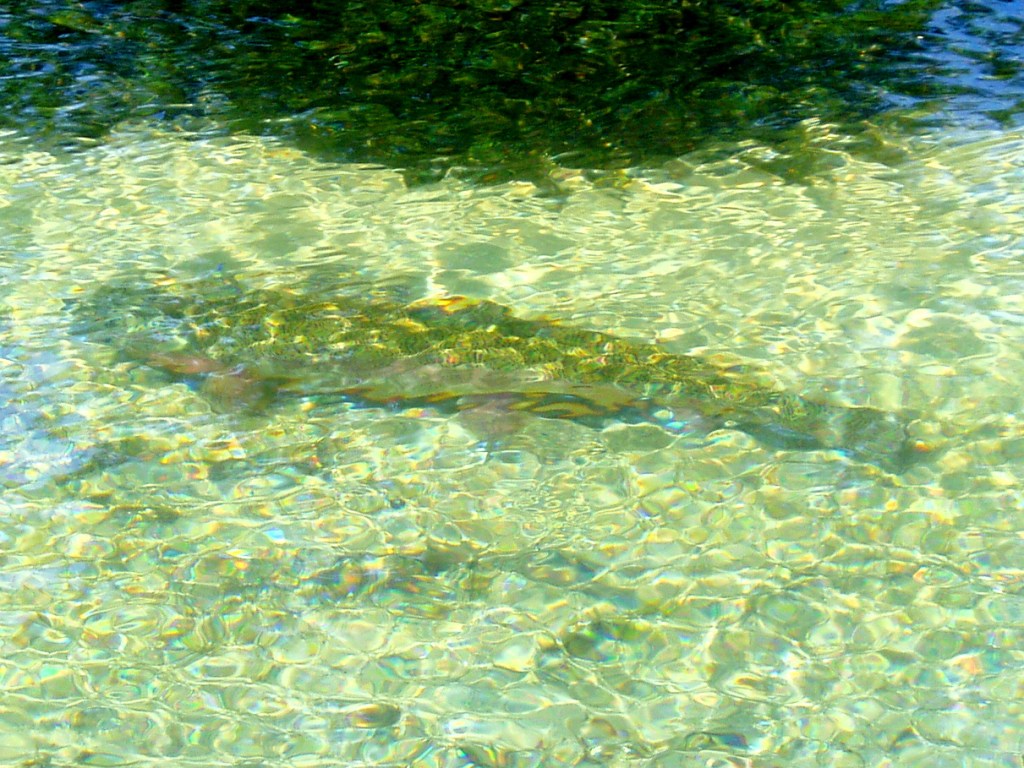
One of those incredible Big Spring rainbows, resting after it ran up beneath the weeds and cut my paltry tippet!

The clarity, confounding spiraling currents and the small size of the insects demanded 6X tippets, and landing one of those rainbows best measured in pounds became a supreme challenge. A twenty-yard run availed the trout of numerous sharp edged limestone rocks and various heavy weed beds, cover they took full advantage of. I ordered a light disc drag Ross reel after one of those first huge bows backlashed the fly line on my CFO when it bolted from my hookset! Any rainbow over a foot long proved to be a serious foe, and the fish of twenty inches and more were truly tackle busters.

It was heaven for a dry fly angler though, once March arrived and opportunities were revealed. The tension heightened with each step as I stalked a rise! The larger bows would sip amid the flat little pools when the olives were hatching, and each approach, each cast had to be perfectly planned and flawlessly executed. Most fish offered one try, a single drift. Chances of landing those effectively hooked proved rather slim. One dash could put them a few feet back underneath a floating weed bed, where it was impossible to extract a fish before it cut the thin tippet or fouled the fly. Bettering my average required a learning curve built of patience in the face of frustration. The experiences were truly sublime!

As the seasons passed, Nature slowly rebuilt the forage base. A few sulfurs and caddisflies appeared in May and June, and these might provide rare opportunities for a patient and observant angler, until the terrestrial fishing began with summer’s heat. In those days, my CDX caddis was a closely guarded pattern, and it would be the fly to tempt an unbelievable rainbow during those halcyon days on Big Spring.

A light bamboo rod, a wisp of a CDX dry fly, and more than ten pounds of Big Spring rainbow – a second stroke of lightning!

I sit back now and remember those days, epic battles won and lost. The future seemed too bright to believe, and sadly time and man’s folly proved that it was. Government’s do not consent to bow and wear their black eyes, no matter how well earned and well known. Management was their weapon, and they wielded it all too effectively.

Such days shall not come again. Alas, March mornings shall never hold that same thrill…

A shimmer of the past…

Snow

It is the ninth of November and a damp forty-three degrees here in Crooked Eddy. Precious rain is coming they say, to be joined by snow tomorrow morning. Yes, snow.

I would be happy to see a white cap on the mountains, as snow would melt gradually and seep into the ground where rain would run off. Snow would replenish the aquifers, something the Catskills gravely need, though we would need a lot of it, well more than we will see this time.

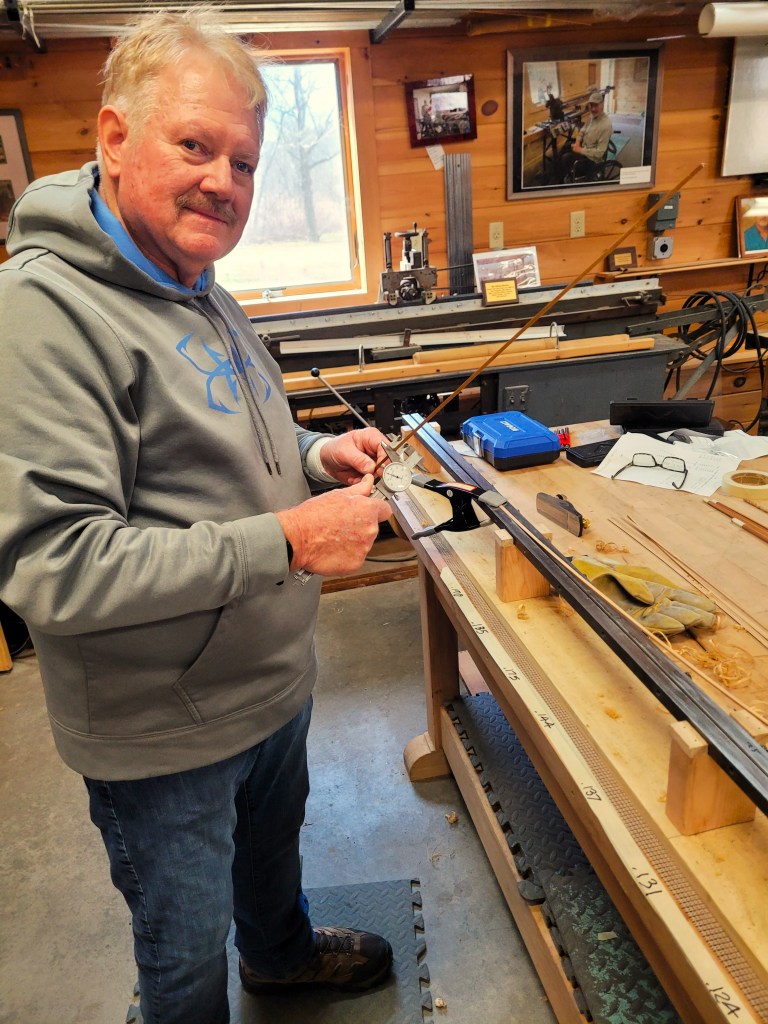
Checking measurements on my first finished planed strip of Lo o bamboo

I took a virtual trip yesterday morning, joining the second Lo o Bamboo Rodmakers Gathering from Berlin, Germany. My friends Tom Smithwick and Peer Doering-Arges presented their thoughts and experiences on making fly rods with the new Vietnamese bamboo that Peer has brought to market through his company Springforelle. Rodmakers from Germany, Sweden, Russia, South Africa, Taiwan, Australia and the United States, among others, talked of their experiences and asked questions producing an interesting event. Those meeting live in Berlin enjoyed the opportunity to cast and admire one another’s rods, something the rest of us couldn’t manage via the internet, though we were with them in spirit!

I enjoyed the chance to speak of the highlights of my first rod making experience, and the smooth, powerful 7’9″ 3-piece 4/5 weight rod I crafted from Lo o. Many, like me, told the group that they had little to no need to straighten either strips or glued rod sections. Had it not been for the wonderful straightness of the internodes of Lo o, I might still be toiling in the Catskill Rodmakers Workshop, trying to straighten strips!

My Lo o “Anglers Rest Special”, completed August 28th, 2025

Peer has encouraged me to continue making rods, despite the new pain centers planing helped me discover in my arthritic wrist. The desire is certainly there, though the extra wear and tear on my casting wrist worries me significantly. I do have some flamed splits from the second, shorter internode of Lo o that Peer had given me last September, enough perhaps to make a single tip rod of 6 1/2 feet.

At first thought, a rod of that size might be expected to cast a 3 or 4 line, but there are other intriguing possibilities to consider. What about designing my own taper for a “little giant” type of rod powerful enough to cast a 6-weight line? A three-piece variation of the 6′ 4″ Paul Young Midge taper is another idea worthy of consideration. Who knows what my gray season brain might dream up?

Winter On The Doorstep

It could come to pass too quickly…

I was sitting and watching Stephanie Abrams on the Weather Channel the other morning talk about a first taste of winter. It was not the news I wished to hear.

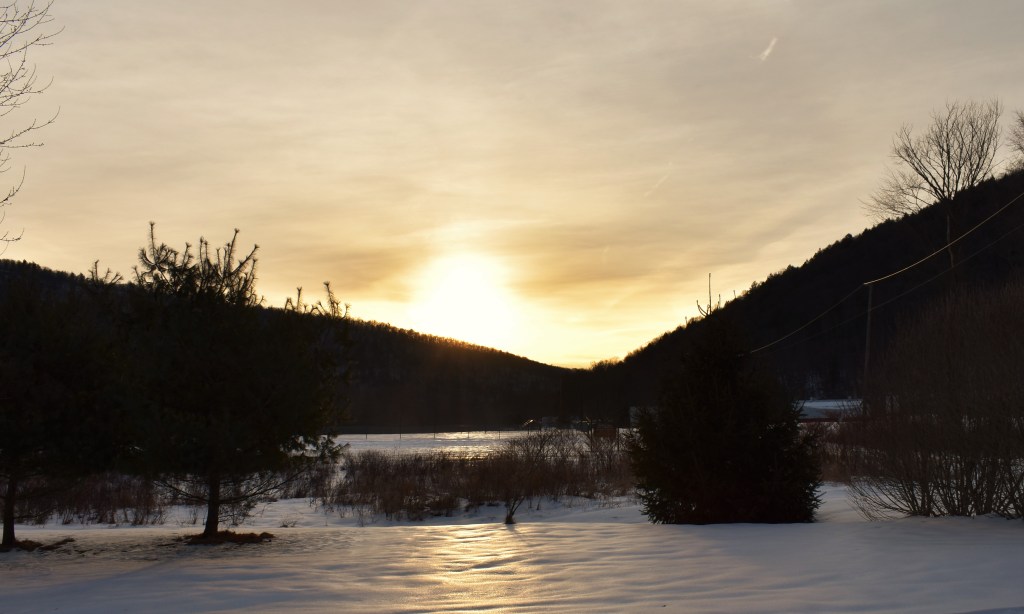
Yes, my dry fly season has ended, and the classic cane rods are racked for their long sleep, but I am not at all ready for daily scenes like the photo above!

The weather as November enters the mountains has been on the plus side of seasonal, mostly sunny afternoons in the fifties and chilly nights. Some mornings, like this one, bring heavy frosts. Had my good knee not begun aching these past few weeks, I would be somewhere on a mountain every day that I could. It is fine upland weather, and it need not be sullied by stormy winds and early snow.

With another bit of rainfall, our flow starved rivers picked up a touch, and I ventured back to the Beaver Kill with one of the old Orvis bamboo rods I reserve for swinging flies. No activity save a chub I’m afraid, as the trout have not shown themselves all season in the runs and pools I haunt. Memories still draw me back to those familiar reaches, despite the blatant truth of current conditions. Extended drought is no friend to freestone streams, and accordingly, rivers are cyclic. When trout are forced to flee from low flows and skyrocketing temperatures, a good dose of real stability is necessary for them to return, a stability I have not seen since spring last year.

It is time to dream of springtime and hope for Mother Nature’s kindness. A warmer, wetter winter would be a blessing, though dreary. Snow on the mountains is photogenic, quite lovely in the morning sunshine, but the fascination pales as the months pass.

November

A Burst of November Sunlight

Plenty of wind and yet, not nearly enough rain. Another major weather system has passed through the Catskills and remained stingy.

Tomorrow morning, I will take a ride over to Phoenicia for a special presentation at their library’s Jerry Bartlett Angling Collection and get a good look at the length and breadth of the Catskill Mountains as November settles in. I have not fished in a week, though I would still like to wander a bit to check up on my river haunts.

It is the time of year when any opportune visit to bright water will be focused upon swinging flies, to me a low impact way to scratch my itch without pressuring the trout working on their next generation. With the dry fly season passed, I am content to be fishing, and not worried about the catching side of the equation. In my mind, a trout interested in feeding just might accept a swung fly as an opportunistic meal. Water temperatures seem destined to continue to fall through the forties, well below the feeding range for trout, but then again Nature does display some true surprises now and then.

In past seasons, I have connected with a fish or two, even once winter’s upper thirties water dominates the flows in these rivers. Simply enough, there is a small chance of a take, so fishing isn’t an act of either desperation or lunacy.

The somber, steely gray coloration of a sizeable December brown, drawn to the subtle movement of a deep swinging Copper Fox. Alas, it is the Gray Season above and below!

Though there is a bit of hunting season still on the table for me, as an angler I see but two seasons in these mountains: dry fly season and winter. November falls in the class of the latter, but a walk along the river with eight feet of split bamboo is not unthinkable. I’ve got Partridge & Pheasant Tails and Copper Foxes to suit conditions as well as my mood. We shall see what November brings…

Too Fine

Nearly seven and it is still dark; a heavy frost has settled upon Crooked Eddy. It is twenty-nine degrees, and I have half a dozen freshly tied Red Quill Emergers waiting for the fly box. Still October, and Red Quills? Indeed, I think of the task as building hope for a better spring…

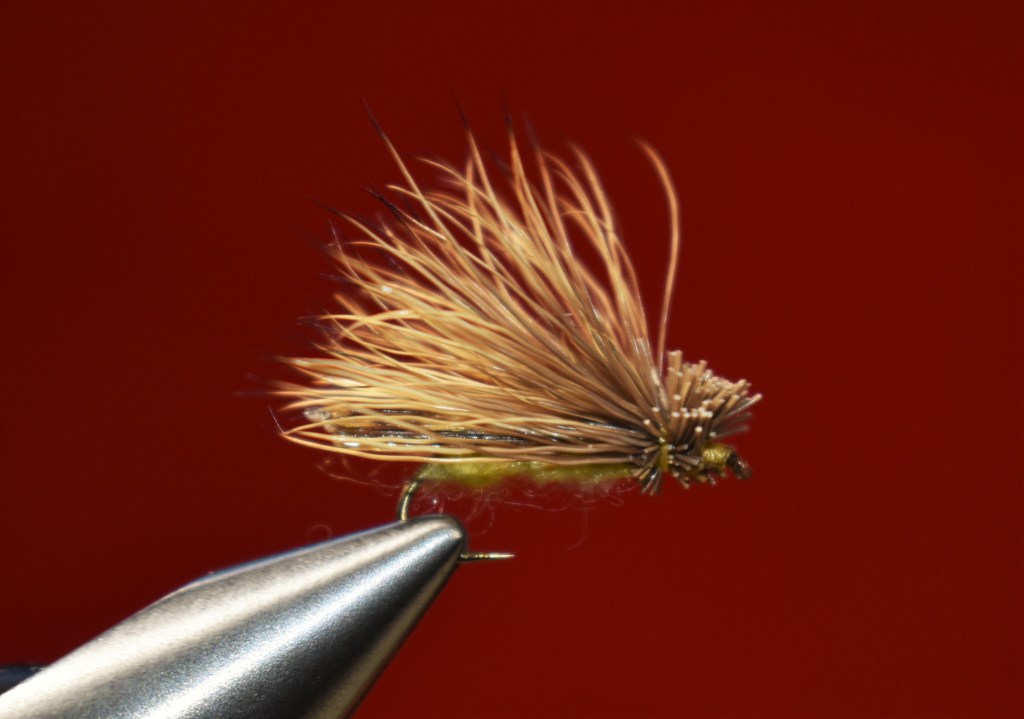
Half a dozen more for the larger Hendricksons have joined them now: wood duck tailing, wrapped Pheasant tail fibers for the slim abdomen, a wisp of fox fur dubbing and a shortened CDC wing. The heavy wire hook lets them nestle in the film while the current brings life to the CDC fibers; the trout cannot resist!

The Leonard unfurls a perfect loop, and the somber hued offering is cast. I squint to follow the hint of dun color where the light catches the CDC feathers and then it is gone! The golden arch of cane throbs with his energy as he sprints away while the Hardy ratchets my favorite song, and all is right with the world.

I have months to dream of such moments. October wanes and November stands ready. Driving out to Roscoe yesterday I viewed miles of the higher slopes, already bare to herald the gray season. Where the lower ridges adjoined the Quickway there was still some color, tones of russet with a dwindling spark of yellow or orange.

My trip was to the Fly Fishing Center, answering the call to help with their first after school fly tying class. I was pleased at the turnout, some of the children were quite young, as it is good for local kids to learn of the wonders and history of the Catskill’s outdoors. Most of the local people do not cast a fly to these cherished bright waters, and it is good to see their youngsters enjoy a chance to sample all that Mother Nature has bestowed upon the region.

A smaller size, please.

Sunshine is destined to melt the frost as the day proceeds, and light those ridgelines with lingering color. I have many little tasks to compete for my attention, tying more flies in hope for springtime not the least among them. Daydreams come easy at the vise.

Clear, sunlit days are too fine for my plans, for there is nothing I would rather do than steal another chance to become enthralled with the magic of the dry fly! Despite such brilliant sunshine, river temperatures continue their decline, staying somewhere in the forties these days. Chances for that flash of magic dwindle with each degree below fifty.

Perhaps I shall dream of spring once more…