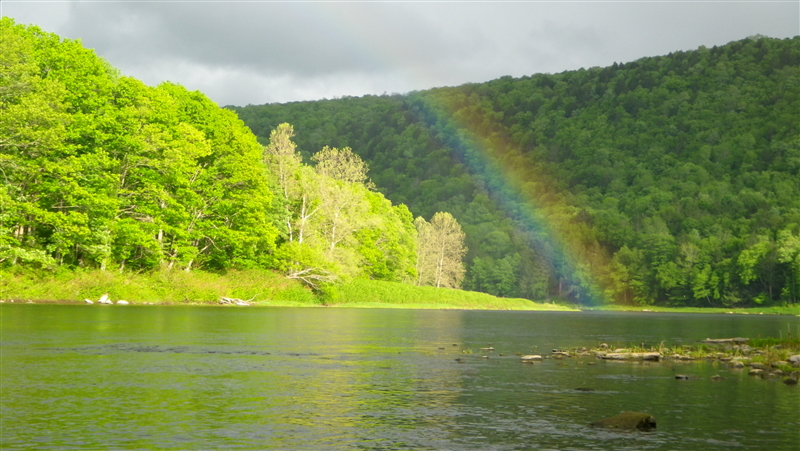


It was usually March, in most of those years. Yes, there would be a few false starts in February, fueled by the frustration of several weeks of ice, snow, wind and high temperatures which remained well below freezing, but it was not until the end of that short month that I ever expected anything. There were a few seasons when the sun blossomed during those last days of February, warmed the air into the upper forties and brushed the water temperatures with an early stroke of spring, but not many.
My first day off in March would usually find me at Big Spring during those years after the hatchery was shut down. Bright gravel had begun to appear in spots with some velocity to the current, and a few mayflies and stoneflies started to return. During the mornings, I may have tied on one of my Limestone Shrimp, or Ed Shenk’s venerable cressbug if I arrived early, the fervor of breaking free from winter’s grasp getting me up before dawn and pushing me toward bright water. Come ten o’clock though, the 6X tippet was unfurled and an 18 or 20 Blue-winged Olive knotted fast, as the search began for the season’s first celebrated riser!
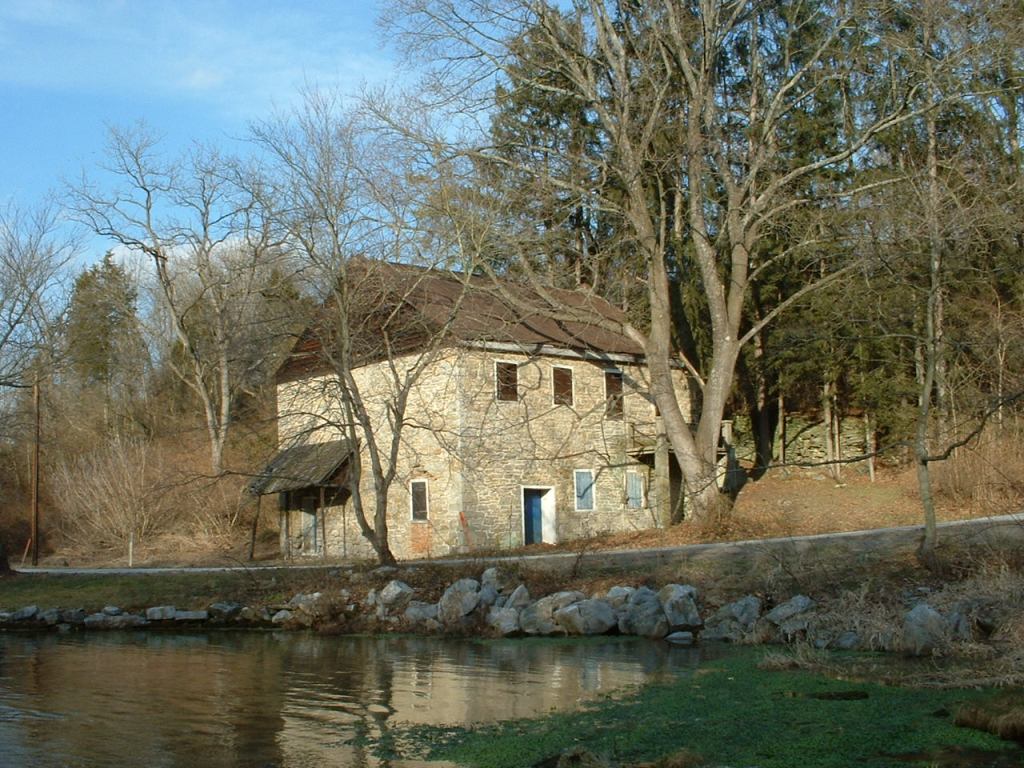
As the calendar pages turned past the cessation of hatchery pollution, wild rainbows predominated. I caught five, six and seven-inch trout with fat little bellies and parr marks, the initial progeny of hatchery escapees that had begun to spread out along the stream corridor when the pipes flushing pollutants, and millions of midge larva, into The Ditch stopped their flow of effluent. These stream-bred rainbows were electric as they grew, and grow they did! After a few years, a careful angler could stalk the meadows and spot big bows sipping the early olives.
The Little Black Stoneflies thrived as the stream bed cleared wherever the current maintained enough energy to scour, and they provided some wonderful moments of early season dry fly fishing. Olives in the morning, and then stoneflies on the sunny afternoons became the ritual, for as our other limestone springs declined, Big Spring came into its own.

The clarity, confounding spiraling currents and the small size of the insects demanded 6X tippets, and landing one of those rainbows best measured in pounds became a supreme challenge. A twenty-yard run availed the trout of numerous sharp edged limestone rocks and various heavy weed beds, cover they took full advantage of. I ordered a light disc drag Ross reel after one of those first huge bows backlashed the fly line on my CFO when it bolted from my hookset! Any rainbow over a foot long proved to be a serious foe, and the fish of twenty inches and more were truly tackle busters.
It was heaven for a dry fly angler though, once March arrived and opportunities were revealed. The tension heightened with each step as I stalked a rise! The larger bows would sip amid the flat little pools when the olives were hatching, and each approach, each cast had to be perfectly planned and flawlessly executed. Most fish offered one try, a single drift. Chances of landing those effectively hooked proved rather slim. One dash could put them a few feet back underneath a floating weed bed, where it was impossible to extract a fish before it cut the thin tippet or fouled the fly. Bettering my average required a learning curve built of patience in the face of frustration. The experiences were truly sublime!
As the seasons passed, Nature slowly rebuilt the forage base. A few sulfurs and caddisflies appeared in May and June, and these might provide rare opportunities for a patient and observant angler, until the terrestrial fishing began with summer’s heat. In those days, my CDX caddis was a closely guarded pattern, and it would be the fly to tempt an unbelievable rainbow during those halcyon days on Big Spring.

I sit back now and remember those days, epic battles won and lost. The future seemed too bright to believe, and sadly time and man’s folly proved that it was. Government’s do not consent to bow and wear their black eyes, no matter how well earned and well known. Management was their weapon, and they wielded it all too effectively.
Such days shall not come again. Alas, March mornings shall never hold that same thrill…

 Bright Waters Catskill