

It doesn’t seem just a few years ago that tying dozens of tiny dry flies wasn’t a big deal. Age though continues to hammer on my vision, arthritis reduces my hand dexterity, and carpal tunnel syndrome reduces my sense of touch in the fingers which are expected to handle those miniscule fly hooks and bits of feathers. But we adapt.
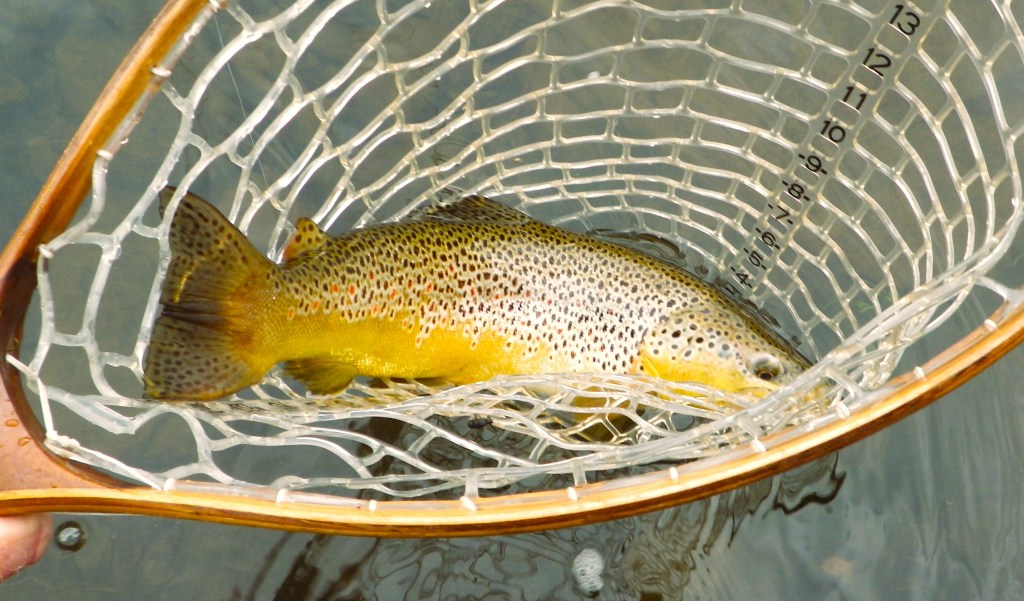
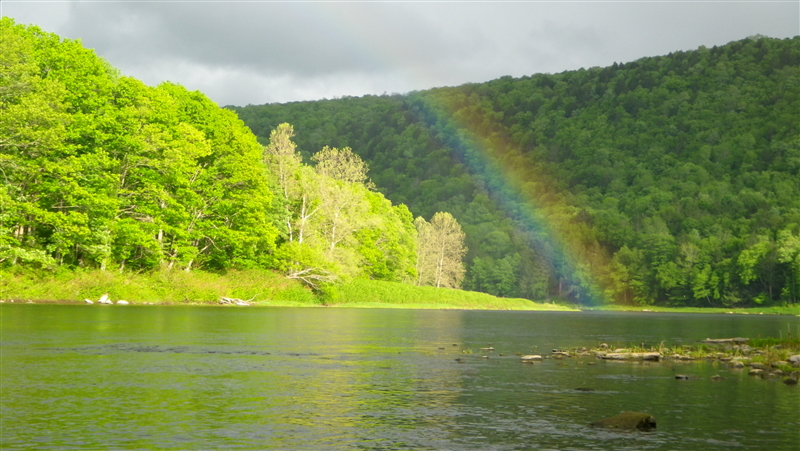
Over on the West Branch Friday there were a good number of those little guys, duns out there in the passing sunshine, but back in the shade close to the bank are where the trout were eating. Necessity dictates staying back forty to fifty feet, and that is a long way from carefully picking out my little guy and tracking it as it dances to the currents. Things get complicated when the cues those trout offering are subtle and quick. Some of those flashes of light were mouths opening, though others were clearly dorsal fins breaking the surface, screaming at me they were eating nymphs or subsurface emergers.
All of that gets more difficult when one considers that I am a dry fly fisherman. Up high, or down in the film, at least part of that fly has to float to rise to the level of a dry fly, cause that’s how I have my fun: teasing them to the top!
In shallow water, it appears that a given feeding trout will take some duns, and they could be crippled duns, and some emerging nymphs that don’t quite make it to the surface. Life, movement tends to be the trigger with wild trout that have been developed under heavy fishing pressure. I strive to design “life” into every fly I design, every fly I tie, but it stresses the challenges as the fly become smaller.
One of the most useful materials have been varieties of Cul-de-Canard feathers, but small complicates that too. One can’t put much of anything on flies tied on size 20 and smaller, and it does require a certain amount of those wonderful CDC filaments to do what it does.
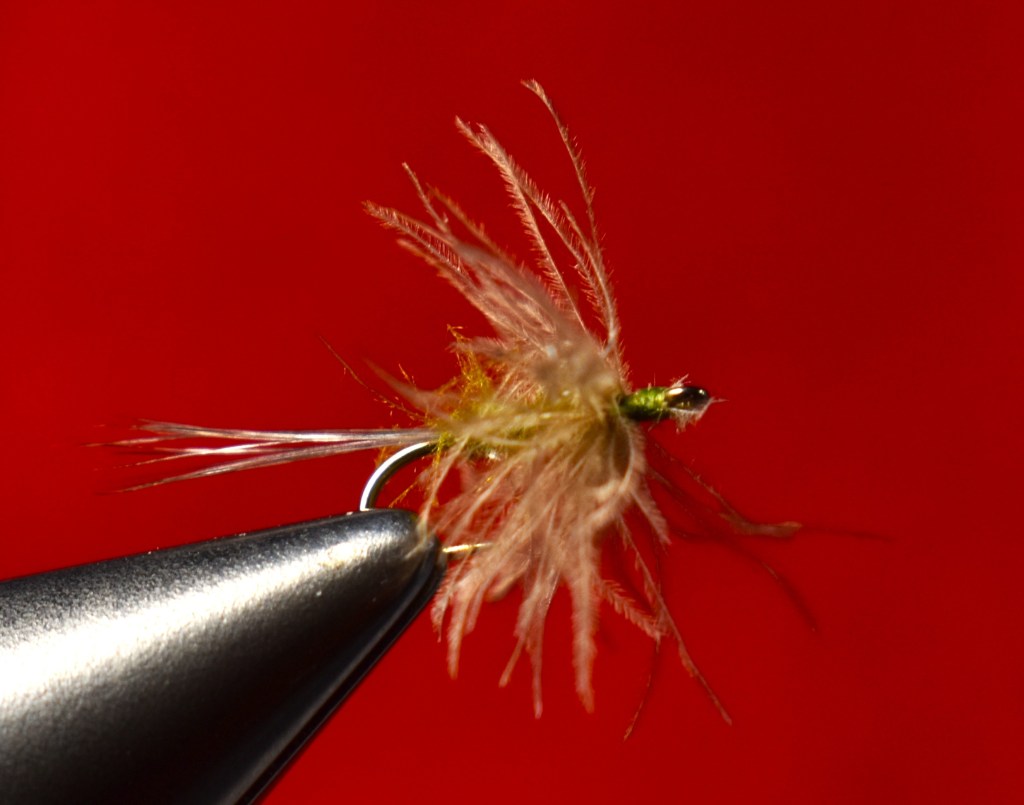
With worrying about being able to pick up my dry fly at the casting distance conditions require, smaller gets you twice: harder to see and identify as your fake, and harder to use enough material to keep it floating in the film in the first place. Oh, I forgot to mention that the supply of the best CDC has vanished from the market a number of years ago.
Fly fishing is a sublime game though… because of its challenges!