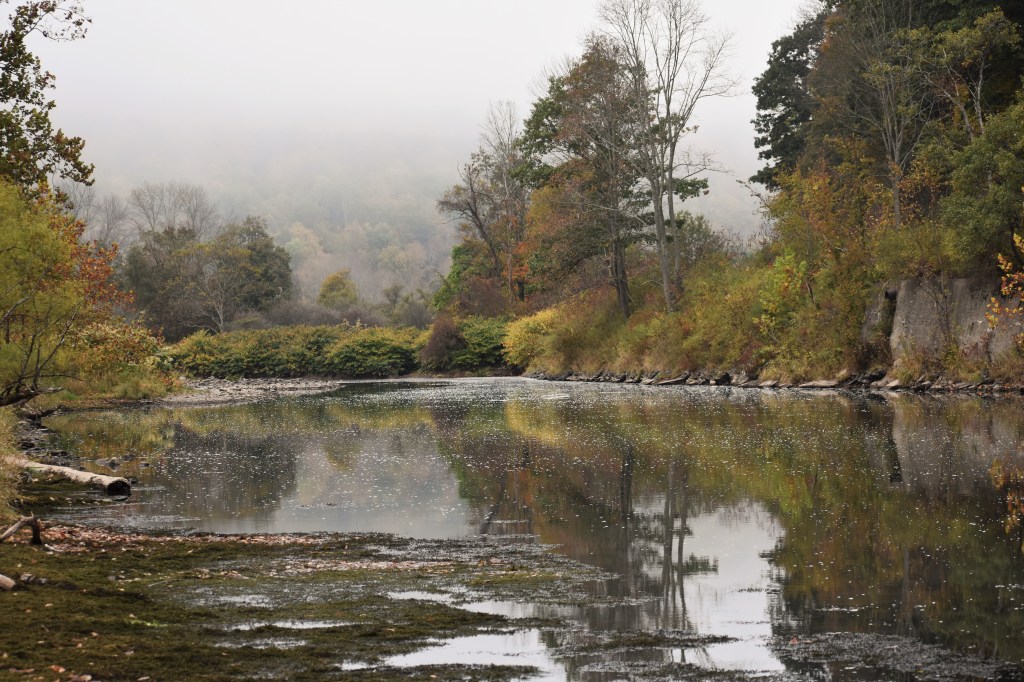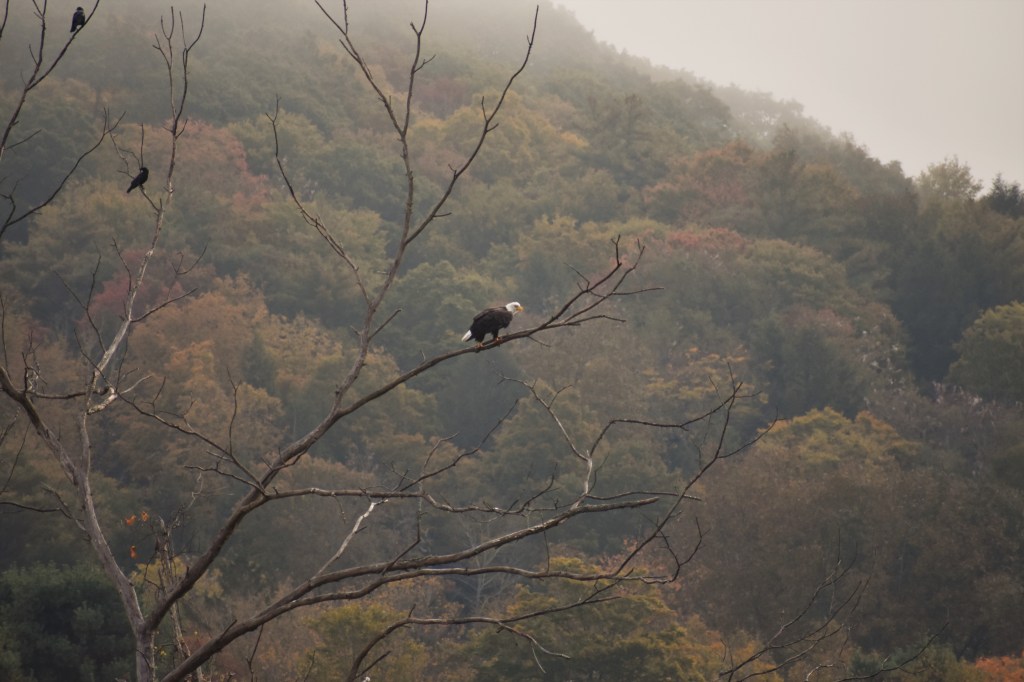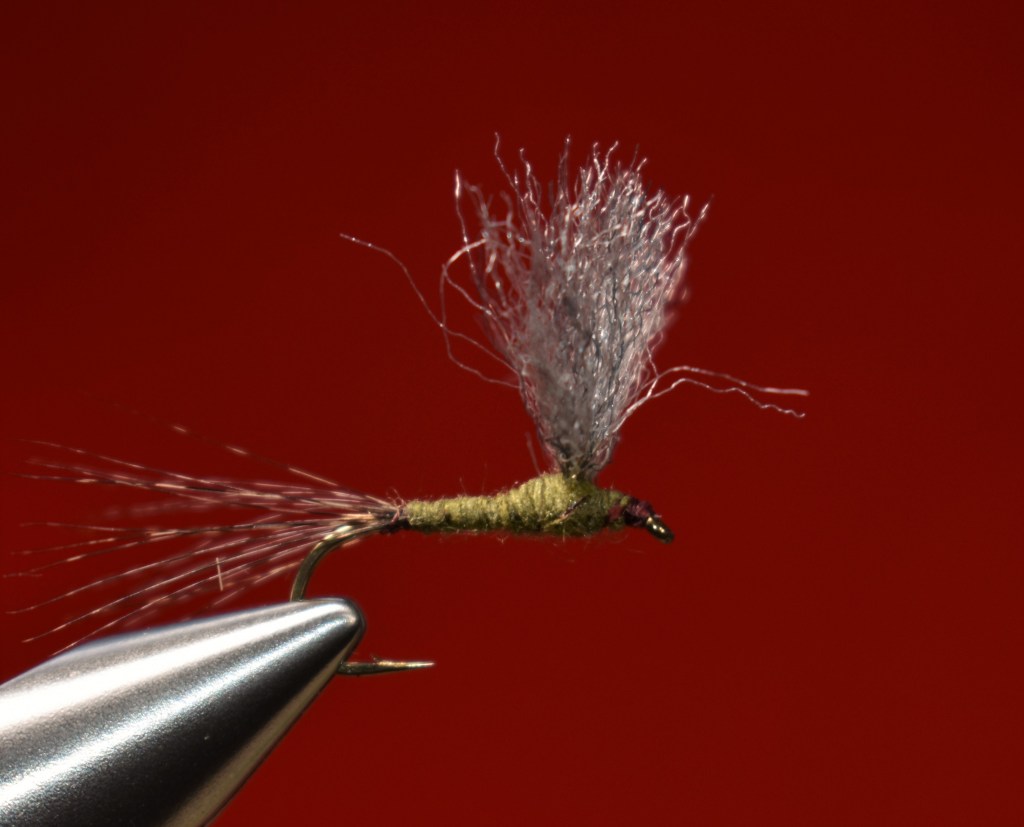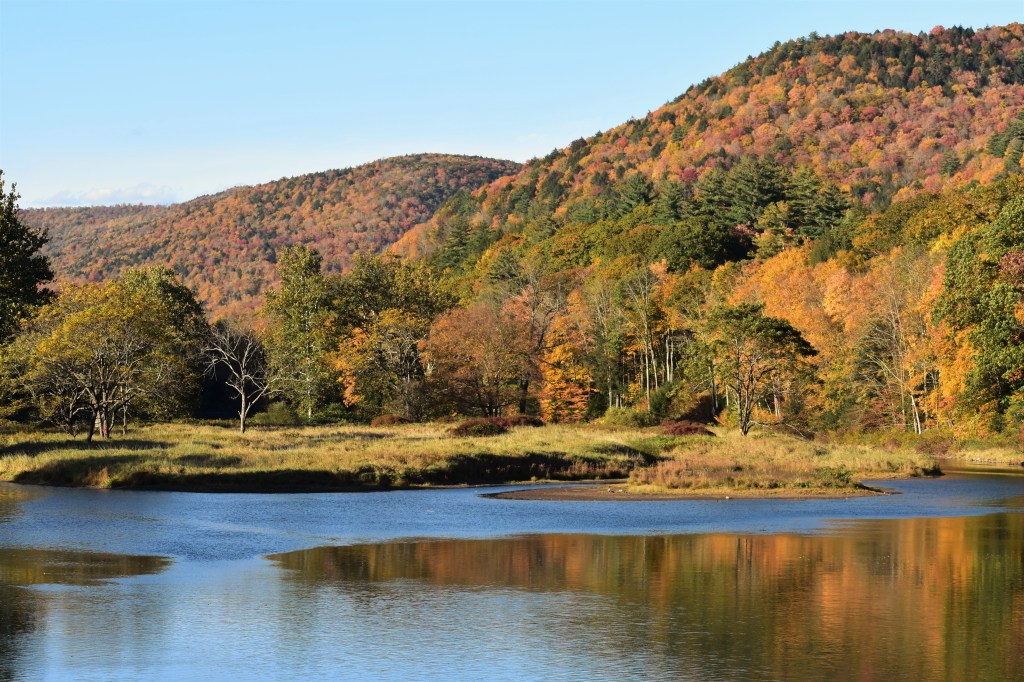
The Winds of Autumn

October!

It is thirty degrees in Crooked Eddy, with a coating of frost befitting mid-October. There is snow north in Vermont the Weather Channel tells me, and more of the same coming for Montana. The Catskills though appear to be looking toward a warming trend, and highs in the seventies by mid-week. Precious rain is in that forecast as well, and these mountains are as anxious for that as for the promised gentle sunshine.

I lost most of yesterday, whiling away the time at the tying bench, caught between tying a few soft hackles, re-sorting the flies in my chest pack, and reading the just launched first issue of Hallowed Waters Journal (www.hallowedwaters.com). I knew Matt and Laurie Supinski would produce a wonderful online magazine, and I was thrilled with the result of their efforts and creativity! Imagine reading an artfully written article, enjoying the beautiful photos, all without the distractions of ads placed on every page. Fine content presented as it should be, as the center of attention. Bravo my friends!

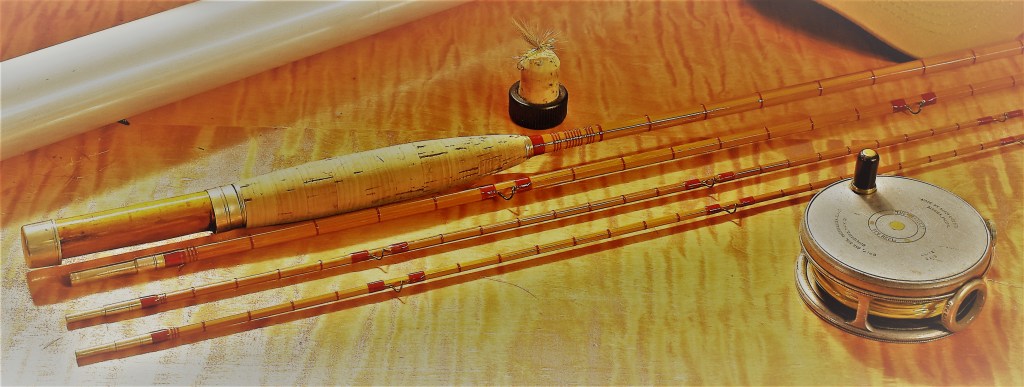
The warming trend promised to us brings new hope for a handful of precious days of dry fly fishing! Yes, I tied those soft hackles and placed them in my fly box expecting a continuation of the dearth of surface feeding October has provided. I was convinced that Thursday’s magic was the end of my season, that the tiny mayflies and terrestrials had offered their final gift. The four weight cane rod was wiped down and put away, and the reel rigged for the seven weight Kiley, my off season rod, was retrieved and its leader inspected; ready to go.

Of course I still stubbornly packed that re-organized daily fly box with little olives, Grizzly Beetles, ants, Hebes and Isonychia. It is very hard to give up what we love. Friday’s damp chill had once again turned my thoughts to winter, but this morning’s forecast appeared like a warm beam of sunlight cutting through the rain and clouds that threatened my spirit.

I feel the urge to tie more flies, dry flies, though more than one hundred and fifty dozen have spun from my vise this year. If I’m caught unprepared for a hatch, its through forgetting just which box holds the matching patterns; Lord knows I have tied them.

Breakfast seems the best idea right now, a real breakfast for a bright Sunday morning. I cannot enjoy them too often.
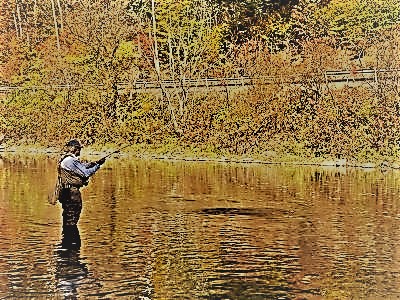
Memories of Dry Fly Afternoons

Thoughts of winter’s approach provoke my melancholy, though in truth it is the cold months of winter that make the dry fly season more precious. It is a long wait, six months before that wonderful day: high water, biting winds, cracked freezing hands and shivering legs not yet ready for slippery stones and current; and those first fluttering wings upon the leaden surface of a river still half in spate. The rise is startling after so many long months of waiting, dreaming: Quill Gordon or Hendrickson? The quill, yes, yes, there’s one! Was that take on top? Lord please let him be taking on top!

The frozen fingers struggle with the knot, but is it just the cold, or anticipation? Finally the cast can be made, short at first to check the drift, make any adjustments to the tippet, then on to the rise. The fly doesn’t settle as perfectly as it did last autumn, the muscle memory must be reawakened. After a few tries the leader turns over with the familiar delicacy and the fly settles gently and bobs downstream. I have lived to play the grand game once again!
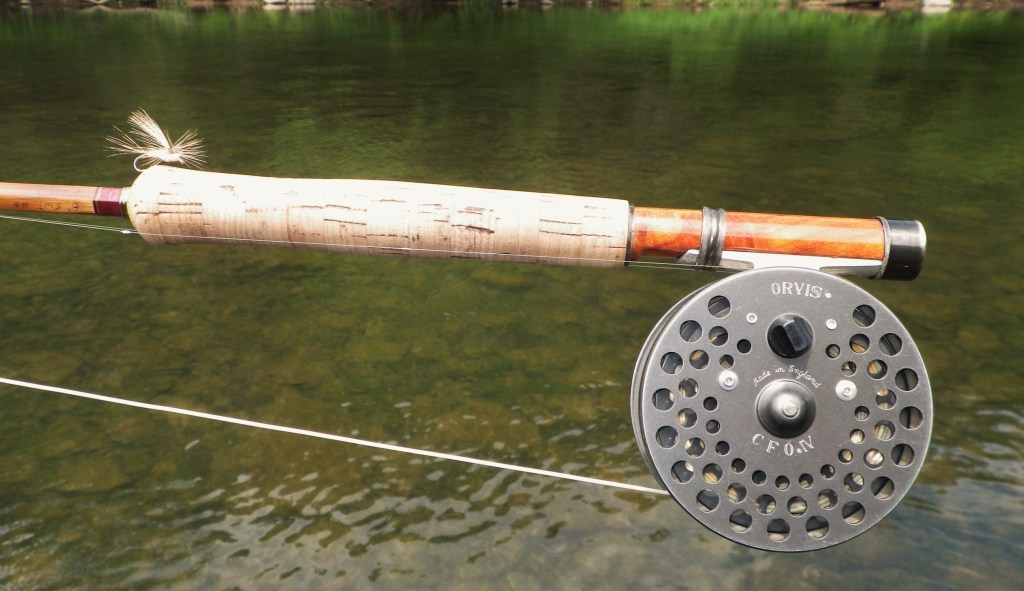
There is nothing so sublime as dry fly season in the Catskills!

Truly winter is necessary, a chance for the life of the river to replenish itself, as the snows and ice slowly replenish the aquifers that feed the mountain seeps, the rills and brooks that feed the creeks and the rivers themselves, all of the cherished bright water that we love so deeply. It is also a time for those of us blessed by bright water to replenish, to give thanks for the season past, to tend to all of those things that would have kept us from the rivers had we let them.
Closed Season

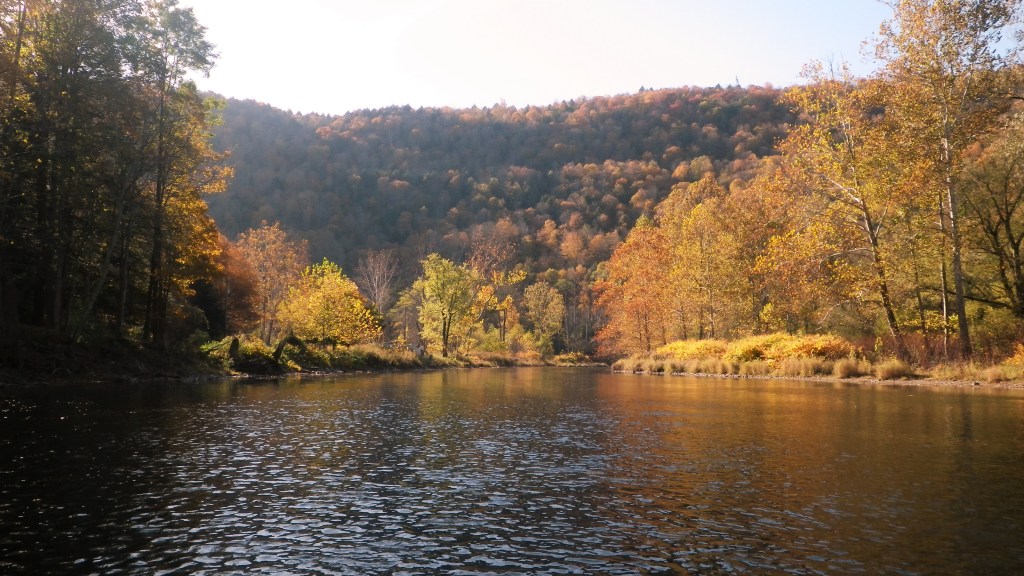
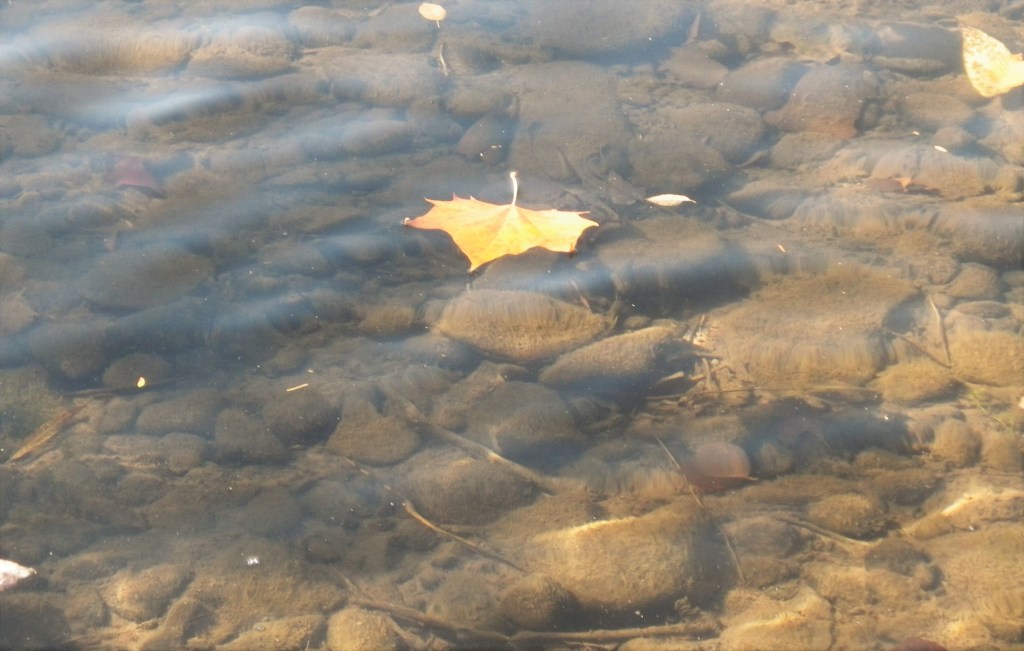
October’s afternoon light beckons you downstream unto the mountain’s breast: depart for now, until spring!

Living and fly fishing in Maryland, Pennsylvania and now New York I have never really had to face the wall of a closed season. There were always trout waters open to fishing, winter, spring summer and fall. The opposite side of that coin reads that I have not experienced Opening Day with a flyrod in my hand.

I fished familiar water yesterday, on the final day of open season on that lovely reach of river. New York still closes much of its Catskill trout waters to protect spawning trout, though sadly those regulations may be due to change next year. I like the idea of giving the trout a rest, allowing them the sanctity of reproduction without dodging anglers.

I arrived later than when I fished this reach in summer, hoping to enjoy the day with no real expectations for rising trout. The wind was up, stronger than I expected from the forecast, but I knew that my relaxed mood would be right for the patience required to angle on bright, blustery days. I walked upriver watching leaves blowing in the wind and sailing onto the gentle current, bidding goodbye for another season.

A Season Slips Downstream…

Little did I know that I would make a new friend on this day, and enjoy the dry fly fishing that had eluded me for more than a week.

I saw a gentle sip as I neared my destination, then another. I had decided to tie my Grizzly Beetle to my leader upon my first step into the river, knowing that such a blustery day ought to deposit plenty of terrestrials on the surface, and that trout weaned on a summer of sparse hatches of tiny flies ought to be more than willing to partake. I stalked the first good riser I saw, waited for a lull in the wind, and made my pitch, the long 6X tippet wafting my fly off target as even the lessened breeze played its aerial games. A pause, then another cast corrected the drift, and I was pleased to see a good trout tip up and inhale the beetle gently.

He struggled with the steady pulls of a low water autumn, no longer streaking into the backing as his brethren did in the highly oxygenated flows of springtime. Nevertheless I enjoyed the pulses of the old Granger bamboo as he rolled and changed direction repeatedly. Netted, I slipped the beetle from his mouth, noted his length and color, and slipped him back home; until next year my friend!

I had begun working a second riser when I heard a splash upstream, and saw an angler crossing to my side of the river, then slowly walking my way. Trout number two proved beetle shy, and while looking between the thousands of drifting leaves I spied a tiny spinner on the surface. Tricos. I reached for them and raised my dripping hand to my eye to be sure, and yes, despite several frosts and the late date, these were trico spinners. Upstream, the lone angler continued his approach.

I wasn’t willing to enjoy the frustration of 7X tippet and a size 24 spinner in the rush of autumn wind and leaves. No sir, any trout that wanted to dance with my Granger was going to eat beetle or go hungry.

I was still casting to that same beetle shy trout when the angler stopped along the bank behind me and asked my name. I was taken aback, having done all I could do to avoid contact with people under threat of China’s dreaded virus, and here was a stranger willing to slowly walk a hundred yards of river to say hello. My response was cryptic, until he smiled and said “its Chuck”. Chuck Coronato is the editor of the Catskill Fly Tiers Guild’s Gazette, a man I had never met, but one who had honored me by inviting me to contribute a column to the newsletter. That recognition caused me to relax, and we enjoyed an afternoon of conversation and angling, hooking trout and leaves under the brilliant October sun.

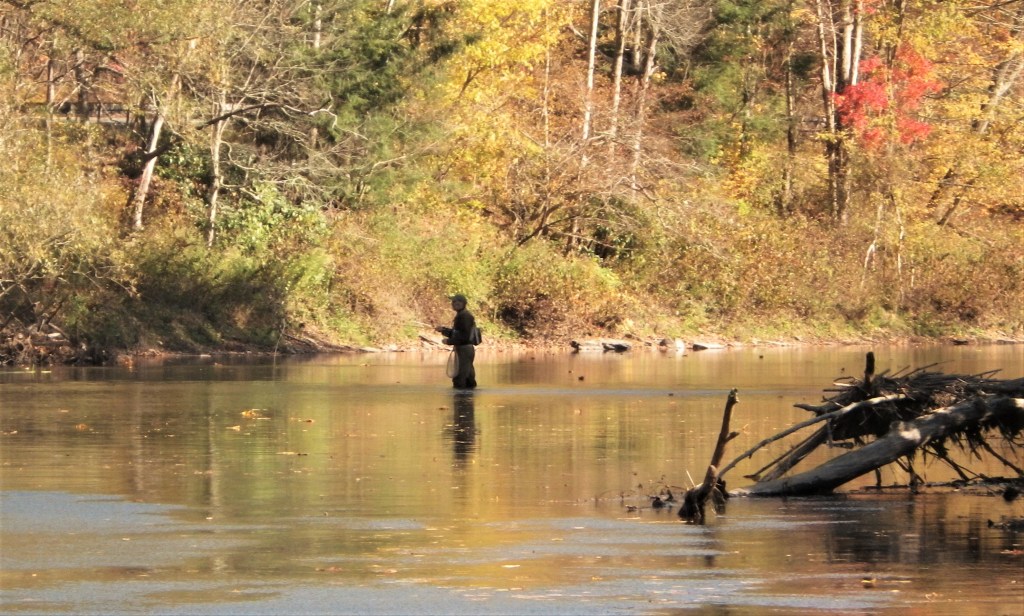
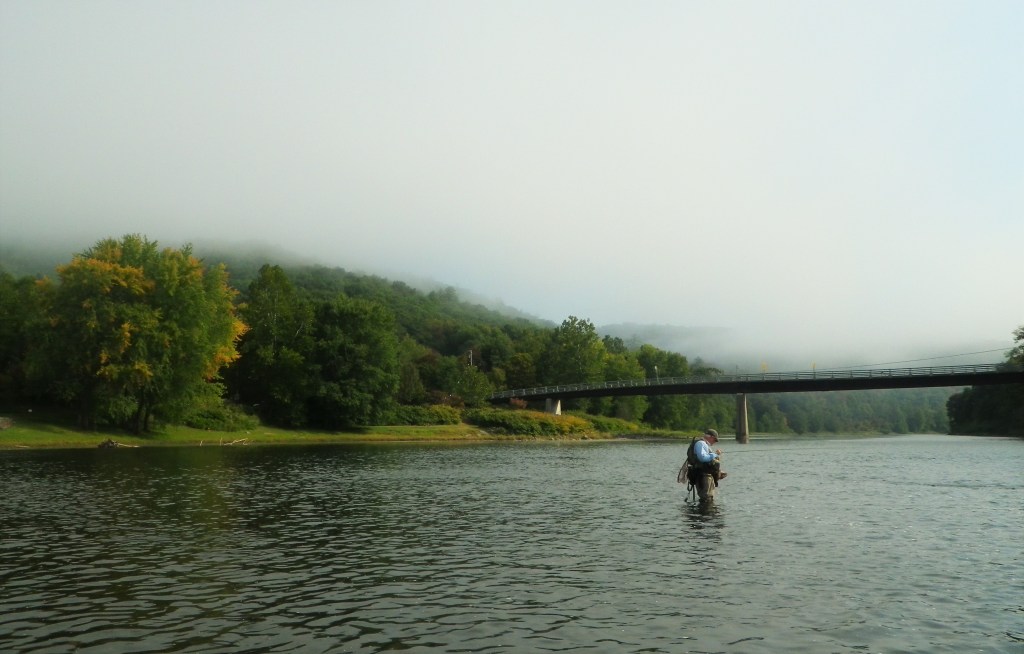
Chuck Coronato stalks a rise during a rare moment of calm winds.

I was glad that serendipity had brought us together on this pool of bright water, each thinking it a good spot to breathe the autumn air and bid farewell to the season. Correspondence through email had been our only contact, but I had sensed a kindred spirit when I learned of Chuck’s fascination with trout flies and bamboo. Covid has cancelled all of the Guild’s functions since February, and I had no idea when I would get a chance to meet the man who had so graciously invited me to share my thoughts with several hundred Guild members. I look forward to our next opportunity to wet a line together, and a simple handshake, in a world where such gestures are no longer dangerous.

Several trout continued to rise, and I landed a trio of fine browns. Chuck was kind enough to take some photos as I played the largest of the day, a darkly spotted brownie pushing nineteen inches. As we parted later in the afternoon, we wished each other well, both saying farewell to a quiet reach of river until next season brings us back to stalk trout that sip dry flies in the cold, crystalline water.

Farewell Bright Water (Courtesy Chuck Coronato)

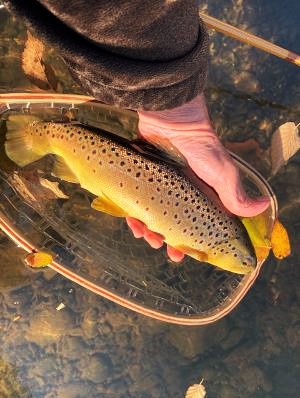
Walking downstream, I paused for a lone rise until the wind returned in full force. Looking back, there was no sign of my friend, and I wished that his last stalk had been rewarded. His email this morning brought a smile, as it shared the brilliant colors of the autumn brown he had taken on that last cast.

Season’s Last Cast (Courtesy Chuck Coronato)

Glorious Autumn

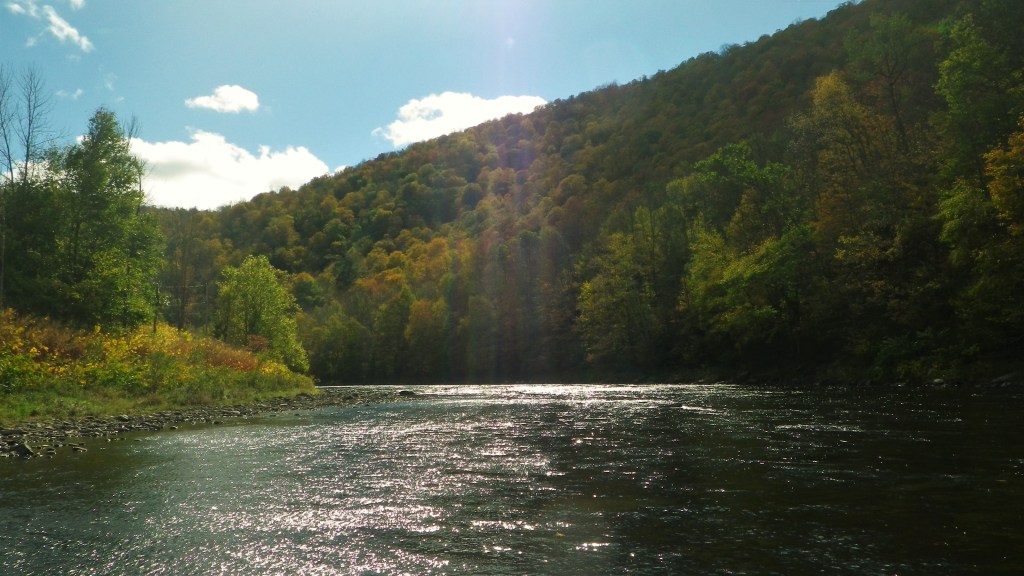
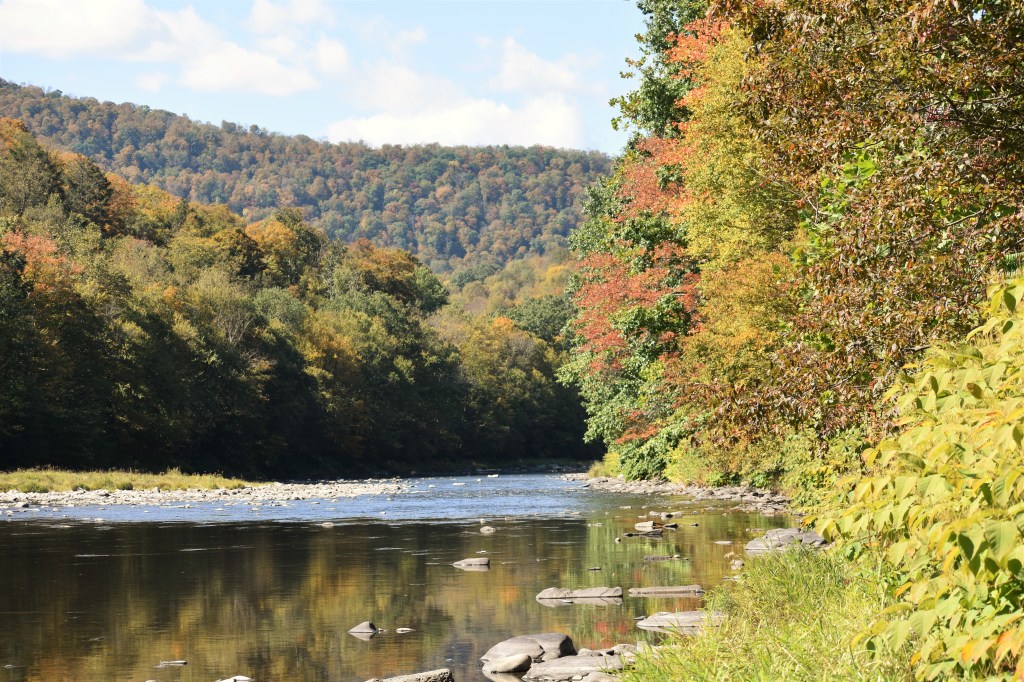
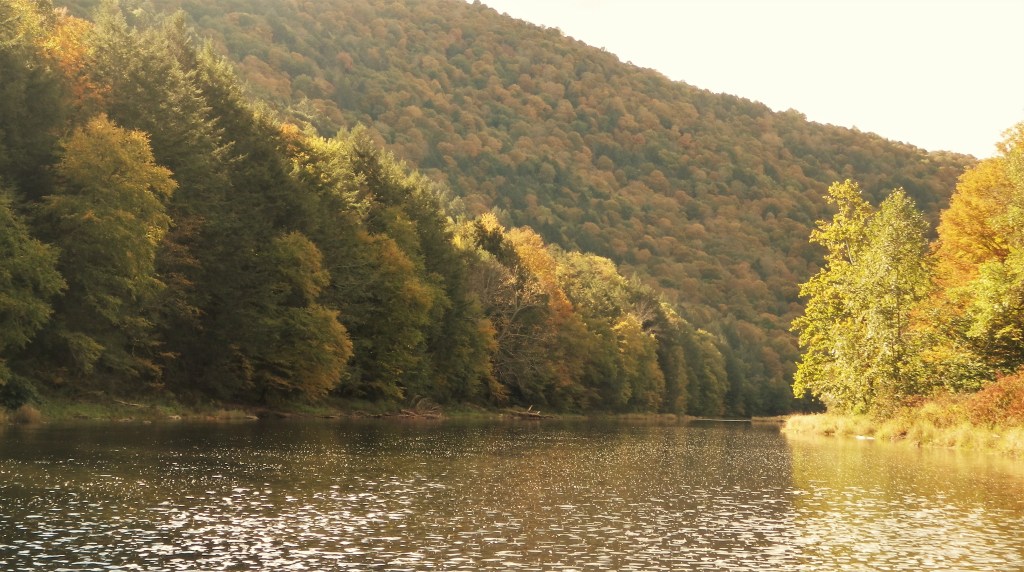
Peak autumn colors, low water and the calm of late afternoon sunlight grace the East Branch Delaware

I traveled a bit yesterday, at least I would call it travel as far as this year is concerned, saying hello and goodbye to the storied Neversink in an afternoon. Expecting crowds throughout the season, I had avoided this lovely river since my visit with Matt Supinski last autumn. I had been told the crowds had vanished with the coming of autumn, and I wished to spend at least a few hours where past memories had been made.

NYC has been playing games with reservoir releases of late, and the Neversink has been one of its pawns, dropping to less than 90 cfs, then bounding up to more than 200, before dropping again. I wondered if the trout would be active, though I did not hold out a great deal of hope. With some 237 cfs of flow yesterday, the little river looked grand, clear and cold with the tannin color I expect, but my flies found no takers.

I saw one rise, a significant splash along a windswept grassy bank that recalled last September’s foray. Arriving at water’s edge, I plucked a fat grasshopper from the hood of my car, and told Matt I had expected isonychia mayflies rather then hoppers. He smiled and dug into a fly box, handing me a huge hopper pattern he’d tied with one of Frosty Flies’ realistic bodies. The fly was twice the size of the live hopper on my hood, but I cut back my leader and tied it on, and at Matt’s urging, set about prospecting the hides along the grassy banks upstream.

Working a pocket on an edge where I had taken a chunky brown the previous summer, Matt’s mega hopper disappeared in a heavy swirl and a fine trout bolted into the current, putting a decided bend in my light five strip bamboo rod. After a spirited battle, the Neversink surrendered a beautifully colored wild brown trout of nineteen inches. Moral of the story: if a world class guide and fly angler gives you a fly, fish it; even if it makes you chuckle a bit!

I worked that heavy run with one of my hoppers, two isonychia patterns, and an October caddis. The rise was never repeated, and I must admit I wished I still had Matt’s big hopper in my fly box this time. It would have been nice to tempt another big brownie from the dark, mysterious waters of the Neversink.

Matt has been hard at work preparing the debut of his new online magazine, Hallowed Waters Journal. The first issue is due to arrive today, and I am looking forward to enjoying my friend’s noted flair and creativity. He’s likely in the beginnings of a run of Chinook salmon or Michigan steelhead by now, so I have no doubt his world is a whirl of activity. Wish I was there swinging flies in the mighty Muskegon beside you Matt!

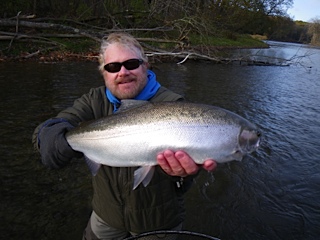
October Chrome from the Mighty Muskegon (photo courtesy Mike Saylor)

Cheated

Low water everywhere…

Once again the western Catskills have been cheated by an approaching weather system, and our rivers are terribly low. We were forecast to receive better than an inch of rain, and now today’s revised estimate is three hundredths of an inch, barely enough to dampen the grass. The eastern reaches of our mountains are getting something right now, but only time will tell if they get enough to do the rivers any good.

I have been searching for rising fish for more than a week without finding any. I had hoped that rain and freshened flows might improve that situation. Skinny water cools faster overnight, and the water temperatures are already well down in the fifties at their daily peaks, and the forties are knocking at the door. Certainly I could simply be missing the little hatches and activity periods, that is easy to do when these occurrences are brief and spotty, but I fear that winter approaches with haste. It is a feeling I have had since September.

The long range prediction was for the second half of October to be warmer than normal in the East, but our chances for that Indian Summer are fading fast. Our only hope seems to be the last week of October. How I would love to enjoy one last burst of dry fly activity!

I am a dry fly fisherman by choice, and that choice limits me to six months of joy each year. There are seasons when Mother Nature shaves time from each end of that wondrous period; winter lingers, droughts and heat waves persevere. Yes, I do walk the rivers in the off season, for I am drawn to bright water, but a mild, knowing melancholy is my companion until the trout rise again.

Winter’s version of bright water; still beautiful, though unapologetically much less hopeful

My thoughts have followed me to the tying bench, where my fingers have fashioned soft hackles of late. Swinging flies is how I get through the other six months, that and wandering the mountains.

I dressed to go out yesterday, but the chill from the damp breeze caught me short. There is something about a damp fifty degree day that chills me to the bone, much more than winter ever could. A bit warmer today they promise, so I’ll go, go and try to find a run deeper than the toes of my boots. I’ll search the surface for a little boil, a dimple, those blessed concentric rings that promise me the end has not yet come.

Confessions

Confession in a cathedral of golden light…

It was wrong of me I know, and though I may offer my reasons, there are no excuses for my failing. I had tried in good faith to fish a dry fly, relocating to a somewhat more protected pool. For a while the wind stayed down and I did fish the dry, an isonychia that I led carefully down multiple chutes over an uneven, rocky bottom that simply screamed holding water. Nothing rose, and before long the wind found me again and redoubled its efforts to drive me from the water. It was then that I failed, cut off my dry and knotted a soft hackle wet fly to my tippet, committing the sin of fishing the sunk fly.

It is not yet winter, though the wind driving through me on a fifty degree afternoon felt something like it. The wind was relentless, and it simply would not allow me to make a presentation with a dry fly. A few mayflies fluttered upon the surface, but no fish rose to sample one. I had missed two days of fishing already this week, and I wasn’t going to succumb to the evil wind and give up. So I sinned, I fished the wet fly down through all of that beautiful water I had covered with the dry.

My misdeed was not rewarded, and as I neared the tail of the pool I changed flies again, this time a soft hackle – streamer hybrid I had concocted in one weak moment at the vise. Something to sink a little deeper, something with flash and movement to tempt the fish I knew had to be there, too sluggish in the chilled water to rise for the mayflies that danced above them; a winter fly.

The swing was a viable presentation, and the only one the wind would allow, but that is no excuse for a sinner.

I cast and mended and the fly swung slowly as the current relaxed in the tailout and the line suddenly felt heavy. I struck and raised the rod and felt the pull of a fish, the drag of the CFO chirped and I began to reel and fight this unseen fish. When I brought it close in the clear water I began to laugh out loud at the size of the chub that was fastened to my evil sunken fly.

The wind continued to buffet me, and I cast between the gusts and continued: cast, mend, and swing; then two steps down and do it again. There was a jolt at last, a bent rod aloft, and a chorus from the old CFO. This was no chub! The thrashing fight, short, hard runs amid the screaming of the reel; it was joyous! The dark river bottom hid my foe from me until I finally drew him to the net. Imagine my surprise when a broad flanked Delaware rainbow more than eighteen inches long lay there quivering in the mesh!

We were miles from the Delaware, there in that lonely windswept pool on the Beaverkill, but that trout’s origin was never in doubt. A grand reward indeed for my sinful departure from the dry fly.

The chill lingers, and though I see mayflies on the water, no trout will rise. It is the same here as it was on the Delaware the last few times I angled her. Has the dry fly season slipped away without the ultimate pleasure of Indian Summer afternoons and trout sipping in the quiet pools? So it would seem, but I will not put away my dry flies just yet. Most of October is still before us, and winds may calm and the sun warm both air and water once again. Forgive me my failing, a divergent for just a moment. I still have faith that trout will rise again before the white blanket of winter falls.

Flirting With Disaster

Stagnant water and exposed bottom at Stilesville’s productive riffs on Tuesday morning October 6th

New York City’s Department of Environmental Protection chose the prelude to brown trout spawning and a period with miniscule flows coming in from tributaries to cut the release from Cannonsville Reservoir and endanger much of the river’s aquatic life. Issuing a last minute statement to FUDR and other river stakeholders, they planned a day long zero flow duration to fix a leaky pipe and allow USGS to remove debris and recalibrate their gaging station. As the word spread Monday, striking fear into the hearts of anglers, local conservation groups went to work to do what they could to avert disaster.

None of the typical standing waves at the chute above Balls Eddy, the pool itself looking stagnant

Various stories surged through the community, and it is hard to determine still exactly what occurred, though if the gages can be believed, the river never got to zero flow. NYCDEP did listen to FUDR and other stakeholders and mitigated their plans. The recalibrated Stilesville gage shows low flows in the realm of 45 to 50 cfs. This morning the flow is 261 cfs and rising gently.

Per USGS, the red starts indicate measured flows taken before and after recalibration.

I spent Tuesday morning running along the river from Hancock to Stilesville, taking photos to document the impending disaster, before learning that an agreement had been reached. I was relieved that there were no signs of dead fish, though the exposed riffles caused me to expect the worst for the invertebrates. According to the measured readings from the Stilesville gage, release flow was approximately 60 cfs during the time these photos were taken.

I’m no news reporter and again, there are various bits of information floating around about this near tragedy, but my thanks go out to all of those who went to the table at the last hour to grind out an agreement that allowed the necessary maintenance to be done without dewatering the river and possibly destroying the best wild trout fishery in the eastern United States. I would love to hear what a qualified aquatic biologist might conclude after examining the details of the drawdown and assessing the amount of exposed bottom. All of us in the community would like to know just how much the insect life of the West Branch may have declined as a result of the events of this week.

This angler was waiting on an exposed river rock when I arrived, taking flight to his higher perch upon my intrusion. He was obviously expecting breakfast with the dropping water levels. I hope he captured himself a nice , fat chub!

Natural disasters come and go with little hope of mitigation by man at the time of occurrence. Long term thinking, scientific study and action is another matter. Immediate manmade disasters can be sidestepped with common sense and a little environmental responsibility. Here in the Catskills we are breathing a sigh of relief that a mixture of concerned and reasonable people and those two vital ingredients averted one on a trout river we love.

Quiet Waters

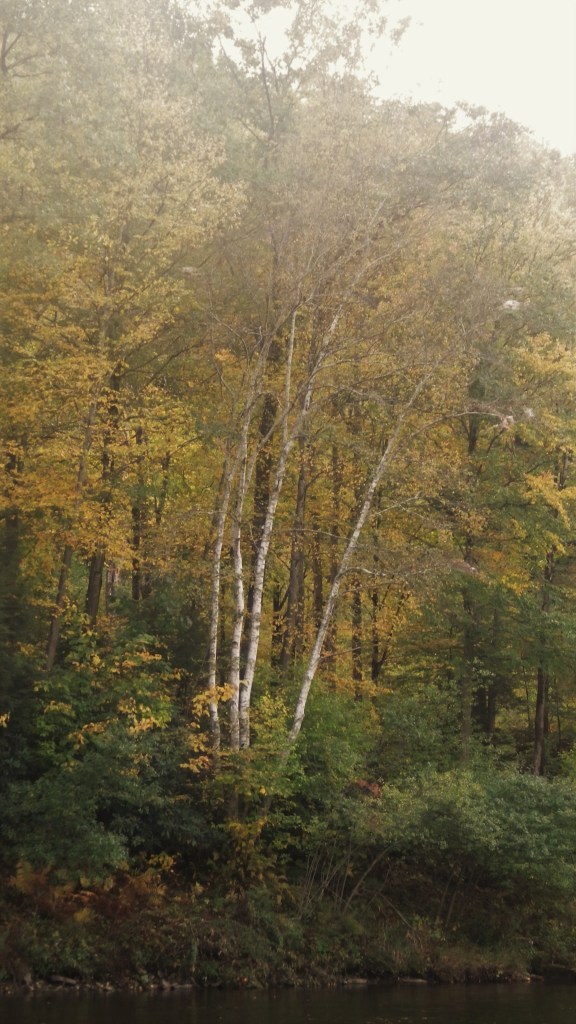
White Birches Along The Beaverkill, The Signposts of Autumn

I always thrill to the sight of White Birches, they were my Dad’s favorite trees. He was born and raised in New England back when they were plentiful, and I remember his efforts to plant a few in our yard in Maryland when I was a boy. They never seemed to do too well in the warmer climate, though I don’t know if it was the temperature or some missing element in the soil that kept them from growing tall and hardy. The white trees were always special to him, and will forever be special to me.

We have returned to autumn temperatures after last week’s handful of warmer days. No frost, as it is hovering around forty degrees in the first few minutes after dawn this morning. The rivers have seemed oddly quiet. Where I am used to finding sizeable trout I have taken little fish this week, little browns and rainbows eager enough to rise to a well drifted fly in hopes of growing big.

There were flies on the water yesterday afternoon; isonychia, the September peaches, and tiny olives hatching, and a few tan caddis fluttering about in the dappled sunlight, but no trout were rising to take advantage of the free meal. I moved, walked to the water sans flyrod and saw a single trout rise. I waited and he rose a second time: that is a trout to be fished to I told myself.

Of course when I retrieved my rod and waded into the fast water that fish refused to show himself for a time. When he did I was ready with a peach may that proved his undoing. Perhaps nine inches long, this little Delaware rainbow had made quite a journey from his home in the big river. He was all energy and protested still as I twisted the hook gently to free him; a fine fellow, cold, hard and plump for his diminutive size.

The golden light was dimming, as heavy banks of clouds swirled aloft threatening rain, so I turned for home. It was an empty threat, for the sun shone brilliantly an hour later as I grilled steaks on the porch. The rivers are cooling rapidly this year, well ahead of last autumn’s calendar, and I wonder if the larger trout have read this sign and begun moving toward their spawning tributaries early? The great forecasters have predicted a warm trend later in October, a promise of Indian Summer, but perhaps the trout don’t believe them. I want to, and hope that I can.

This time last year I was daintily casting terrestrials to twenty inch browns sipping in glassy, tree shrouded pools. Memory failed to record the water temperatures, though I feel certain they were significantly higher than the low fifties common to this first week of October. Each year along the rivers is different. One may draw parallels to seasons past, but it seems nearly impossible to go back to a certain pool on an identical date and repeat the past performance. The great mystery of Nature is her caprice, her volatility.

October Afternoon

Standing in the cold river two nights ago I watched the sun crest the ridge and depart, plunging the river into shadow. I felt the chill instantly as the shadows fell about me, the warning of season’s end approaching. Little fish once again. Coincidence, or do they know, are they travelling?

The Dual Season

The late afternoon sunlight cuts across the mountains…October Is Here!

Shotguns and flyrods, frosty mornings and crisp air, afternoons still bearing a hint of summer’s warmth, all bathed in that lovely amber light that says October. It is quite simply the most beautiful month of all the year, and I cannot imagine a place more beautiful, more perfect to enjoy it than the Catskills.

I celebrated the day beneath the eaves of Catskill Park, getting my legs used to elevation and the challenges of terrain once again. They have waded currents for the last six months, felt the push of the rivers at every step, but the lift of mountains is different than the steady pull of water. Good work for good health both endeavors, but the climb forces the fresh mountain air deep into my lungs! I feel it and rejoice.

The first grouse of the new season came up very close to me and yet unseen amid the jumble of leaves and branches. I heard the soft clucking, knew that he was near, yet only my ears could enjoy his swift departure. After lunch I spied his compatriot bobbing along the ground. I readied myself, walked straight toward him, watched him first duck behind a tree before flushing low and straight away into thicker brush; and I collected the first miss of the year.

I pursued, guessed at his landing zone and flushed him a second time, unseen. Time to analyze the terrain and cover, predict his flight, and hunt the bird from a new perspective. I won the battle of wits, secured a brief but clear crossing shot on the third and final flush: miss number two!

A fine shotgun would seem more than a match for a somewhat chubby bird to the uninitiated. All those pellets, why the boom itself ought to shock him into a tumbling dive. The Ruffed Grouse is the king of North American gamebirds for a reason, he is the great survivor, aerialist, trickster. My friend John says that grouse hunters aren’t people who shoot grouse, they are people who like to hunt them and talk about them; amen brother.

Trading mountain boots for waders, and shotgun for a one hundred year old Thomas fly rod, I walked the bright water to celebrate this first sunlit afternoon of the dual season. September’s parting rains had freshened the flow, but they dropped quickly. I hoped they had stimulated the insect life into resuming their cycle of reproduction: an afternoon hatch and evening spinner fall would make this day complete.

The activity proved sporadic until early evening, and though I brought two small browns to hand, it was not for me to solve the puzzle this time. Caddis flew as the shadows lengthened, but it was not caddis that the trout were taking. One of those trout took a size 20 olive, but the others I offered it to would have none of it. Soft rises and heavy ones, and me nervously changing flies in the receding light to find the right lure for those heavier rises, the ones dreams are made of.

There are times when as much enjoyment may be had outdoors without the “success” of heavy game bags or big catches. Playing the game should be about the pursuit and not solely of reaping the spoils. The wily bird evading my best efforts, and two small wild trout bending that hundred year old rod might seem like slim pickings to those devoted to counting things. In truth, they were highlights of a glorious day, the kind of day I am very happy to be around to enjoy.

Droplets

Droplets of rain splashed my windows after five this morning, enough I was hoping to refresh the rivers. Alas though the puddles left behind at daybreak seemed promising, the gages showed almost nothing. Tomorrow could be the day, with the forecast boasting of an inch and a half to come, but that is a forecast for thunderstorms, always chancy, and usually much less beneficial than an extended period of gentle rainfall. Wait and see, for some added flow would be most welcome to herald October and the dual season.

All this leaves this afternoon for fishing. The Mainstem beckons, as she has given up a few of her wonderful rainbows to the dry fly of late, though insects have been sparse. Water temperatures remain ideal, though they have warmed over several warmer days and nights. Moodiness is a well known trait of the Delaware River.

There has been a lot of river traffic, with plenty of wading anglers and nearly a dozen drift boats passing during weekday afternoons. In autumn, one hopes for solitude, but there is none it seems in 2020. A long walk is helpful in that regard, though it does not insure a quiet reach to angle.

The weather remains moody today, with clouds and sunshine trading dominance. I love the feel of sunshine on my shoulders as I cast, but the cloudiness might just stimulate the hatches somewhat. What wouldn’t I give for a good hatch of isonychia?

It might be wise to carry a rain jacket along, but a nylon fishing shirt will have to do. I enjoy the freedom of the light chest pack too much! A snack I think, then on to the river…

A Day on the Delaware

Morning at Lordville Riff

We set out early, content to spend a long day upon the great Delaware River amid the glory of late September. Our quest was for rising trout as is our habit, and we knew the river might offer feast or famine; such being the legend of the wide Delaware. It was enough that we were together again, and enjoying good company and life on the river.

We found a few flies first thing in the morning, tan caddis were buzzing about, though not in numbers. Mike managed a brown forthwith, while I continued to search for a rise. I eventually found one, sort of a rise anyway, with about a fifteen inch brown jumping clear of the water at intervals. He was stationed directly behind a submerged rock, splashing and leaping amid the bubbly wake it created. There was simply no way to float a dry fly naturally over his lie.

As he was the only game in town I tried anyway, hoping to tempt him to stray just a bit and take a dry drifted right down the seam between his bubble trail and the main current. His leaping and splashing increased, but he simply wasn’t coming out of his little frothy piece of the world for anything. Eventually I conceded and walked downstream to see what Mike had encountered.

In the middle of a great wide eddy I found rings, gentle sipping rises to something. They weren’t frequent, and the fish that were feeding weren’t holding a lie, they were cruising. I suspected spinners, perhaps tricos, and began to play the game. A size 20 rusty spinner was flatly ignored, as were size 22 and yes, even size 24 tricos, so I moved slowly and watched the surface for a solution.

I had been hoping for an ant fall on the big river and ants are what I found. First a size 20 black winged ant, then a cluster with a black size 18 (the Queen?) and several size 28 miniatures crawling about her. I diligently tried both larger sizes, then scanned again, this time coming up with a size 18 red ant, one with a unique greenish sheen similar to the iridescent sheen on some game bird feathers. I fished the red one to several cruisers, but it seemed impossible to predict their path and direction in the middle of all that open water. After about an hour, with nothing but a chub to my credit (yes, that held a lie for a few rises) the rises ceased and I was back on my hike downriver.

I found him in a great riffle, a bubbling tumult even at September’s minimal flow, standing and waiting. He had seen nothing, but the afternoon was wearing on, and if flies were going to show anywhere, surely they would on that beautiful riff. I tied on my Halo Isonychia, walked down thirty yards below him and waded in.

I watched for a while as I slowly advanced toward mid-river. Coincident with one small emergent rock I saw it, a quick bulge that I took for a rise. I watched the spot as I positioned myself for a cast, and there was no other evidence of life, though I was confident of what I had seen.

I lofted a backcast with my five strip bamboo and made a cast, the size 12 fly alighting a foot above the rock. Pennsylvania rodmaker Tim Zietak had built the rod to my specifications several years ago. It was envisioned specifically as a Delaware River rod, two pieces at eight and a half feet, with the extra little touch of power that a pent provides. The rod proved to be well suited for its role.

Four or five casts drifted perfectly but unanswered, so I began to work the line of current upstream of the rock in small increments. My cast some eight feet upstream was taken with the characteristic quick spurt rise of the Delaware rainbow, and the long rod bent sharply with the rush of a heavy trout. The fish powered away, turned downstream for a short run before turning away again, pulling line from the reel. There was no doubt this fish would use the fast current and the pocketed, rocky bottom to cut the leader, but the full bow of the pent turned him at every move.

“He’s a good one” exclaimed Mike, and I nodded and grunted as I parried yet another short powerful run. With that tactic proving unsuccessful, the trout ran hard downstream, and I clicked another detent on the Abel’s drag. There were a hundred and fifty yards of riff below us, and he would spool me if I let him get his head. I swept the rod hard toward the bank, then back toward mid-river, turning his run before he could break away. The game was mine this time!

Heaving in the soft clear mesh of my net, this beautiful bow showed a deep red stripe and substantial girth. Measuring nineteen inches, nose to tail, that valiant fish made my day, shooting away into the rushing current as soon as I slipped him free of the mesh.

We would see just one more rise between us, though we fished across the area hitting all the deeper pockets. That nine inch bow rose little more than a rod length from me and gave a surprising pull despite his size. There is no doubting the heart and tenacity of this great river’s wild rainbows.

It was after four when we reached the trail and I was tired from two long days on the water and hundreds of casts. We parted there as Mike wanted to work up river and fish the spot I took him to a few years back.

I called him hours later to find he had stumbled upon an angler waiting on the bank when he arrived and didn’t want to intrude. He had walked out, driven to another access and waded in there. Sometimes you just have a feeling that the day is not done. He found a good fish sipping spinners and enjoyed a thrilling fight in the strong current of a deep tailout, netting a twenty inch brown! He was still breathless from excitement when we spoke.

The Halo Isonychia, favorite snack of Delaware rainbows!

The Catskill rivers of late September didn’t lavish us with heavy hatches and hordes of rising trout. They swathed us in the golden light of perfect early autumn afternoons, took our breath with their incredible beauty, and surrendered a few special wild trout, well earned by careful angling. These are days we will both remember!